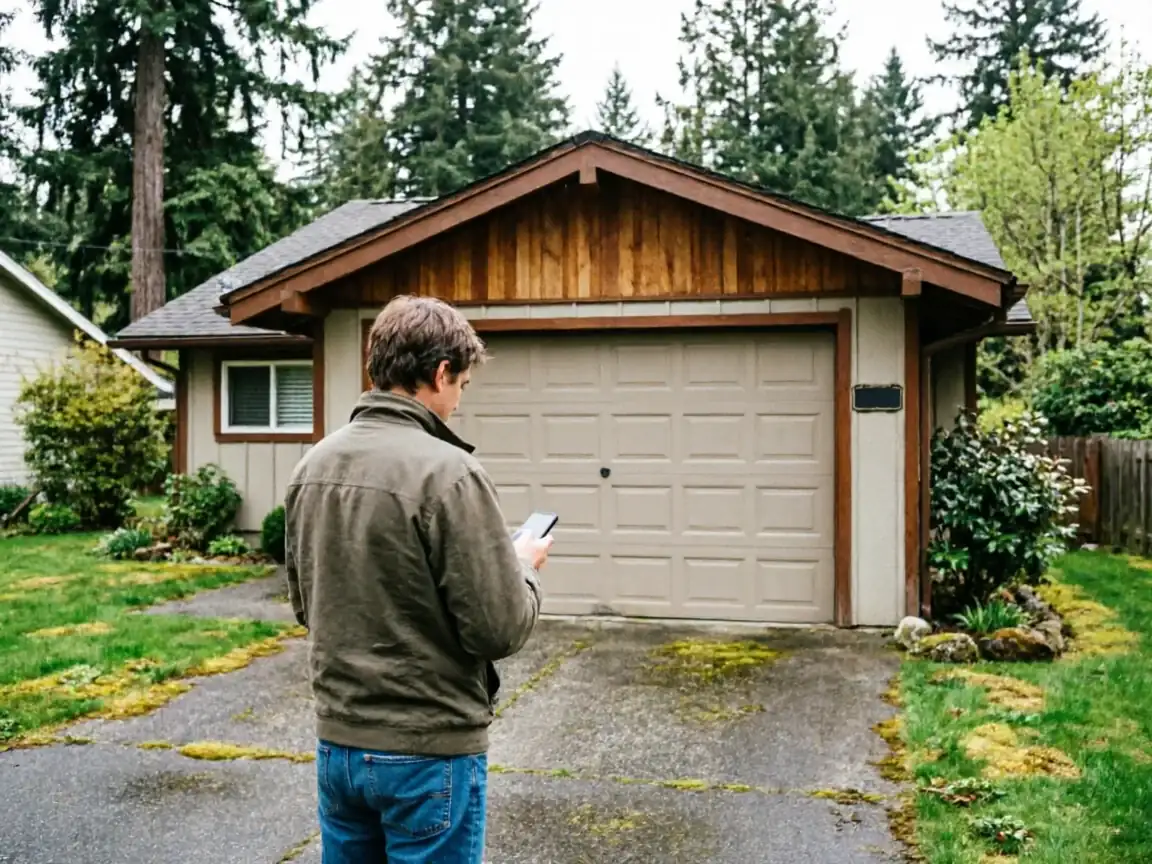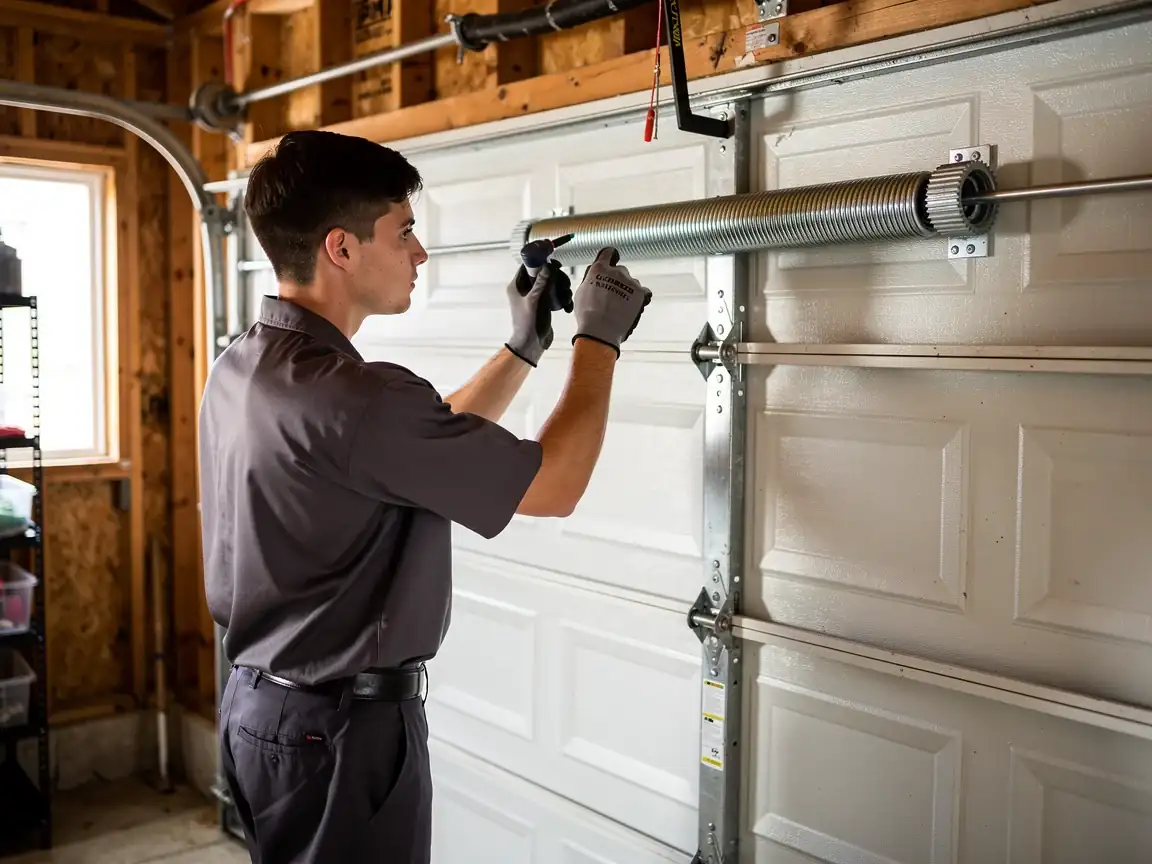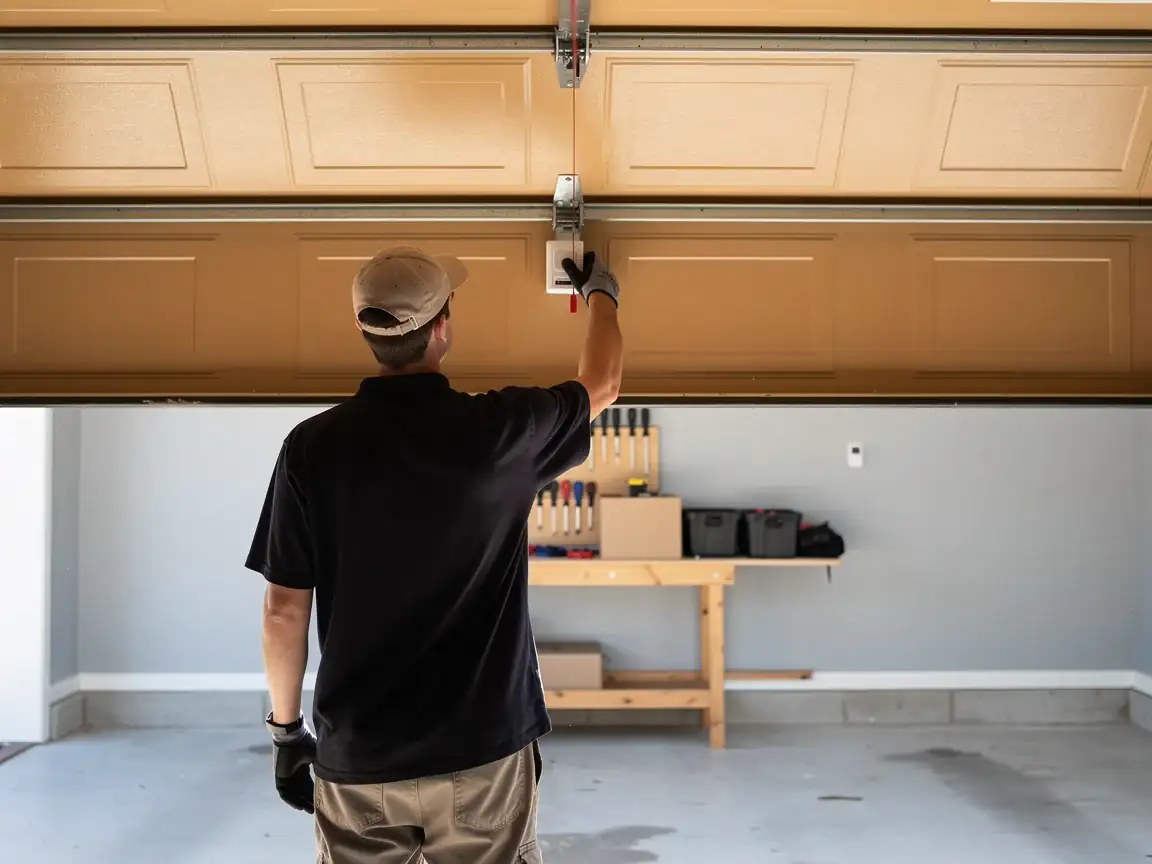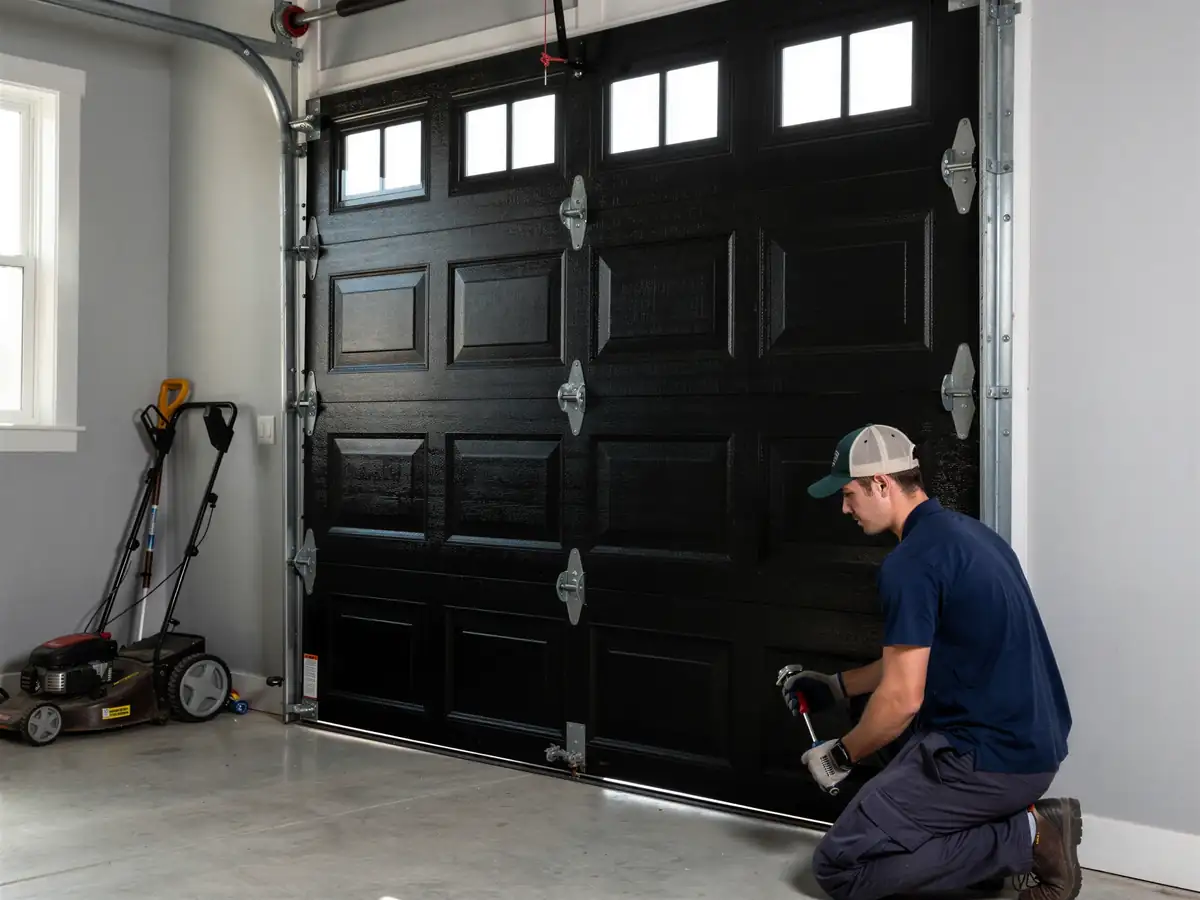
The Situation
Most of the housing in and around Oregon City went up between 1964 and 2003
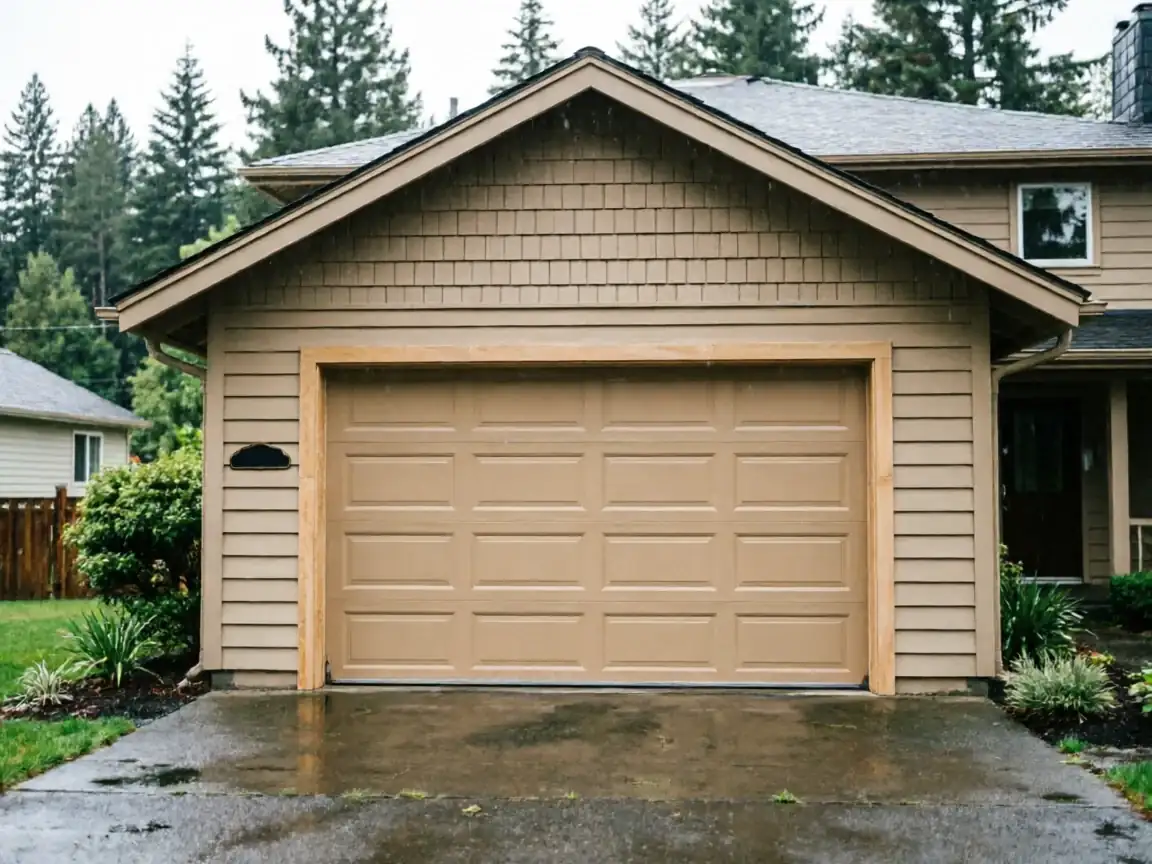
With the typical build year landing around 1982. That matters more than people expect when it comes time to replace a door. Openings from that era were framed to fit whatever single-layer steel or aluminum door was standard at the time, and a lot of those sizes don't line up cleanly with what's stocked off the shelf now. Across the wider area - from Gladstone and West Linn a few miles out to Canby and Milwaukie further off - you see the same pattern: 31 named areas, nearly all built out in that same 1980s-90s wave, so the same sizing quirks show up house after house.
When a door fails on a house like this, it's rarely a simple swap
The track mounts, the header clearance, even the spring anchor points were often built around that specific original door. We measure the actual opening before quoting anything, because assuming a 'standard' size on a house from this period is how people end up with a door that doesn't seal right or a installer who shows up with the wrong unit.
The Cost of This Job
We're not going to hand you a number that doesn't hold up house to house - too much depends on the opening size, the insulation level you want, and whether the track and opener need work alongside the door itself. What we can tell you is what drives the cost up or down here specifically. Houses built in the 1964-2003 window often have narrower headers and lower ceiling clearance than newer construction, which can rule out some double-door track configurations and push the job toward a different spring setup than what you'd plan for in a house built after 2005.
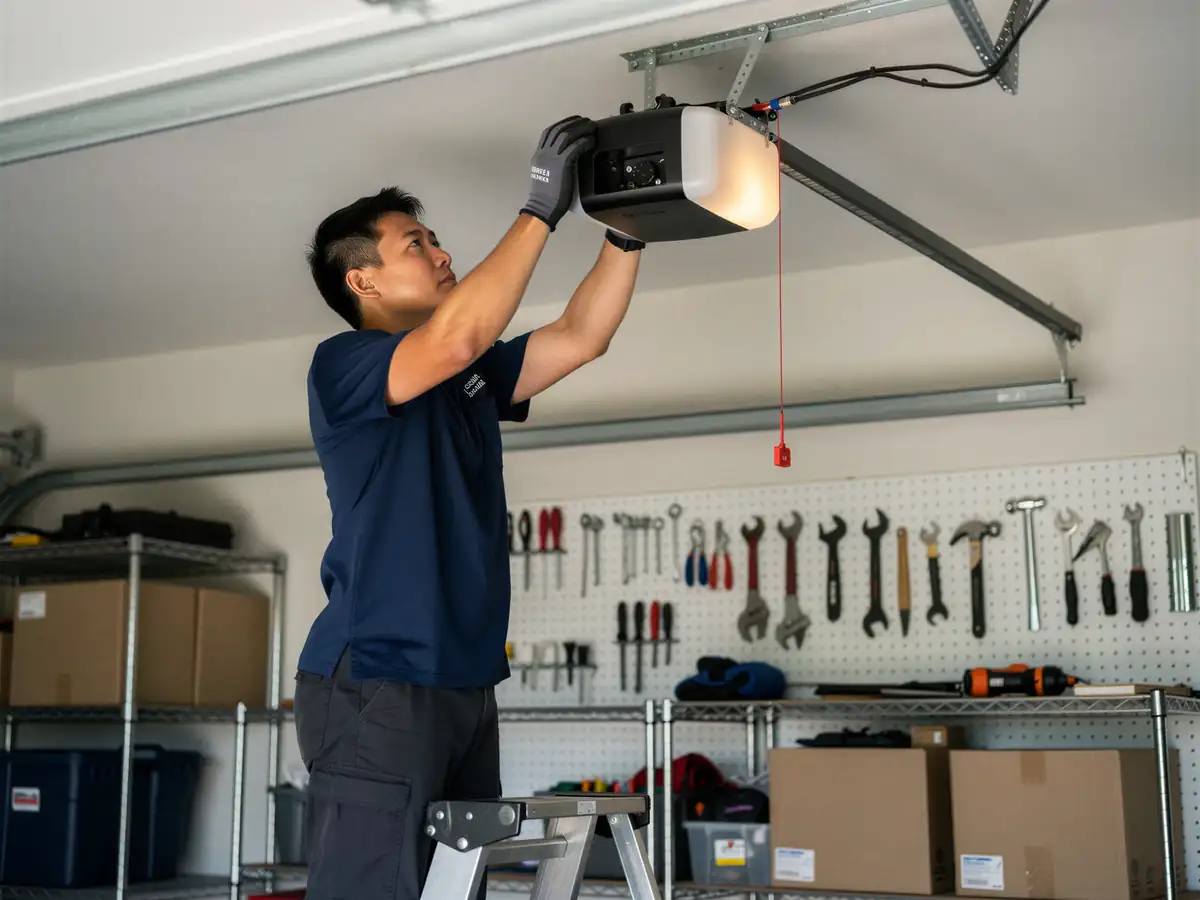
With a median household income of $102,201 across this service area and 70,535 owner-occupied houses to go around, we see a wide range of what people choose to spend - some want the base steel door replaced like-for-like, others want to upgrade insulation while they're at it. Honest limitation: if your opener is original to a house from the 1980s, we often can't just bolt it to a new door and call it done. Older openers weren't built for today's heavier insulated panels, and forcing that pairing is a comeback call waiting to happen.
How Local Conditions Play In
The climate here sits in a cold-moderate band, not the kind of extreme swings that wreck seals overnight, but steady enough dampness and chill that uninsulated original doors from the 1964-2003 building wave tend to show their age through warped panels and stiff, rusted hardware rather than sudden failure. That slow creep is why a lot of Oregon City homeowners don't notice a problem until the door is dragging on the track.
It also changes what we recommend for a replacement. A door with a decent thermal break and weather seal earns its keep in a climate like this, especially on houses where the garage shares a wall with living space - common in the mid-century and later stock that makes up most of this area. We're not pushing the most expensive insulated option on every job; a detached garage with no shared wall doesn't need the same spec as an attached one. But on an attached garage built in that 1964-2003 range, skipping insulation usually just means paying for it later in a heating bill instead of a door.
Checking It Yourself
Before you decide you need a full replacement
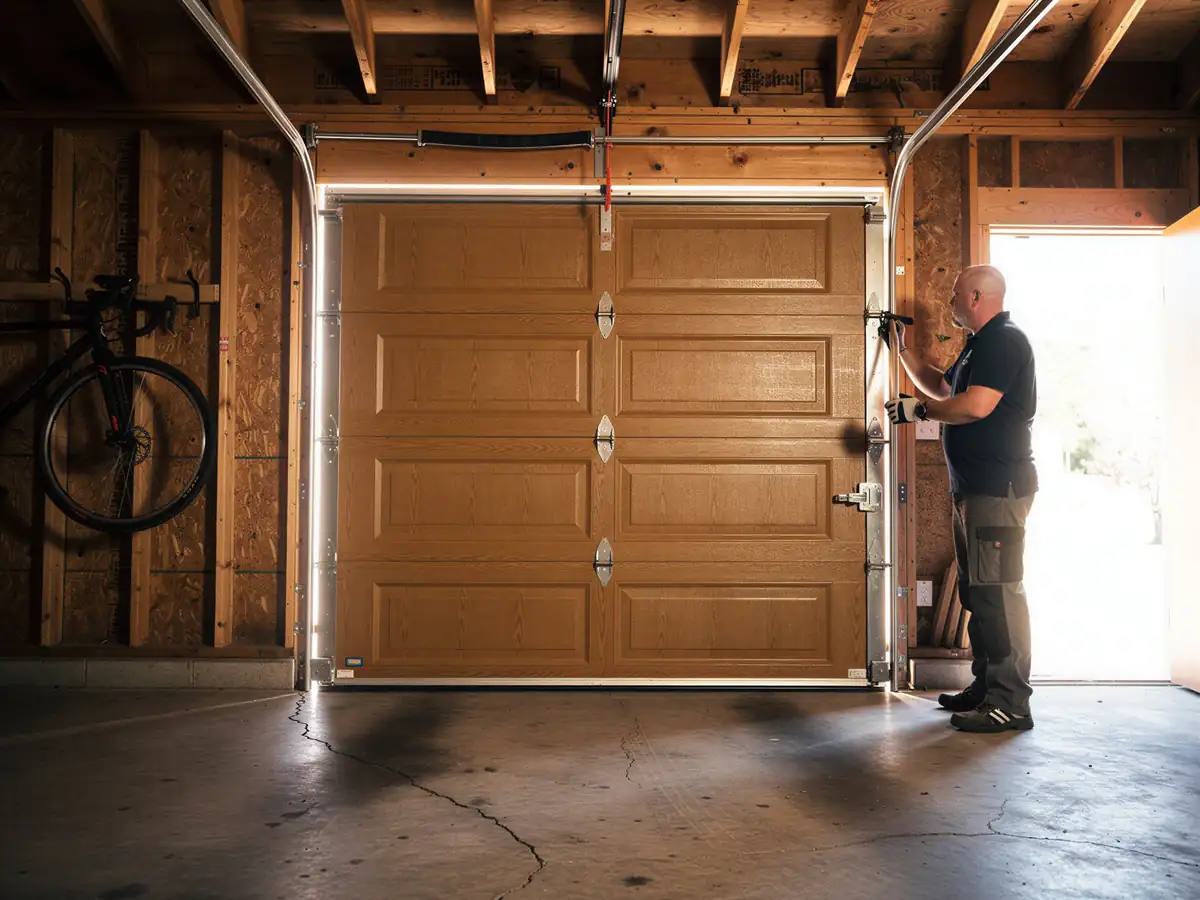
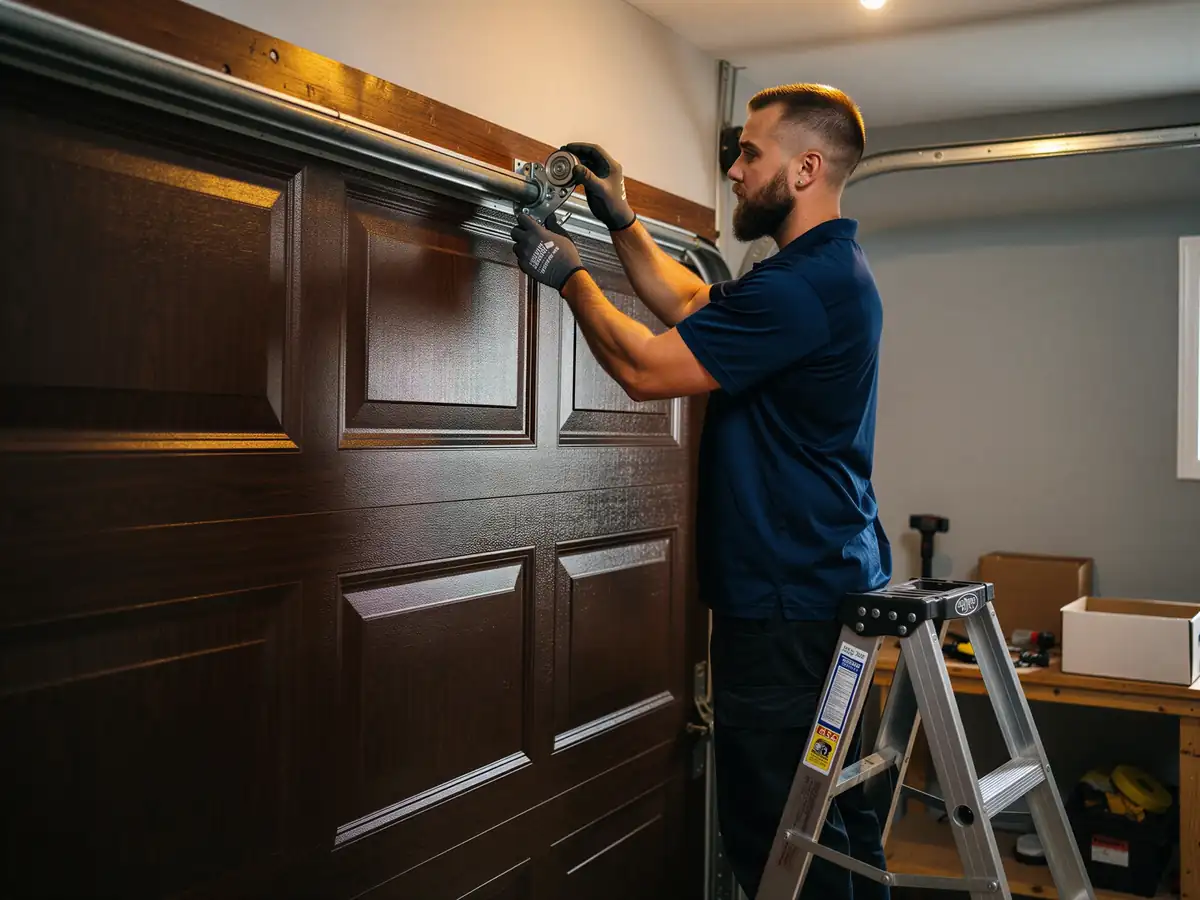
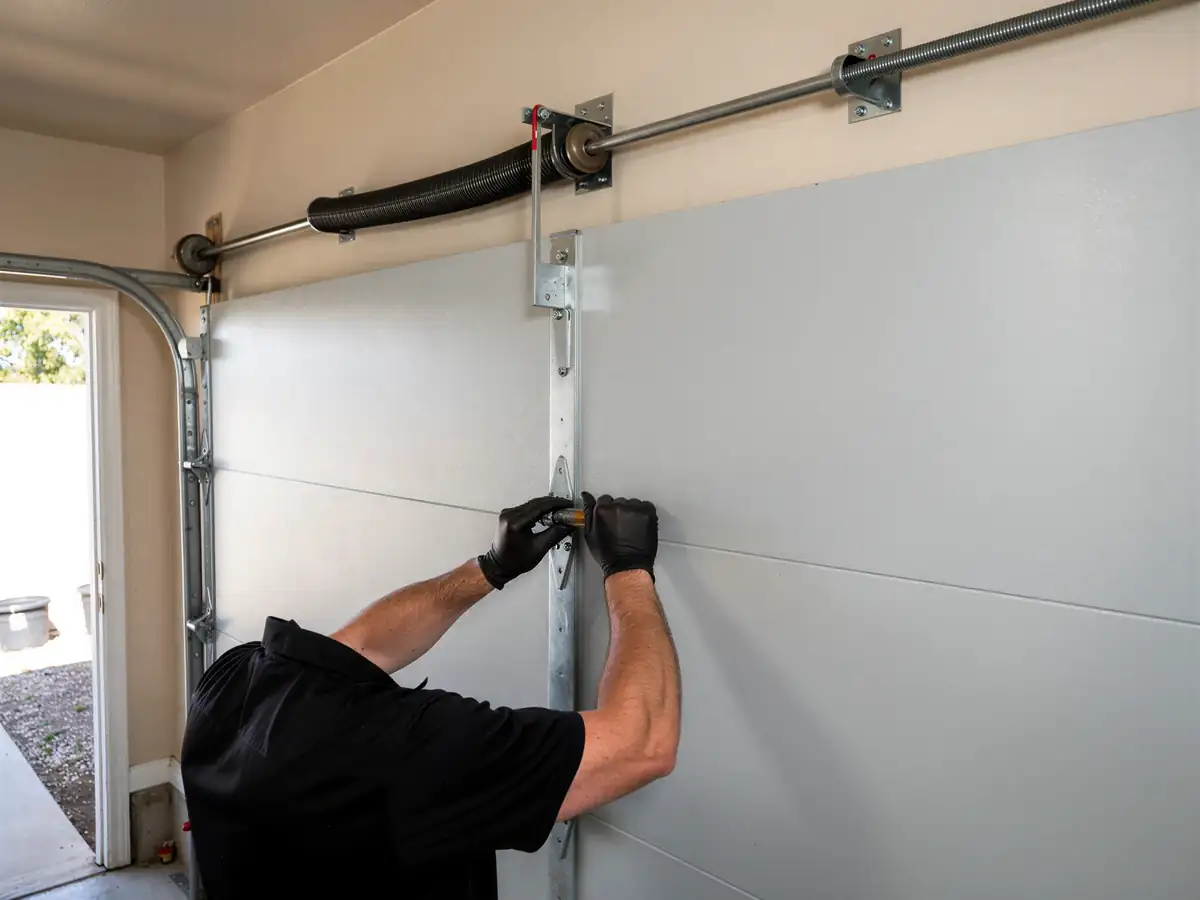
A few things are worth checking yourself, especially given how common the 1980s-era setup is around here. Disconnect the opener and lift the door by hand - if it doesn't stay roughly where you put it, the spring is doing less work than it should, and that's a repair, not a replacement. Look at the tracks for rust pitting or bent sections; houses from this build era often still have the original galvanized track, and three or four decades in a damp climate band takes a toll on the coating.
Check the bottom panel and weatherseal too
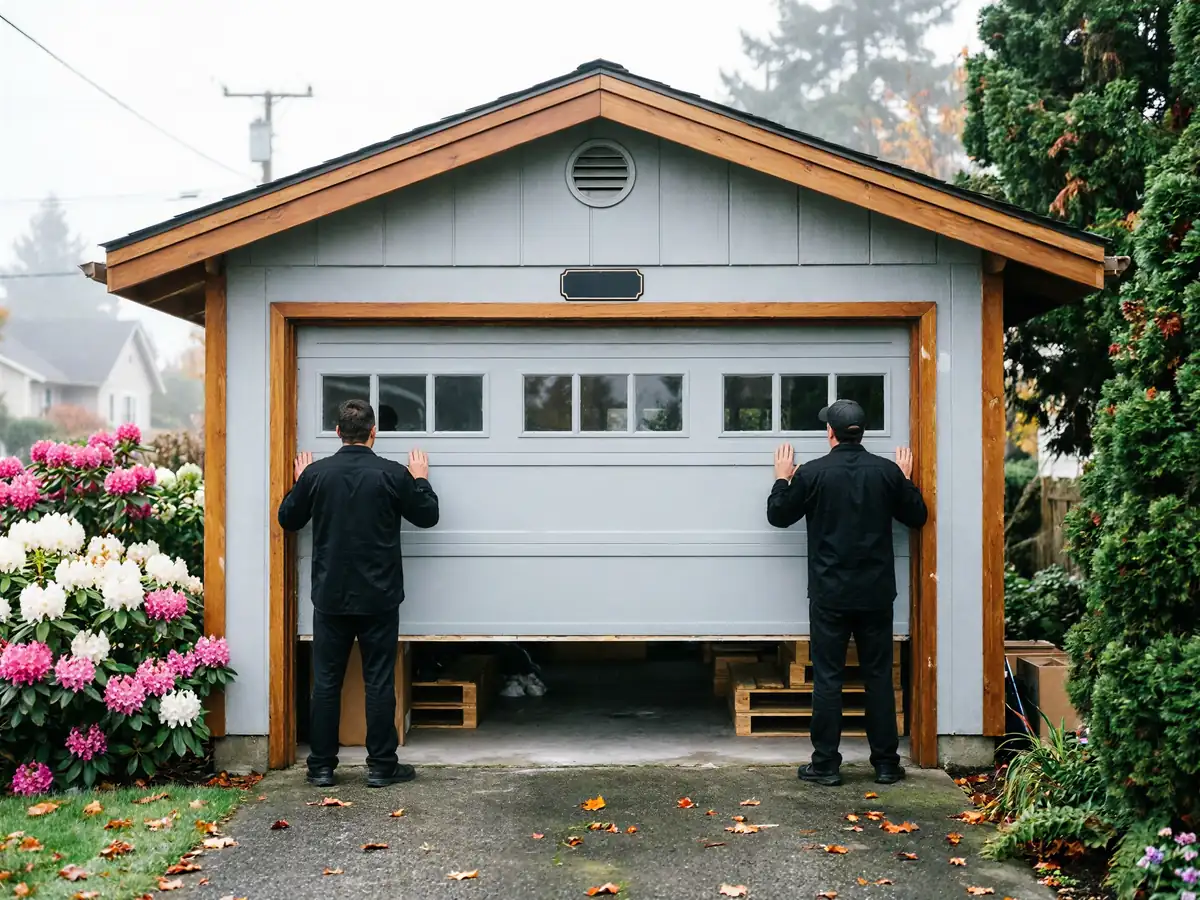
On a door that's original to a house built in the 1964-2003 range, the bottom seal has usually been replaced once or twice already, and a stiff, cracked seal lets in more cold air than most people realize. If the door moves smoothly by hand, the track is straight, and the panels aren't warped or rusted through, you may be looking at a repair instead of buying a replacement door here. If it fails more than one of those checks, that's usually the point where repair costs start catching up to replacement.