How That Shows Up in the Door
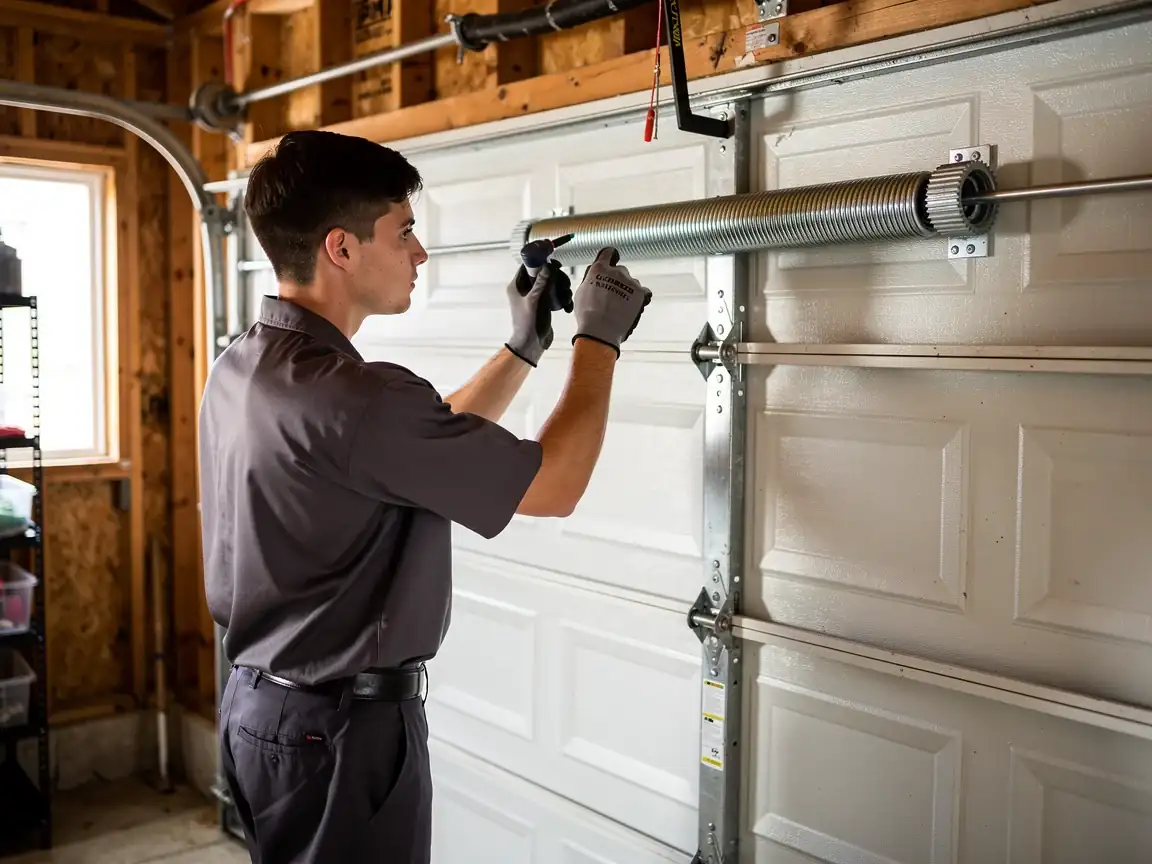
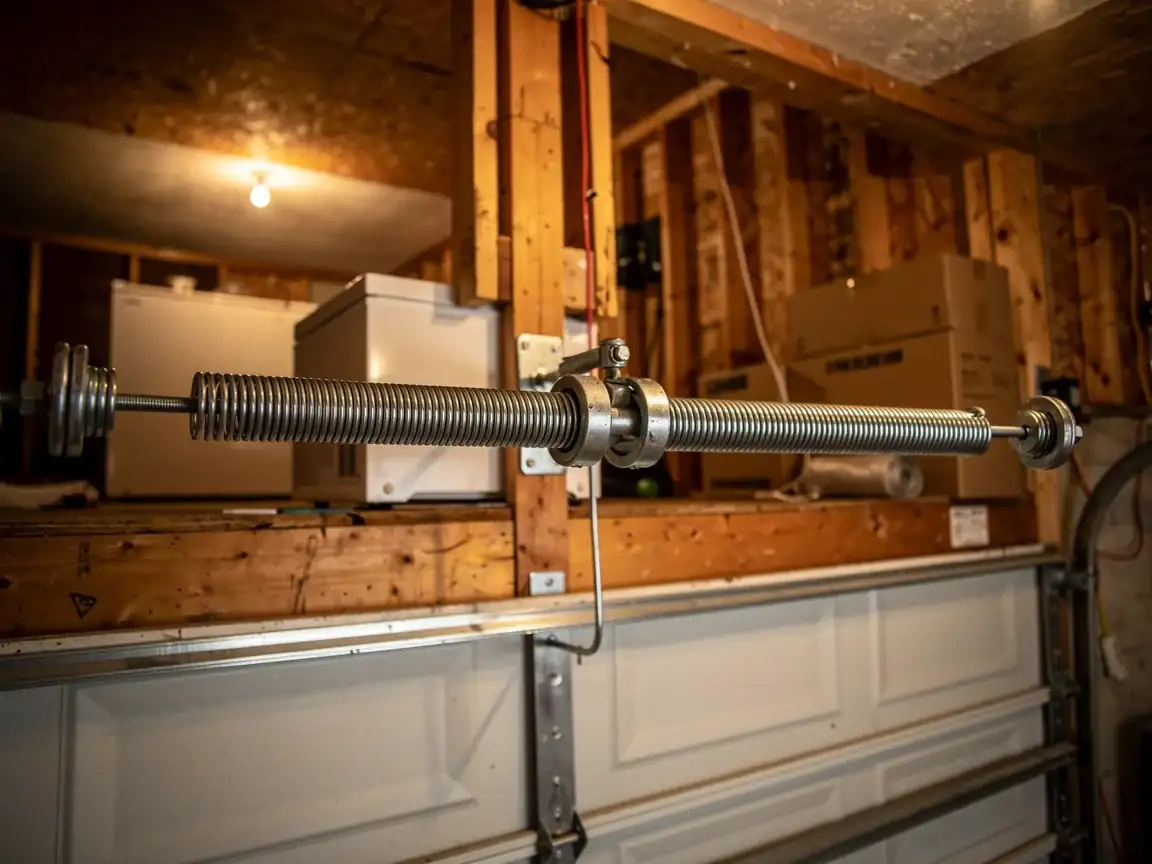
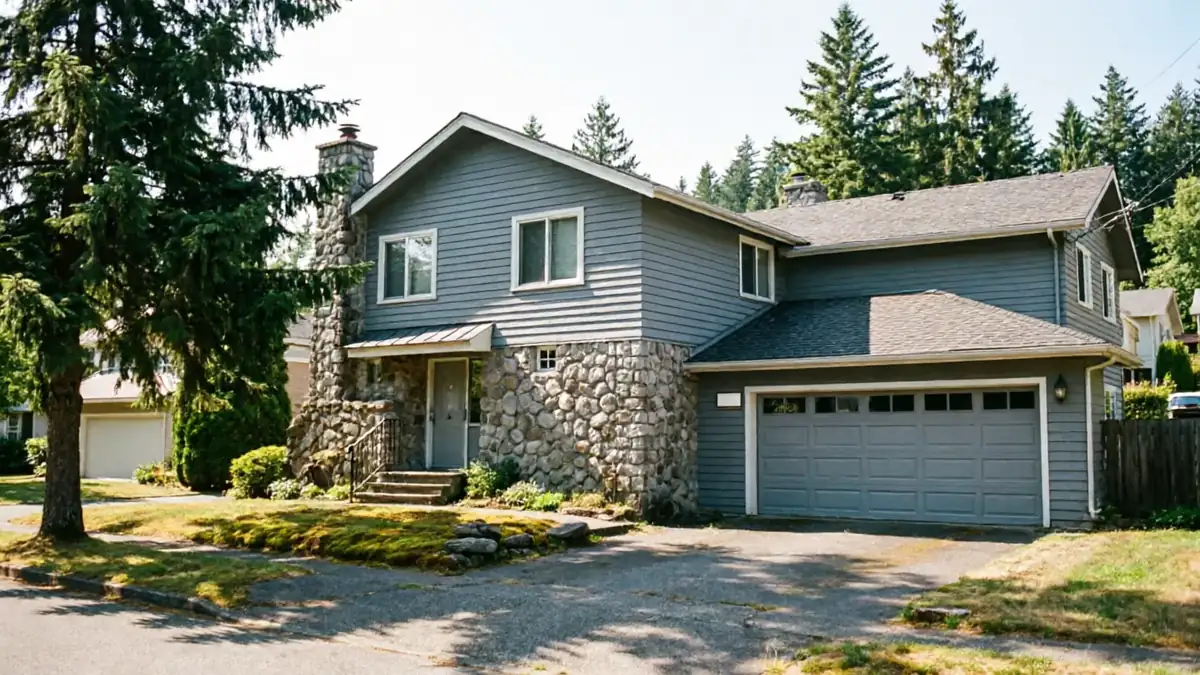
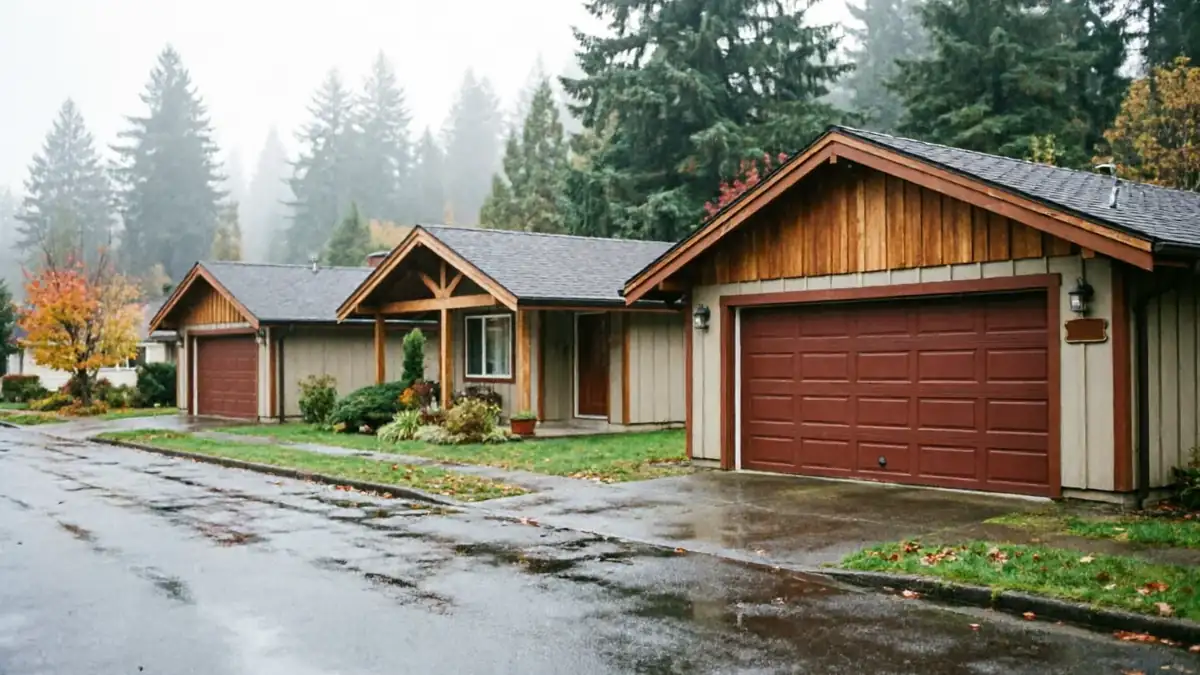
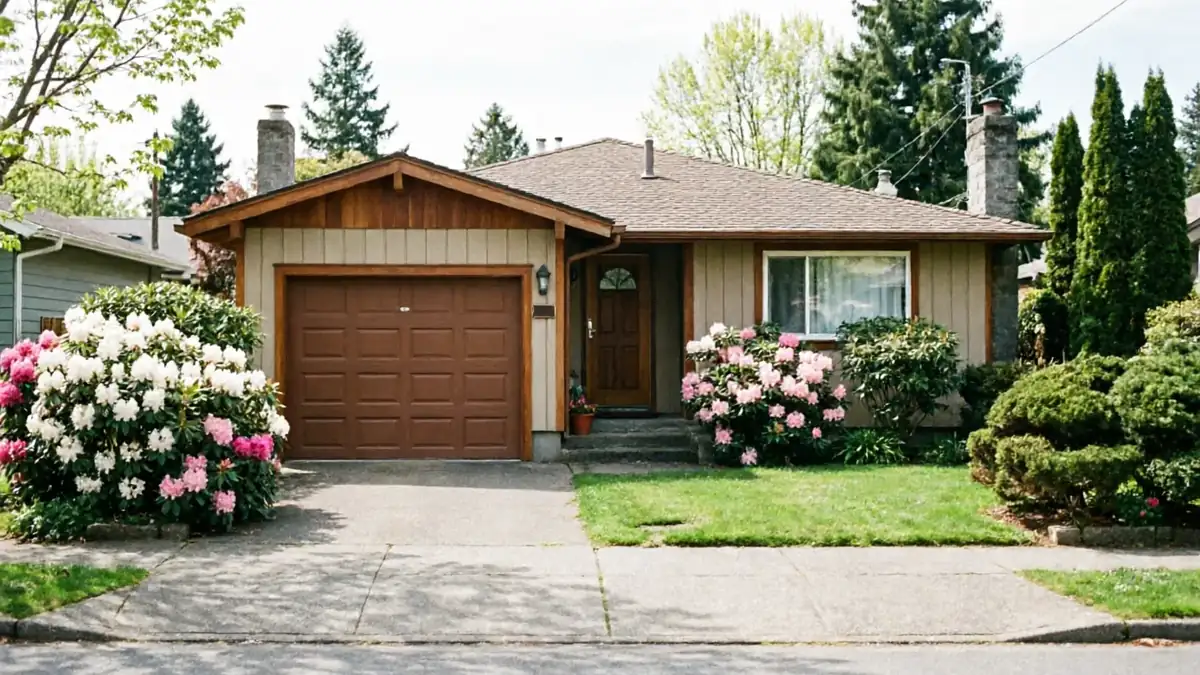
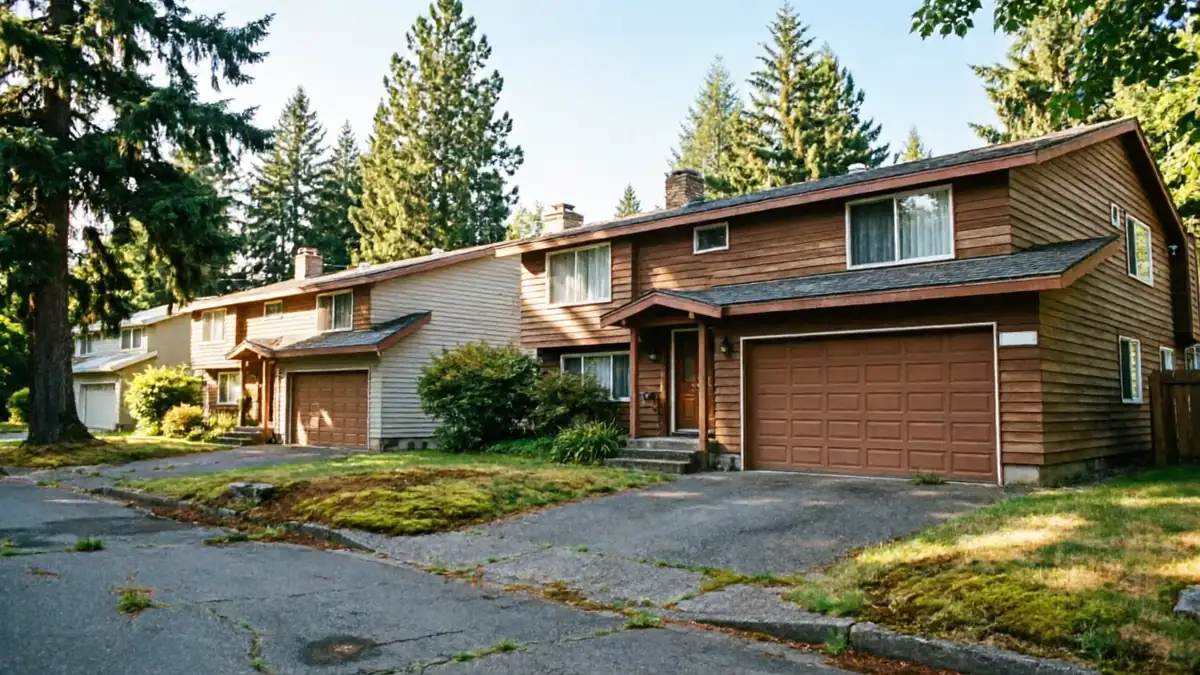
Gladstone's median home was built around 1975, which puts most of the housing stock about seven years earlier than the service area's overall median of 1982. That gap matters more than it sounds like. Doors from the mid-70s were commonly installed with single-spring torsion setups or, on the cheaper end, extension springs mounted along the horizontal track rather than the torsion tube over the opening. Both designs are still working in plenty of Gladstone garages, but the springs themselves are past the point where we'd call them reliable - metal fatigue doesn't announce itself, it just lets go. The other thing that shows up on these older units is worn hinge and roller hardware that was never upgraded; steel rollers in steel brackets, no nylon, no ball bearing. That combination means more noise and more frequent track misalignment than you'd see on a door installed in the 90s or later.
The Split Between Old and New
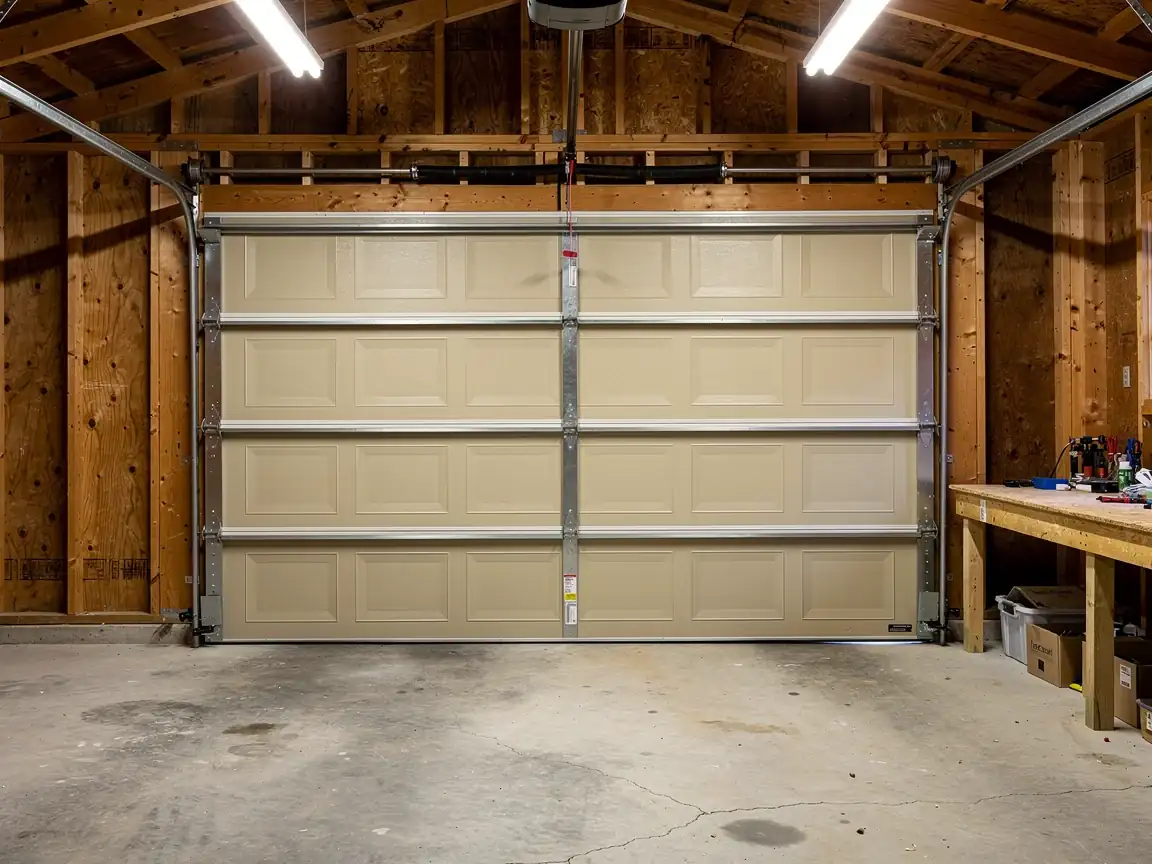
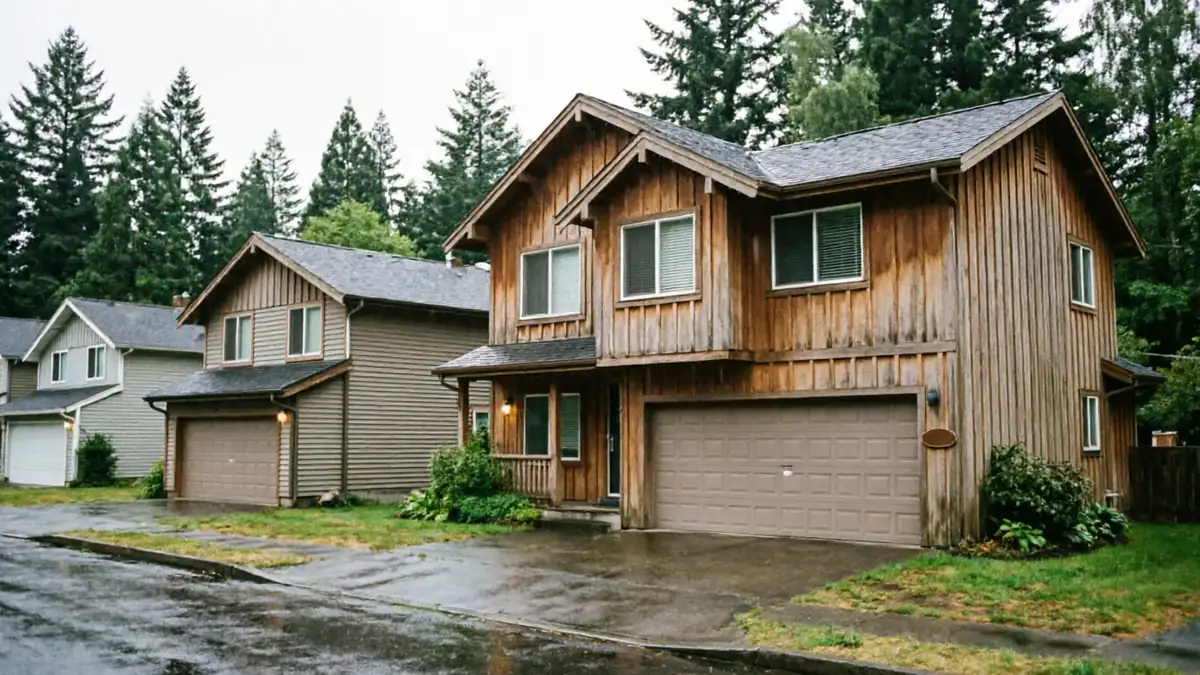
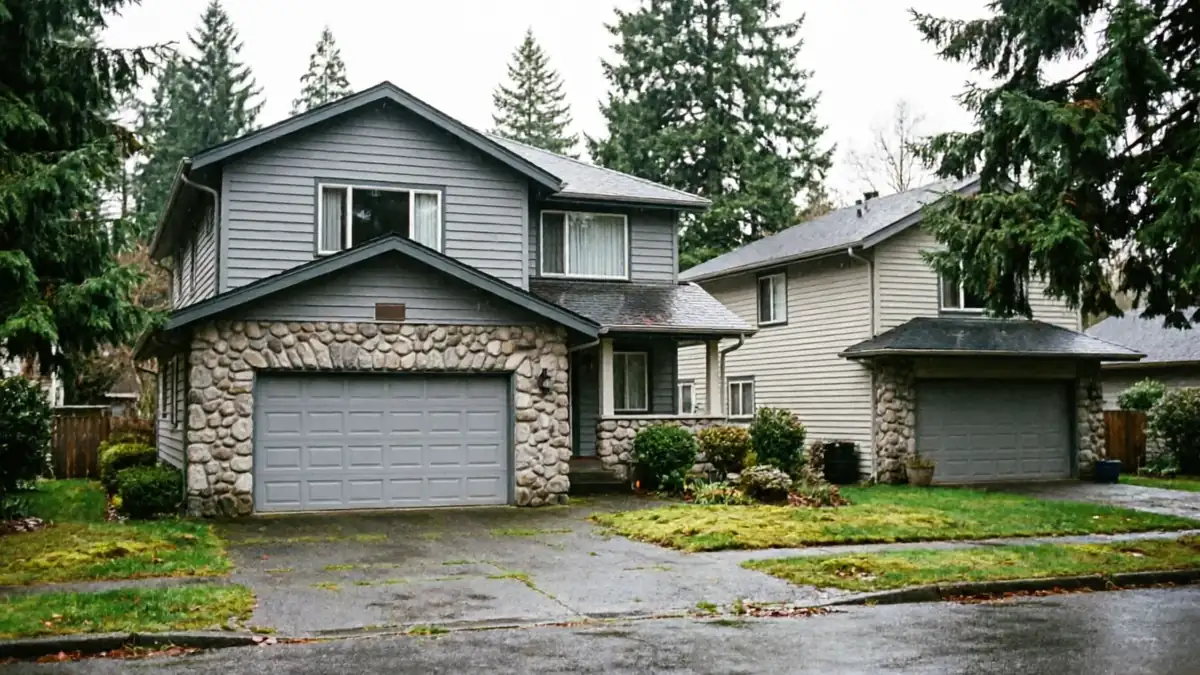
Gladstone has about 5,172 households, and the mix is older than you'd guess from the town's size. Houses going up in the mid-70s used a narrower range of garage door hardware than what came after - the building code and manufacturer options both expanded through the 80s and 90s, which is roughly when the broader Oregon City service area's housing median lands (1982). So a Gladstone call is more likely to be a single-spring torsion system or a dated extension-spring setup than the double-spring torsion standard that shows up on newer builds across the rest of the area. That's not a problem on its own, but it does mean the repair plan is different: matching spring wire diameter on an older single system takes more care, because getting it wrong unbalances the whole door instead of just one side of it.