Parts We Carry
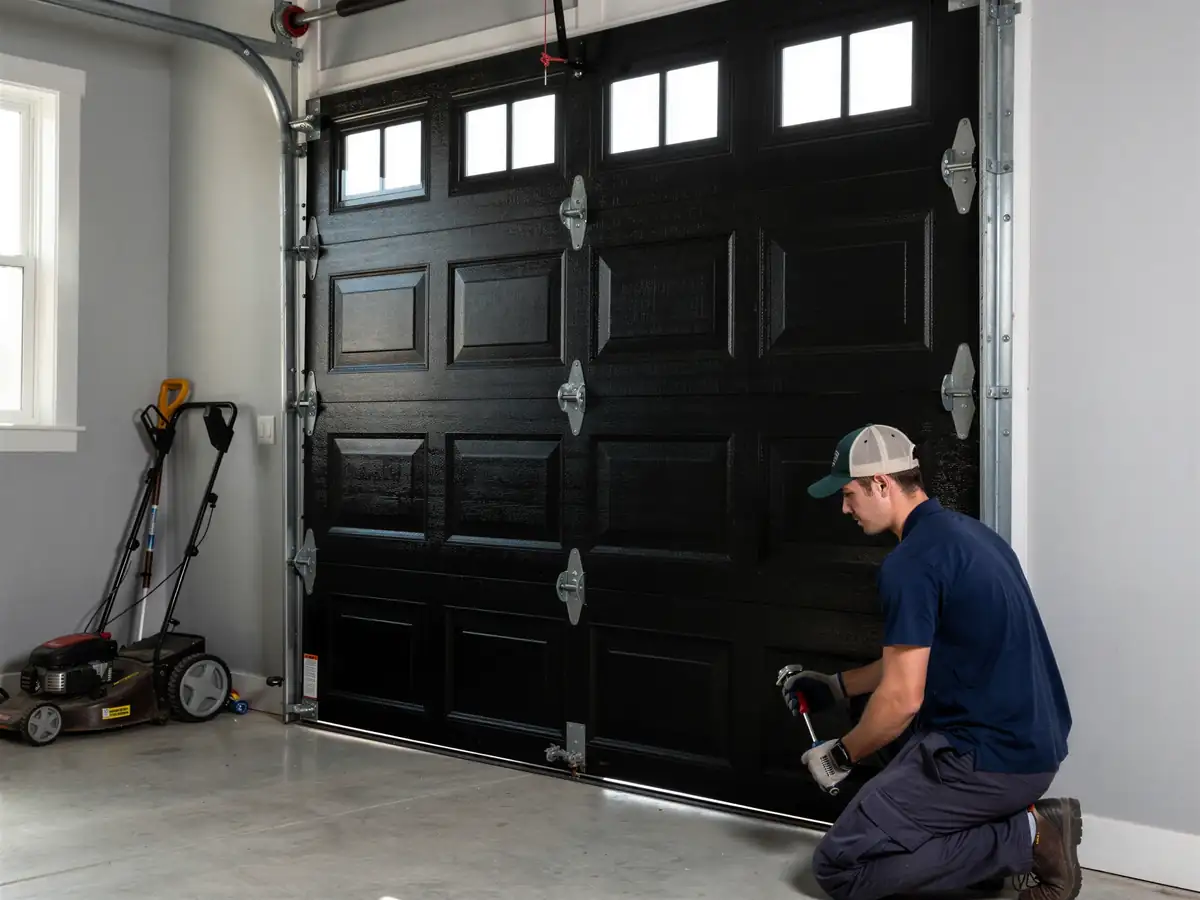
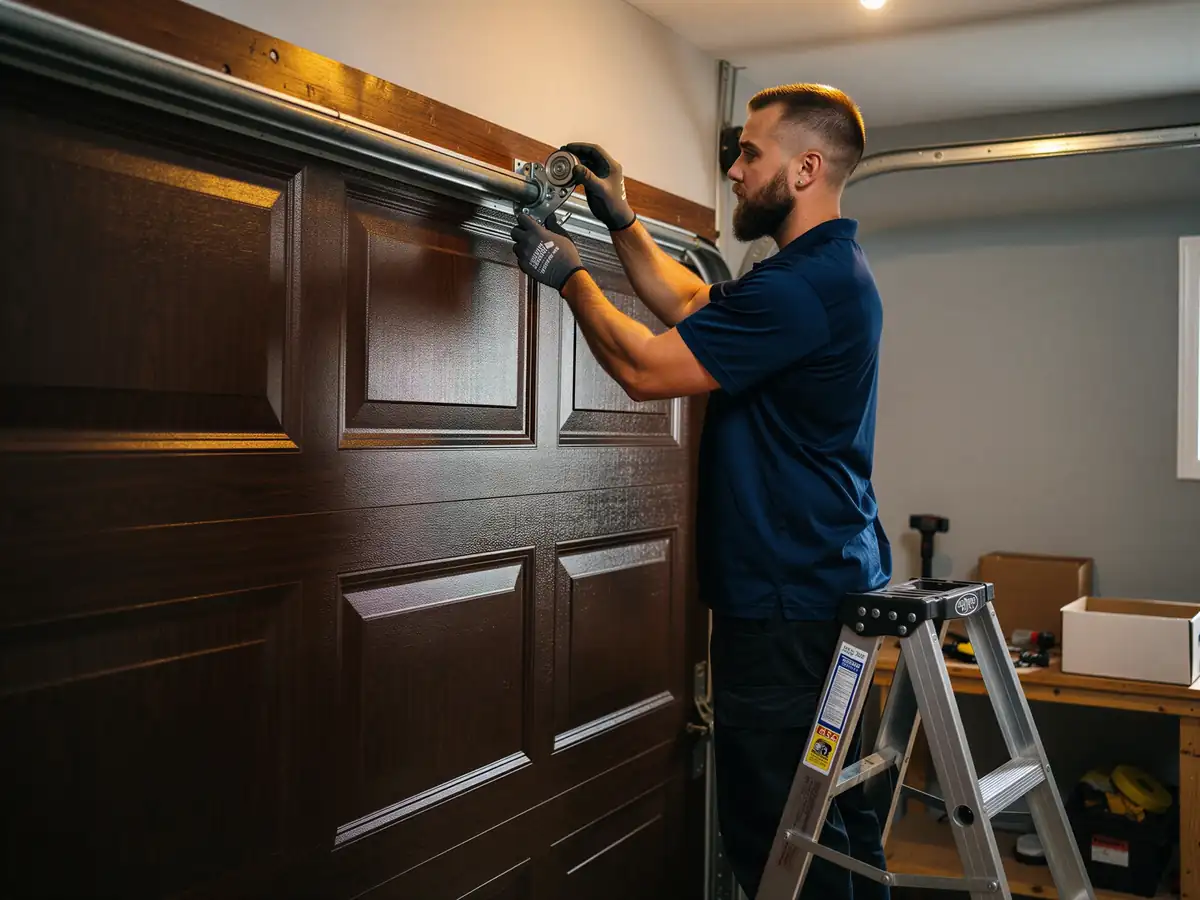
We stock common panel widths and the hardware that goes with mid-1970s through 1990s steel doors, since that's what most of this area's houses were built with and what keeps breaking. Hinges, rollers, and end stiles sized for that older stock are the parts we keep on the truck; anything outside that range, especially a narrower or oddly-profiled panel from a door built before steel sectional doors were standard, we order in. Gladstone sits about 3 miles from our Oregon City shop, so a part we don't have on hand the day of the call is usually a short turnaround, not a long one. We won't pretend every panel is a same-day match, though - if your door was a custom order when it went in, the replacement panel will be too, and that part of the job is on the supplier's timeline, not ours.
How Long You Are Without the Door
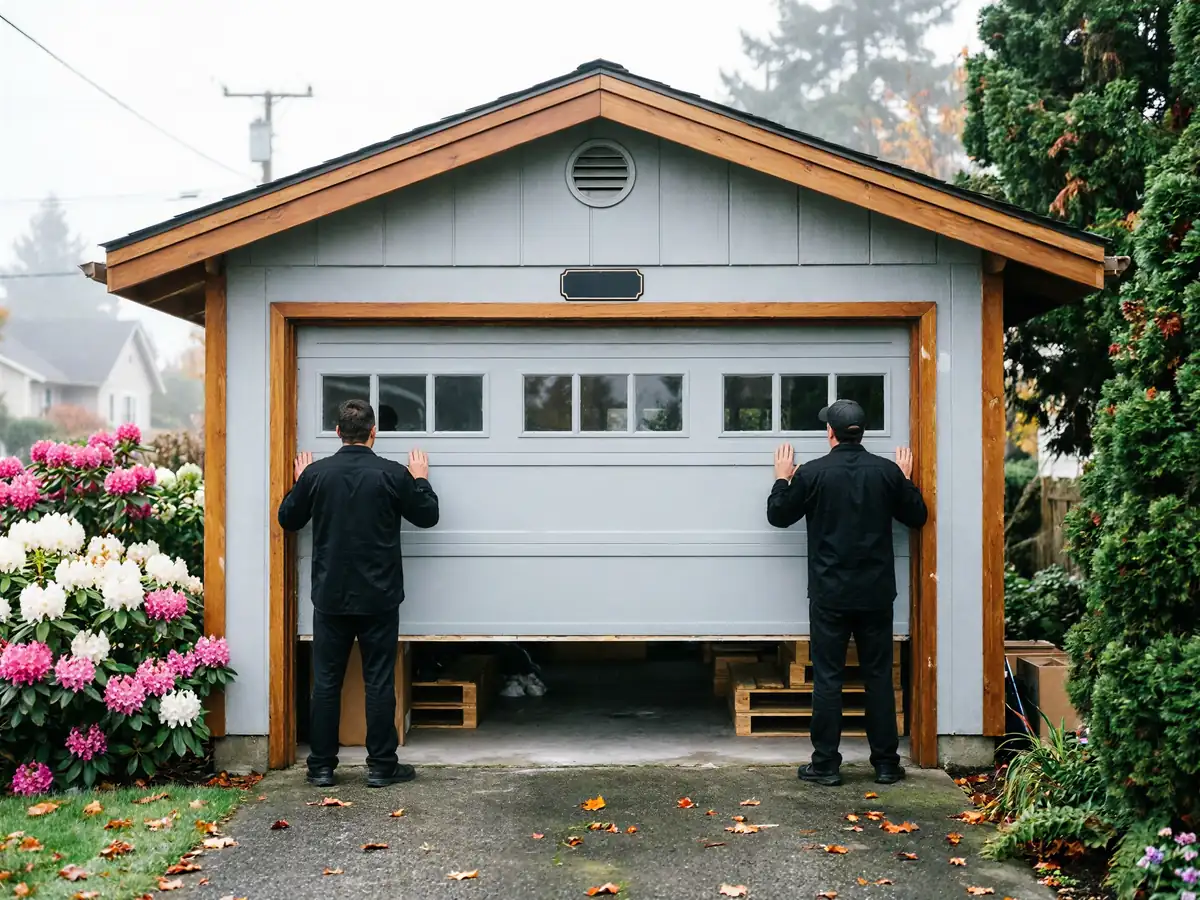
Because we run out of Oregon City, 3 miles up the road, getting to a Gladstone job isn't the bottleneck - matching the panel is. If the section that failed is a common size from the 1970s-90s run that makes up most of this area's doors, we can usually pull stock and close the door the same visit. If it's a non-standard width, or the finish has weathered enough that a new panel would stand out next to the old ones, we'll talk through whether to wait for a special order or replace enough panels at once to keep the door looking uniform. Either way, the door gets secured before we leave - you're not left with an open bay overnight while parts get sorted out.
The DIY Question
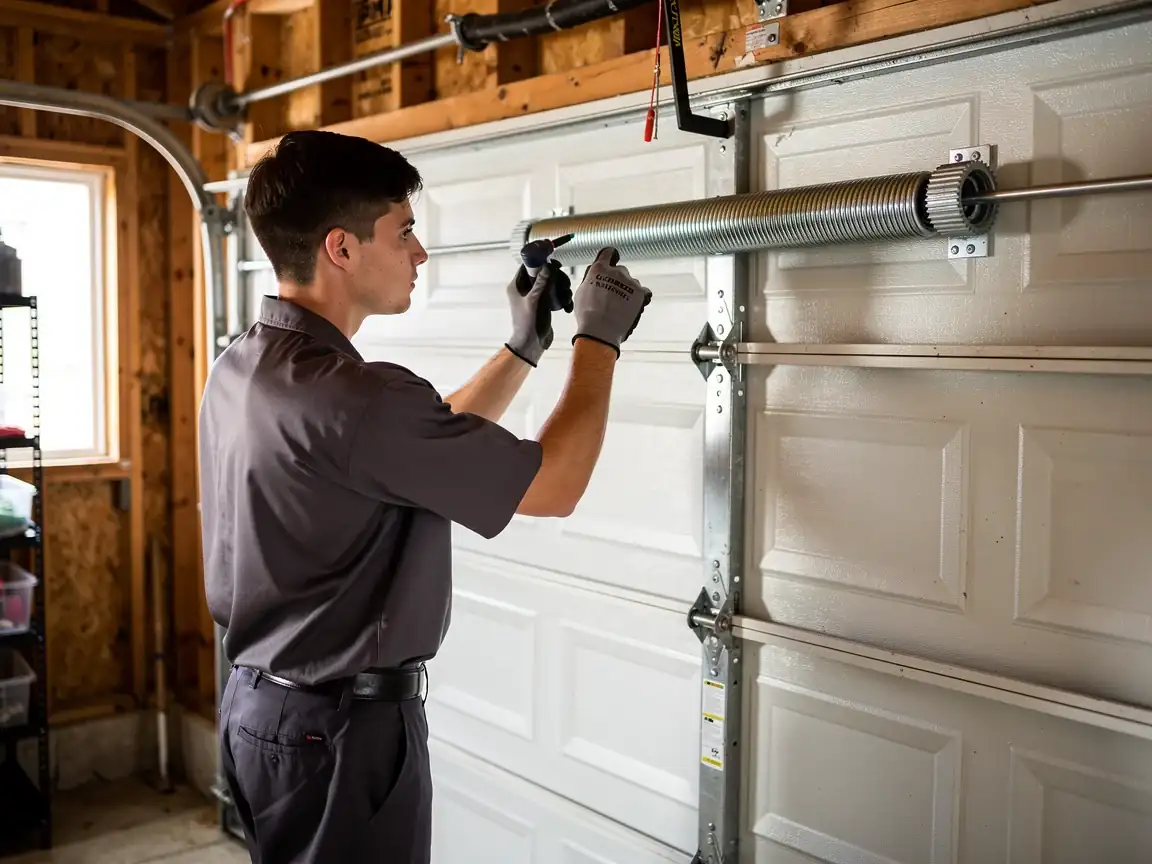
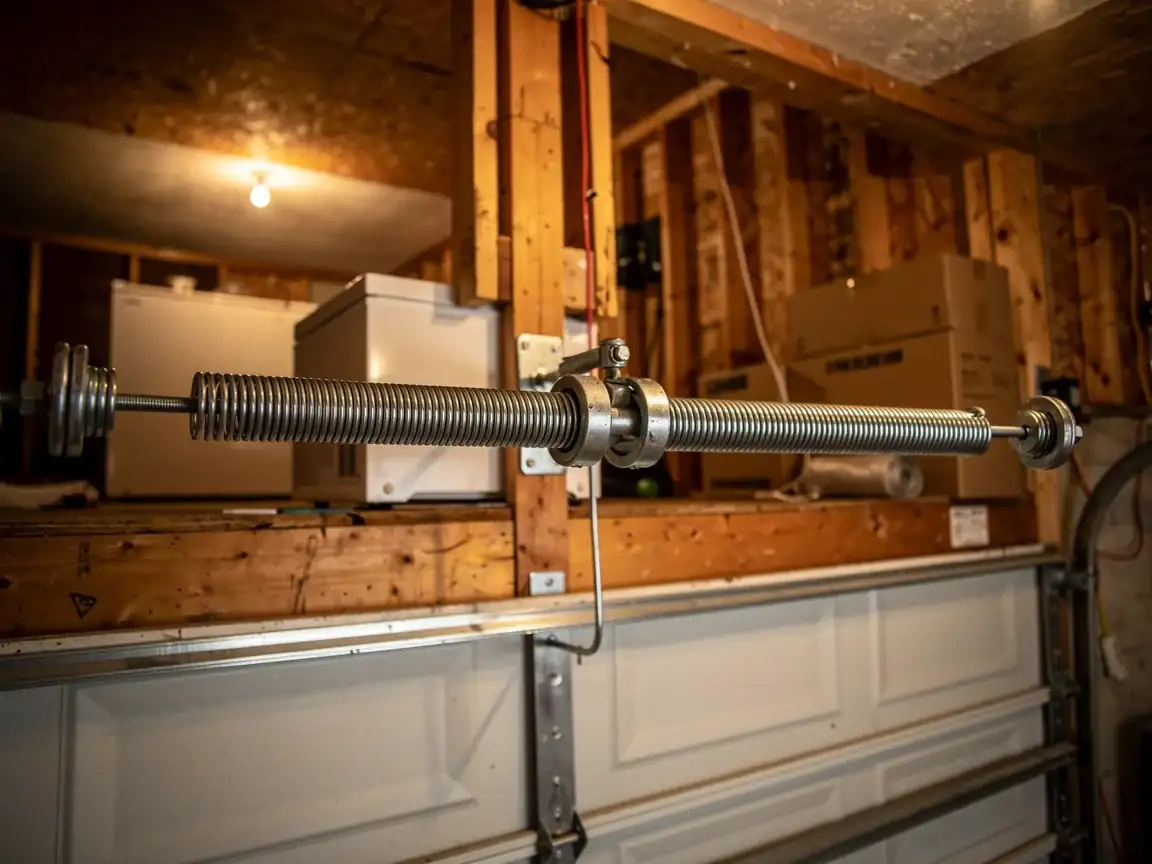
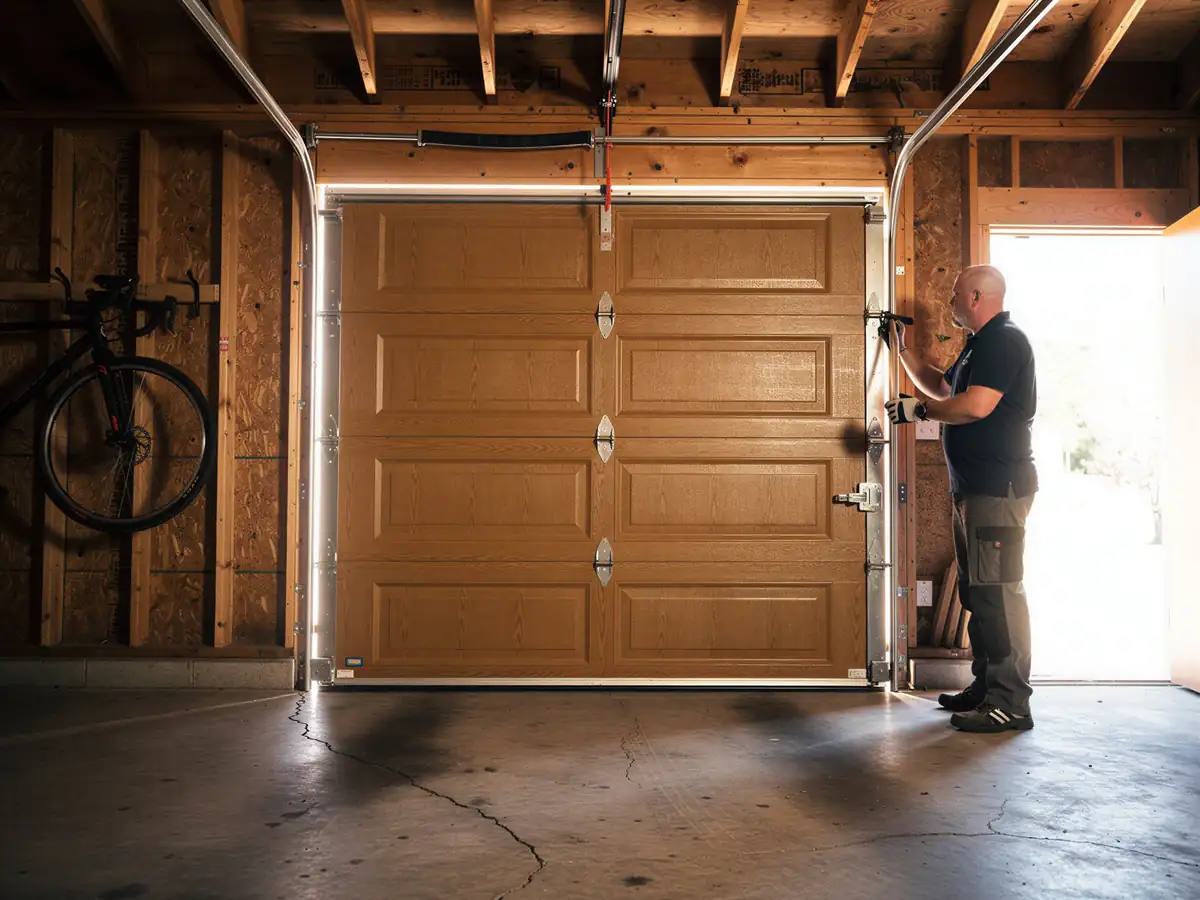
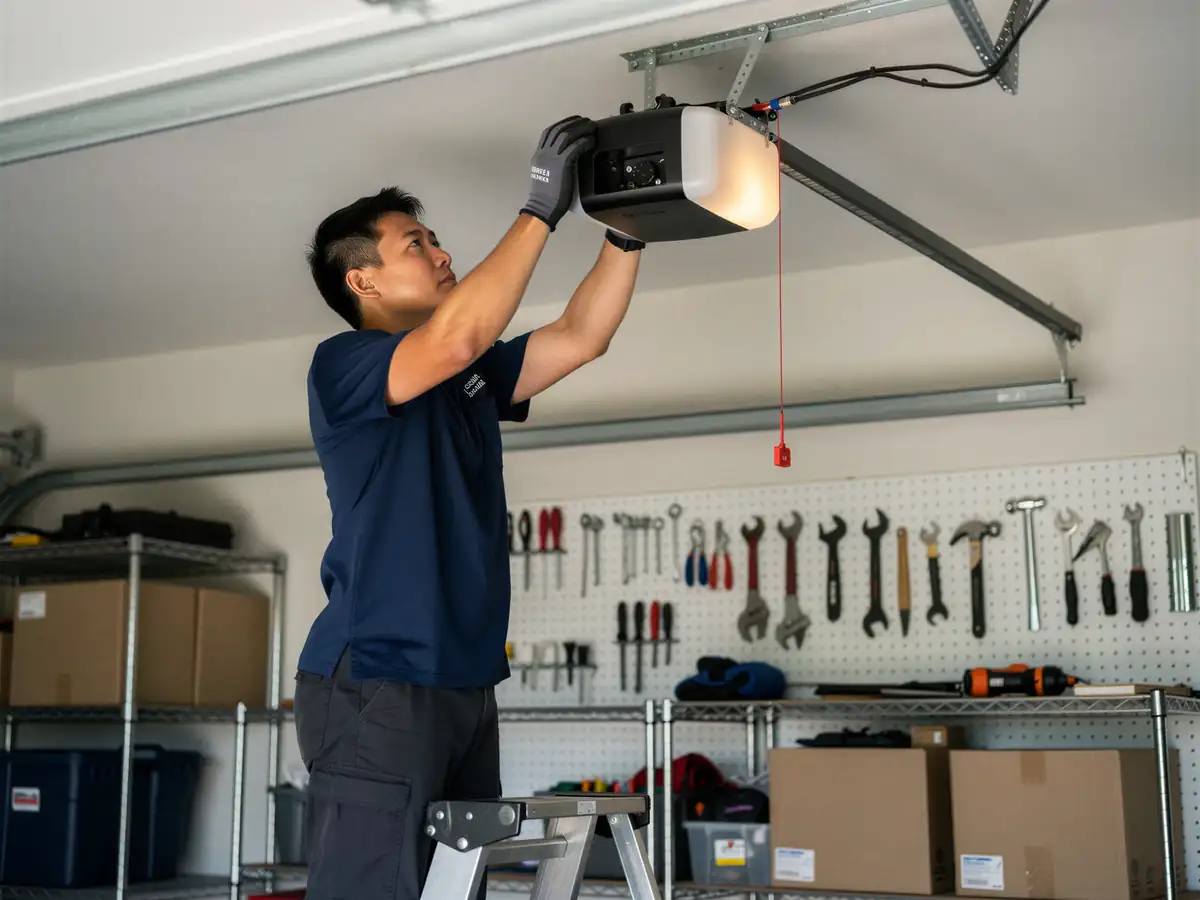
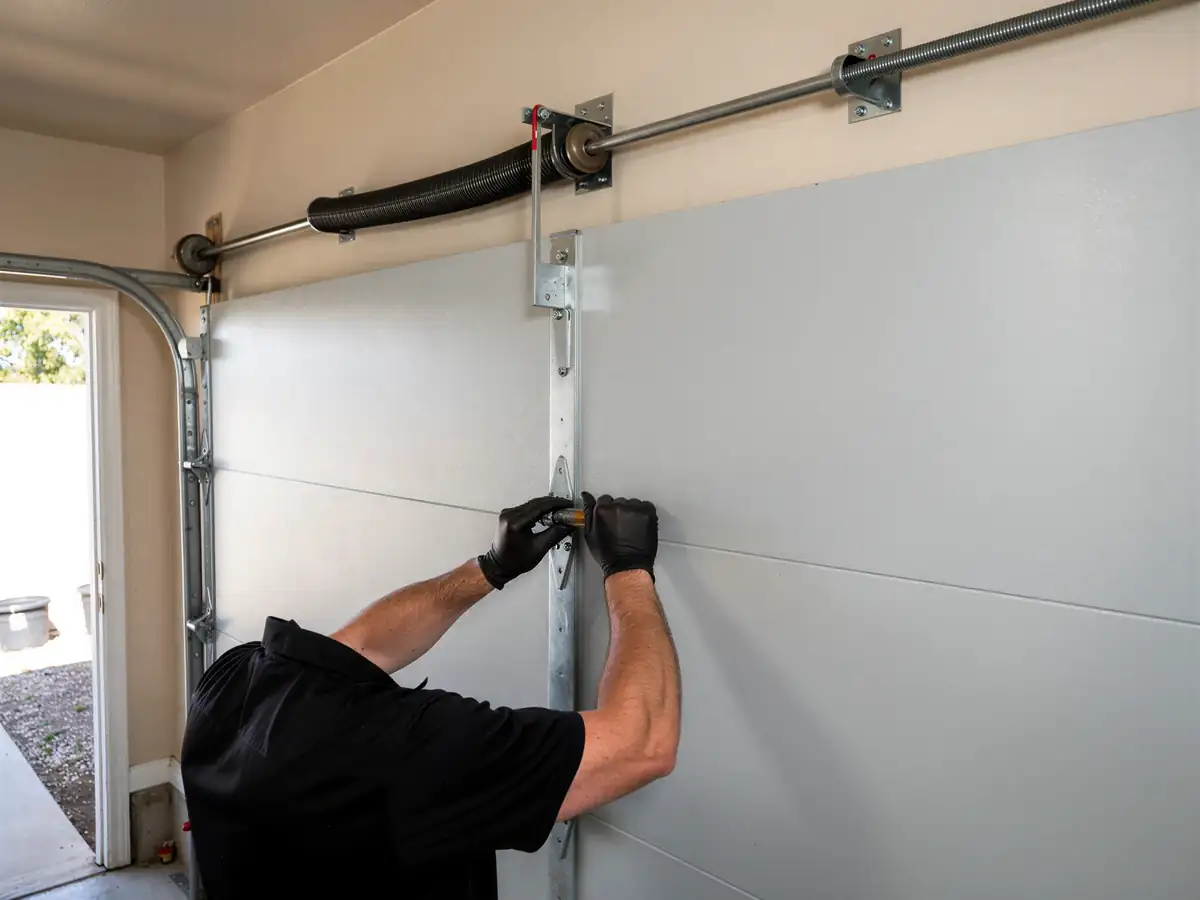
A single panel on a modern steel door is a reasonable DIY swap if you can get the right part and the door isn't under spring tension at the section you're touching. On the older doors common to this area, we'd caution against it for one reason: panels from the 1970s and 80s often used hardware that's no longer a standard stock item, and ordering the wrong width or hinge pattern means a second trip and a second cost. If your door still carries its original torsion spring setup from that era, we also don't recommend opening the door up yourself - that hardware ages unevenly and isn't worth the risk to save a service call. For a straightforward panel on newer stock, going it alone can make sense; for anything from the older end of this neighborhood's housing, we'd rather you call first and find out what you're actually dealing with.