The Situation
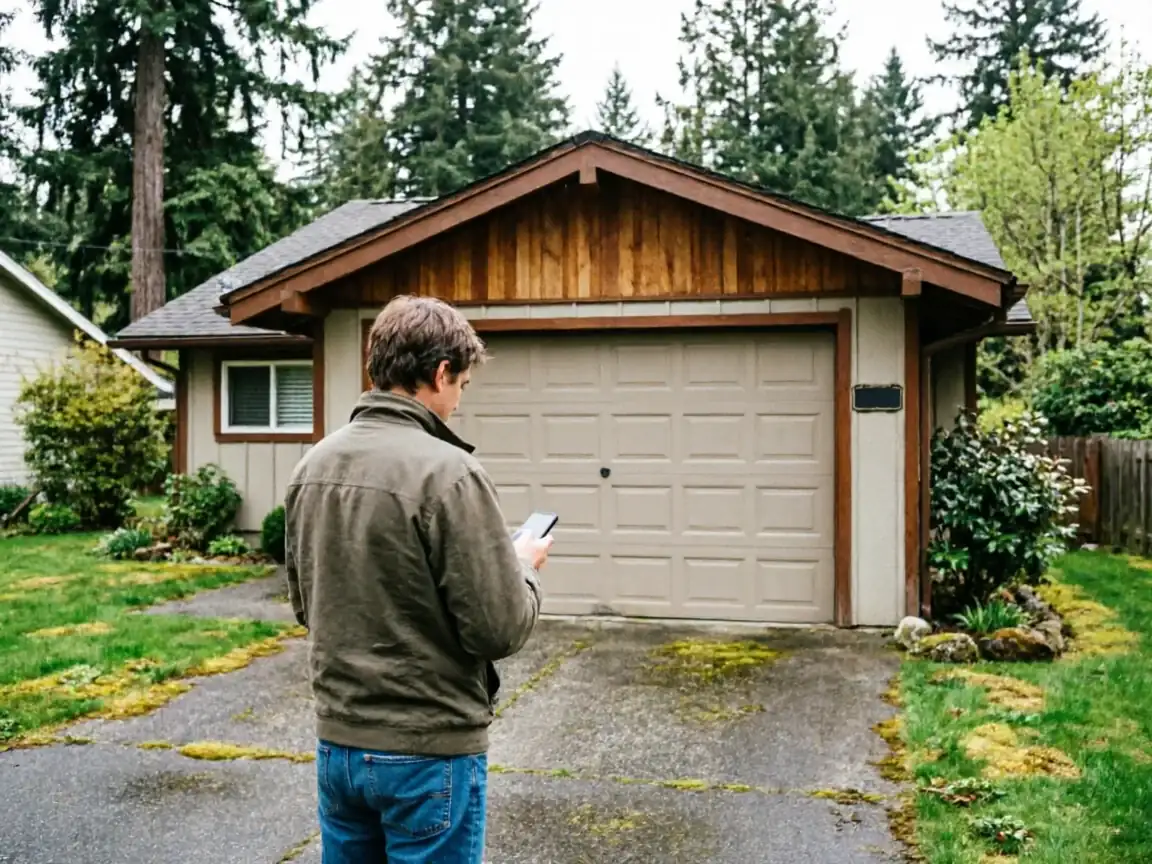
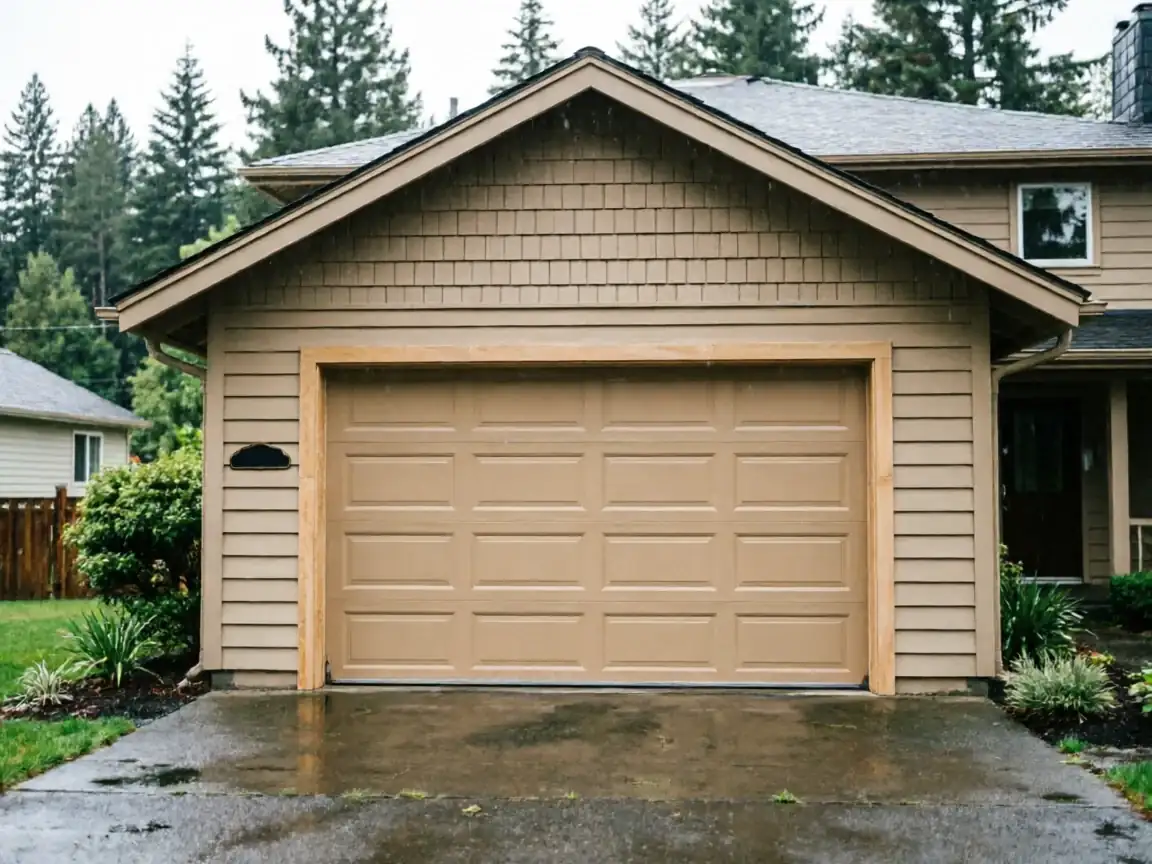
Most of the houses we get called to in Oregon City went up between 1964 and 2003
With the typical build year landing around 1982. That matters more than people think. Energy code requirements for insulated garage doors came later than that median build year, so a big share of the original doors on this side of town are bare steel or a single layer of aluminum with no foam core at all.
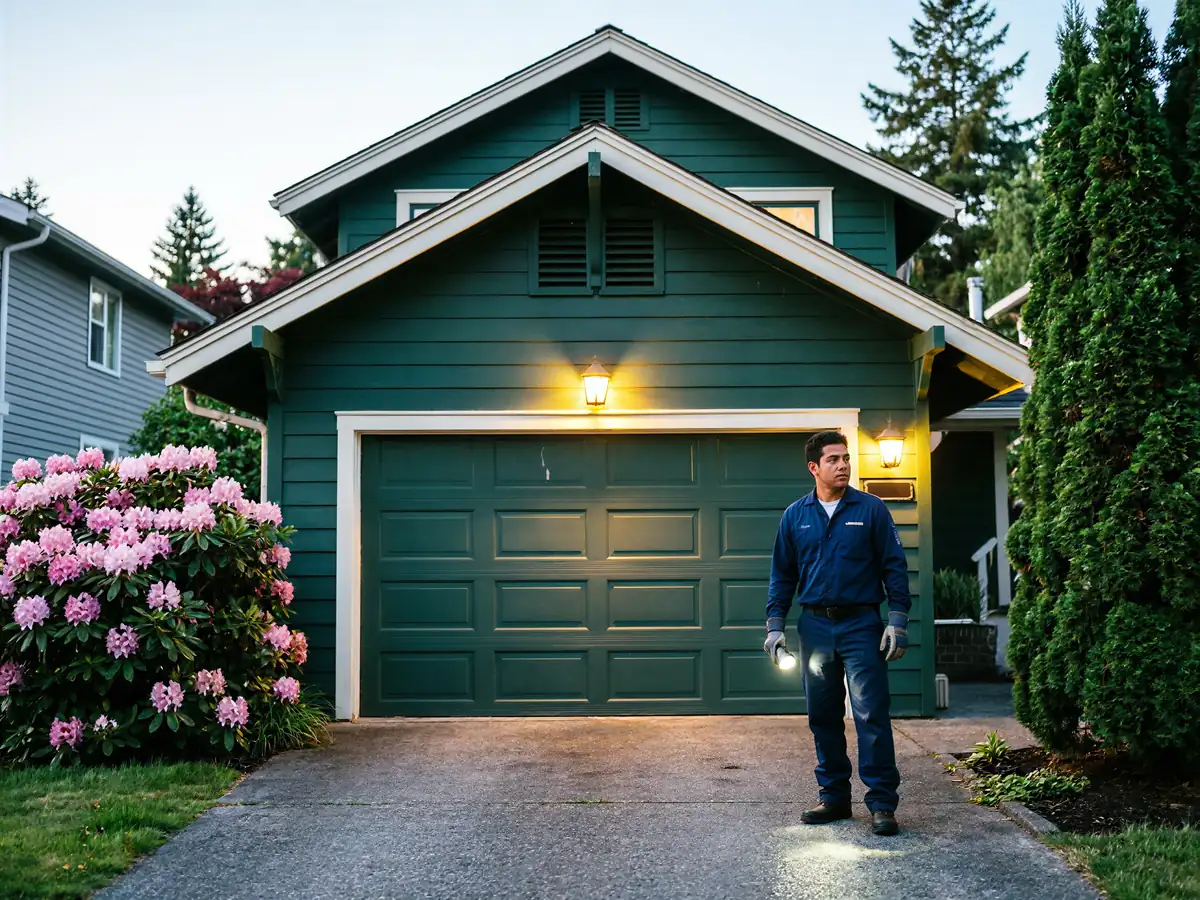
The 31 named areas we work across, from two miles southeast to Woodburn nineteen miles out
Mostly share that same 1980s-to-90s construction window. Oatfield, Stafford, Oak Grove, Beavercreek - same era, same gap. A door that old wasn't bad engineering for its time. It just predates the point when insulation became the baseline instead of the upgrade.
What we see on these calls is usually one of two things
The original door is still hanging on with hardware that's long past its service life, or someone already swapped the door once but kept the old steel jamb and header that were never built for a thicker, heavier insulated panel. Either way, the fix isn't the same as it would be on a house built to current code.
The Cost of This Job
I don't have current pricing to quote here, so I won't guess at a number. What I can tell you is what moves the cost on a house from this era, because it's rarely just the door panel.
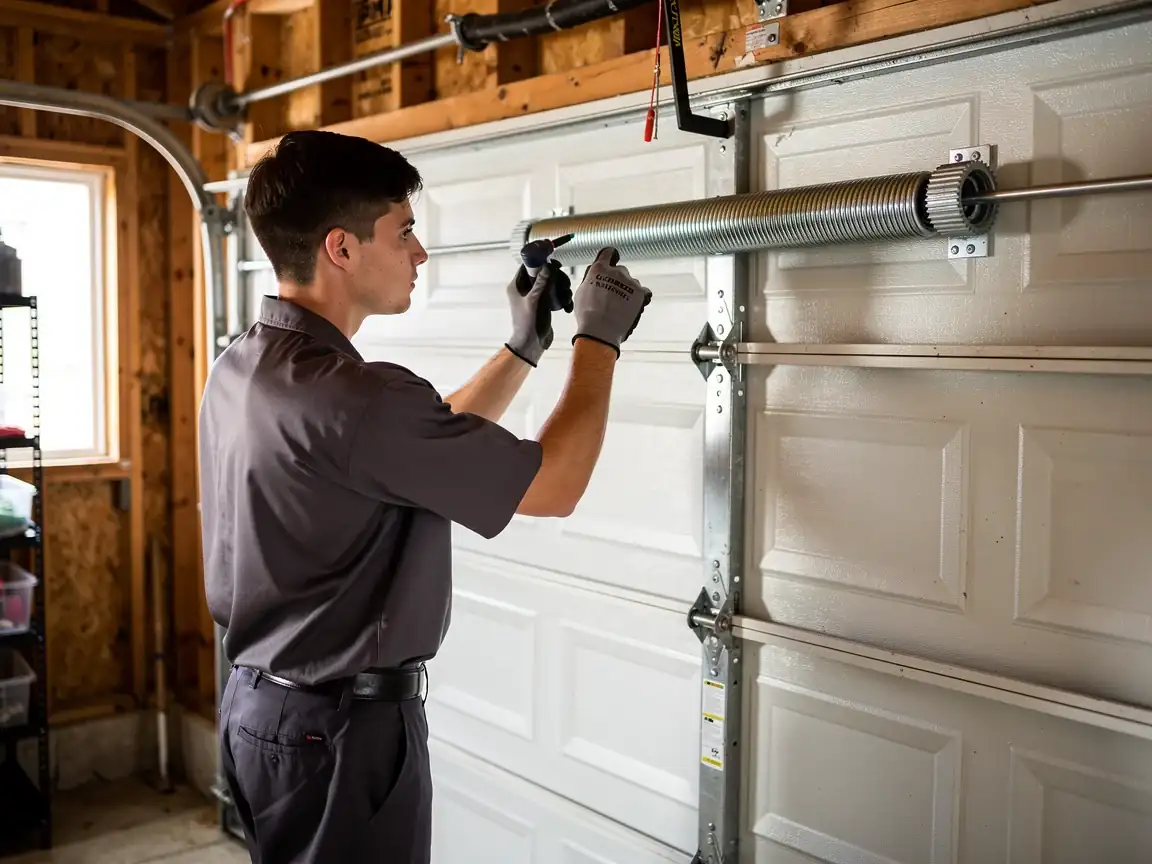
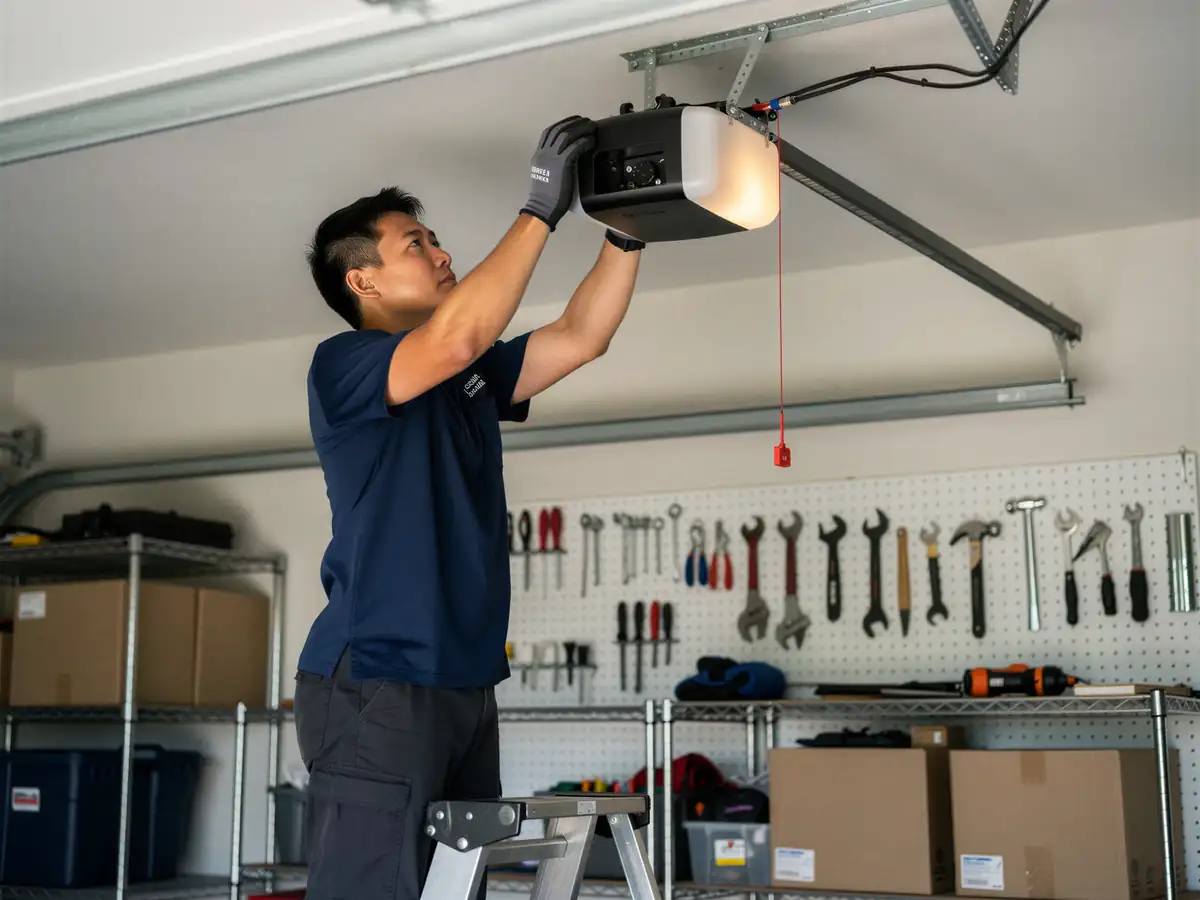
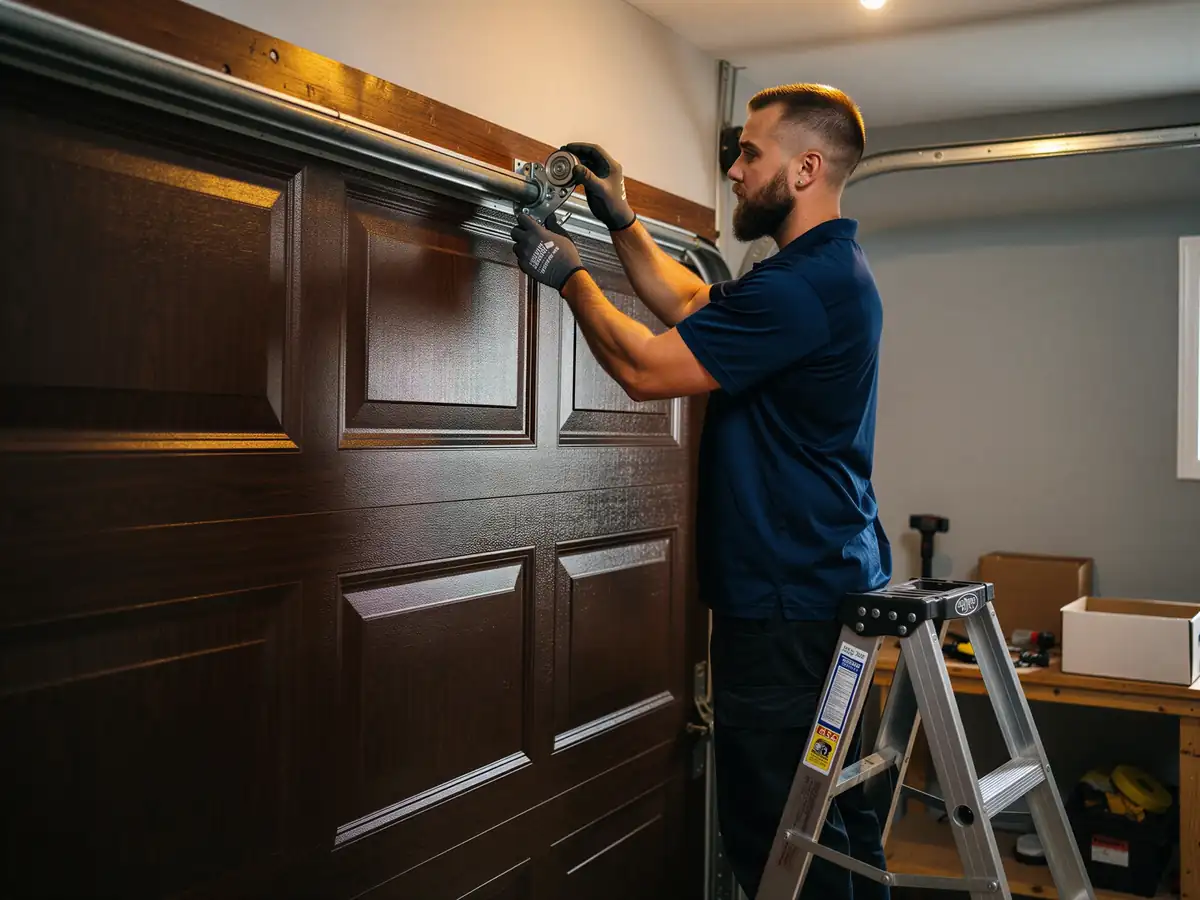
If your home was built anywhere in that 1964-2003 window, the opening itself may be sized a little differently than what current stock doors assume, which can mean trim work instead of a straight swap. Original hardware on houses from the early part of that range - torsion springs, tracks, rollers - is often undersized by today's standard for a heavier insulated door, so a straight panel replacement sometimes means replacing the spring system too, not just hanging a new door on old rails.
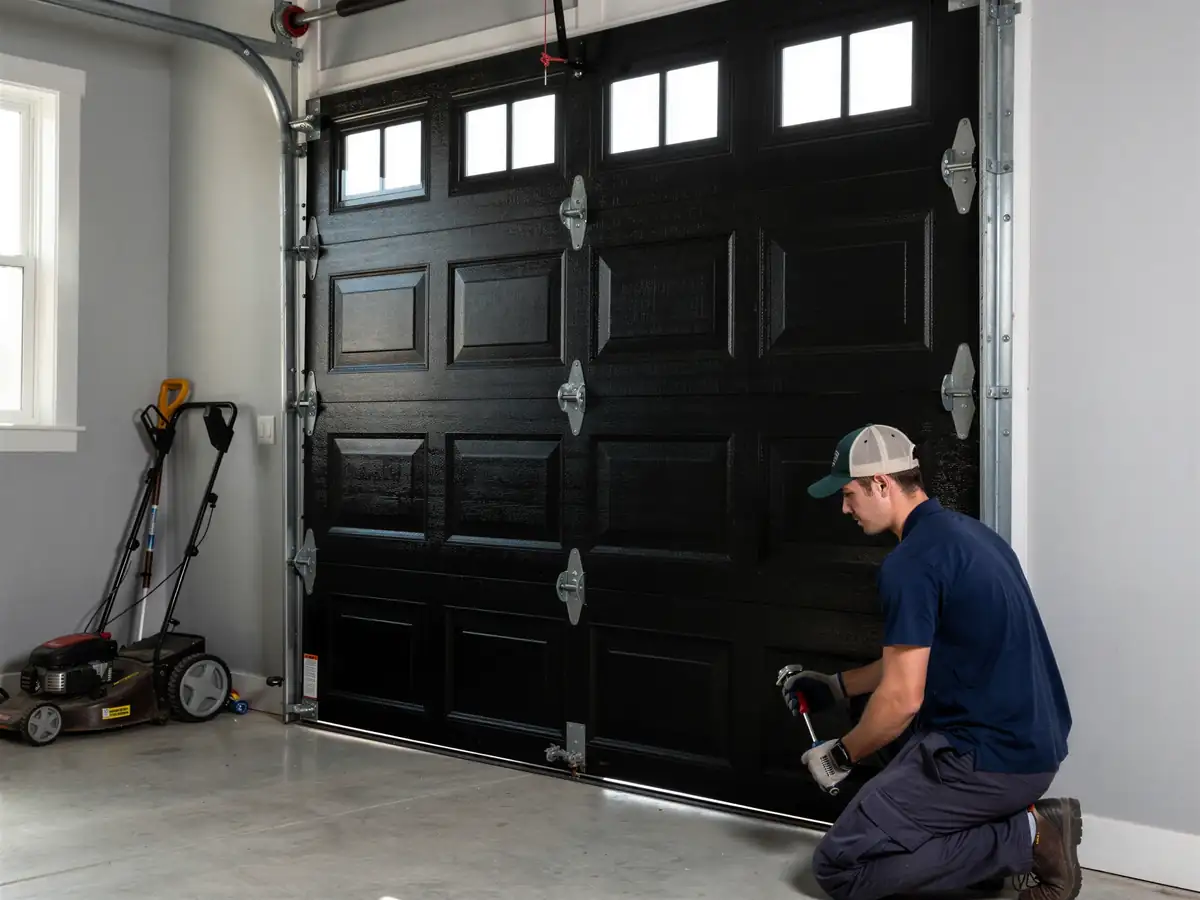
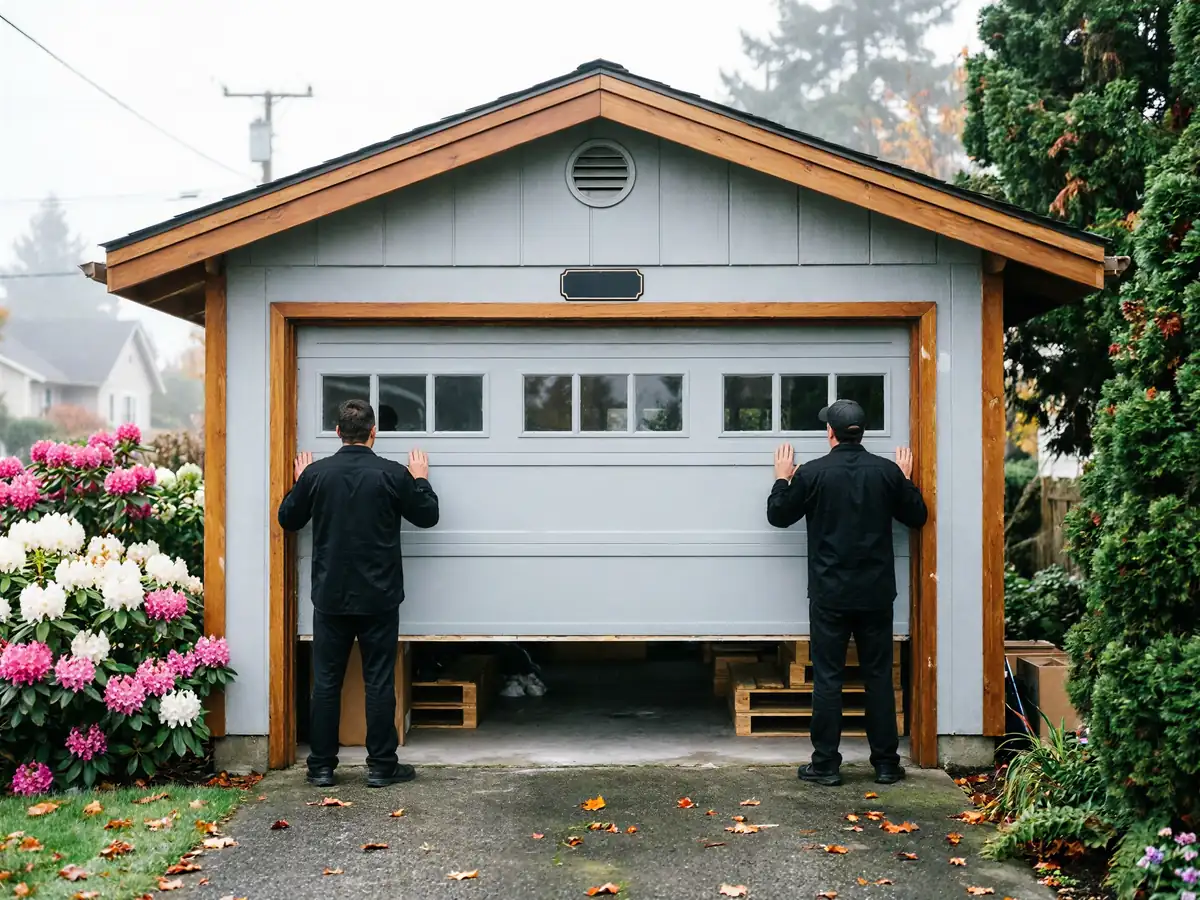
The honest limitation here: if your opener, track, and jamb are all original from a house built in the 1960s or 70s, a same-day panel swap usually isn't realistic. We'd rather tell you that upfront than quote a job we can't actually deliver in one visit. Sometimes the right call is a full replacement rather than patching a door that was never insulated to begin with - that's a conversation worth having before any work starts, not after.
How Local Conditions Play In
Oregon City sits in a cold-moderate climate band. That's not dramatic weather, but it's consistent enough to matter on a door with no insulation. An uninsulated steel panel from the 1980s doesn't just let heat out - it sweats on the inside face during cold, damp stretches, and that moisture is what eventually rusts out the bottom panel and seizes up the roller tracks faster than people expect.
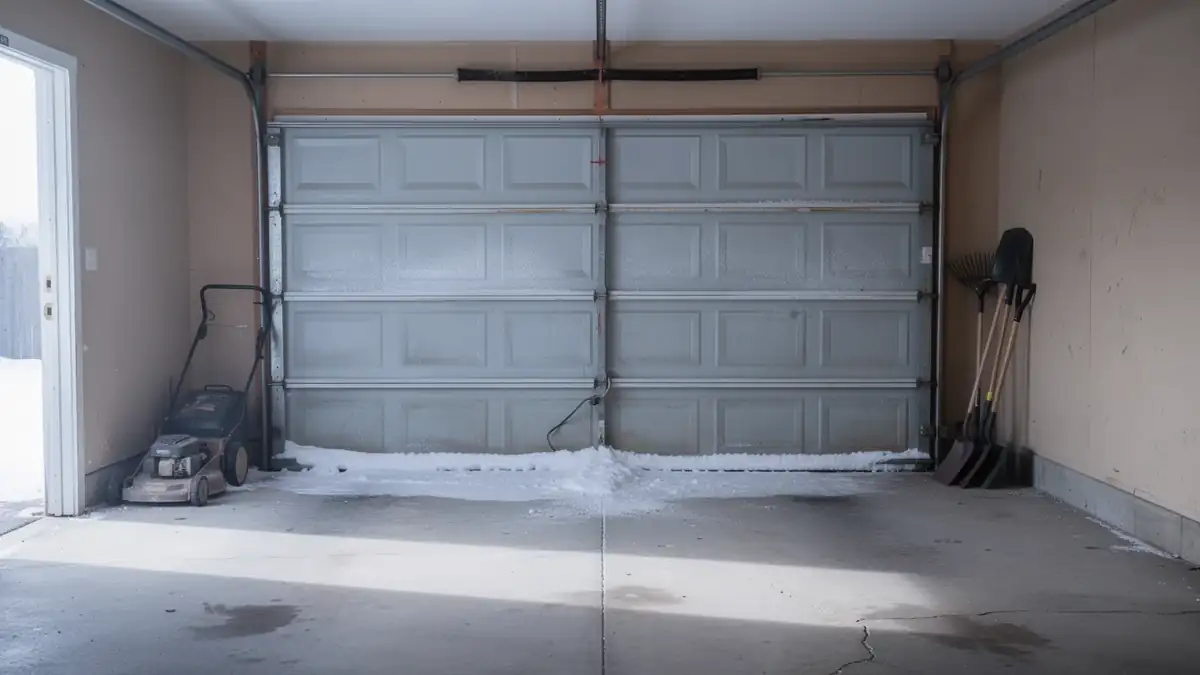
On houses built before insulation rules took hold, we also see the weatherstrip and bottom seal doing more work than they were designed for, since there's no foam core backing them up. Once that seal compresses and cracks, cold air gets a direct path into the garage, and if the garage shares a wall with living space - common in this housing stock - that shows up as a cold spot in the house, not just the garage.
None of this is unique to one street or neighborhood here. It's a function of when the house was built relative to when the code changed, and that split runs through most of the areas we cover, not just one pocket of town.
Checking It Yourself
Before you call anyone, a few things you can check in five minutes if your house falls in that 1964-2003 range
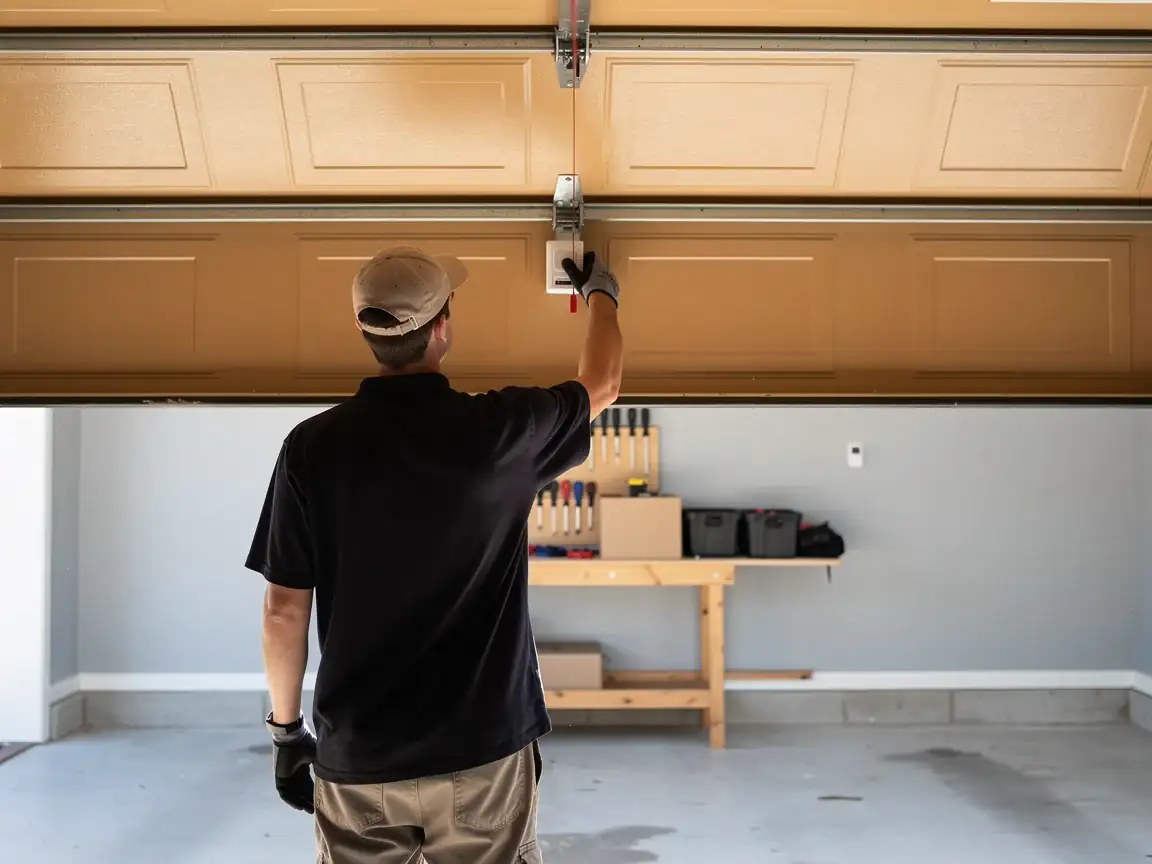
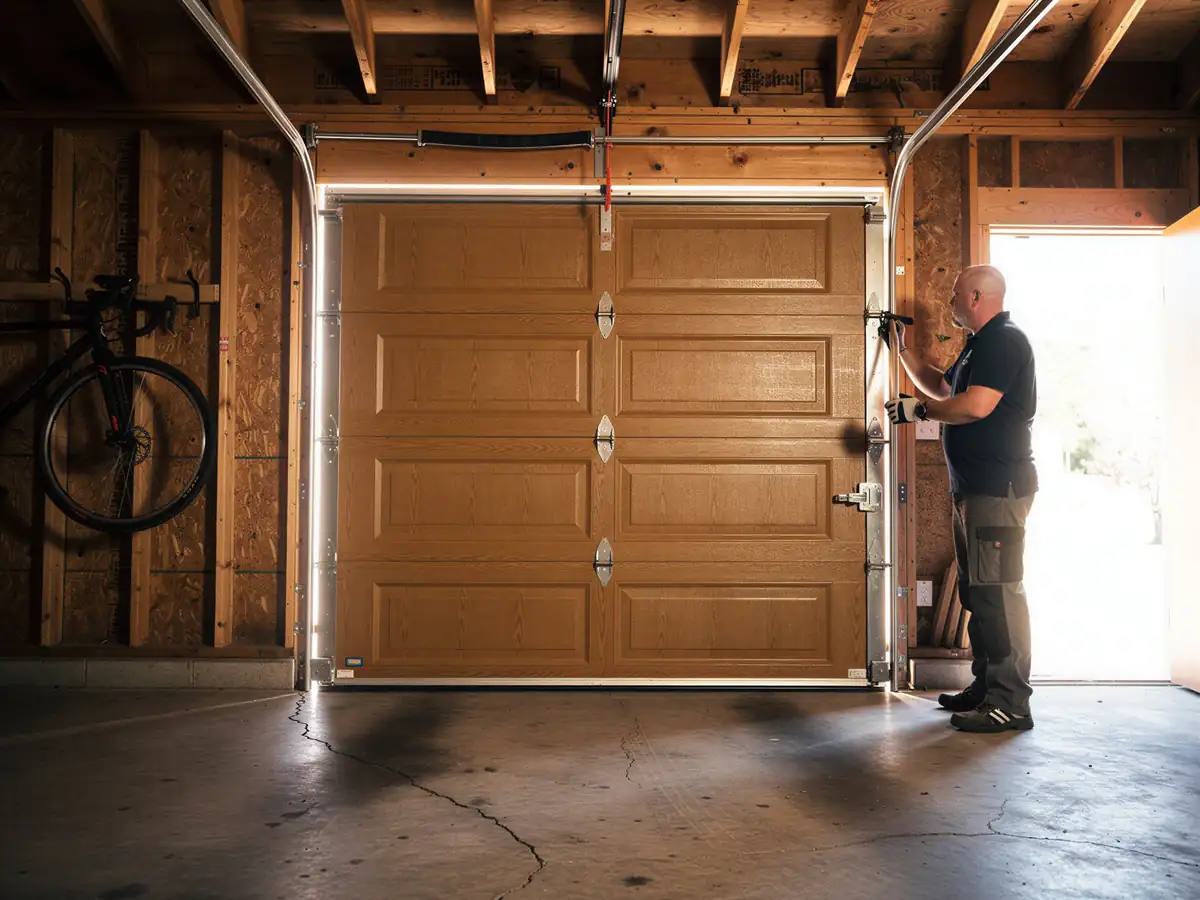
Open the door and look at the panel from the inside - if it's a single flat sheet of steel with no foam backing visible, that's your original uninsulated door, and you've confirmed the era problem.
Next, press on the bottom corner of the door where it meets the seal
If it flexes easily or you can see daylight at the corners, the weatherstrip has given out, which is common once a door passes 30 years old.
- 30 years
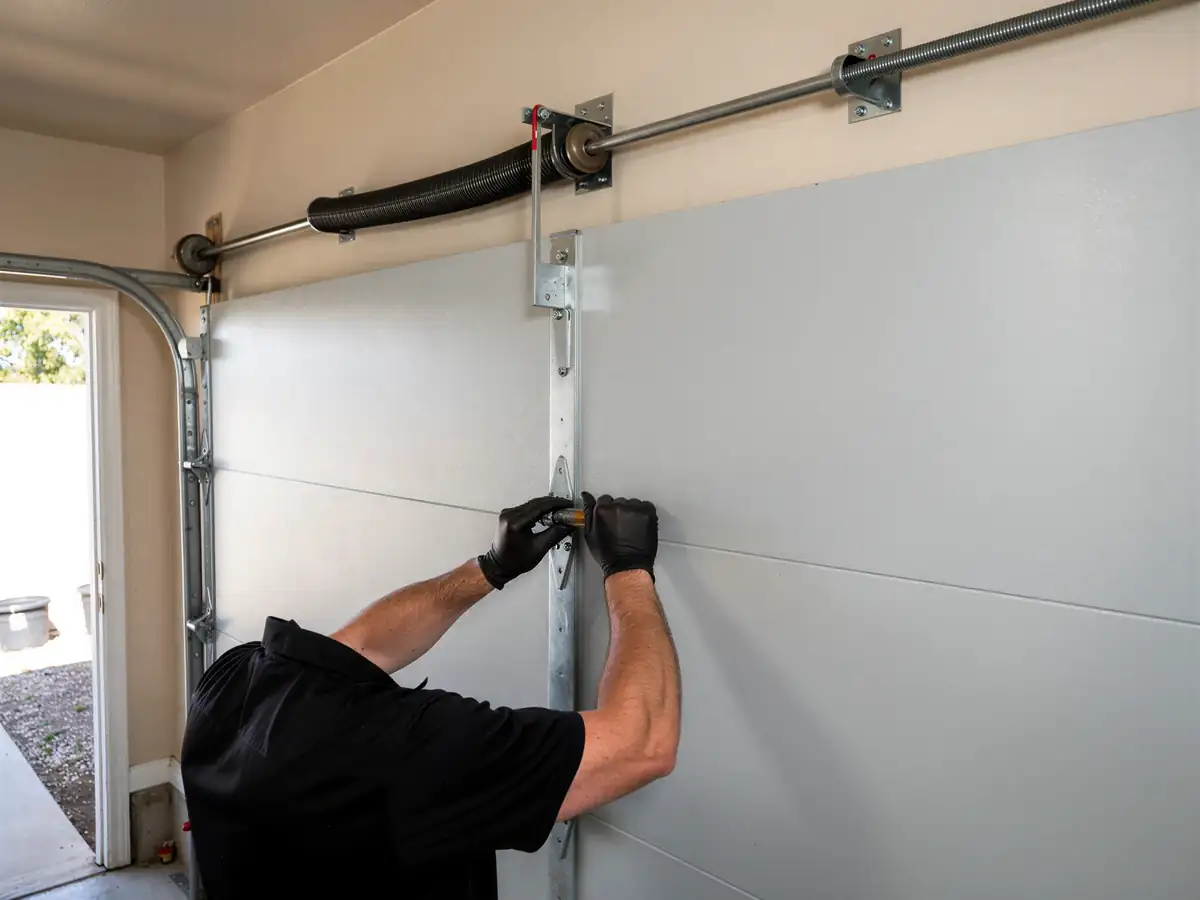
Check the spring - a torsion spring above the door or extension springs along the tracks
Rust and pitting on the coils is normal wear by this point for original 1980s-era hardware, but visible gaps between coils when the door is down usually means it's stretched and due for replacement before it fails outright.
Last, run your hand along the track where the rollers ride
Grooved or flattened spots mean the rollers have been grinding metal-on-metal for years, which is typical for original hardware that's never been serviced. None of these checks require tools, and all of them tell you whether you're dealing with a cosmetic issue or something structural.