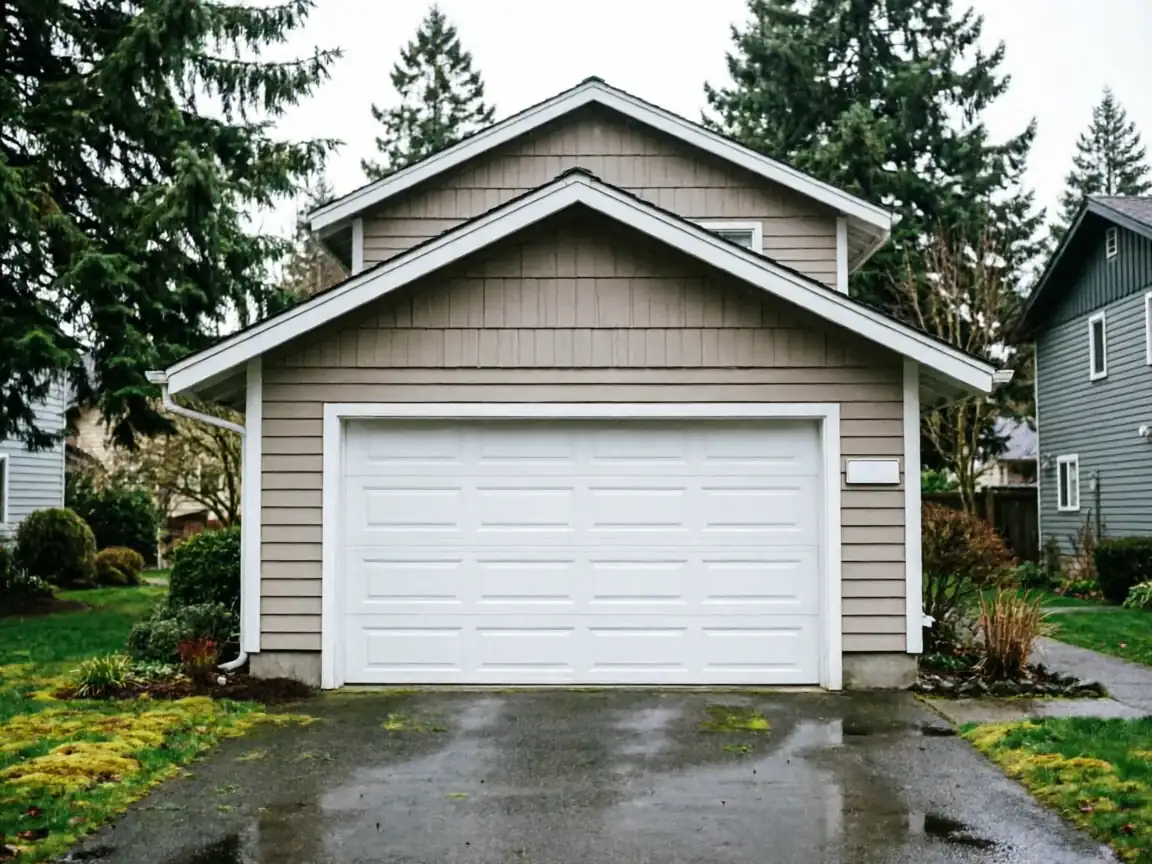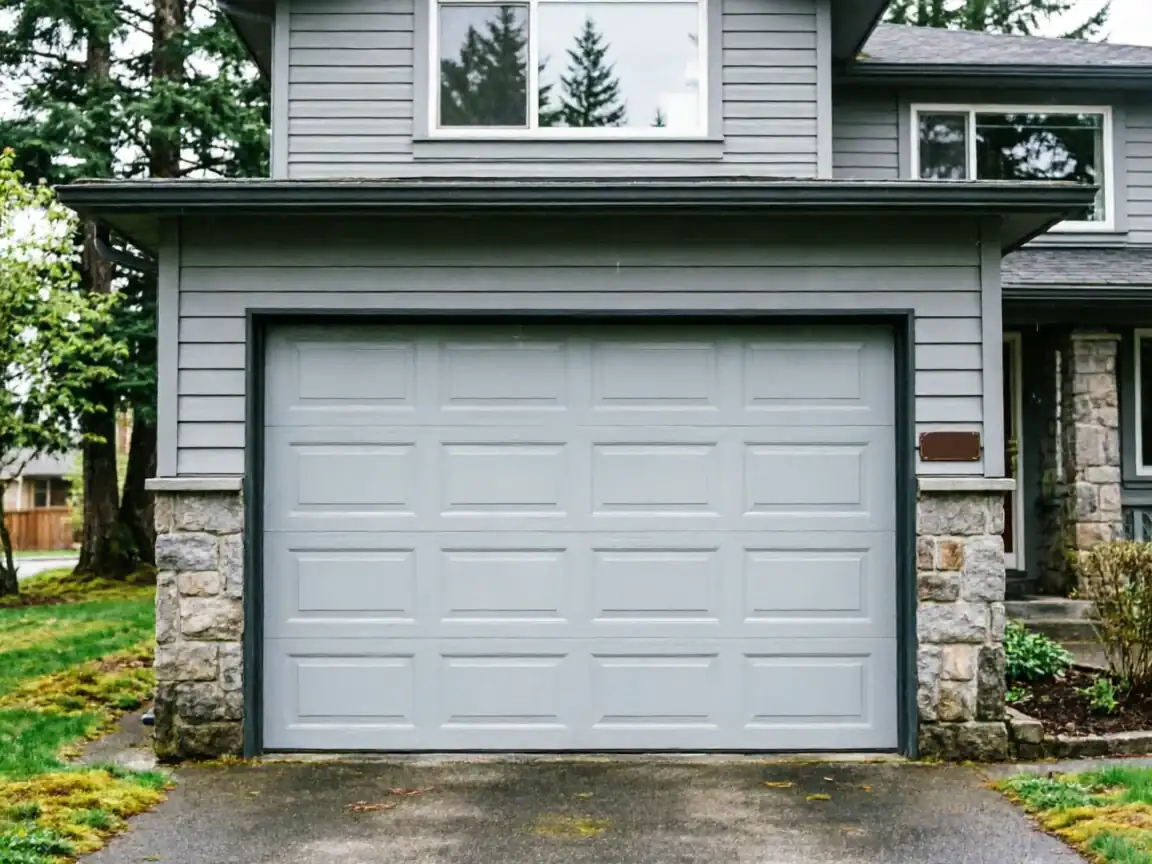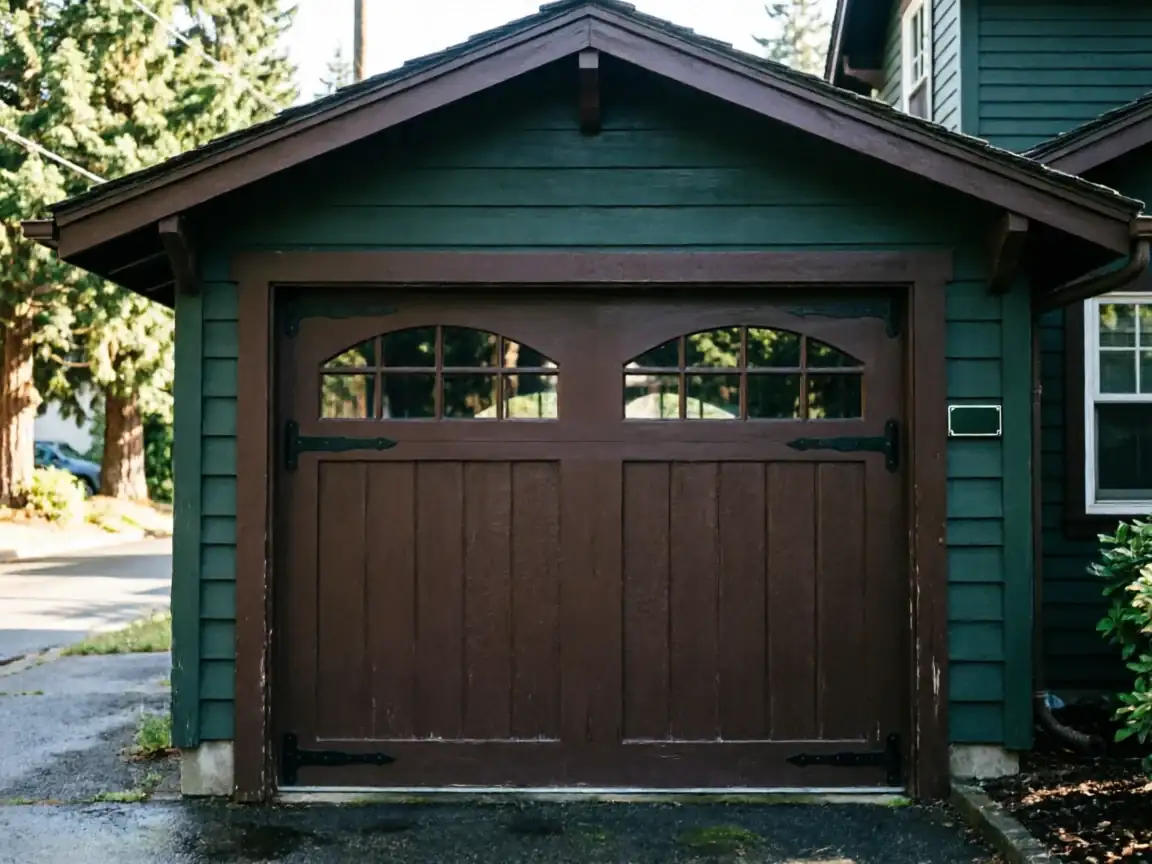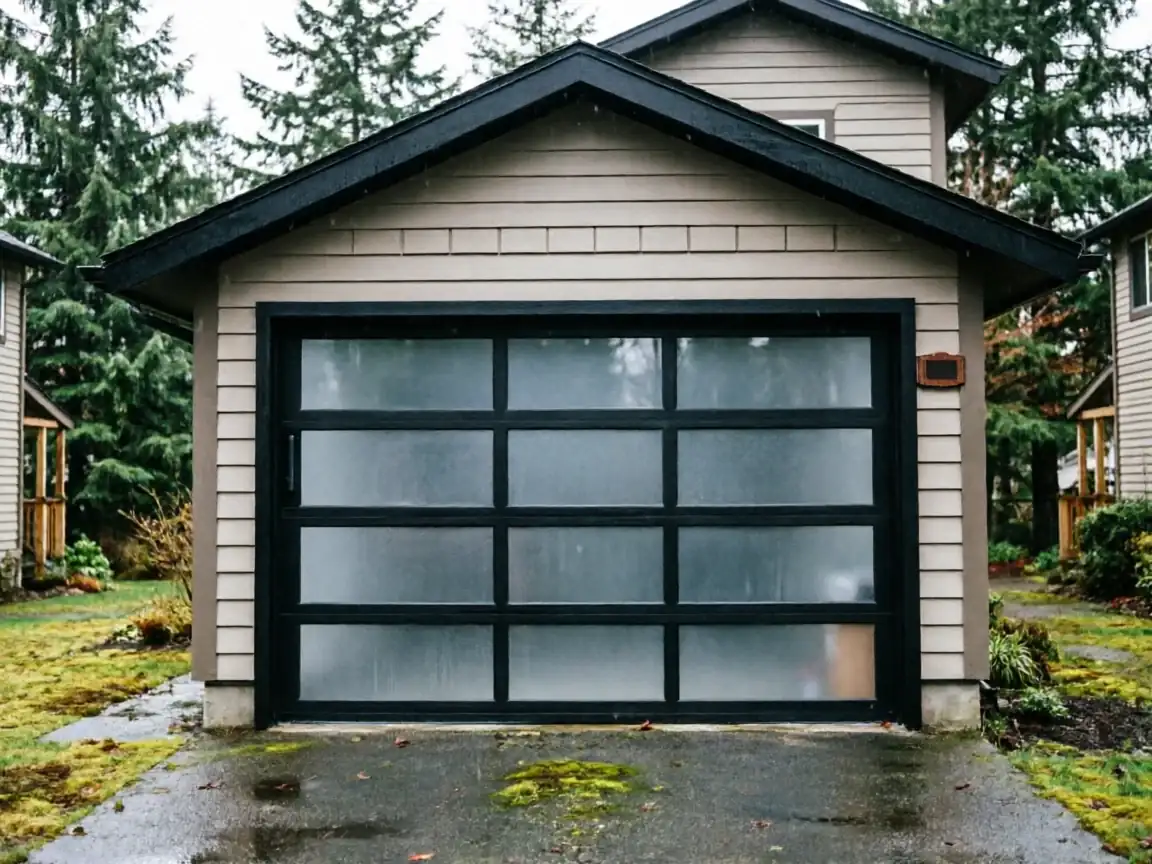
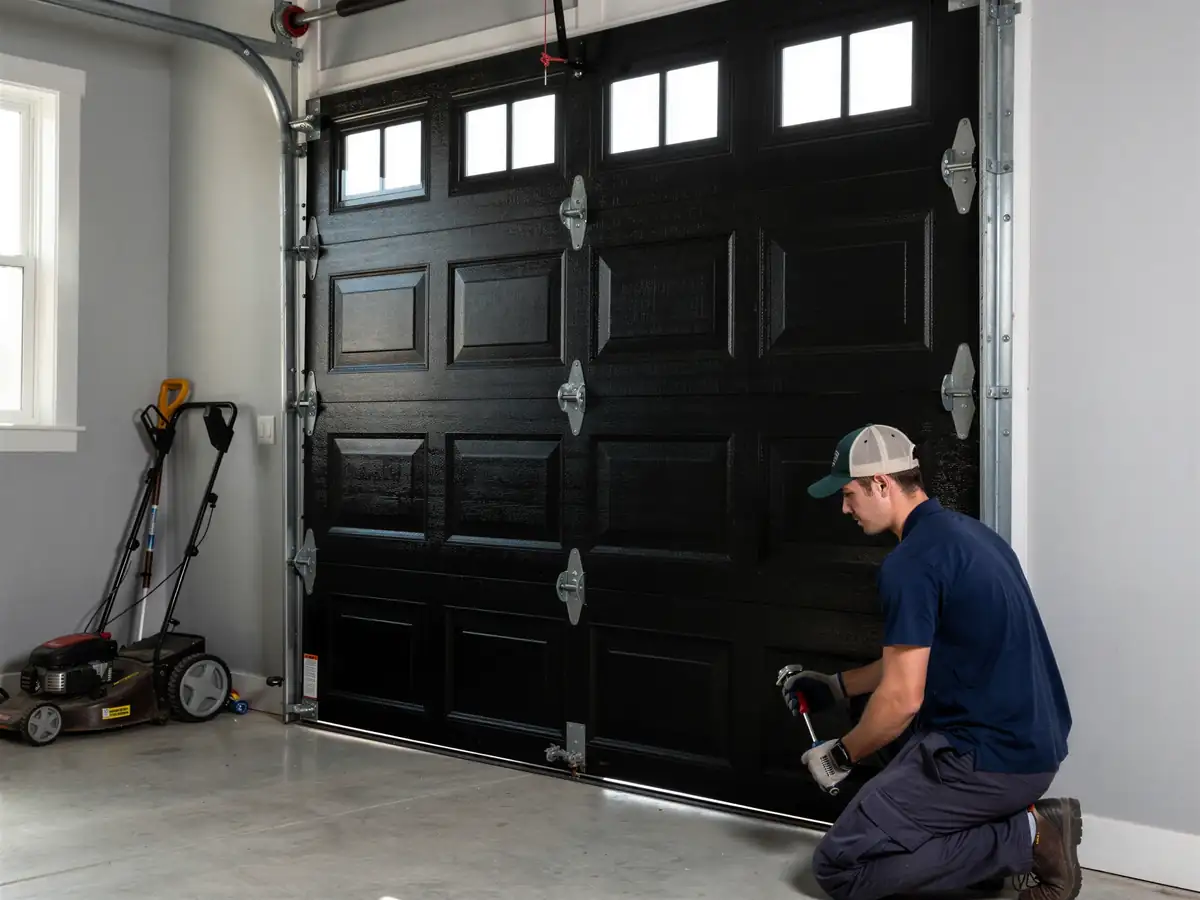
Why It Happens Here
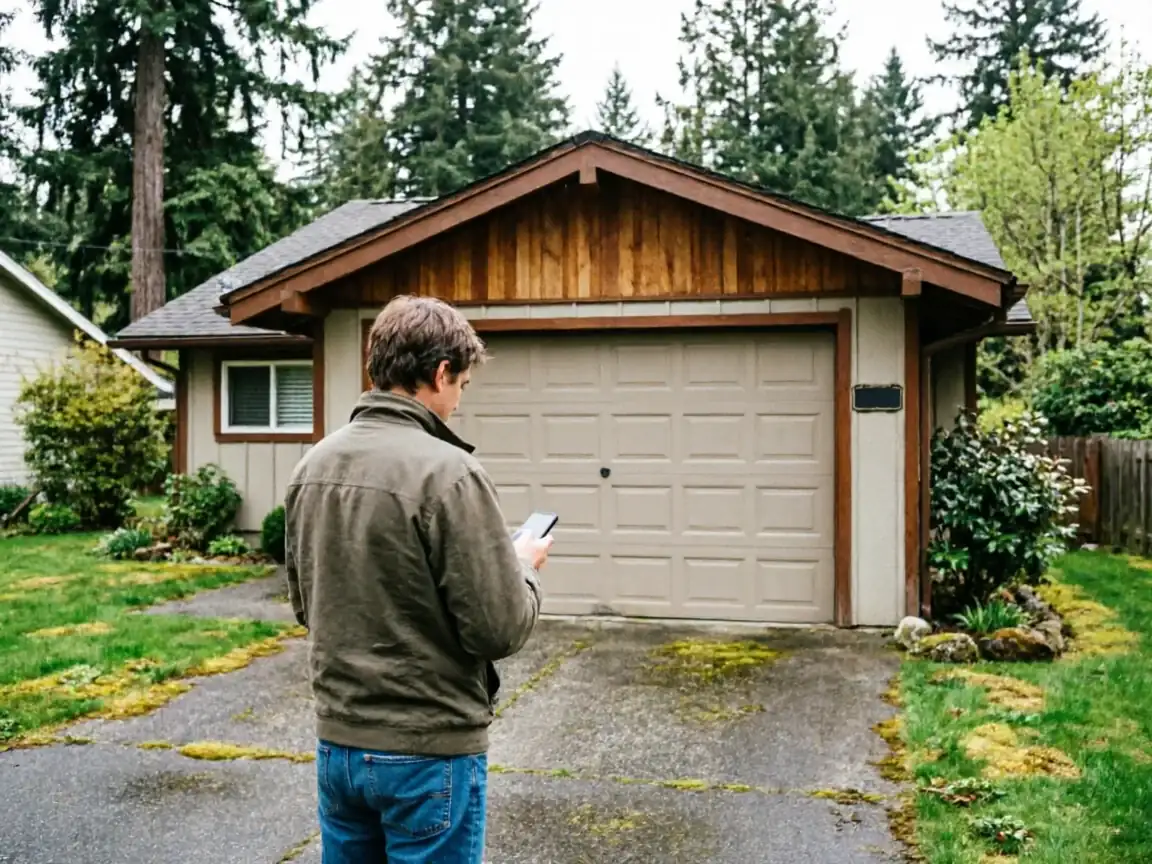
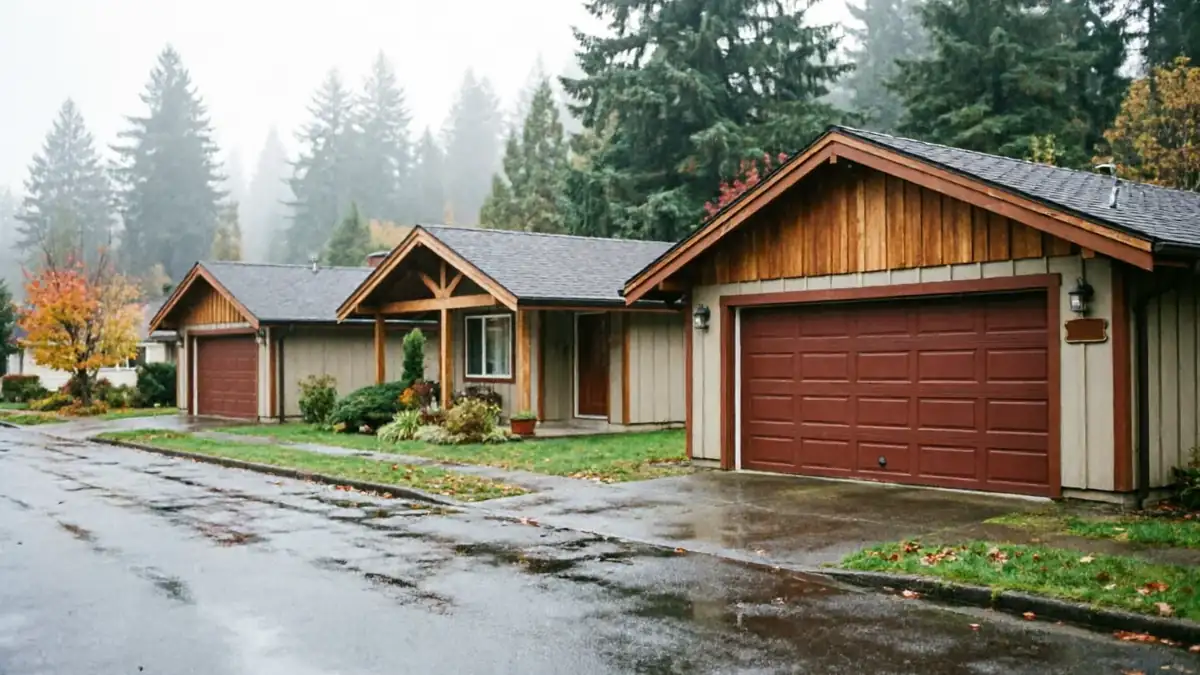
Most of the houses in this part of Oregon City went up between 1964 and 2003
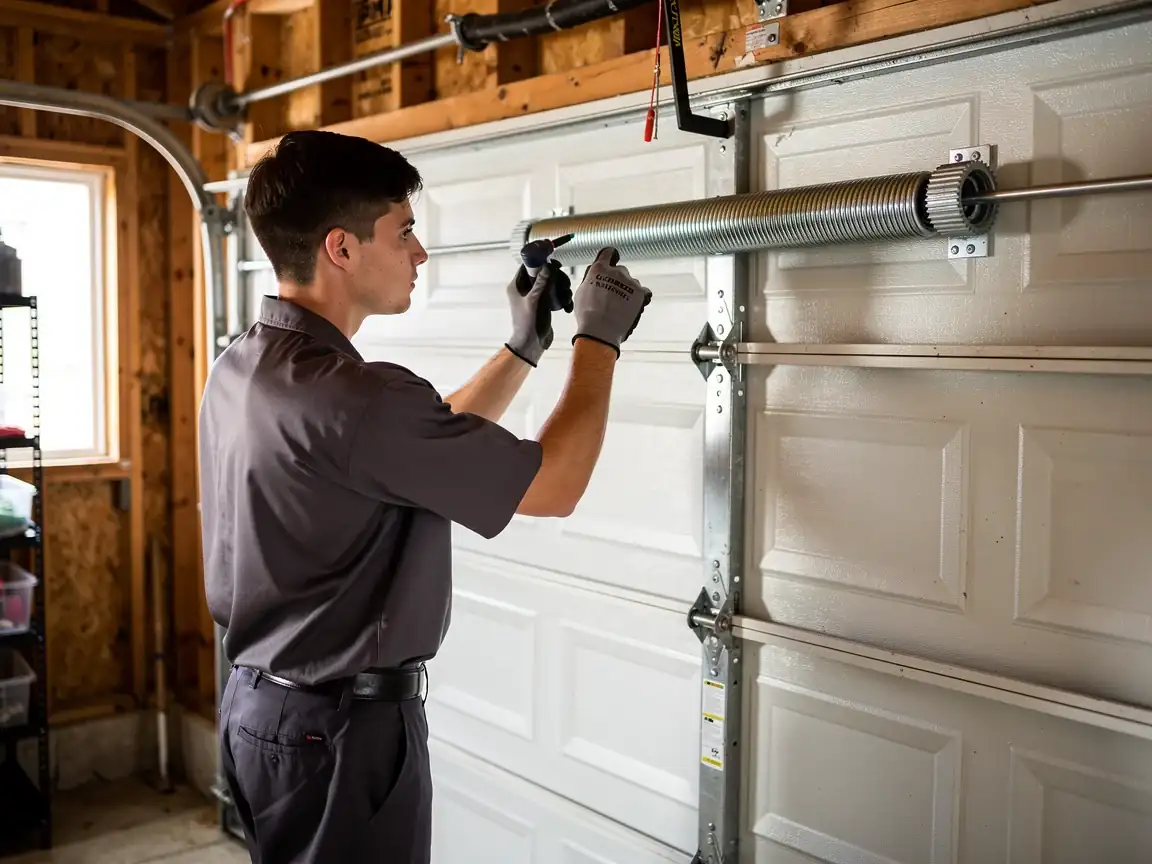
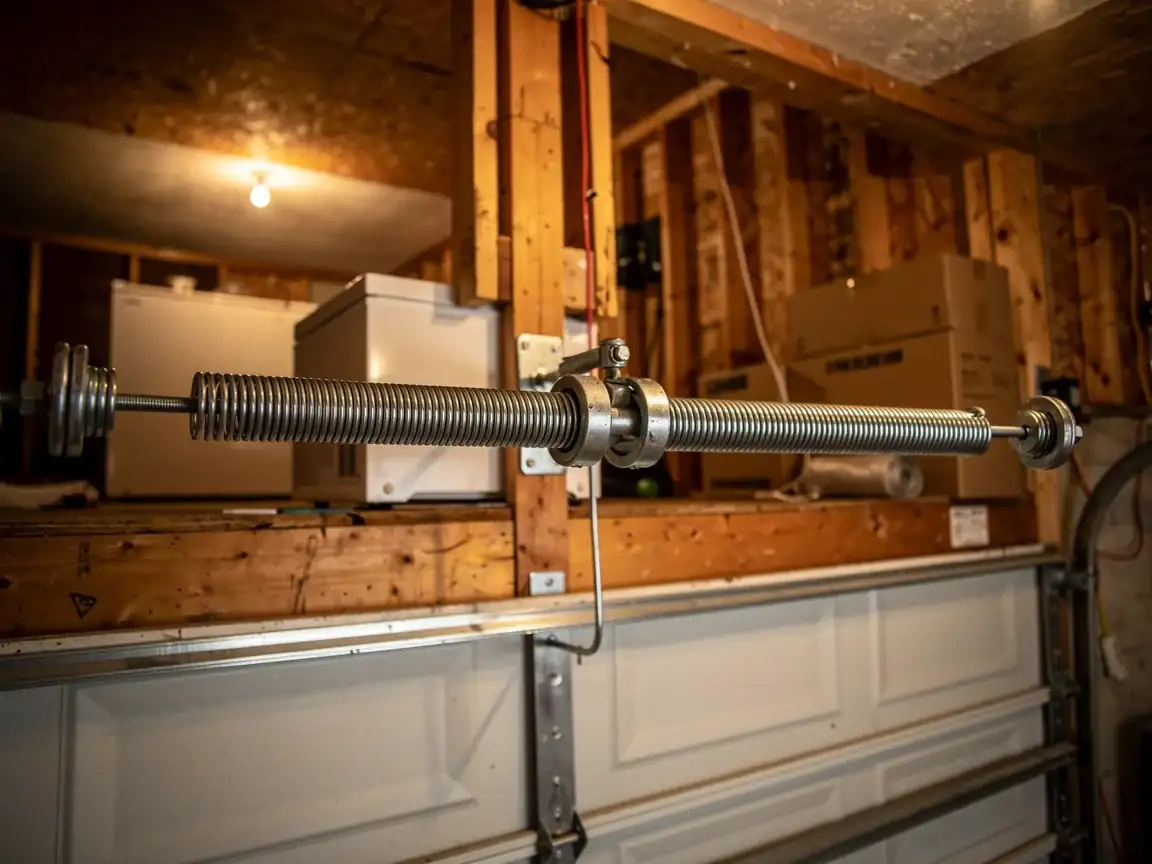
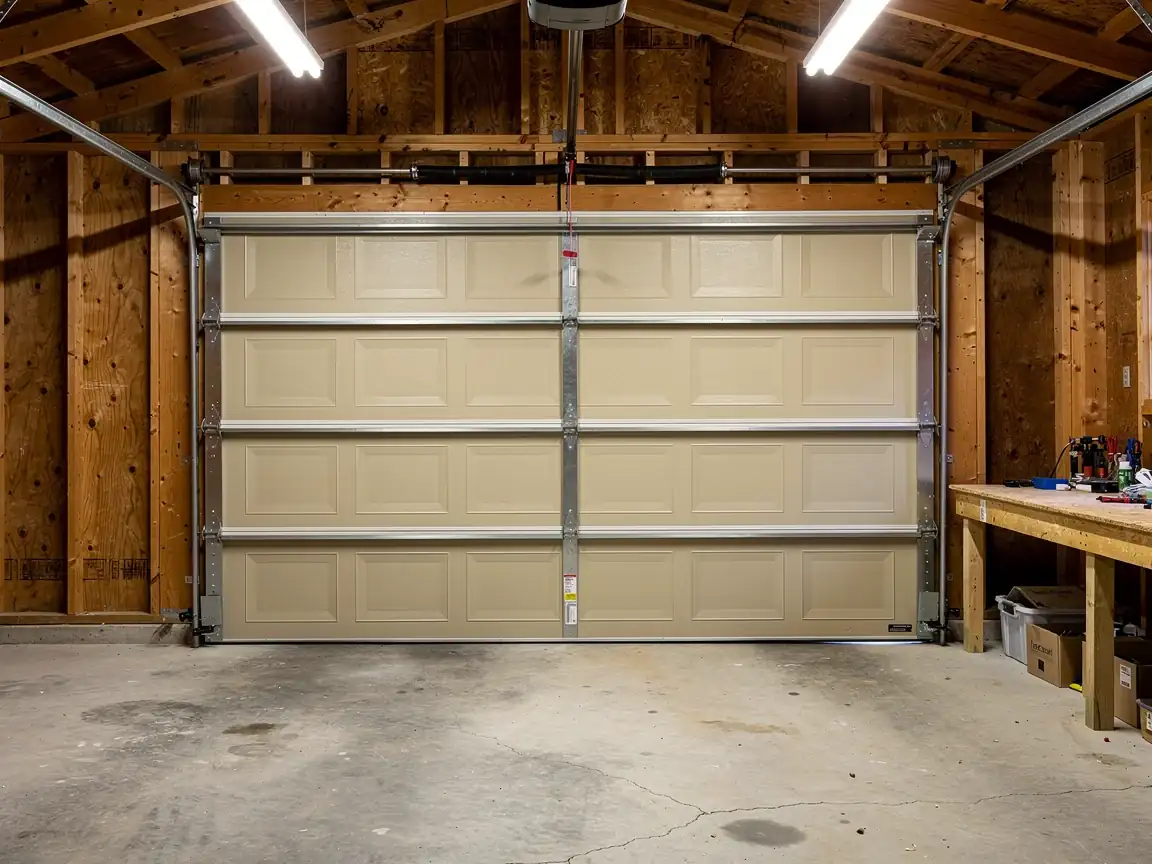
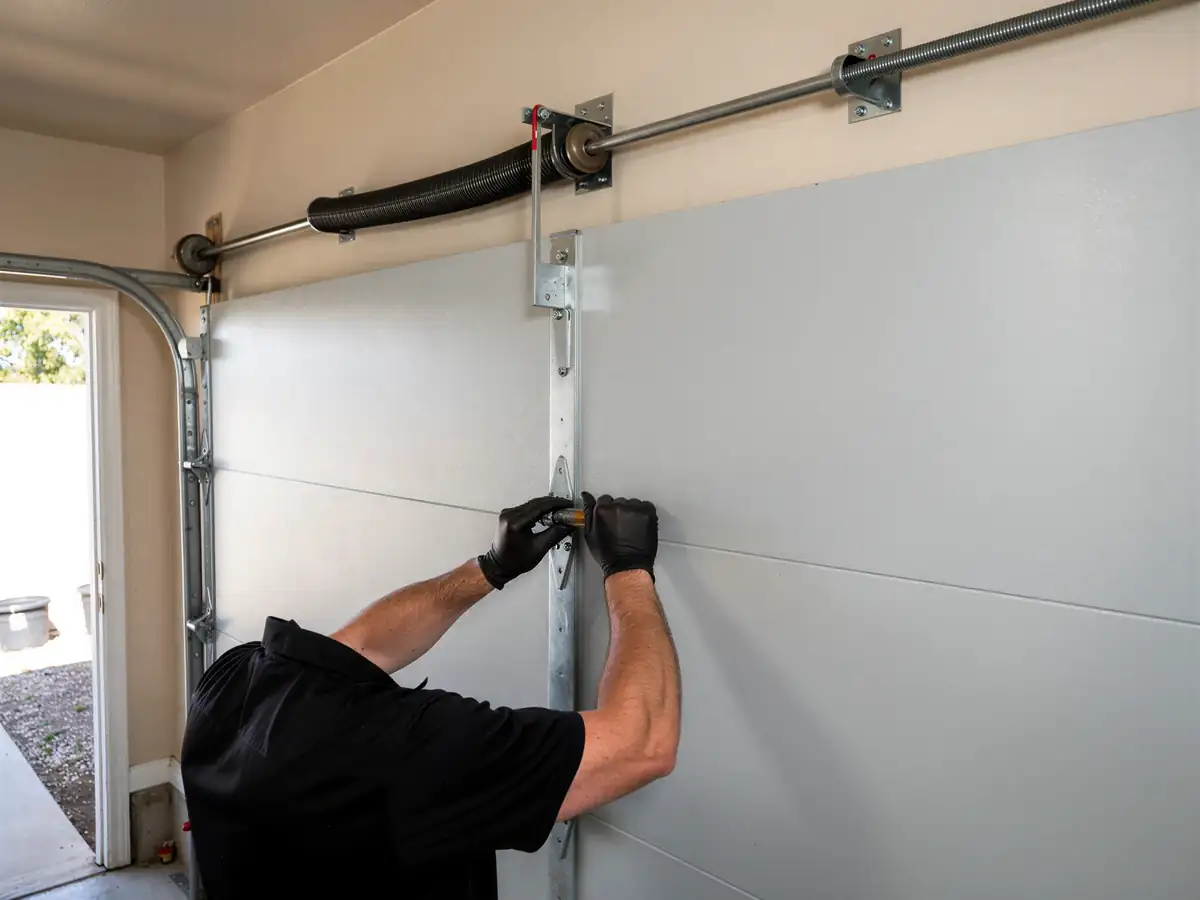
With the bulk of the stock dating to the 1980s and 90s. That matters for garage doors because a torsion spring is rated for a set number of open-close cycles, usually somewhere around 10,000, and a door installed when a house was built in, say, 1985 has long since burned through that count. If nobody's touched the spring since the house was framed, it's not a question of if it breaks, it's when.
The climate here is cold and moderate, not desert-dry
Which means steel hardware spends a lot of the year damp. Tracks, rollers, and spring coils that sit in a garage without much airflow pick up surface rust faster than the same parts would in a drier region. Rust doesn't just look bad - it adds friction to every moving part, which makes the opener work harder, which shortens the life of the drive gear and the spring both. In a lot of the older homes across the service area, including places like Gladstone, Oak Grove, and West Linn with similar-era construction, we see the same pattern: a door that's fine for years, then fails all at once because the gradual wear finally reaches a breaking point.
One honest limitation
We can't tell you over the phone whether a noisy door is a $20 roller problem or a spring on its last cycle. That takes a look at the hardware in person.
The Cost of This Job
What a repair runs depends on what's actually wrong, and we won't quote a number without seeing the door, but the factors that drive cost in this area are predictable. Houses built in the 1964-2003 window mostly carry torsion spring systems rather than the older extension-spring setups, and torsion springs cost more in parts but less in labor time once a tech is set up for the job. If the opener is original to a 1980s or 90s build, a replacement circuit board or motor can be harder to source than it would be for a newer unit, since manufacturers don't support parts forever.
The other variable is how long a problem sat before someone called. A cable that's frayed but still holding costs less to replace than one that's already snapped and let the door drop crooked on the track, bending the track in the process. Rust from a damp Oregon City winter can also turn a simple roller swap into a track-straightening job if it's gone unaddressed for a season or two.
We price per job, not a flat rate across the board, because a single-car door with a worn spring and a double-wide door with a bent track aren't the same work. What we can tell you up front is that catching a symptom early - noise, slow travel, an opener that strains - almost always costs less than waiting for full failure.
The Symptom
The most common call we get from this area is a door that's suddenly heavy to lift by hand, or an opener that strains, reverses, or stalls partway up. That's almost always a spring losing tension, not a motor problem, even though the opener is what people notice first. Given that so much of the local housing stock is from the 1964-2003 range, we're frequently looking at original torsion spring hardware that's simply reached the end of its cycle life.
A second pattern we see: a door that runs fine most of the year but starts grinding or hesitating as the wet season sets in. That's the cold, damp climate working on rollers and track - moisture gets into the roller bearings, grit sticks to it, and the door starts fighting its own hardware. It's not dramatic, just a slow increase in friction until the opener can't push through it anymore.
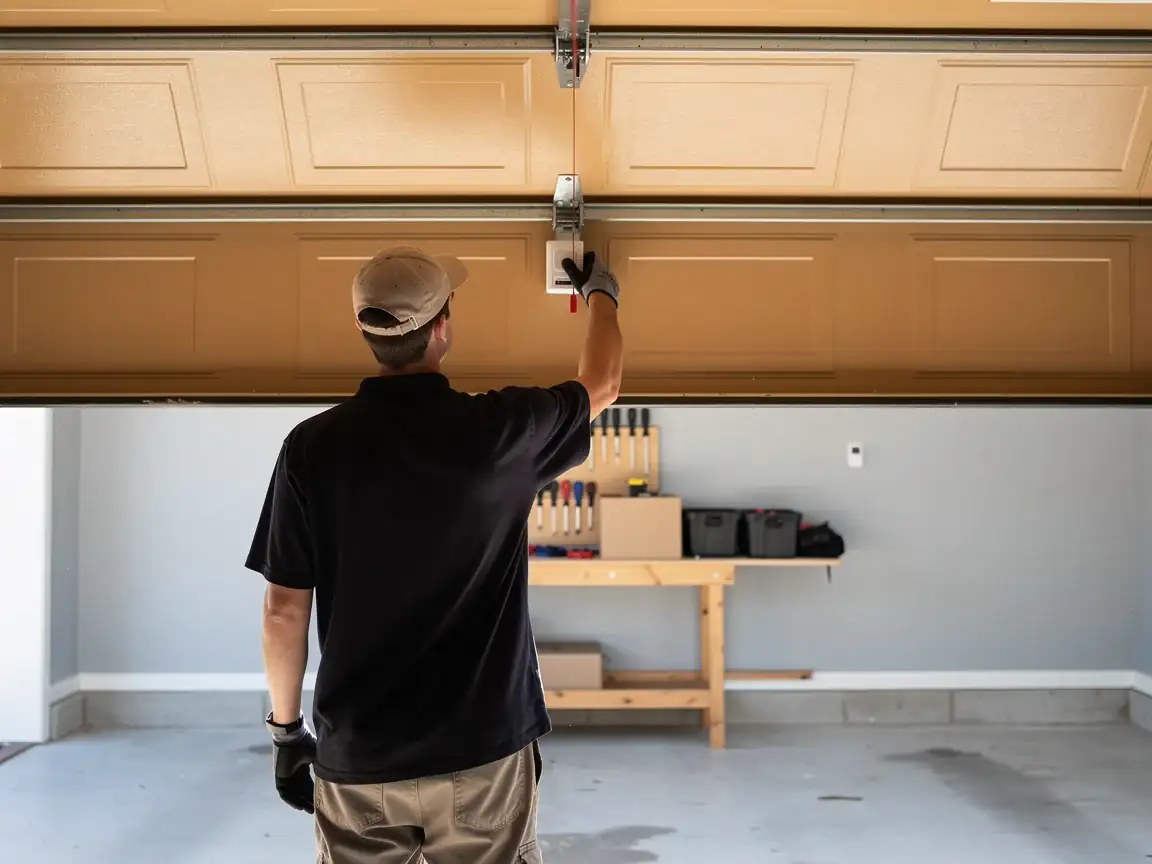
Less common but more urgent: a cable that's visibly frayed or a spring with a visible gap in its coil. Either one means the door could drop without warning. If you see that, don't try to force the door open or closed - call and get it looked at before you use it again.
What the Repair Takes
For a spring replacement on a torsion system
Which is what most homes in this part of Oregon City have, the job itself usually takes under two hours once the tech is on site with the right spring size - but matching the spring to the door's weight and the drum size on older installs takes some care, since 1980s and 90s doors weren't always built to a single standard. Getting that match wrong means a door that's either too heavy to lift by hand or one that slams shut on its own.
Roller and track work is more variable
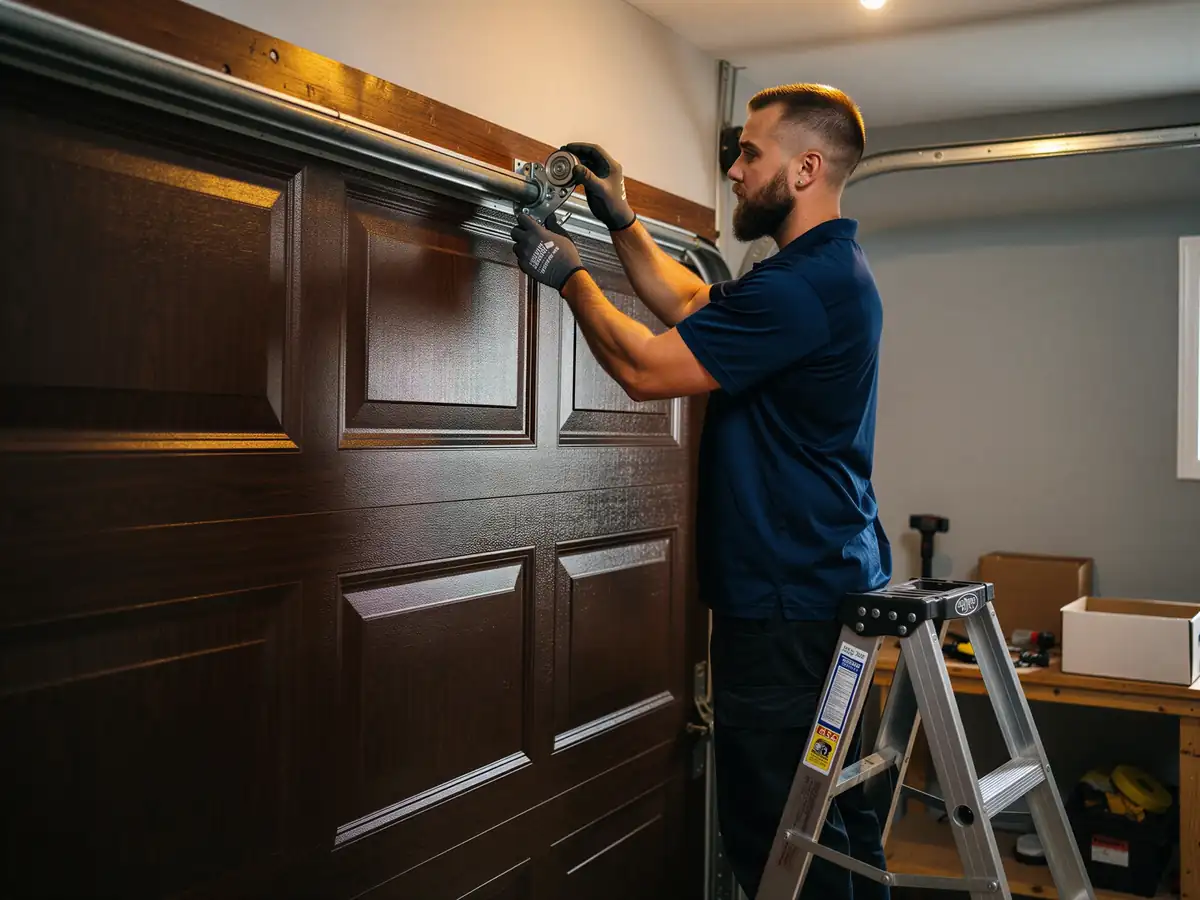
If rust has pitted the track or bent it from a dropped door, straightening or replacing a section takes longer than swapping rollers alone. We check the whole track run, not just the spot where the noise is coming from, because a bend five feet from the problem area can be the actual cause.
Opener repairs depend on parts availability
If the opener is original to an older build, a direct replacement board sometimes isn't made anymore, and the honest answer is a full opener swap rather than a repair - trying to force a mismatched part onto an old unit usually just means a second service call later.