What We Do Not Do
We don't keep a crew or a parts shelf in Bethany
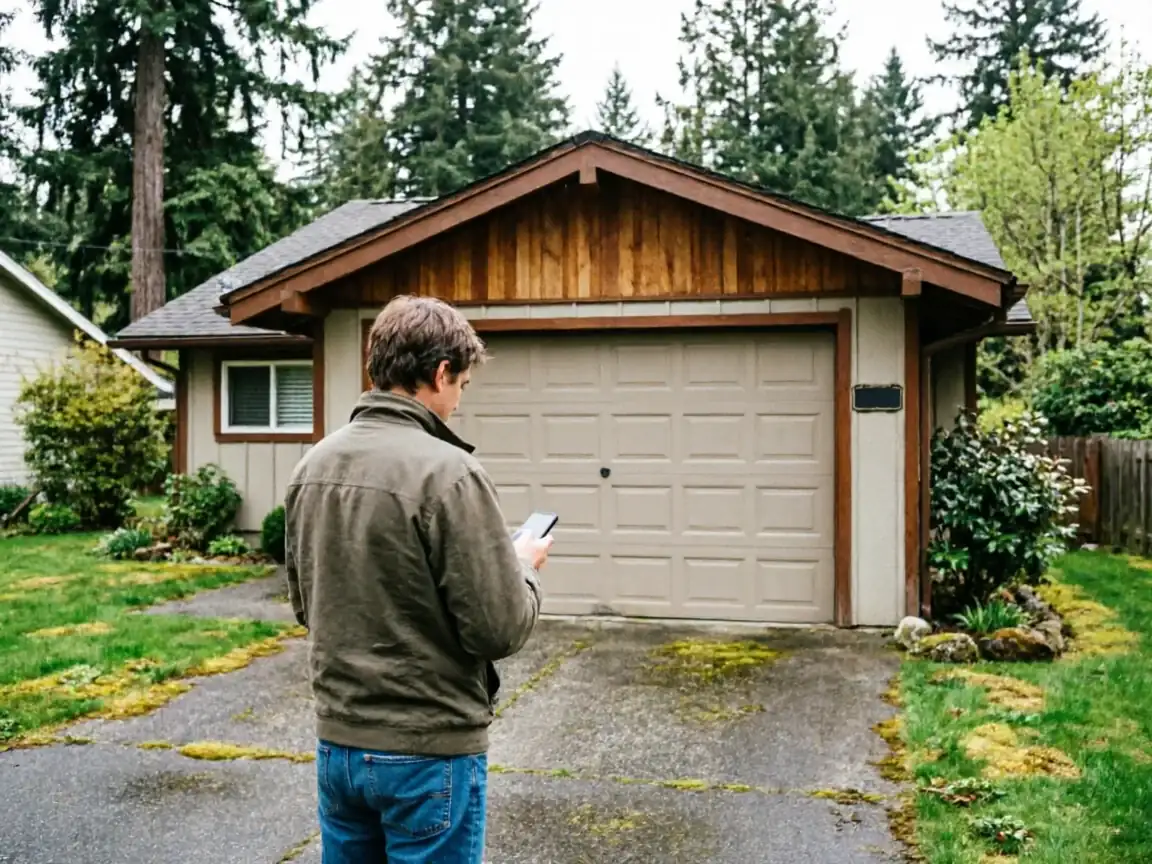
Oregon City Garage Door Pros runs out of Oregon City, and every job here means a 19-mile drive before a wrench comes out of the truck. That changes how we schedule - we batch Bethany calls where we can, and we're upfront if a same-day slot isn't open.
We also don't do framing or structural carpentry
If a door opening has rotted jambs or a header that's sagged, that's a contractor's job first, ours second - we'll tell you straight rather than bolt a new door to bad wood. And we don't install garage doors on new construction sites; we work on homes that already have a door in place, repairing or replacing what's there.
One more limit worth naming
Parts for anything genuinely old - extension-spring setups from before the 1980s - can take longer to source than a same-week turnaround. Bethany's own housing stock mostly sidesteps that problem since most of it went up well after that era, but it's worth knowing before you call, because not every job in our wider coverage area moves at the same pace.
How That Shows Up in the Door
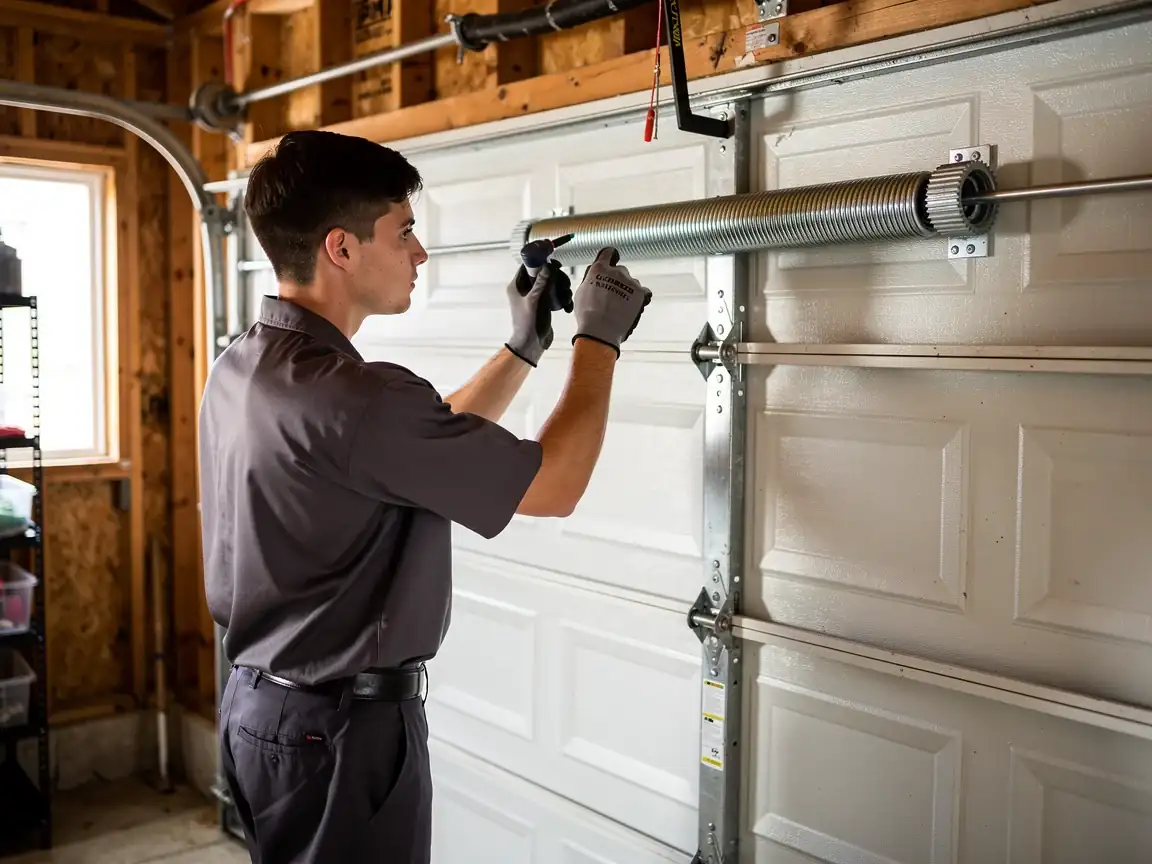
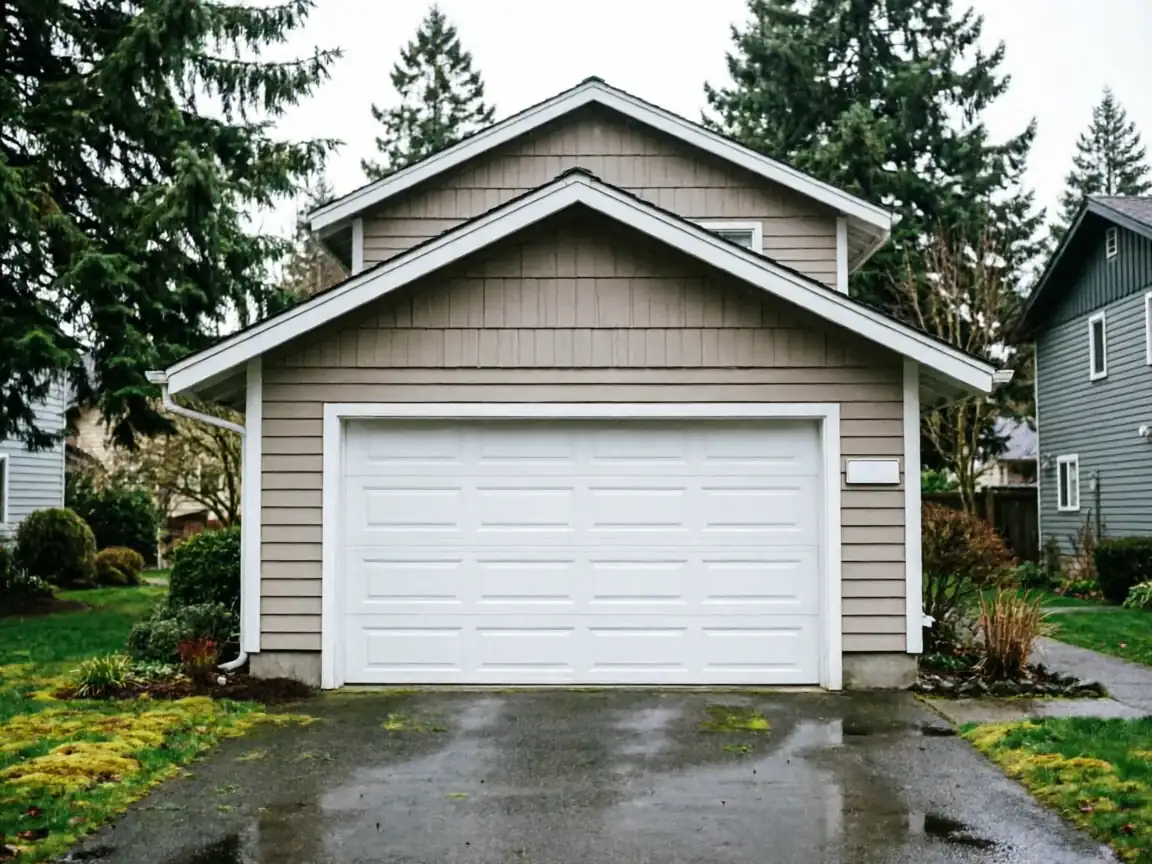
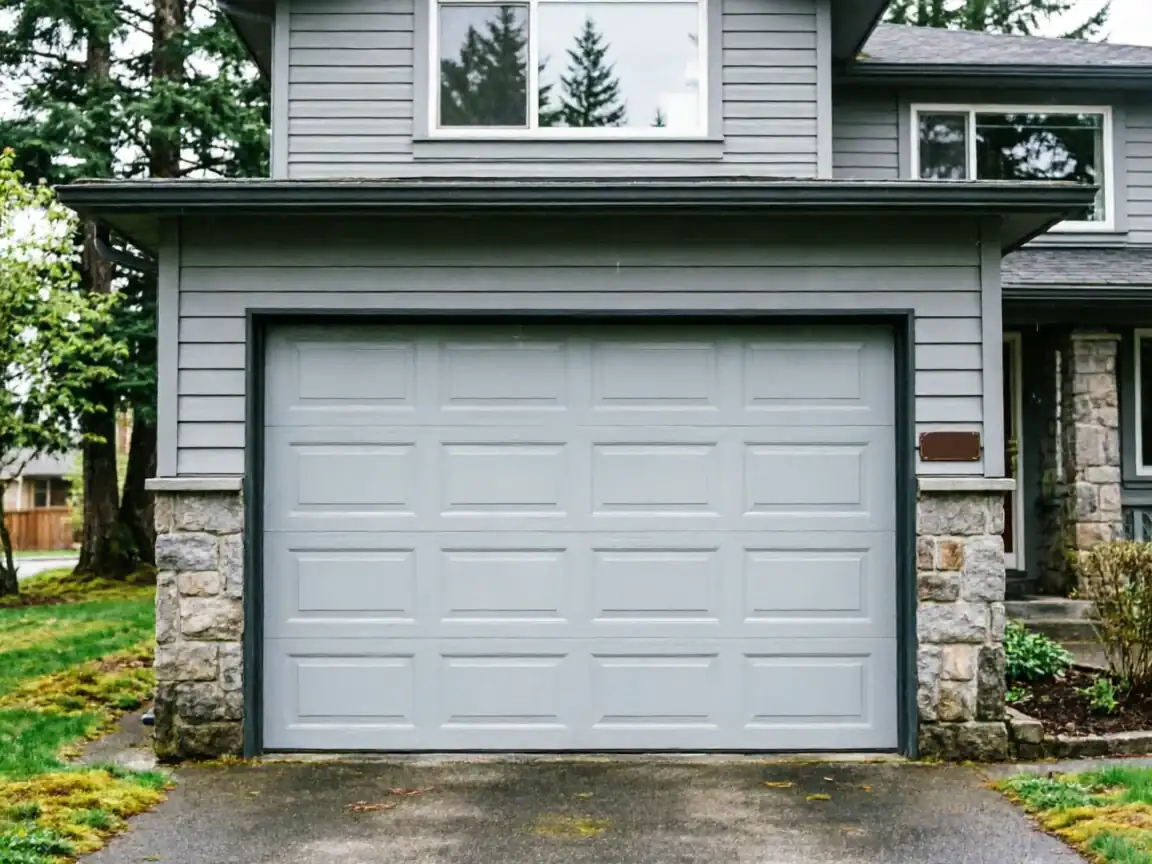
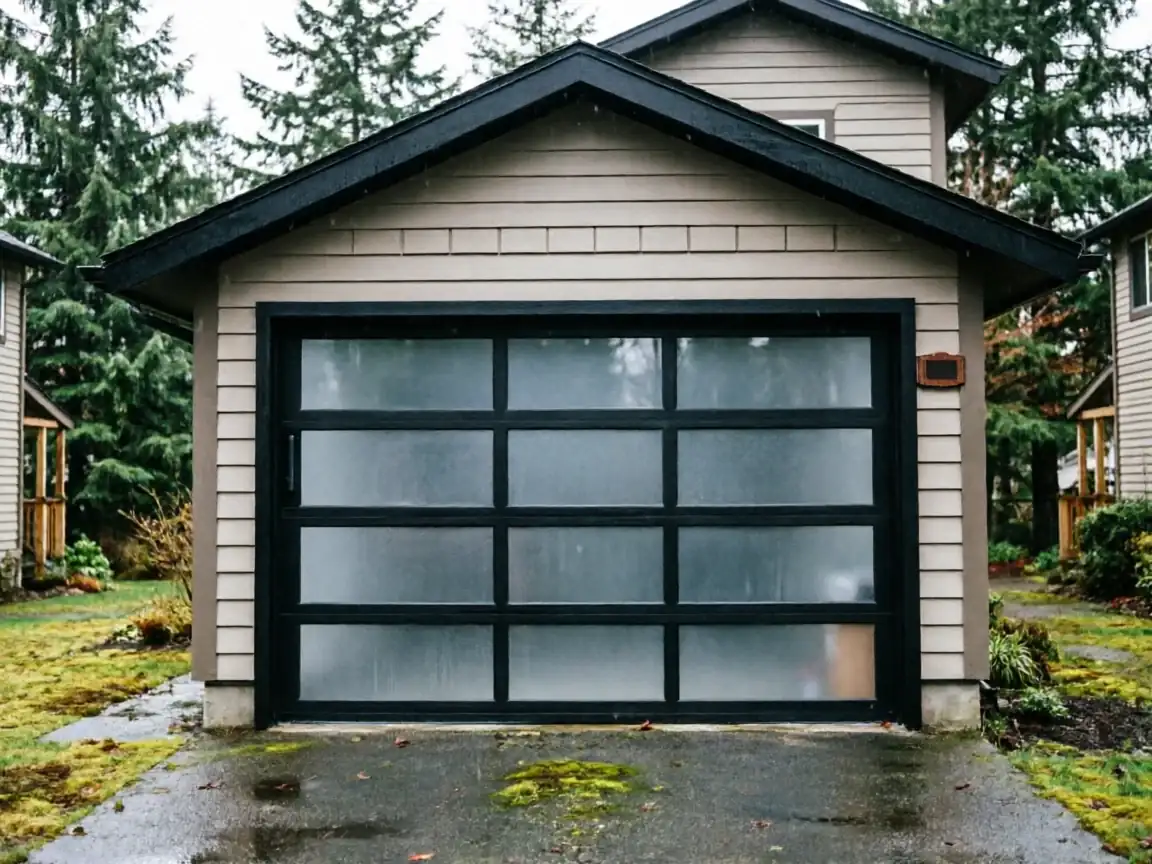
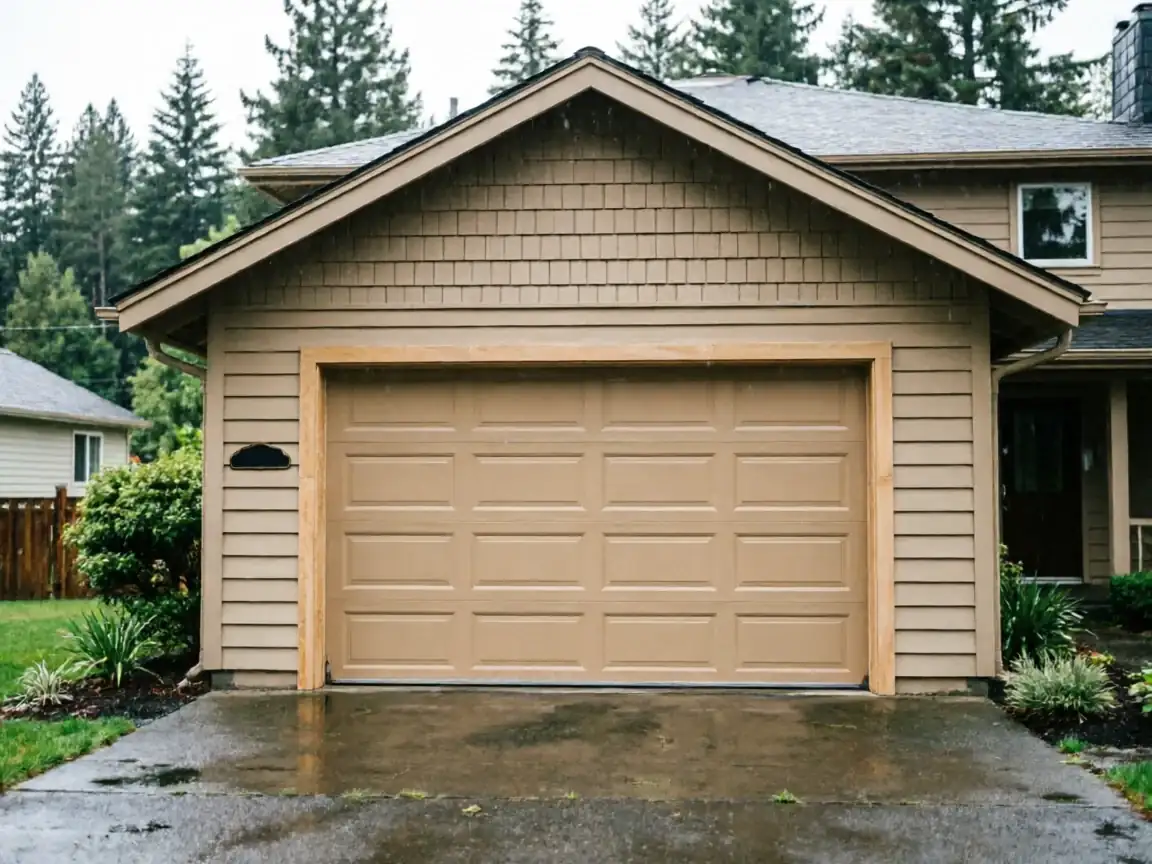
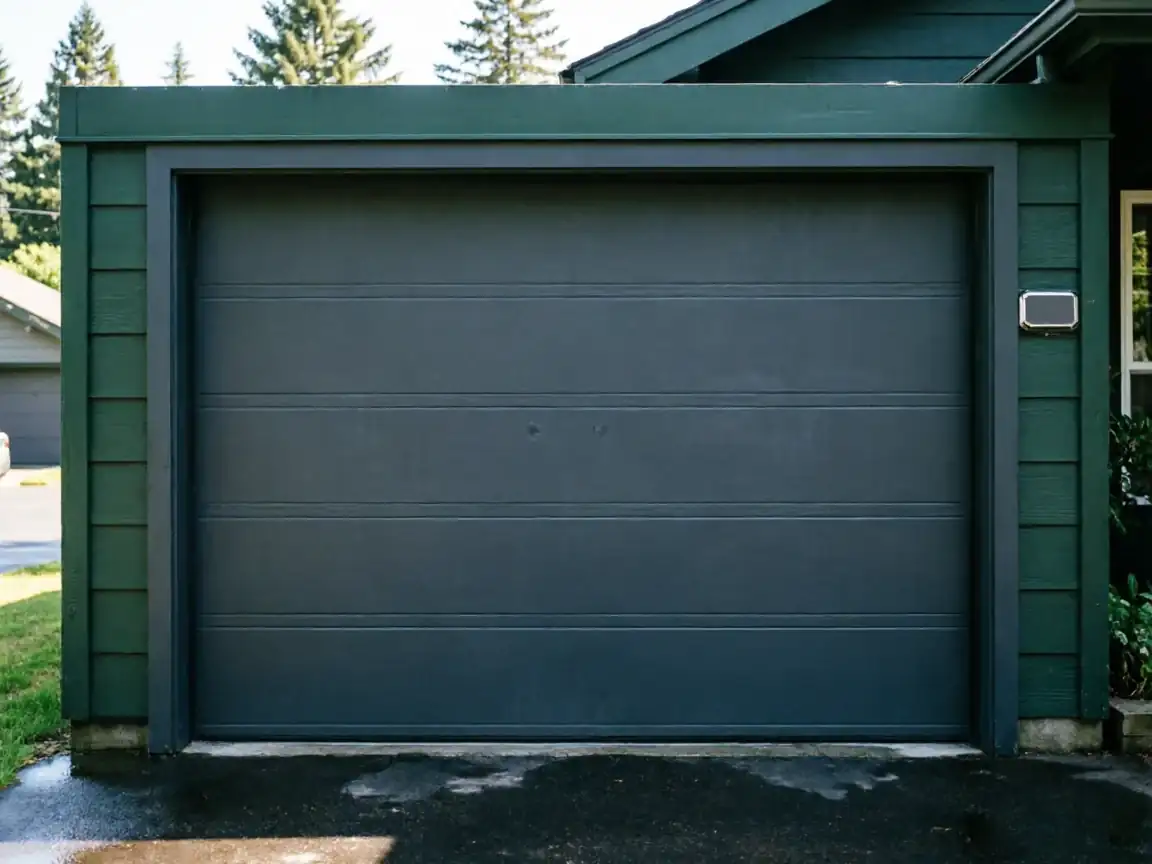
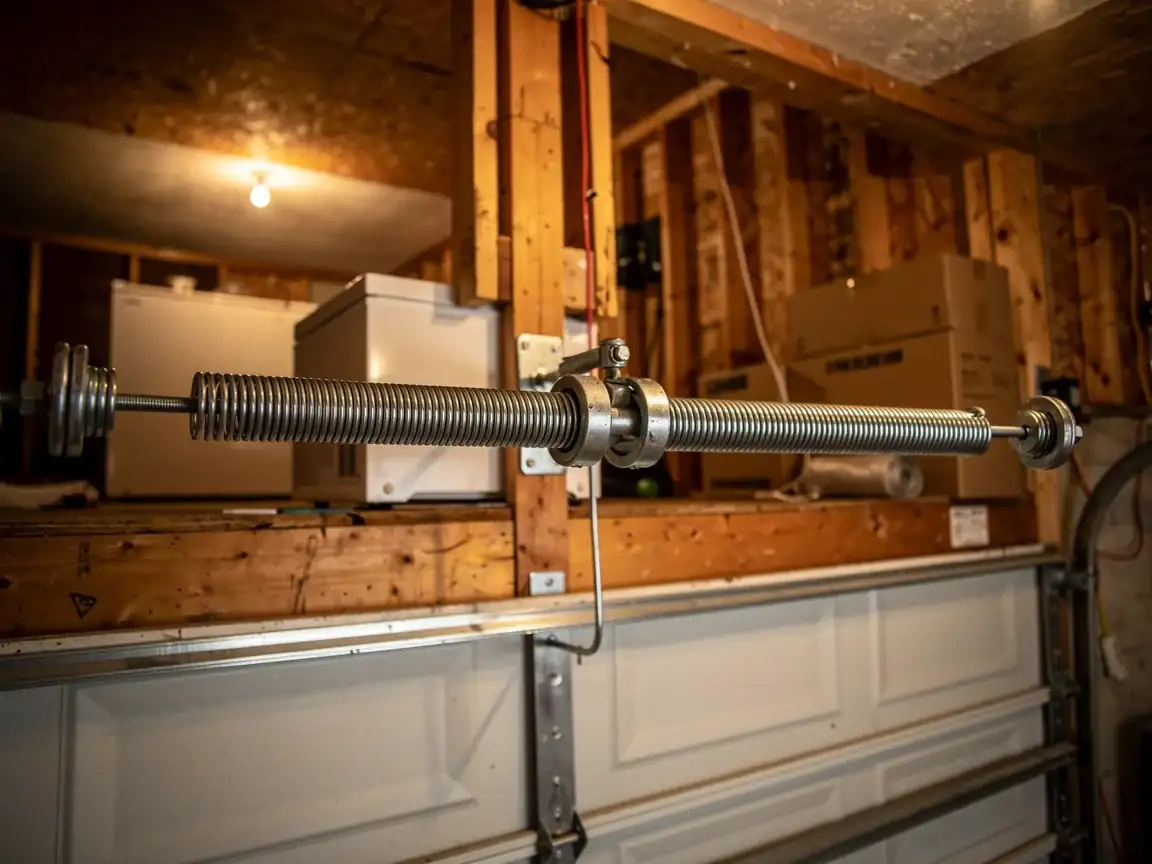
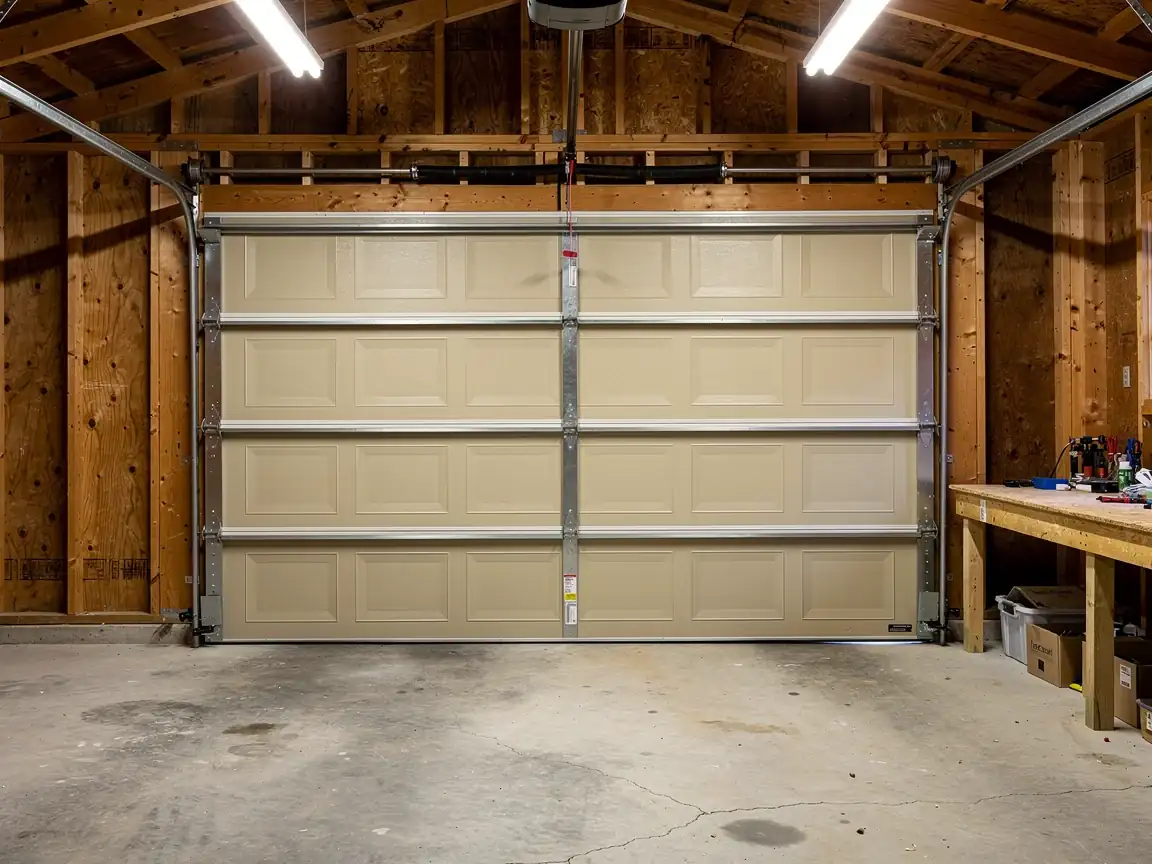
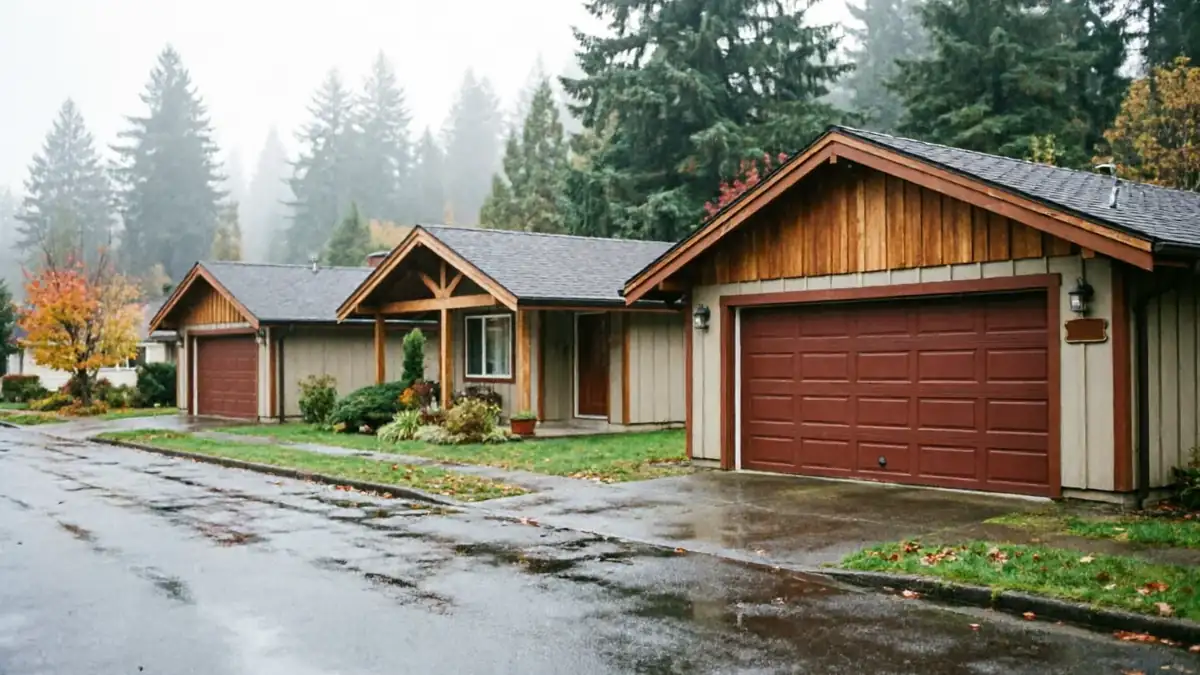
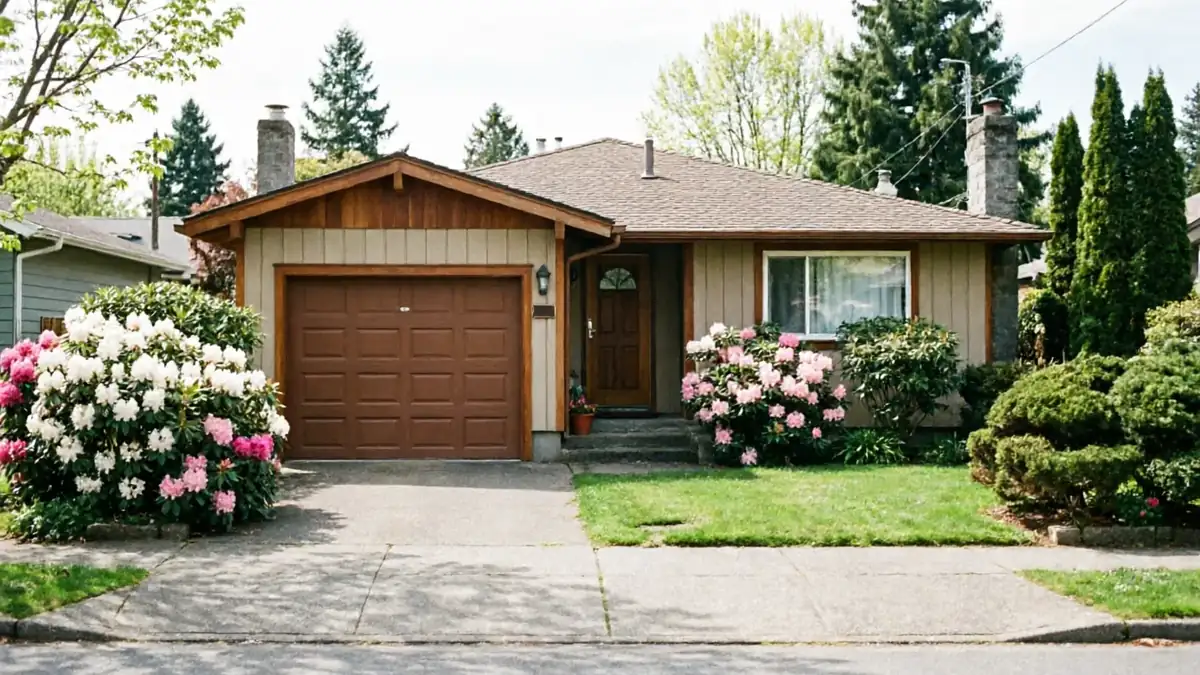
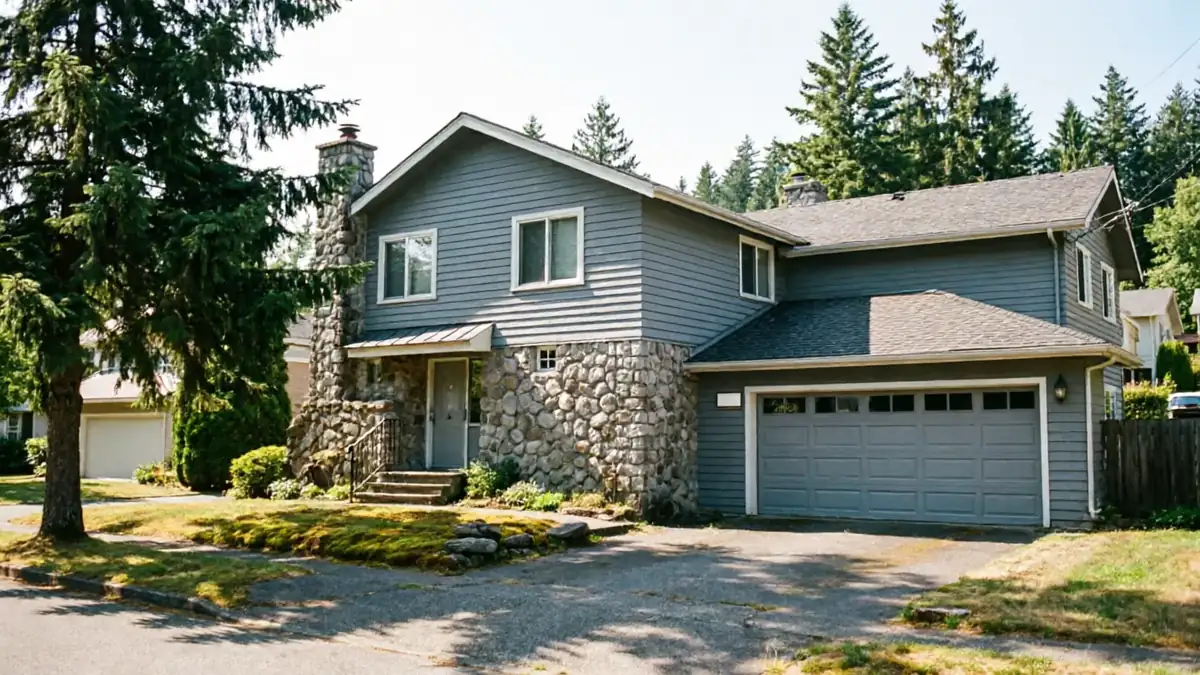
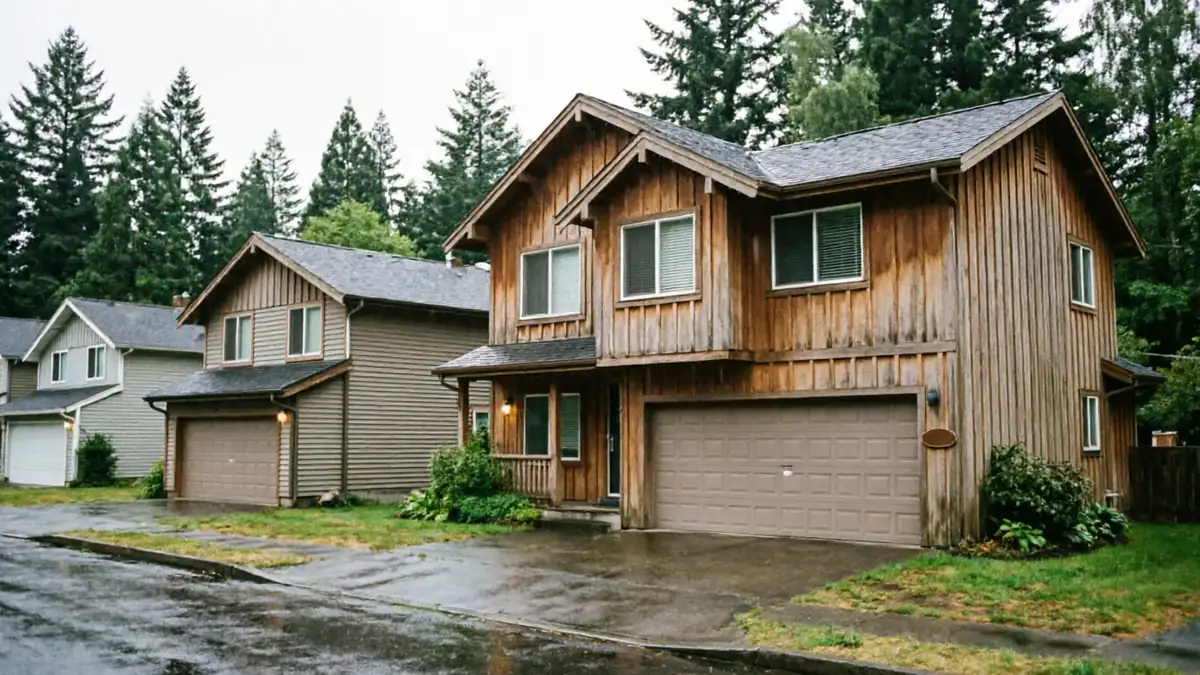
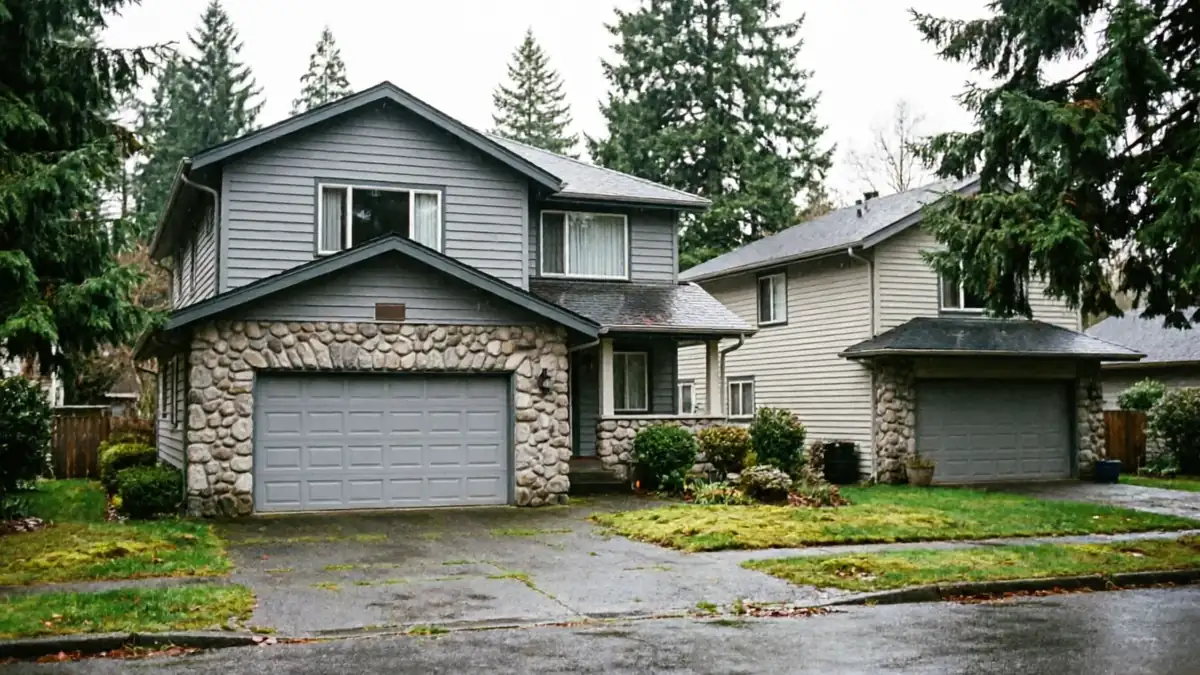
Because the median Bethany home dates to 2003, the garage door hardware behind most of these driveways looks different from what we see on older streets elsewhere in the coverage area. These houses were built with overhead torsion spring systems as standard, not the side-mounted extension springs that show up on older stock. Openers from this era carry safety reversal and photo-eye sensors as the norm rather than an upgrade.
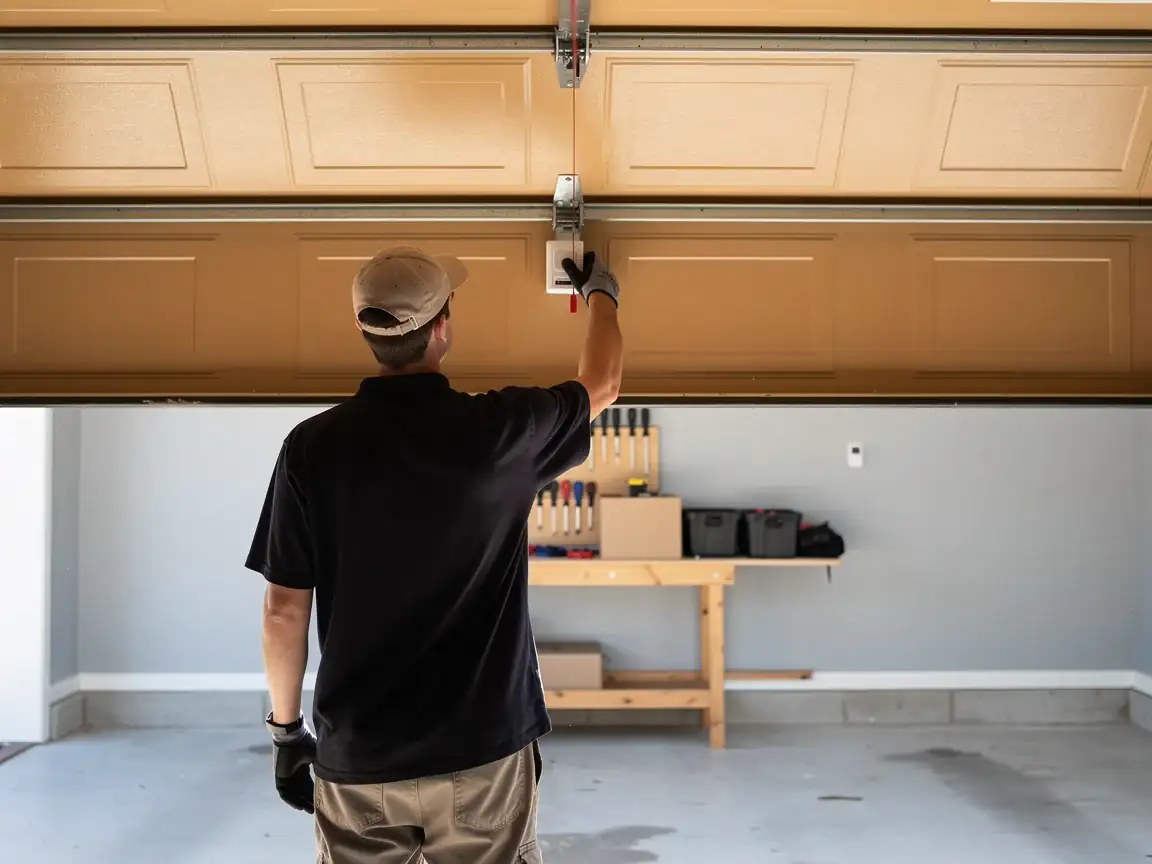
What we actually find wrong tends to track with age: a torsion spring nearing the end of its cycle count, a drum cable starting to fray, or a logic board on an opener that's a couple decades old and finally glitching. Panels on 2000s-era steel sectional doors hold up well structurally, so when a Bethany door fails, it's usually a mechanical part wearing out rather than the door itself warping or splitting, which is more common on the vinyl or older wood doors you'll find on houses from earlier decades. Insulation is also standard in doors from this period, which matters once winter sets in - see the next section for what that means.
The Split Between Old and New
Across the full service area, home construction runs from 1964 to 2003 with a median year of 1982, and most of the housing stock sits in the 1980s and 90s. Bethany sits at the newer edge of that range - its own median build year lands right at 2003, roughly two decades past the area-wide midpoint.
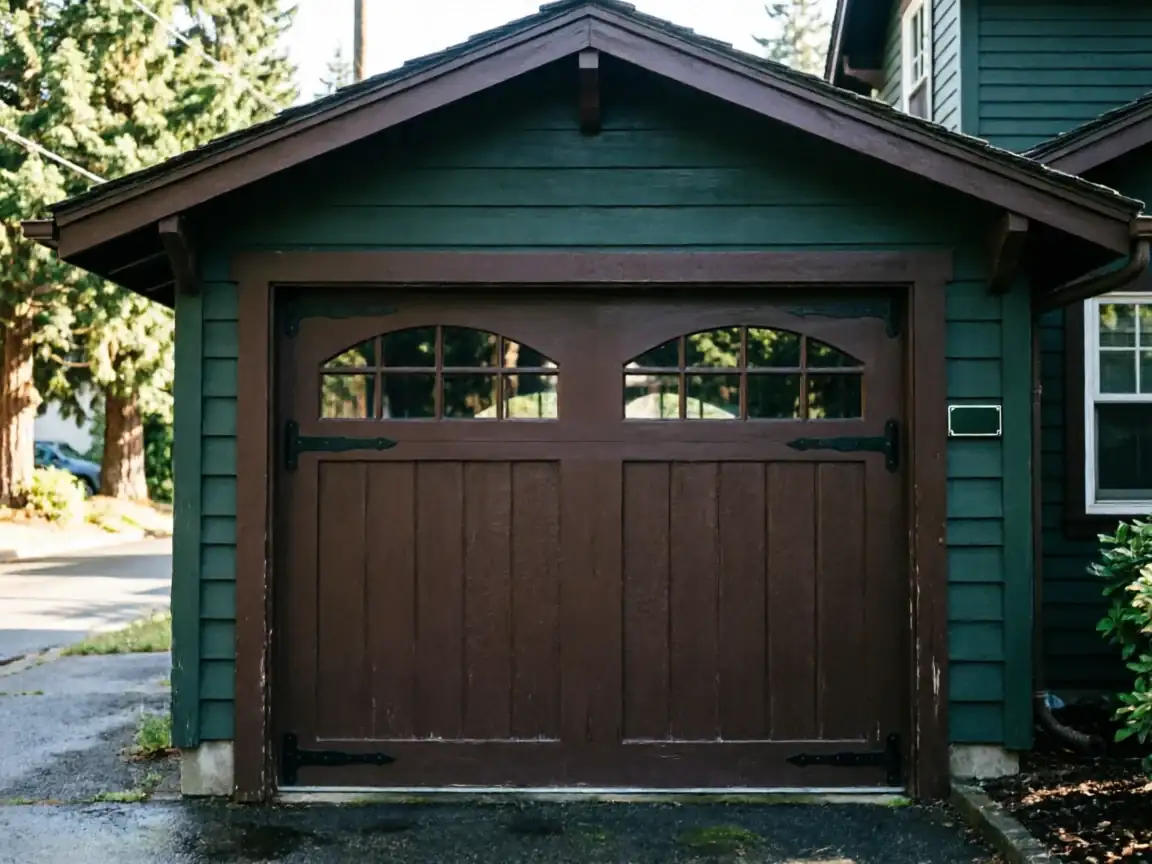
That gap matters for which repairs show up. Neighborhoods built in the 1980s often still run original torsion hardware that's now overdue for replacement, and some older doors use track and roller configurations that have been out of production for years, making parts slower to find. Bethany mostly skips that problem - its doors and openers are young enough that parts are current and widely stocked.
What Bethany doesn't skip is ordinary wear. A door installed in 2002 or 2003 is now past the twenty-year mark, which is close to when torsion springs and opener motors start failing on their own schedule, regardless of how new the house felt when it was built. The door isn't old by this area's standards, but it's no longer new either.
What Was Built Here
Bethany holds about 10,968 households, a small slice of the roughly 140,724 households spread across this company's full coverage area
Median household income here runs $164,315, well above the $102,201 median for the broader service territory - a gap that often tracks with when the housing went in, since newer subdivisions tend to carry higher price points.
The climate here falls under the same cold moderate band as the rest of the coverage area
Which means winter is the season that finds the weak point in a door. Steel panels contract in the cold, nylon rollers stiffen, and a torsion spring that's already lost some tension will finally give out on a freezing morning rather than a mild one. None of that is unique to Bethany, but a neighborhood built mostly in the early 2000s is just now reaching the age where that kind of winter failure becomes common rather than occasional.