Garage Door Service for Sherwood's Newer Housing Stock
Sherwood's garage doors mostly date to the late 1990s, newer than much of our area. We explain what that means for springs, panels and openers, and what we won't do.
We don't keep a crew or a truck stationed in Sherwood. We run out of Oregon City, about 12 miles away, and that drive is part of how we schedule the day - we're not going to tell you we can be there in twenty minutes when that's not true. We also don't stock every obscure opener logic board on the truck. If your door uses an older control board that's been out of production for years, we'll tell you that up front rather than have you wait on a part that isn't coming. And we don't push full door replacement on a homeowner when a spring, cable, or roller job will get another decade out of what's already hanging in the opening. Sherwood's housing stock is young enough, on the whole, that most of what we see are wear parts failing on schedule, not structural rot in the door itself. That's a different conversation than we'd have on a 1960s door, and it means a shorter list of things we'd ever recommend tearing out and starting over on.
How That Shows Up in the Door
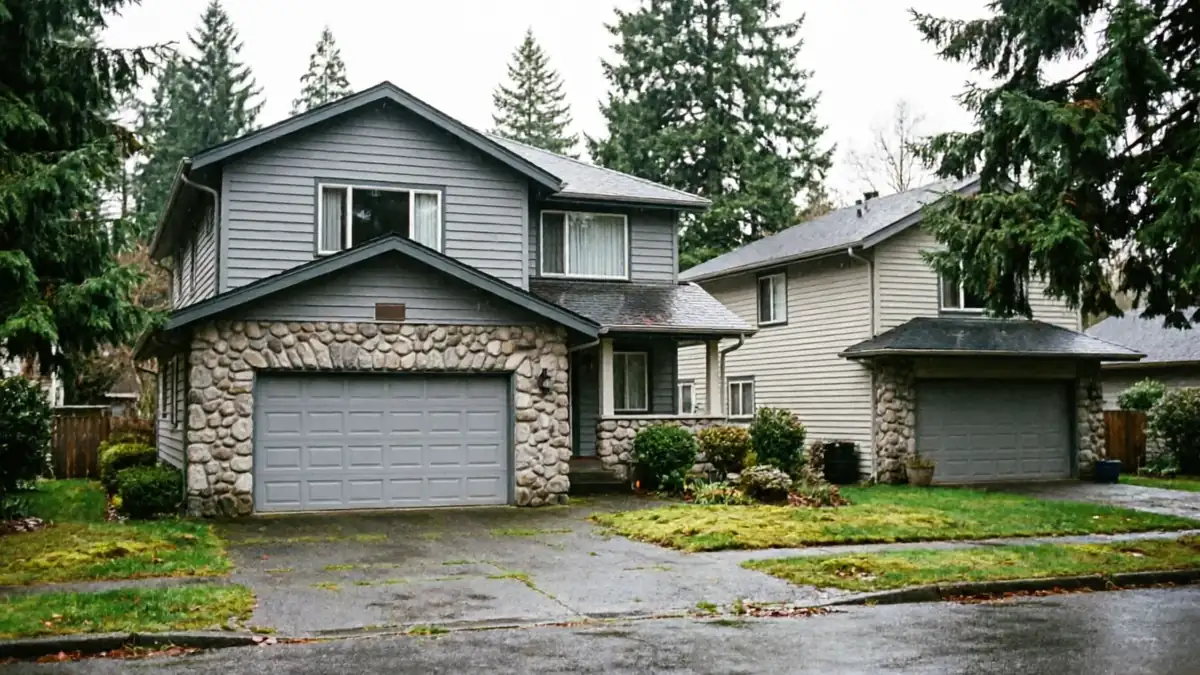
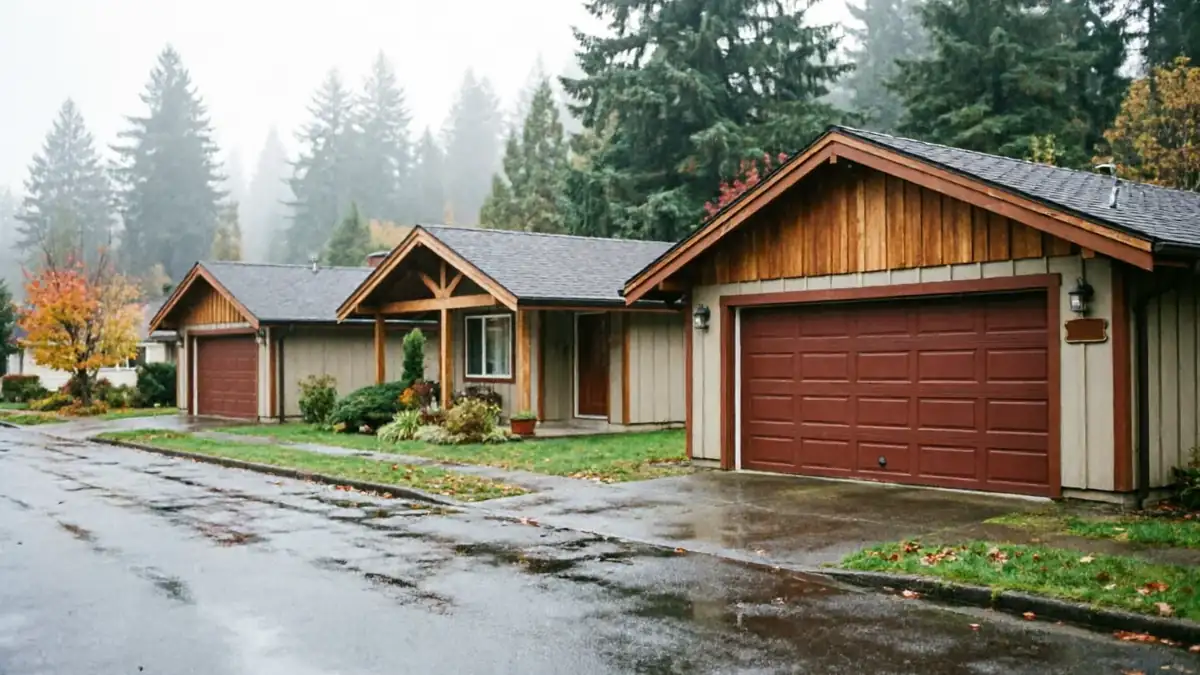
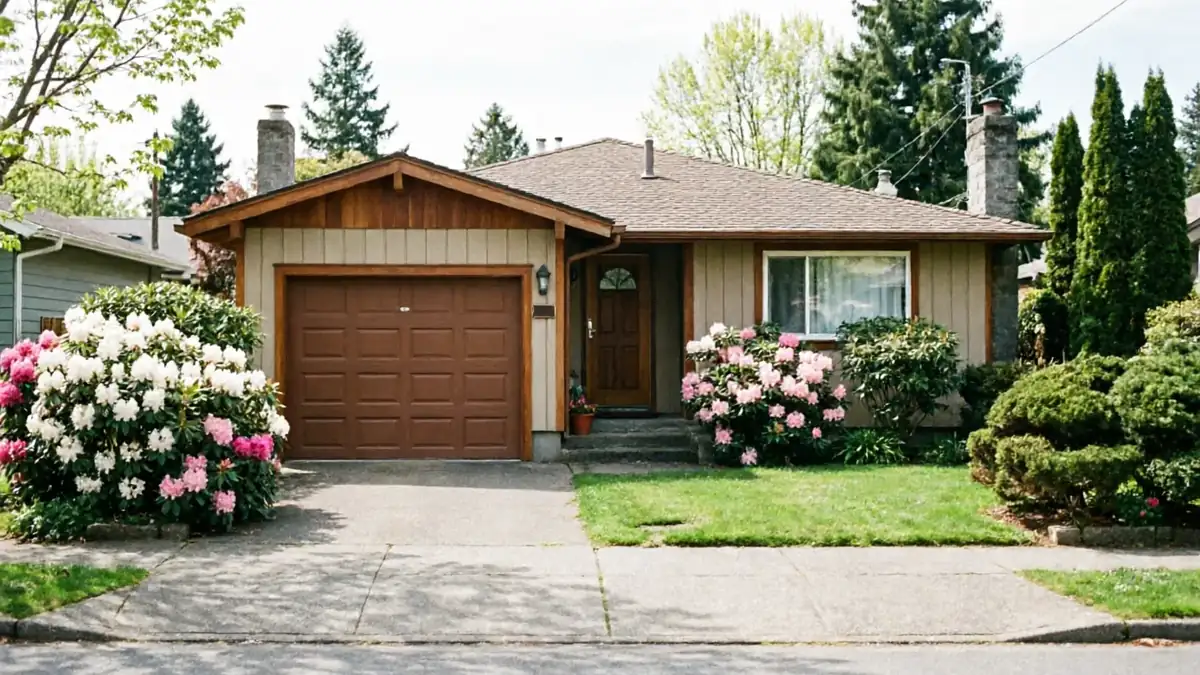
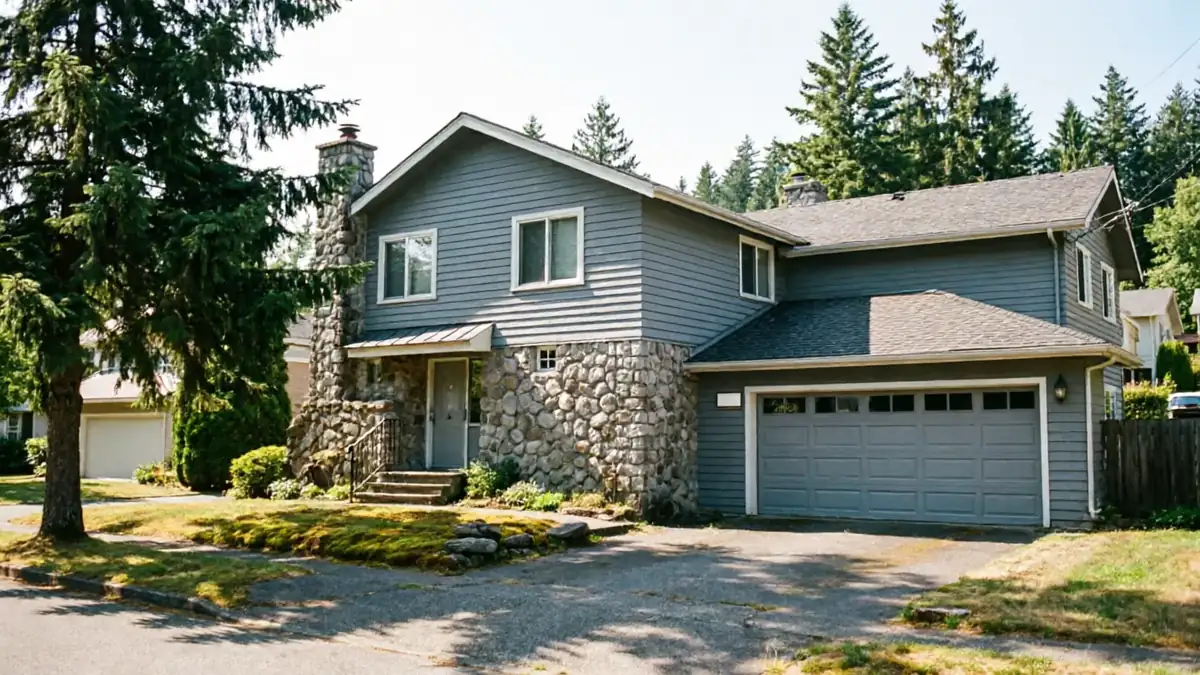
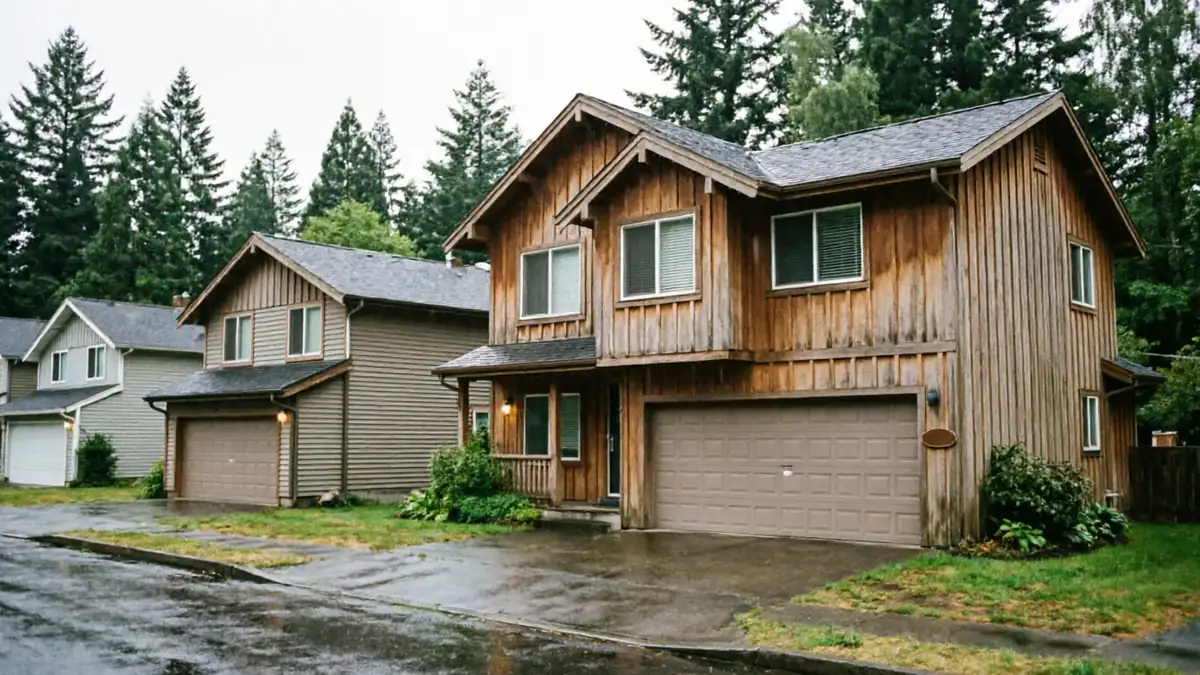
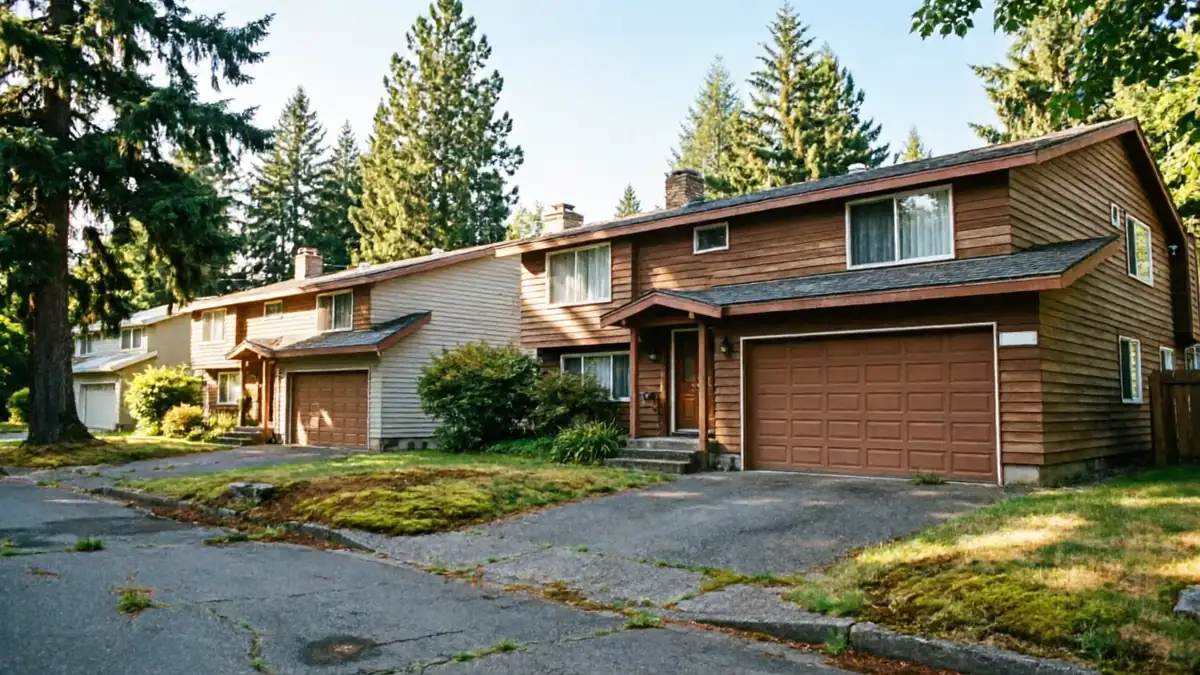
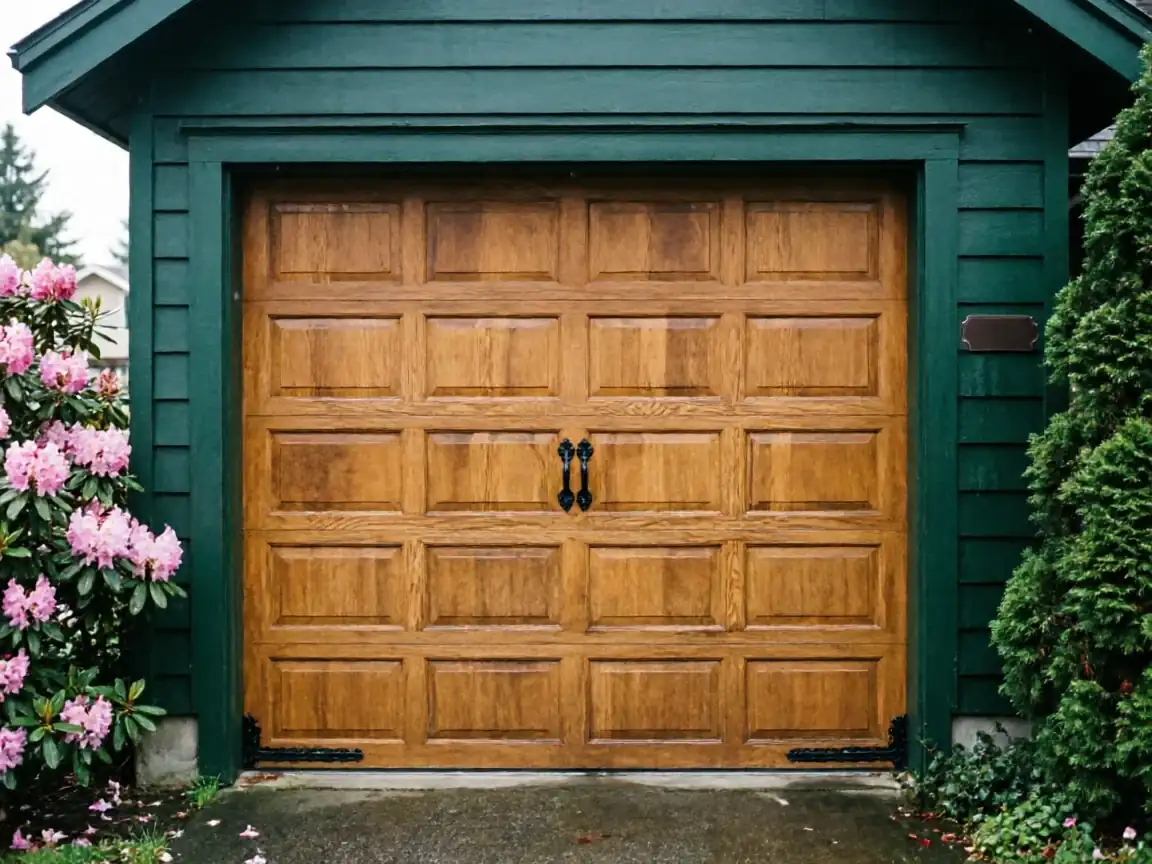
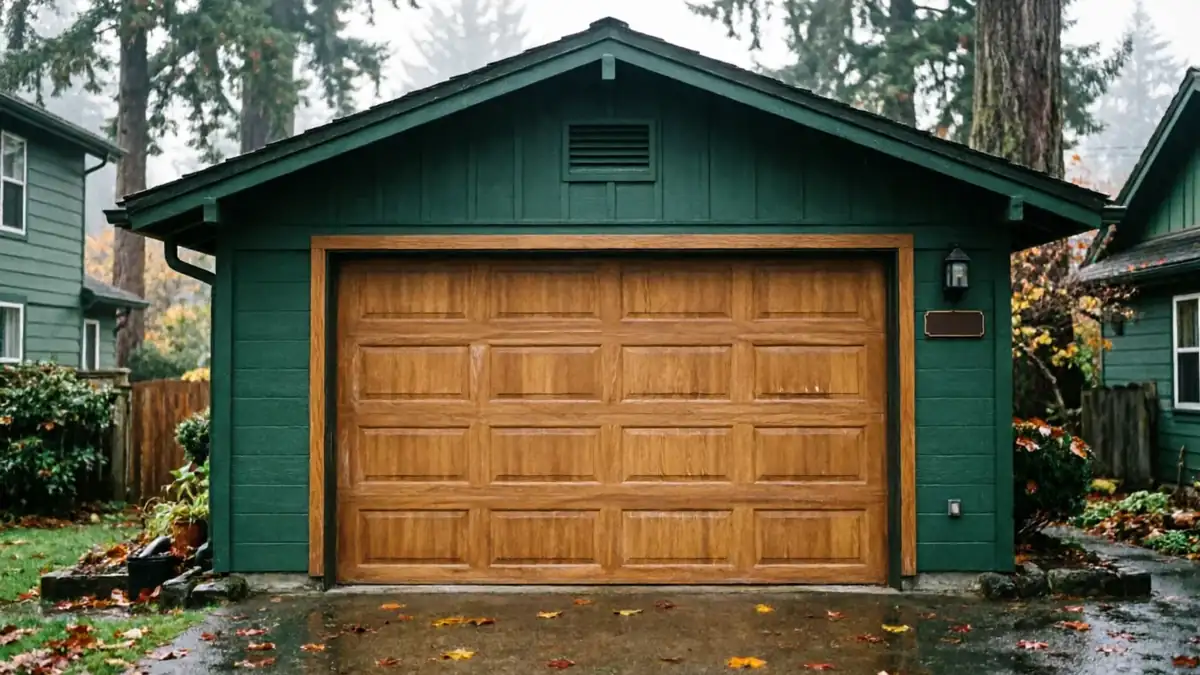
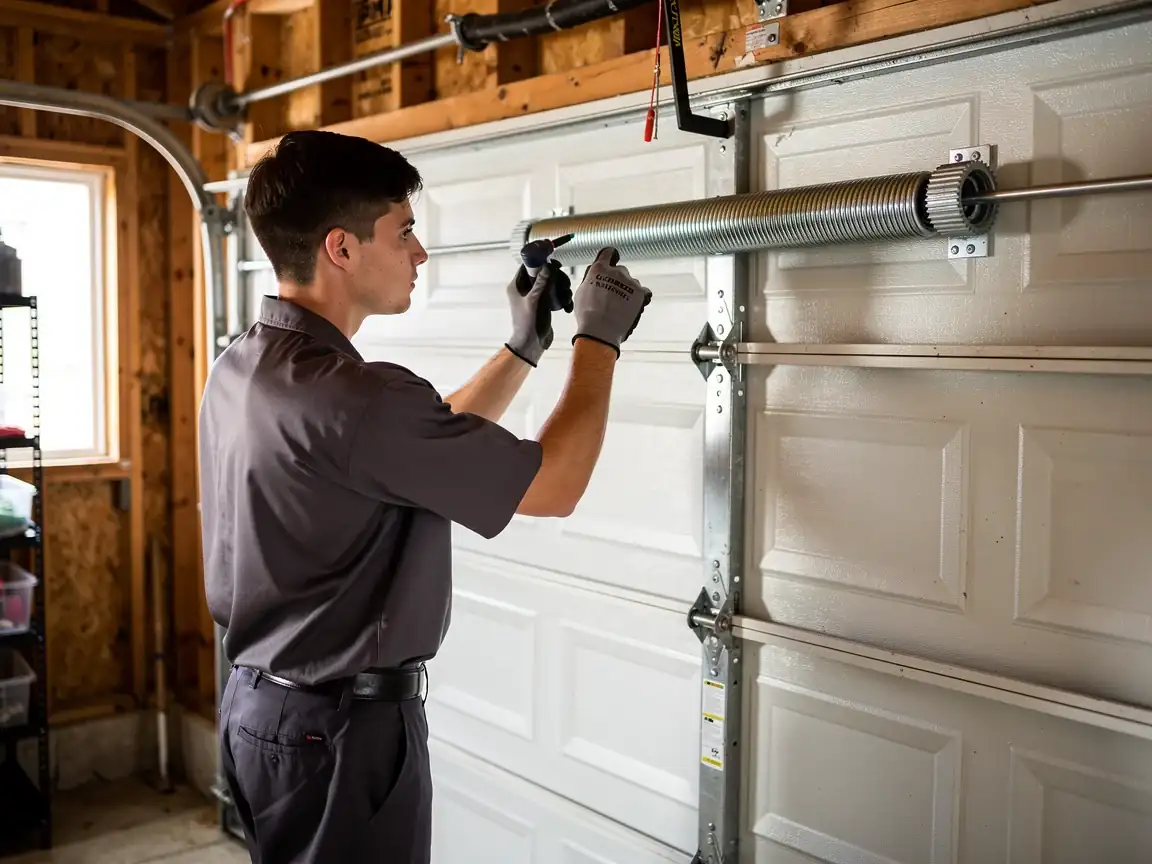
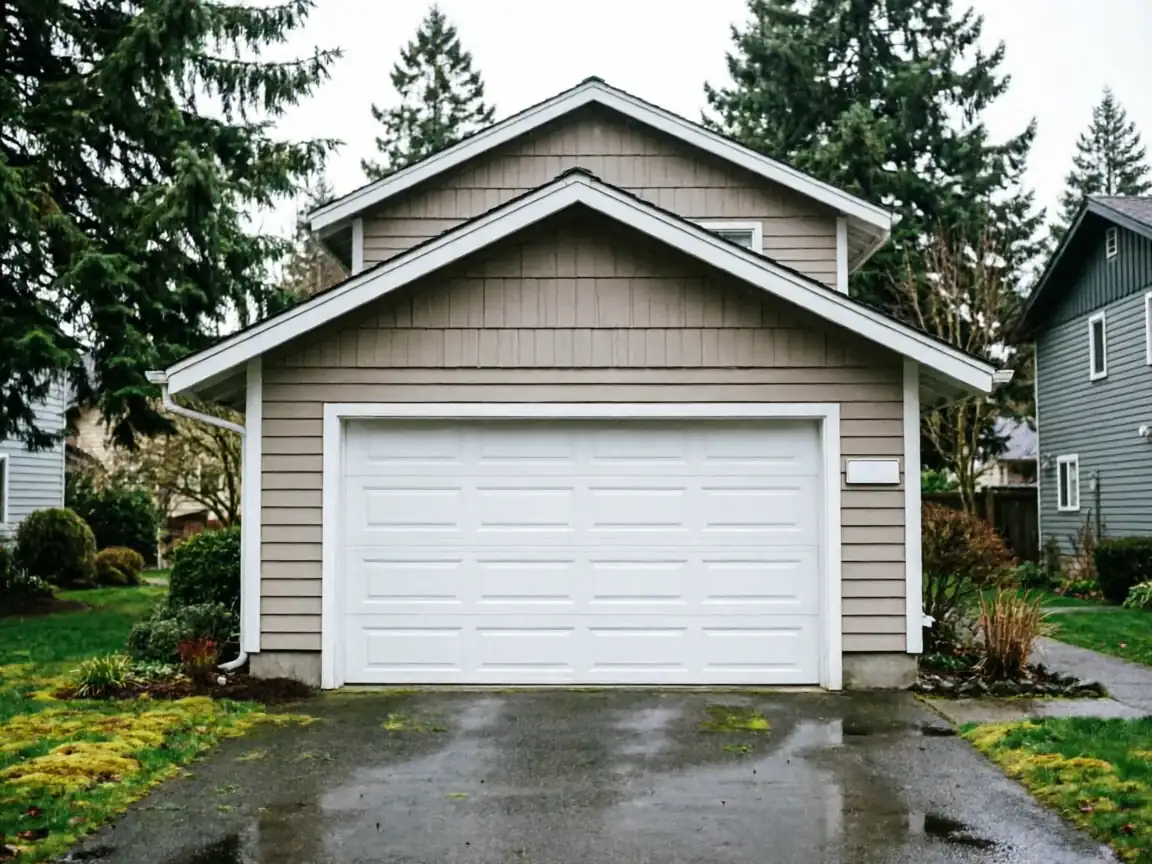
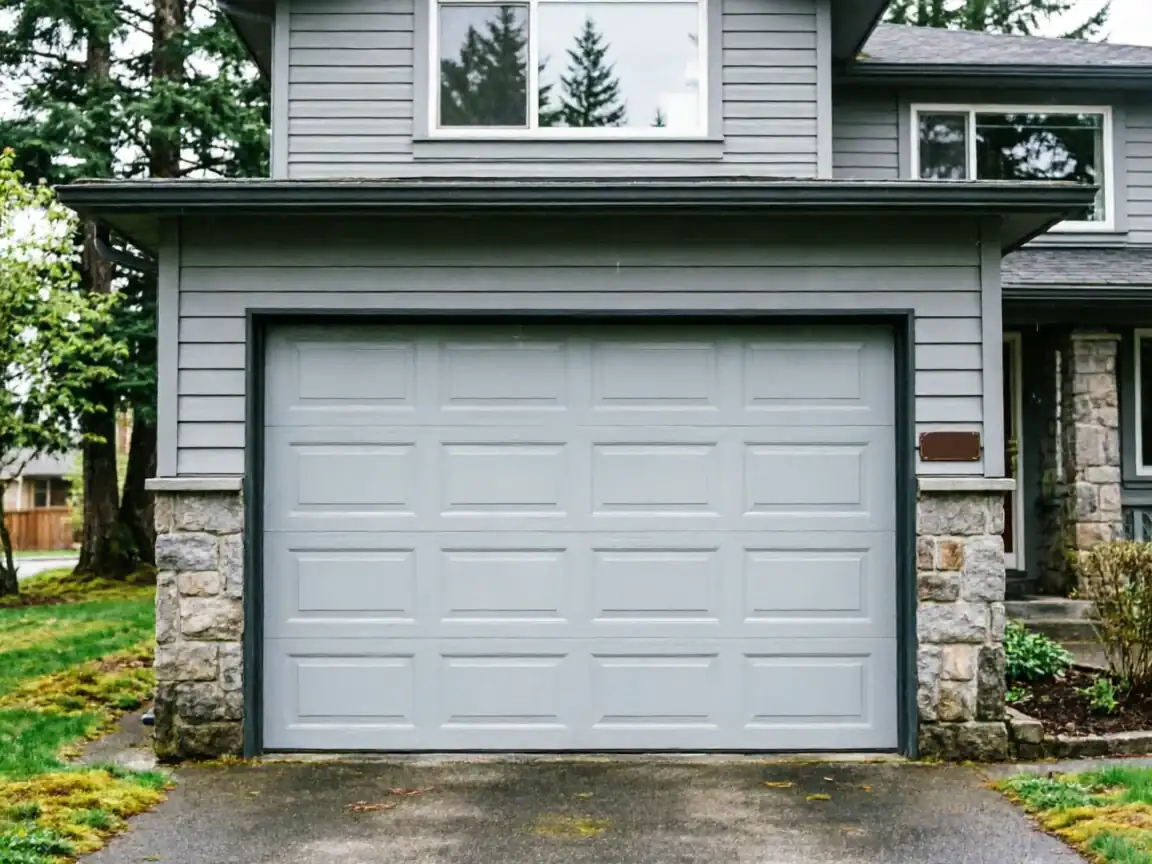
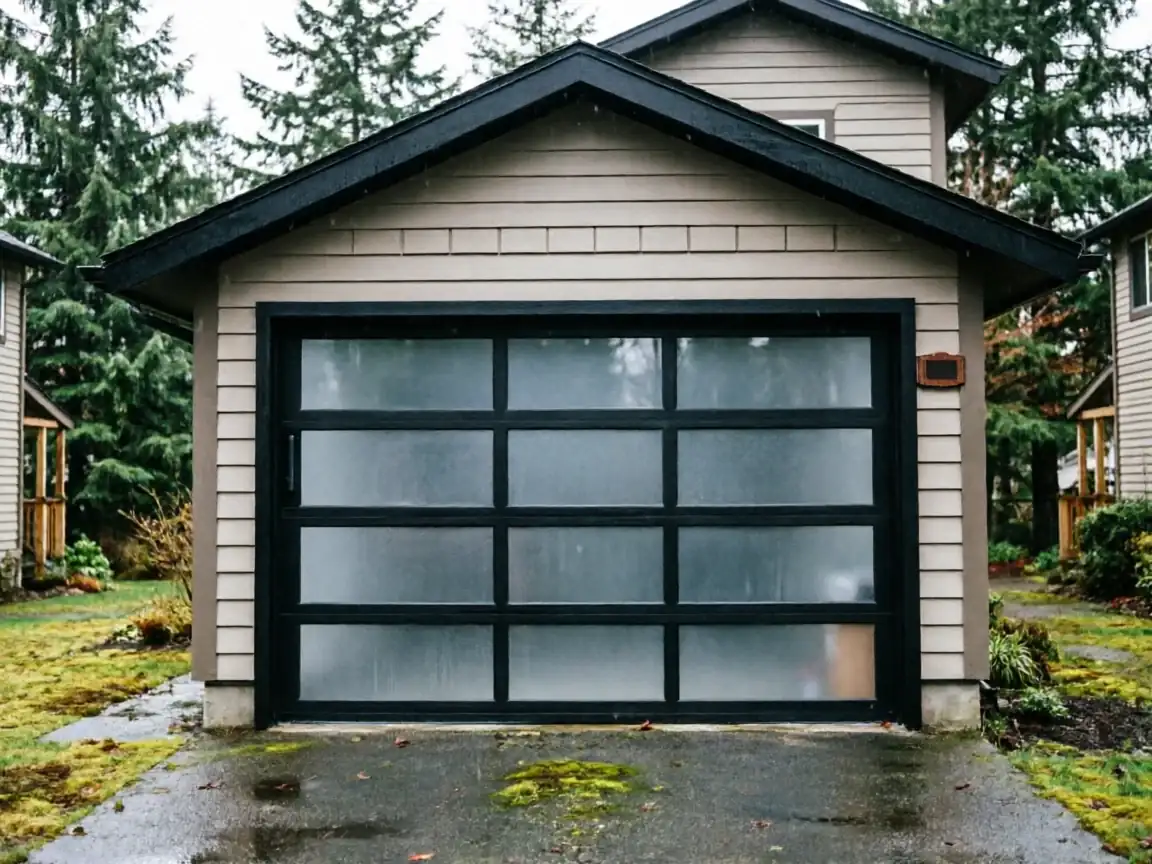
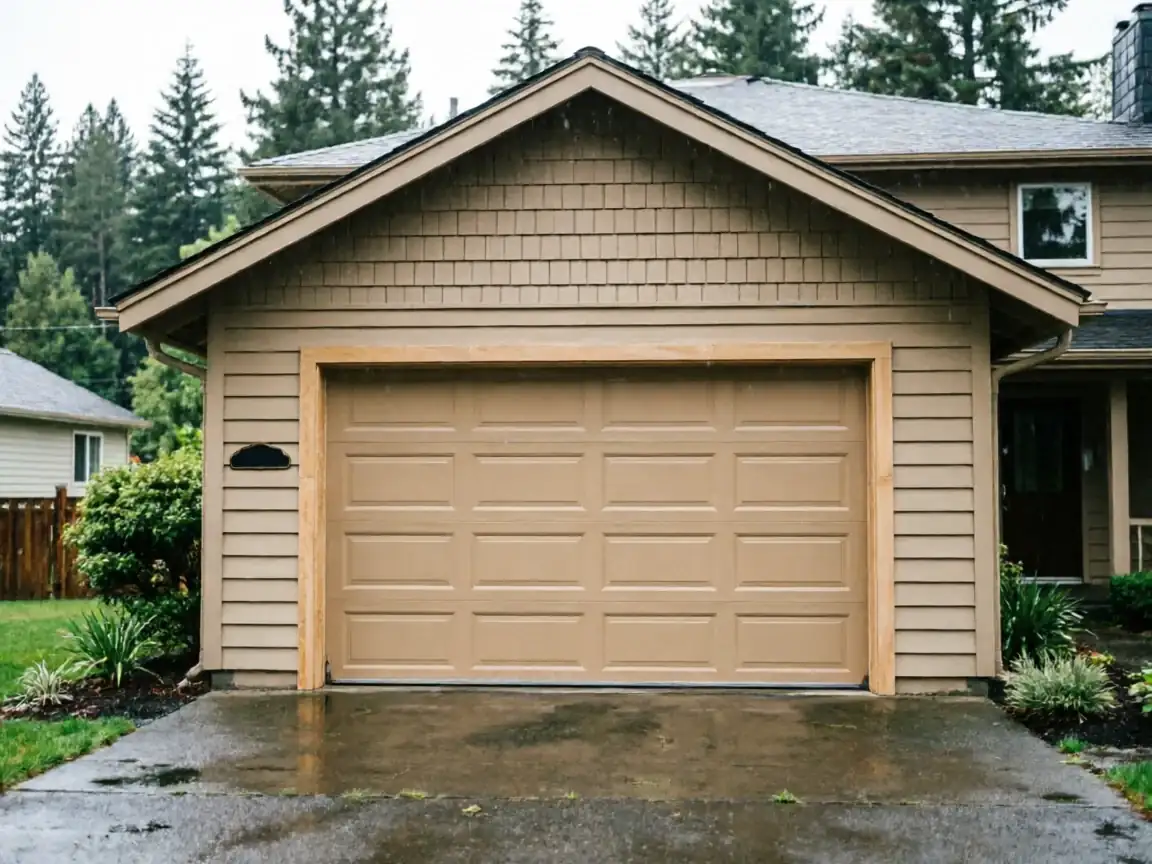
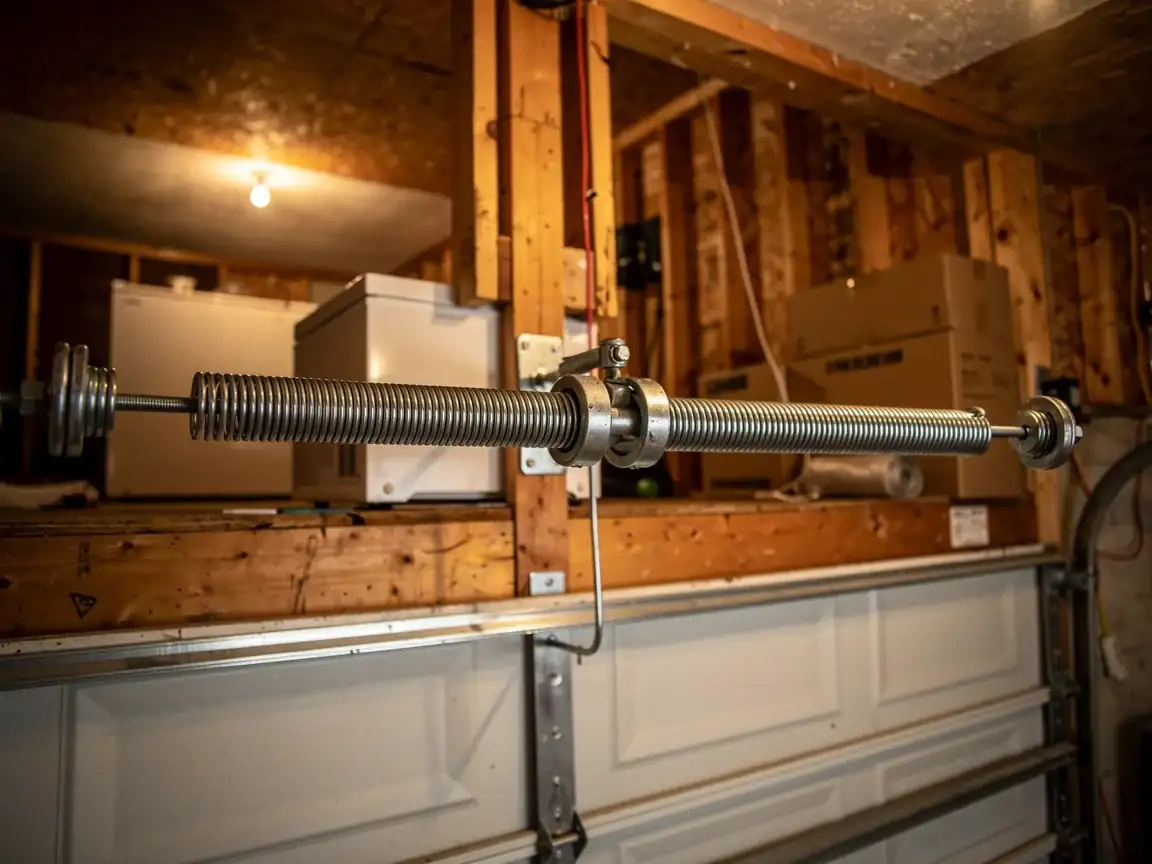
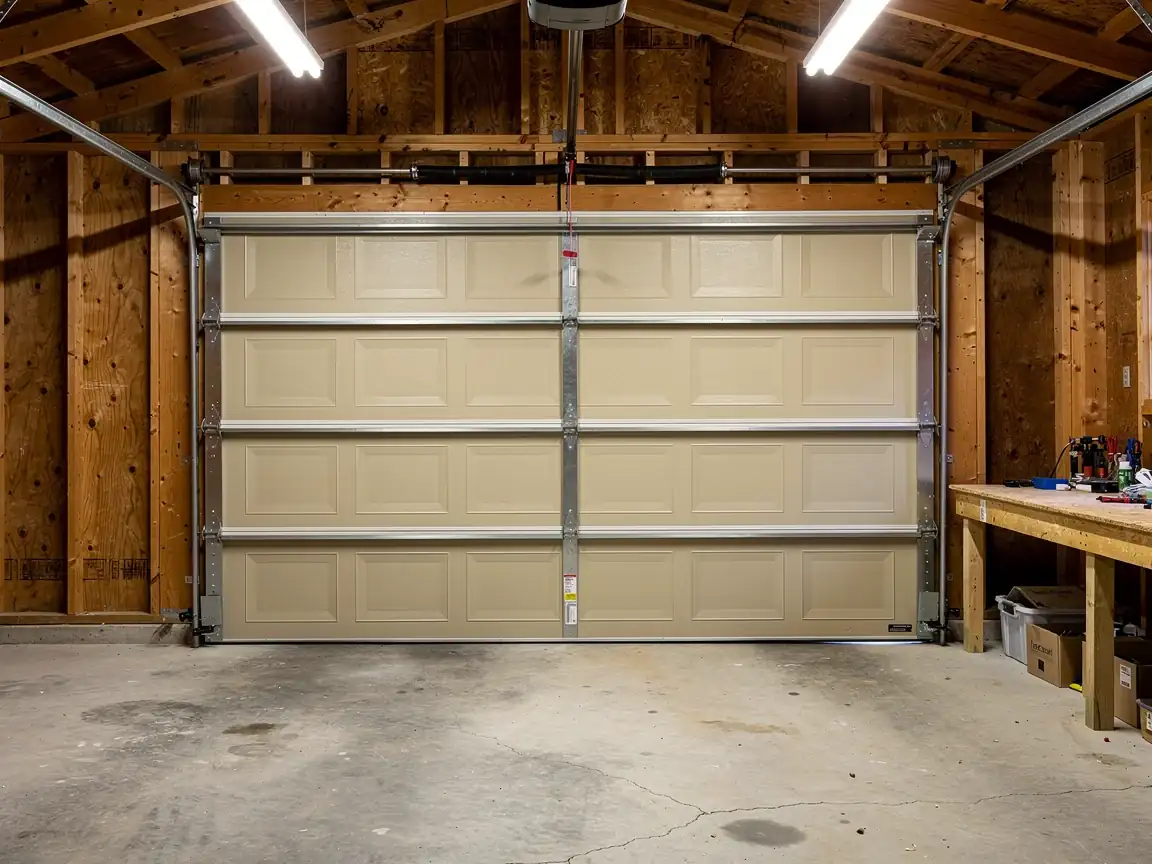
Sherwood's median build year sits at 1997, which is about fifteen years newer than the 1982 median across the rest of the territory we cover out of Oregon City. That gap matters more than it sounds like. A door and opener installed in the late '90s is usually a factory steel sectional on a standard torsion spring setup, sized for a 16-foot double or an 8 or 9-foot single, with a chain or belt-drive opener from that generation. The common failures we see here are what you'd expect from age on that kind of hardware: torsion springs reaching the end of their cycle count, nylon rollers cracking, worn weatherstripping letting cold air in during the winter months. What we don't see as often in Sherwood is the older side-mounted extension spring setup with a one-piece door - that's a problem from the other end of the area's build range, not this one.
The Split Between Old and New
Across the full service territory, housing spans 1964 to 2003, with 31 named areas each carrying their own mix. Sherwood sits on the newer end of that range. With roughly 7,017 households and a median income of $110,616 - well above the $102,201 median across the broader area's 140,724 households - the housing here tends toward later-generation construction with fewer of the original, undersized hardware setups we run into closer to the older pockets of the territory. That doesn't mean nothing breaks. Springs wear out on a 1997 door the same way they do on a 1975 door, just usually not alongside the same structural quirks. The practical difference is in what we bring on the truck and what we expect to find when we open the panel - a late-'90s standard torsion system, not a hardware pattern that needs a special-order part.
What Was Built Here
Sherwood's housing clusters tightly around the late 1990s rather than spreading evenly across the decades the way some of the older parts of the area do. That narrower build window means less variation door to door - most of what we service here is a recognizable factory configuration, not a patchwork of repairs and replacements layered over forty years. The region sits in a cold-moderate climate band, and on a door this age, that mostly shows up as weatherstripping and bottom seals giving out before anything structural does. We're 12 miles out of Oregon City to get here, which we factor into scheduling rather than pretend away. If you're not sure whether what's wrong with your door is a quick fix or a sign it's time to think about the opener itself, that's worth a call before you guess.
How it works
From “it’s stuck” to “it’s fixed”
01
Tell us what’s wrong
Describe the symptom - won’t open, loud bang, opener runs but the door won’t move.
02
On-site diagnosis
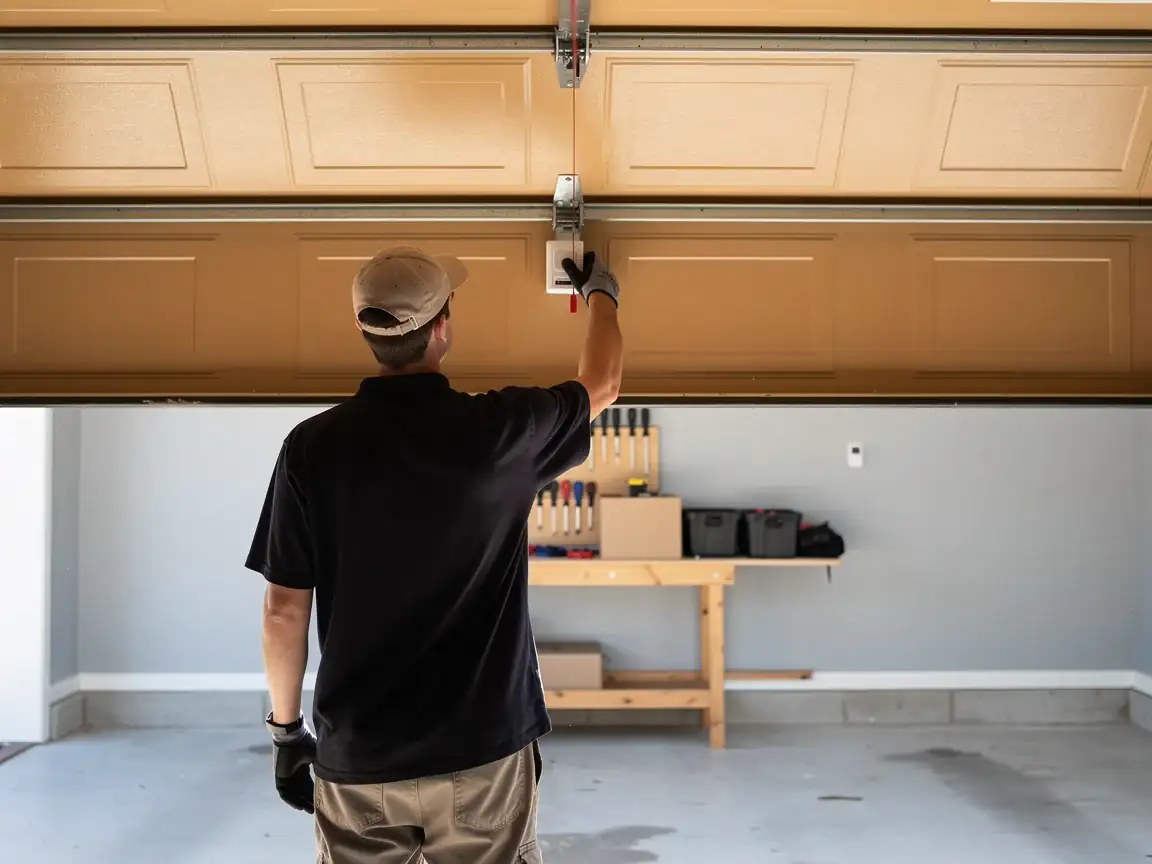
A technician tests the door under power and by hand and finds what actually failed.
03
Clear, up-front plan
You get the fix that’s needed and what drives the cost - before any work starts.
04
Repaired & tested
The repair is done, the door is set true and tested, and the work area left clean.
Not sure which repair your door needs in Oregon City, OR? Describe what it’s doing - every job starts with a diagnosis.
Is my Sherwood garage door too old to repair instead of replace?
Probably not. Sherwood's housing mostly dates to the late 1990s, so most doors we see here have factory steel panels and standard torsion hardware - parts that are still common and worth repairing. Replacement usually only makes sense if the door itself is physically damaged or the opener logic board is long discontinued.
Do you have a crew based in Sherwood?
No. We run out of Oregon City, about 12 miles from Sherwood. We don't keep a depot or staff stationed locally, so we build that drive time into scheduling rather than promise something we can't deliver.
What's the most common garage door failure in Sherwood?
Given the late-1990s median build year here, the most common calls are worn torsion springs, cracked rollers, and failing weatherstripping - normal wear on a standard factory setup, not the older hardware problems we see in parts of the area built before the 1980s.
Will a late-'90s opener still get parts?
Most do. Openers from that era commonly used chain or belt drives with control boards that are usually still supported. If yours uses a less common board that's been discontinued, we'll say so before ordering rather than have you wait on a part that isn't available.
Ready to get your garage door sorted?
Tell us what it’s doing and where you are in Oregon City - we’ll take it from there.