The Situation
The call usually comes early
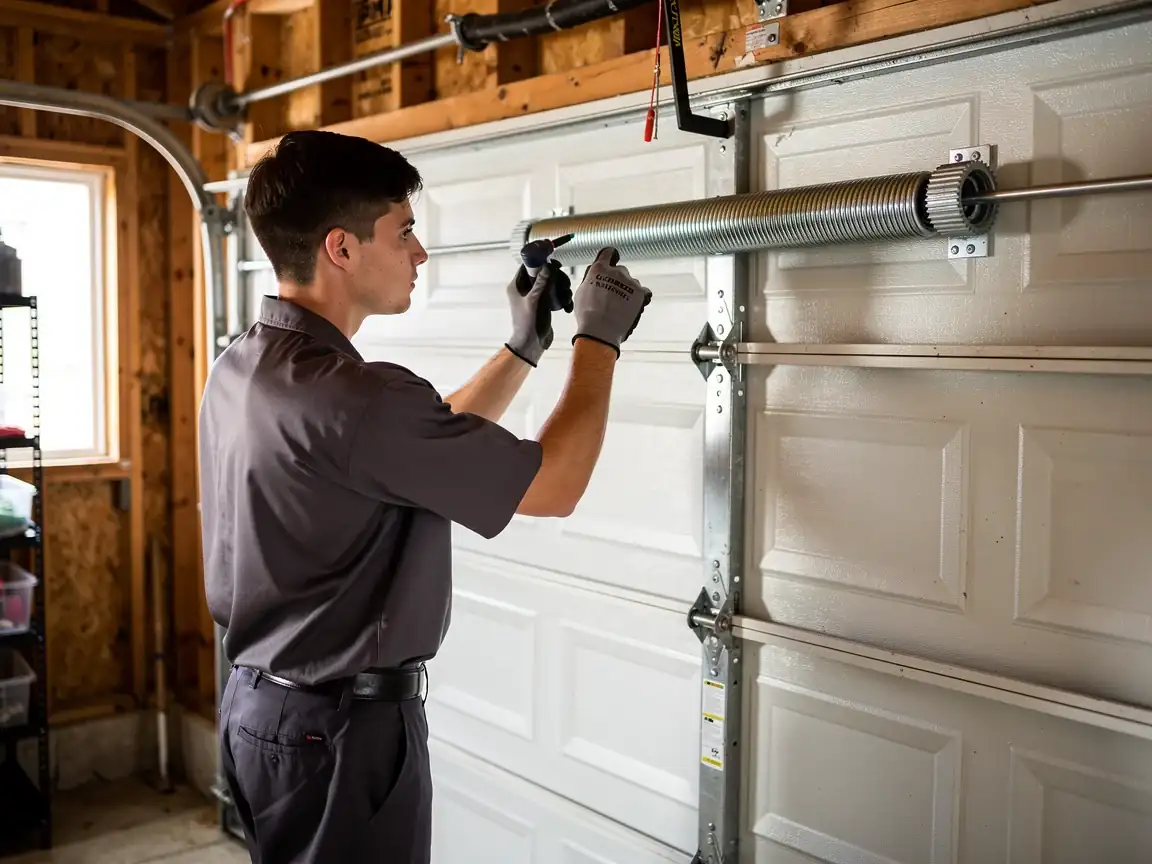
The door won't lift, or it lifts six inches and stops, and there's a bang from the garage that happened sometime overnight. That's a torsion spring letting go, and it happens more in cold weather because steel contracts as it cools and the metal gets less forgiving right when the coil is already under the most load it ever carries, first thing in the morning.
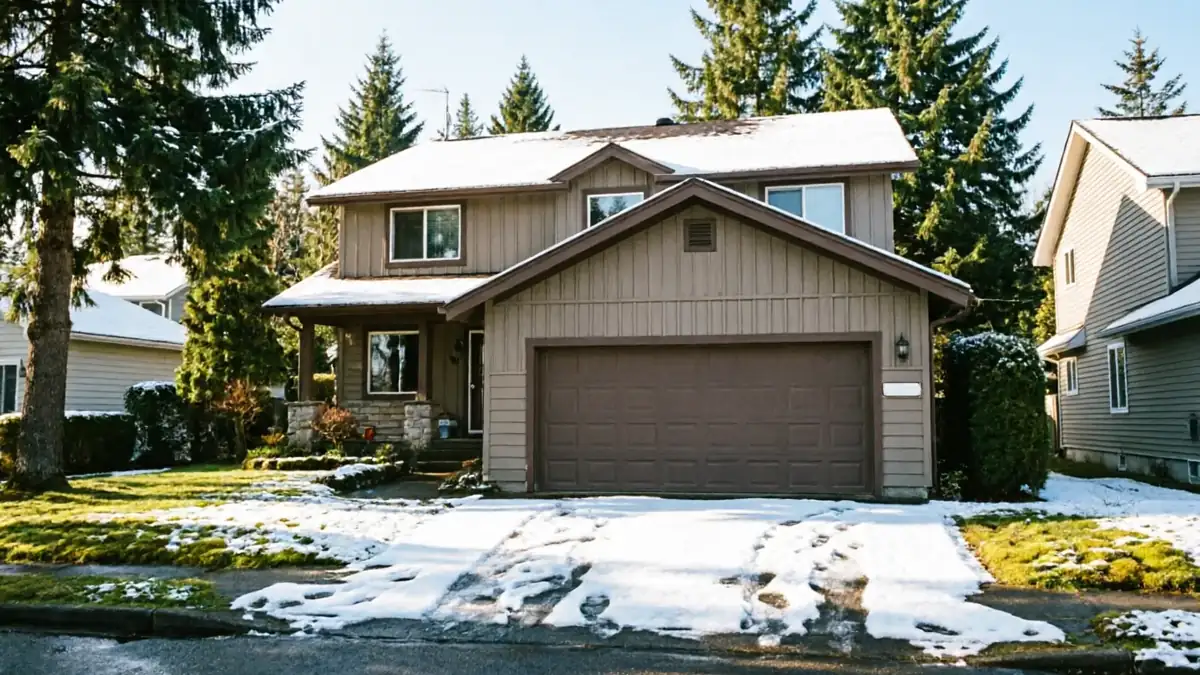
Most houses on this side of town went up between 1964 and 2003
With a lot of that stock clustering around 1982. A spring installed when a house was built in the early 80s has had four decades of cycles, summer heat and winter cold, to fatigue the steel. Nobody re-torques or replaces a spring on a schedule, so by the time a house is old enough to vote, the spring is just waiting for a cold enough night.
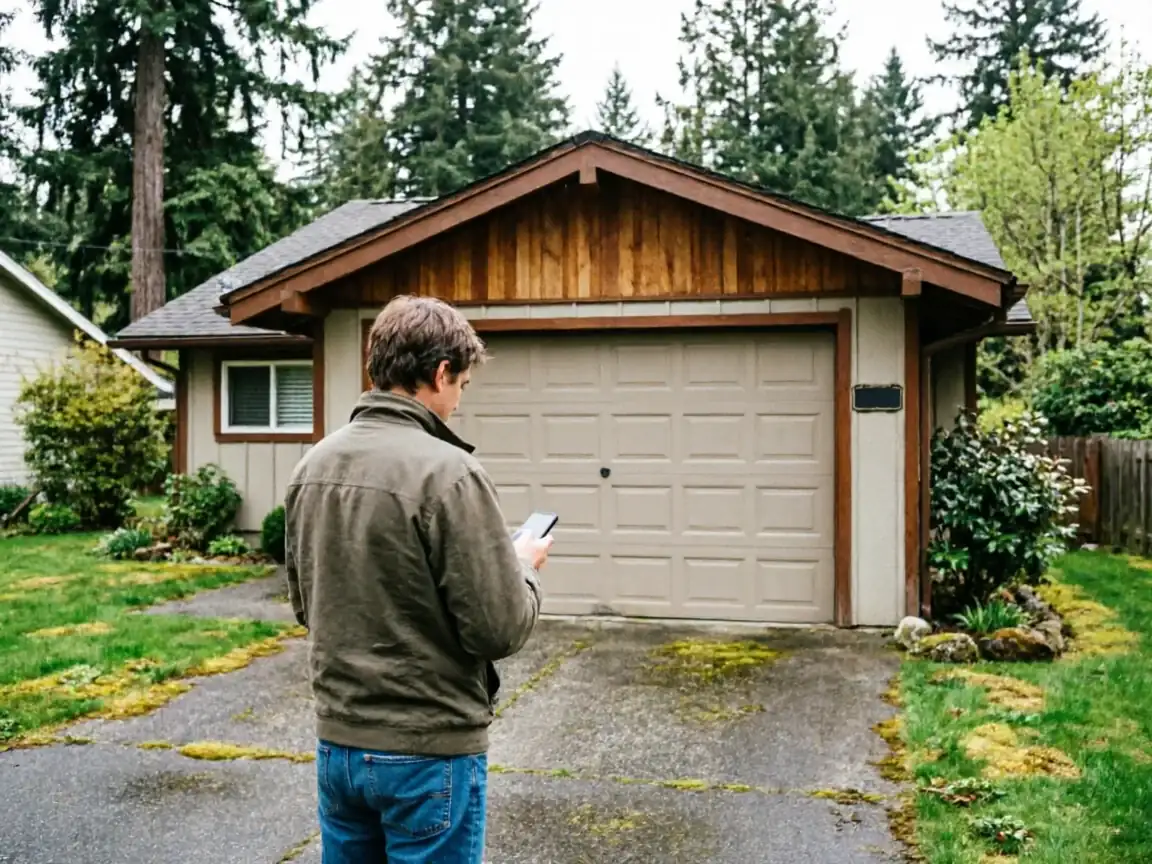
If your garage is attached and uninsulated
Which is common in homes from this era, the door itself is the coldest surface in the house on a hard morning. That's exactly where the spring is working hardest and has the least give left in it.
The Cost of This Job
I'm not going to put a number here that I can't back up, because spring jobs vary more than people expect. A single door with one torsion spring is a different job from a double door running two, and whether it's torsion or the older extension-spring setup changes the parts and the time on site. I'd rather look at the door than guess at a price over the phone.
What I can tell you is what drives the cost: spring size and wind count, whether the drums and cables are original and need to come off anyway, and whether the opener's travel limits need resetting afterward. On a lot of the 1980s and 90s builds around here, the cables and rollers are the same age as the spring, so a spring call sometimes turns into a cable call too.
Median household income across this service area runs around $102,201, which isn't poverty-line anywhere, but a spring failure that drags in the opener and the cables adds up fast if nobody flags it until the second part fails. Worth asking for the full look before you sign off on just the spring.
How Local Conditions Play In
This area sits in a moderate cold climate band, not the brutal stuff you'd get further east, but enough freeze-thaw cycling through the winter to matter. Steel springs lose a little elasticity every time they go from a cold overnight low back up through the day, and that cycle repeats for months at a time here.
It isn't usually the coldest single night that breaks a spring. It's the cumulative fatigue from years of those swings, finally giving out on a morning cold enough to be the last straw. That's why the failure often lands in late fall or winter even though the spring has been weakening all along.
West Linn, three miles out, and Gladstone, about the same distance, sit under the same weather pattern, so a cold front that stiffens springs here does the same thing there. Milwaukie, seven miles off, and the rest of the areas out toward Canby and Molalla are all inside that same cold-snap footprint. None of that changes the physics: cold metal under load is less forgiving metal, full stop.
Checking It Yourself
Before you call anyone, a look from a safe distance tells you a lot
Don't put your hands near the spring itself, but you can check a few things.
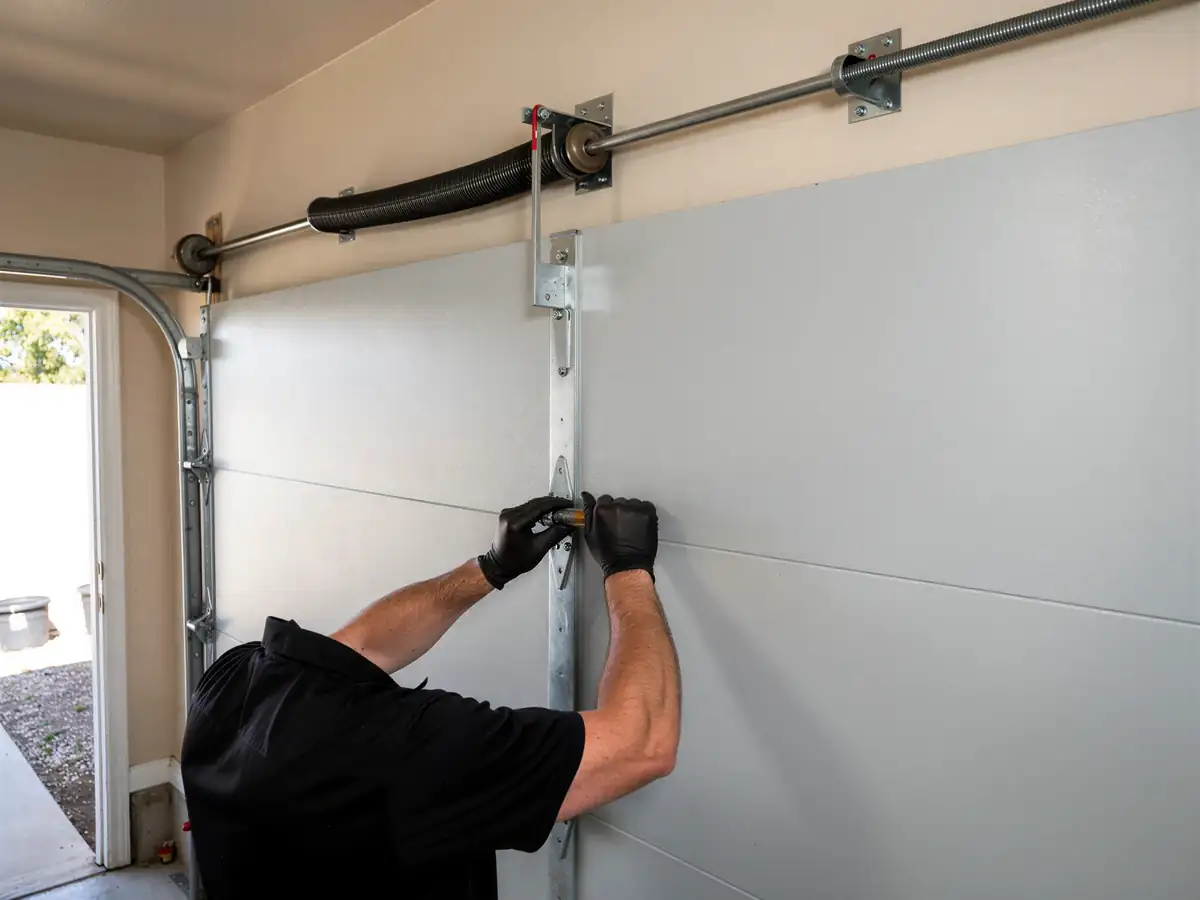
Look at the coil through the opening in the center bracket
A gap between coils, or one side of the spring hanging lower than the other, usually means it's already stretched or cracked and close to going. Listen for the door - a grinding or popping sound on the way up, even if it still opens, is a spring telling you it's not done but it's close.
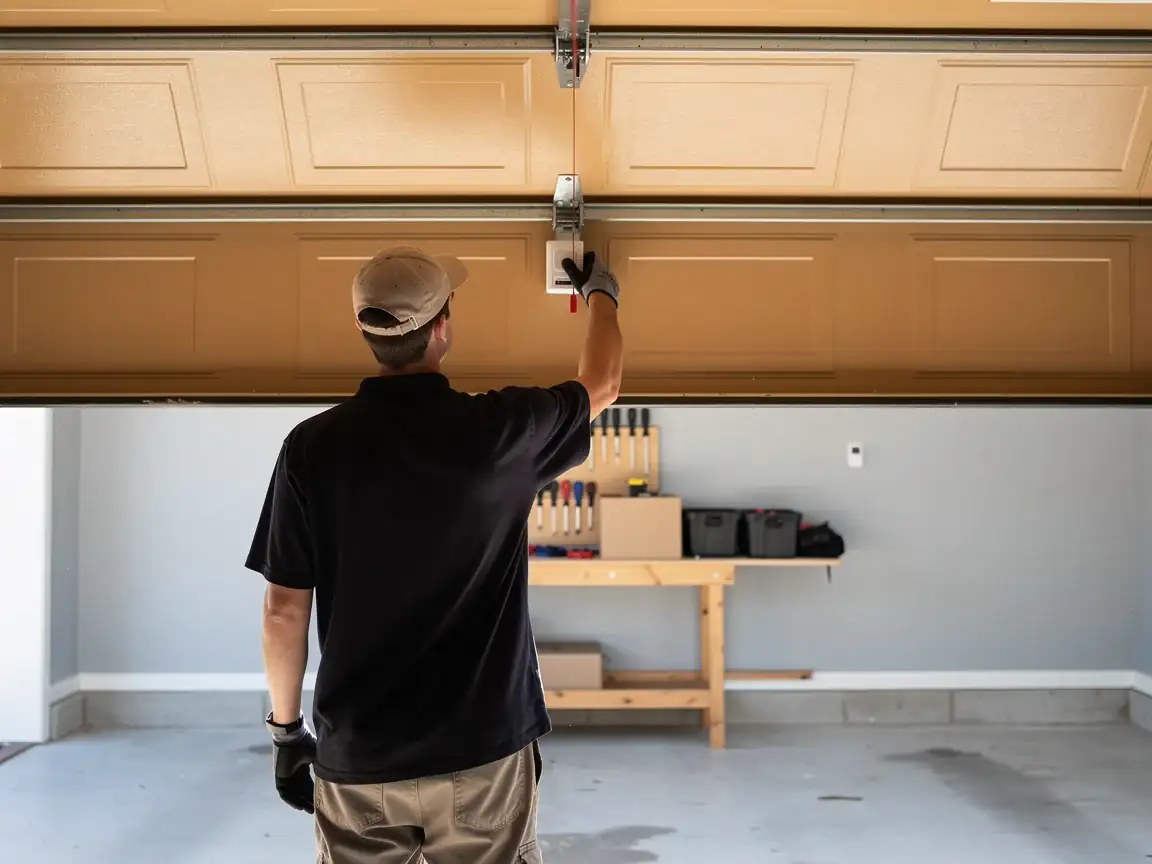
Check the cables on either side of the door for fraying near the bottom bracket
A cable that's about to snap often shows a few broken strands first. And if the door feels noticeably heavier to lift by hand than it used to, that's the spring losing tension gradually rather than all at once.
What you shouldn't do is try to adjust or replace the spring yourself
It's under enough stored tension to cause a real injury, and that's true whether it's a cold January morning or the middle of July. If any of the above shows up, that's a call, not a DIY afternoon.