The Situation
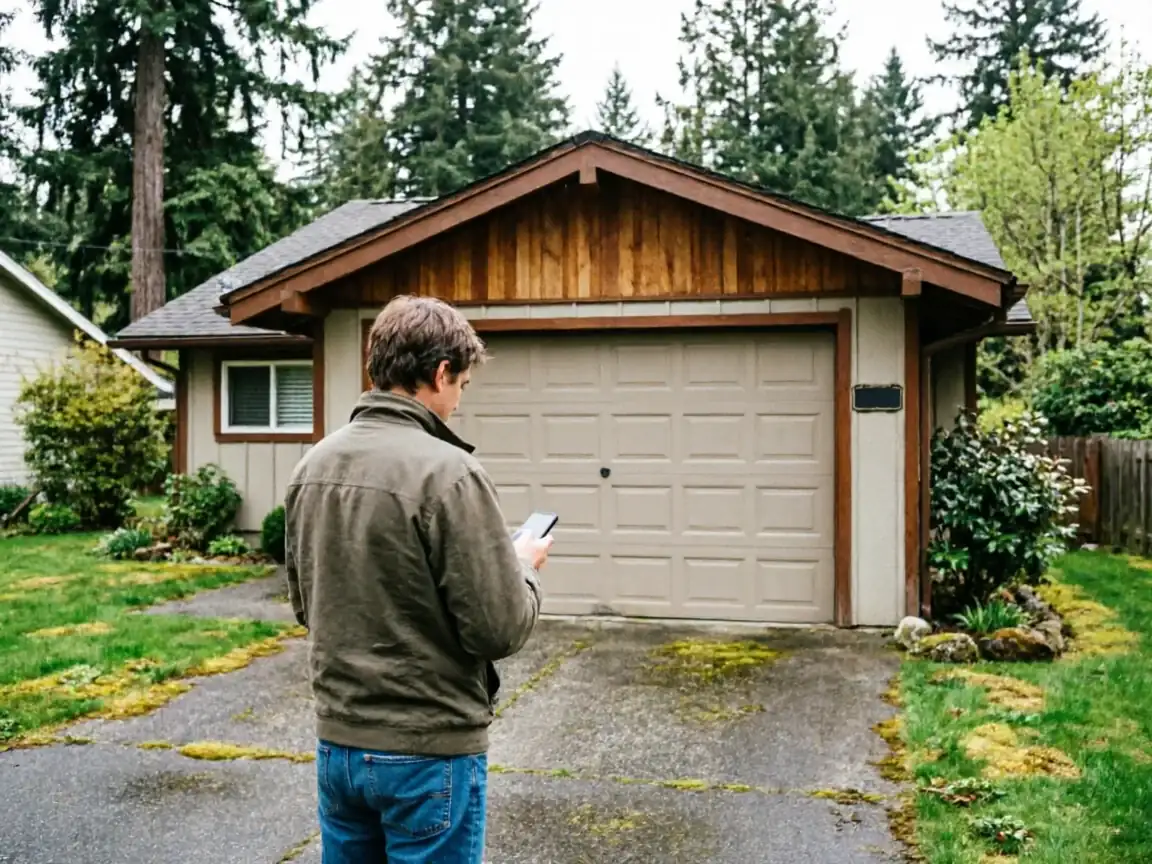
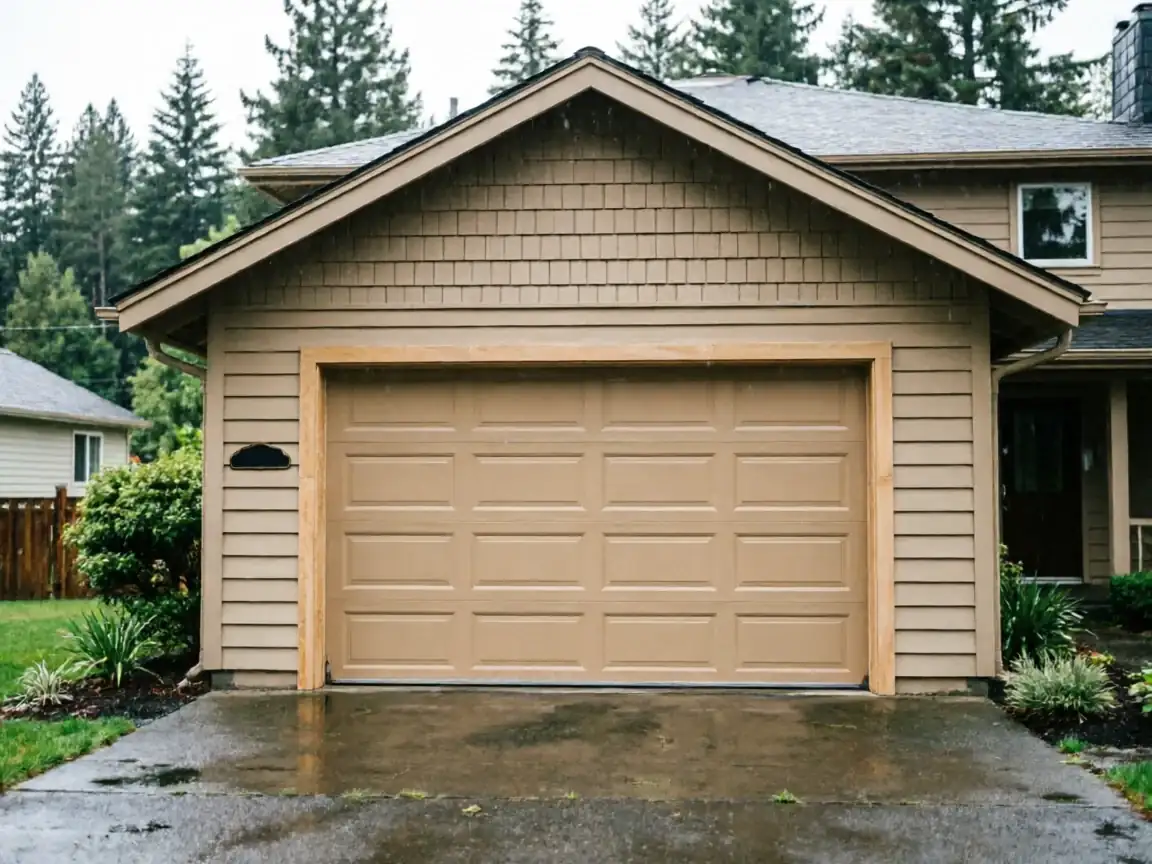
Most of the calls we run in Oregon City are on houses built somewhere between 1964 and 2003
With the median landing around 1982. That's not a small range, but it means something specific: the door, the opener, and the track hardware on a huge share of these homes are original or close to it, sized for a panel weight and a spring wind that was standard forty-plus years ago, not what's sold today.
A service call on a house like that starts the same way every time
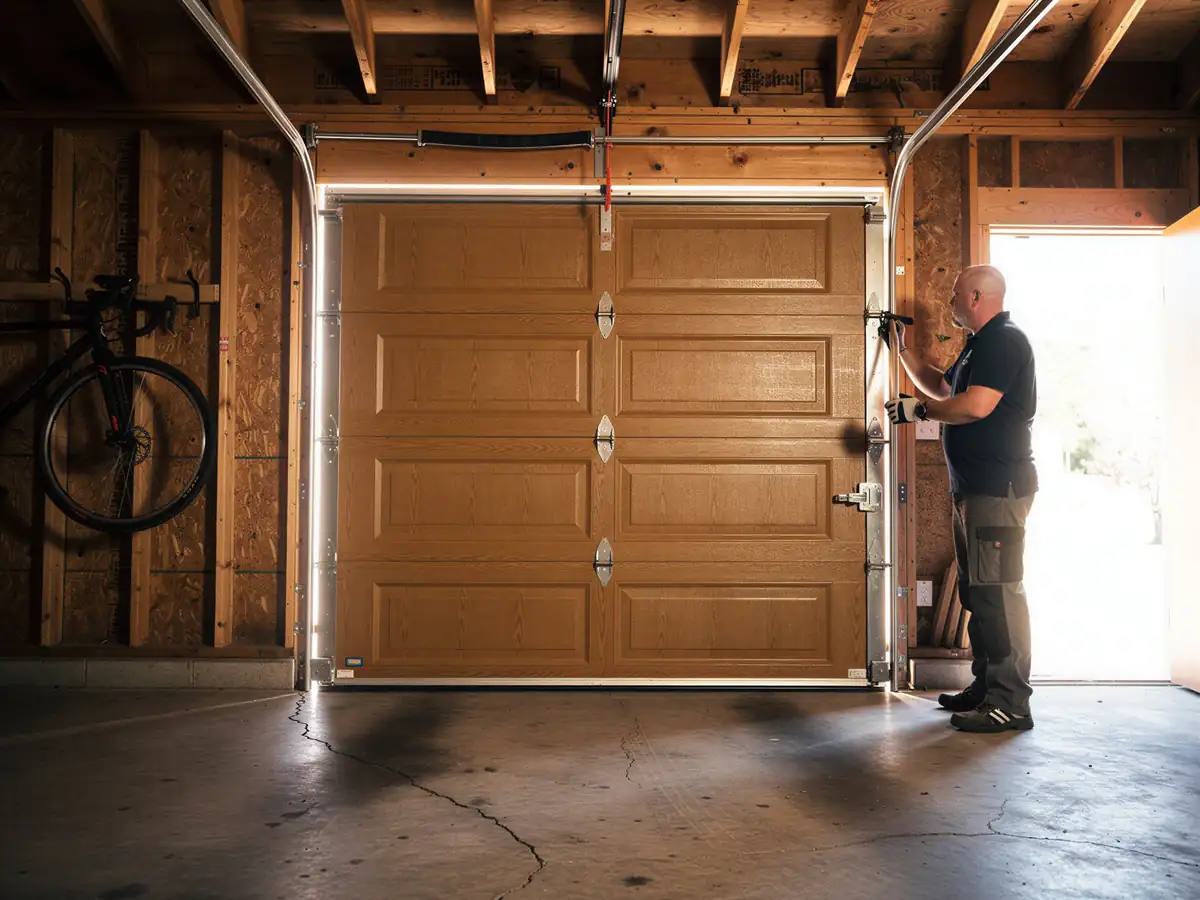
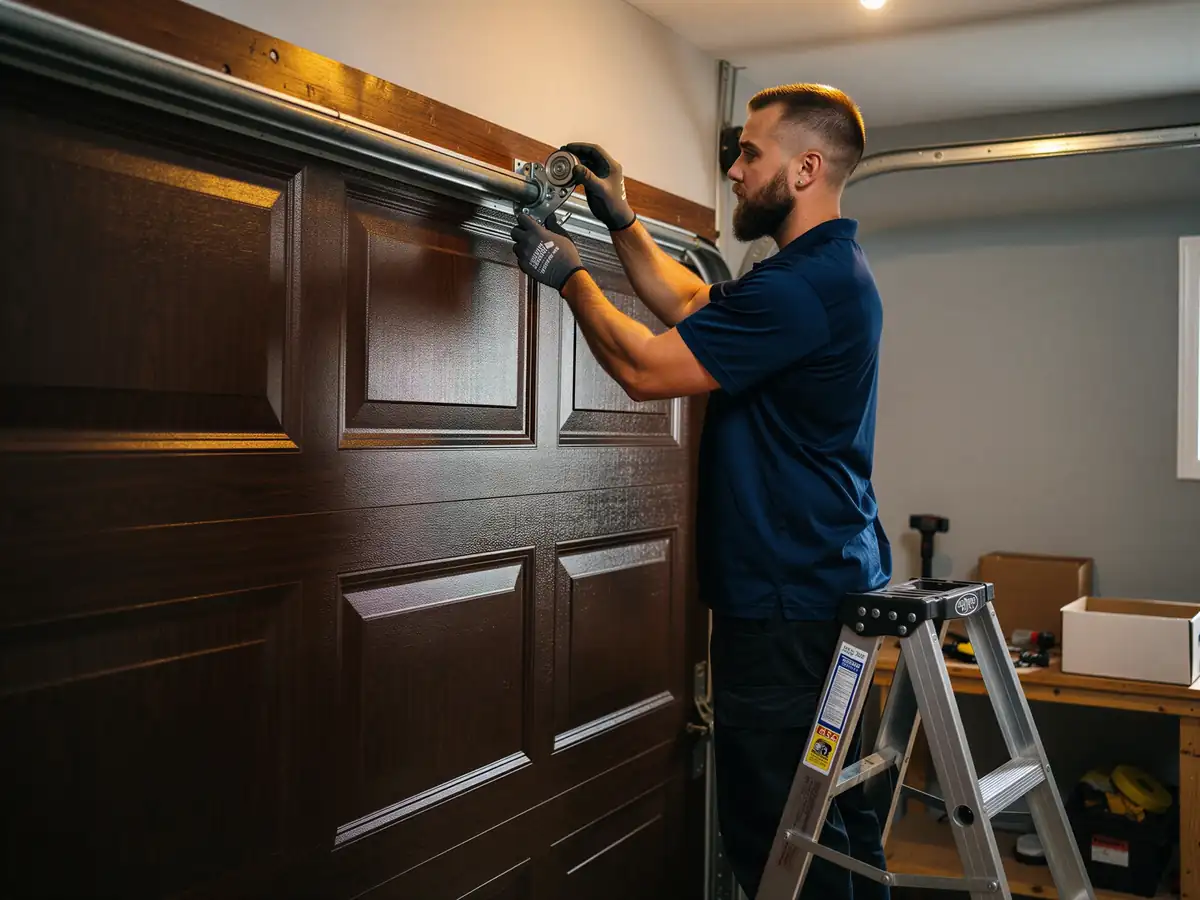
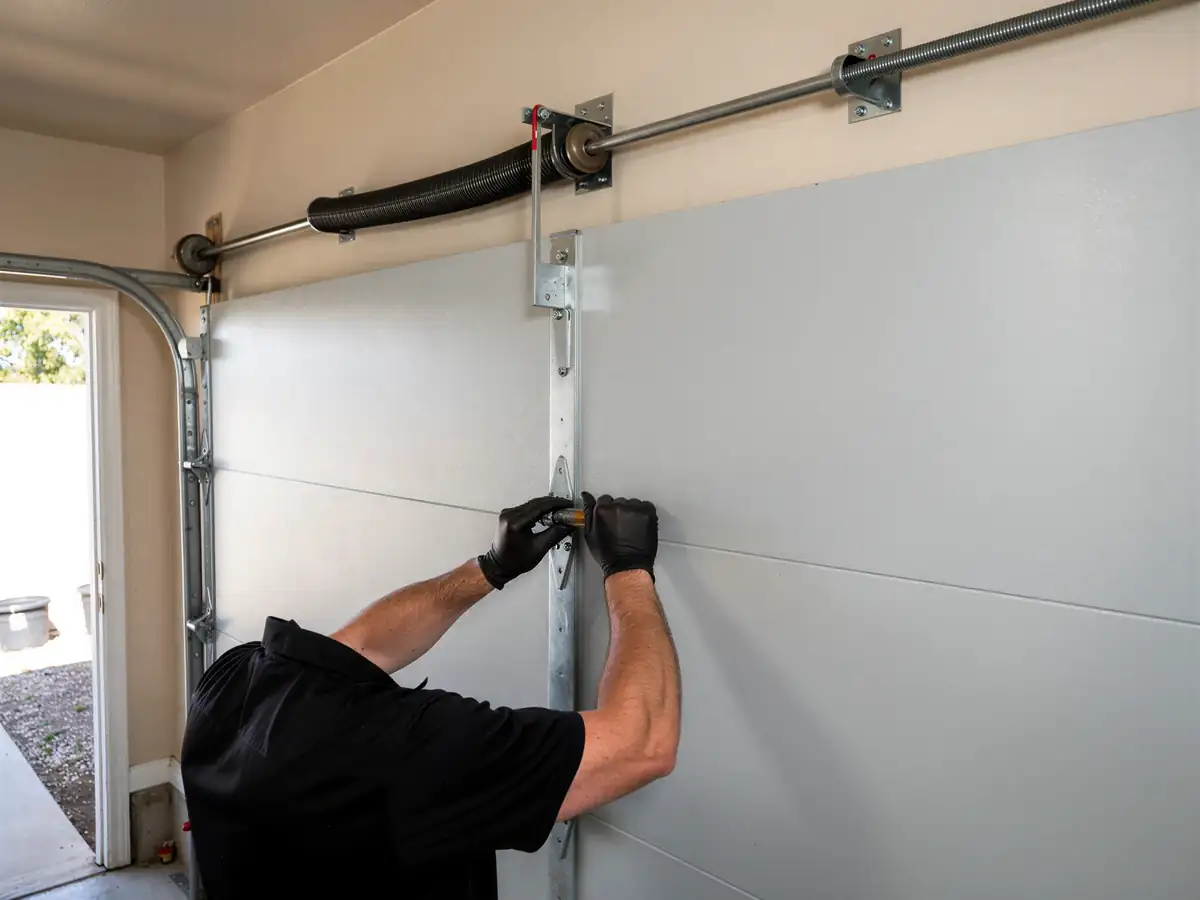
We open the door by hand with the opener disconnected and watch how it moves. A door that's balanced should stay roughly where you leave it at any point in the travel. If it drops or shoots up, the spring tension doesn't match the door anymore, and that's often the actual complaint, even when the homeowner called about a noisy opener.
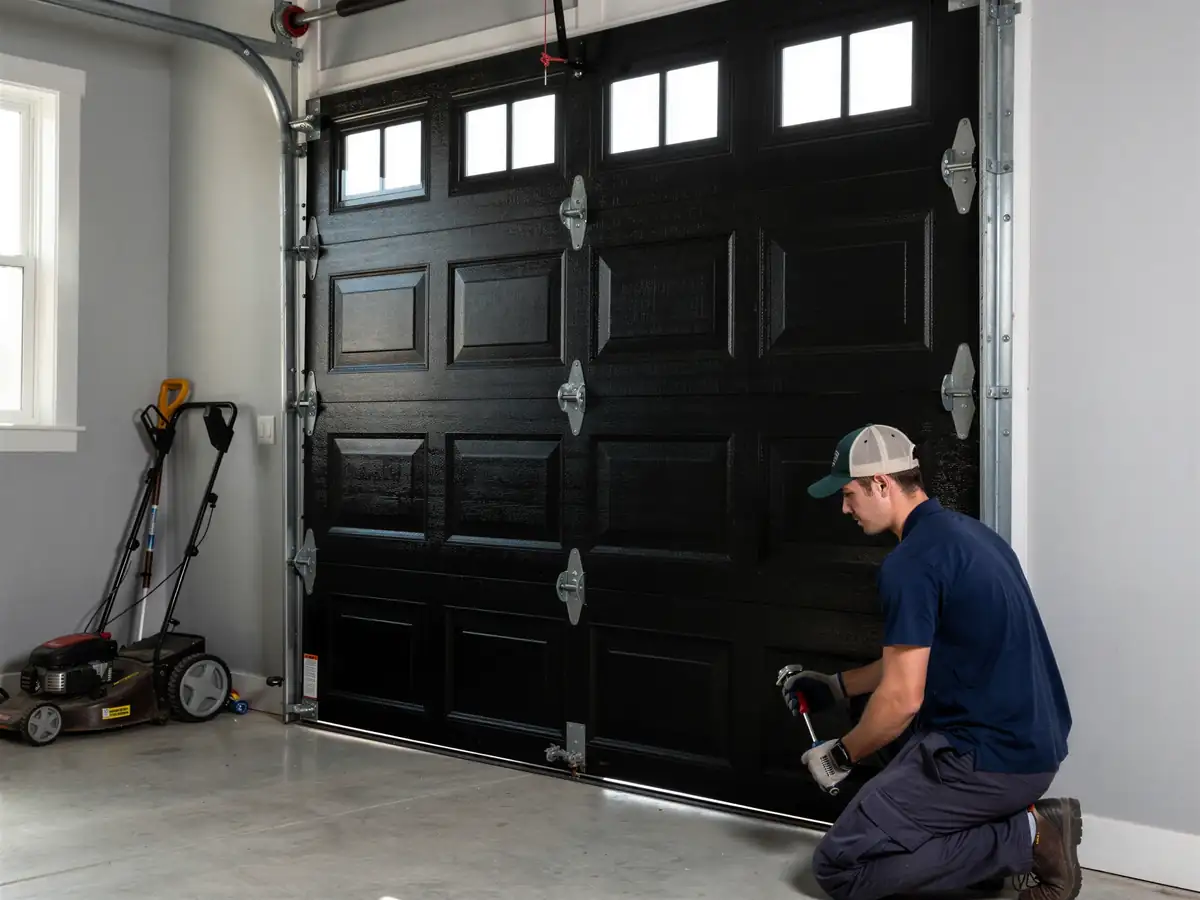
We also check the track alignment and the condition of the rollers
Since houses from this era commonly still have the original steel rollers rather than nylon. Across the 31 named areas in this service territory, the stock skews heavily 1980s-90s, so this isn't a one-house pattern, it's the baseline we plan a service call around before we even pull up.
The Cost of This Job
We're not going to quote a number here we don't have in front of us, because the honest answer is it depends on what's actually wrong, and that only shows up once someone's hands are on the door. What we can tell you is what drives the cost up or down on a house of this age.
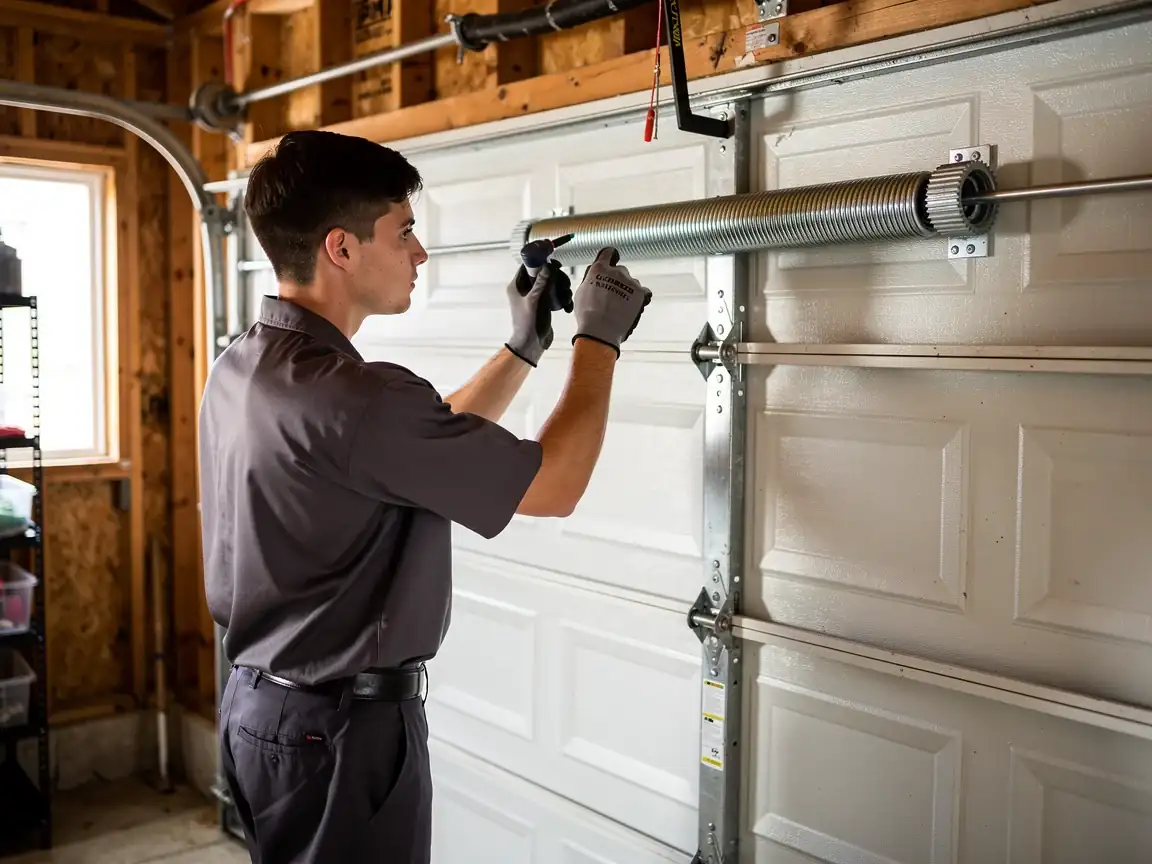
If the spring is the only issue and the drum, cable, and track are original but sound, that's a contained job. If the door has been running on a mismatched spring for years, the extra wear usually shows up in the rollers, the bottom bracket, or the opener's drive gear, and that turns a spring job into a few line items instead of one.
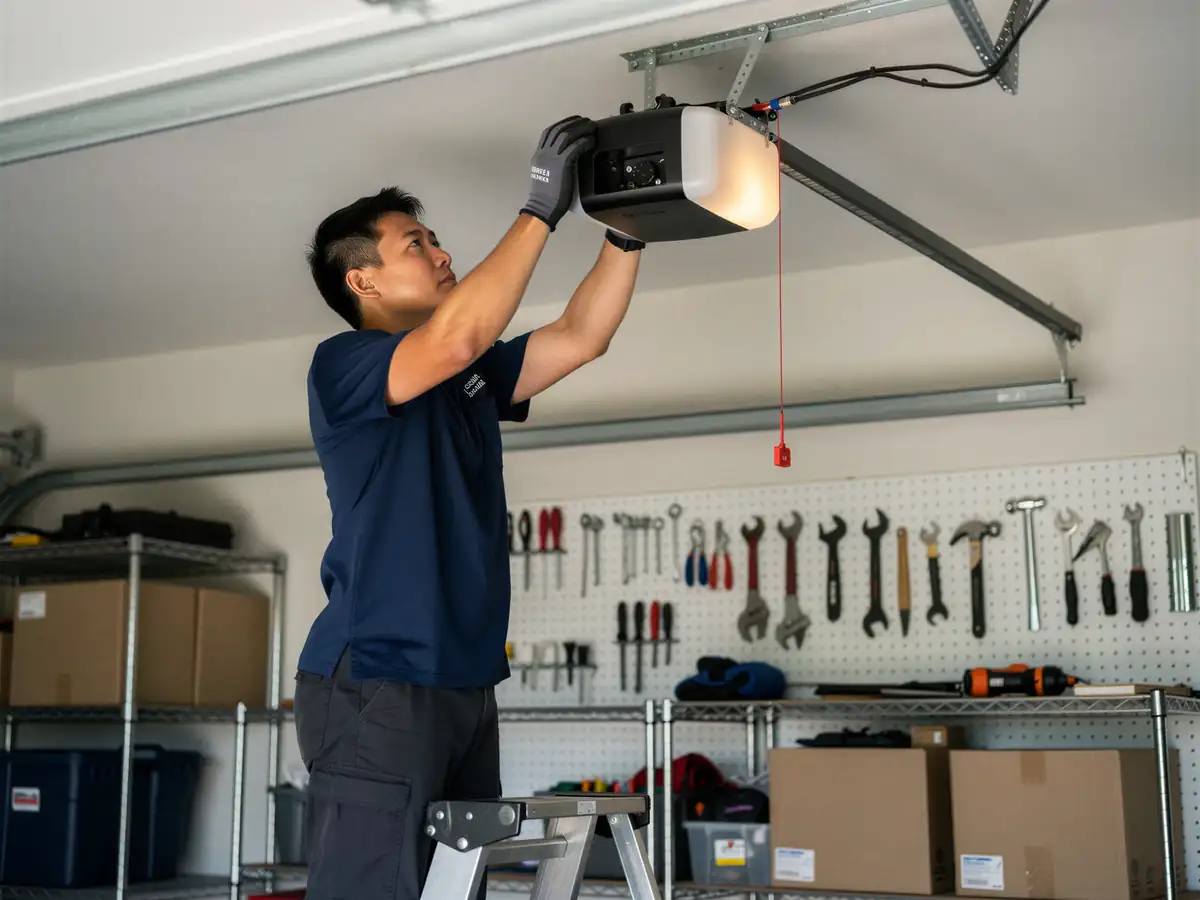
Openers are the other variable. A lot of houses built mid-era have had the opener swapped once already, sometimes more than once, so the opener and the door hardware aren't always the same vintage. That mismatch is common enough here that we check the opener's force settings and travel limits as a matter of course, not as an upsell.
The honest limitation: if a door is original from the low end of that 1964 build window and the track, drum, and bottom brackets are all worn together, patching one part often isn't worth it. At some point replacement costs less over the next few years than parts sourced for hardware that nobody manufactures anymore.
How Local Conditions Play In
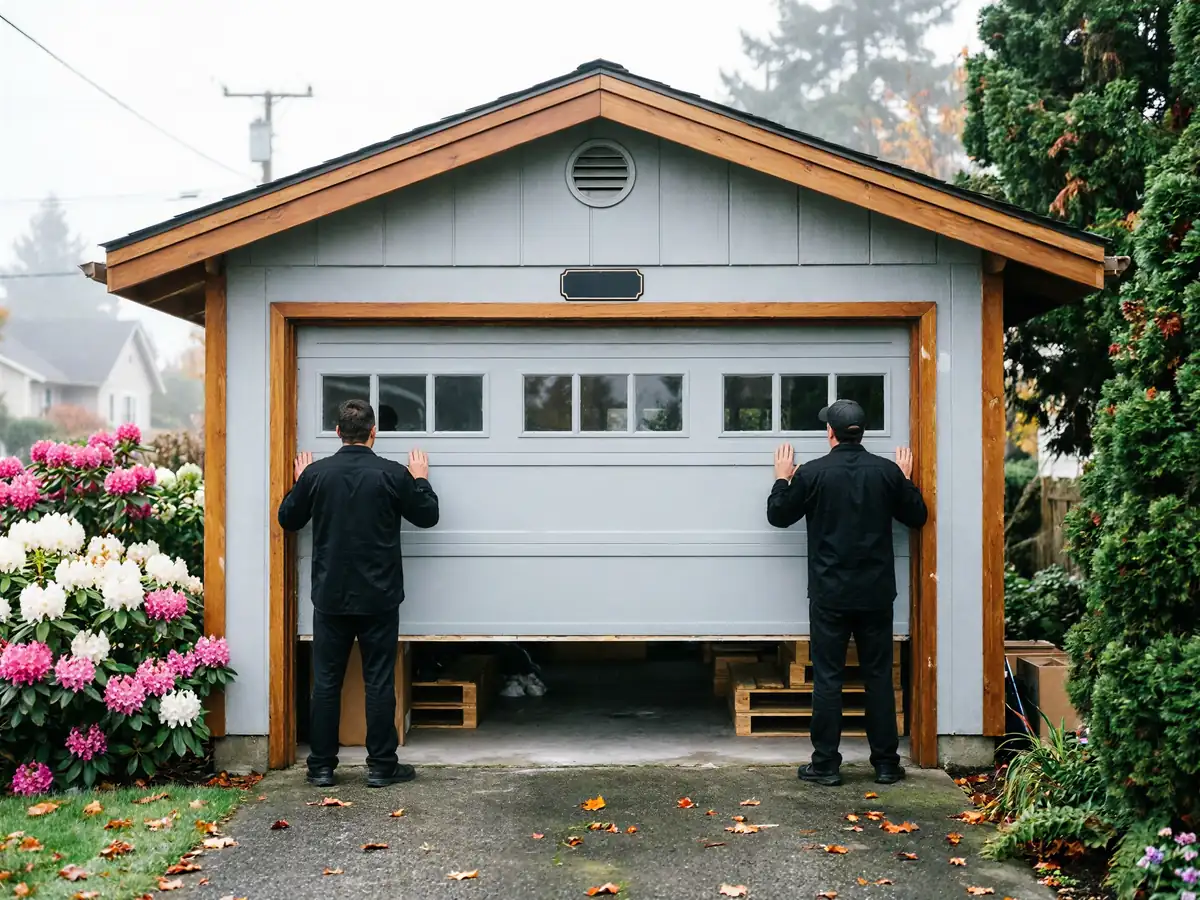
The climate band here is cold-moderate, not the kind of extreme that cracks concrete slabs, but enough that steel doors see real temperature swings between a cold garage and a warmer house, and that drives condensation on the inside face of the door. On houses from the 1980s stock that's common across this area, that moisture collects at the bottom panel and around the weatherstrip track, and over years it's what actually eats the bottom seal and corrodes the track screws before anything mechanical fails.
Cold mornings also stiffen the lubricant on older torsion springs and hinges, which is why a door that opens fine by 2pm can groan or stick at 7am. That's not usually a sign the spring is failing, it's a sign the hardware hasn't been lubricated in a while, and on original 1980s-90s installs, it often hasn't.
We don't see the kind of heavy snow load or ice-dam damage here that would call for different hardware specs, so this isn't a case where the climate changes what parts go on the door. It just changes the maintenance interval the door needs to actually hit its expected life, and on houses this age, that interval has usually already been missed once or twice.
Checking It Yourself
Before you call anyone, there are a few things worth looking at yourself
Especially if your house falls in that 1964-2003 build range common across this area.
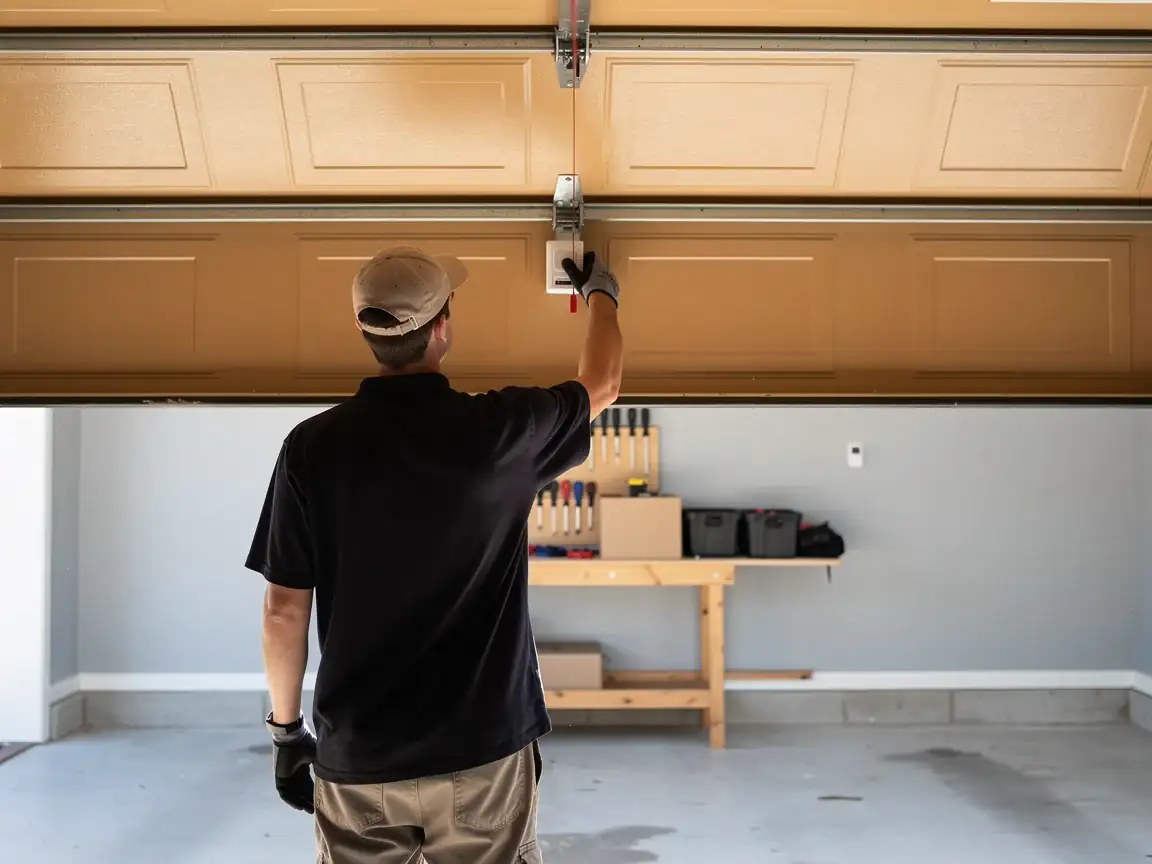
First, disconnect the opener (pull the red release handle) and lift the door by hand to shoulder height
It should feel light and stay put. If it's heavy or drops, that's spring tension, not opener trouble.
Second, look at the bottom corners of the door and the weatherstrip
On older stock, condensation damage shows up here first, as rust streaks on the track or a seal that's gone stiff and cracked.
Third, listen for where the noise actually comes from
A popping sound at the spring is different from a grinding sound at the opener's gear, and they call for different work.
What you shouldn't do yourself: touch a wound torsion spring
They're under enough tension to cause real injury, and that's true regardless of how old or new the door is. If the balance test fails, that's the point to call rather than keep testing.