Why It Happens Here
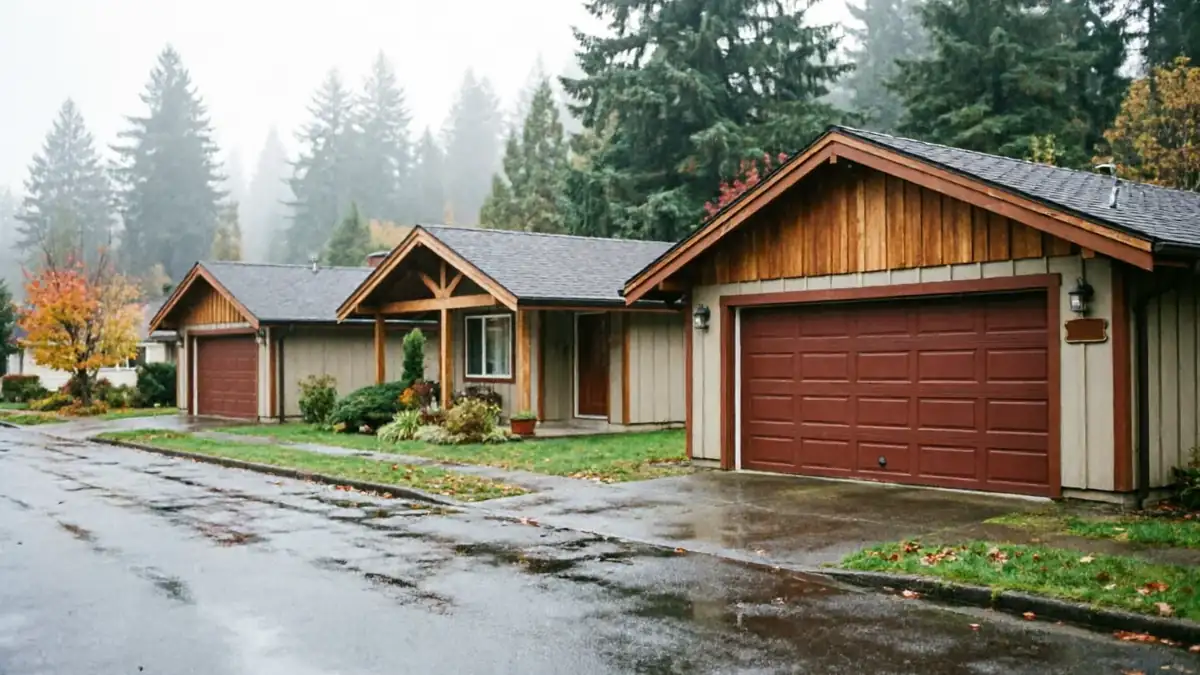
Most of the housing stock in this service area went up between 1964 and 2003
With the median build year sitting around 1982. That generation of garage doors was hung with steel rollers running in steel tracks, no nylon sleeve, no sealed bearing. Steel-on-steel wears fast, and over three or four decades of use the roller stem flattens, the wheel chips, or the bearing seizes and the wheel stops turning at all - it just drags.
The cold-moderate climate here doesn't help
Winters bring sustained damp and temperature swings that pull moisture into the track and the roller housing. Rust forms on the stem where it rides in the roller bracket, and once that stem pits, the roller binds every time the door cycles. You get a door that used to glide and now hesitates, grinds, or jumps the track on one side.
Homes across the 31 named areas in this service territory share this pattern closely enough that roller wear is one of the most common calls we get
Not because the doors are bad, but because the hardware era they come from simply wasn't built with 40+ years of Pacific Northwest damp in mind. Newer vinyl or nylon rollers handle it better, which is part of why replacement, not just lubrication, is usually the real fix.
The Cost of This Job
We don't have a posted price list to quote here, and giving you a number without seeing the door would be a guess dressed up as a fact. What we can tell you is what drives the cost: how many rollers need replacing (a full set of 10 versus two or three worn ones), whether you want steel or nylon, and whether the track itself has been bent or chewed up by the bad rollers riding in it.
A door that's only showing wear on the bottom two or three rollers - the ones carrying the most weight when the door is down - is a cheaper, faster job than a full roller swap across both tracks. If the track has flared or dented from years of a seized roller grinding against it, that's additional labor and sometimes a track section.
Income and household data for this area show a median household income over $102,000 across roughly 140,000 households, which tells us this is a market where people tend to fix things properly rather than patch them repeatedly - worth knowing when you're deciding between spot-replacing a couple rollers now or doing the full set once.
The Symptom
The telltale sign is noise that wasn't there before: a grinding or rattling sound as the door moves, usually loudest where the roller rides past the curved section of track near the top. You might also notice the door moving in little jerks instead of a smooth pull, or one side lagging slightly behind the other so the door runs crooked in the opening.
If a roller has actually cracked or the wheel has come off the stem, you'll sometimes see it - a gap where the wheel should be, or a roller hanging loose instead of seated in the track. In worse cases the door will jump the track entirely on one side and stop moving, which is often mistaken for an opener or spring problem when it's really a roller that gave out and let the door walk sideways.
A door with loud, persistent scraping that's gotten worse over months rather than appearing suddenly is almost always roller wear working through the stock built in this area's 1964-2003 window, not a sudden mechanical failure.
What the Repair Takes
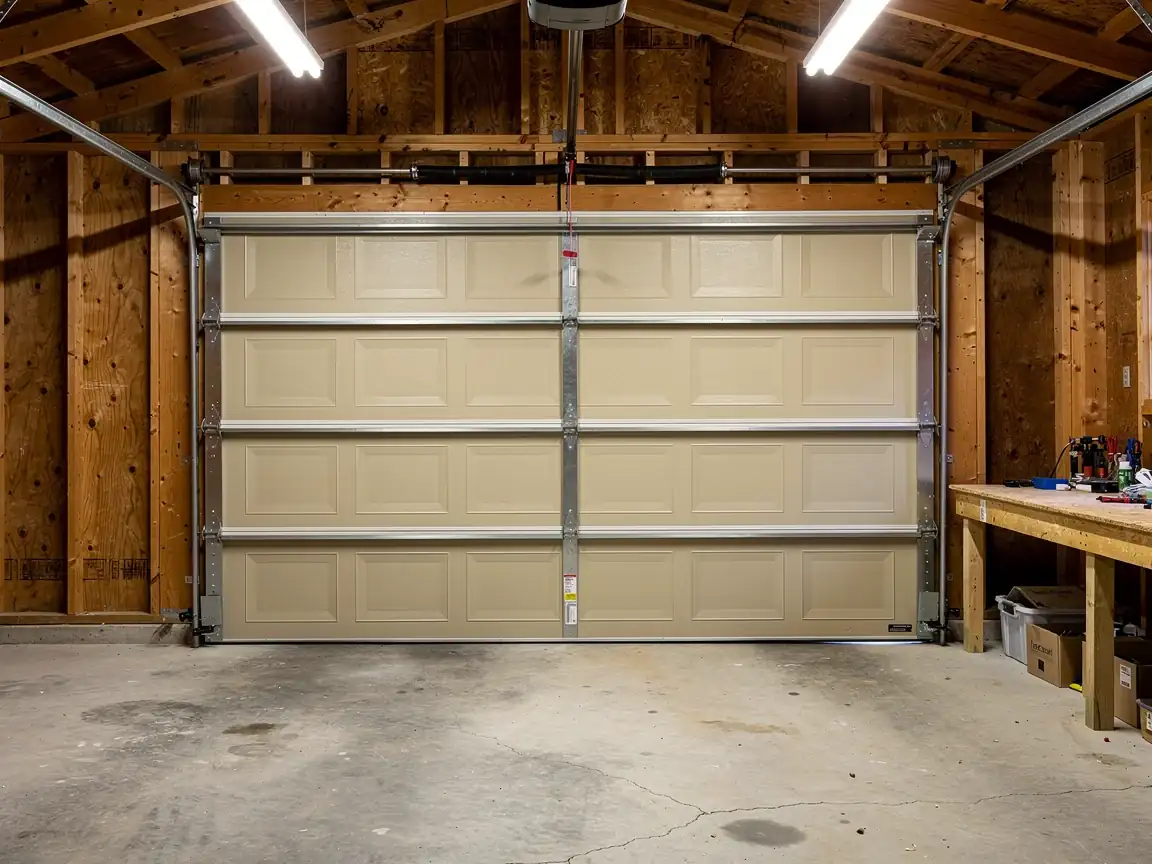
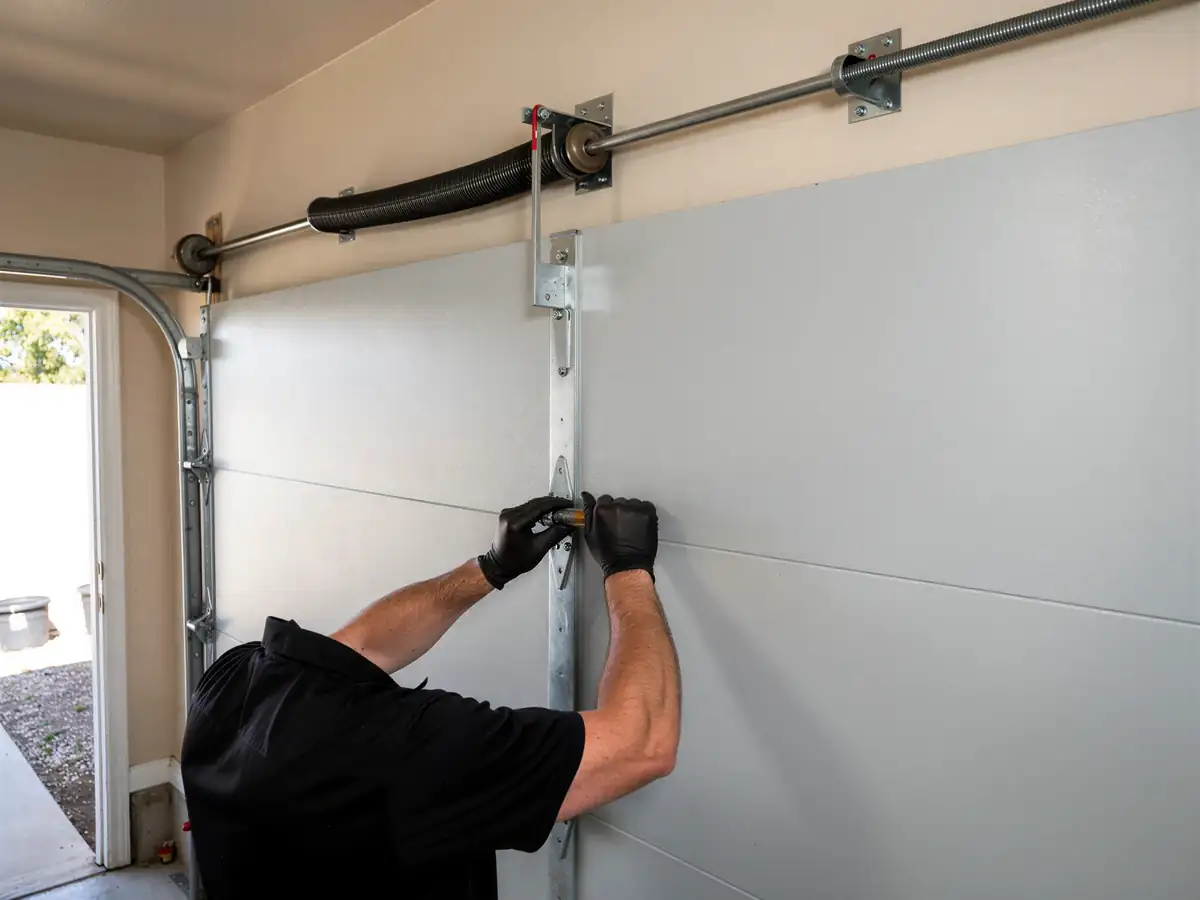
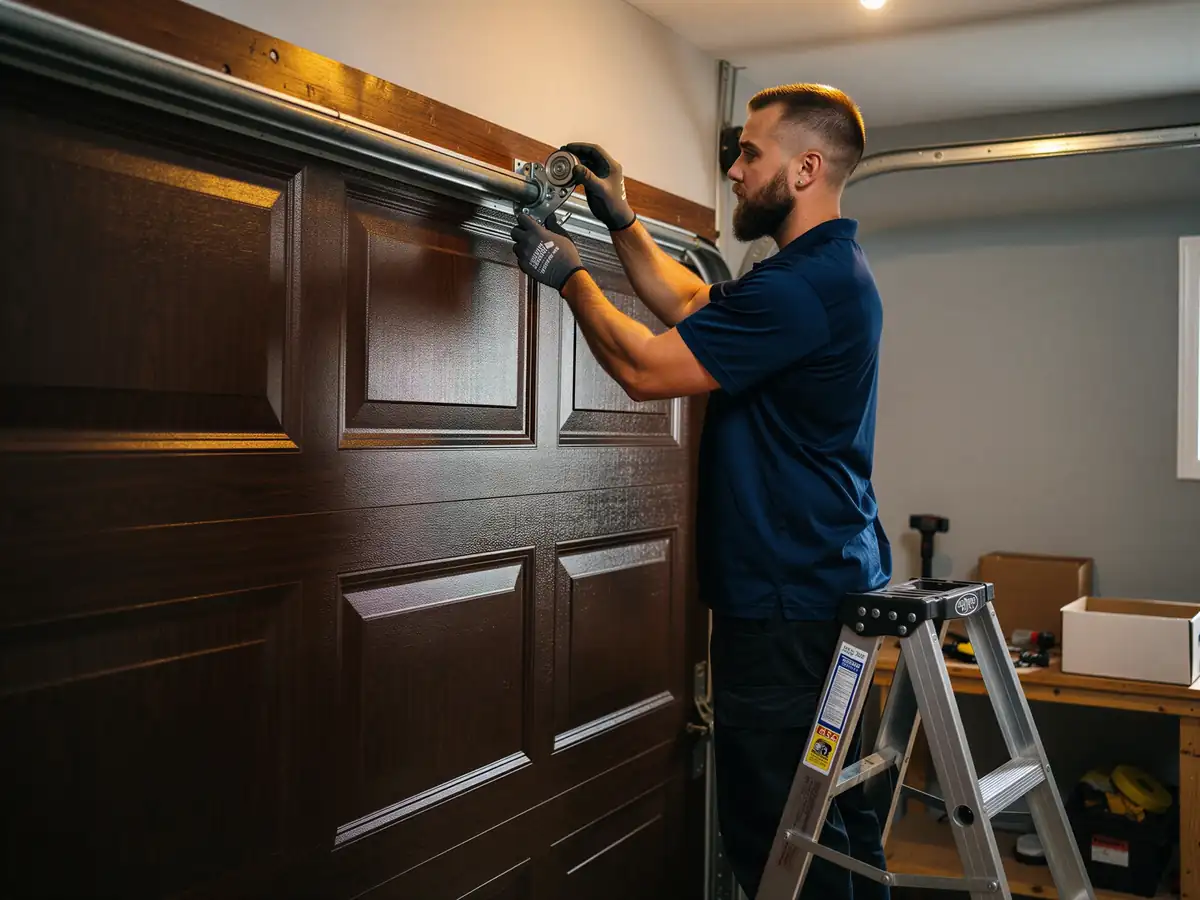
A standard roller replacement means opening the track brackets, pulling the old rollers out one at a time
And setting new ones in - usually nylon with sealed bearings if you're upgrading off the original steel. We check the track alignment while we're in there, since a track that's been flexed by a bad roller needs straightening or it'll just chew up the new ones the same way.
This is a same-visit repair in most cases
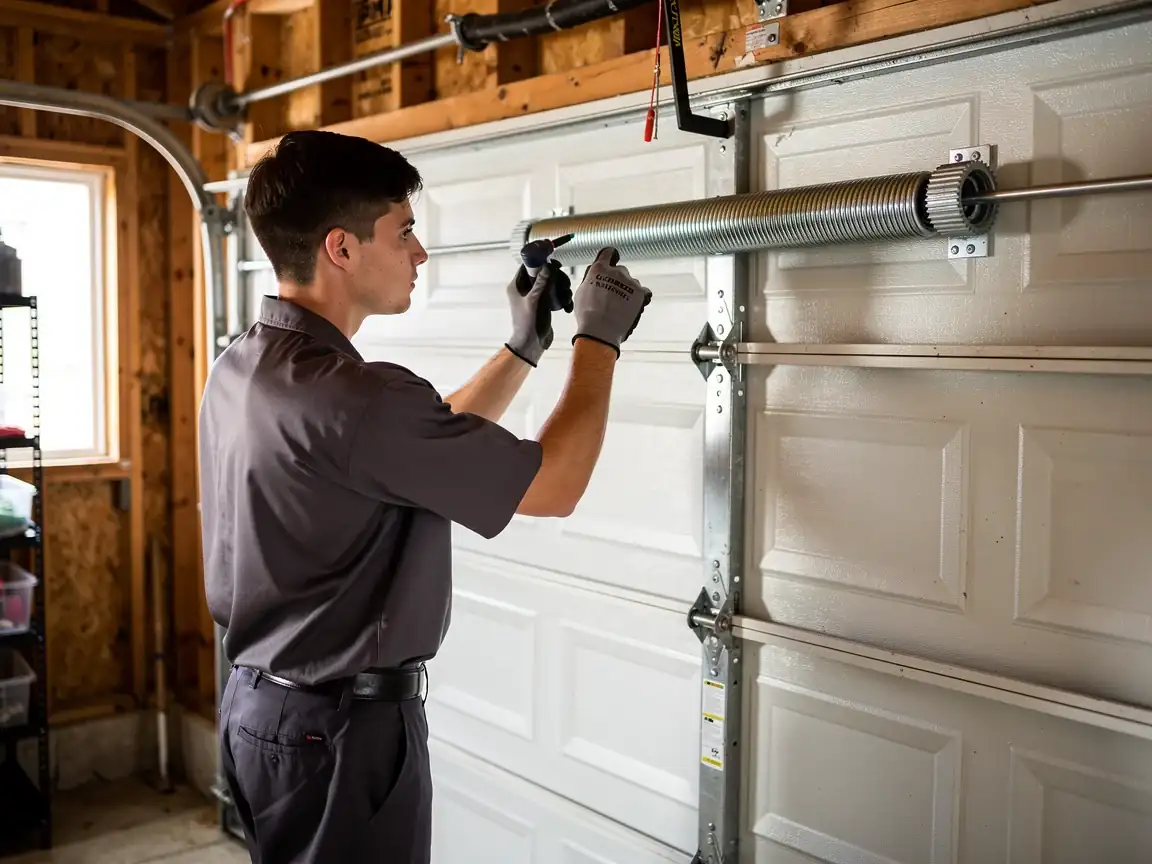
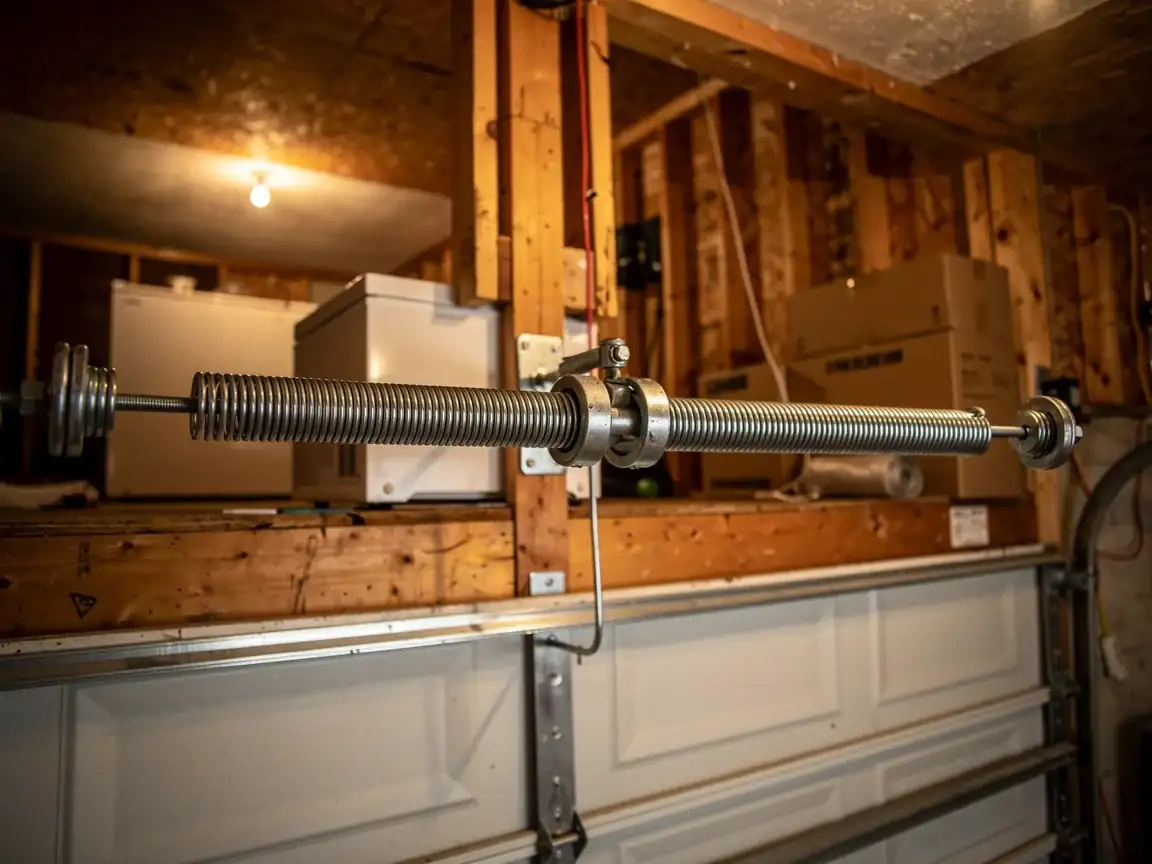
It doesn't require pulling the spring system or touching the opener unless something else is also failing, which does happen on doors this old - a worn roller and a tired torsion spring often show up together on a door from the same era.
One limitation worth knowing upfront
If the track itself is badly bent rather than just worn, replacing rollers into a damaged track is a short-term fix. At that point track replacement is the honest call, even though it costs more than rollers alone.