Why It Happens Here
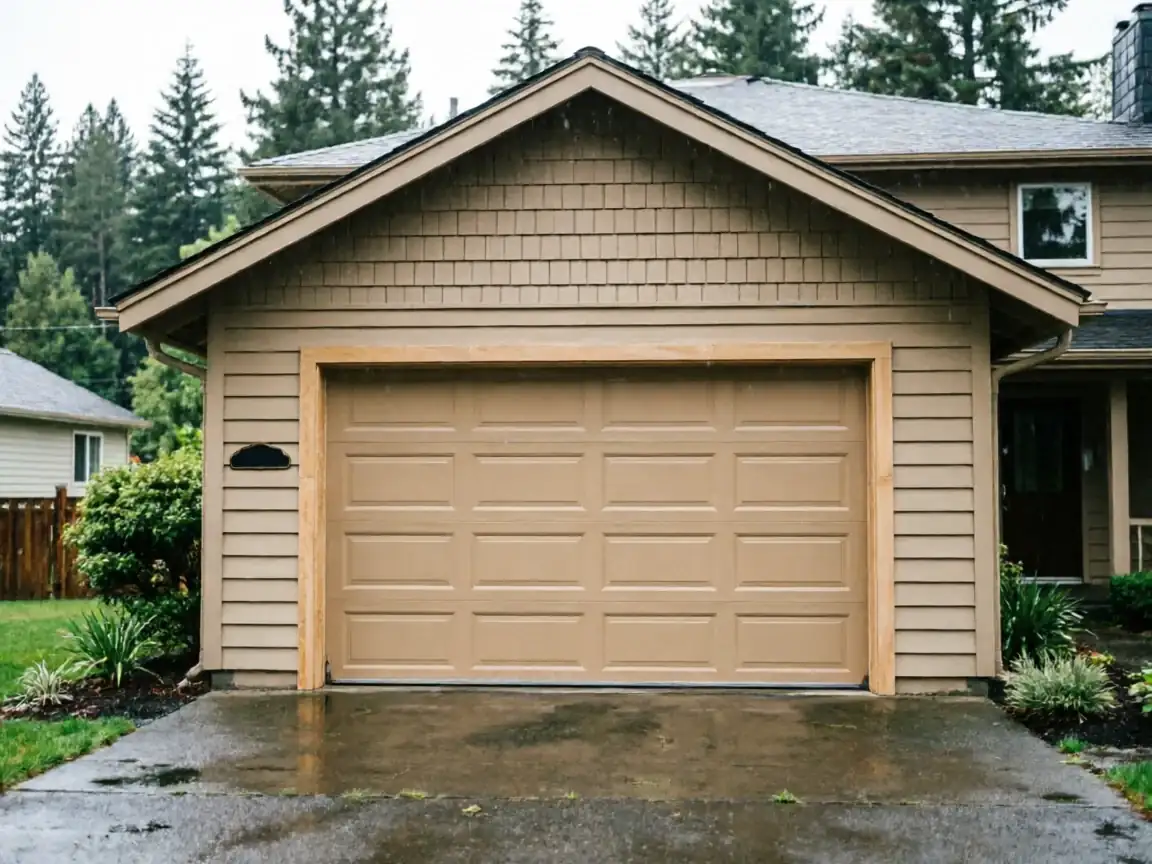
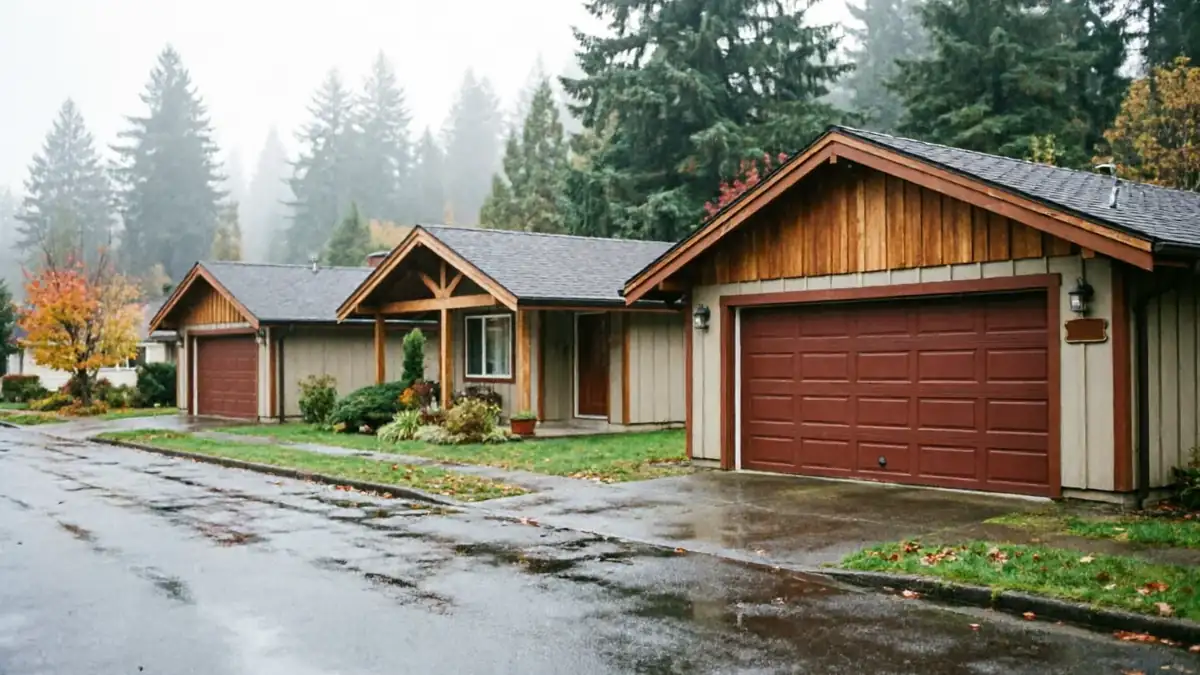
Most of the housing in this service area went up between 1964 and 2003
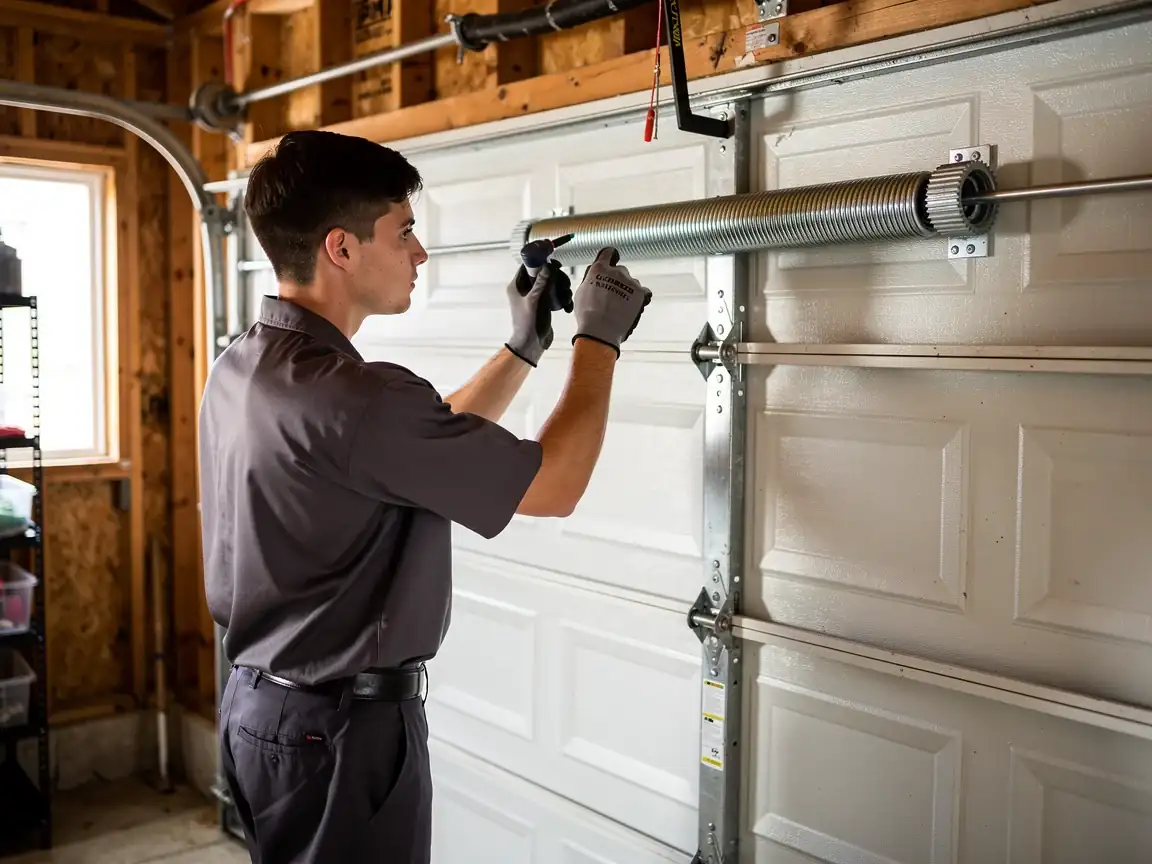
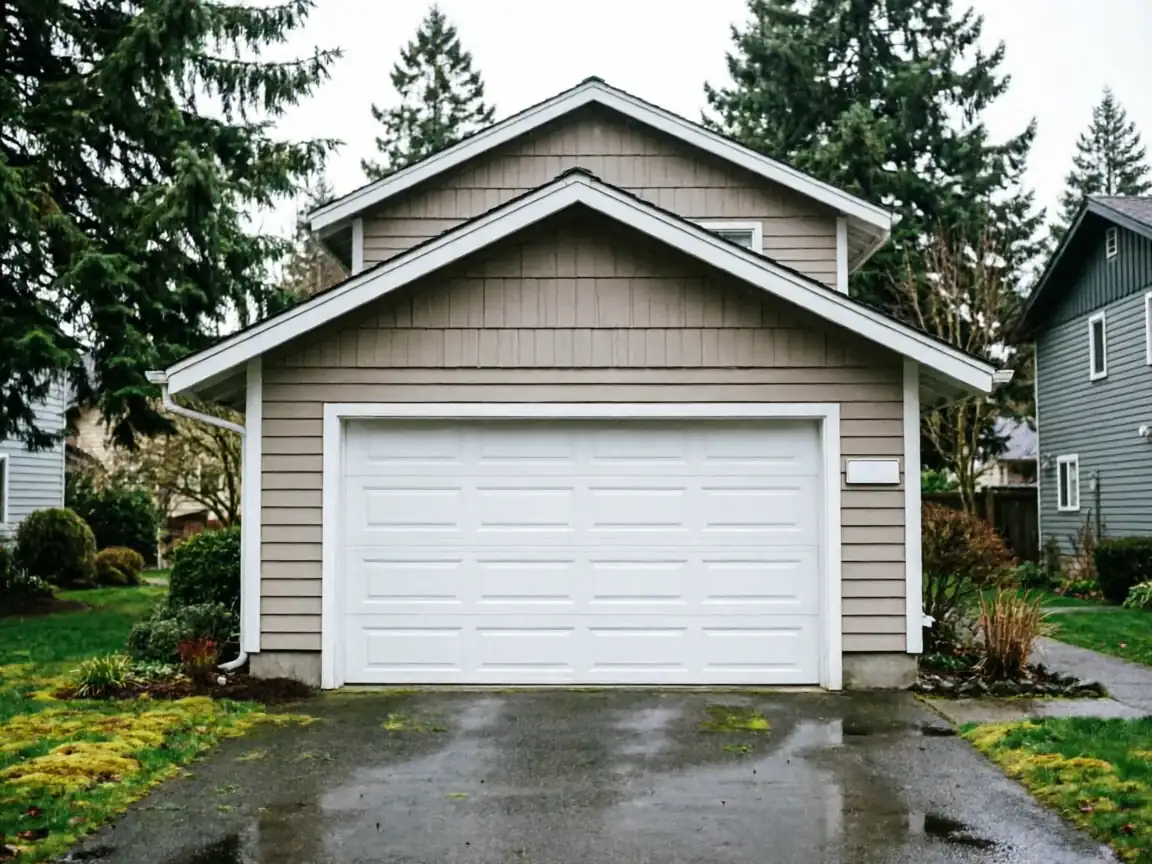
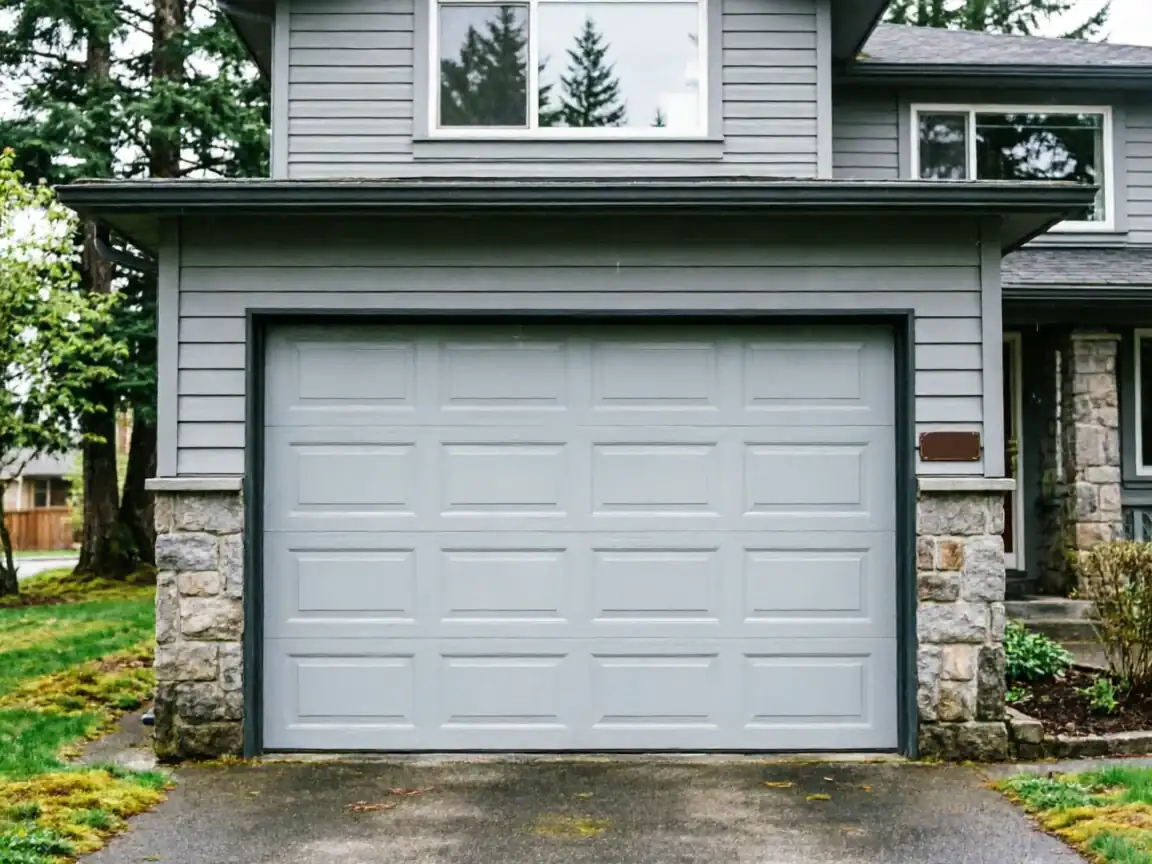
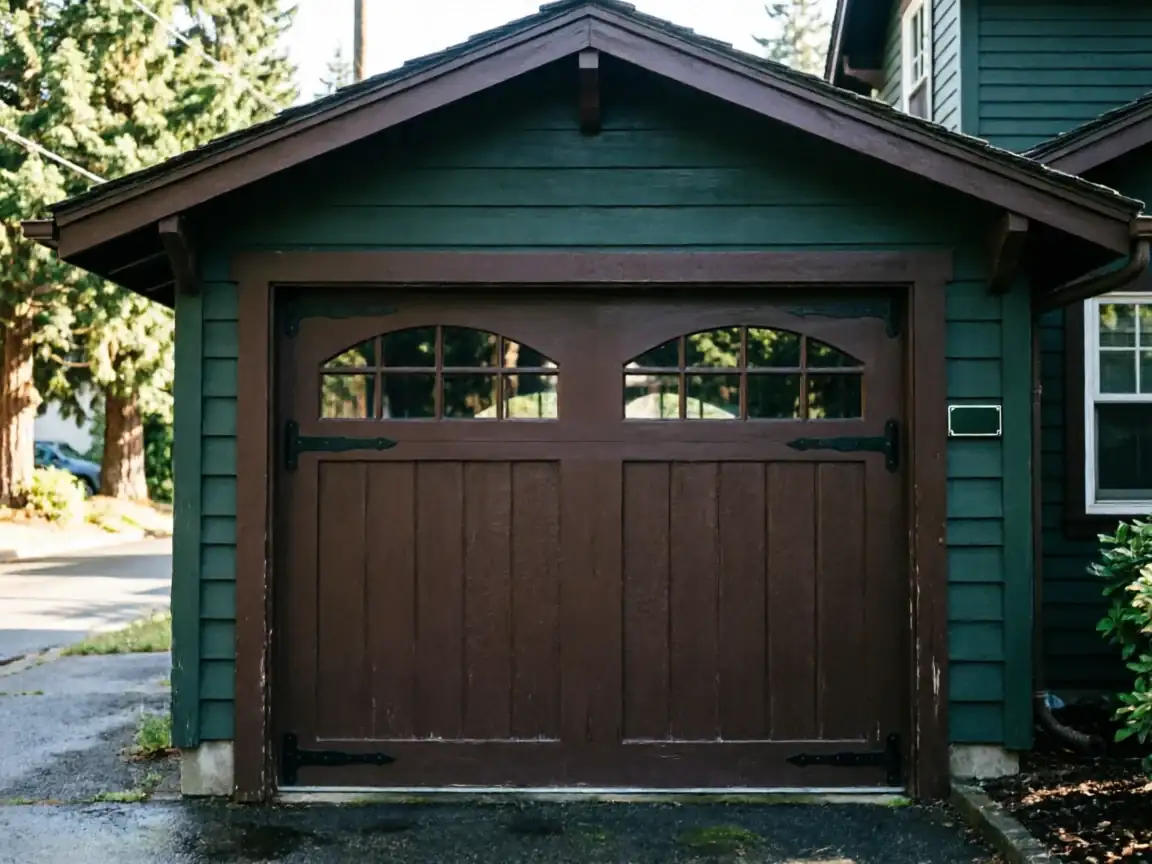
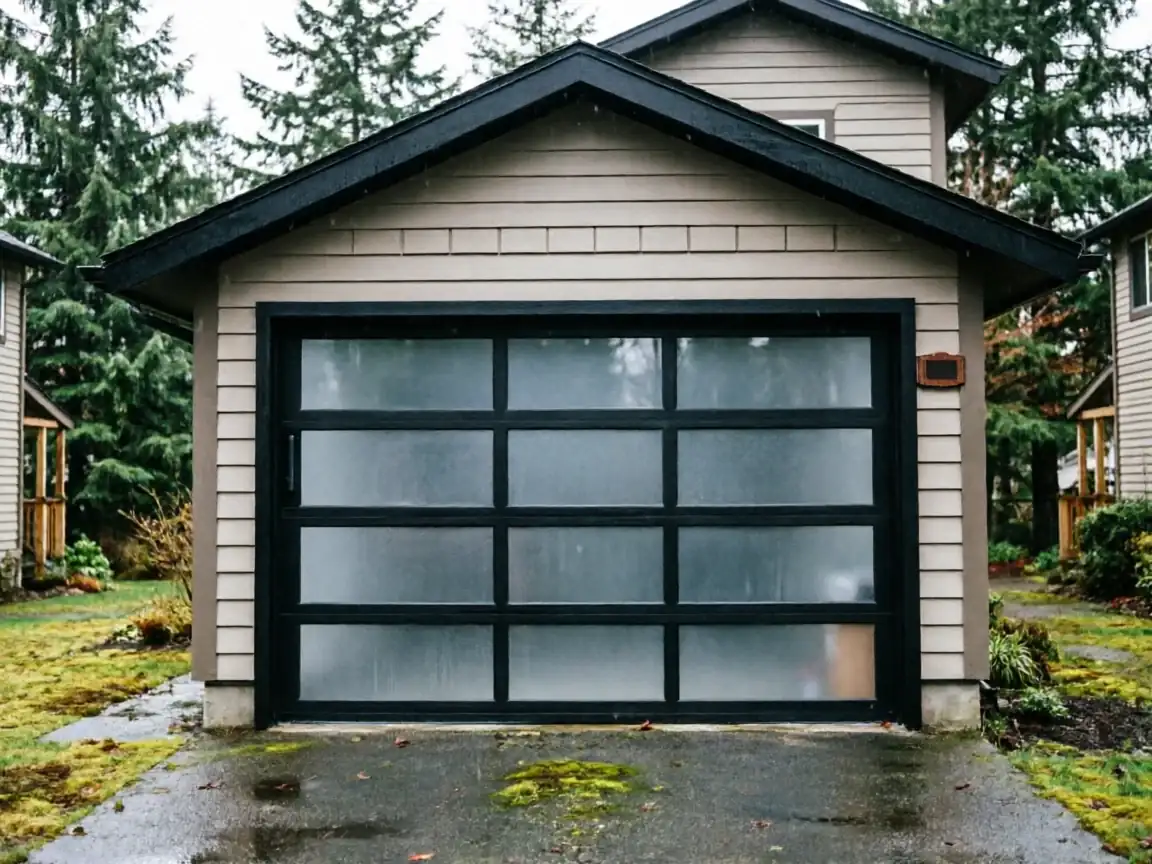
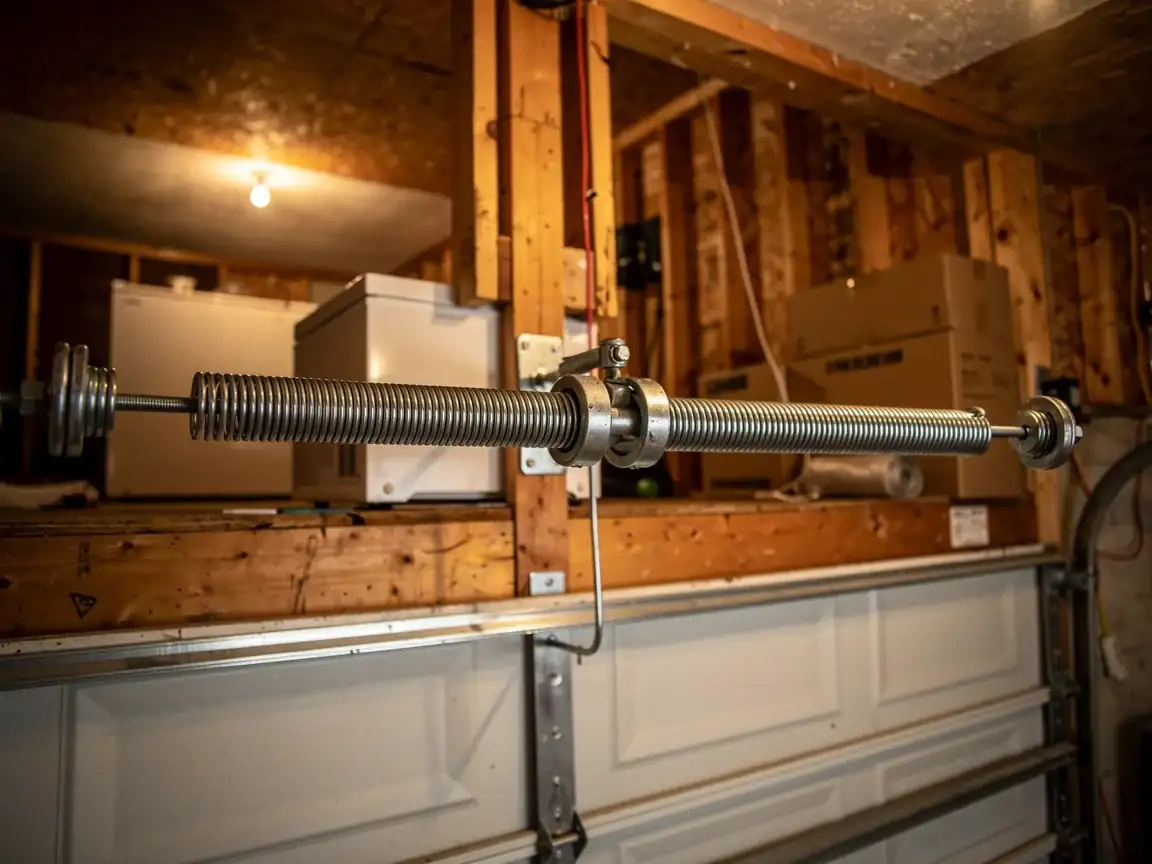
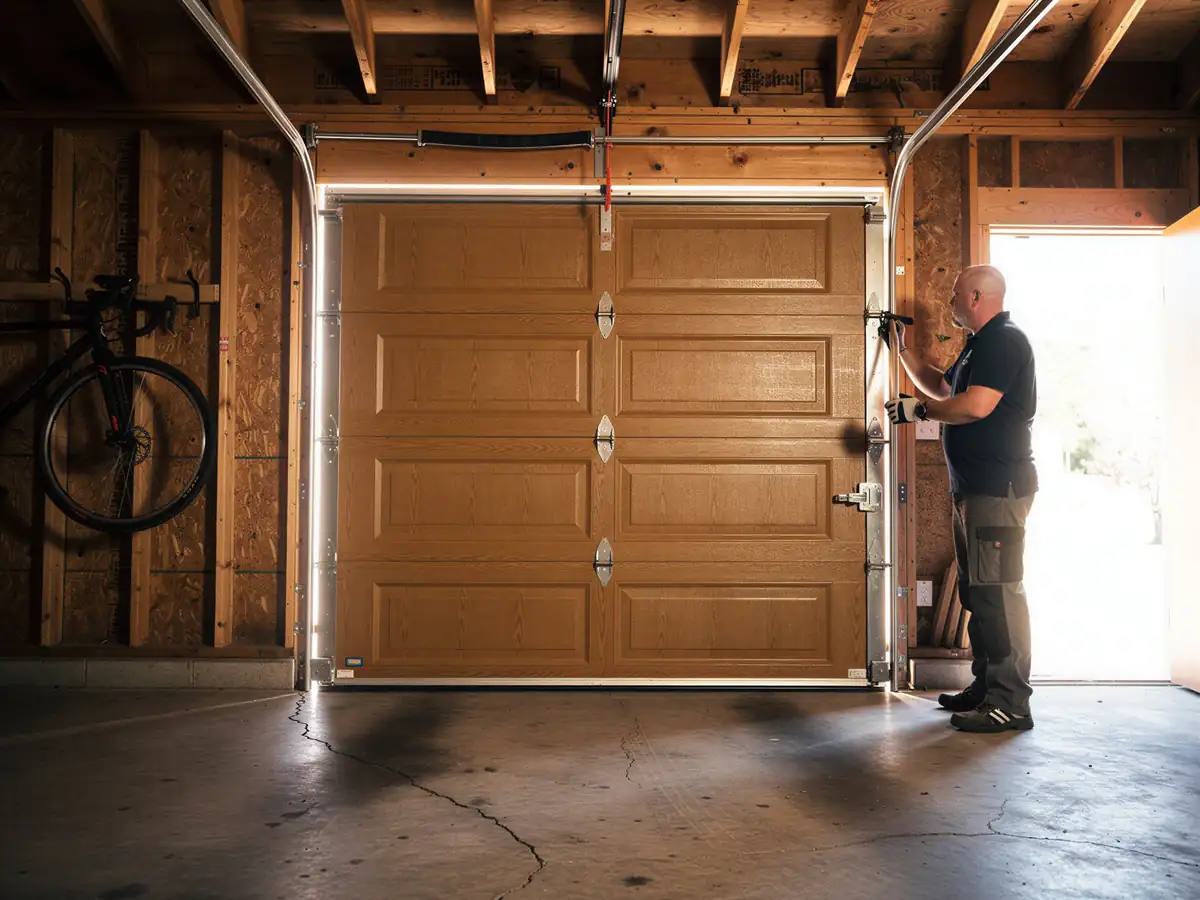
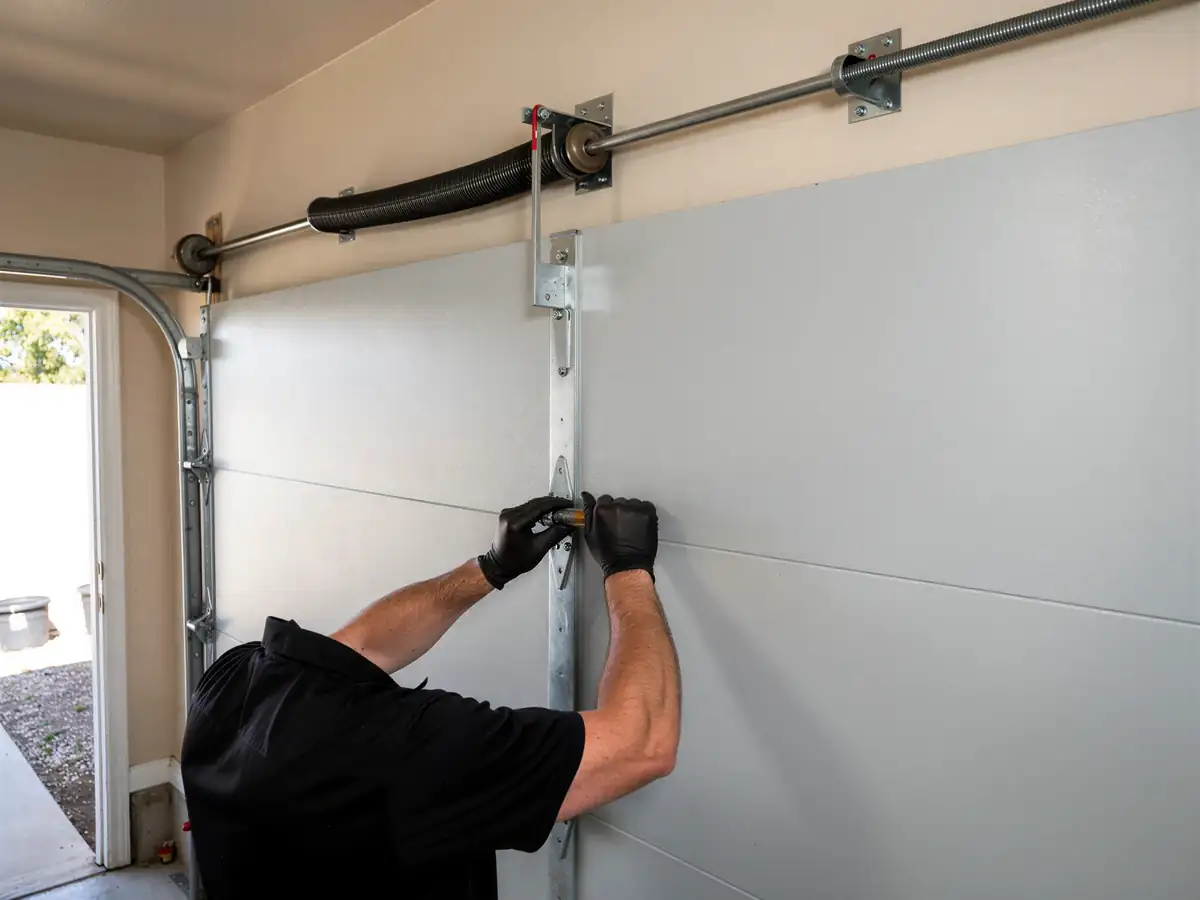
With the median build year landing around 1982, and that one fact explains more emergency calls than anything else. A torsion spring is rated for a set number of cycles, usually somewhere between 10,000 and 15,000 door openings, and a house built in the early 1980s has had forty-plus years to burn through that rating. Across the 31 named areas we cover, the stock skews heavily toward that same 1980s-90s window, so it isn't one street with old springs - it's most of the service area at once.
The climate band here is cold-moderate, not the dry heat that lets steel hardware coast for decades
Freeze-thaw cycling stiffens grease in the torsion bar, tightens tolerances on roller tracks, and makes a spring that was already near the end of its life snap on the one cold morning you're late for work. We see the pattern every winter: doors that worked fine in October stop lifting in January, not because anything new broke, but because thirty-plus years of wear finally met a cold snap.
Newer openers complicate it further
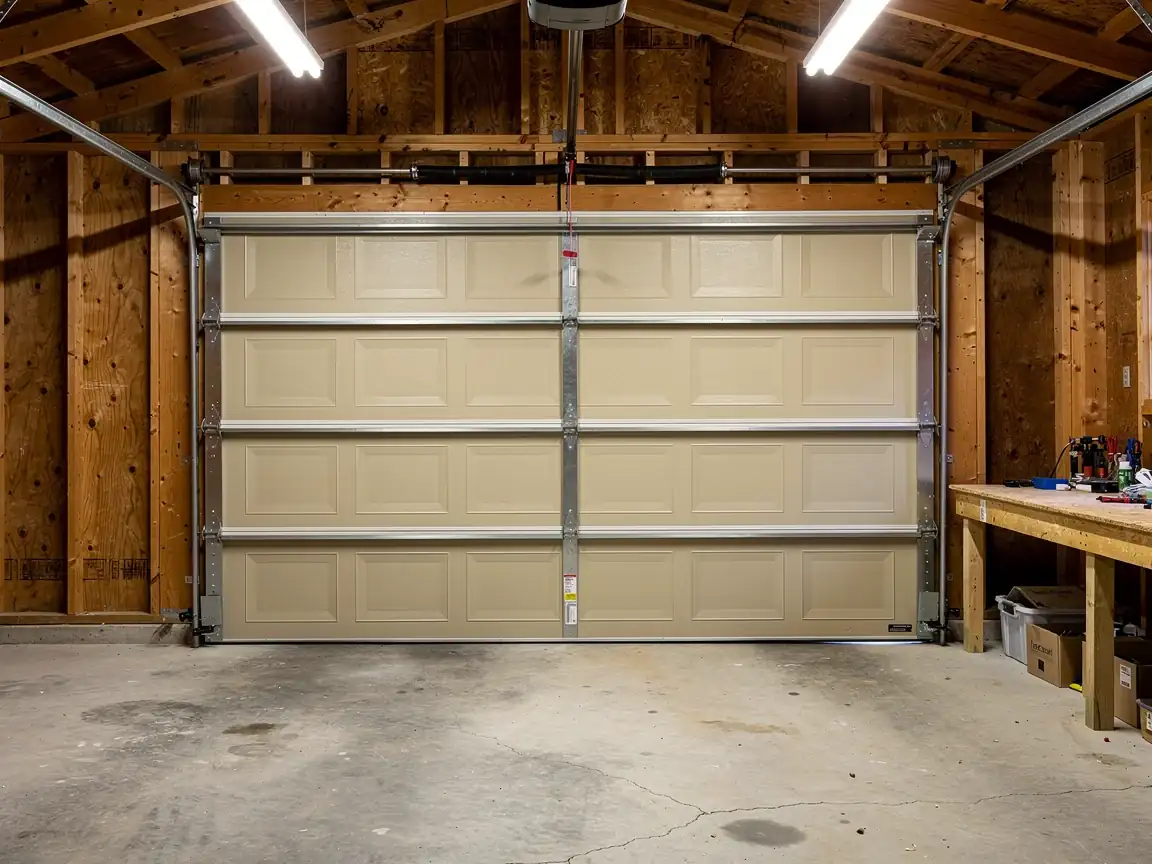
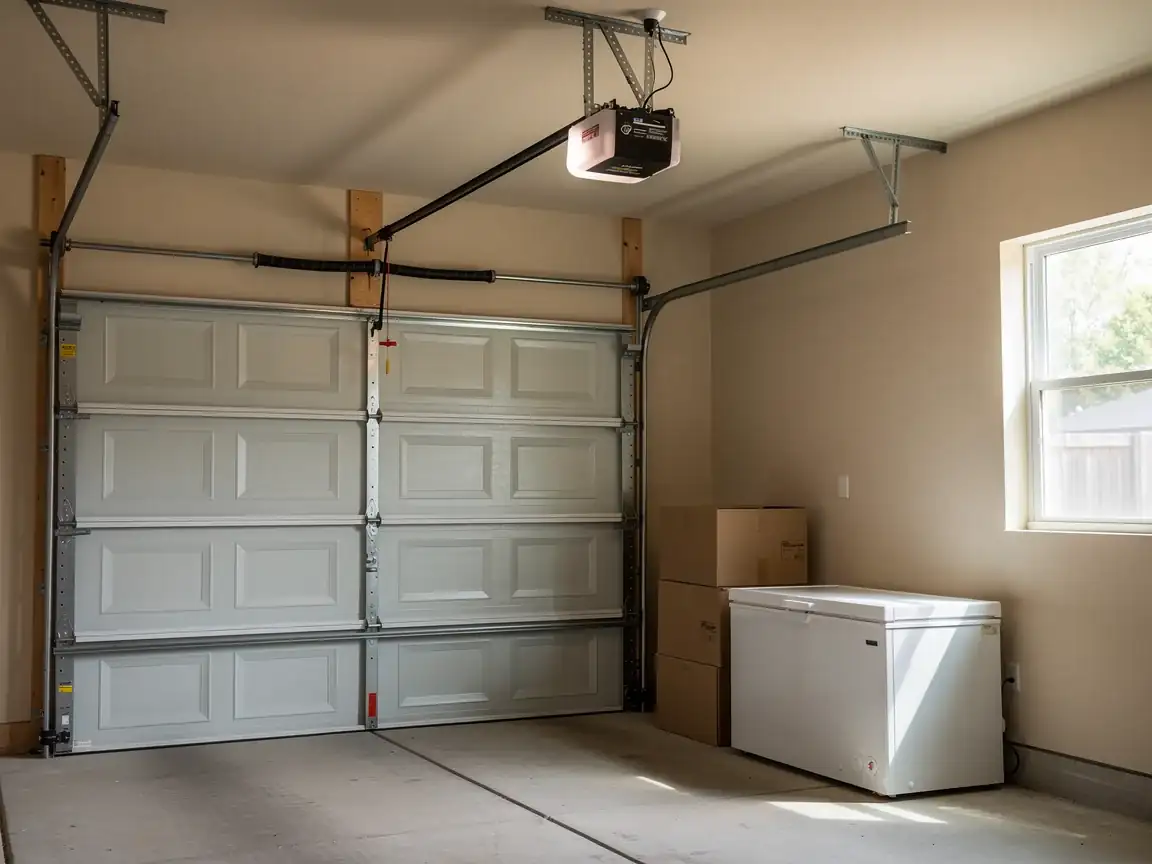
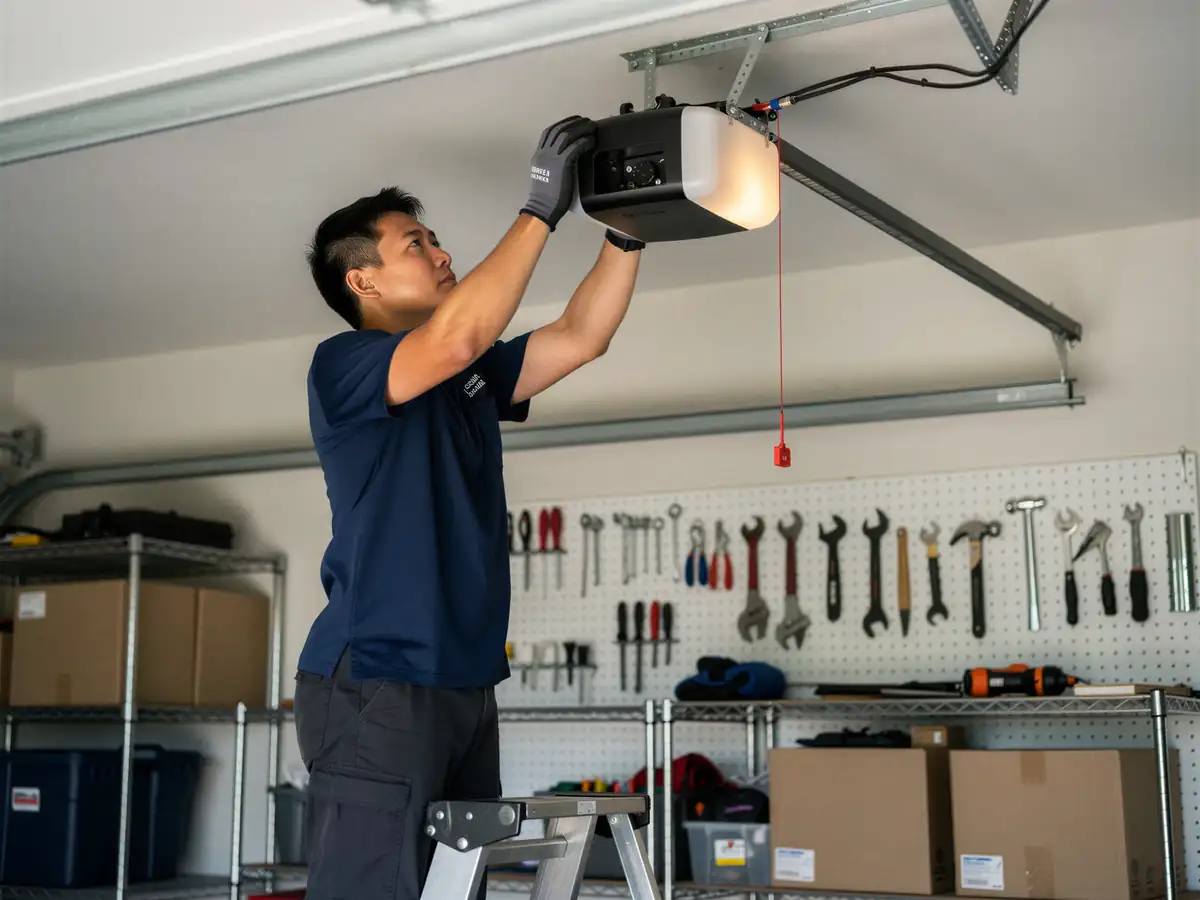
A lot of these houses got their original chain-drive opener replaced once, sometime in the 90s or 2000s, and that second-generation unit is now also aging out - so you can get a spring failure and an opener failure in the same house within a year or two of each other.
The Cost of This Job
We don't have a flat number to quote here, because the range for an emergency call depends on whether it's a spring, a cable, a broken roller, or an opener that's given out - and whether the door is a standard single or a heavier double. What we can tell you is what drives the number up or down: torsion springs are sold in matched pairs sized to the door's weight, and a door that's had amateur adjustments or mismatched parts from a prior repair takes longer to set right, which shows up in labor time.
Across the service area, median household income runs $102,201, and most of the households we're called to - 70,535 of 140,724 are owner-occupied - are the kind that approve a same-day repair over the phone rather than waiting on quotes. That matters for emergency work specifically: a stuck door isn't a maintenance item you schedule for next month, it's a security and safety issue the same day it happens.
The one honest limitation: if your door is original to a house built in the early 1980s and the track, hinges, and springs are all original too, sometimes the spring call turns into a conversation about whether patching one part is worth it versus replacing the whole system. We'll tell you straight when that's the case instead of running up a bill on a door that's past the point of piecemeal repair.
The Symptom
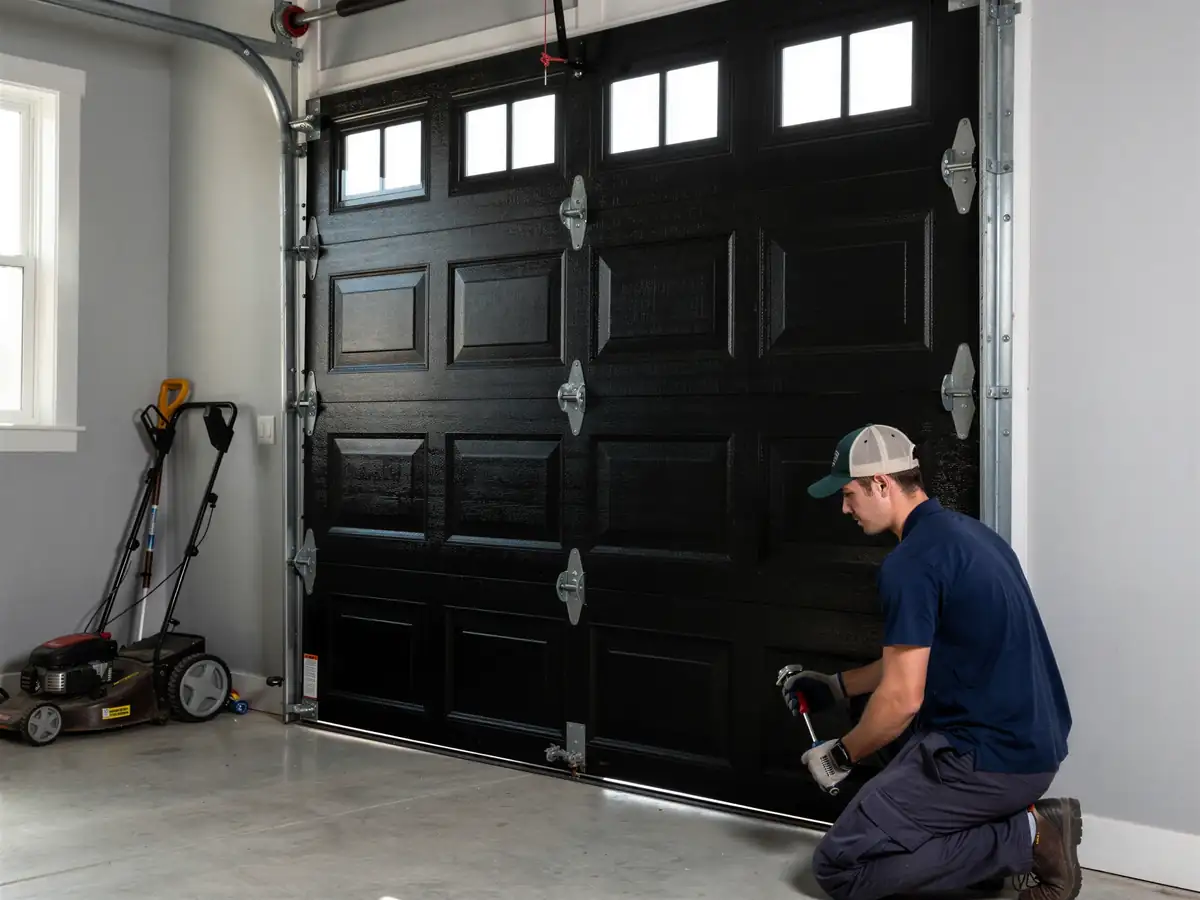
The classic emergency call sounds like this: the door was fine yesterday, and this morning it won't lift, or it lifts six inches and stops, or it comes down fast and hard instead of settling. That's a broken or badly unwound torsion spring, and on a house from this era it's almost always the original spring finally giving out after thirty-plus years of winters.
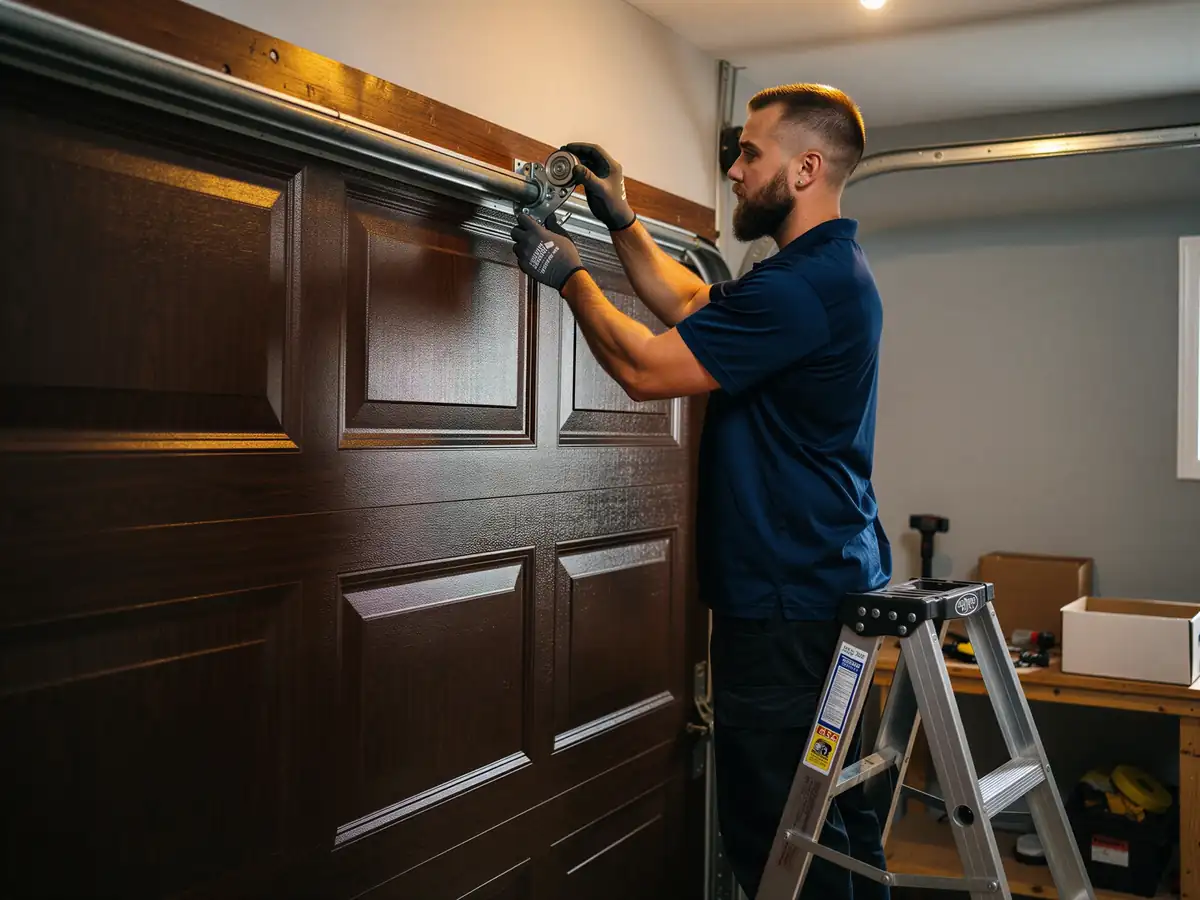
A second common pattern is a loud bang followed by the door refusing to move at all - that's usually a cable that's jumped the drum or snapped outright, often on the same side as the worn spring because the two parts share load. Openers fail differently: the motor hums but the door doesn't move, which points to a stripped gear or a chain that's worked loose, common on second-generation openers installed as a mid-life replacement on these houses.
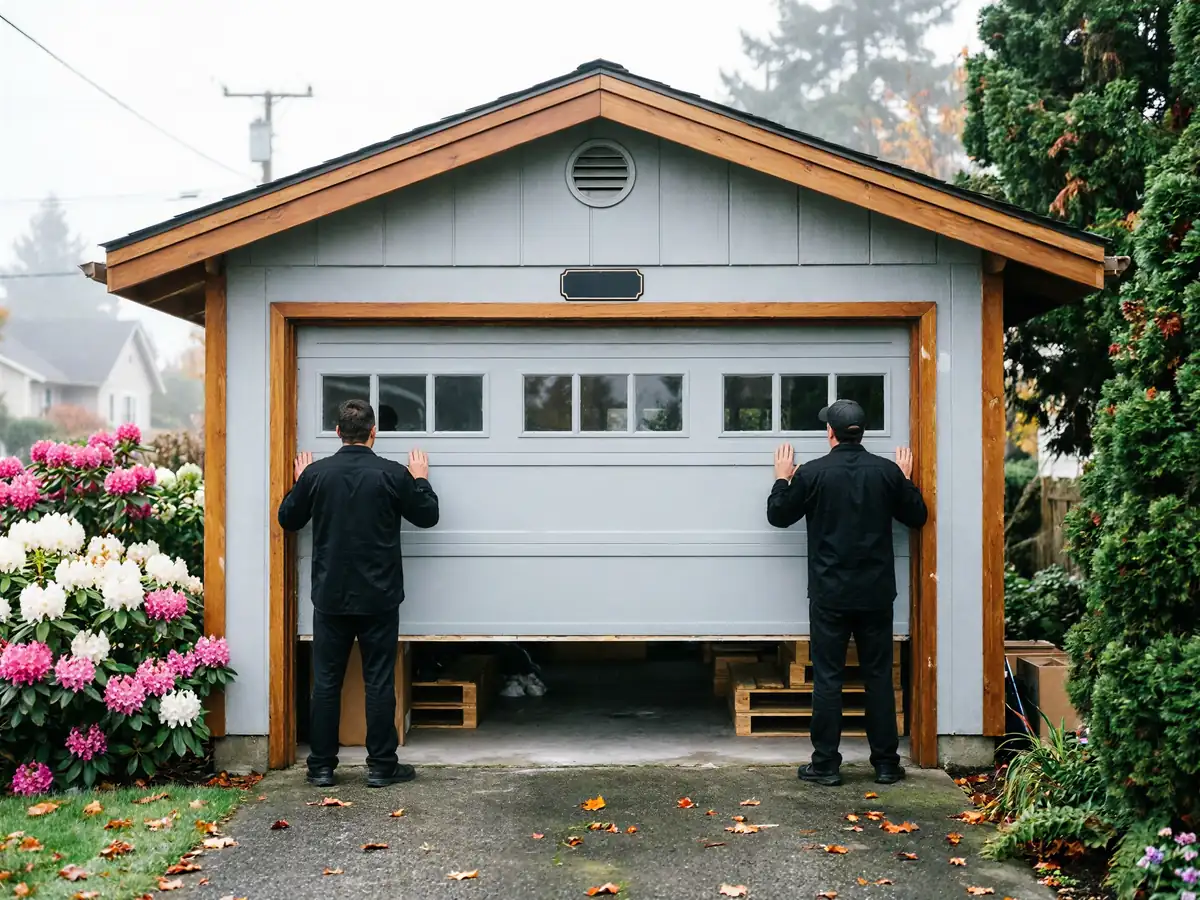
If the door is off its tracks entirely, usually from someone trying to force it closed by hand after a spring let go, that's its own call - rollers can pop out of the channel and bend the track in the process. None of these are a