What We Do Not Do
We don't keep a crew or a truck parked in Cedar Mill
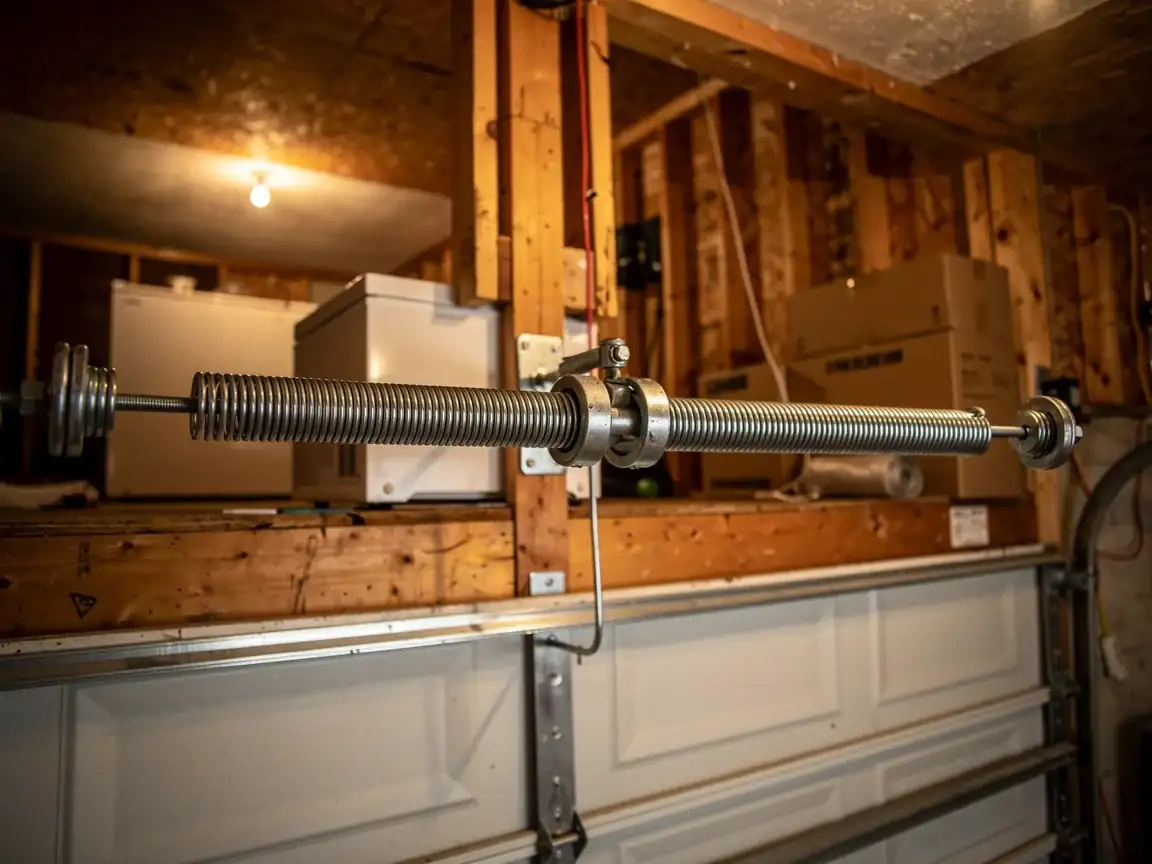
We run out of Oregon City, about 17 miles south, and that drive is part of how this works - we're not pretending to have a local depot we don't have. We also don't try to rebuild a torsion spring system that's rusted through or stretch a 30-year-old opener board past what it can do; past a certain point, patching a door costs more over two years than replacing the worn parts does once. If a job needs a part we don't carry on the truck, we'll say so up front rather than string out a second visit you didn't ask for.
- 17 miles
We don't do panel paint-matching or custom glass-insert fabrication
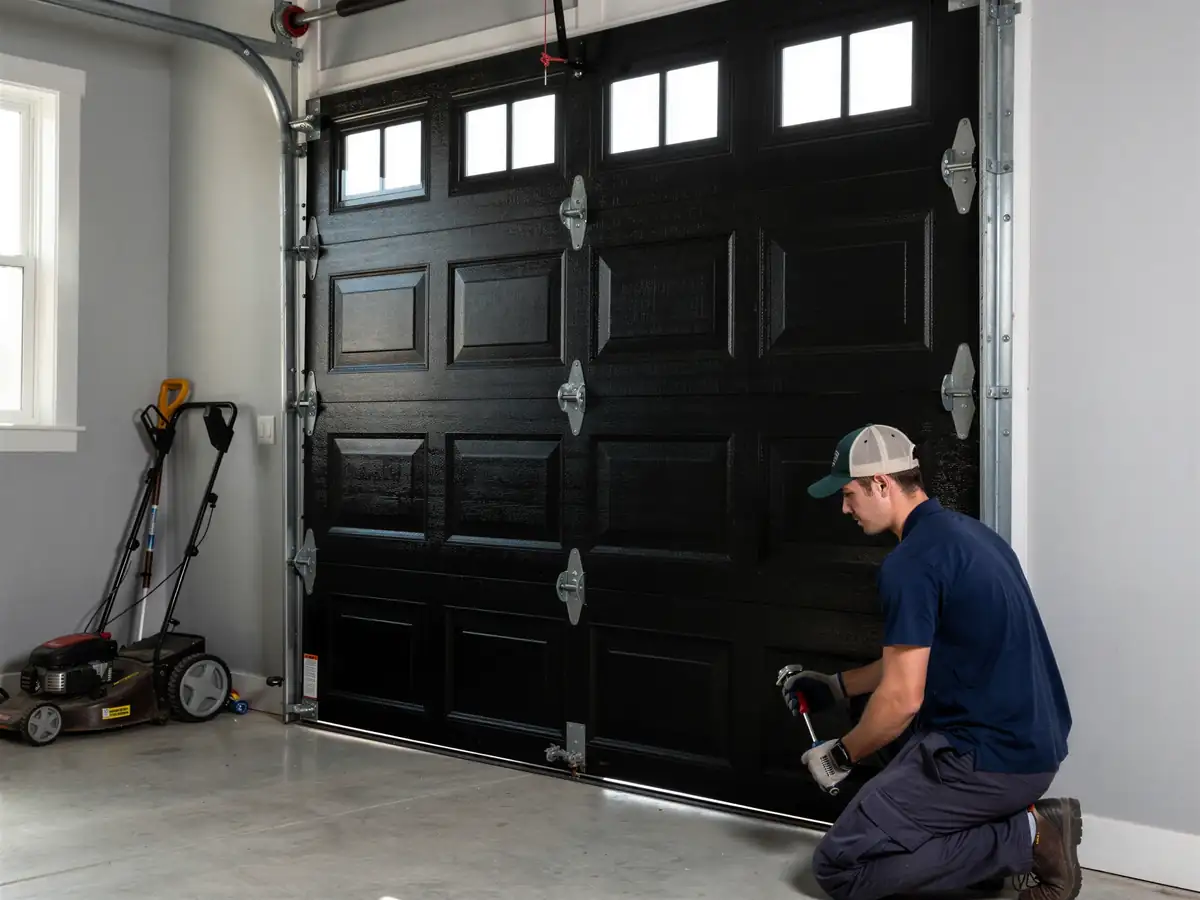
That's specialty work for a door shop, not a service call. And we don't quote a job sight unseen over the phone when the fault could be a spring, a cable, or a bad sensor; those have different parts and different costs, and guessing wrong wastes your afternoon and ours. What we do is diagnose what's actually wearing on a door built in the Cedar Mill era and fix that part, not the whole door, when the whole door isn't the problem.
How That Shows Up in the Door
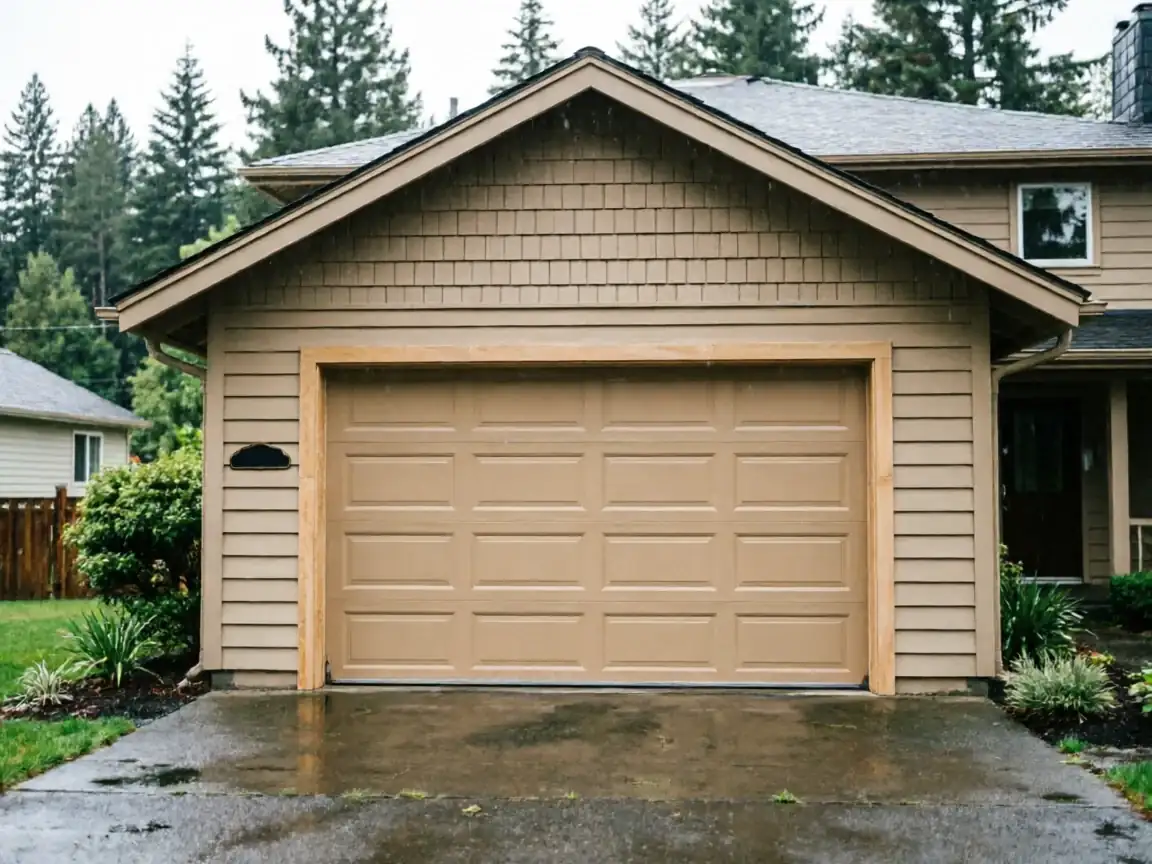
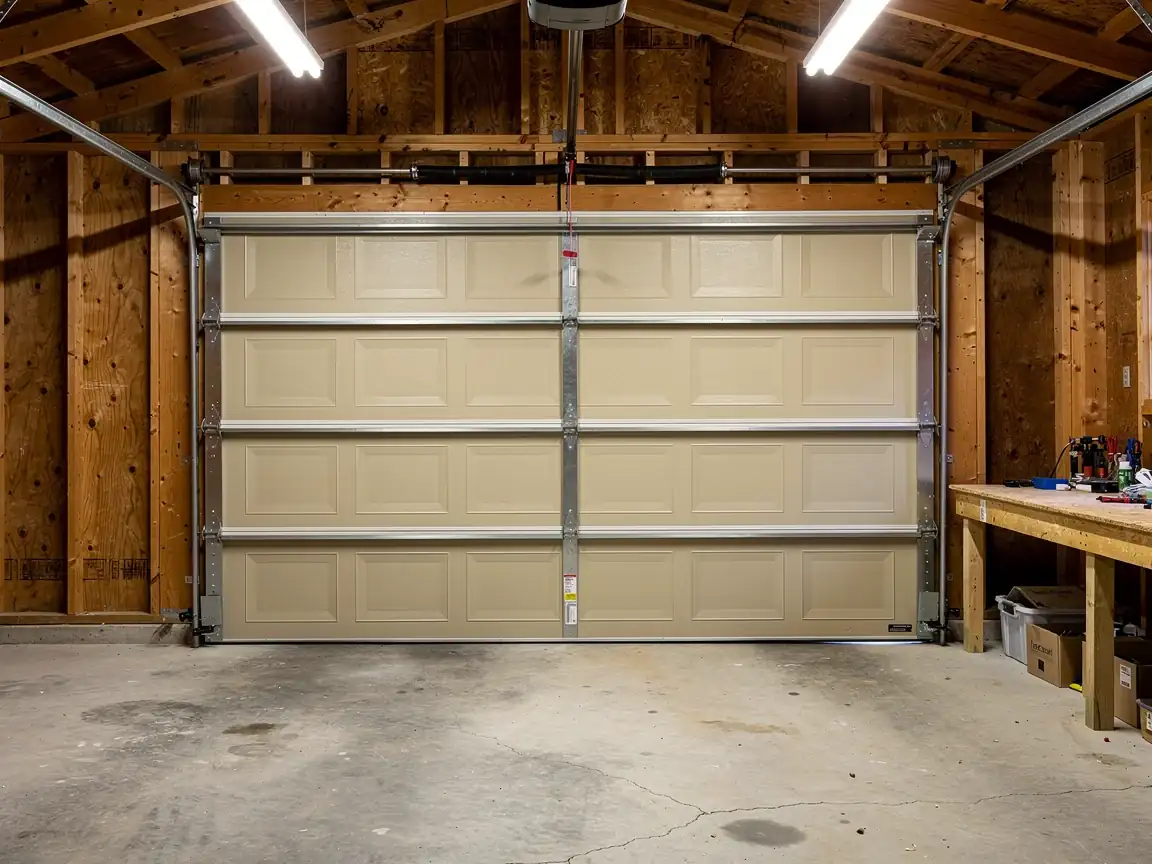
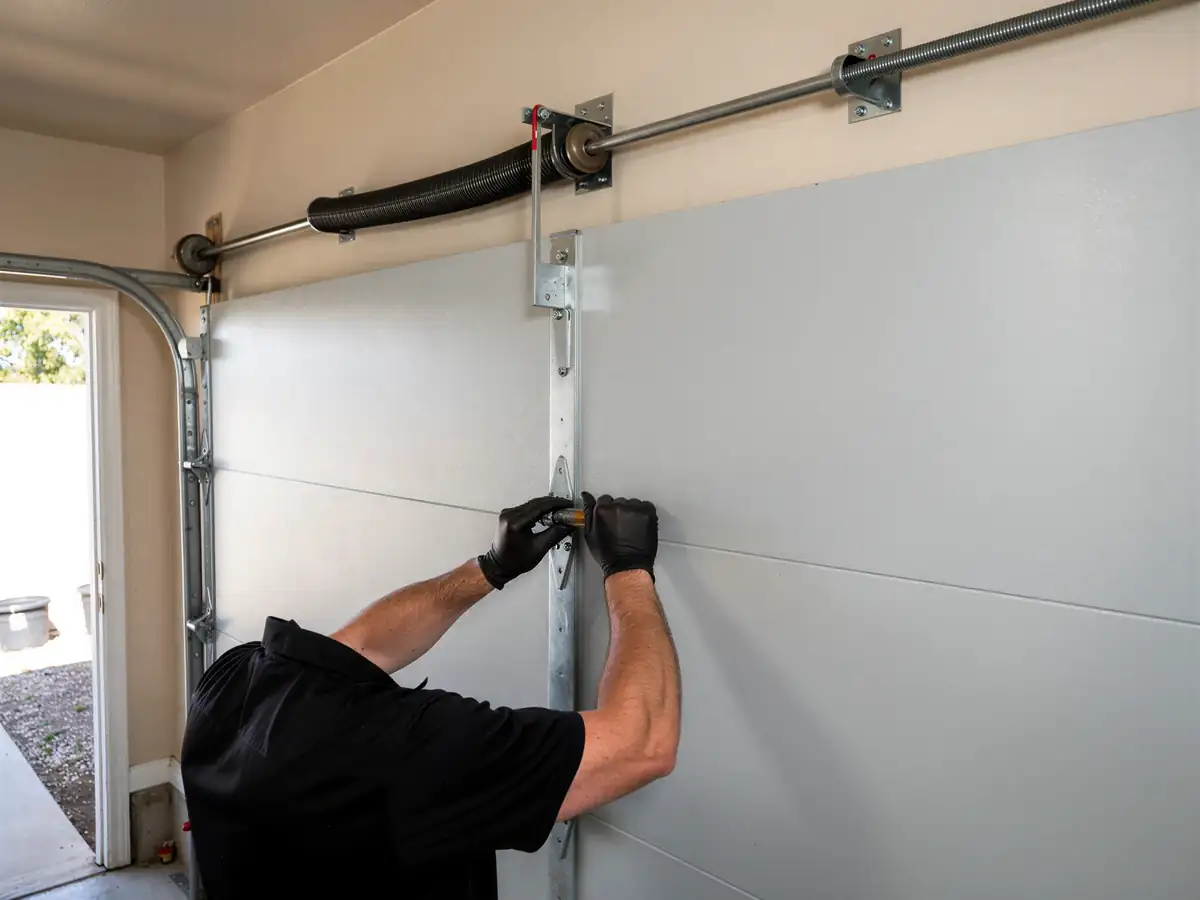
Cedar Mill's housing runs newer than the broader service area we cover out of Oregon City - median build year here is around 1992, a full decade past the 1982 median across the other 31 areas we work. That decade matters on a garage door. Early-80s doors still turning up elsewhere in the service area often carry single-layer steel panels and older extension-spring setups; Cedar Mill's 1990s-era builds are more likely to have factory torsion systems and insulated or double-layer panels from the start, which changes what fails and how.
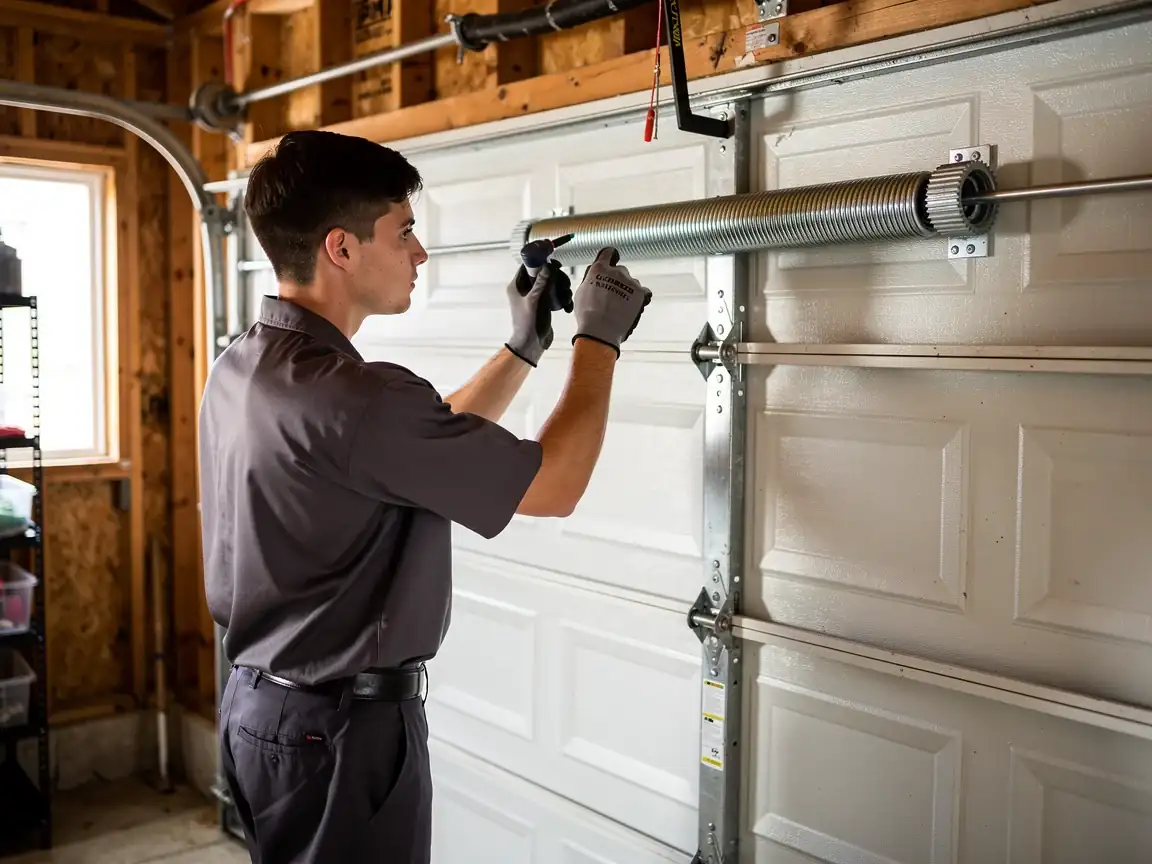
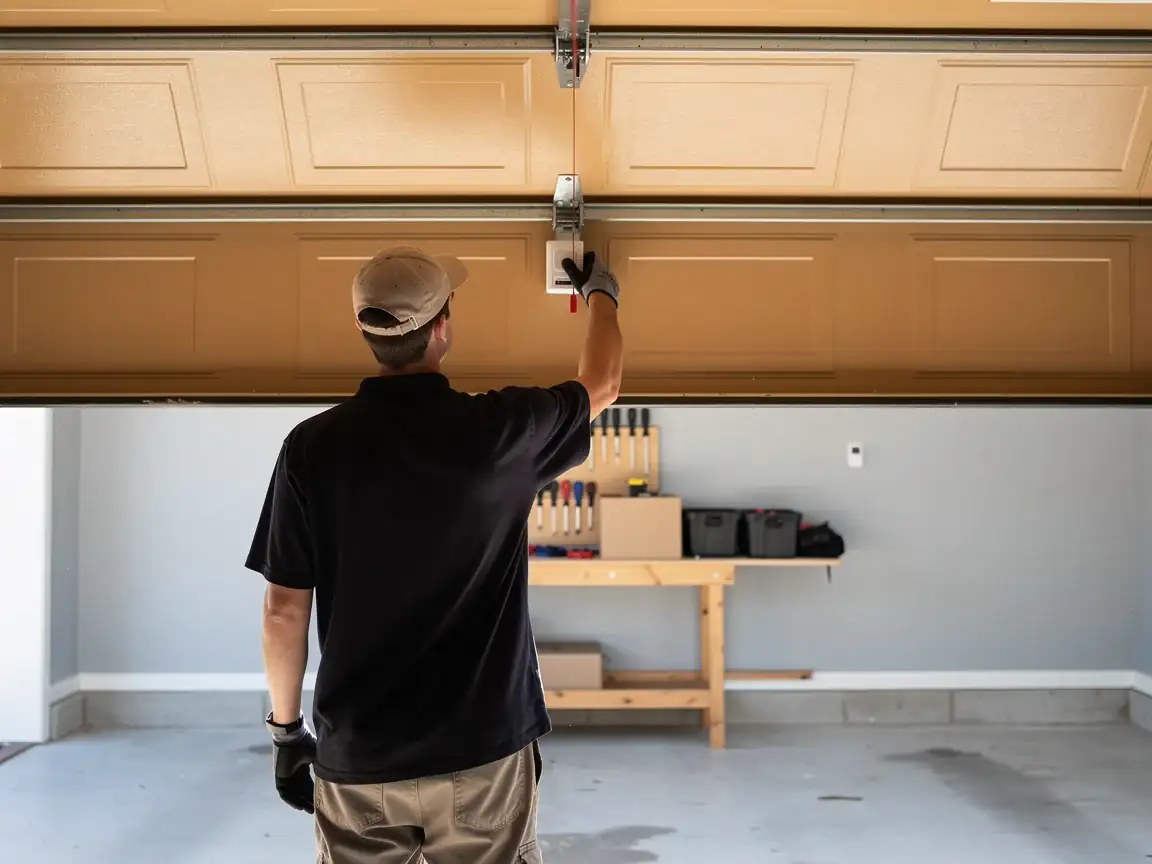
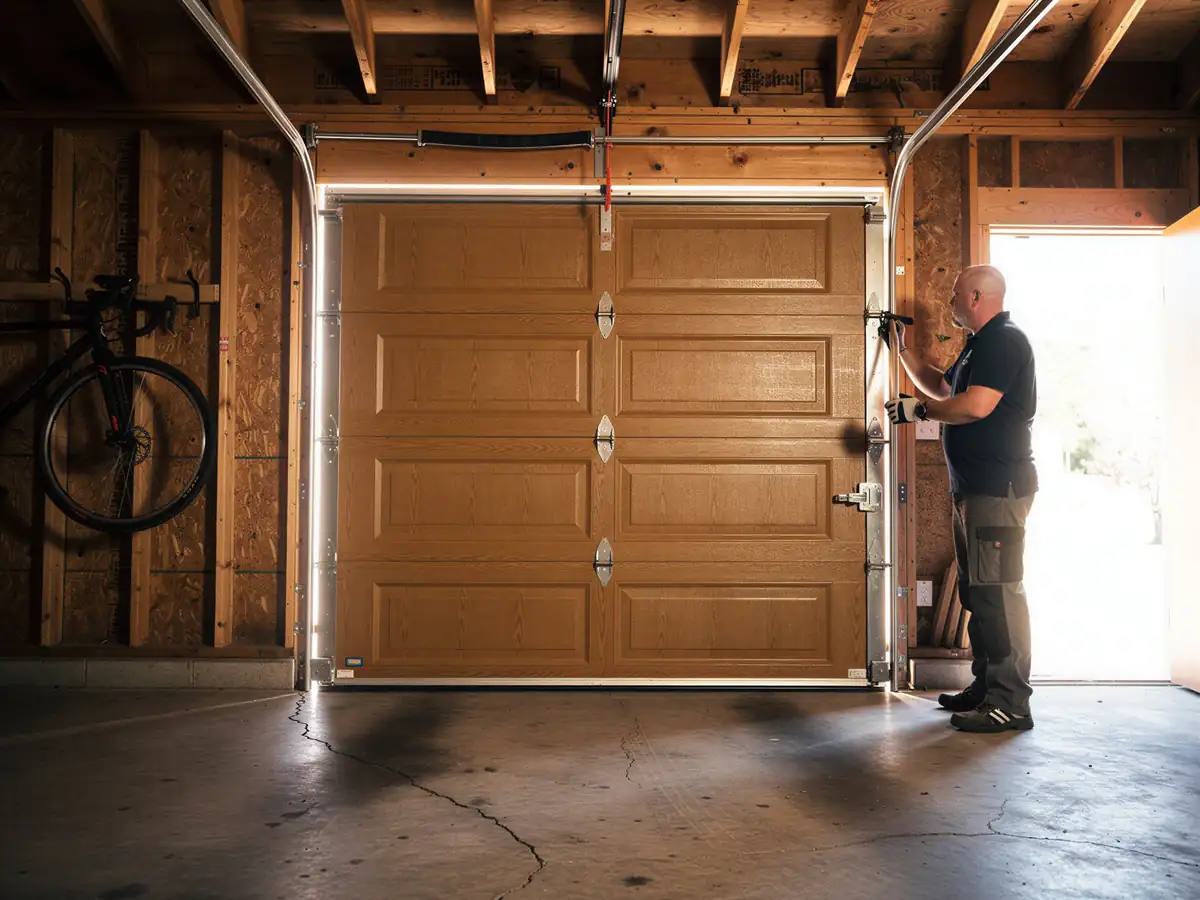
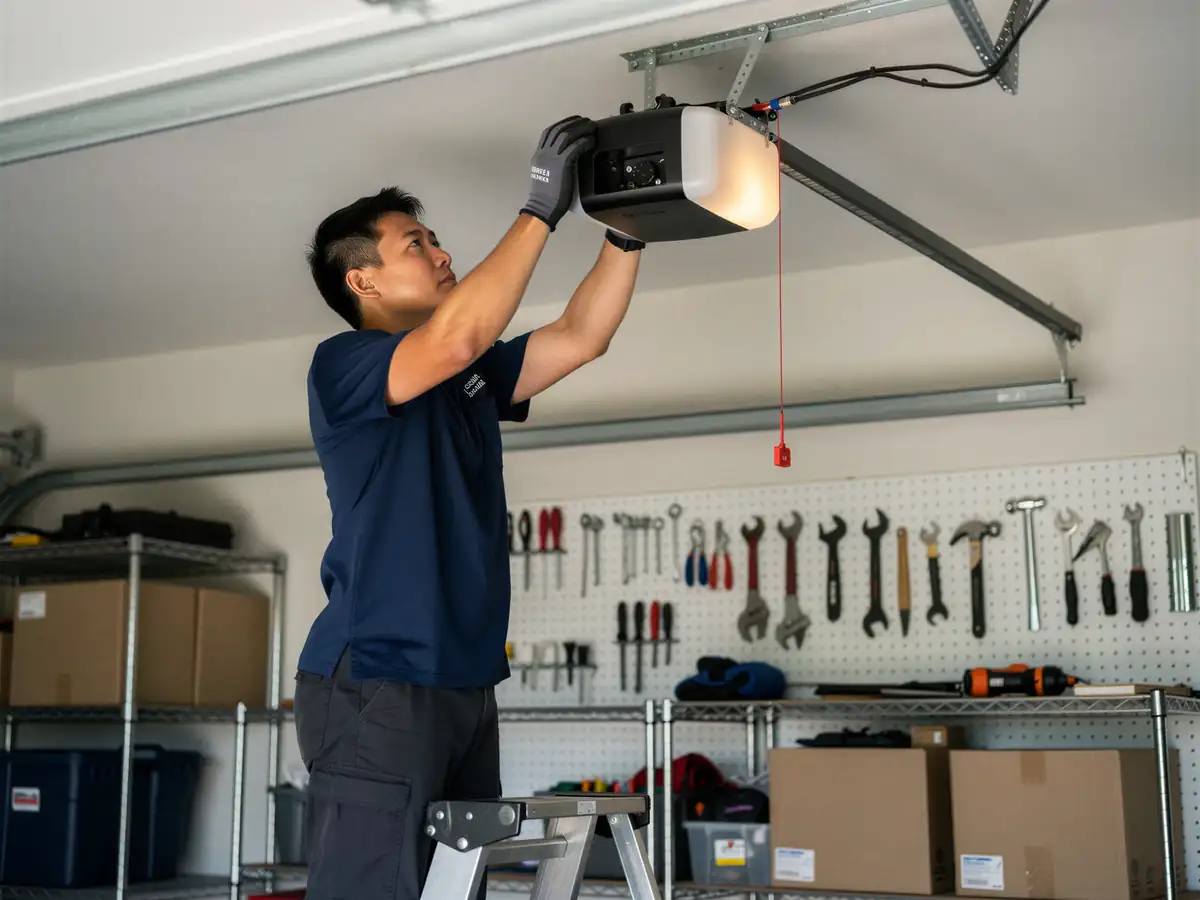
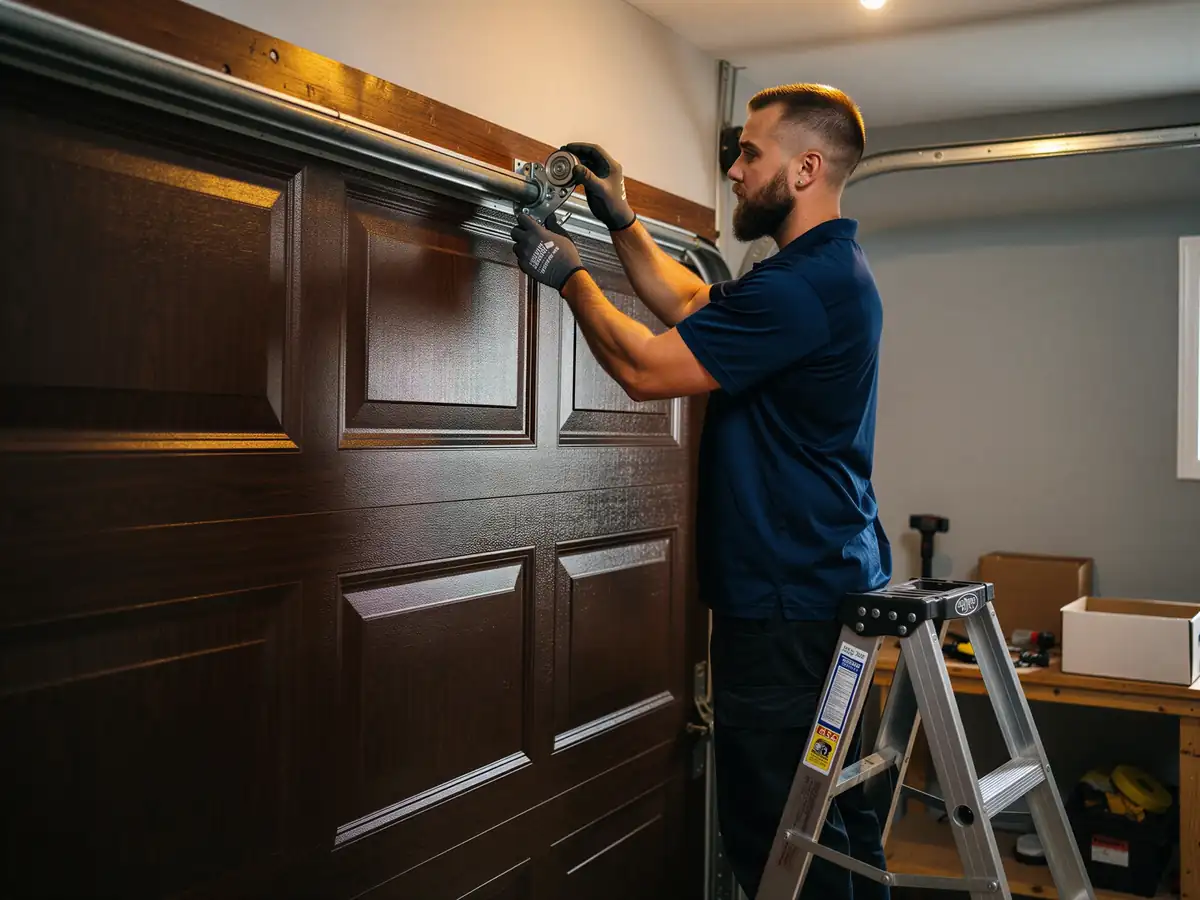
What we actually find on these newer builds: nylon rollers worn flat from thirty-plus years of daily cycling, the original steel hinges that have loosened at the long bolt holes, and openers - chain-drive units common in that build decade - whose drive gears have stripped from age rather than abuse. These aren't exotic failures. They're what a door this age does when nobody's touched the hardware since it left the factory. The climate here is cold-moderate, not harsh, so we're not chasing storm damage - it's wear, not weather, driving most of these calls.
The Split Between Old and New
Across the wider area we serve from Oregon City, housing spans 1964 to 2003 with a median around 1982, and the stock leans 1980s-90s overall. Cedar Mill sits on the newer edge of that range. That's a meaningful split when you're troubleshooting: a door installed in 1970 and a door installed in 1995 don't share the same spring wind, the same bracket spacing, or the same opener mounting standard, even if they look similar from the driveway.
With roughly 6,578 households in Cedar Mill and a median household income near $167,037 - notably higher than the $102,201 median across the full service area - we see more owners here opting to replace an aging opener or upgrade insulation on a panel rather than nurse an old unit along for another winter. That's not a judgment on the house; it's just what the numbers in this particular pocket tend to support. Neither choice is wrong. A 1990s door with a failed capacitor is often a straightforward repair. A door that's been limping since the original install is a different conversation.
What Was Built Here
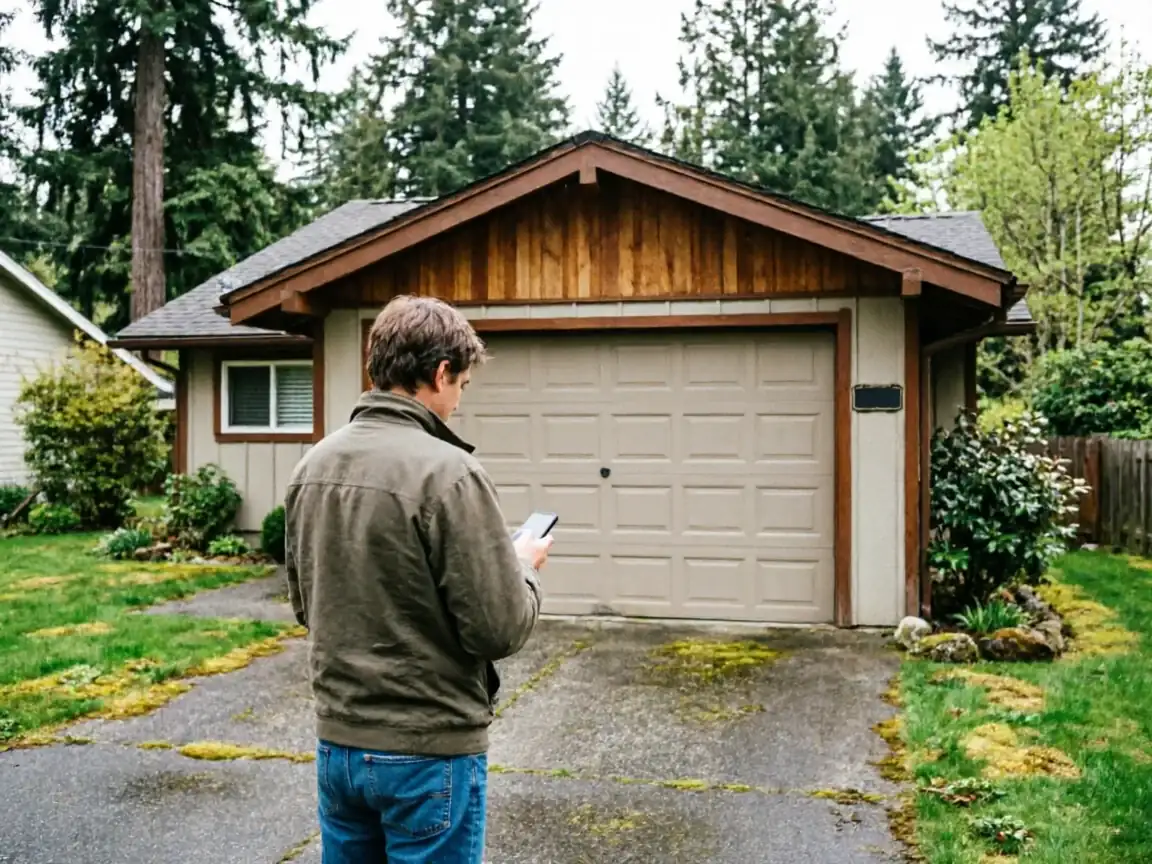
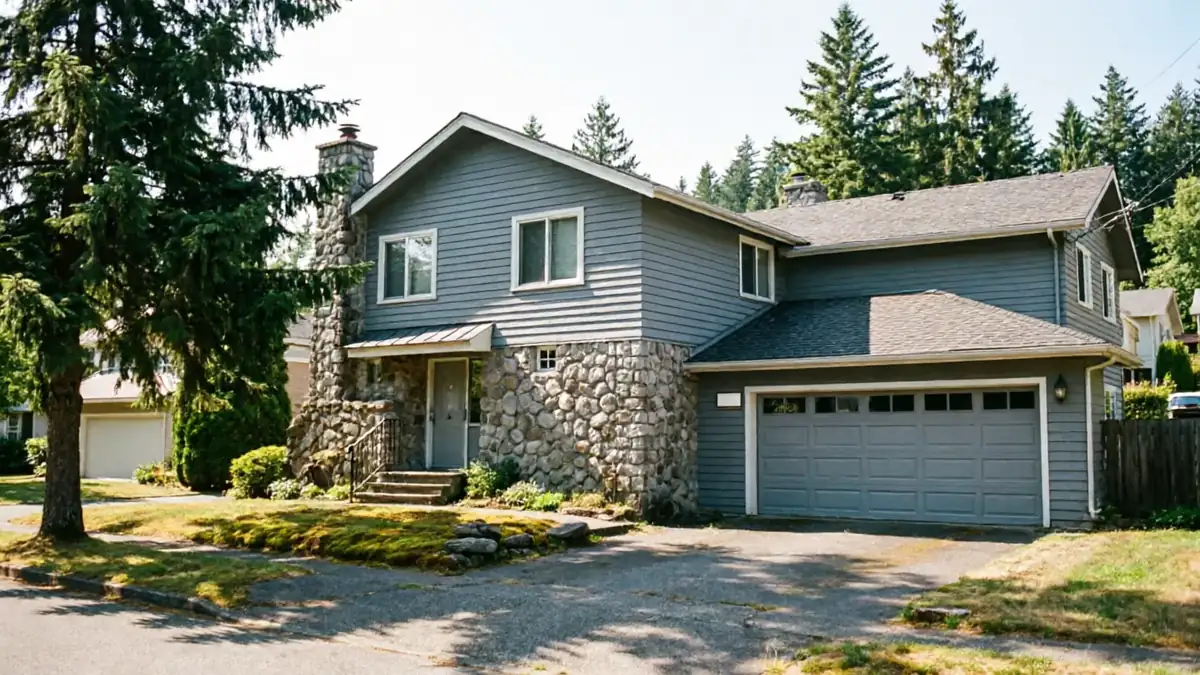
Cedar Mill's housing stock, built mostly in and around 1992
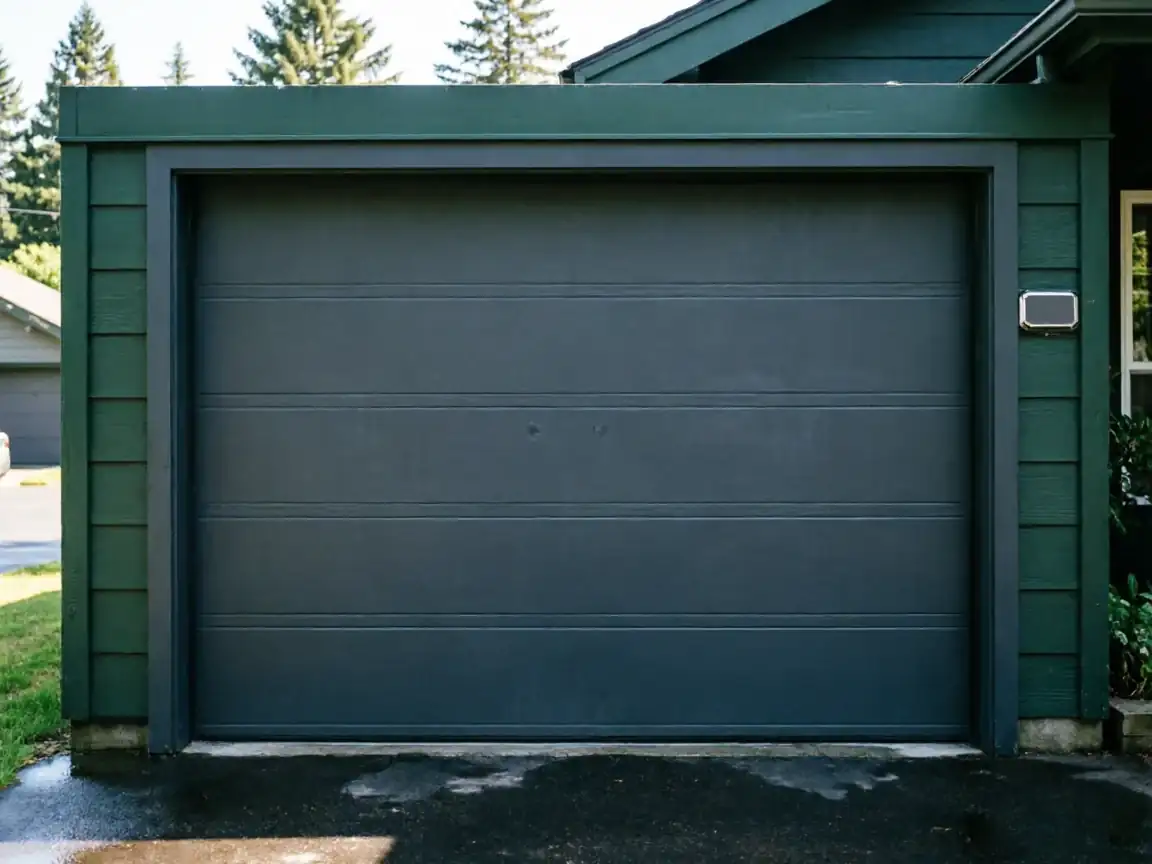
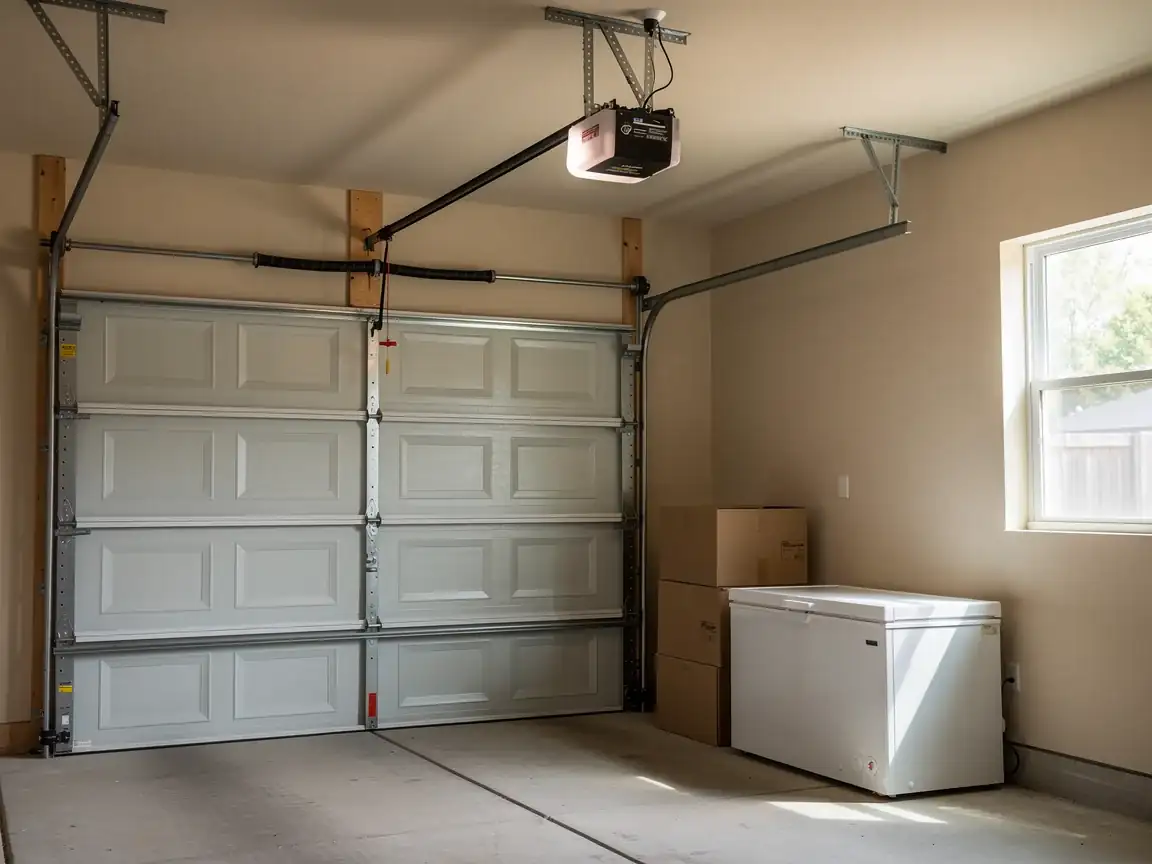
Puts it toward the newer end of what we see across the 70,535 owner-occupied houses in the broader service area of 140,724 households. That build era generally means garage doors went up with torsion springs as standard rather than retrofit, steel sectional panels rather than the single flat slab style, and openers wired to a dedicated circuit rather than tapped off a nearby outlet.
- 70,535 owner-occupied
- 140,724 households
It doesn't mean these doors are trouble-free
Thirty-plus years is enough time for a torsion spring to reach the end of its cycle count, for weatherstripping to crack in the cold-moderate winters this region gets, and for an opener's logic board to start misreading its safety sensors. We travel the 17 miles from Oregon City for these calls knowing roughly what we'll find before we open the panel - which saves time on the diagnosis, even if it doesn't change the drive.
- 17 miles