The Symptom
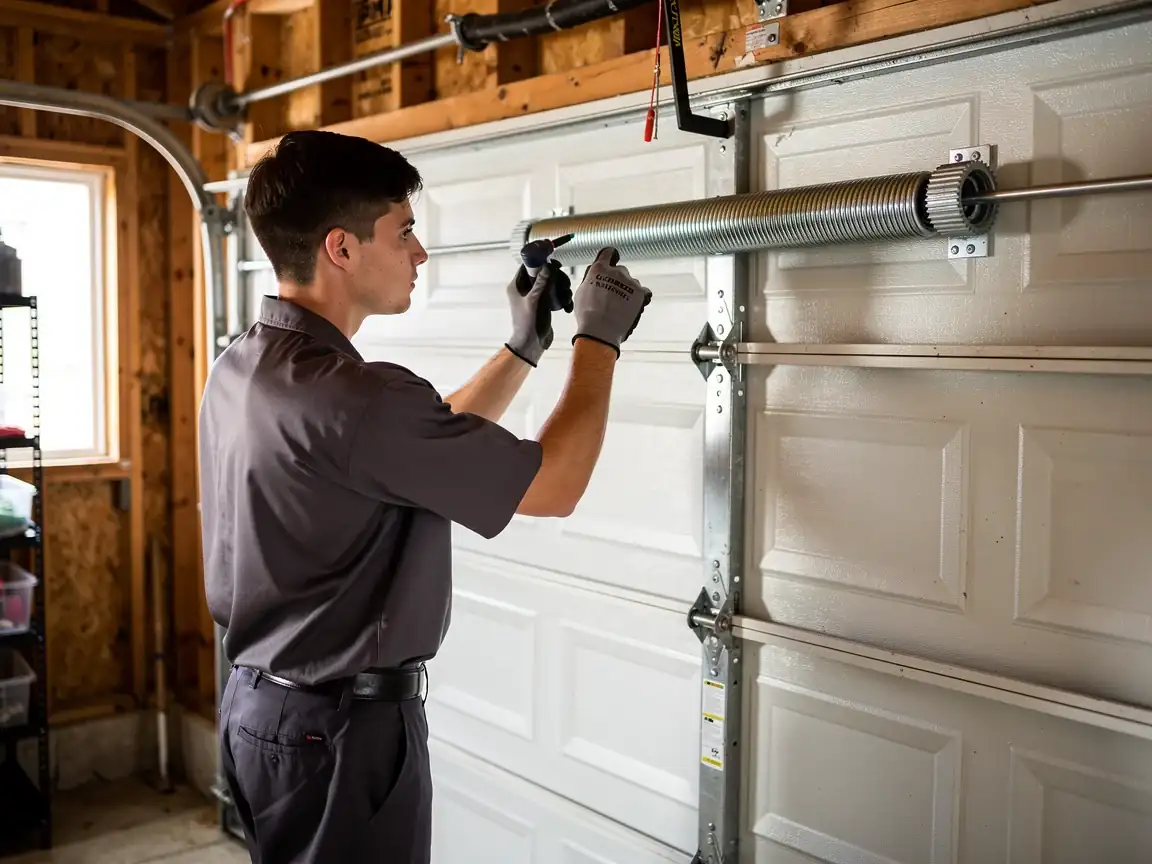
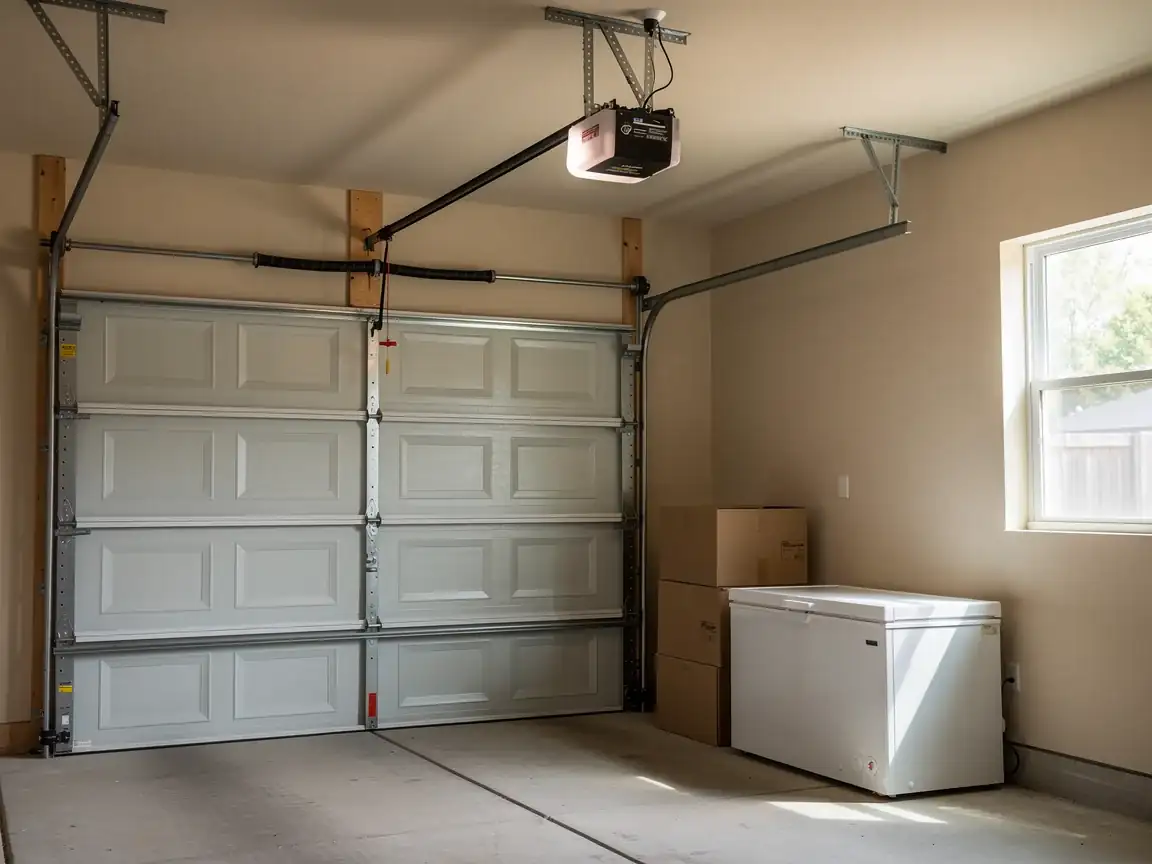
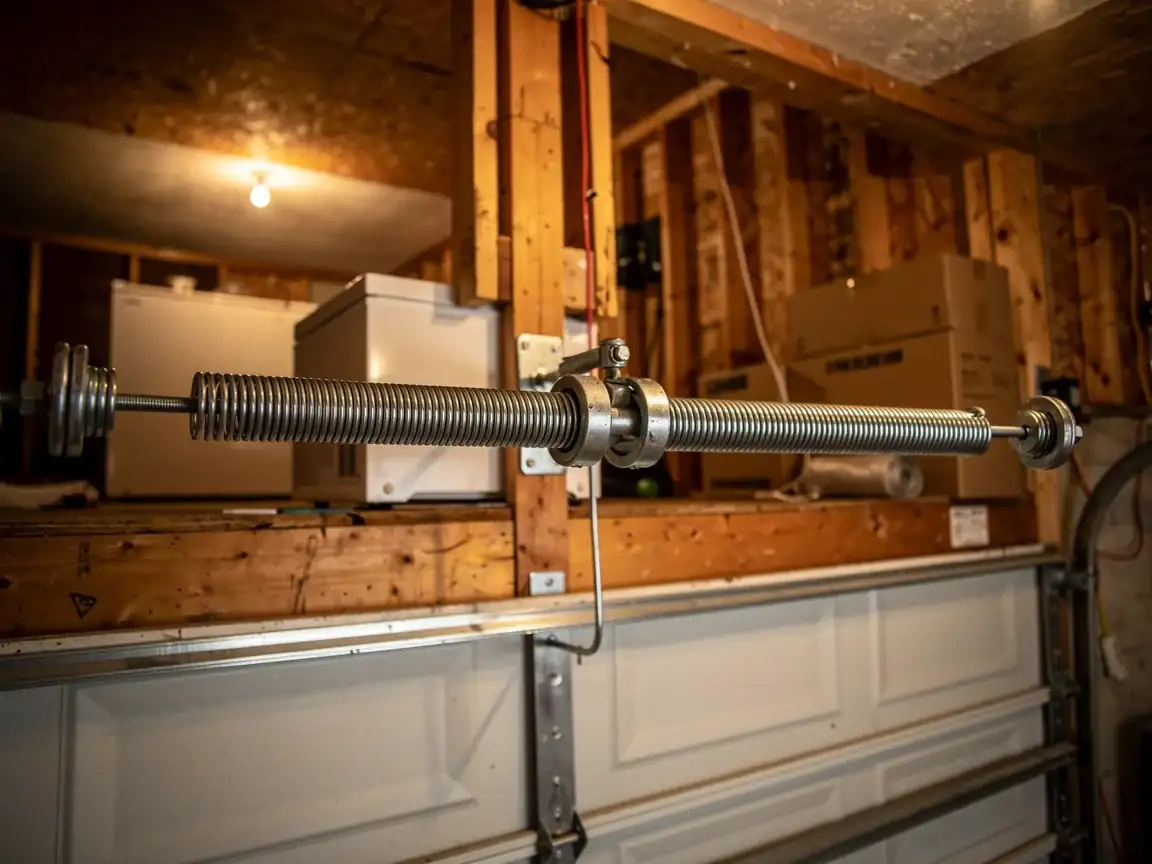
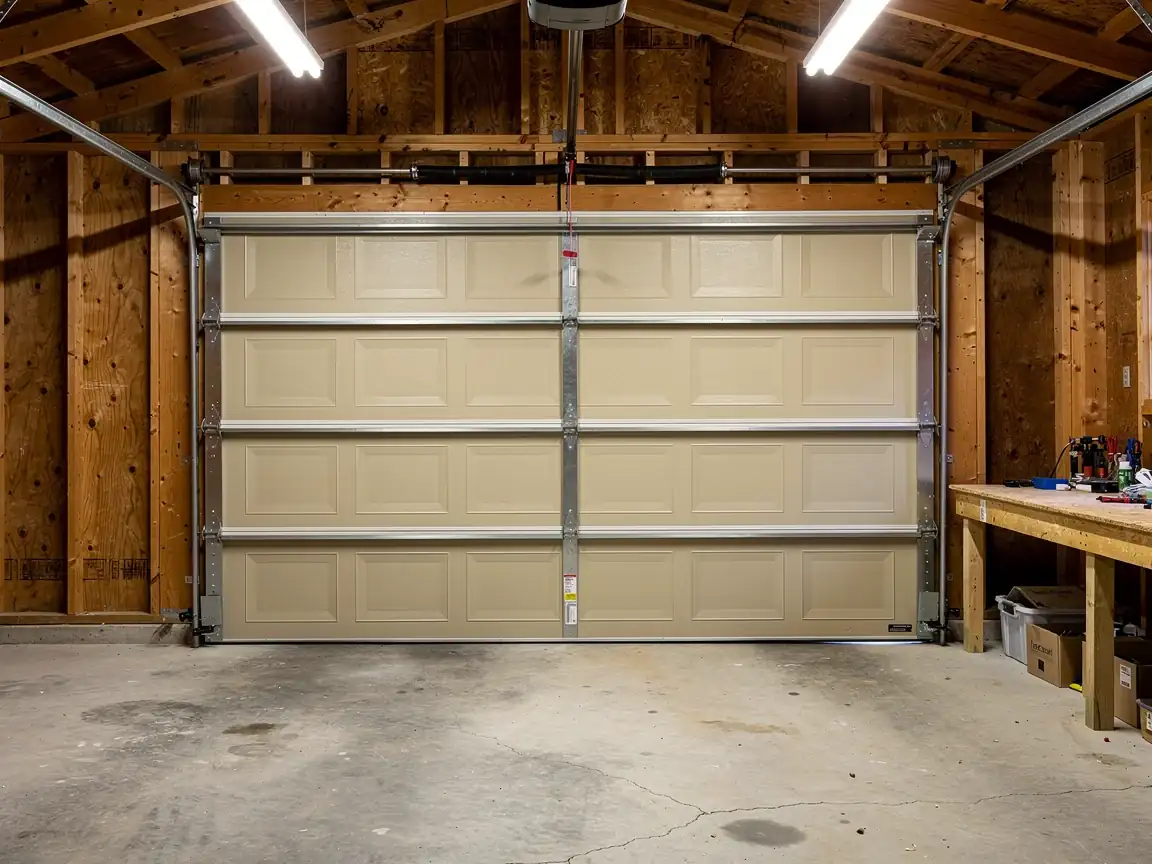
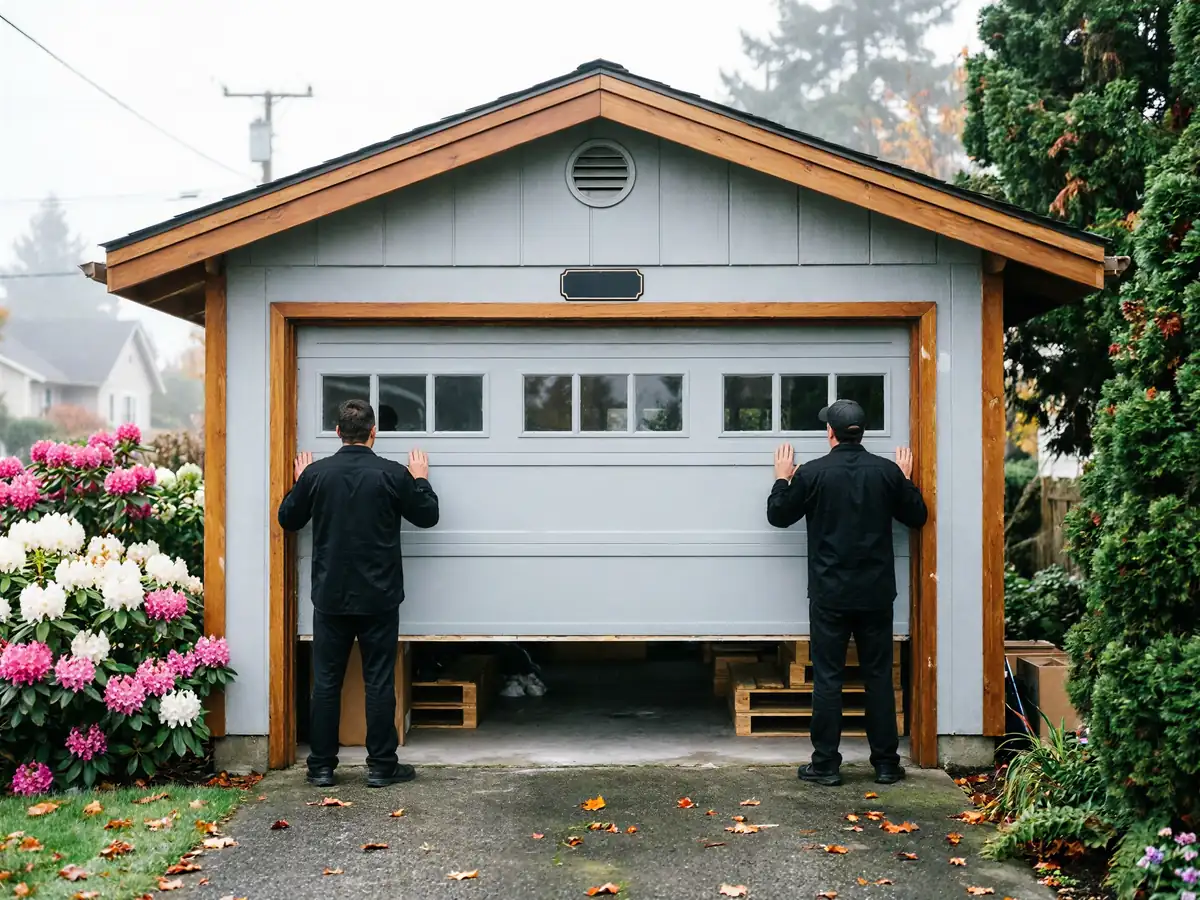
A door installed when a house in Cedar Mill was built is now pushing past thirty years old, and the tell isn't always a dramatic failure. More often it's a door that's heavy to lift by hand, a bottom panel that's started to dent or rust at the seam, or a noticeable draft and cold floor on the garage side of an attached wall - a sign the original panel was never insulated, which was common on doors from that build period. Torsion springs from the early '90s are also reaching the end of their rated cycle count even on doors that still look fine. None of that means catastrophic failure is close, but it's the pattern that tells us replacement is worth pricing out rather than patching the same door again.
How Long You Are Without the Door
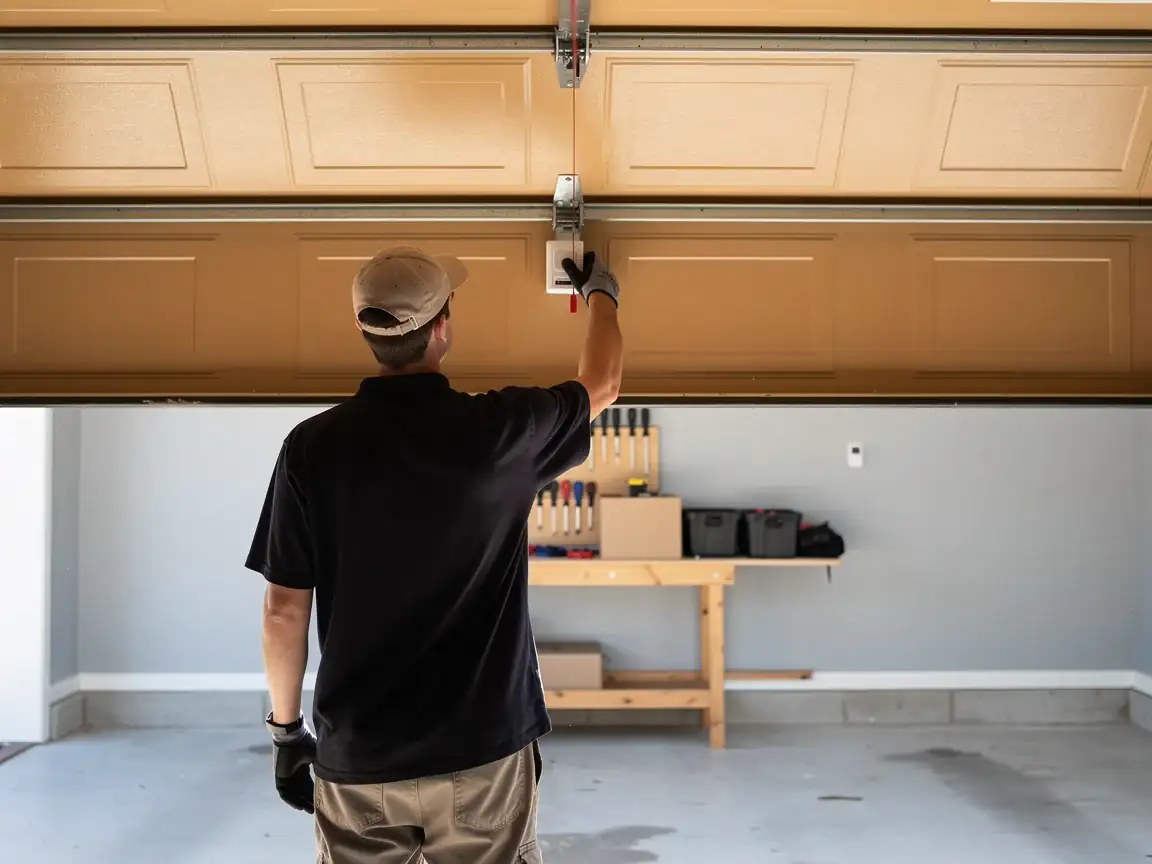
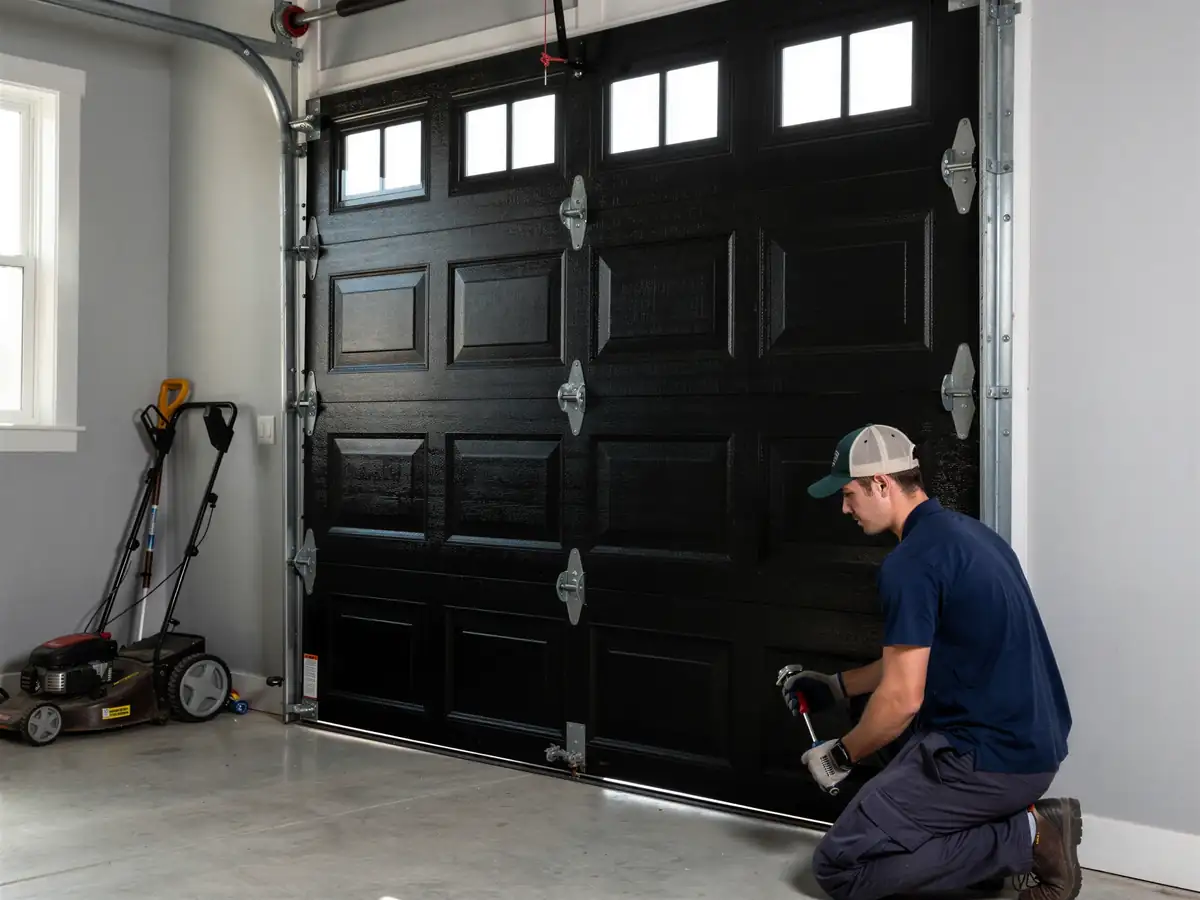
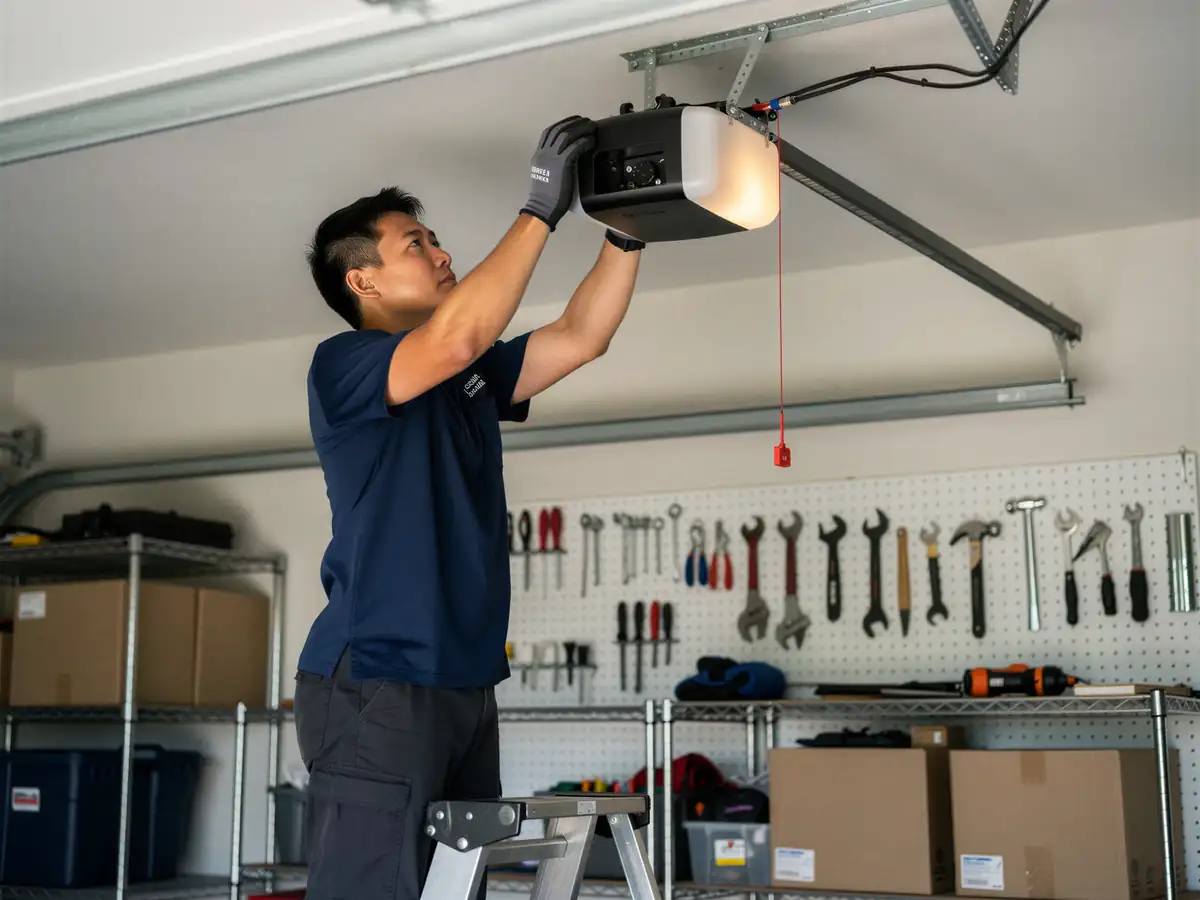
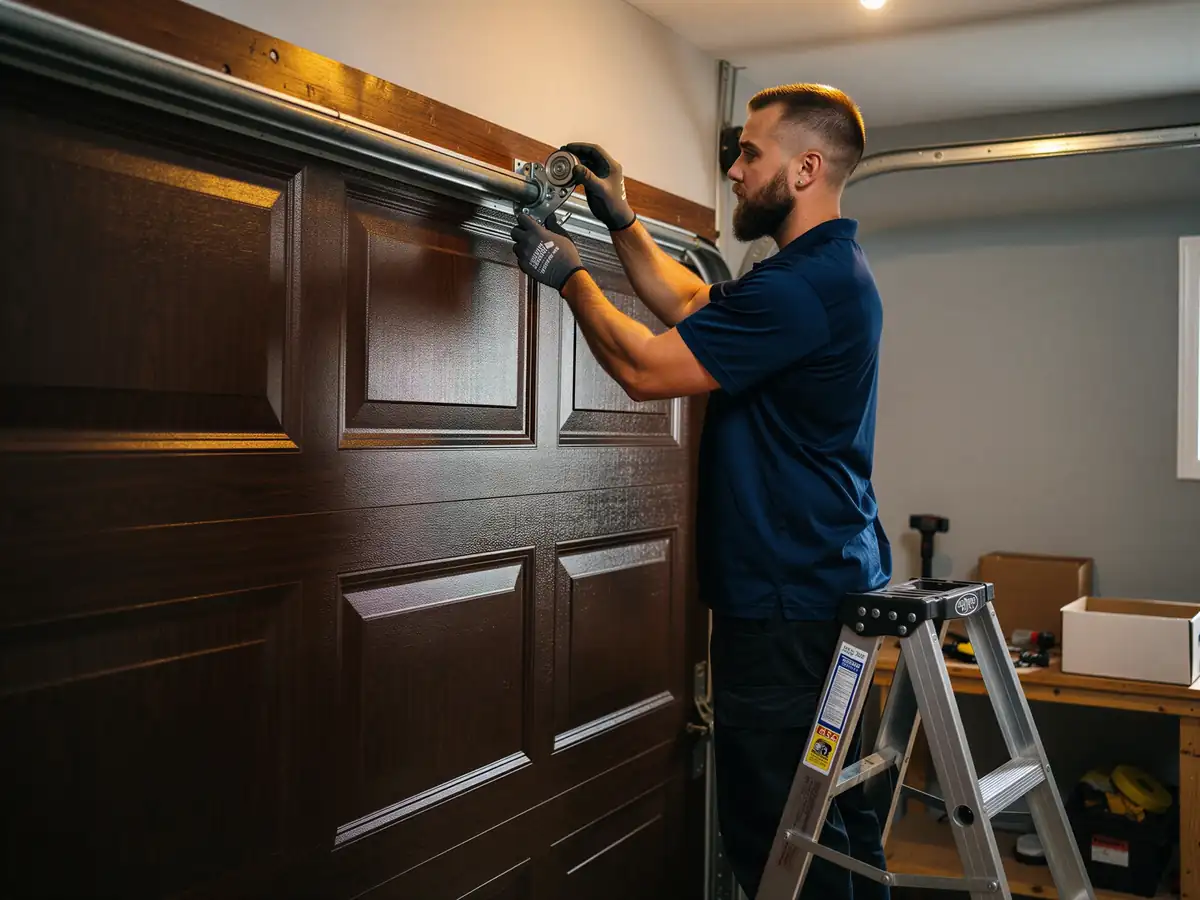
We run this job out of Oregon City, 17 miles from Cedar Mill, so the first thing to plan around is scheduling the visit rather than expecting a same-day walk-in. Once we're on site, because most openings here match the standard framing used in early-1990s construction, we're rarely waiting on a non-standard part - the door, track, and springs we bring are sized for what's already there. The old door comes out, the opening gets checked for square, and the new door and hardware go in during a single visit in the typical case. Custom-ordered doors are the exception: if you've picked a non-standard panel or finish, the install date depends on when that door arrives, not on our drive time.
Why It Happens Here
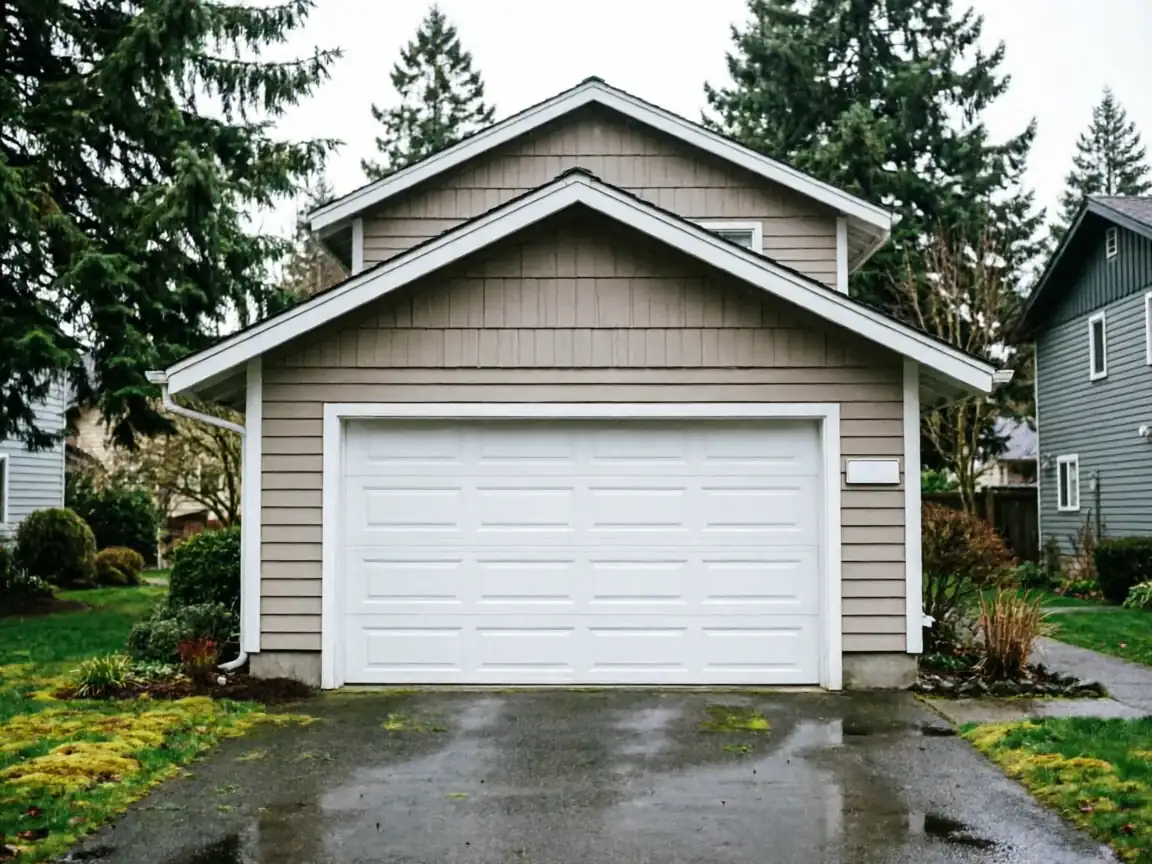
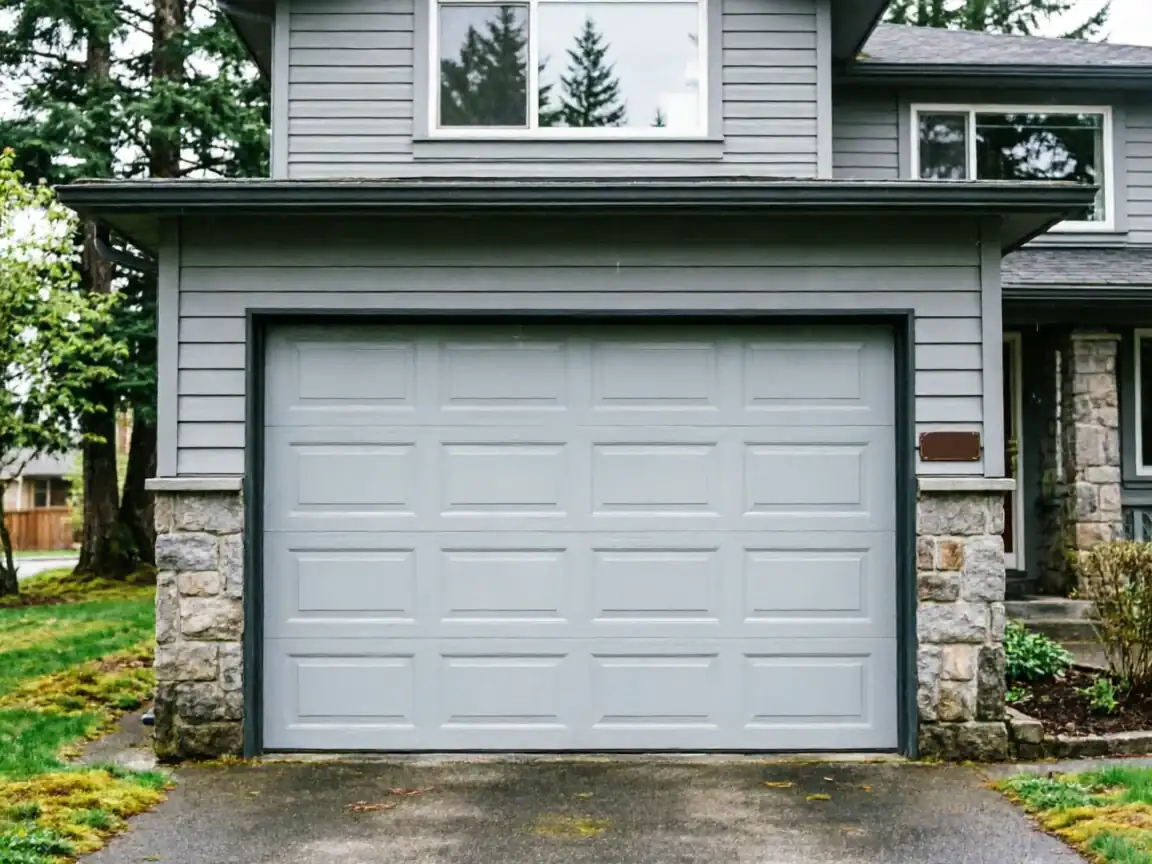
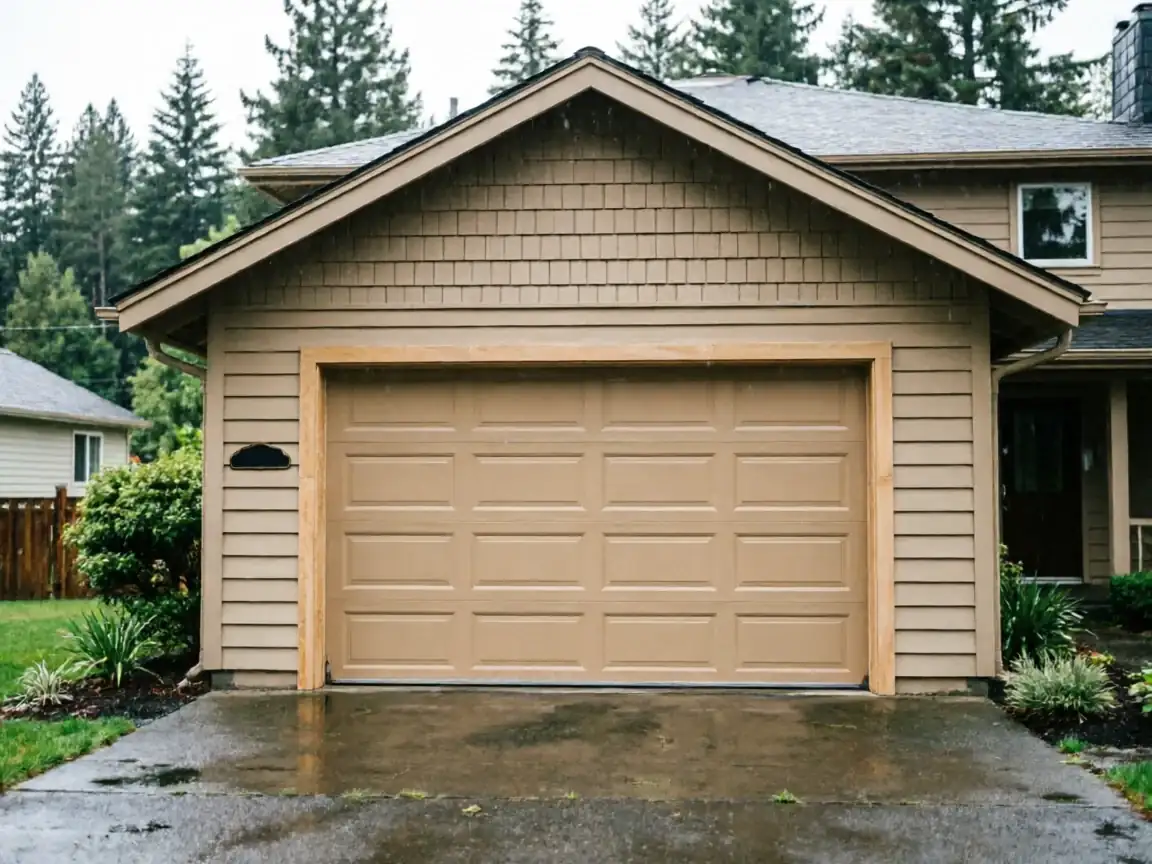
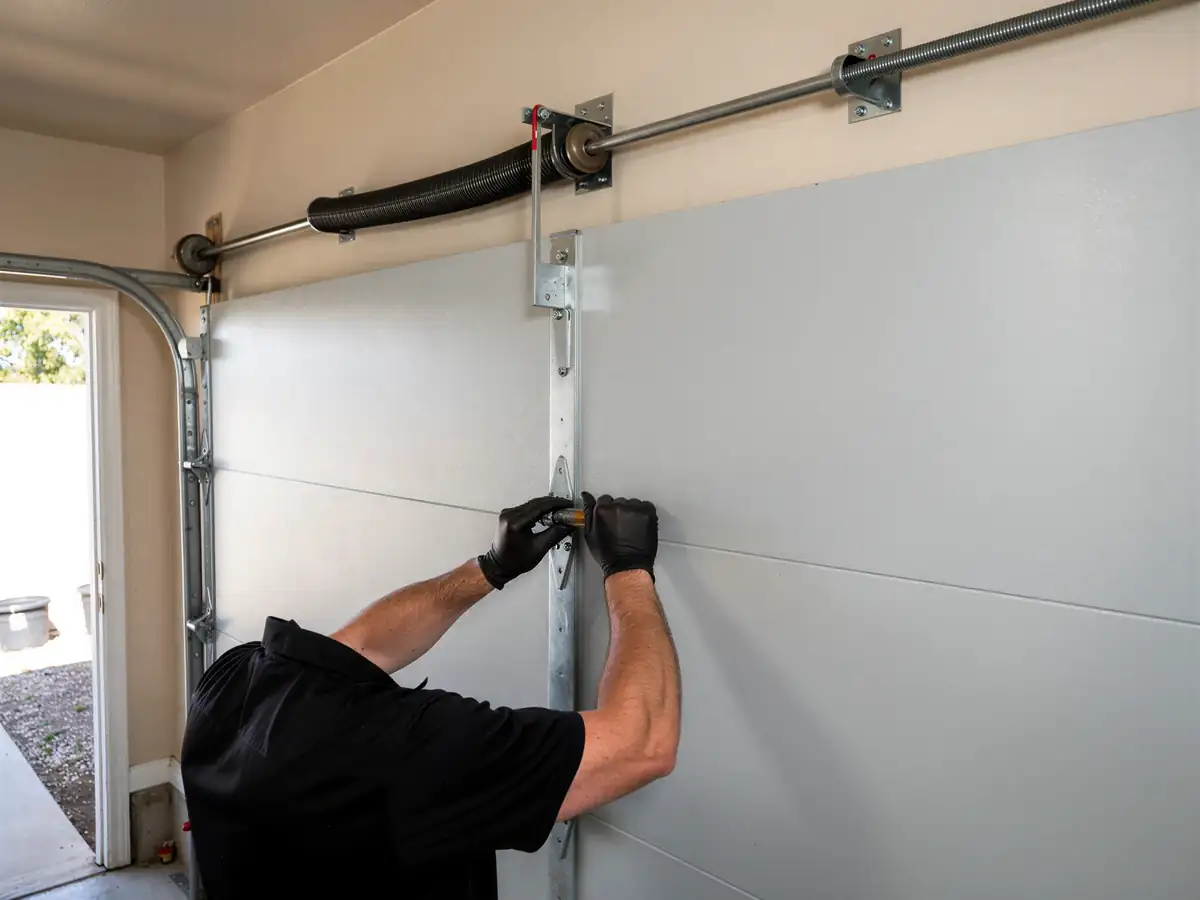
Cedar Mill's housing stock clusters tightly around 1992, which means a lot of these doors and their original springs are aging out in the same few-year window rather than one at a time. Springs rated for the lighter, often non-insulated steel panels standard in that period weren't sized for a heavier insulated replacement, so a straight swap without recalculating spring tension leaves the new door hard to lift or prone to early spring failure. Median household income in Cedar Mill runs $167,037, well above the $102,201 median for the rest of the service area, and that shows up directly in what gets ordered here - wider double-door openings and higher insulation-tier panels come up more often than the single narrow door typical of older, lower-value stock built before 1964 elsewhere in the area. Replacement decisions here tend to be about upgrading performance, not just fixing what broke.