The Symptom
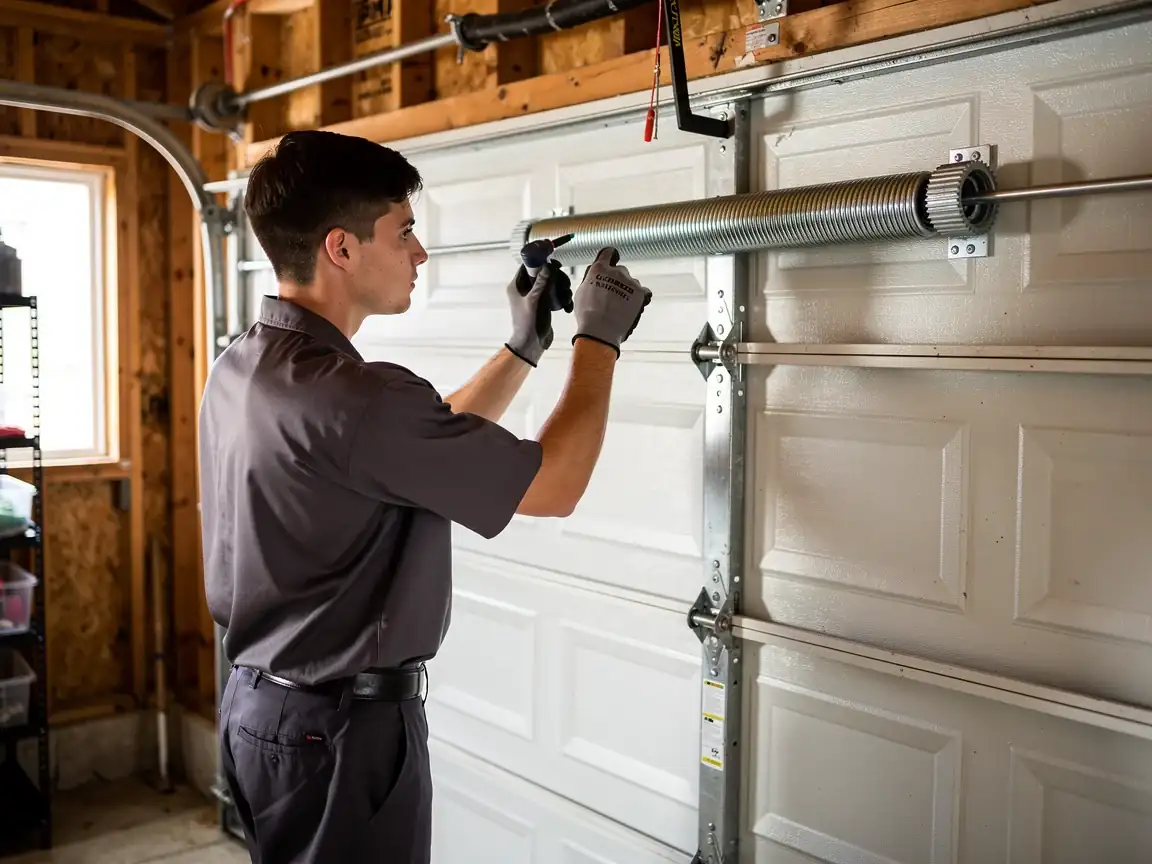
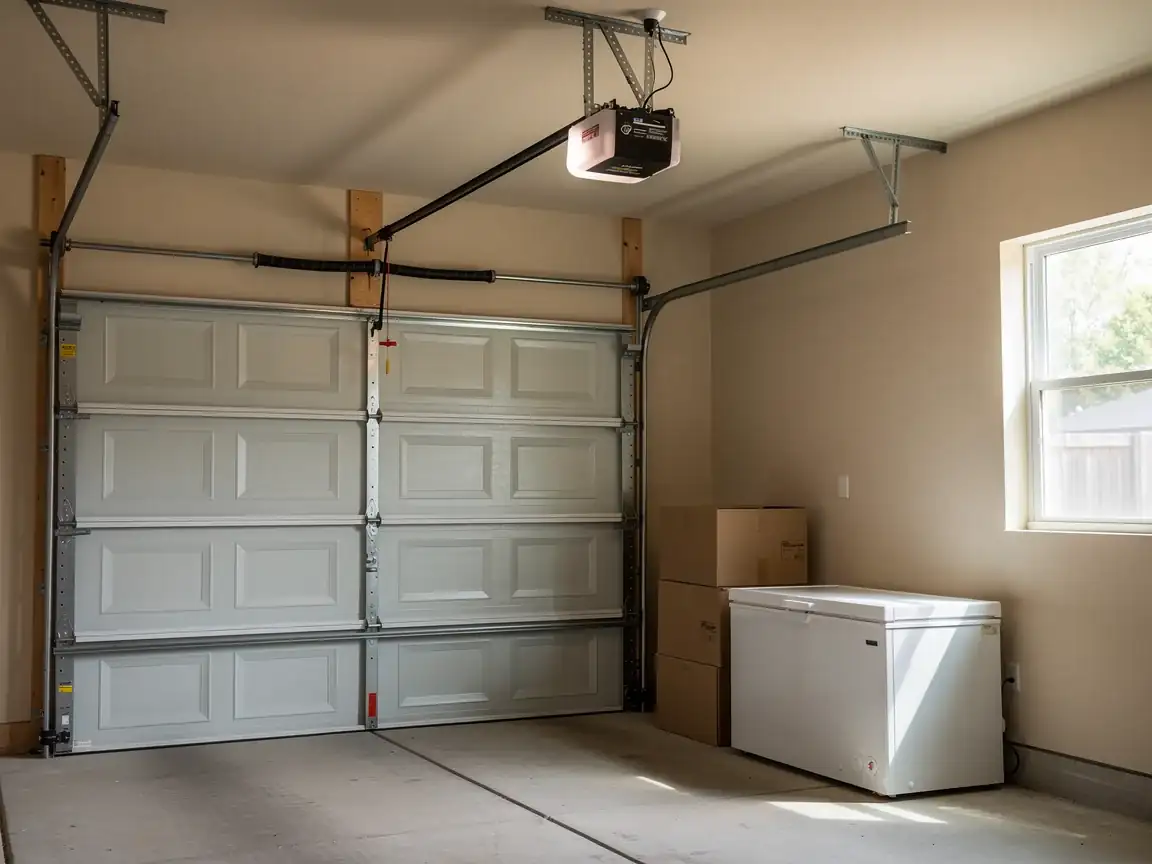
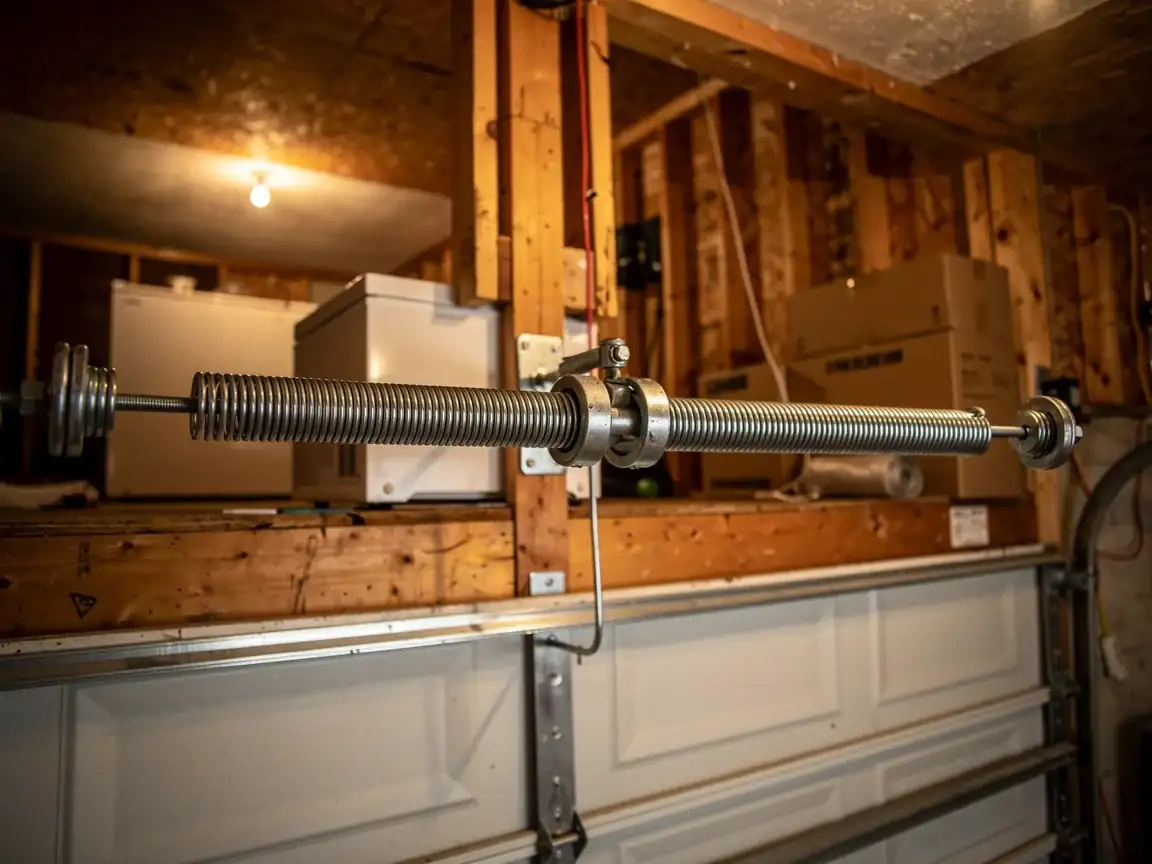
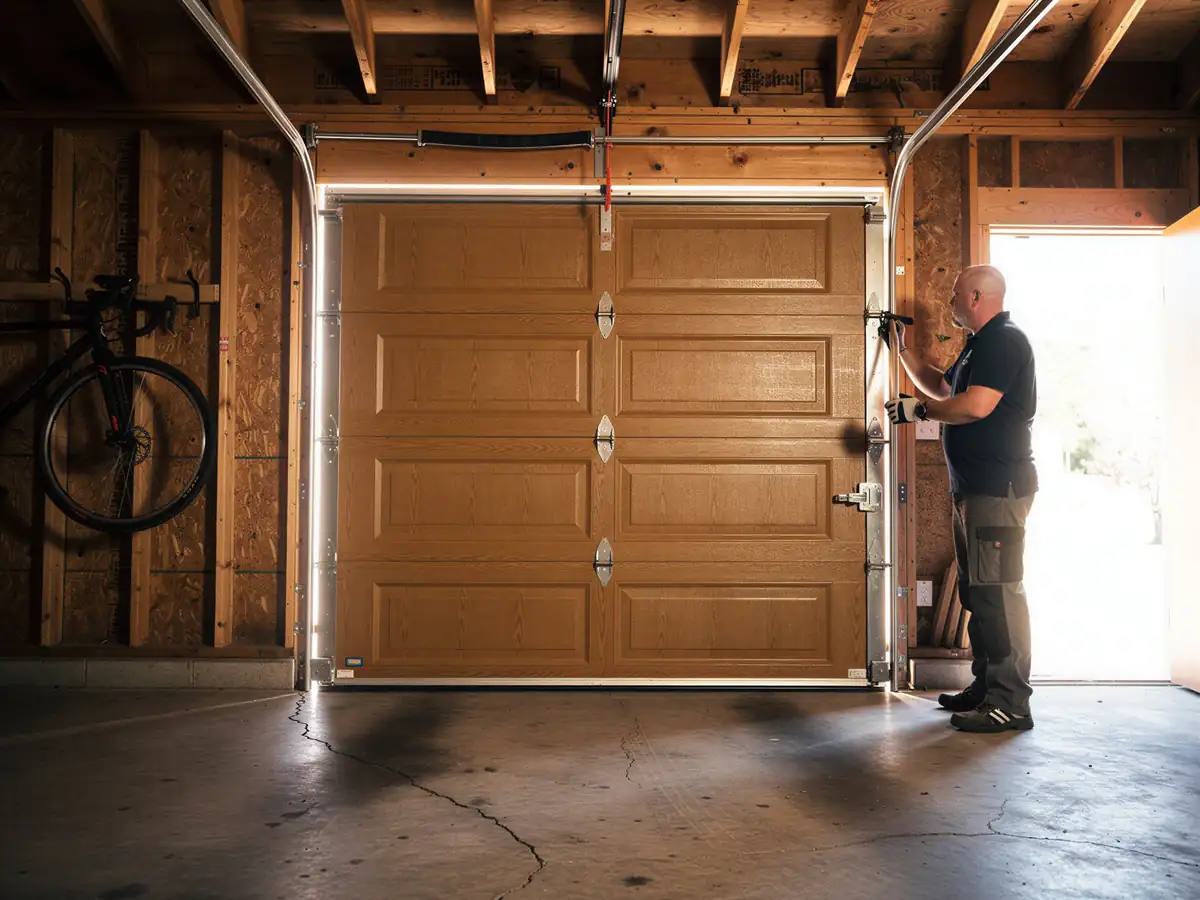
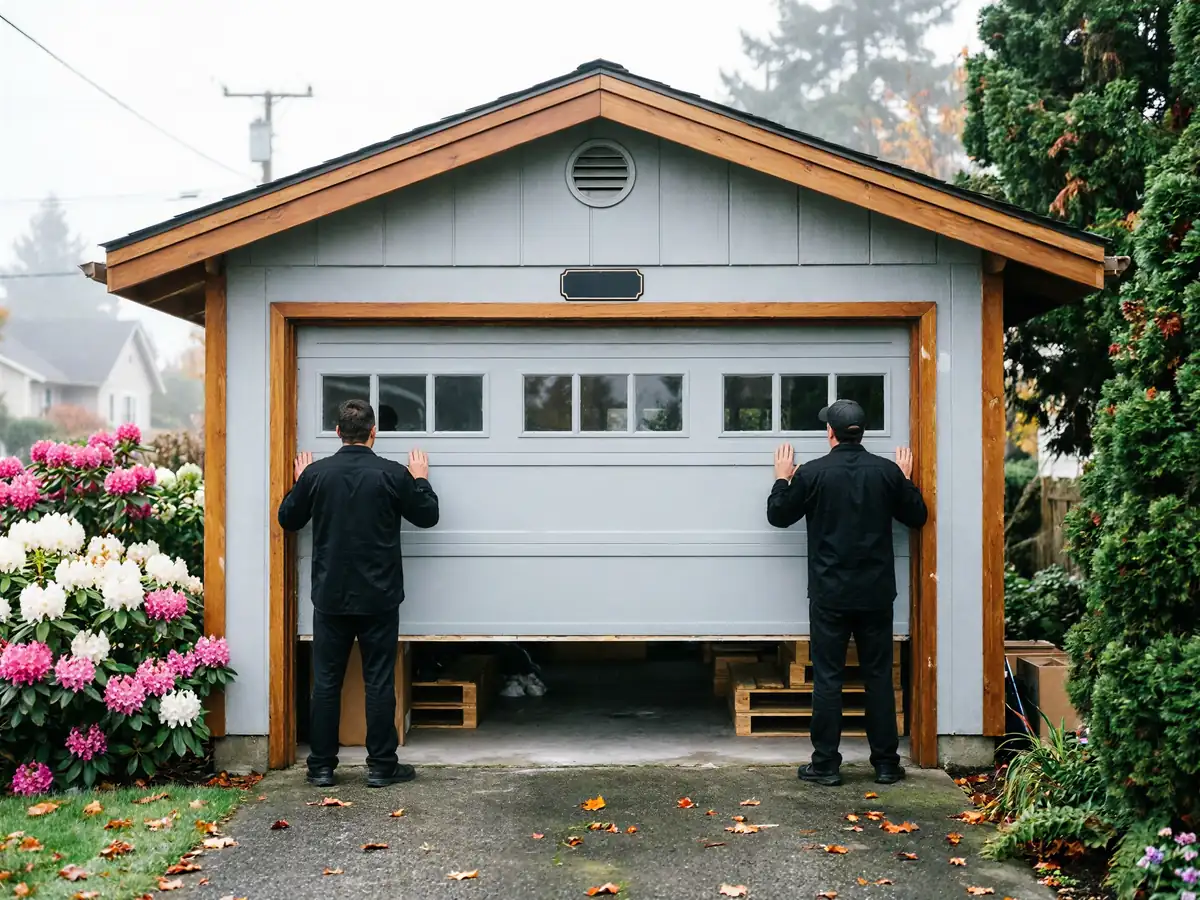
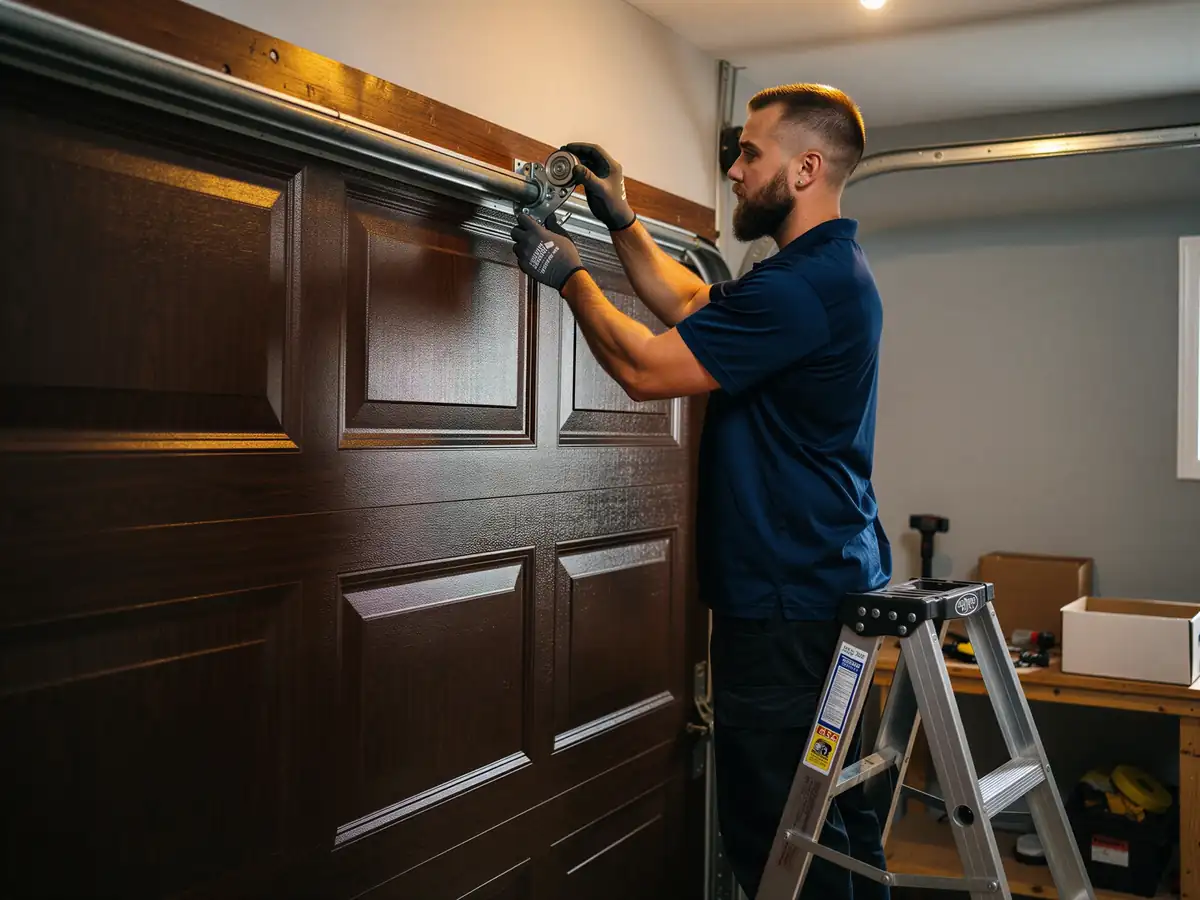
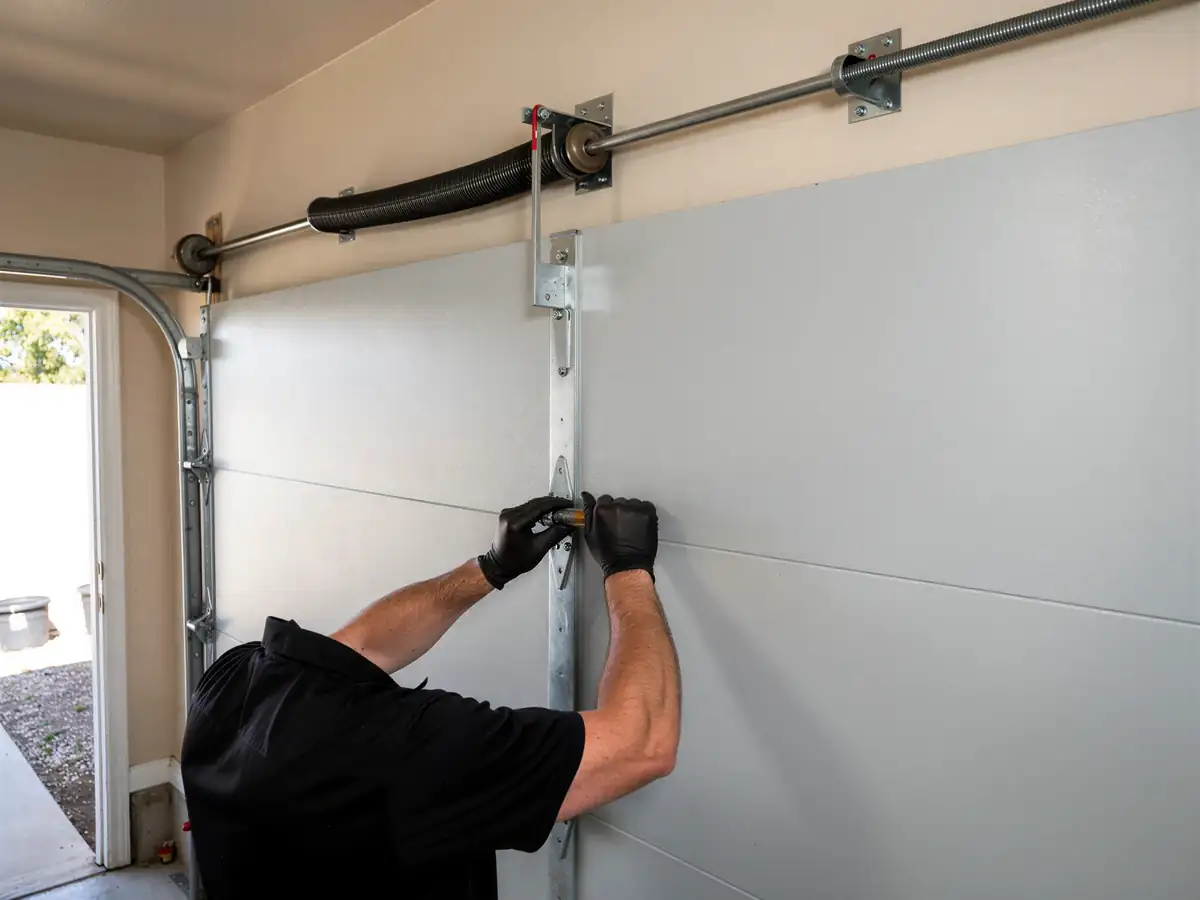
The doors going up in Cedar Mill in the early 1990s came with torsion springs rated for a particular door weight and a particular lift style, and after thirty-odd years those springs are at or past the end of their duty cycle. The symptom shows up as a door that groans on the way up, hesitates about a third of the way, or needs a shove from the opener motor that it didn't need five years ago. On a household budget like this suburb's - median income here runs well above the wider area's figure - people often let a noisy door run for months because it still works, which is the wrong call with a spring near the end of its life; a spring doesn't wear out gracefully, it lets go. The second common symptom is a roller track that's shifted slightly out of parallel, which on a 30-year-old frame shows up as a door that rubs on one side near the top but closes fine at the bottom.
How Long You Are Without the Door
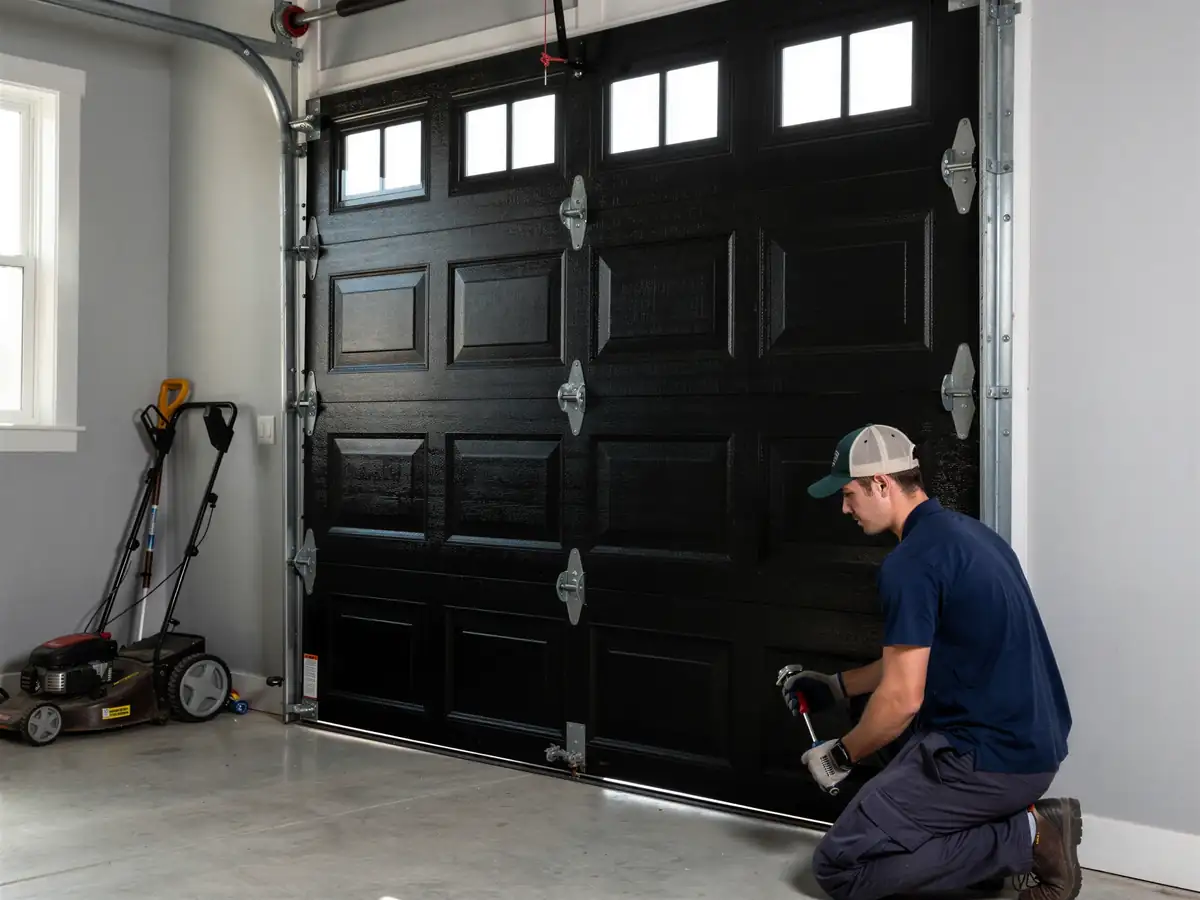
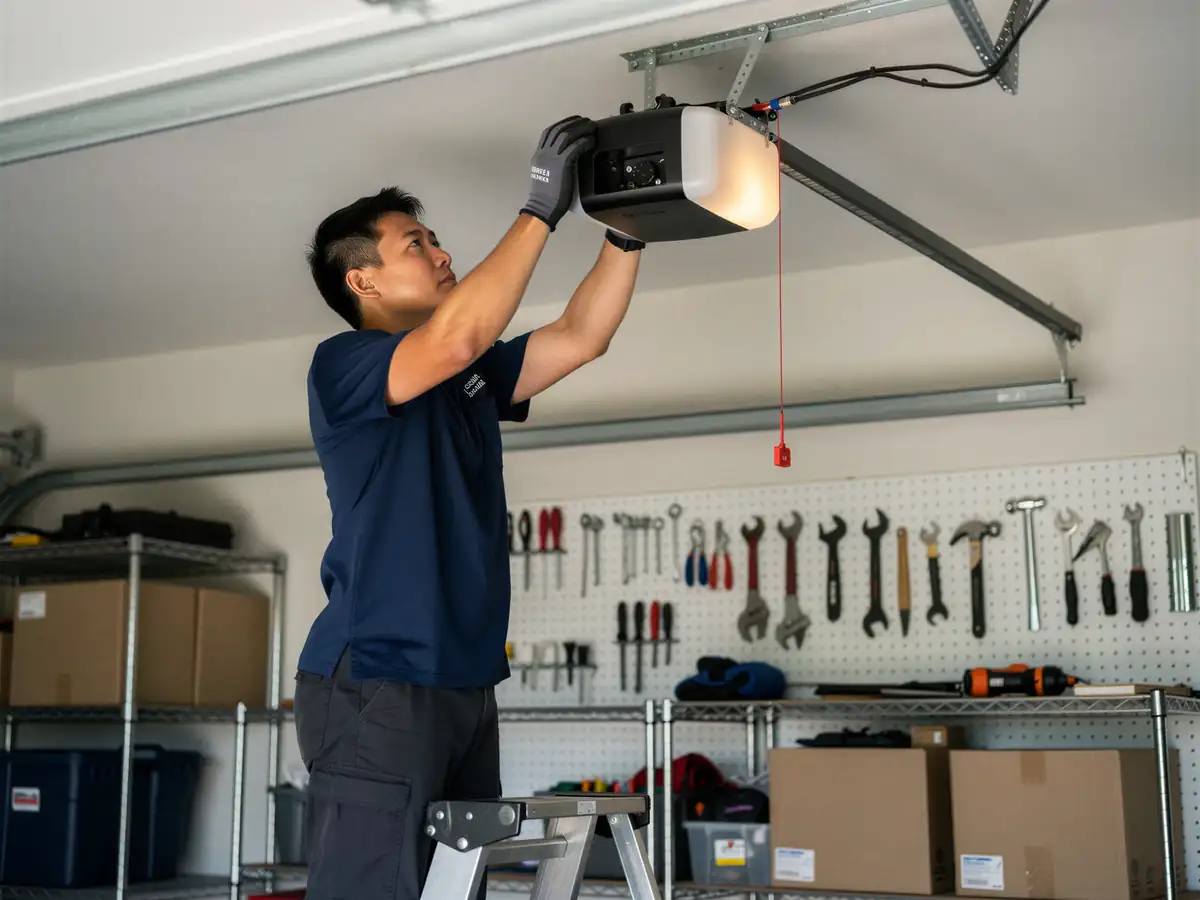
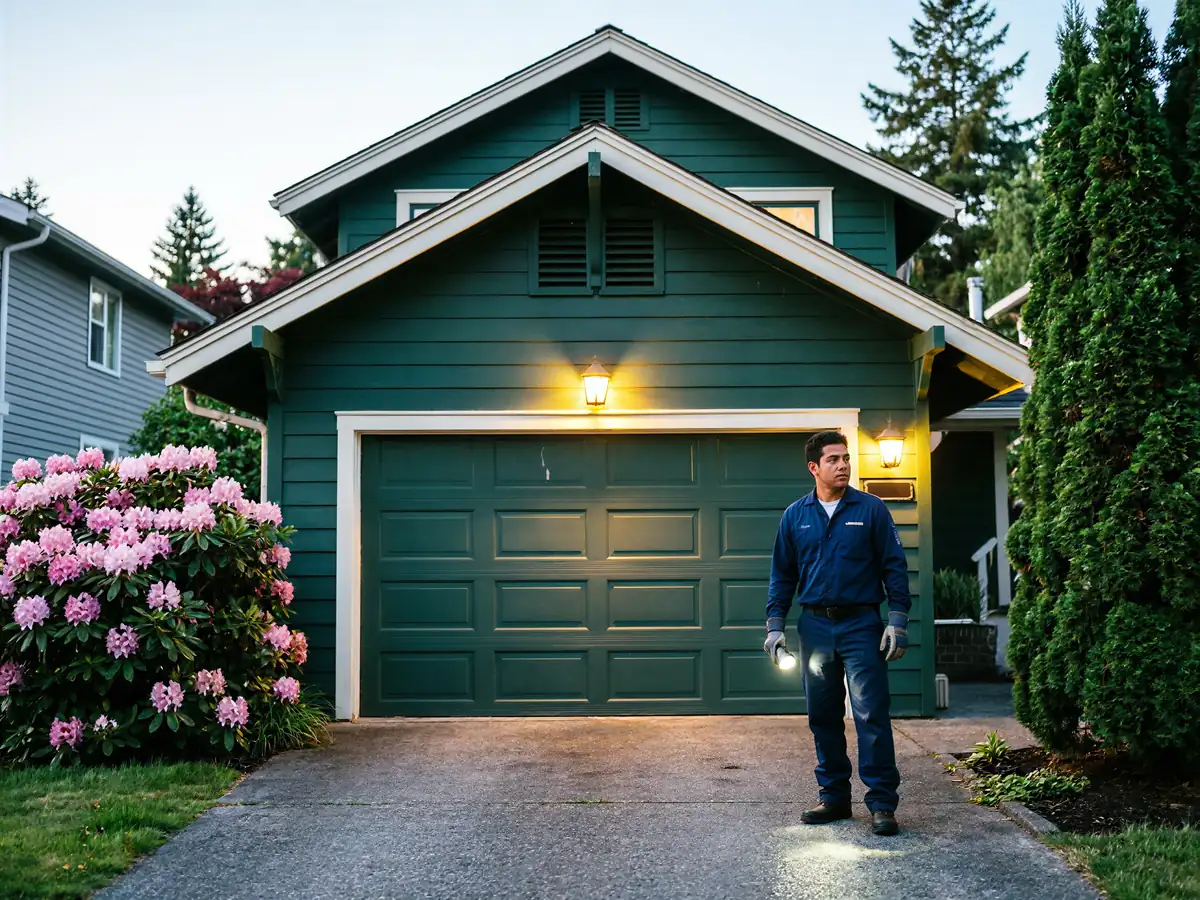
A straightforward maintenance visit - lubrication, hardware tightening, roller and cable inspection, balance check - doesn't take the door out of service at all; you keep using it while the work happens. If the visit turns into a spring swap because of what we find, the door is out of commission for the active part of that job, typically well under half a day, and you get it back the same visit. We don't keep a branch in Cedar Mill, so the time to get a truck out from Oregon City is part of your scheduling window - plan the call rather than expecting a same-hour arrival. Parts for doors from this era are not exotic, so there's no waiting on a special order for the common failure points; the delay, if any, is travel time, not parts time.
Why It Happens Here
Cedar Mill's housing mostly went up in a tighter window than some of the surrounding area - call it early 1990s construction, which means the original hardware across much of the suburb is aging out at roughly the same time. That's different from a town with housing stretched across forty years, where failures trickle in steadily; here they tend to cluster, which is also why a lot of these calls sound alike when they come in. Layer onto that a cold, moderate climate pattern typical of this part of Oregon - temperature swings that stiffen grease and shrink metal tolerances in the cold months - and a spring or hinge that was already near its rated cycle count gets pushed over the edge faster than it would in a milder spot. None of this is unique to any one street in Cedar Mill; it's a function of when the neighborhood was built and what the winters do to hardware that old.