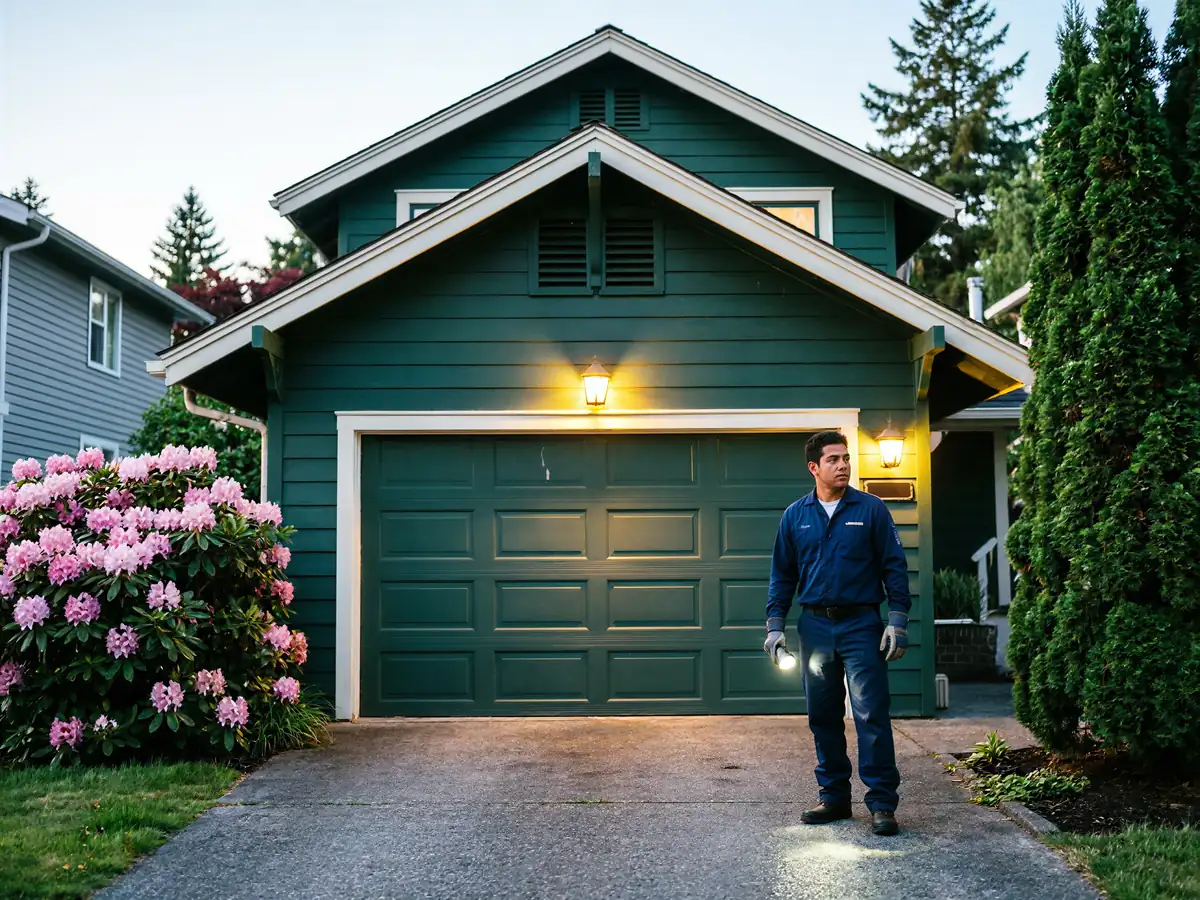
The Symptom
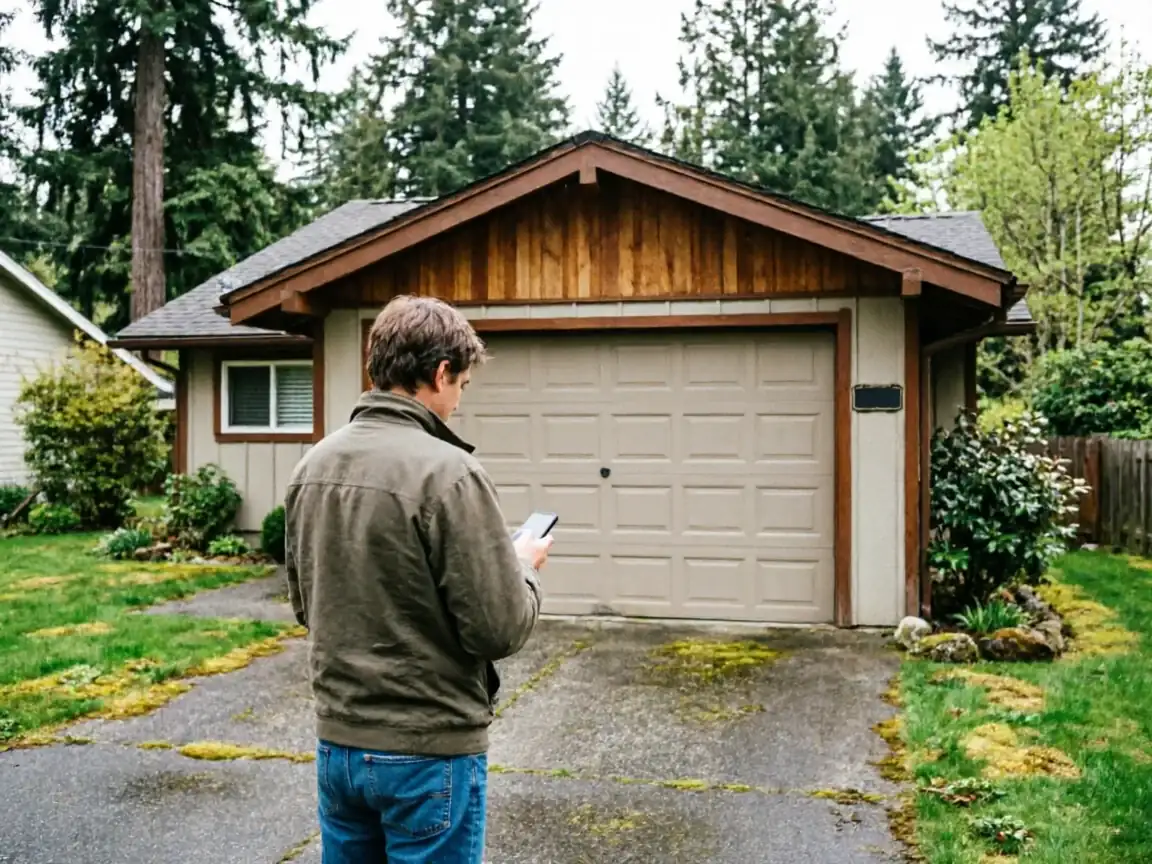
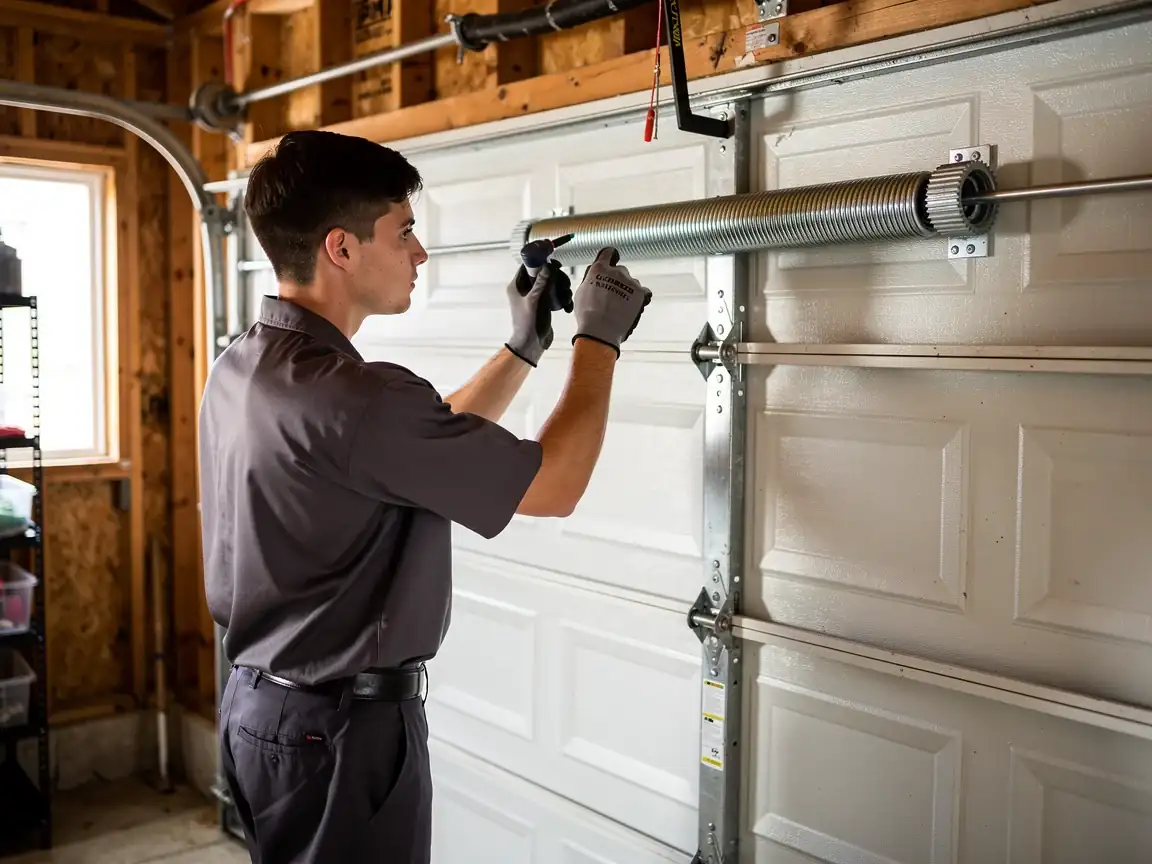
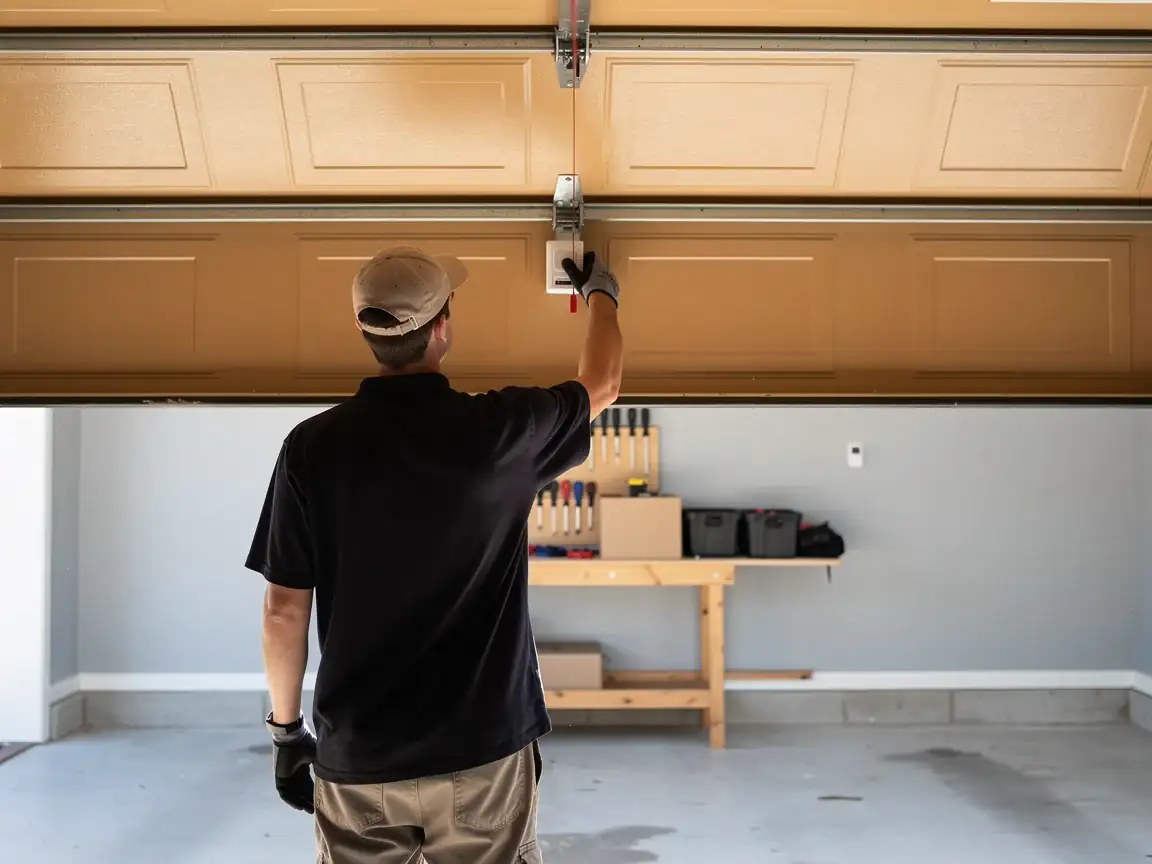
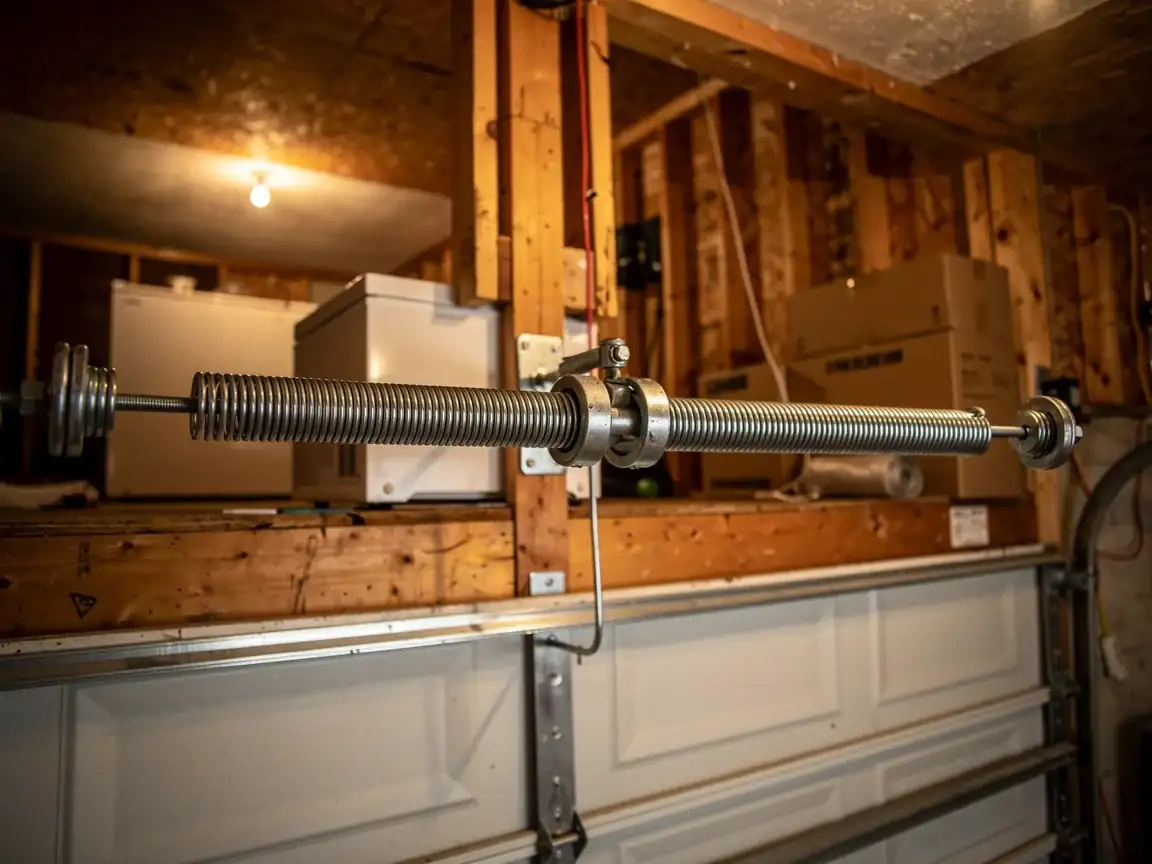
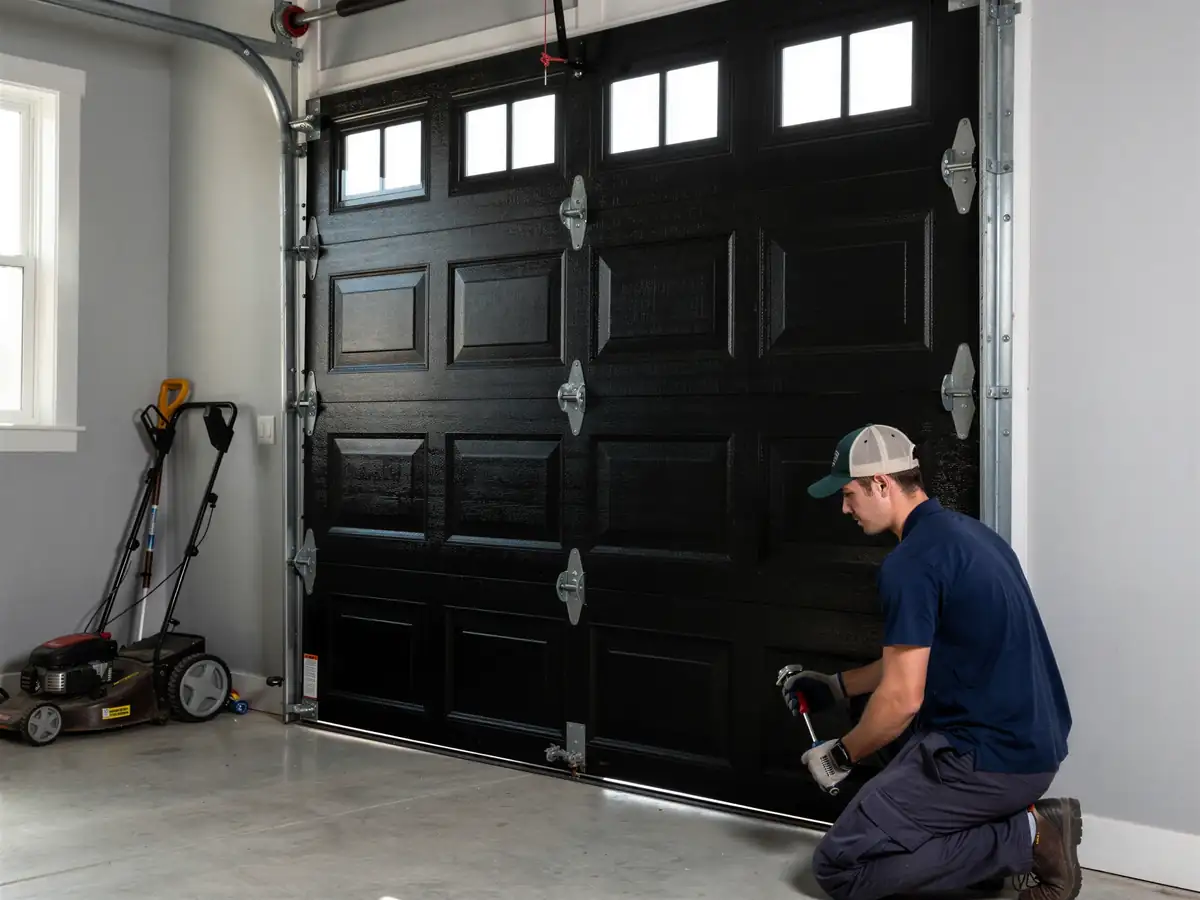
The most common call out of Cedar Mill is a door that reverses halfway up, or won't close past a few inches - usually a worn roller binding in the track, or a safety sensor knocked out of alignment, not a dead spring. Doors from the early 1990s on torsion hardware tend to fail at the cable drum or the bearing plate before the spring itself goes, which is different from the snapped-spring calls we get from older stock elsewhere in the service area. If your door makes a loud bang and won't move at all, that's more likely a broken spring, and that one we treat as the urgent case.
How Long You Are Without the Door
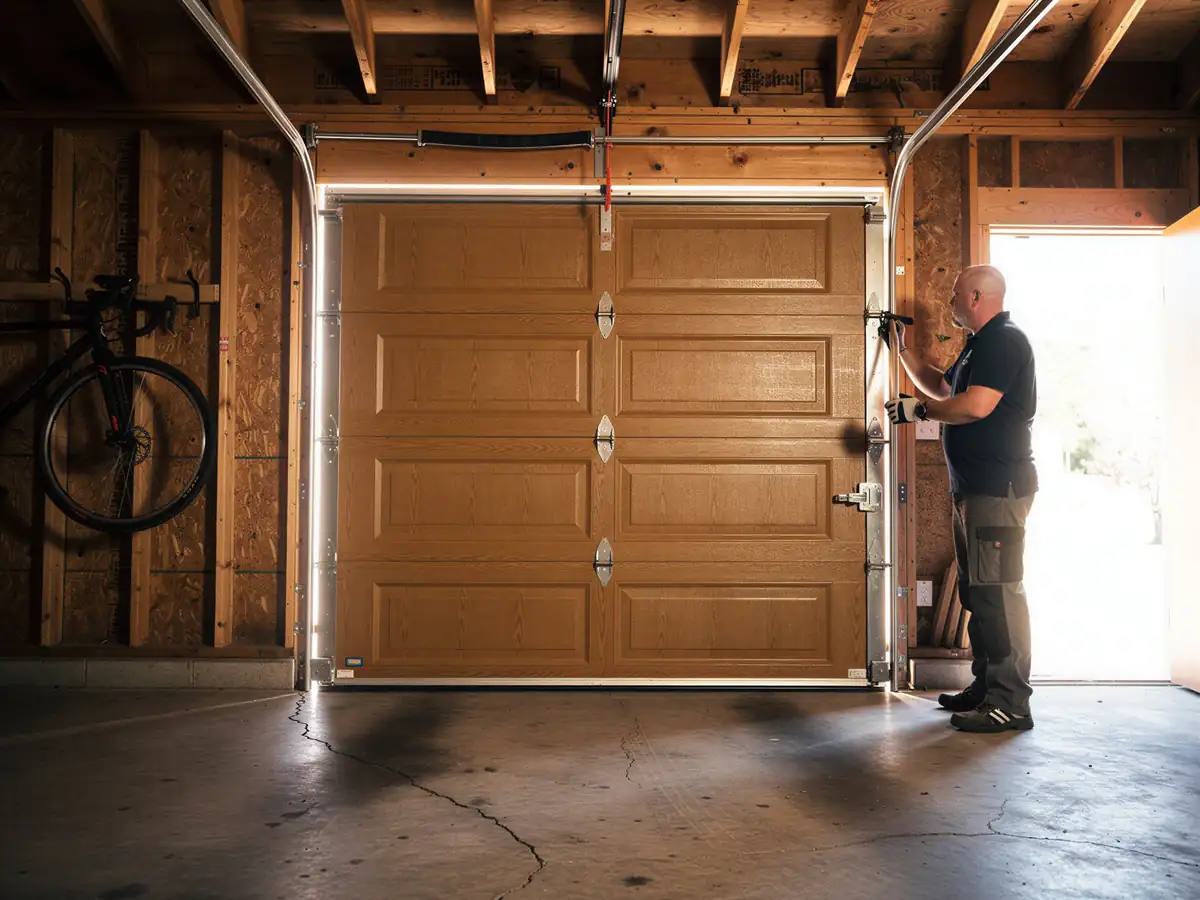
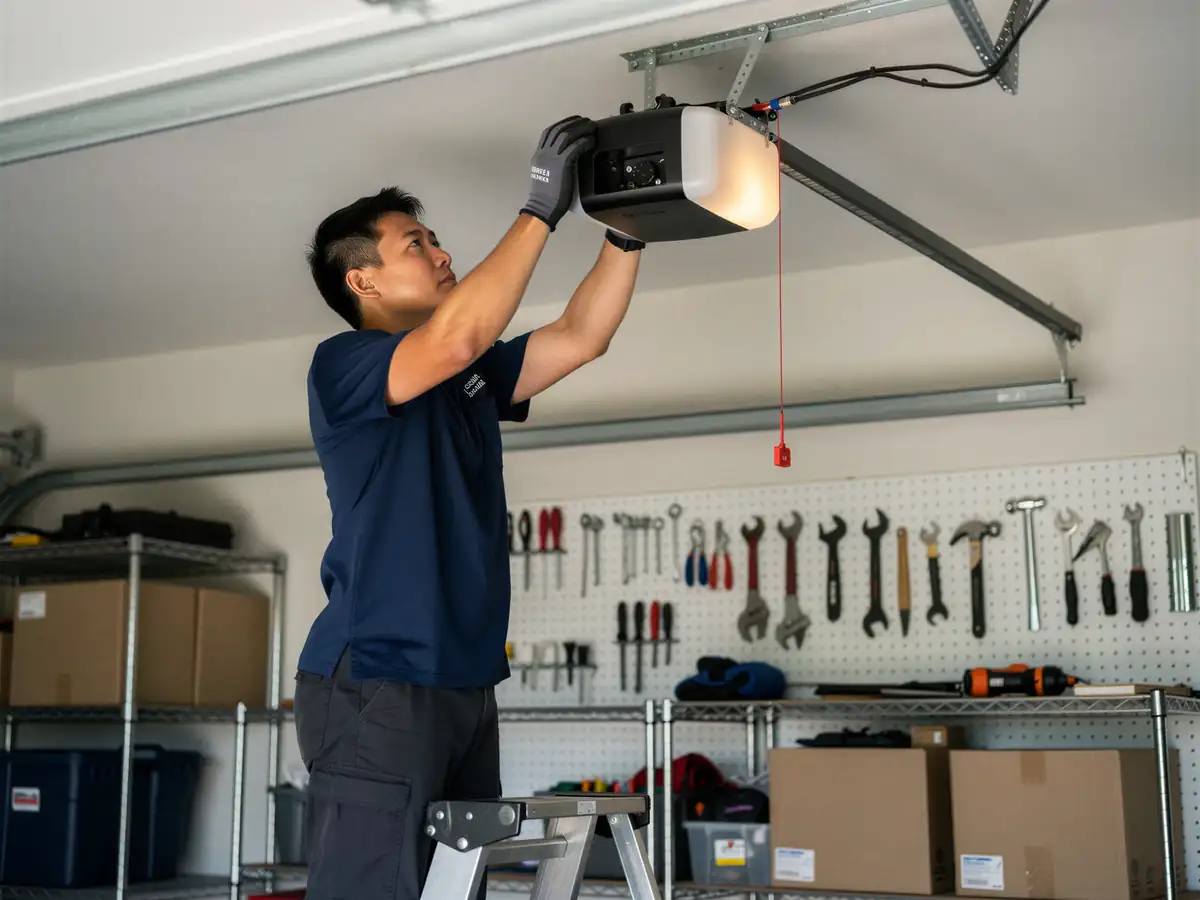
We run this call from Oregon City, 17 miles out, so the drive itself is part of the math on a Cedar Mill job in a way it isn't for closer stops. That distance means we load the truck for the repair we expect based on what you describe on the phone - we don't carry a full warehouse, so a part we don't stock means a second trip. For the common failures on 1990s-built doors (roller, sensor, cable, standard spring), we carry what's needed and the door is usually closed and working again in one visit. A less common opener part is the exception, not the rule, for houses this age.
Why It Happens Here
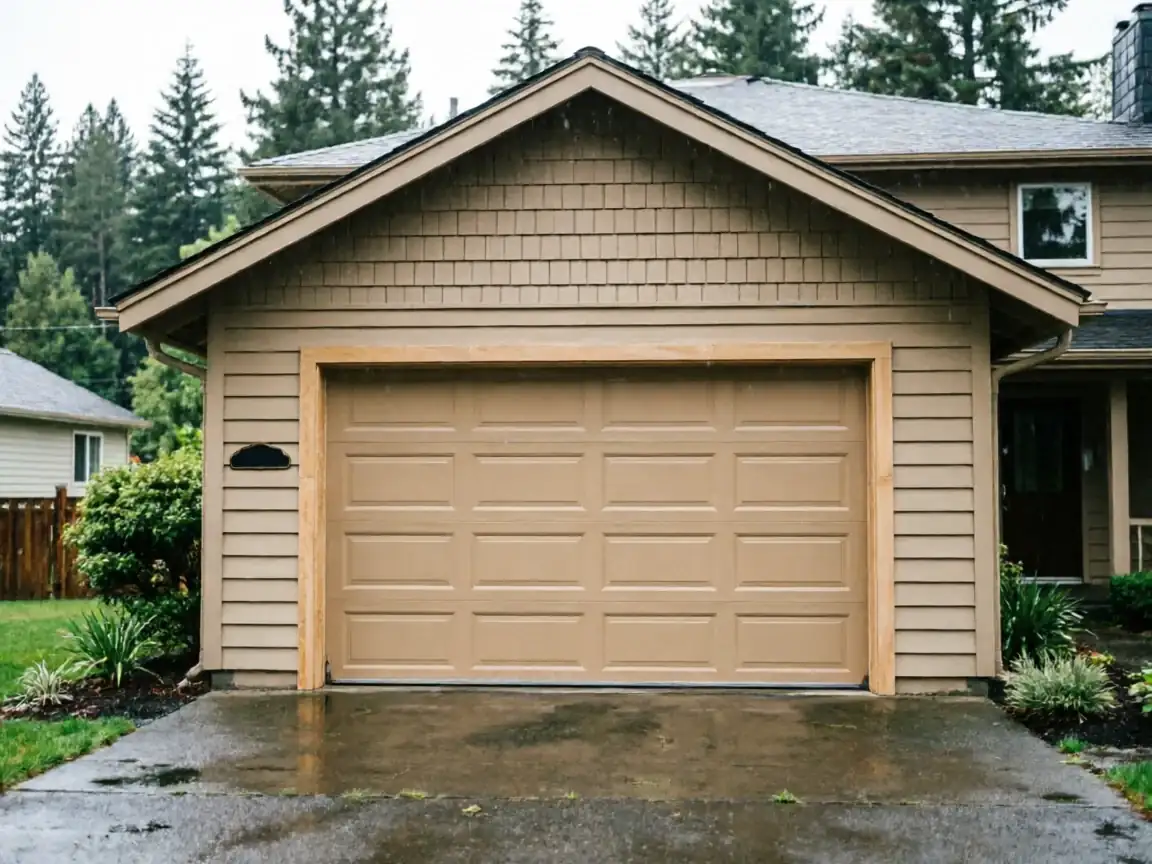
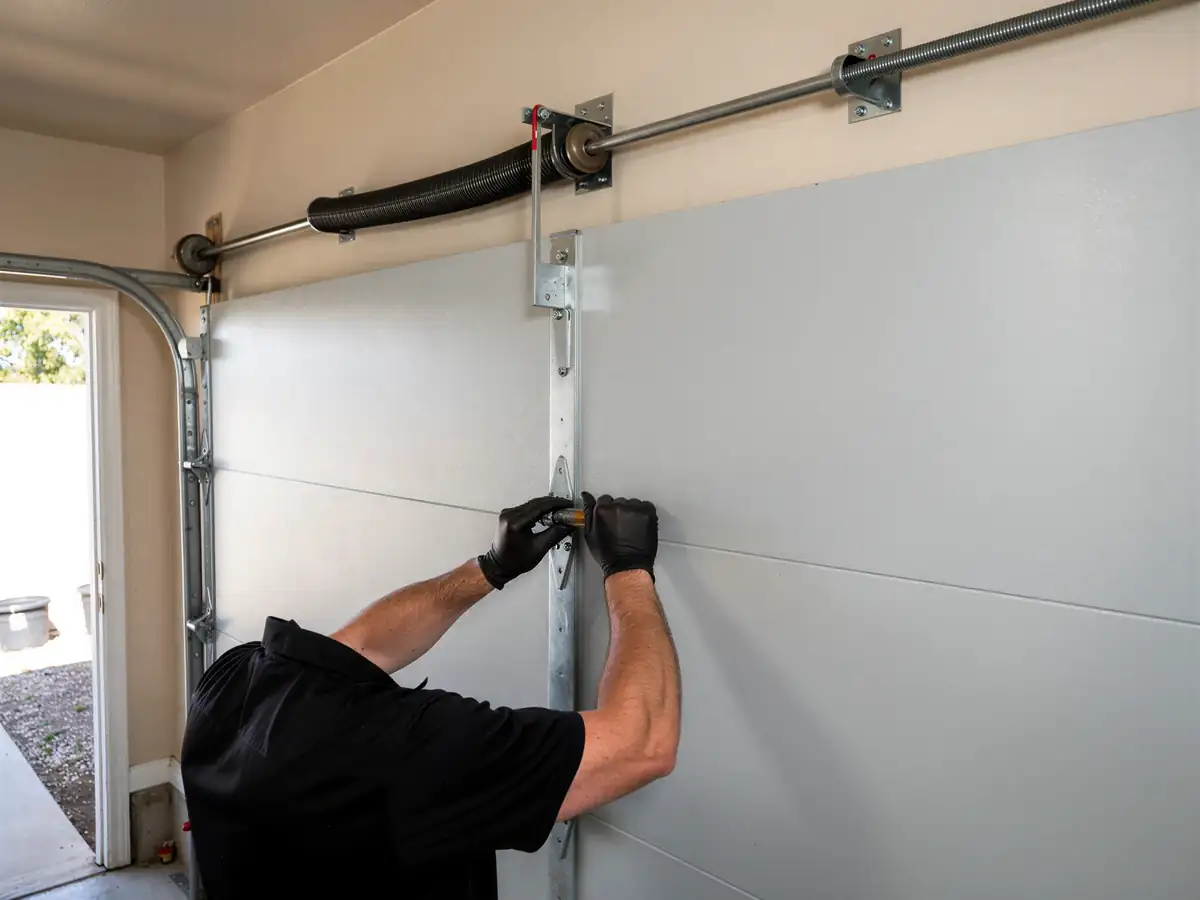
Cedar Mill sits in a cold-moderate climate band like the rest of this service area, and temperature swings through the year work on steel springs and track hardware the same way regardless of when the house was built - metal contracts, lubrication thins, and a spring that was already near the end of its cycle count lets go on a cold morning. What's different here is the housing stock: a median build year of 1992 means most doors are original sectional steel on torsion springs rather than the older extension-spring setups common in neighborhoods built before 1965. That narrows what we expect to find under the hood before we even leave Oregon City.