The Symptom
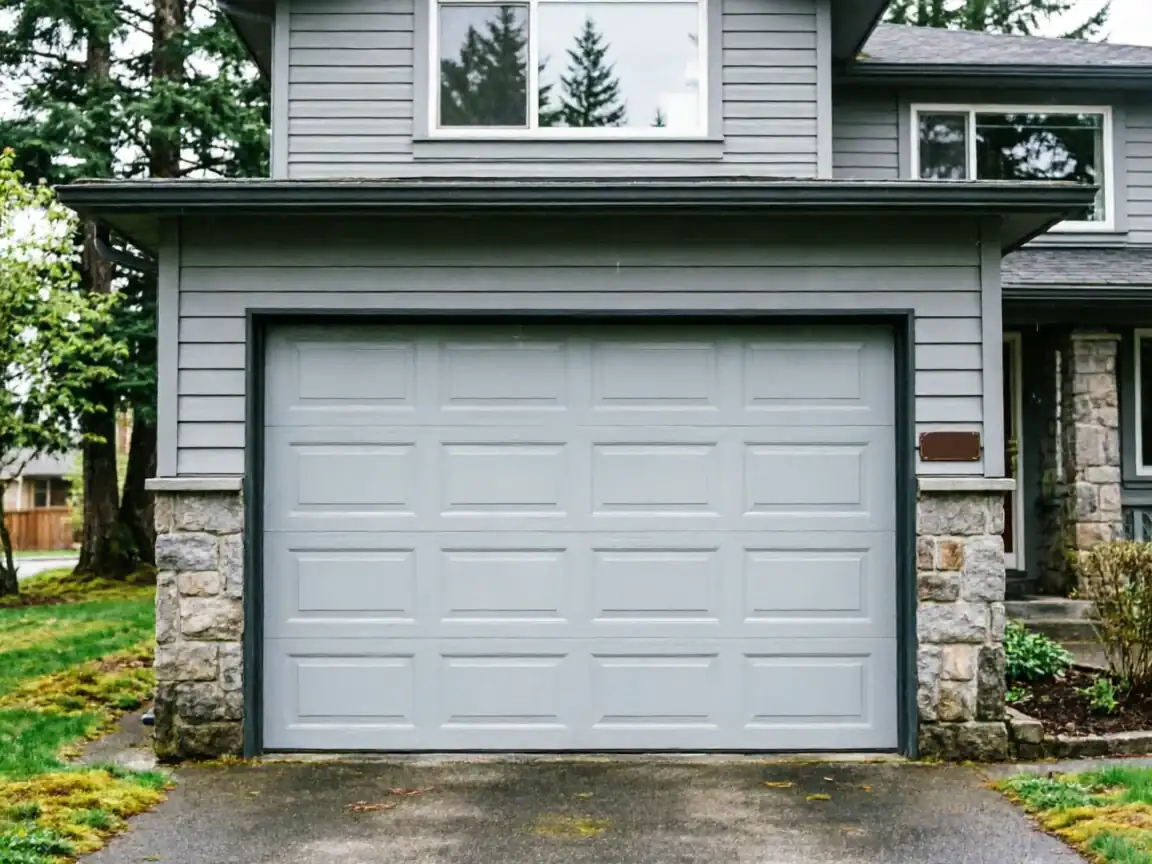
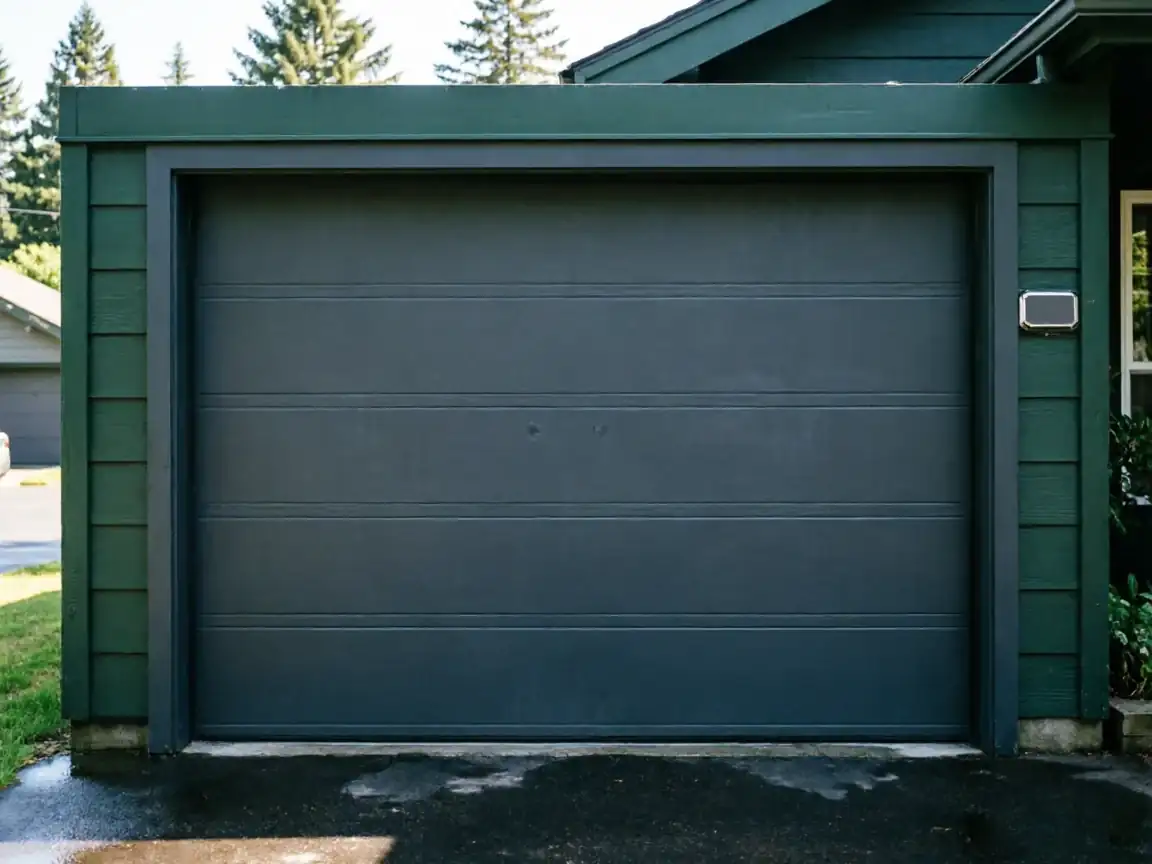
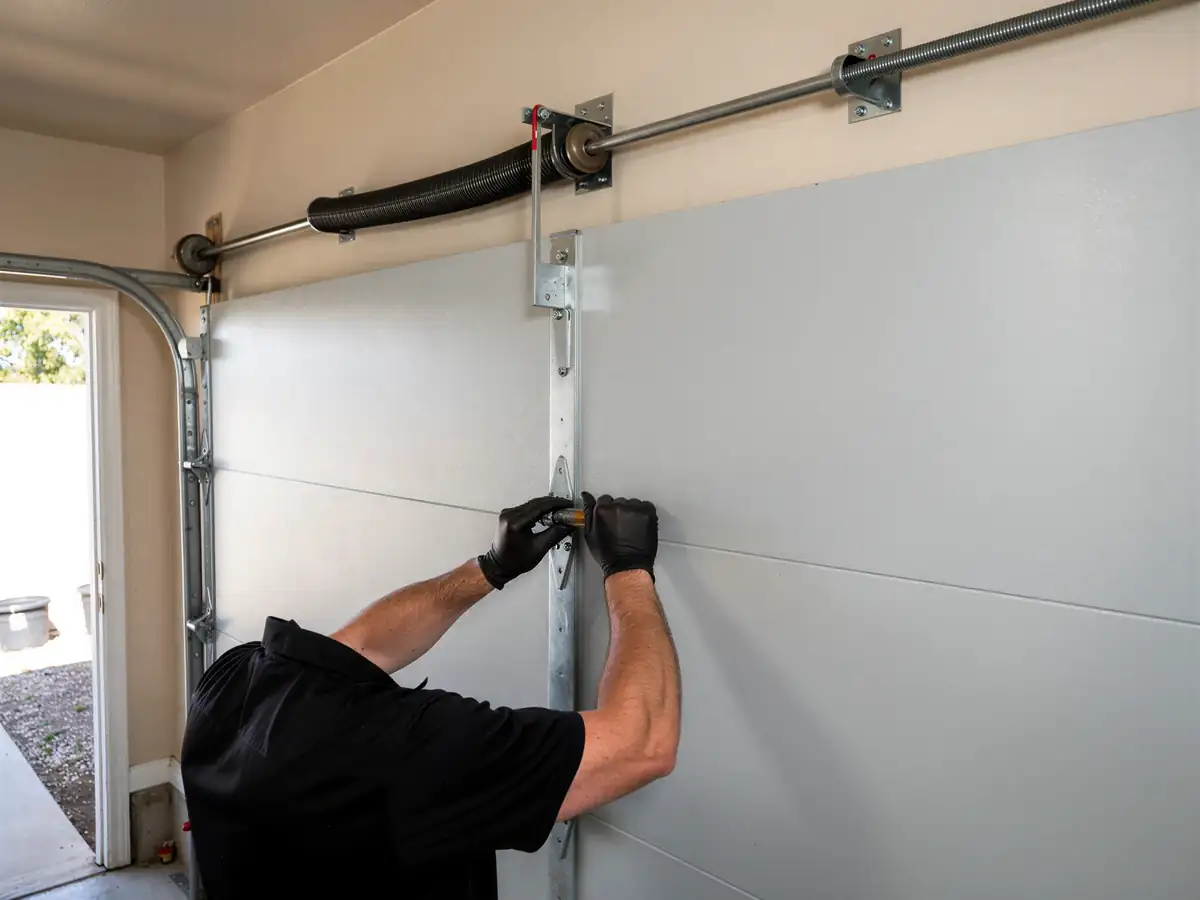
On a door built around 1992, panel failure usually shows up as a dent or a crease from an impact - a car bumper, a dropped bike, a ladder - rather than the rust-through rot you see on older original doors elsewhere in the service area. The steel from that era holds up fine against weather; it just doesn't bounce back from a hit. You'll see the crease running horizontal across one section, sometimes with the panel bowed enough that a roller pops its track on that side. Less common but still real: a seam separating where two sections meet, usually after years of a door getting slammed shut. If the door still opens and closes without binding, it's very likely one panel, not the whole unit.
How Long You Are Without the Door
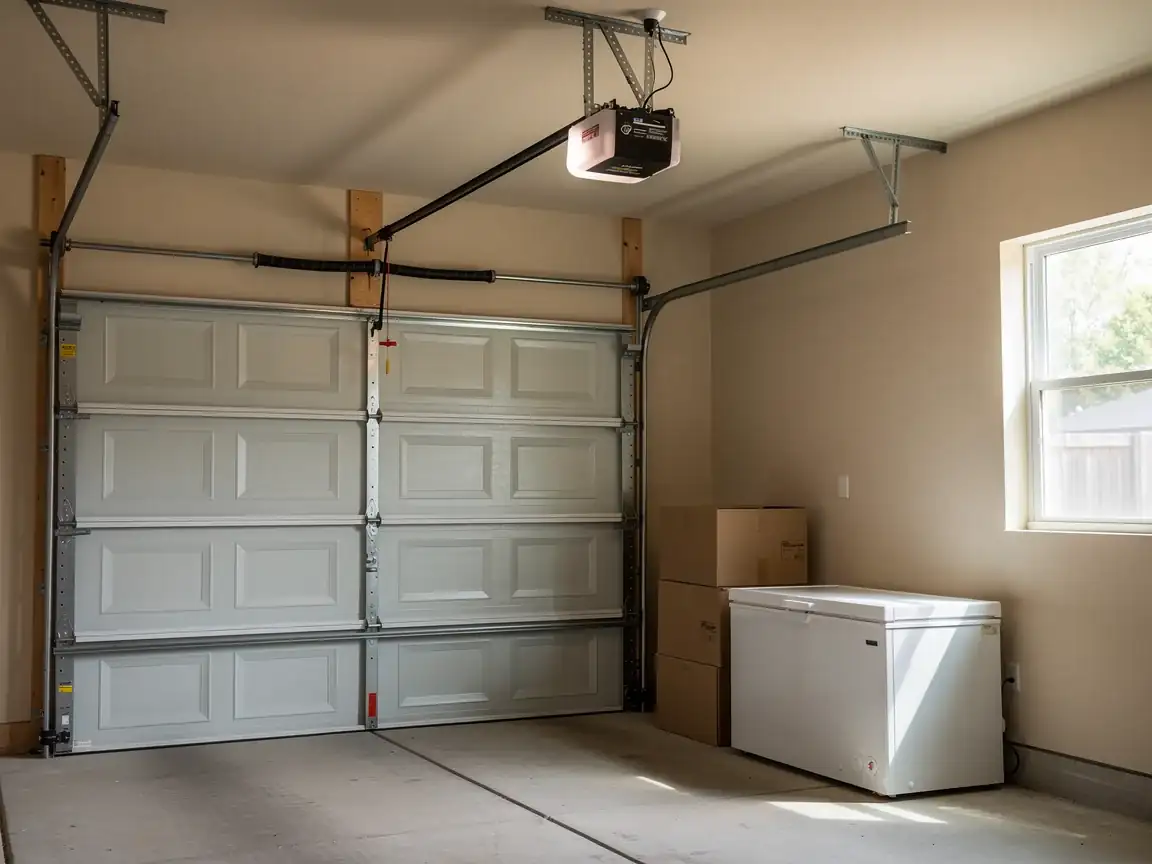
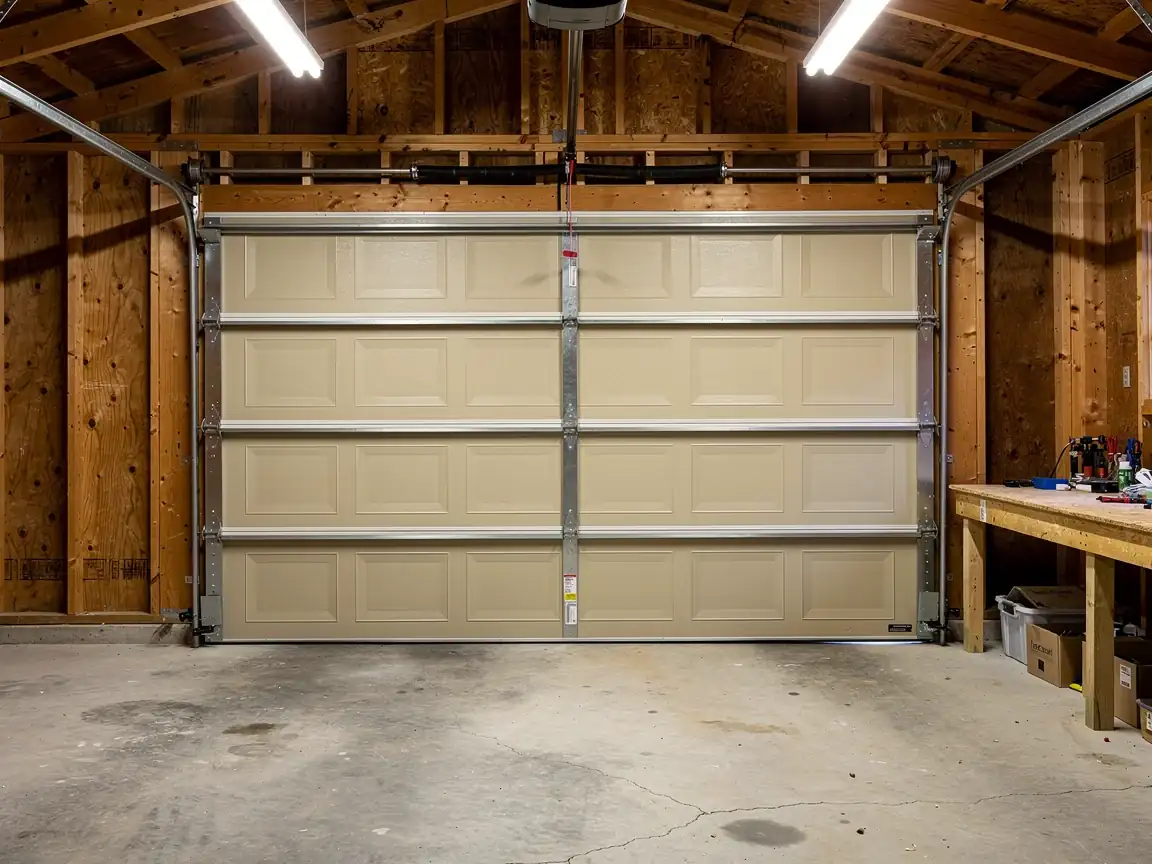
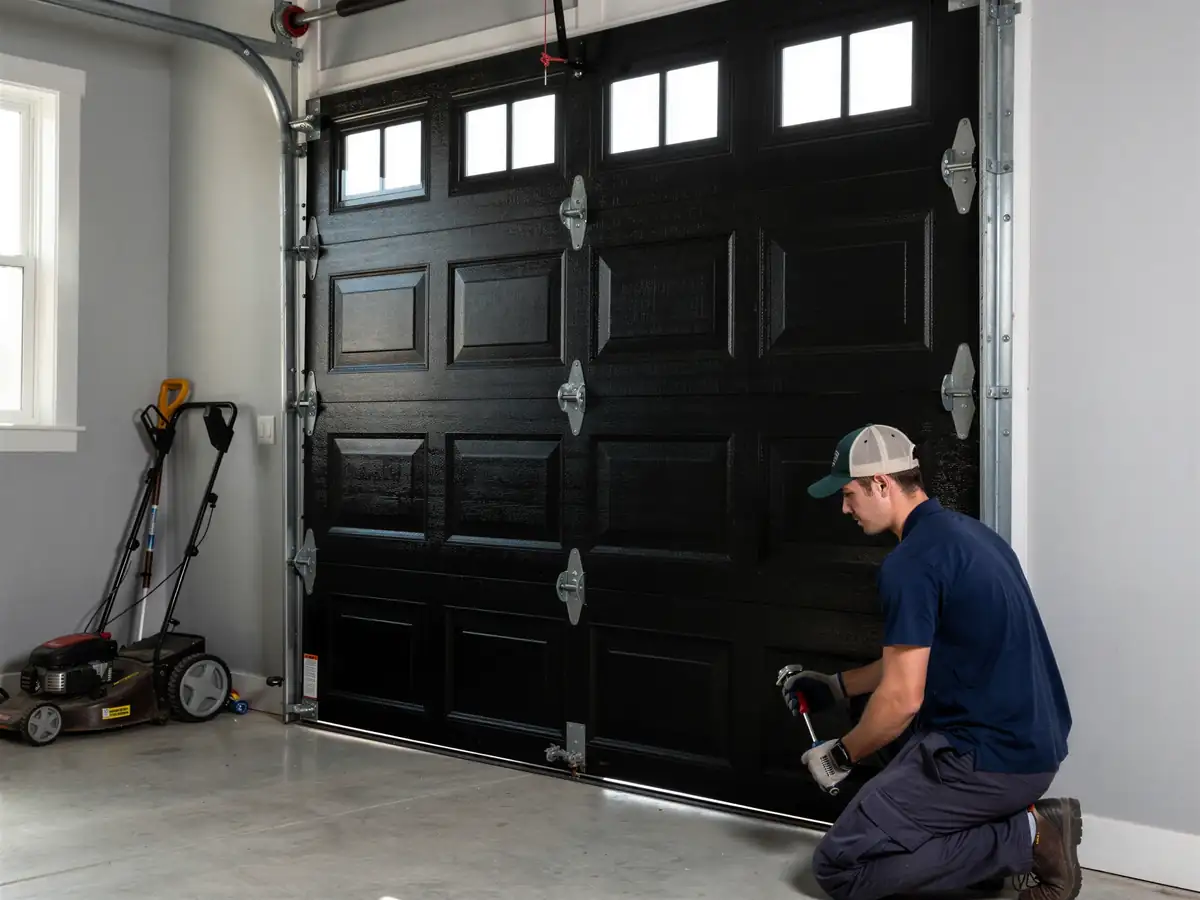
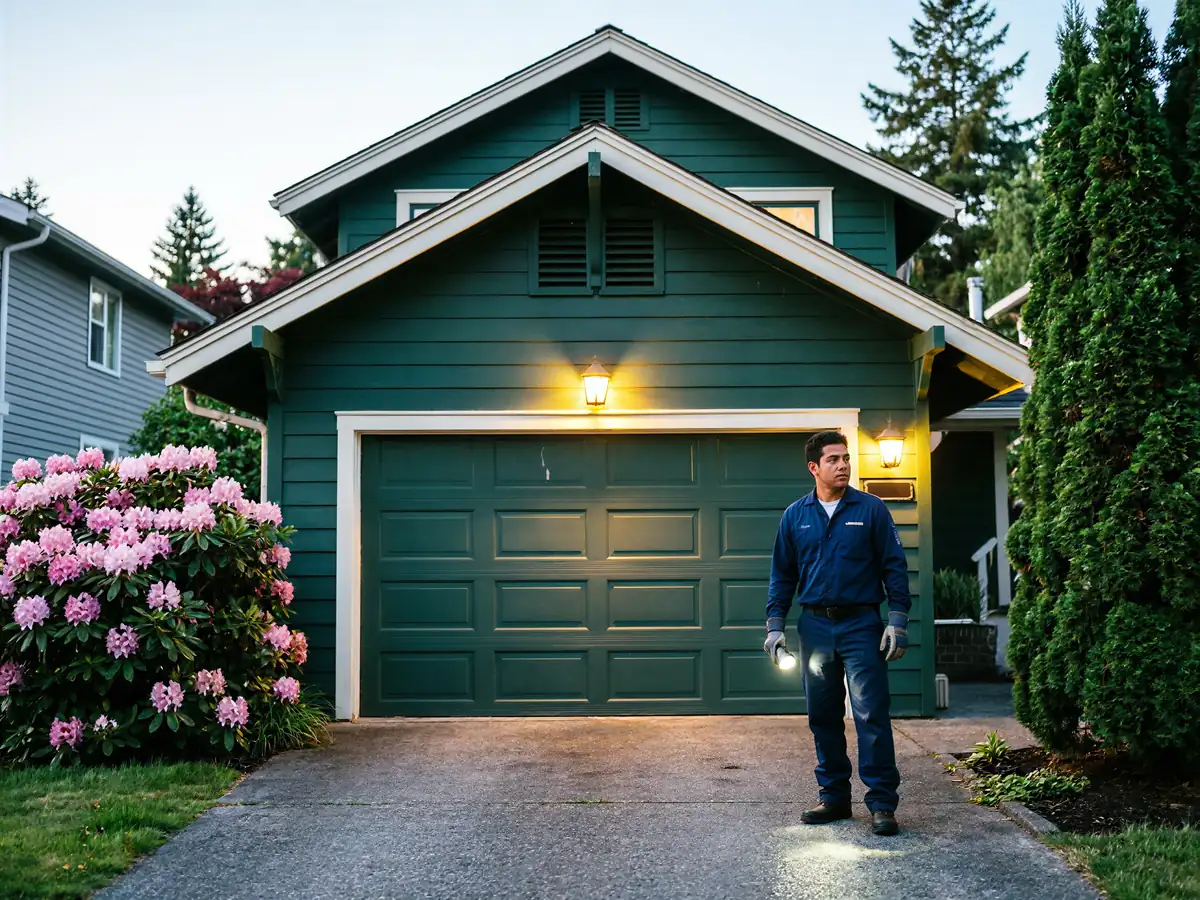
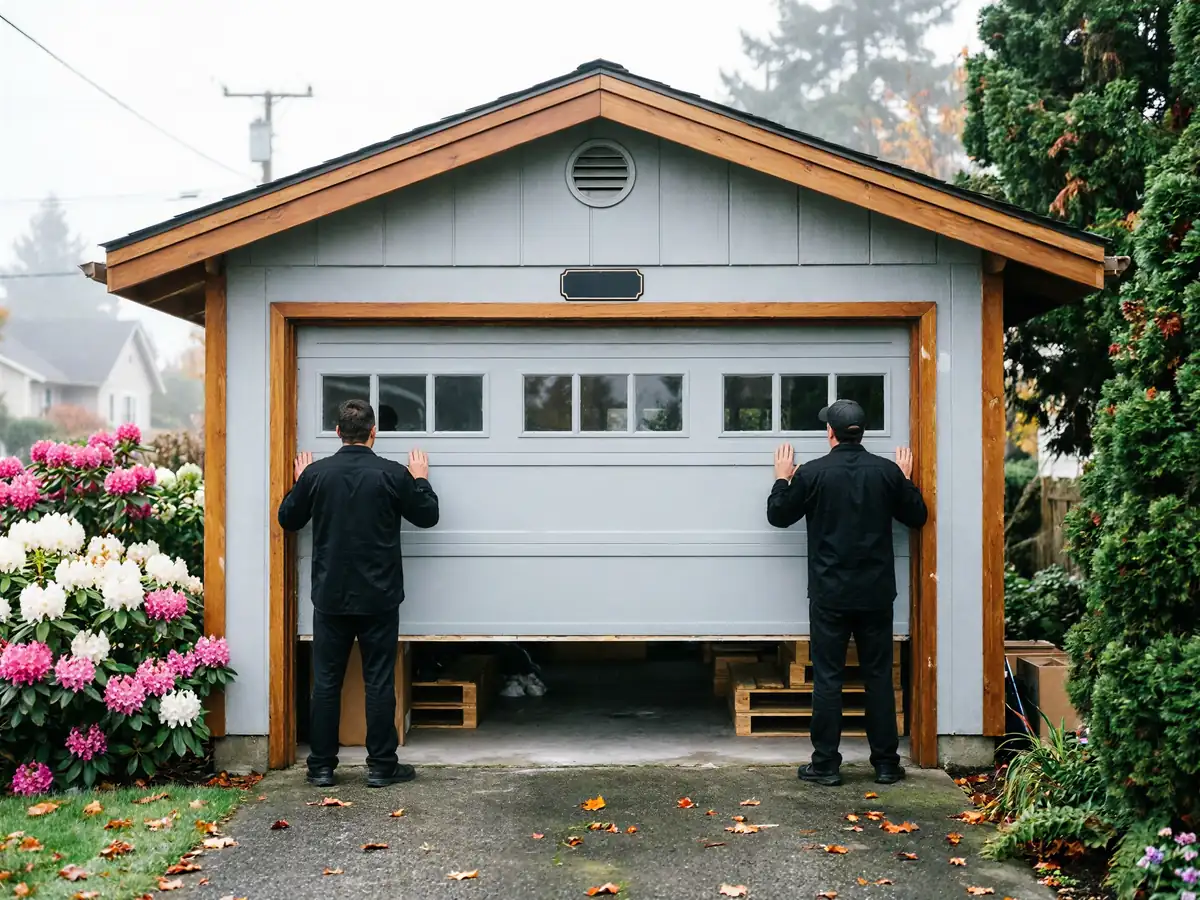
We run out of Oregon City, and Cedar Mill sits about 17 miles out, so factor that drive time into when we can get there - we're not going to promise a same-day window we can't back up from this distance. Once we're on site with the right panel in hand, swapping a single section on a sectional door built to 90s-standard sizing is usually a same-visit job. The variable is the part: if your exact panel profile isn't one we're carrying, it goes on order, and the door may need to wait a few days with the damaged section braced or taped rather than fully functional. We'll tell you which situation you're in before we book the appointment, not after.
Why It Happens Here
The region sits in a cold-moderate climate band, and Cedar Mill's roughly 6,578 households see the same freeze-thaw cycling as the rest of the service area, but on doors this age the bigger factor is simply decades of daily use meeting steel that was built to a lighter spec than what's sold today. A 1992 door wasn't engineered for the insulated, heavier panels common now, so when one section takes a hit, the stress shows up as a crease rather than a shatter. Combine that with a service area where the broader housing stock runs a decade older on average, and Cedar Mill ends up a slightly different repair profile than the towns closer to the 1982 median - newer hardware, fewer rust failures, more impact damage.