Why It Happens Here
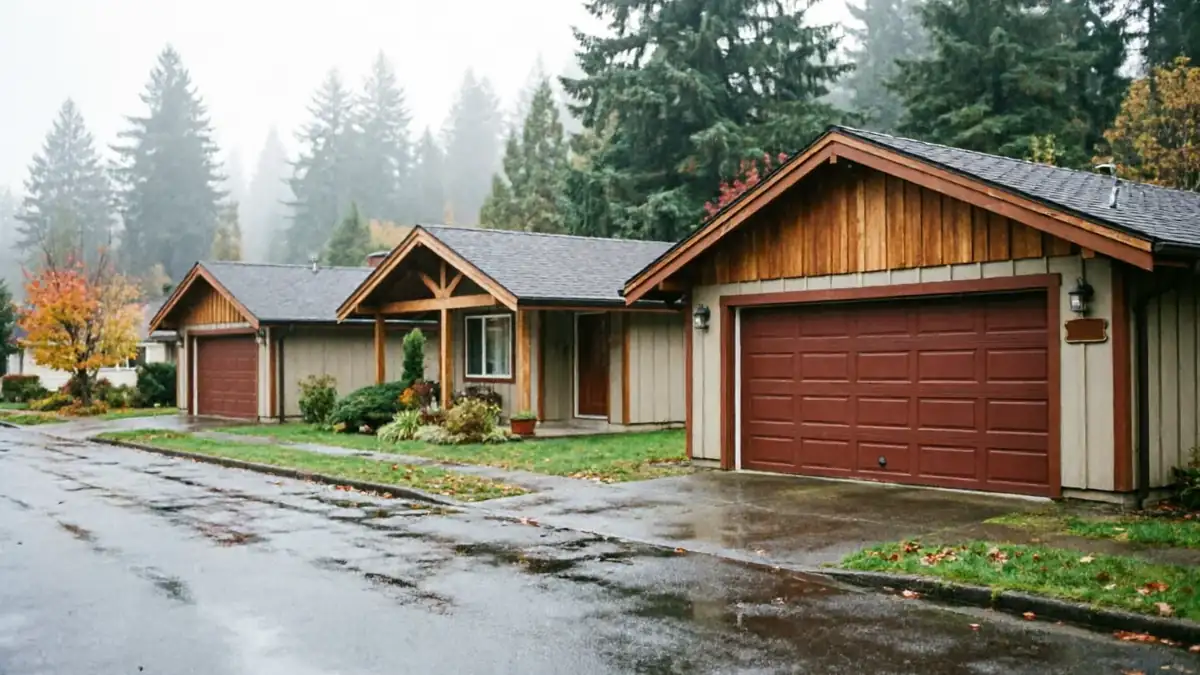
Most houses in this service area went up between 1964 and 2003
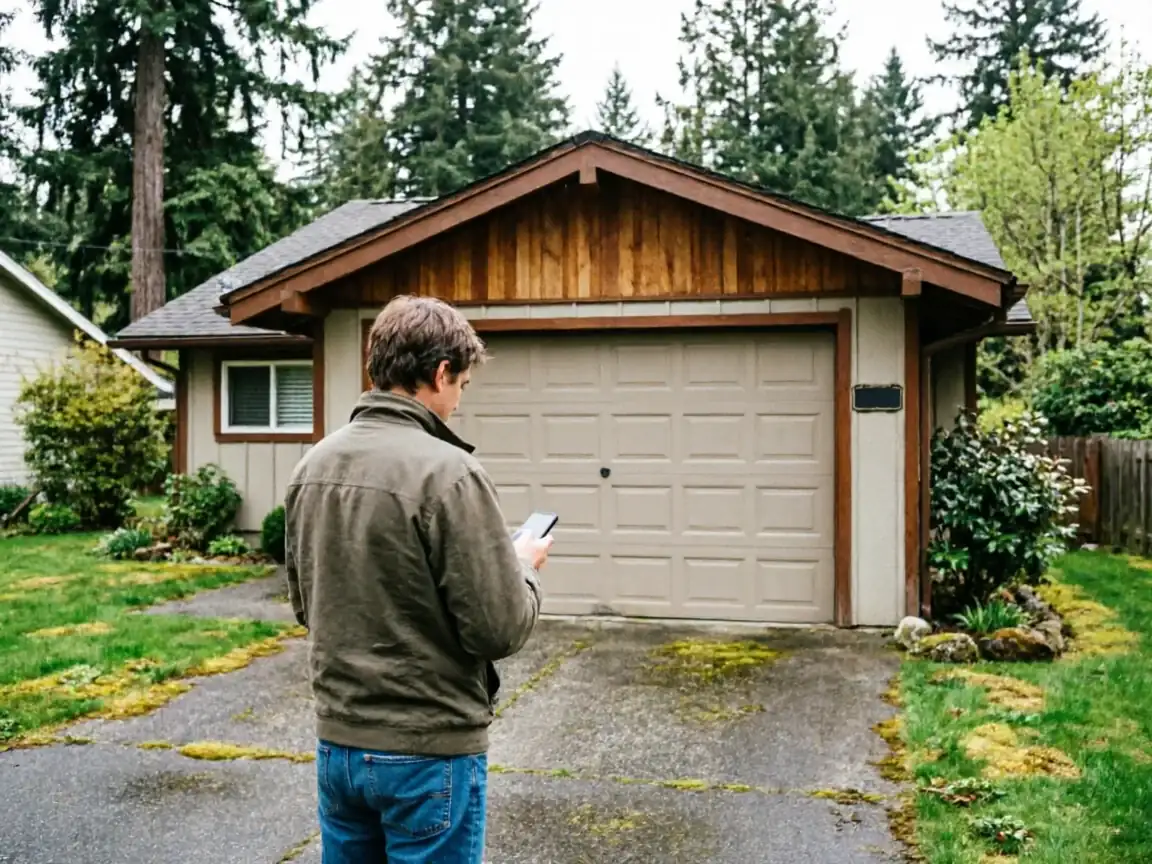
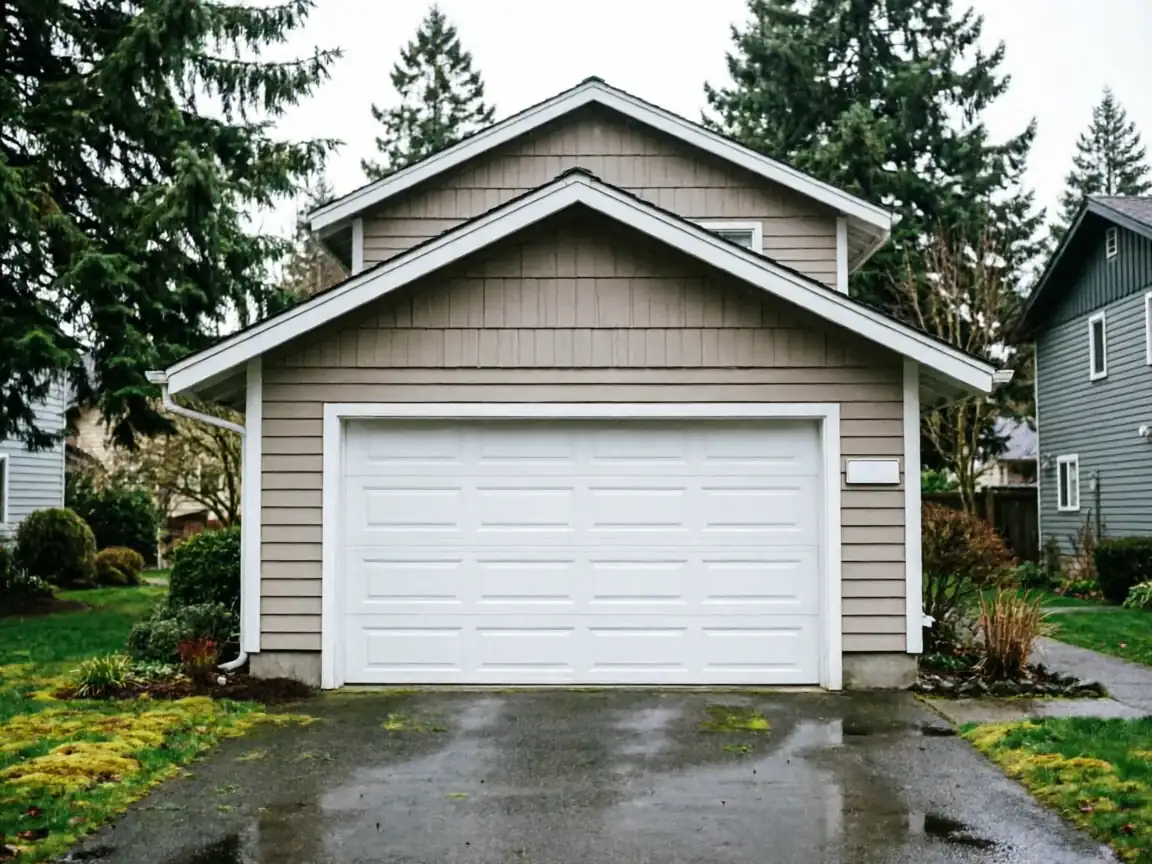
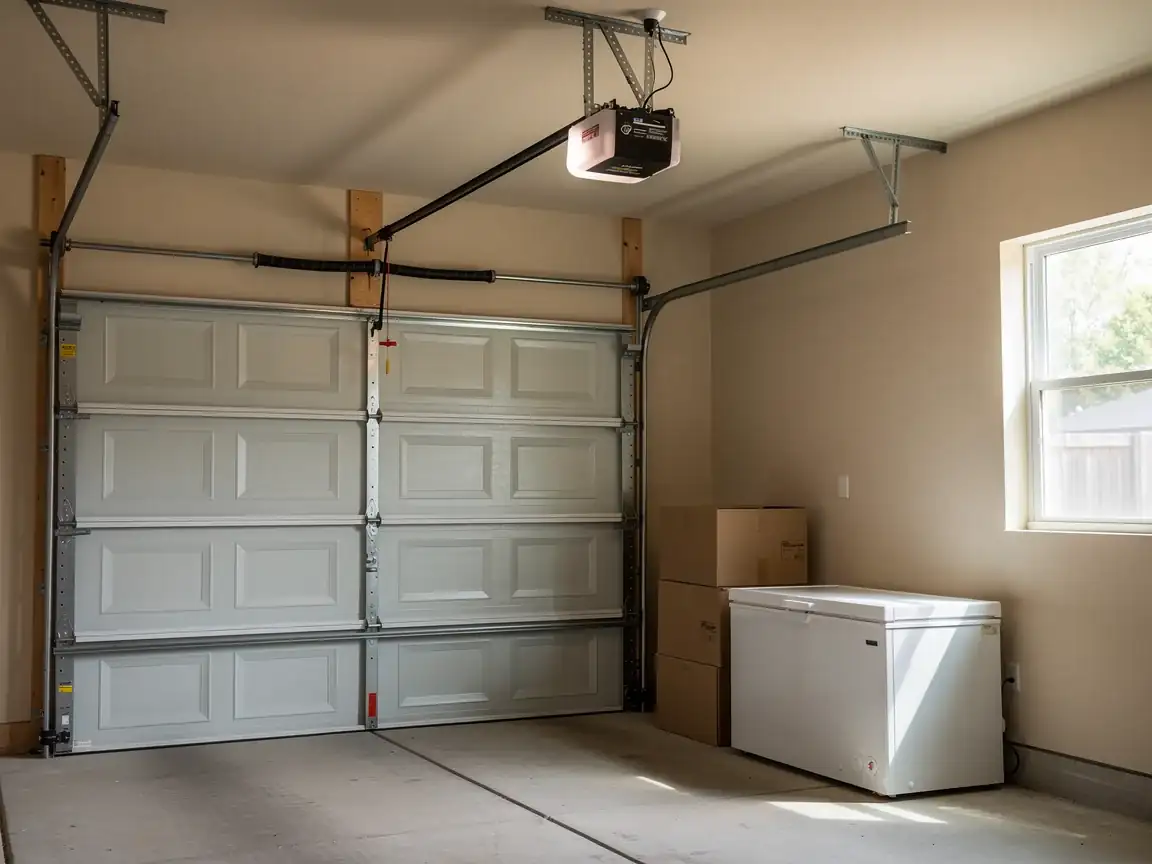
With the median build year landing around 1982. That means a huge share of the openers still running today are the same chain-drive units that came with the house, or a direct replacement installed in the 90s on the same bracket and the same bent rail. Across the 31 named communities in this area, that 1980s-90s wave of construction lines up almost exactly, so a lot of these units are aging out at the same time, not on a random schedule.
The climate here sits in a cold-moderate band
Which doesn't sound dramatic, but it means steady damp and repeated cold-to-mild swings through the winter months. That cycle works on steel gears, nylon drive gears, and rubber belts slowly, year after year. An opener that would run another five years in a dry, stable climate starts grinding, slipping, or losing its learned limits here instead. It's not one hard freeze doing the damage. It's forty winters of the same low-grade stress on parts that were never built to be serviced, only replaced.
So when we get a call about an opener, the first question isn't "what's wrong with it"
It's "how old is the house," because the two usually track together.
The Cost of This Job
What drives the price on an opener job isn't the brand name on the box, it's what's already on the door. A straight swap - same mounting points, same rail length, existing wiring reused - is the simplest version of this job. A unit that needs a new rail, a different mounting bracket because the old one was bent or undersized for the door weight, or wiring brought up to code because the old setup was never grounded right, takes longer and costs more.
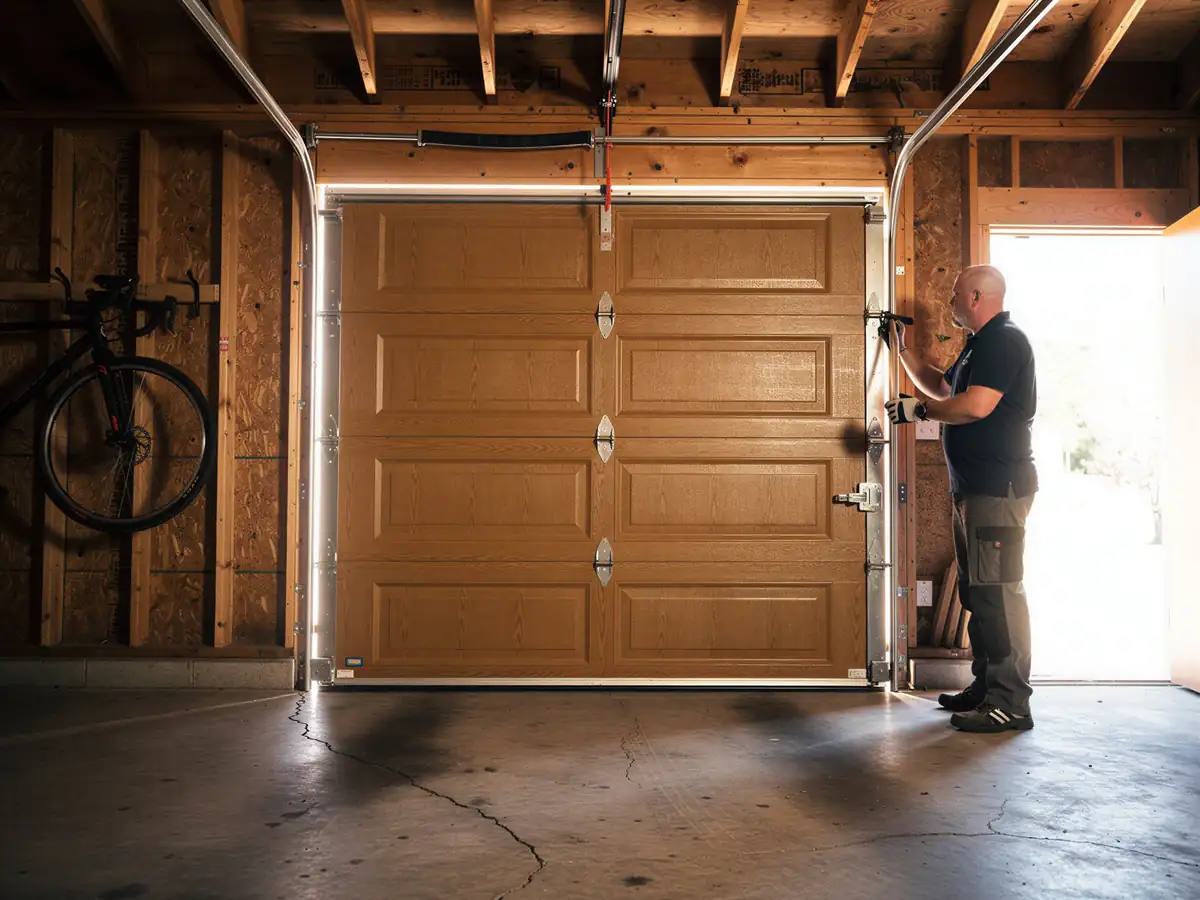
Houses built in the 1964-2003 window often have one of two problems we run into: a header that was framed for a lighter door than what's hanging on it now, or a bracket mounted for a short-arm opener that doesn't fit a modern belt-drive unit without modification. Neither is unusual, but neither is a five-minute fix either.
We don't quote a number over the phone before we've seen the door, the header, and the wiring, because any number given before that is a guess dressed up as a quote. What we can tell you is that a straightforward swap is the cheapest version of this job, and anything involving bracket or header work adds labor, not because we're padding the ticket, but because that work has to happen correctly or the new opener fails the same way the old one did, just faster.
The Symptom
The opener that's reversing itself halfway up, or that runs the motor but the door barely moves, is almost always a gear problem, not a motor problem - on these older chain-drive units, the internal nylon drive gear wears down and starts slipping before the motor itself gives out. You'll hear the motor whine like it's working but the chain barely advances.
A door that opens fine but won't close without you holding the button down is usually a safety sensor issue, not an opener issue - but on a unit old enough to predate modern photo-eye standards, sometimes there's no sensor there to diagnose, which is its own problem.
If the remote works intermittently, or only from one spot in the driveway, that's often a receiver board going bad with age, which happens a lot in units that have been running since the 80s or 90s stock this area has so much of. None of these symptoms mean the same thing on a five-year-old opener that they mean on a thirty-year-old one, which is part of why we ask the house's age before we ask what it's doing.
What the Repair Takes
A straight opener replacement
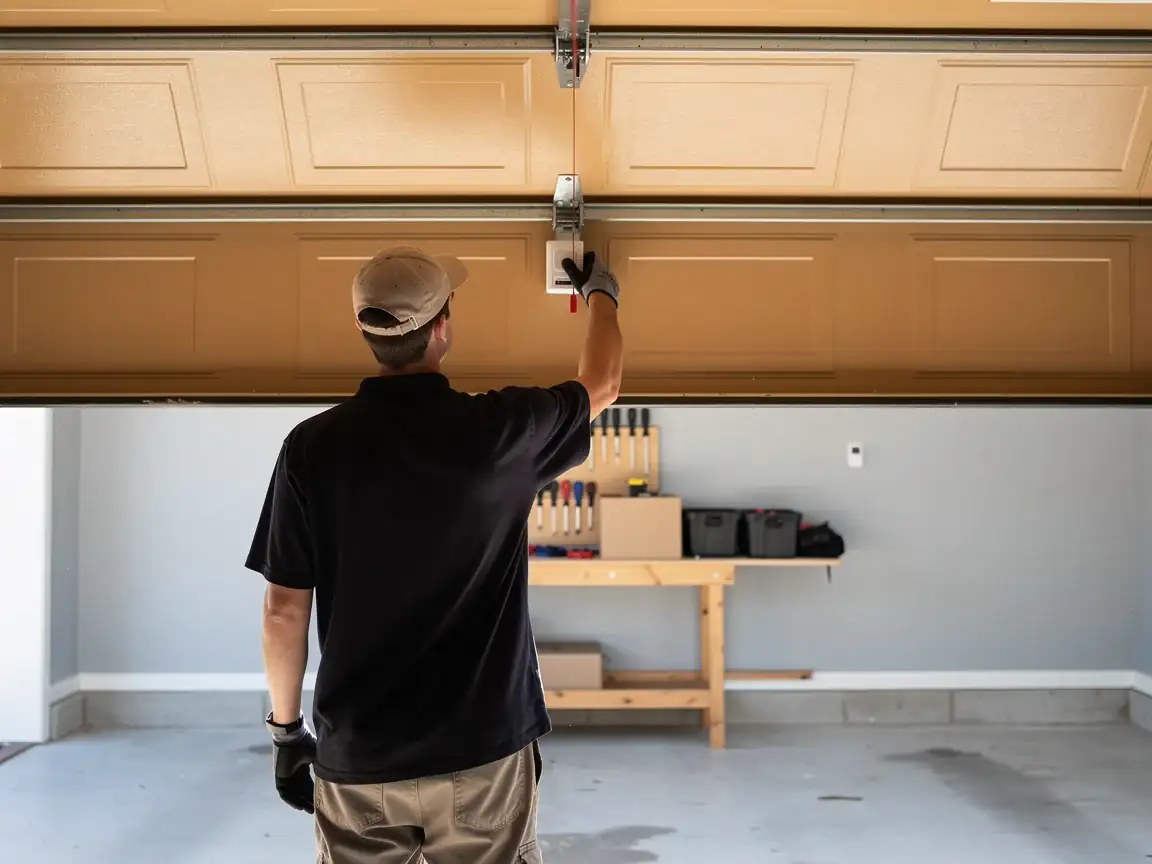
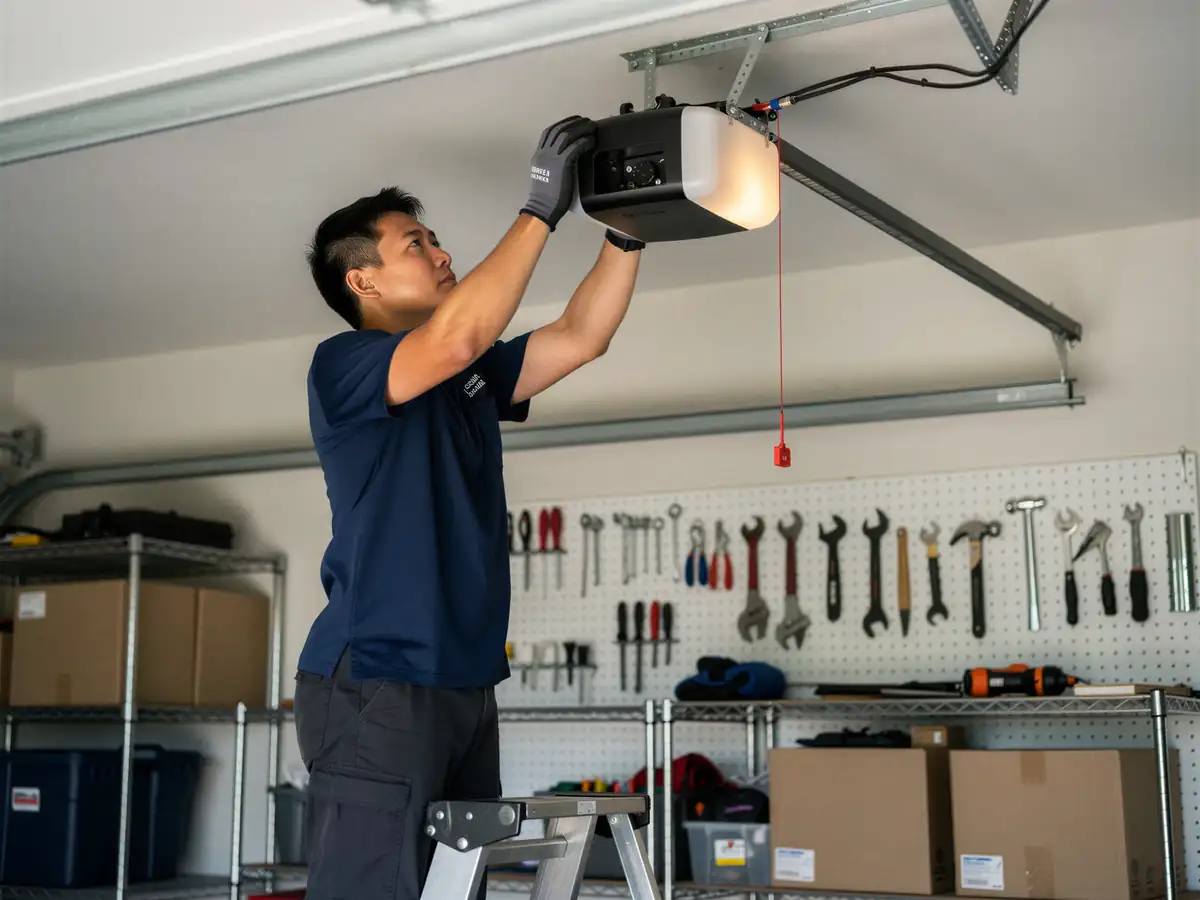
Where the rail, bracket, and wiring are sound, is usually a same-visit job: old unit comes down, new one goes up on existing hardware, travel and force limits get set, sensors get aligned and tested. That part's routine.
What takes longer is anything tied to the house's age
If the bracket was built for a lighter door or an older opener style, we either adapt it or replace it, and that adds time because it has to be done right - a bracket that's slightly wrong shows up as a door that binds or an opener that strains, sometimes not until months later. If the wiring predates grounded circuits, that gets brought up to code before the new unit goes on it, not after.
Here's the honest limit
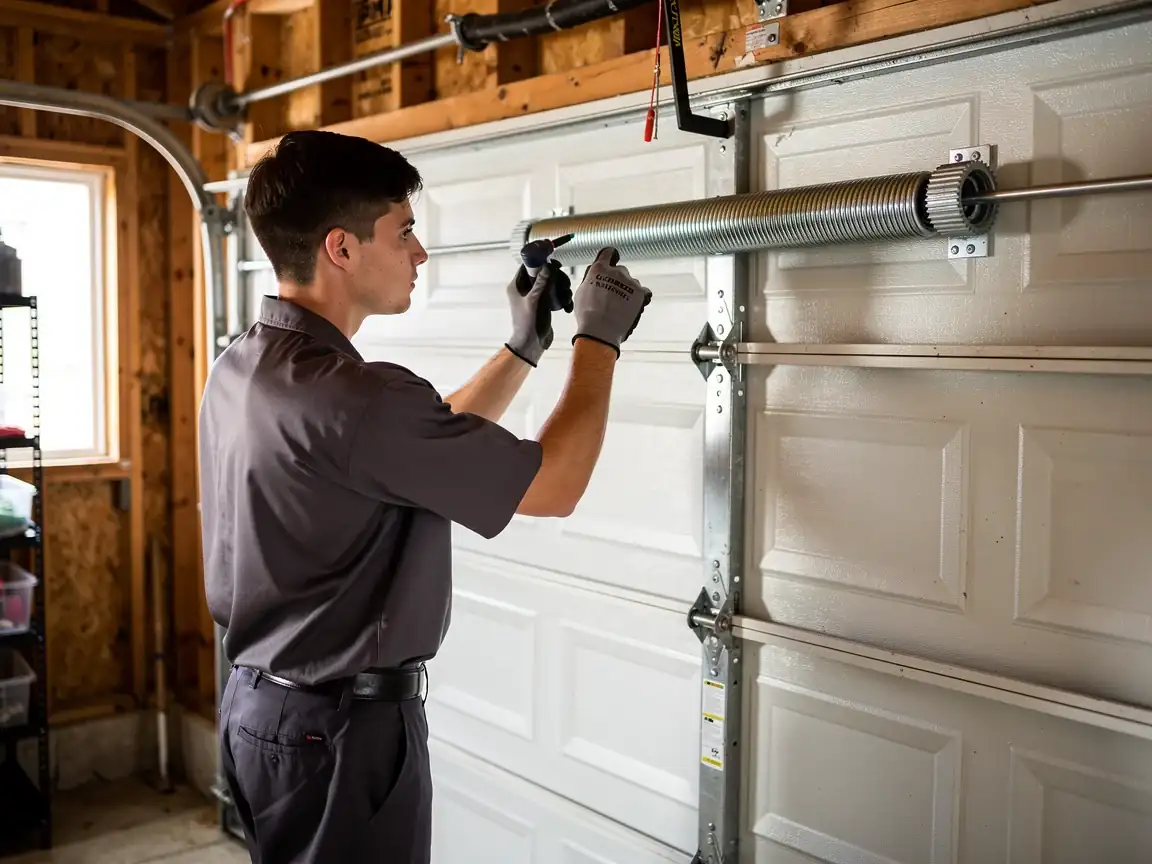
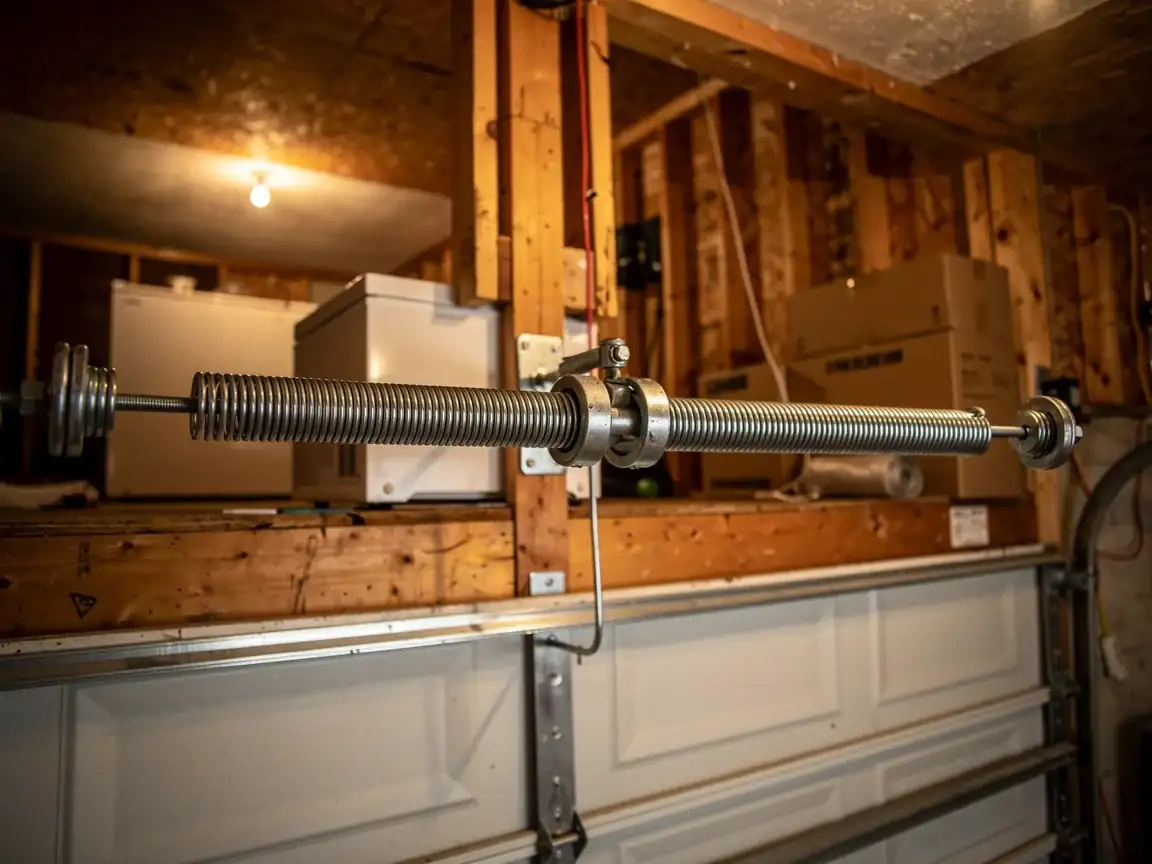
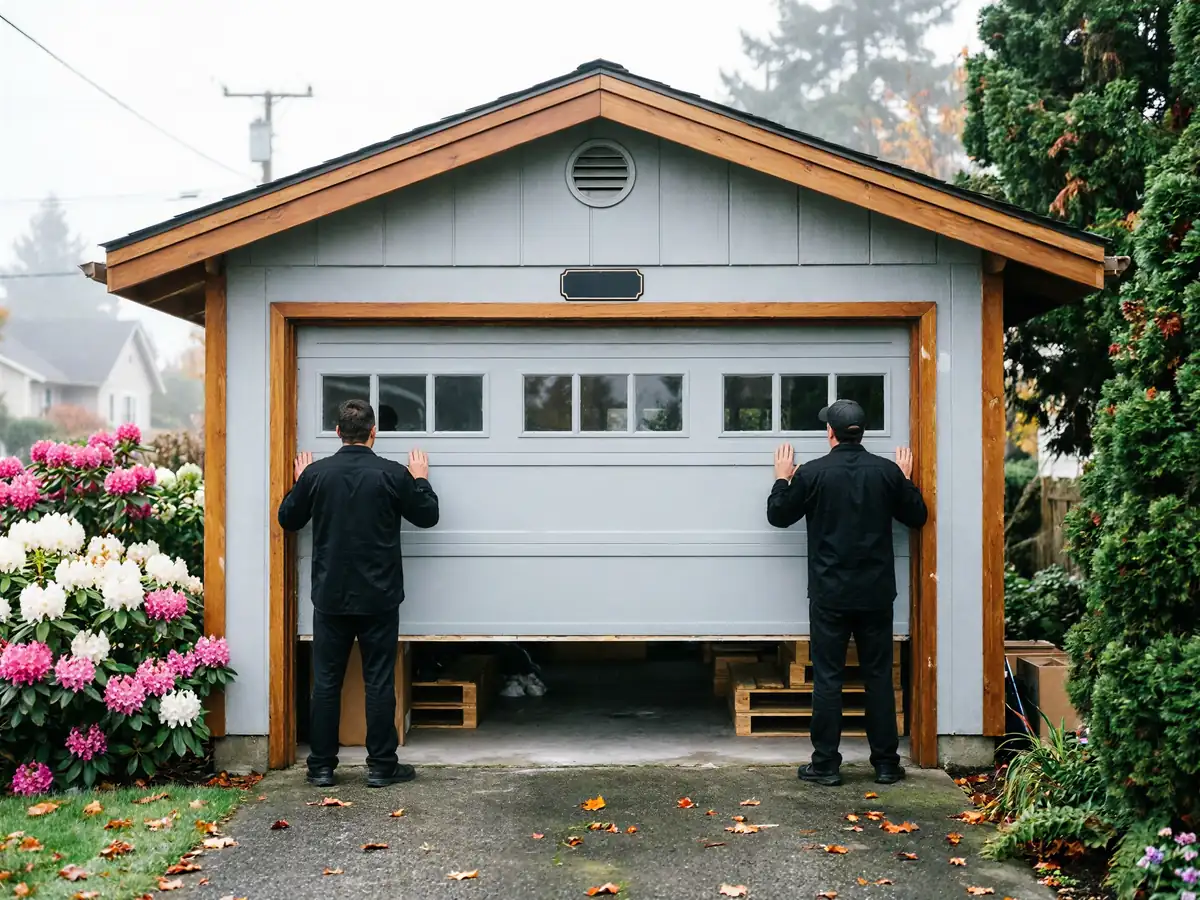
If the door itself is out of balance - a spring that's not holding its end of the weight - installing a new opener on top of that problem just means the new opener does the work the spring should be doing, and it'll wear out early too. We'll tell you if that's what we're looking at before we install anything, because an opener swap on an unbalanced door is a repeat call waiting to happen, and that doesn't help either of us.