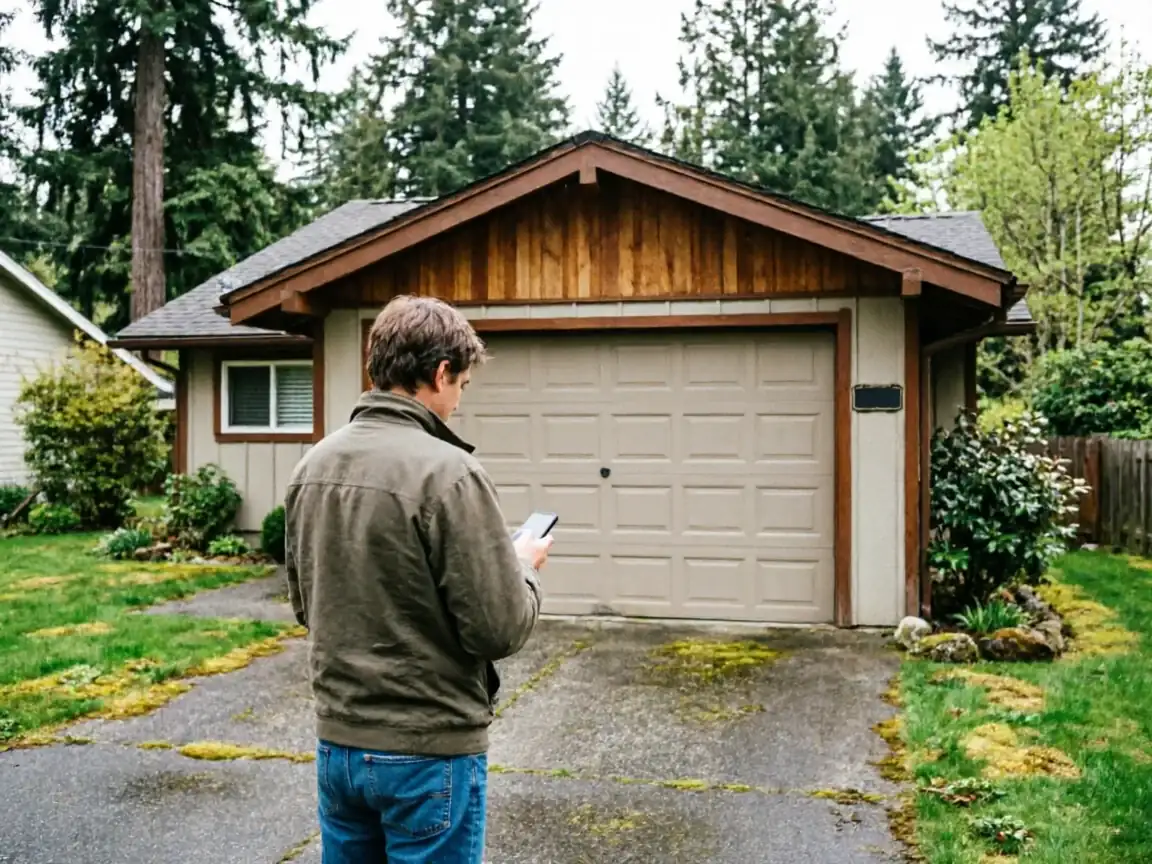
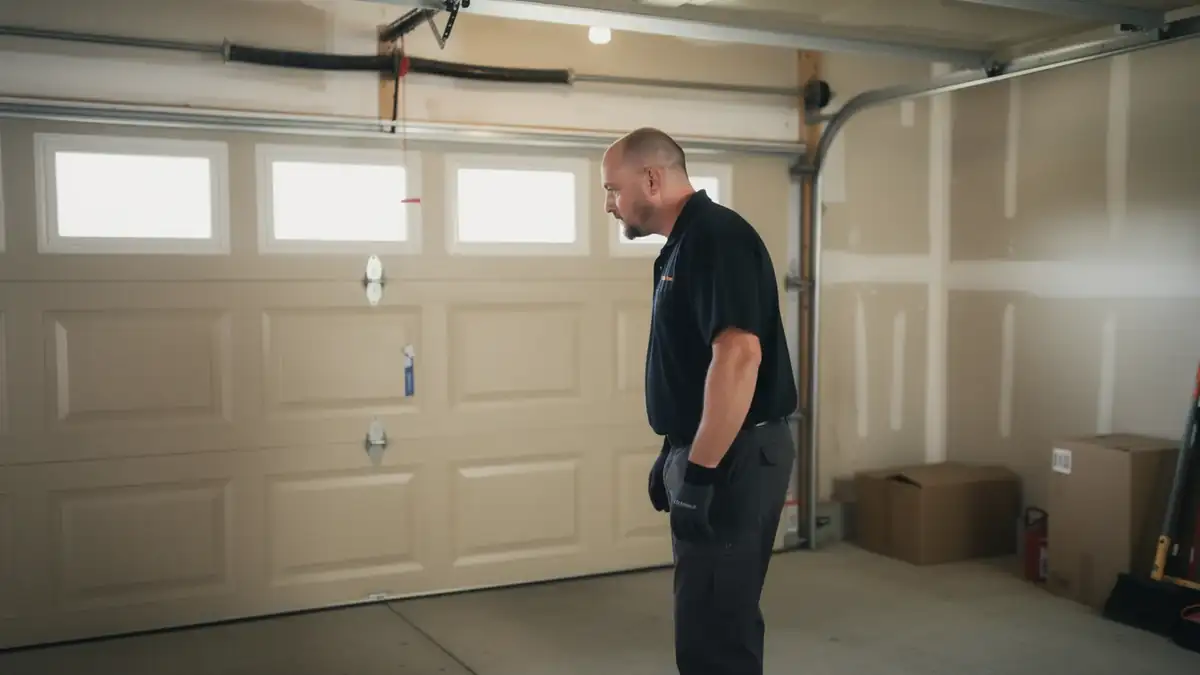
The Situation
Most garage doors in the Oregon City area went up somewhere between 1964 and 2003
With the bulk of that stock dating to the 1980s and 90s across the 31 named areas we work in, from close in to Beavercreek, Mulino, and Molalla further out. That means a lot of original hardware is still in service - hardware that's now 25 to 60 years old and starting to tell on itself.
- 60 years
A door doesn't go from fine to broken overnight
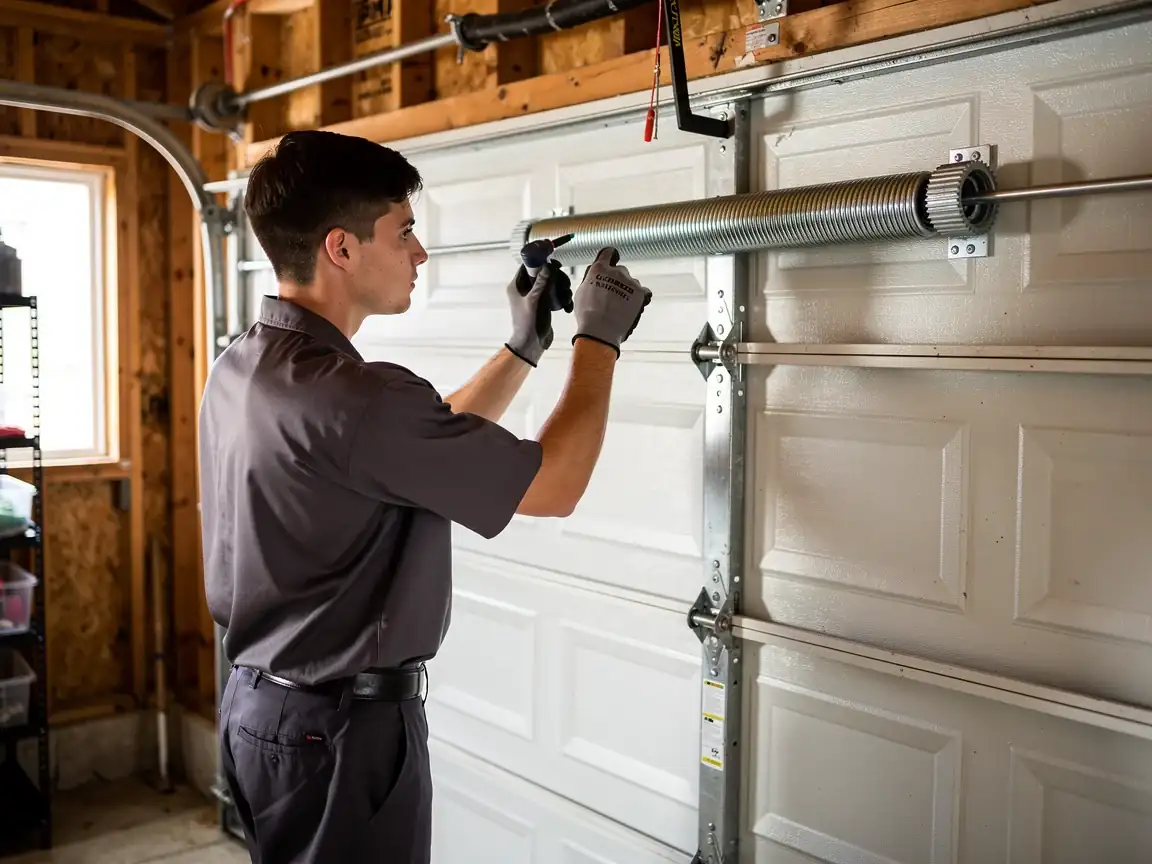
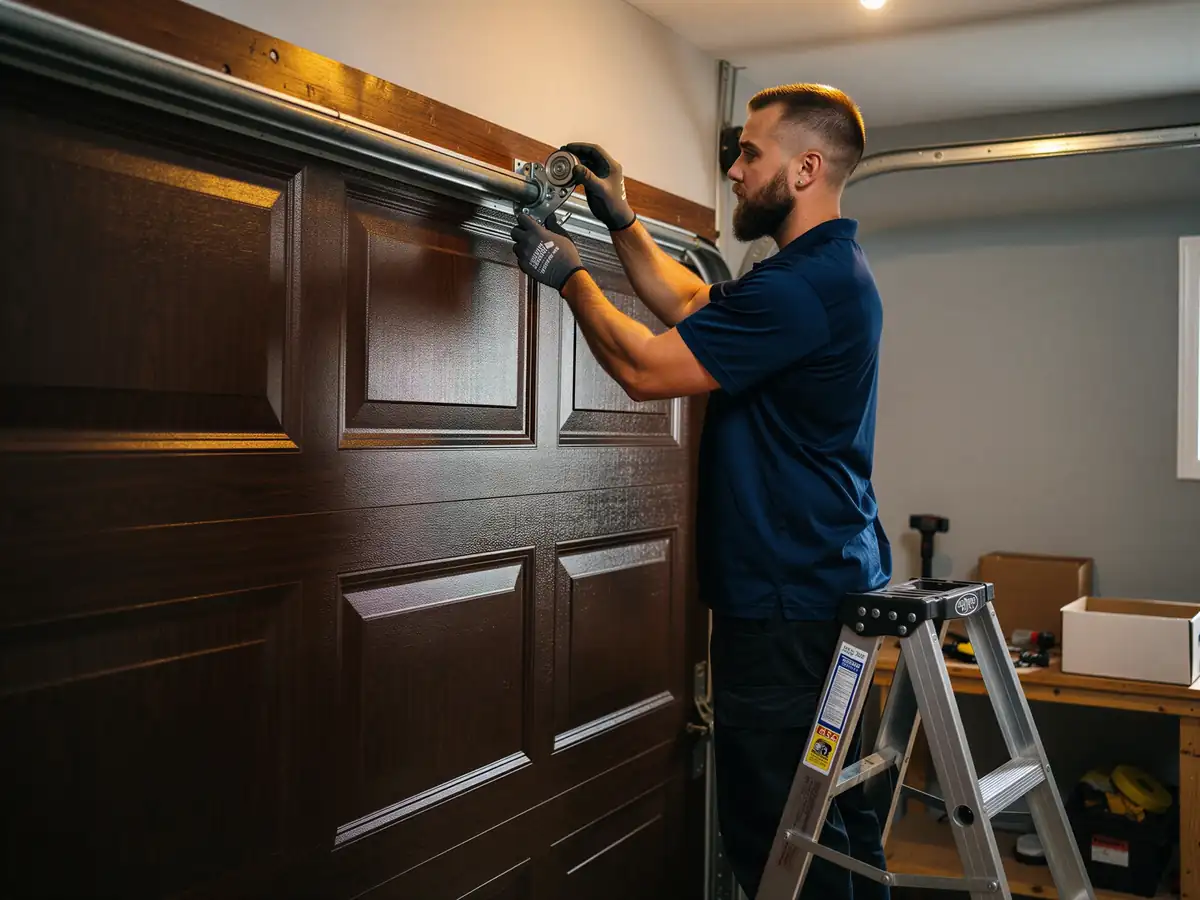
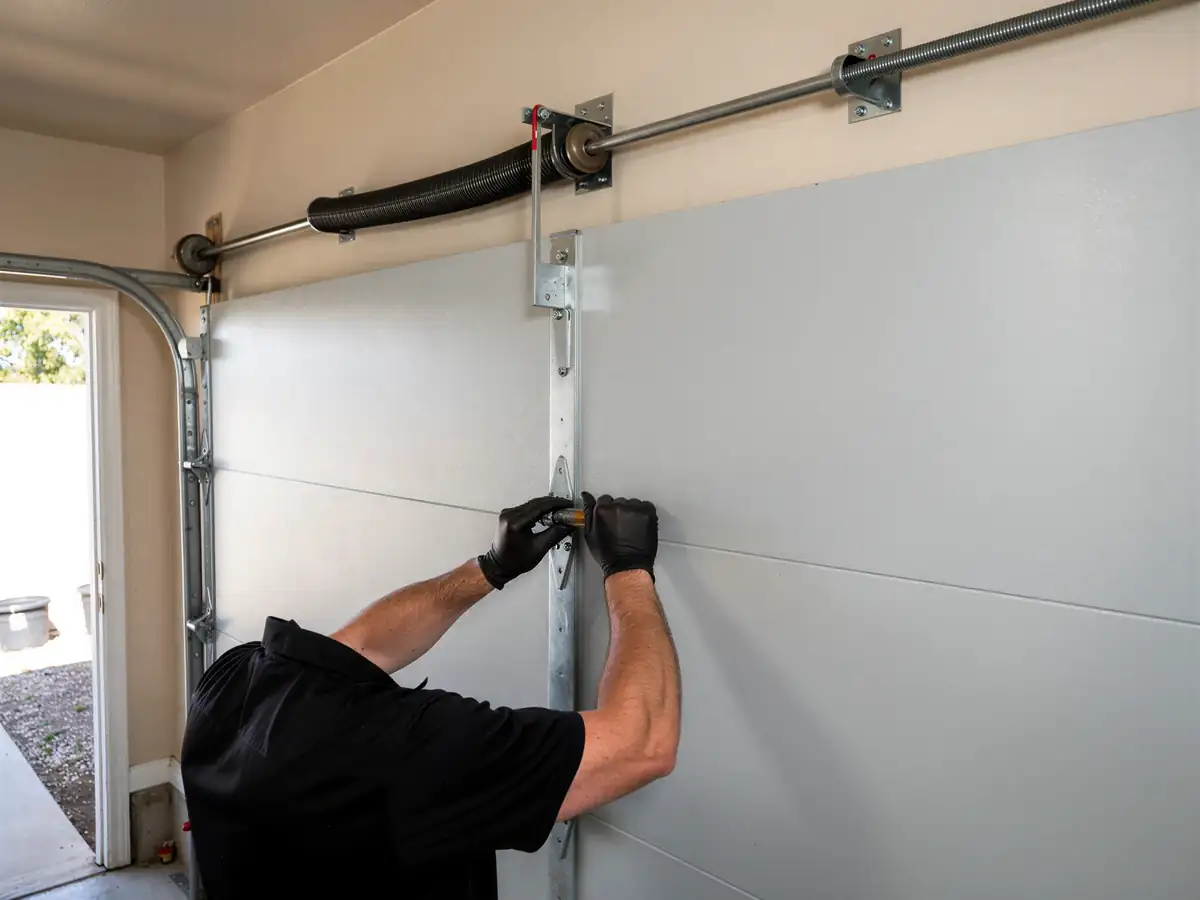
It complains first. A grinding sound when the opener kicks on usually means a worn gear inside the unit, not the door itself. A sharp metallic pop followed by the door refusing to move is almost always a torsion spring letting go - common on doors from this era since most were never upgraded past their original spring cycle rating. A rhythmic thump as the door travels means a flat spot on a roller, and a screech near the top of the track means a roller that's dry or bent.
We don't guess at this over the phone
The sound tells us where to look, but we still want eyes on the hardware before we say what it'll take to fix it.
The Cost of This Job
We can't quote a number here without a fact to back it, and we don't have one for this page. What we can tell you is what drives the cost up or down on a house of this vintage: whether the spring is a standard torsion size or something an installer special-ordered back in the 80s, whether the track is still true or was bent by a door that was dragging for months before it failed, and whether the opener is old enough that replacement parts simply aren't made anymore.
Households across this service area have a median income of $102,201, and most owners here (70,535 of them owner-occupied, out of 140,724 households total) are the ones making the repair-versus-replace call themselves, not a landlord three states away. That matters because a repair on 1980s hardware sometimes costs most of what a new door would run - at which point fixing it is just delaying the same decision.
Our limitation: if your opener predates the mid-90s safety reversal standards, we're not going to patch around that. Some jobs are a straight replacement, and we'll say so.
How Local Conditions Play In
This is a cold, moderate climate, not a desert one. That matters for the noises your door makes because metal contracts in the cold, and a track that's a sixteenth of an inch out of alignment in July can be a quarter inch out in January - loud enough to hear from the kitchen. Lubricant that was fine in summer gums up or thins out depending on the brand, and doors that were quiet all fall start grinding again the first hard cold snap.
On houses built in the 1964-2003 window, insulation and weatherstripping were rarely a priority at install, so panels flex more with temperature swings than on a newer door. That flex is where a lot of the popping and creaking comes from - it's not usually the spring, it's the panel itself working against stiff weatherstripping in cold weather.
We see this pattern across the whole service area, from the closer-in neighborhoods like Gladstone and Jennings Lodge out to Canby and Woodburn, where winters hit the same older housing stock the same way.
Checking It Yourself
Before you call anyone, here's what you can check safely from the garage floor
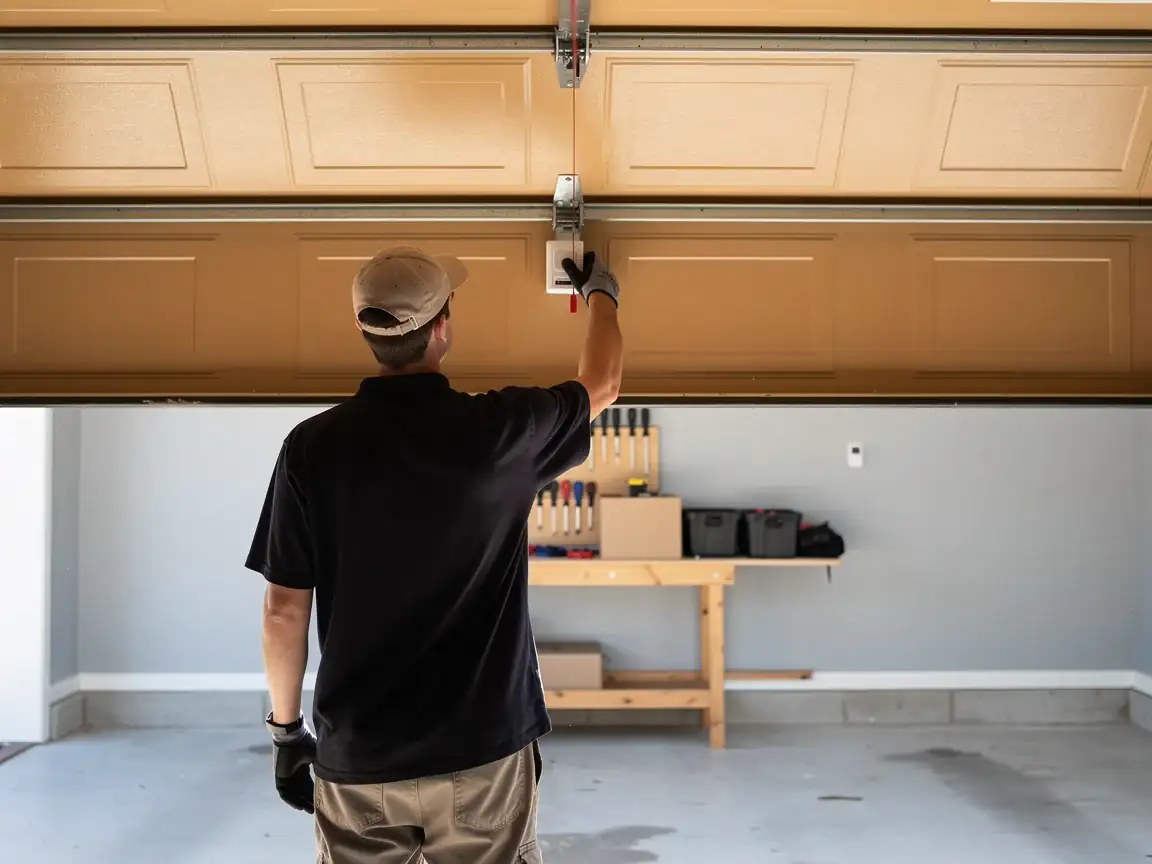
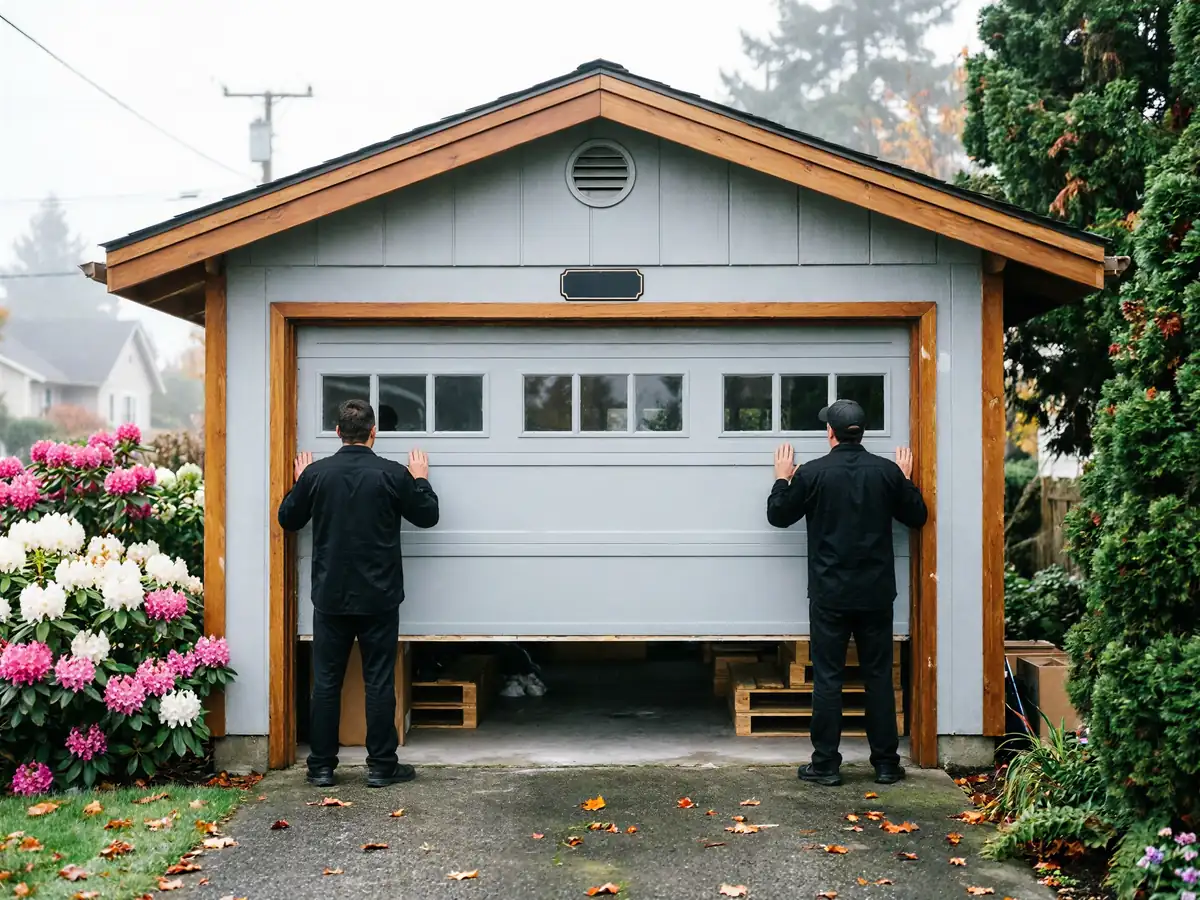
With the door closed and the opener unplugged, pull the release cord and lift the door by hand. If it's heavy, uneven, or wants to fall rather than hold at half-open, that's spring tension gone bad - stop there, don't keep lifting, and don't let anyone touch the springs themselves.
Next, look at the rollers while the door is open
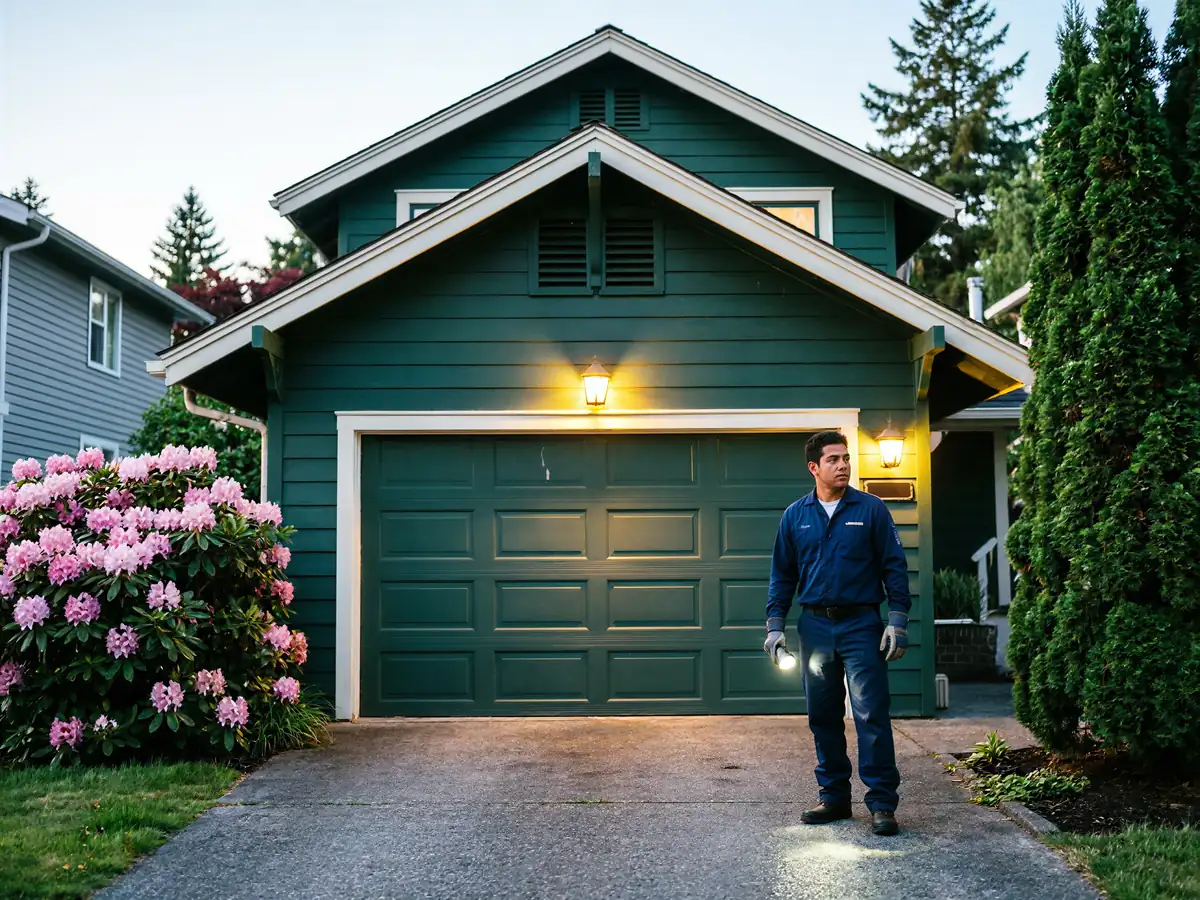
On hardware this age, you're checking for flat spots, rust, or a roller that's visibly loose in its bracket. A flashlight along the track will show you gouges or shiny wear marks where something's been dragging.
Listen for where the noise starts in the door's travel
Right at opening, midway, or just before it seats shut. That location usually points to the part, and it's the first thing we ask when you call. What we won't tell you to do is adjust spring tension or remove a spring yourself. That's the one repair on this list that isn't a DIY job, regardless of how simple the YouTube video makes it look.