New Garage Door Installation for Oregon City Houses
Oregon City homes built between 1964 and 2003 are hitting the point where the original door and opener just quit. We install replacements built for this area's wet, cold winters.
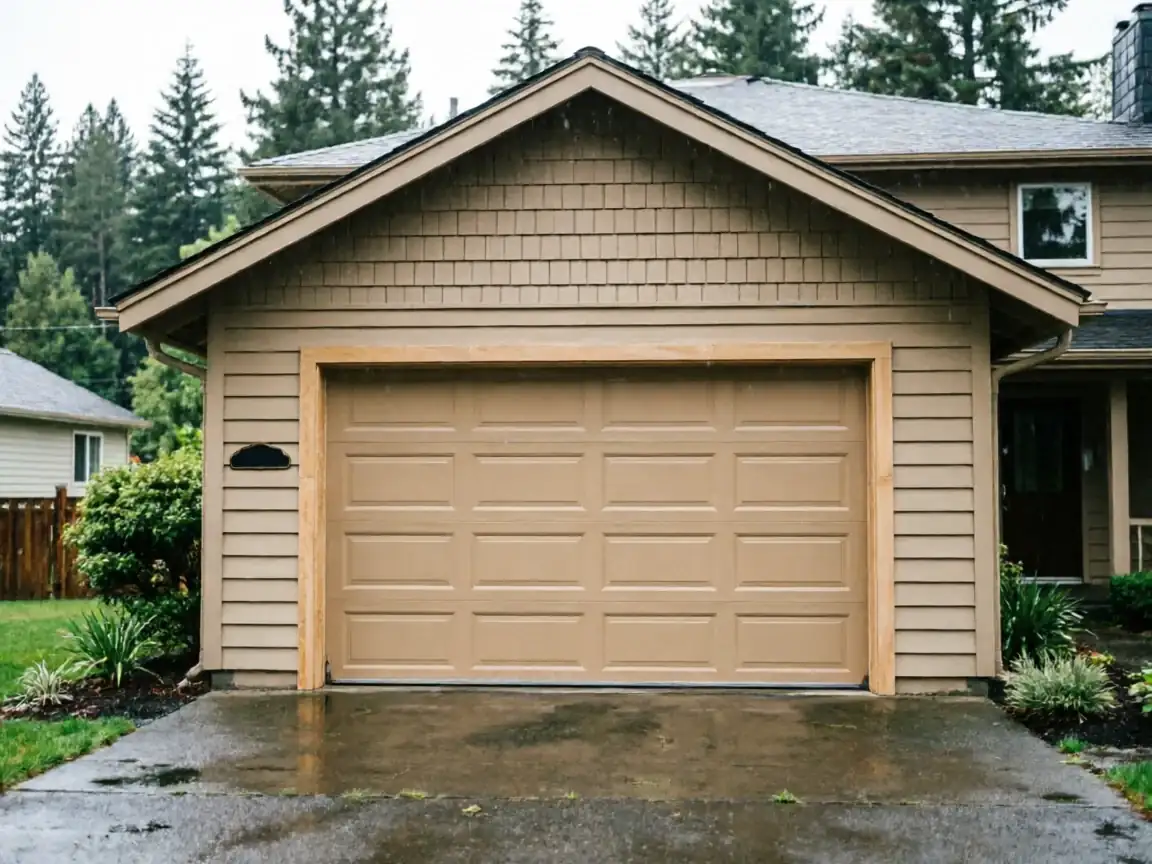
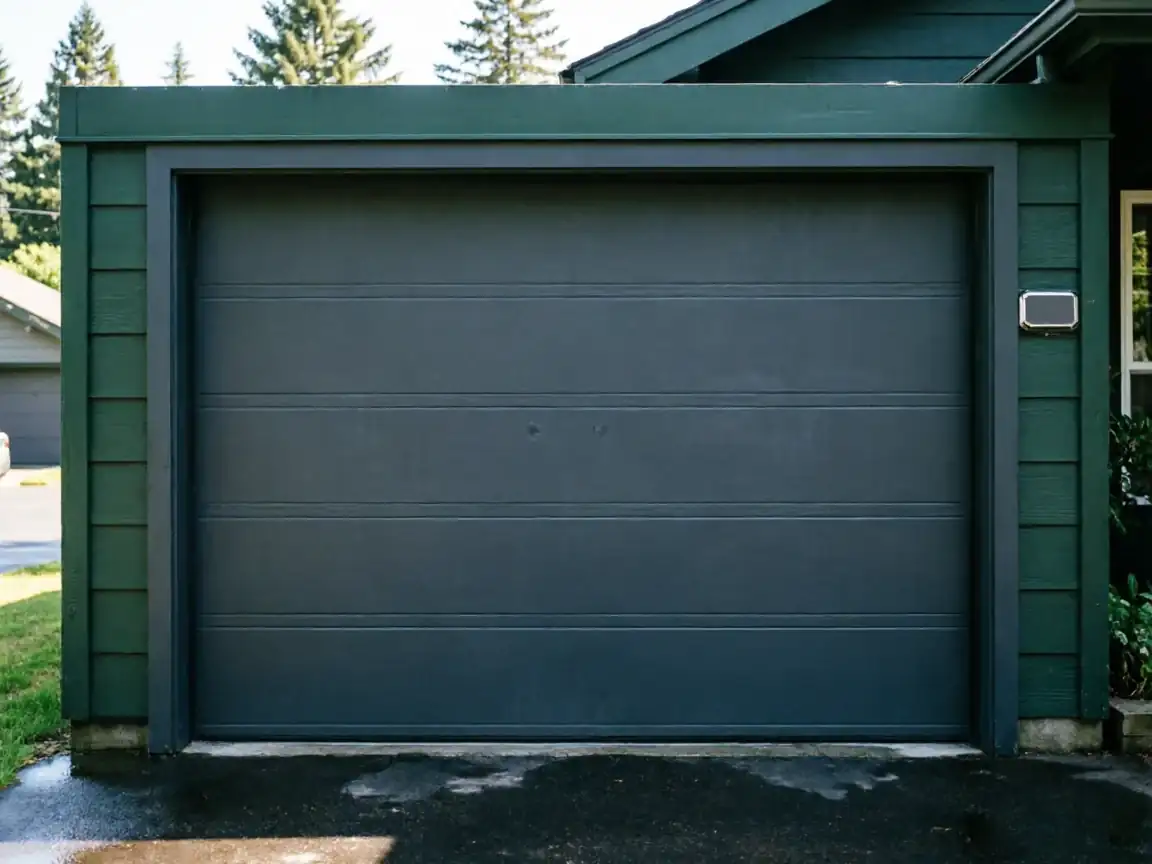
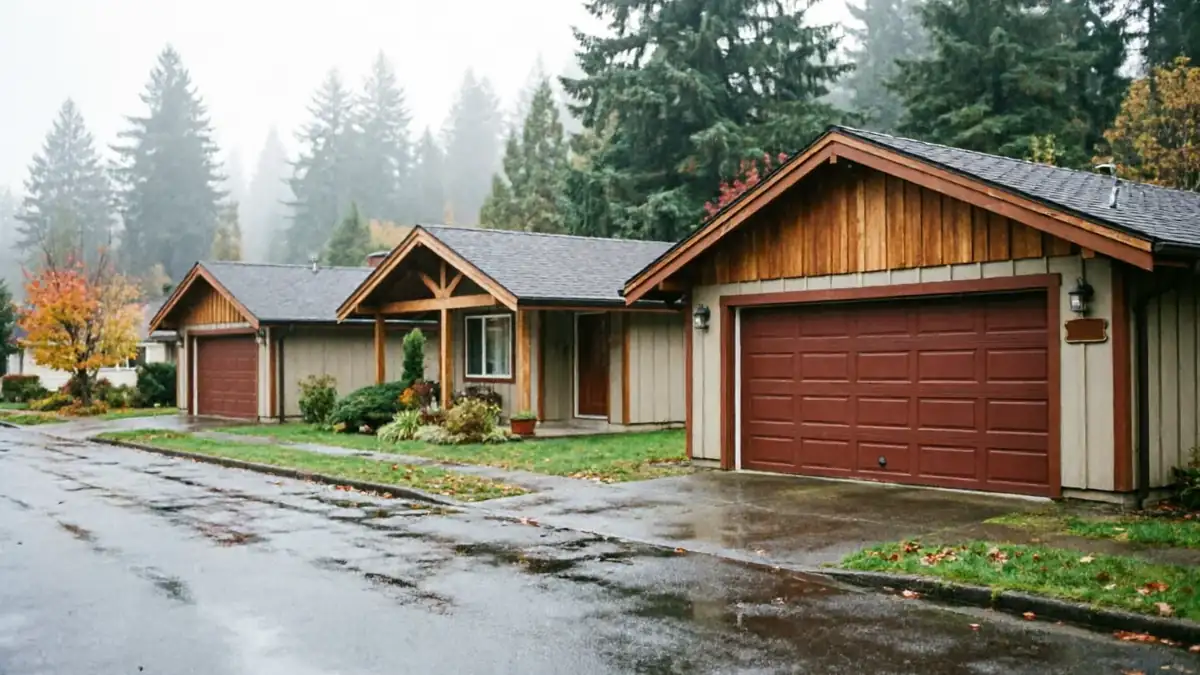
Most of the houses we get called to in Oregon City went up somewhere between 1964 and 2003, with the bulk of that stock dating to the 1980s and 90s. That matters because a door installed when a house was built is now 25 to 55 years old, and a lot of those original sectional doors and their first-generation openers are simply at the end of their service life. The panels were built for a cold, moderate climate, not a warm dry one, so they've spent decades absorbing damp Oregon winters into untreated wood trim and steel skins that were never galvanized as heavily as what's sold today. Add in original hardware that was never rated for the insulation standards homeowners expect now, and you get a door that still opens but barely holds heat, rattles in wind, and weighs more than it should on tired springs. We're not replacing doors because they broke overnight. We're replacing doors because the house they're on has quietly outlasted them.
The Cost of This Job
We don't have a posted price list to hand you here, and anyone who quotes a number before seeing your opening, your track run, and whether you want insulated steel or something heavier is guessing. What we can tell you is what drives the number up or down: panel material, R-value, whether the opening needs new jambs because the house settled (common in this 1960s-to-2000s stock), and whether the old torsion hardware can be reused or needs full replacement. Given that median household income across this service area runs north of $102,000, we see a fair number of owners choosing insulated doors with better glass and heavier gauge steel rather than the cheapest option, but that's a choice, not a requirement. If budget is the main driver, say so up front and we'll build the quote around that instead of upselling a door you don't need.
The Symptom
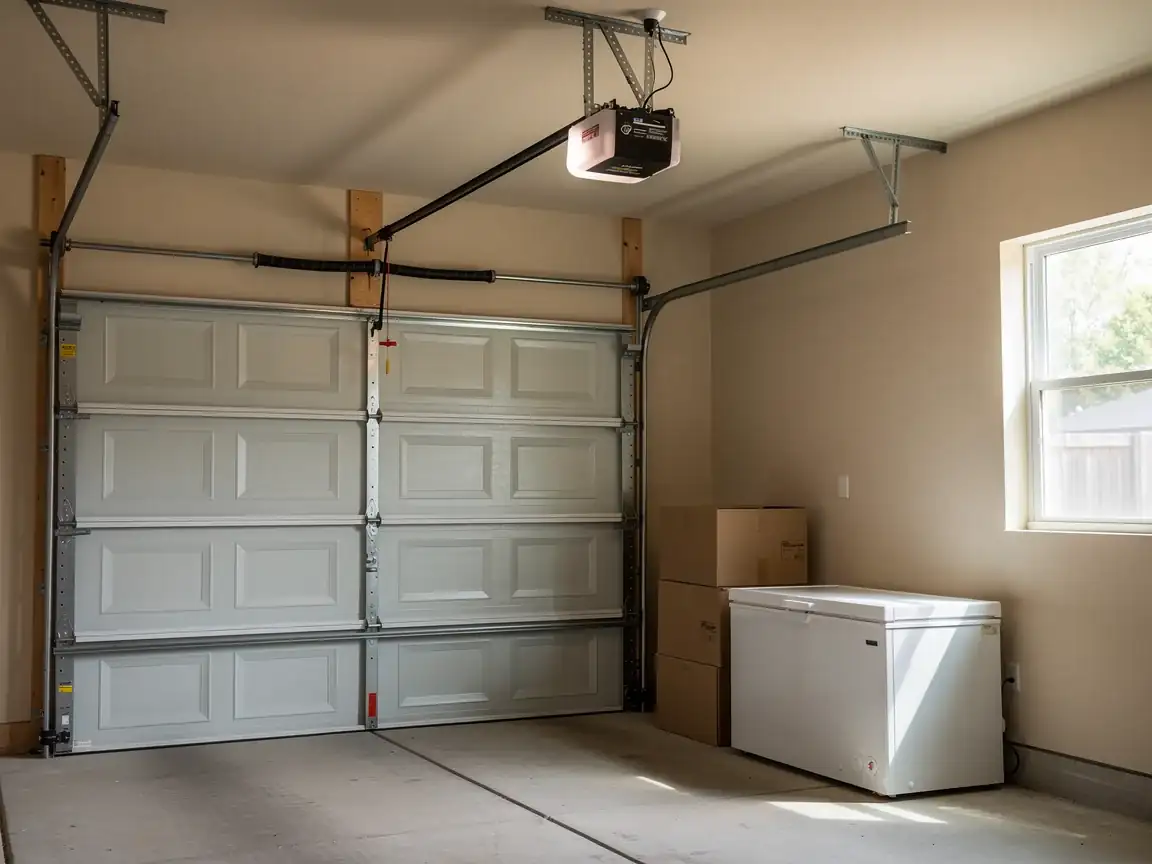
The giveaway is usually a door that still runs but feels wrong. It's heavier to lift by hand than it used to be, the opener strains and groans partway up, or the bottom panel has started to bow or rust along the weatherstrip line where water sits during the wet months. On older installs we also see hardware that was fine for a lighter single-layer door but is now being asked to hold up a replacement panel that's thicker and heavier than what it was sized for - which tells us the drums, cable, and spring were sized for a 1980s door, not a modern one. If your door is original to a house built in that 1964-2003 window and you're hearing new noises or feeling new resistance, that's not a lubrication problem. That's a door telling you it's done.
What the Repair Takes
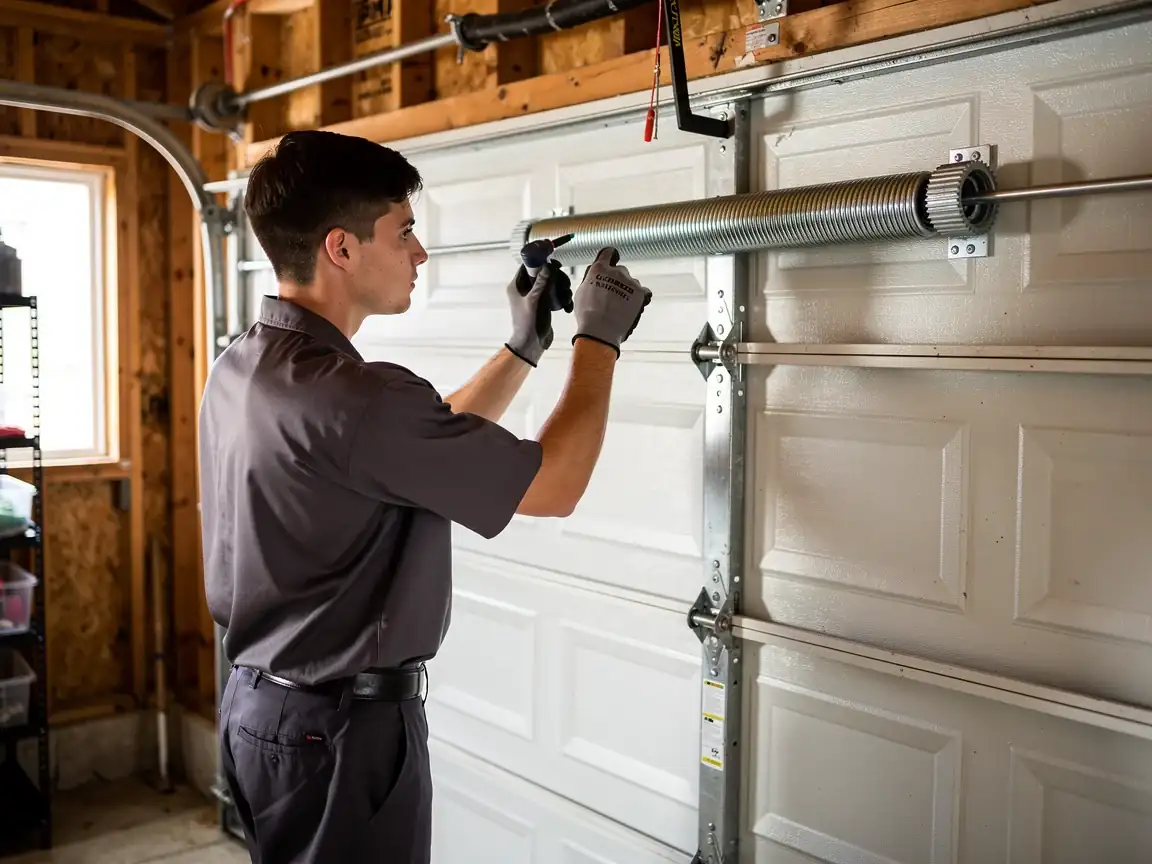
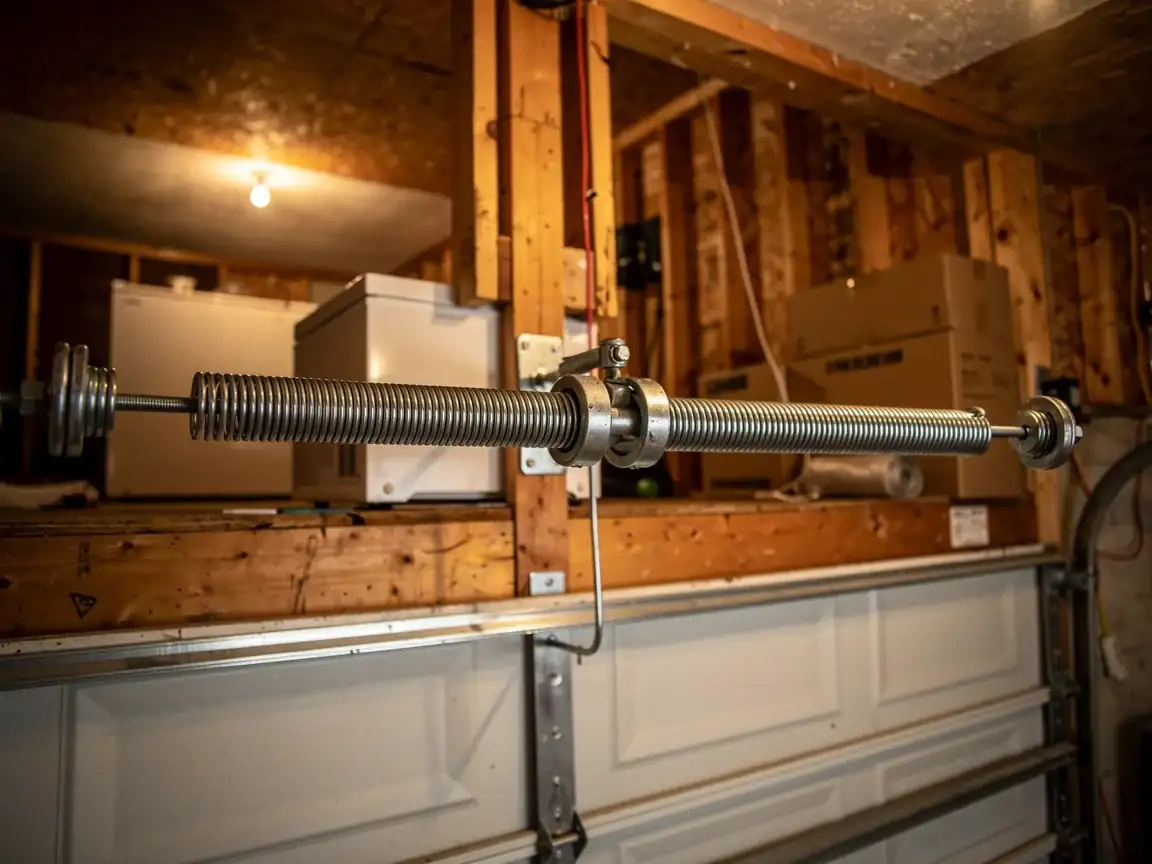
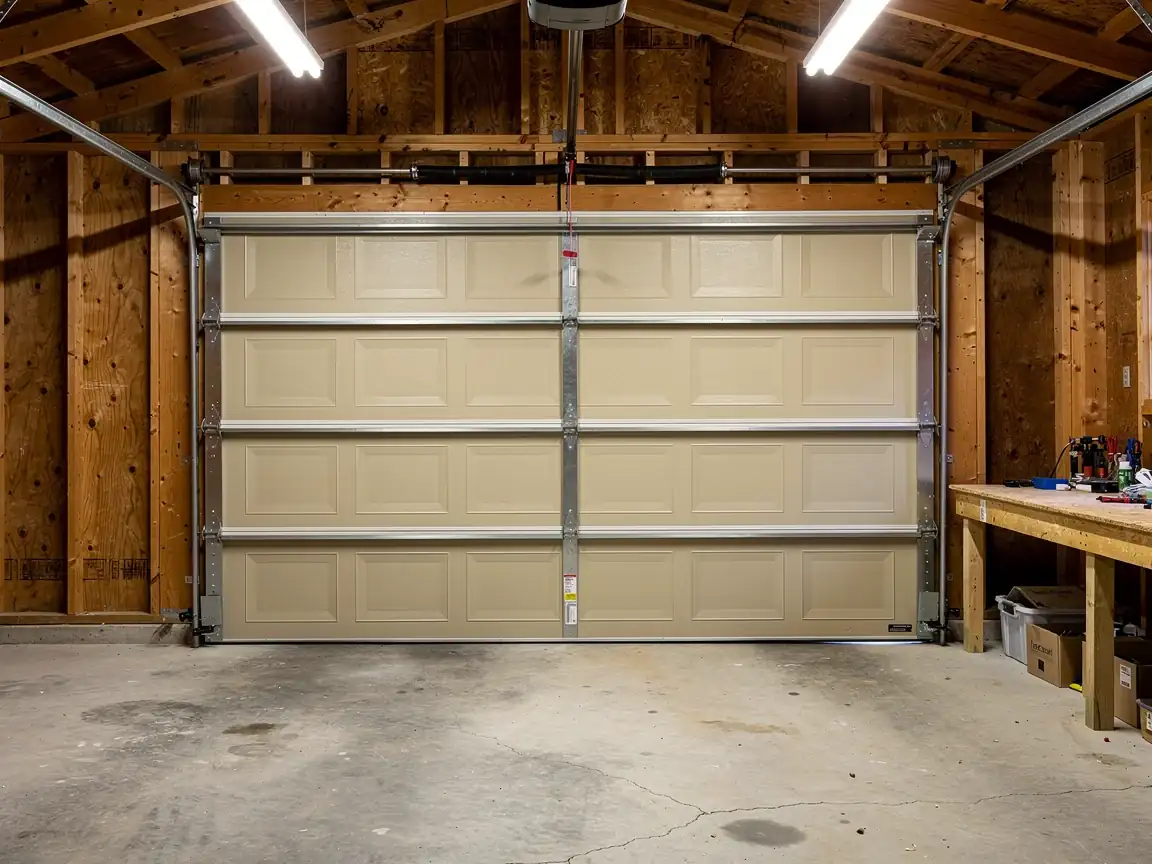
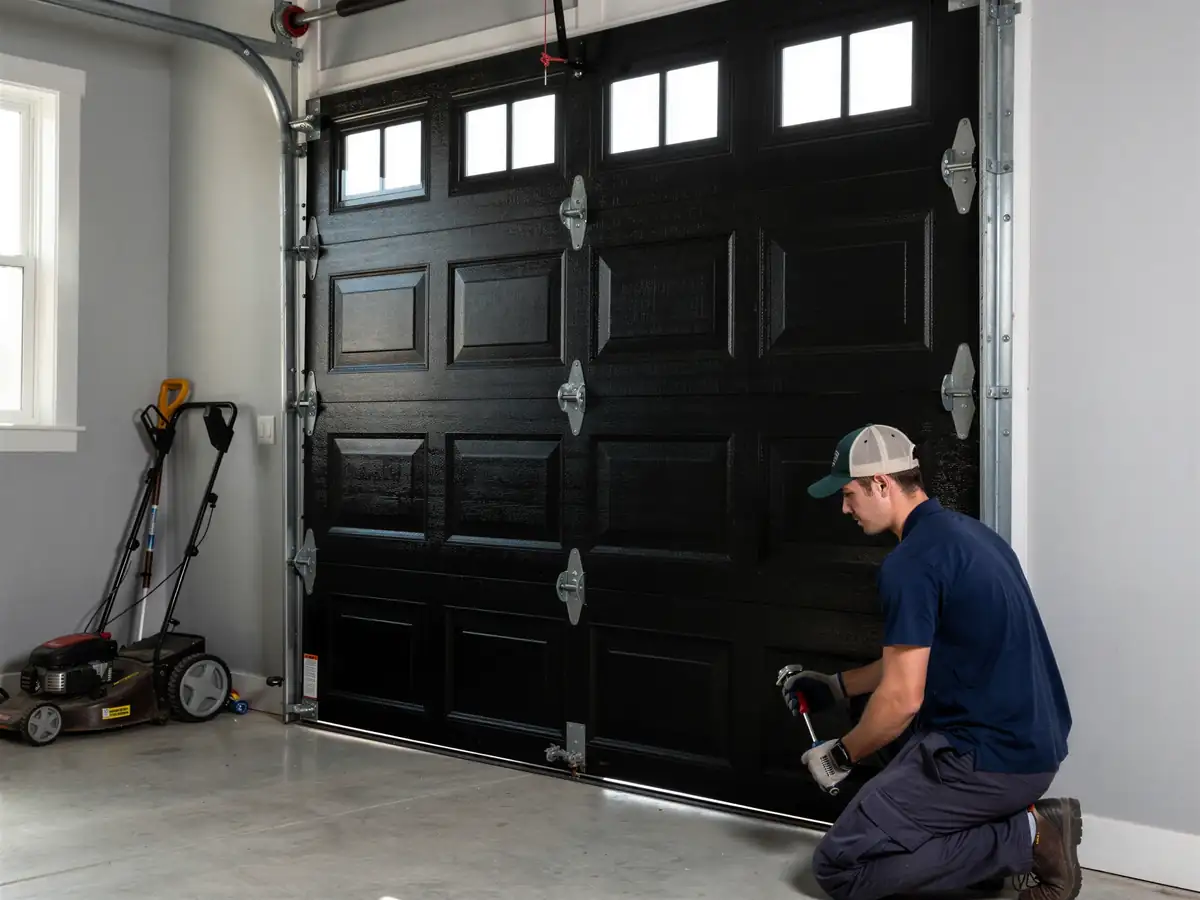
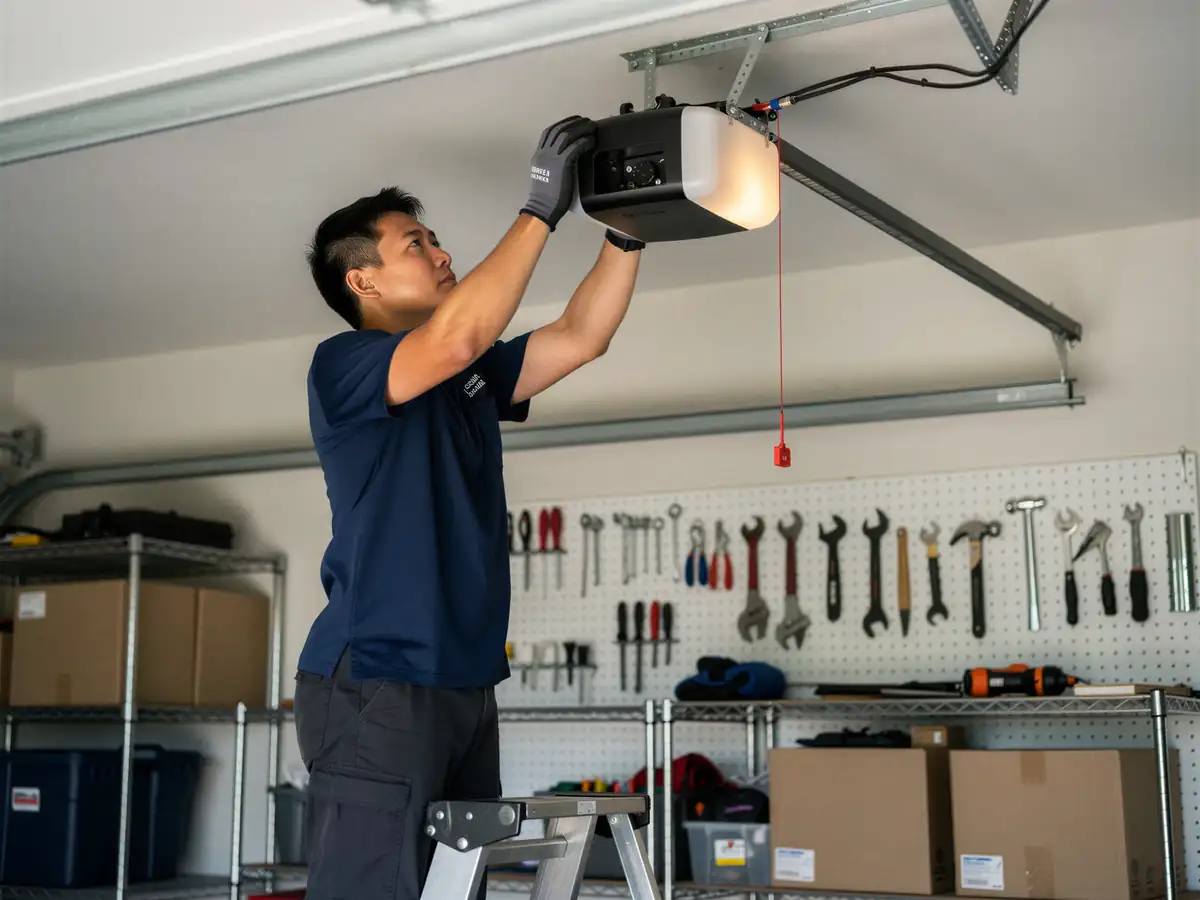
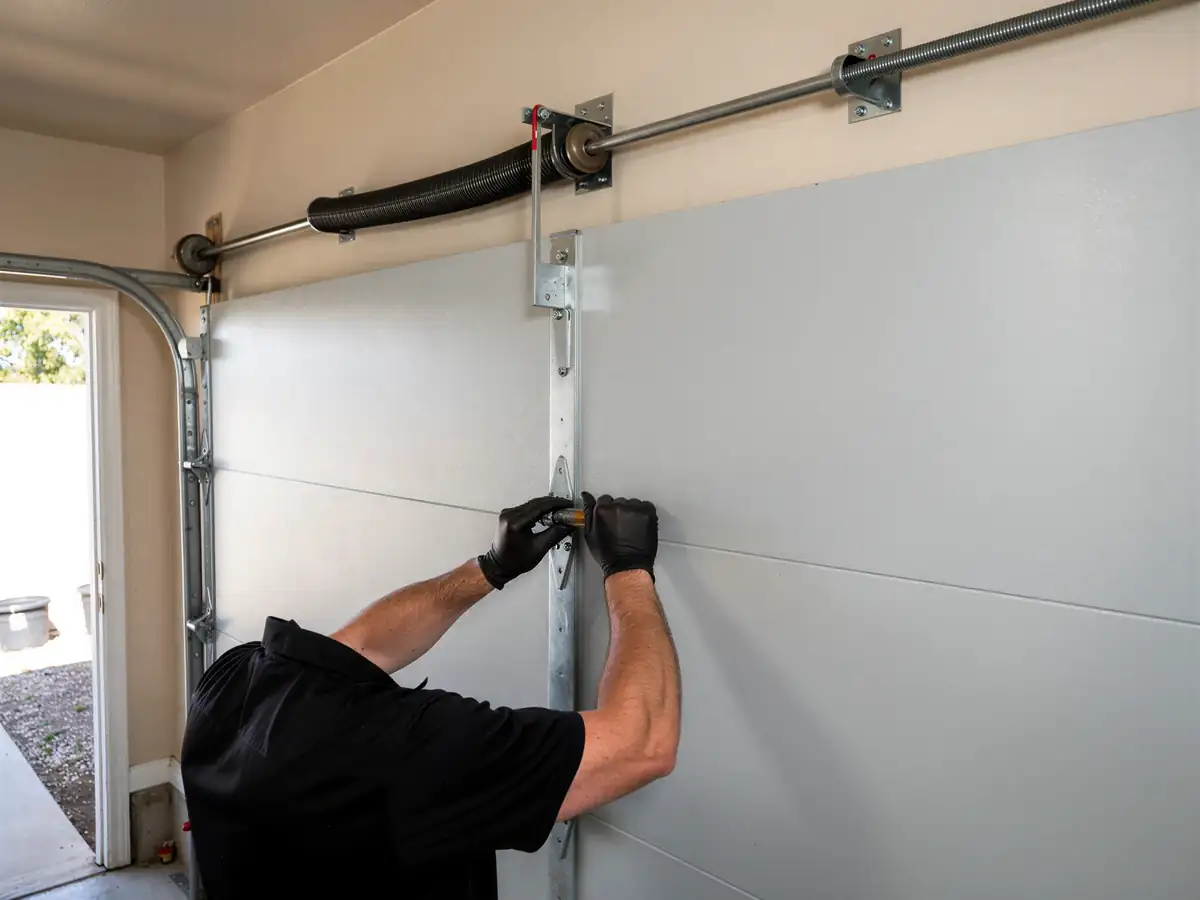
A full installation on an existing opening usually means pulling the old door and track, checking the jambs and header for rot or settling (not rare in houses from this era), and setting new track, springs, and cable sized to the new door's actual weight - not the old one's. If the opener is original it often gets replaced at the same time, since a 20-plus-year-old opener wasn't built to the safety-reversal standards expected now. One honest limitation: if your framing has shifted enough that the opening is out of square, that's carpentry work before it's garage door work, and we'll say so rather than force a door into an opening it won't seal against. Most straightforward swaps we can turn around in a single day; jobs needing framing repair take longer because that work has to be scheduled separately.
How it works
From “it’s stuck” to “it’s fixed”
01
Tell us what’s wrong
Describe the symptom - won’t open, loud bang, opener runs but the door won’t move.
02
On-site diagnosis
A technician tests the door under power and by hand and finds what actually failed.
03
Clear, up-front plan
You get the fix that’s needed and what drives the cost - before any work starts.
04
Repaired & tested
The repair is done, the door is set true and tested, and the work area left clean.
Not sure which repair your door needs in Oregon City, OR? Describe what it’s doing - every job starts with a diagnosis.
How do I know if my garage door is original to the house?
If your Oregon City home was built between 1964 and 2003 and the door has never been replaced, it's likely original or close to it. Signs include a single-layer steel panel with no visible insulation backing, an opener with a pull-cord but no modern safety sensor housing, and hardware that looks painted-over rather than factory-finished.
Do I need an insulated door in this area?
Given the cold, moderate climate here, insulation helps keep an attached garage from pulling heat out of the house above or beside it, and it cuts down on condensation forming on an uninsulated steel skin during wet winter stretches. It's not required, but most owners replacing an original 1980s-era door upgrade to insulated steel.
Can you reuse my existing track and springs with a new door?
Sometimes, if the new door weighs close to what the old one did and the track is still square and rust-free. More often on houses in the 1964-2003 range we're replacing springs and cable anyway, since a heavier modern insulated door needs hardware sized for that weight, not the original lighter panel.
Ready to get your garage door sorted?
Tell us what it’s doing and where you are in Oregon City - we’ll take it from there.