What We Do Not Do
We don't keep a counter or a depot in West Linn
Oregon City Garage Door Pros runs out of Oregon City, about 3 miles away, and every job here means a truck making that short drive, not a technician who lives around the corner. If you call expecting someone to swing by on a whim between other stops in the neighborhood, that's not how this works - we schedule the trip.
- 3 miles
We also don't try to source parts for doors that don't match what's actually on the house
West Linn's garage stock leans newer than a lot of the territory we cover, so we don't carry a deep stock of the oldest one-piece slab hardware that's more common on the older side of Oregon City. If a door here turns out to need something unusual, we'll tell you the lead time honestly instead of guessing at a fix that won't hold.
What we will do is diagnose the door in front of us based on what's actually common in homes built around here
Not a generic checklist.
How That Shows Up in the Door
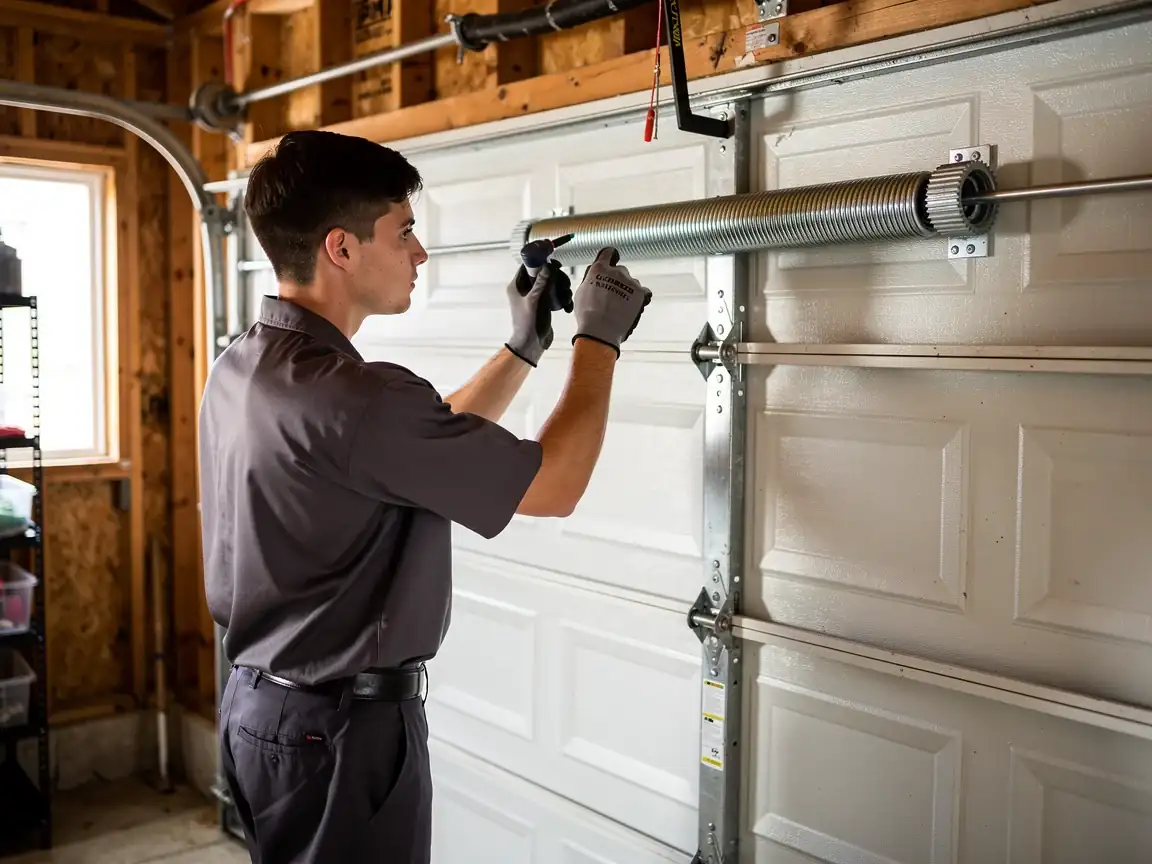
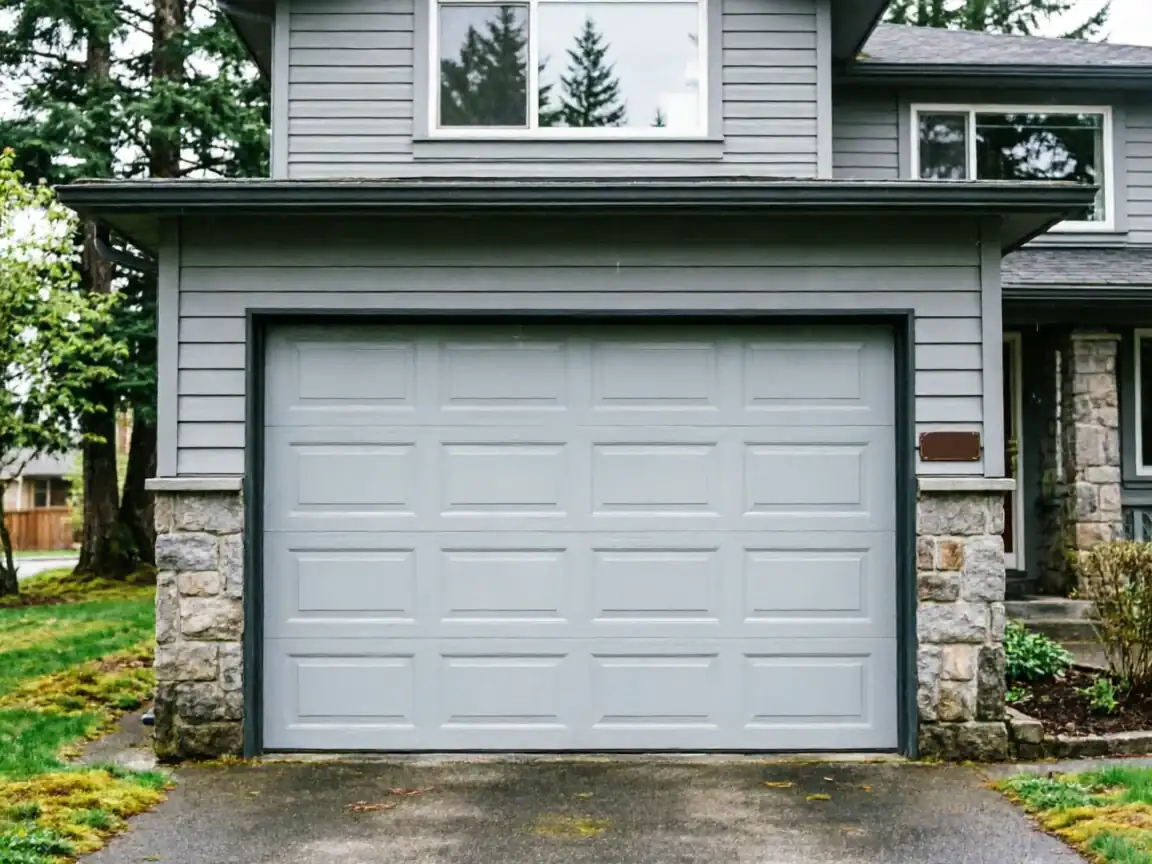
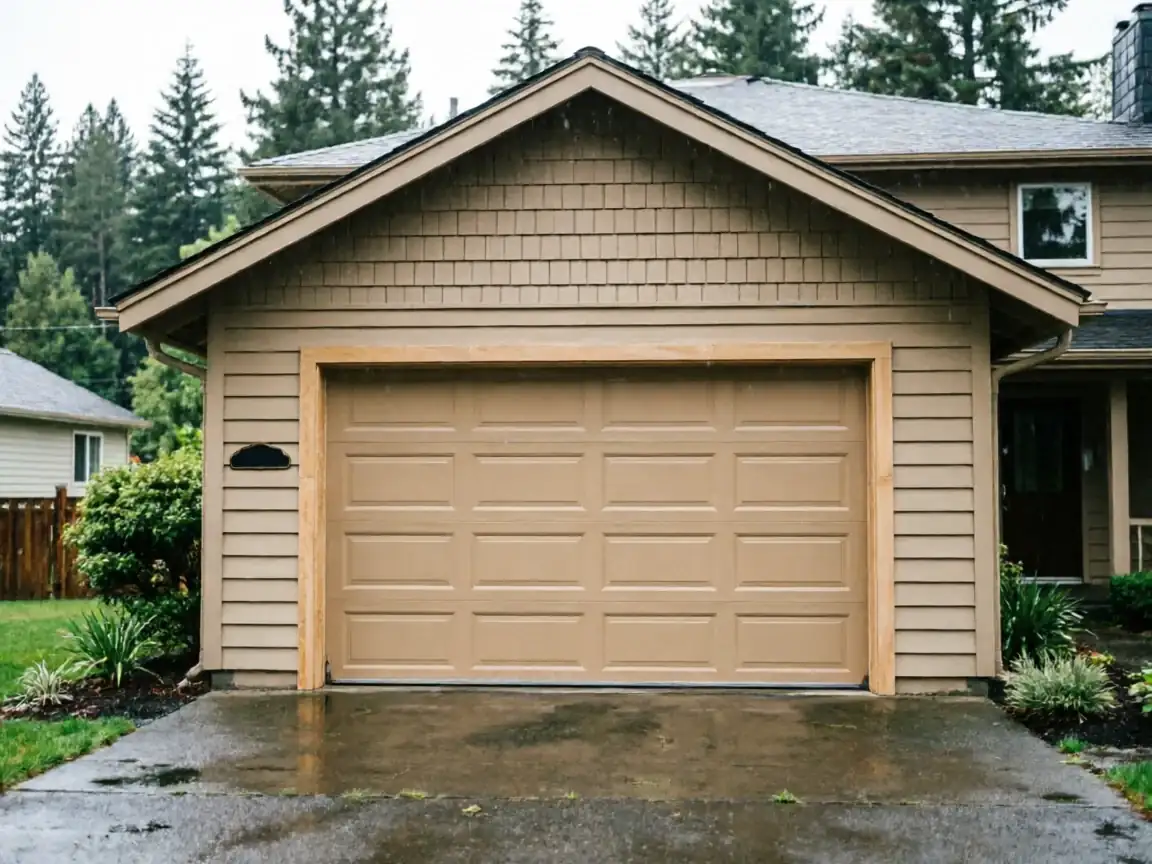
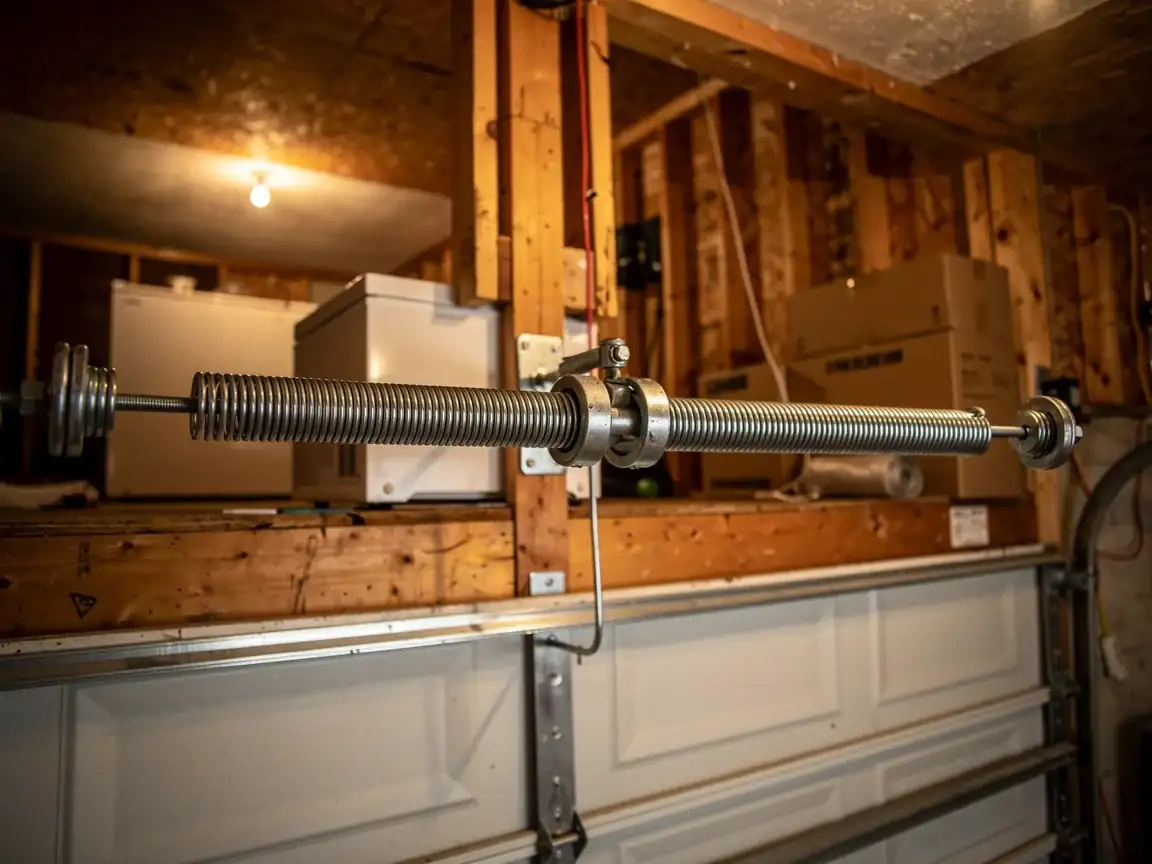
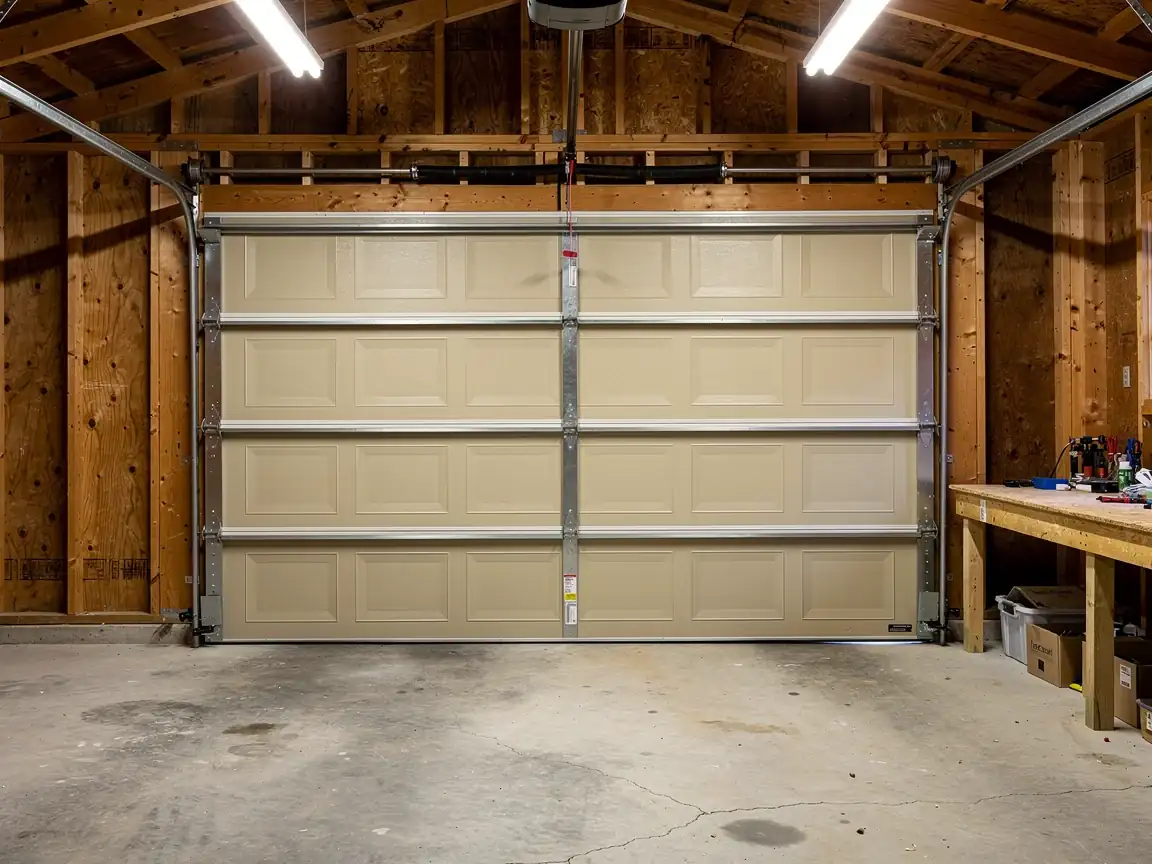
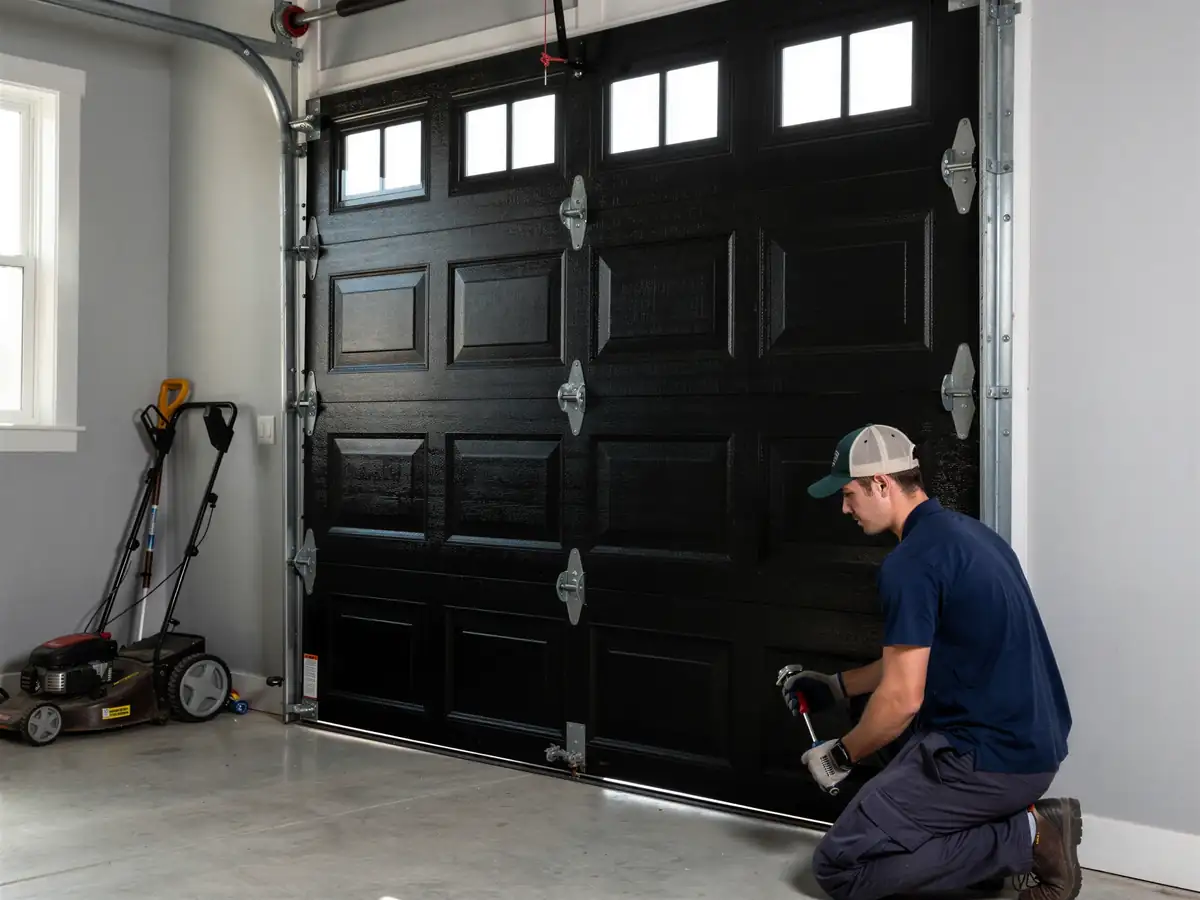
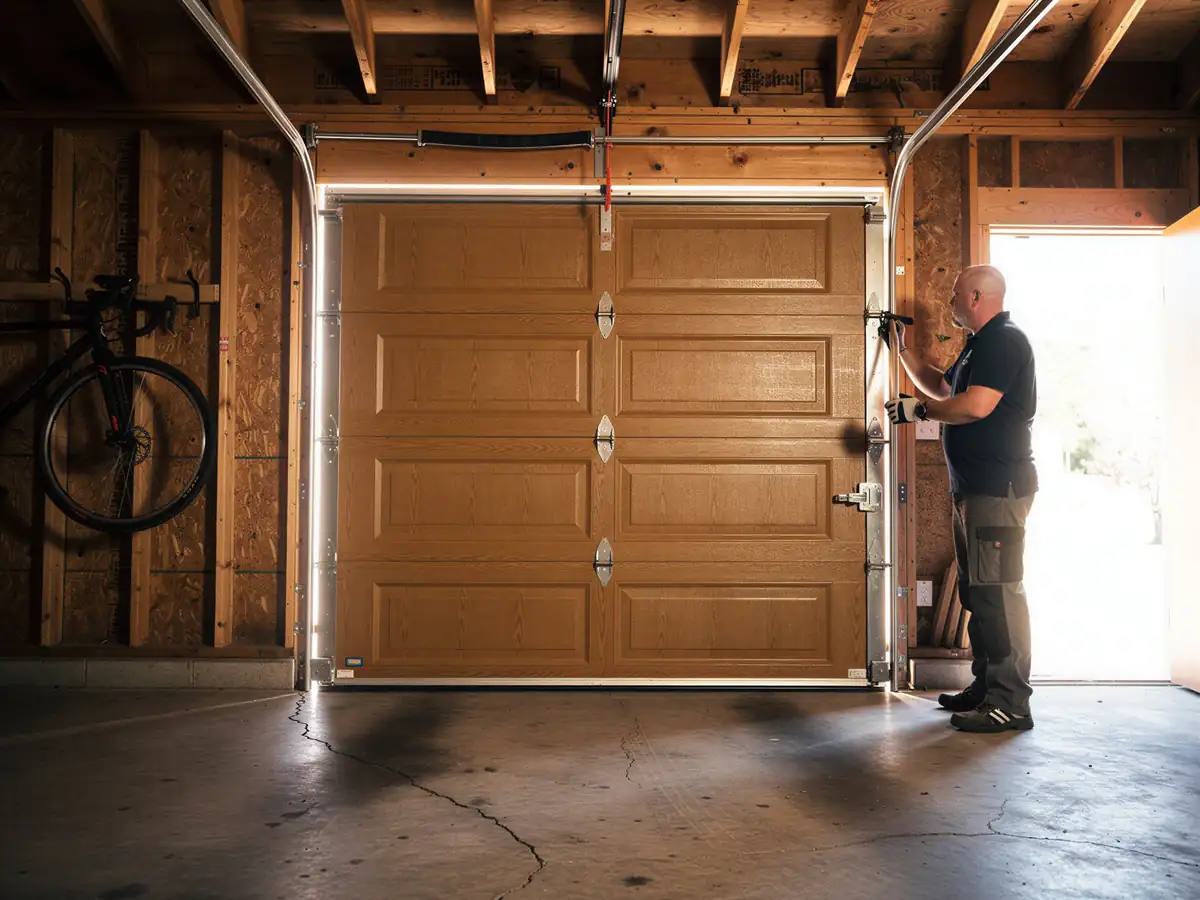
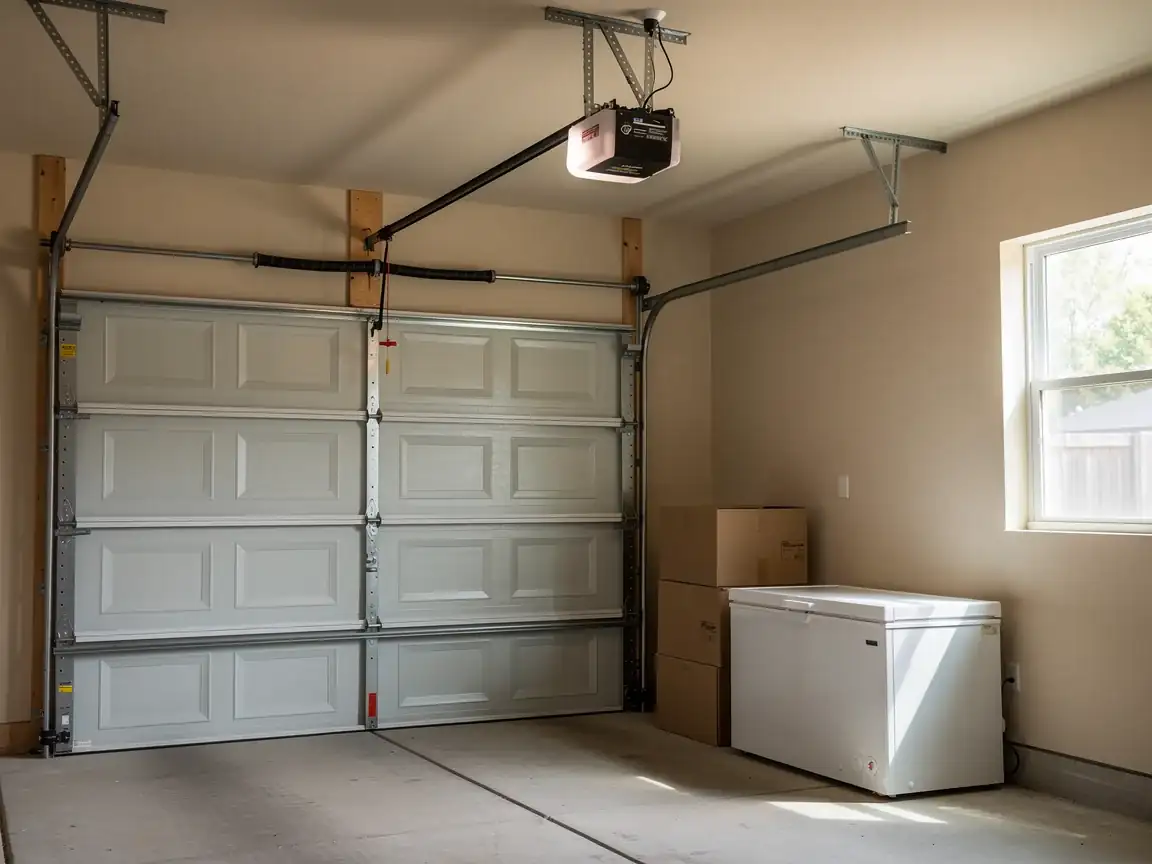
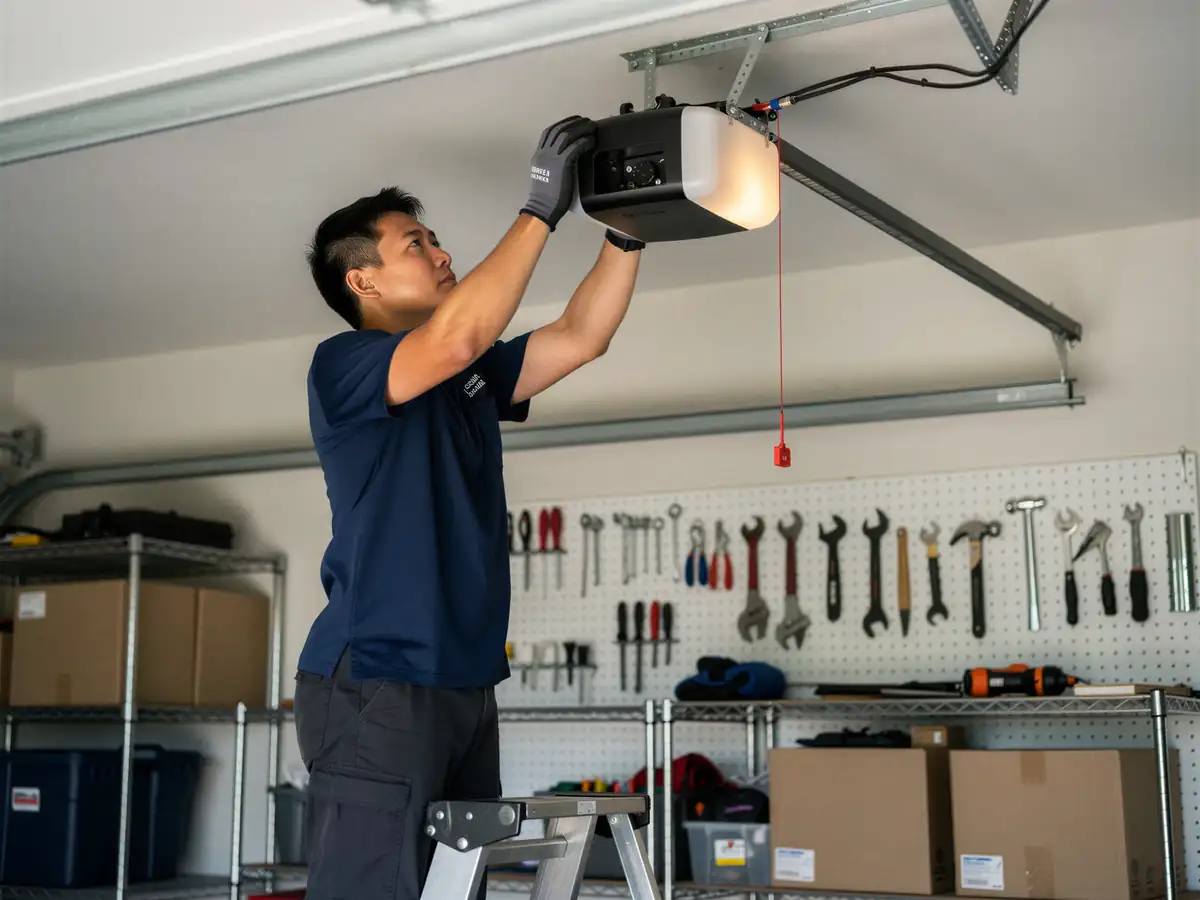
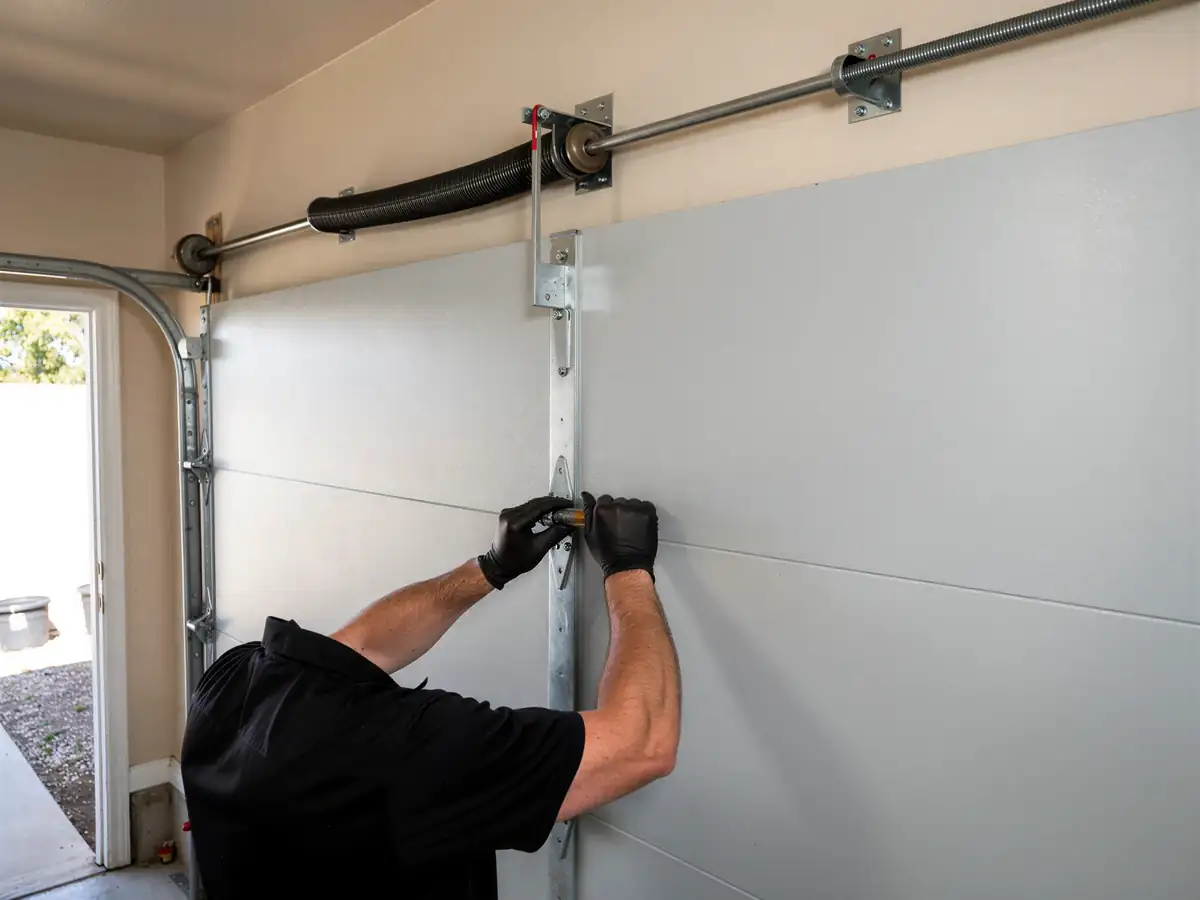
West Linn's housing skews to a median build year of about 1988, several years past the 1982 median for the wider service area. That matters for what's actually hanging in the opening. Doors from this era are almost always steel sectional panels on torsion spring systems rather than the older one-piece slab doors with extension springs that you still find on the older stretches closer to Oregon City. Openers from this period are more often chain or screw drive, sometimes with early photo-eye safety sensors bolted on as an afterthought rather than built in.
The cold-moderate climate here does the same slow damage it does everywhere in this band: galvanized track brackets loosen, torsion spring coils lose a little tension each winter, and nylon rollers from the 80s and 90s get brittle faster than steel ones do. On a door this age, a stiff or noisy roller rail is usually wear, not damage - and that's a cheaper fix than people expect.
We're not guessing at this pattern. It follows directly from when the bulk of this area's garages went in the ground, and it's different from what you'd find a few miles over where the stock runs older.
The Split Between Old and New
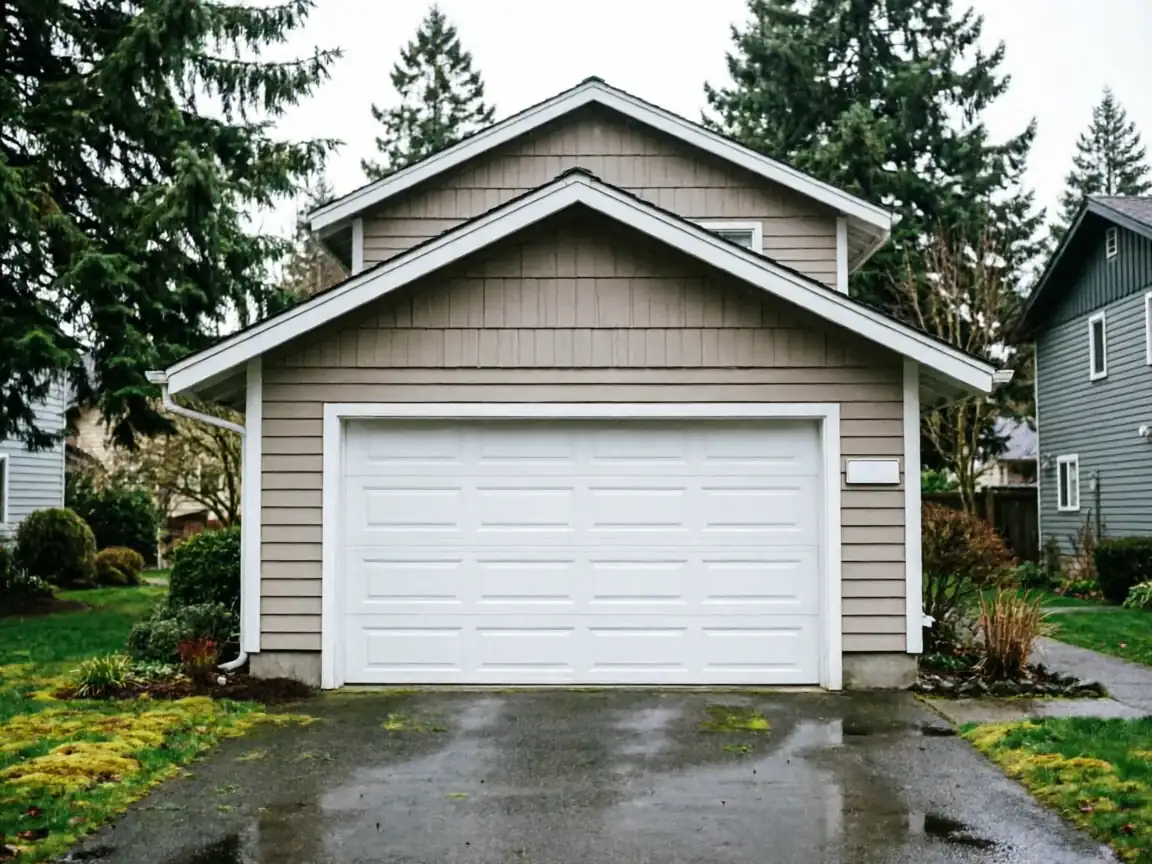
Across the full service territory, housing runs from 1964 to 2003, with a median around 1982 and most of it concentrated in the 1980s and 90s. West Linn sits on the newer side of that spread at a median of 1988, which puts most of its garage doors a notch past the oldest torsion conversions and closer to the standardized two-car sectional openings builders had settled on by the late 80s.
That six-year gap between West Linn's median and the area median doesn't sound like much until you're the one trying to match a spring or a track bracket. A door installed in 1988 is built to different width and hardware standards than one from 1976, even within the same company's product line from back then. The practical effect: fewer odd single-car openings, more consistent double-door widths, and springs that are more likely to be a standard torsion size rather than a discontinued extension-spring configuration.
We don't treat West Linn like the rest of the territory just because it's close to Oregon City. The build pattern here is its own thing, and the common failures follow it.
What Was Built Here
West Linn has around 9,919 households, a small slice of the roughly 140,724 households across the full area we cover from Oregon City
The median household income here runs about $138,526, well above the $102,201 median for the territory as a whole, and that tends to track with more owners opting for full replacement over patchwork repair when a door starts failing in multiple places at once.
It's about 3 miles from our shop in Oregon City to West Linn
One of the closer stops on our route, shorter than most of the other 30 areas we cover, some of which run 15 to 19 miles out. That doesn't change what a job costs or how we diagnose it, but it does mean less drive time eaten into the appointment window.
The 1988 median build year lines up with what you'd expect from a town that filled in heavily through the 80s and into the early 90s
Steel sectional doors, torsion hardware, and openers that are now old enough to need a spring or a drive gear but young enough that most of them are still worth fixing rather than replacing outright.