The DIY Question
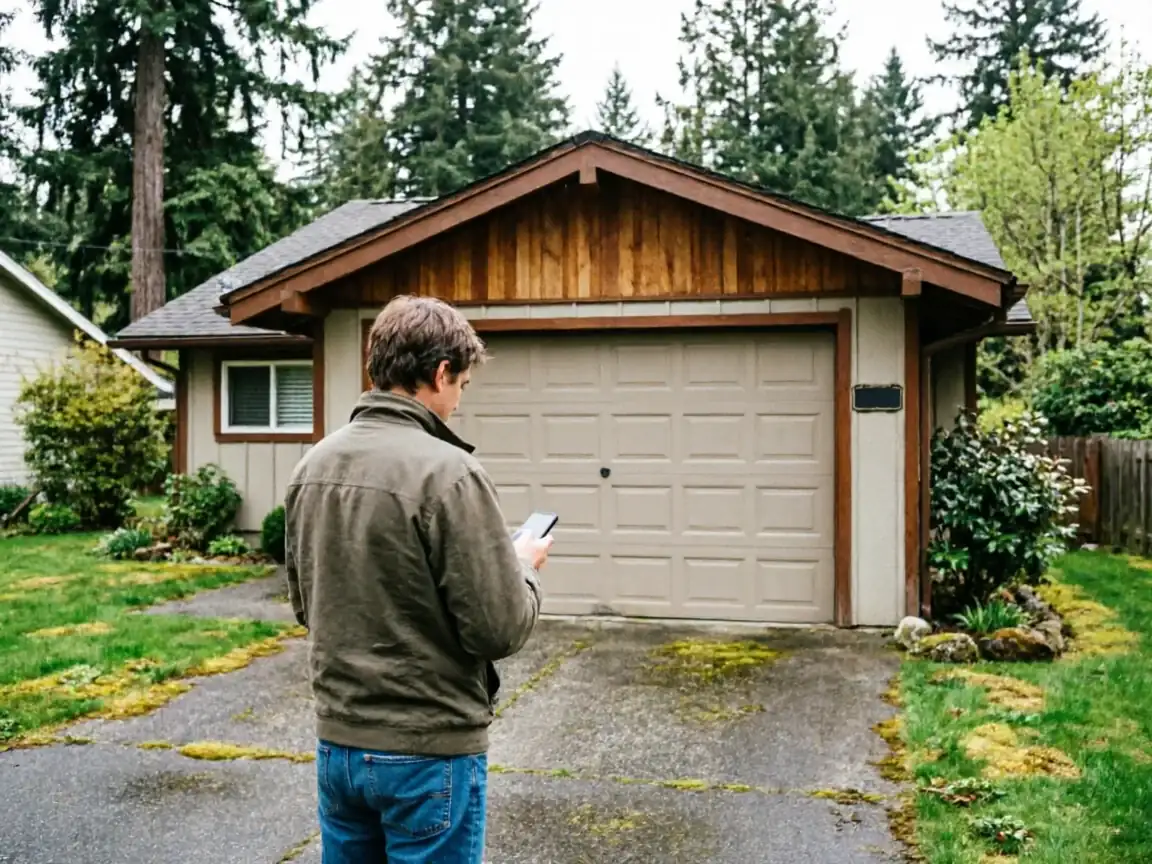
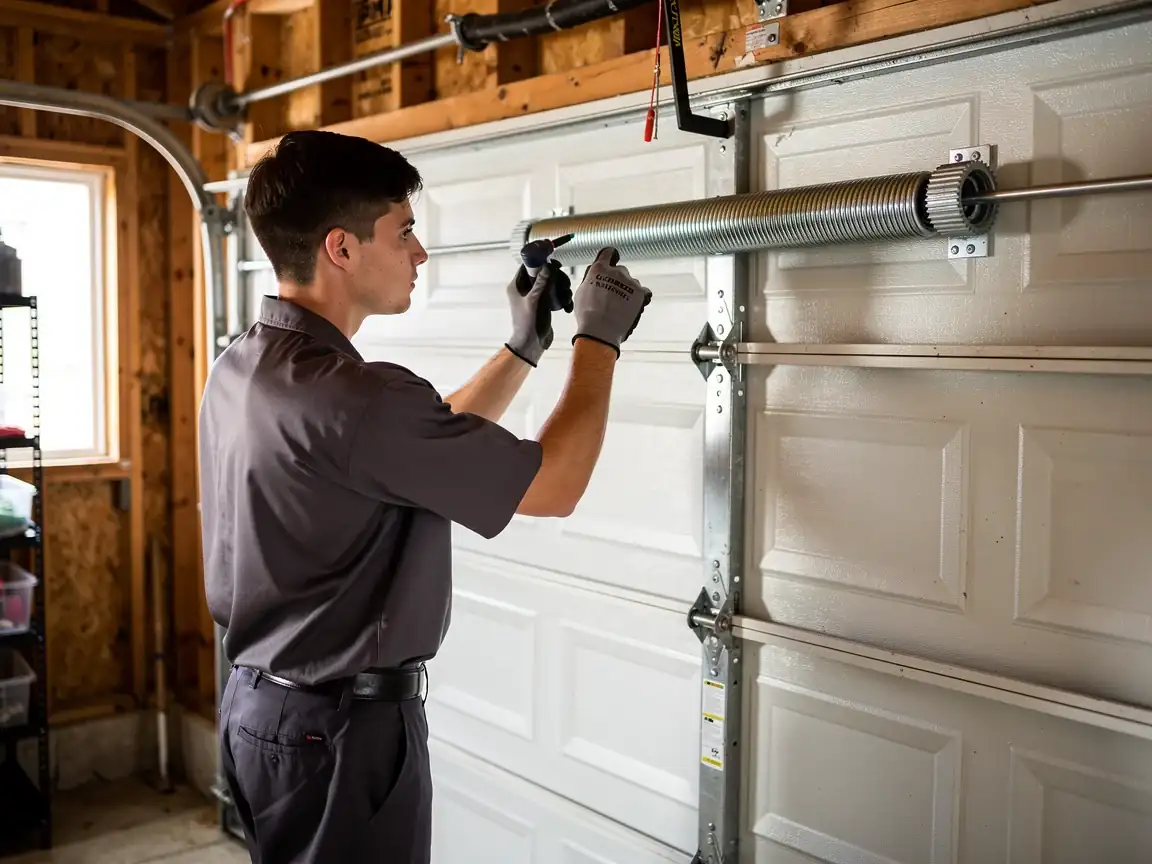
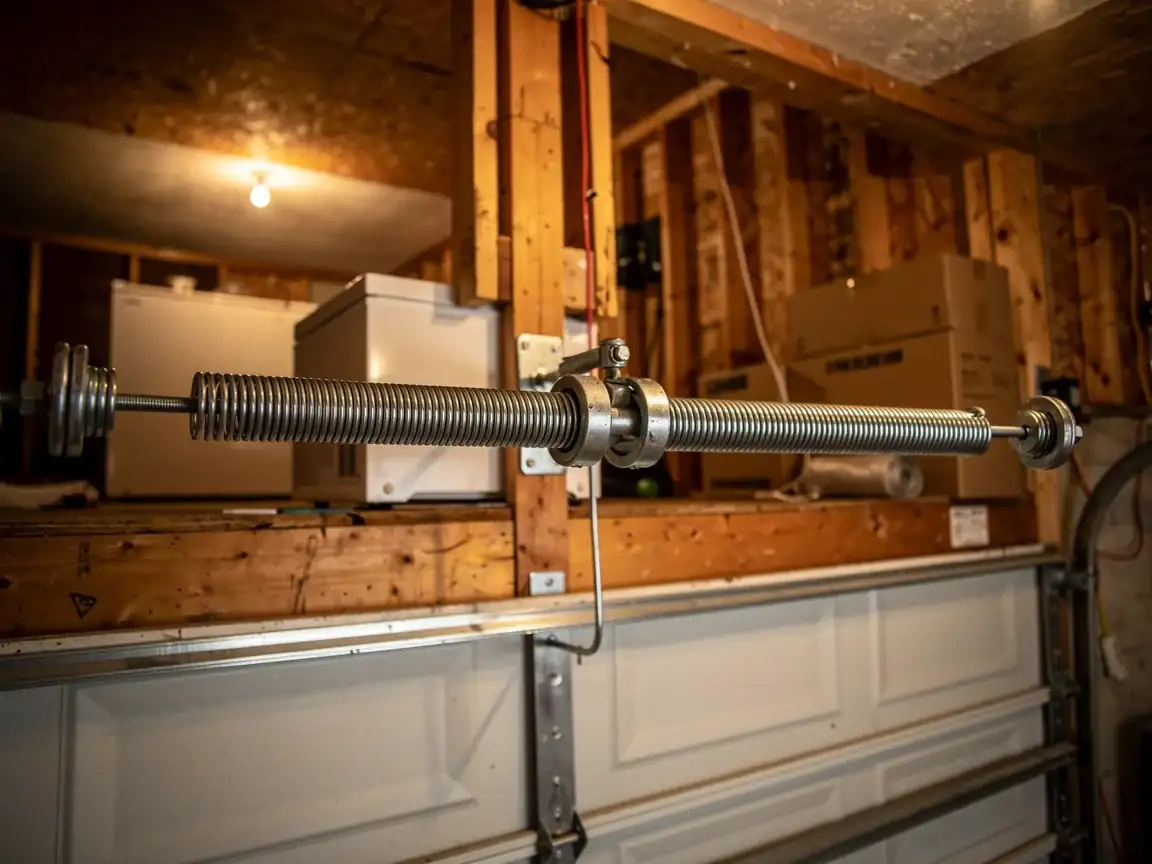
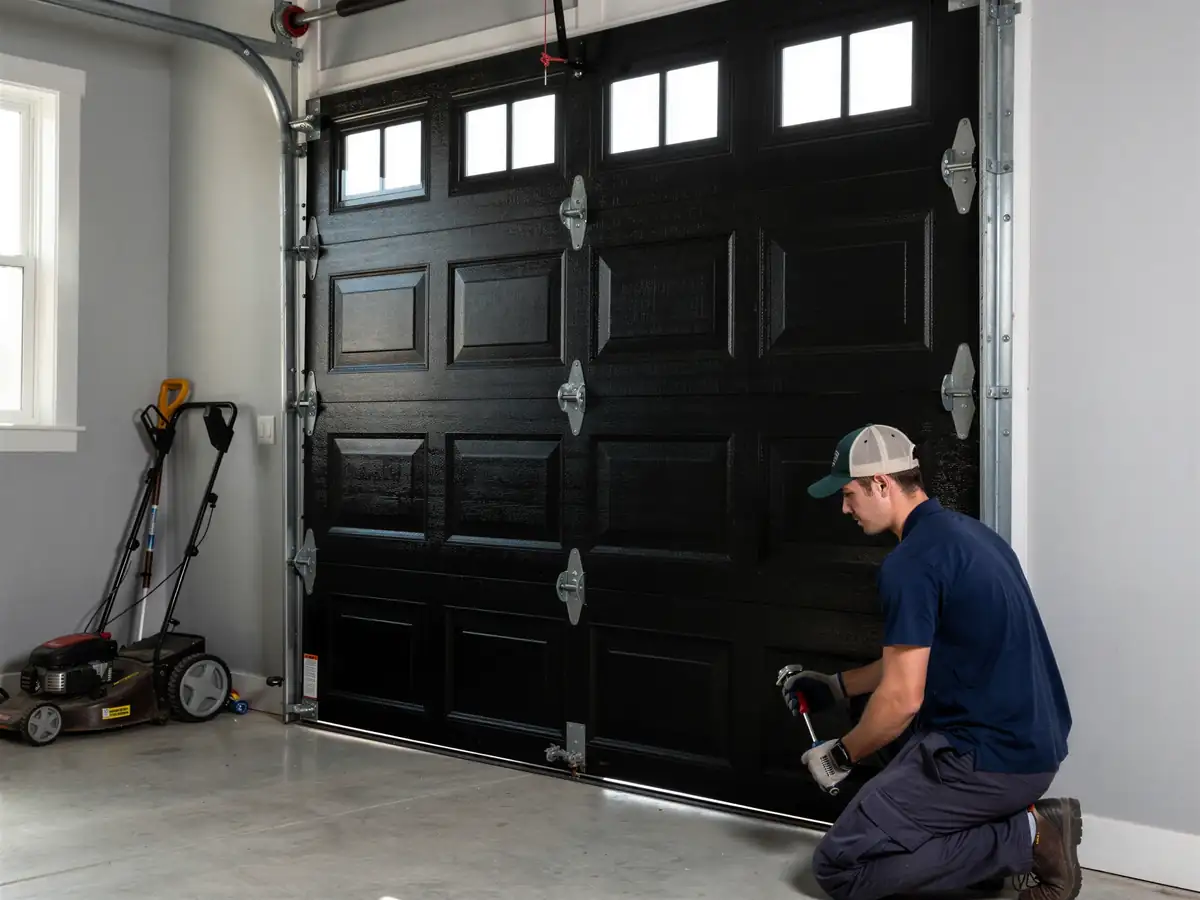
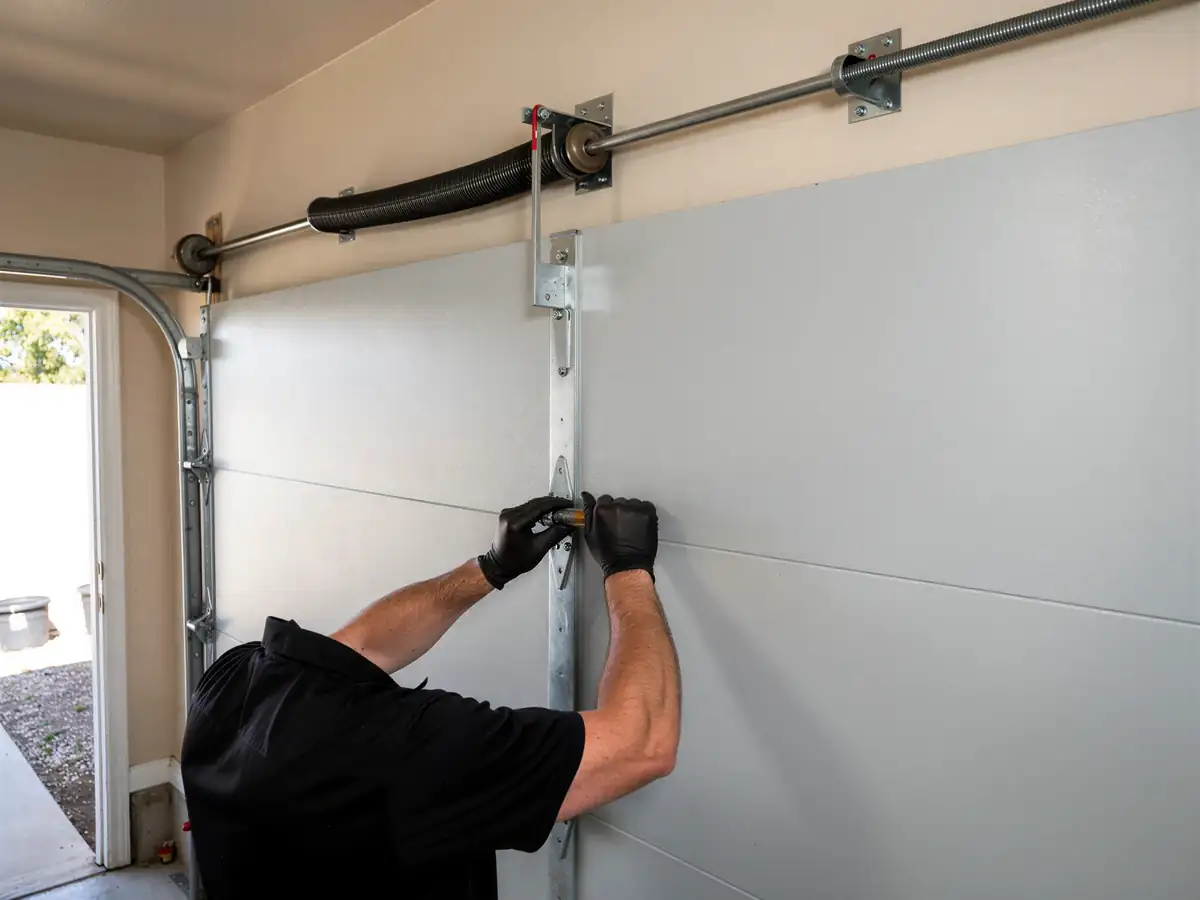
Lubricating hinges and rollers, checking the auto-reverse sensors, and keeping the track clear of debris are all reasonable for a homeowner to do on a schedule, regardless of what year the house went up. Where DIY stops making sense is torsion spring tension and anything involving the cable drums - those are under enough load to cause real injury if you don't know the release sequence. West Linn's housing stock centers around 1988, meaning most garage doors here are on original or first-replacement torsion hardware that's now pushing three and four decades old. That's past the point where a spring looks fine but is actually a few cycles from snapping. If your door is from that era and you haven't had the spring tension checked, that's the one thing we'd tell you not to do yourself.
The Complications
A door built around 1988 usually means galvanized torsion springs rated for a certain cycle count that's long since been exceeded, plus an opener that may have been swapped out once already without the track or hardware being updated to match. That mismatch is common enough in this age bracket that it's worth checking for specifically during maintenance, not just assuming newer parts mean a newer system. West Linn sits in the same cold-moderate climate band as the rest of the area, so hardware doesn't fight the kind of temperature swings that crack seals in hotter regions, but moisture and the freeze-thaw cycle still work on bearings and bottom seals over 35+ years. The complication isn't dramatic weather - it's just time acting on parts installed before anyone expected them to last this long.
The Symptom
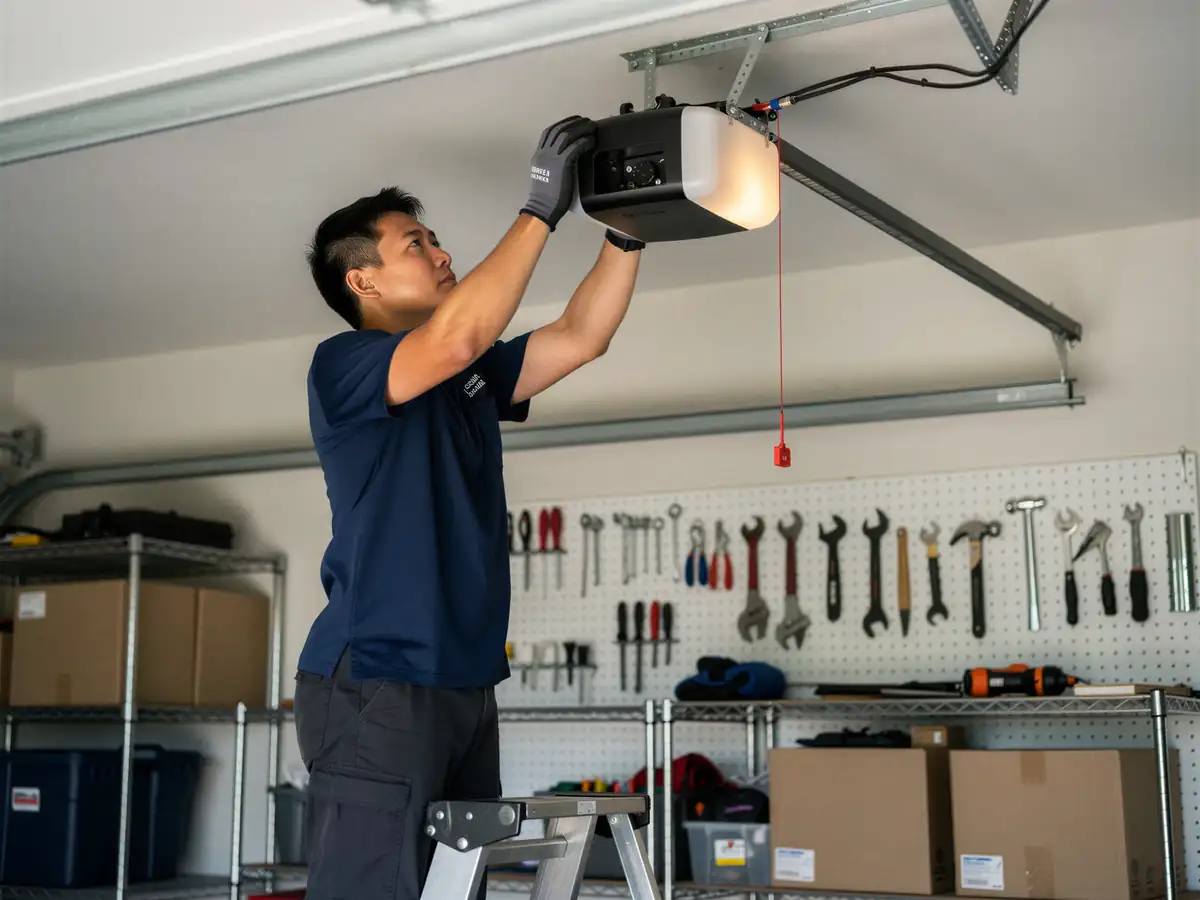
The symptom we see most in this part of the service area is a door that still opens and closes fine but makes a noticeably louder grinding or popping sound than it used to, especially near the top of the track. On a house from the late 1980s, that's often worn rollers or a spring that's lost tension gradually rather than snapped outright - the door compensates by working the opener motor harder, which is its own slow failure path. Owners sometimes wait on this because the door 'still works,' but a motor straining against a weak spring is exactly the kind of wear that turns a $150 maintenance call into a $400 spring replacement plus an opener repair six months later.
What the Repair Takes
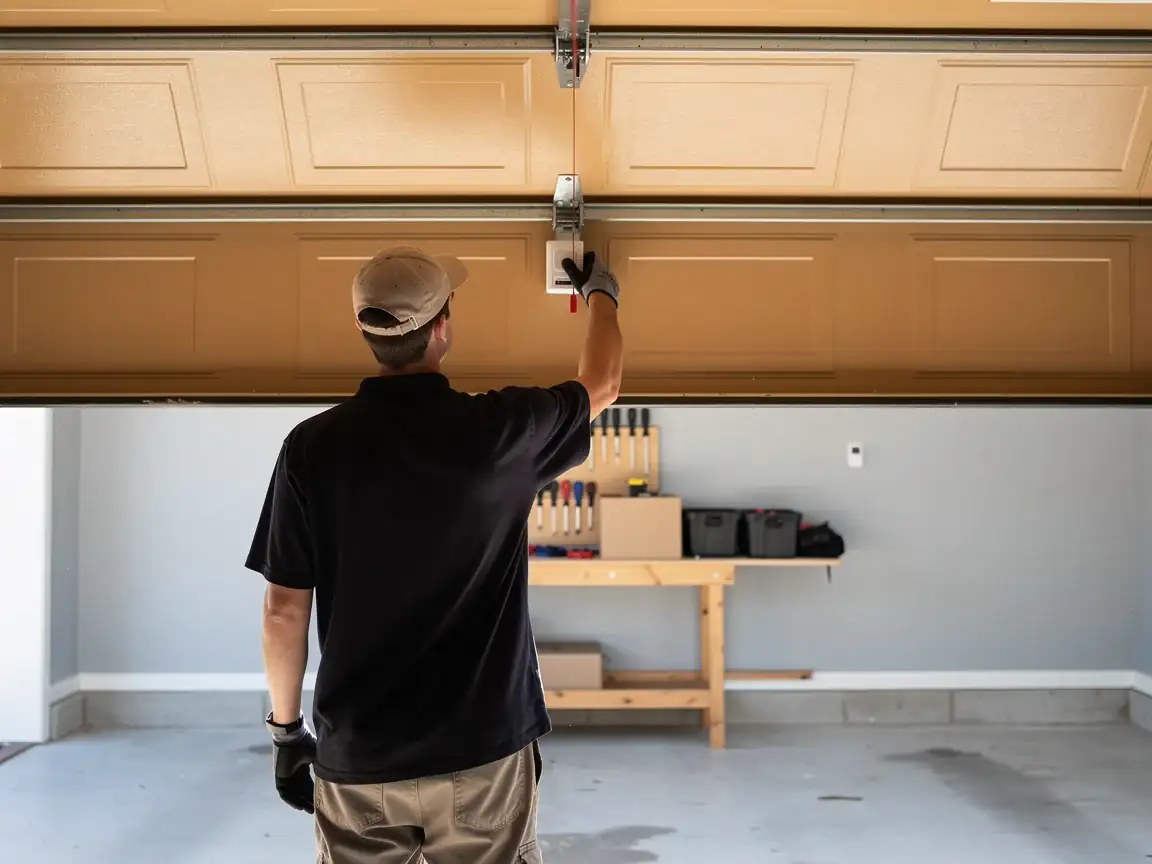
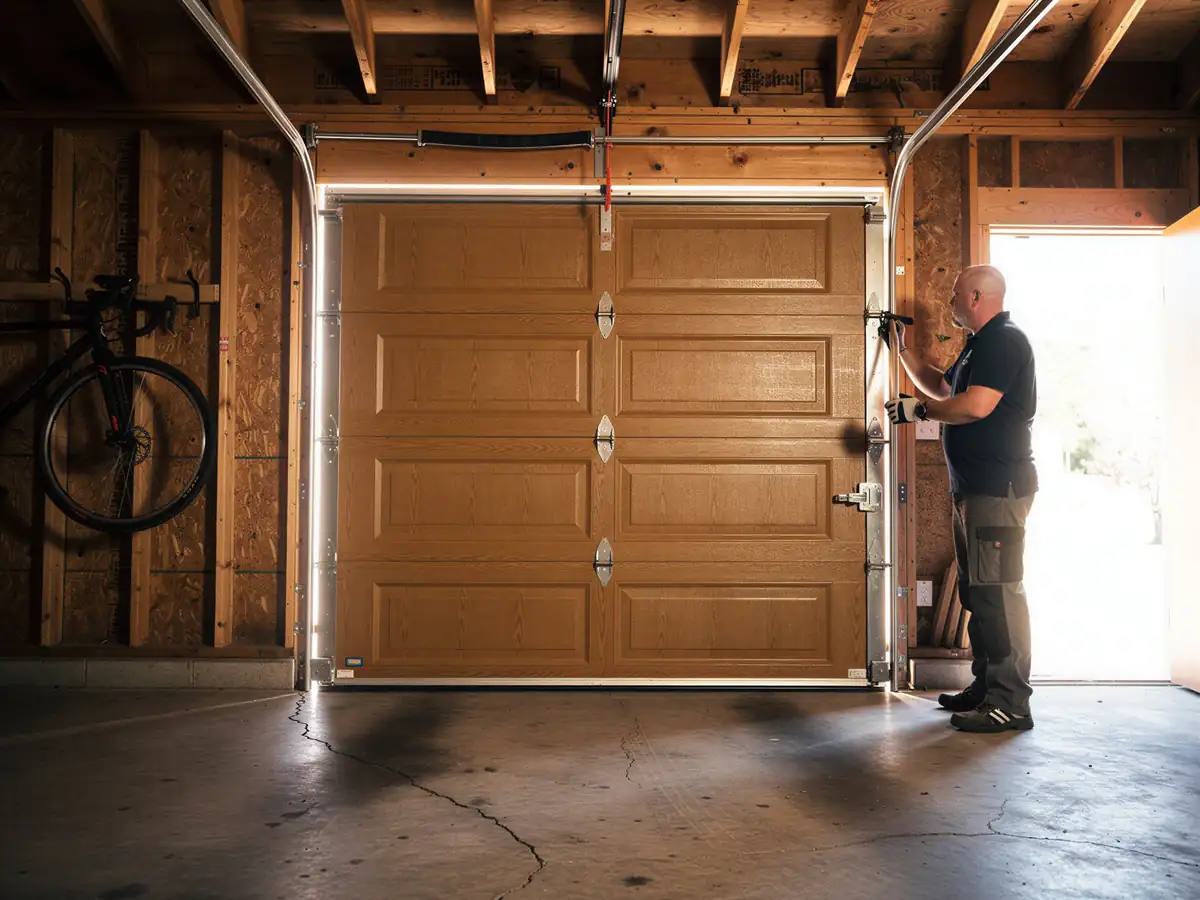
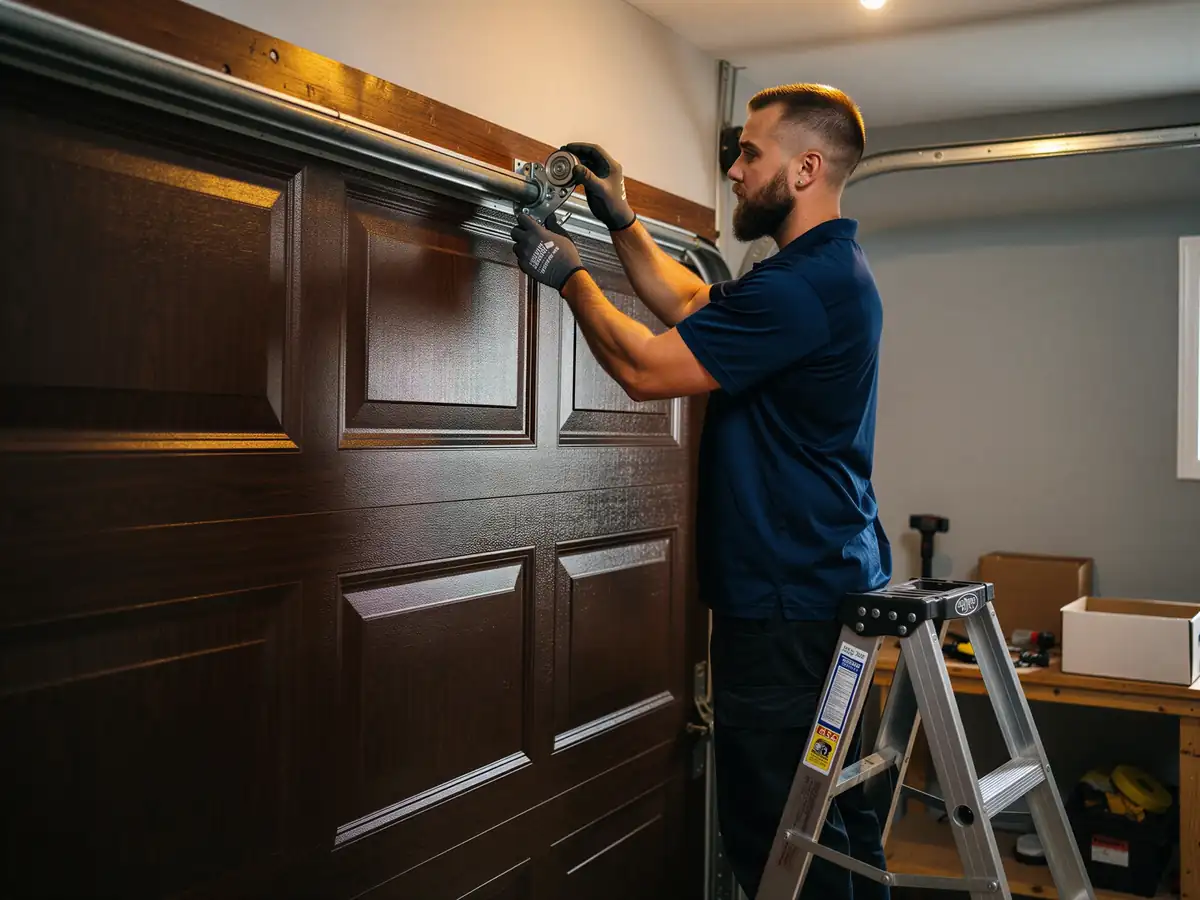
For a maintenance visit on a door built in this era, expect roller and hinge lubrication, a full torsion spring tension check, bottom seal inspection, track alignment, and a run-through of the auto-reverse safety sensors. Given the median income here, most owners we talk to in West Linn aren't looking to defer this kind of work - they'd rather pay for a maintenance visit now than gamble on a cable snapping later. One honest limit: if the spring is already showing visible gaps between coils or the cable has frayed strands, that's not a maintenance fix. We'll tell you straight that it's a repair call, not a tune-up, and price it as one.