The DIY Question
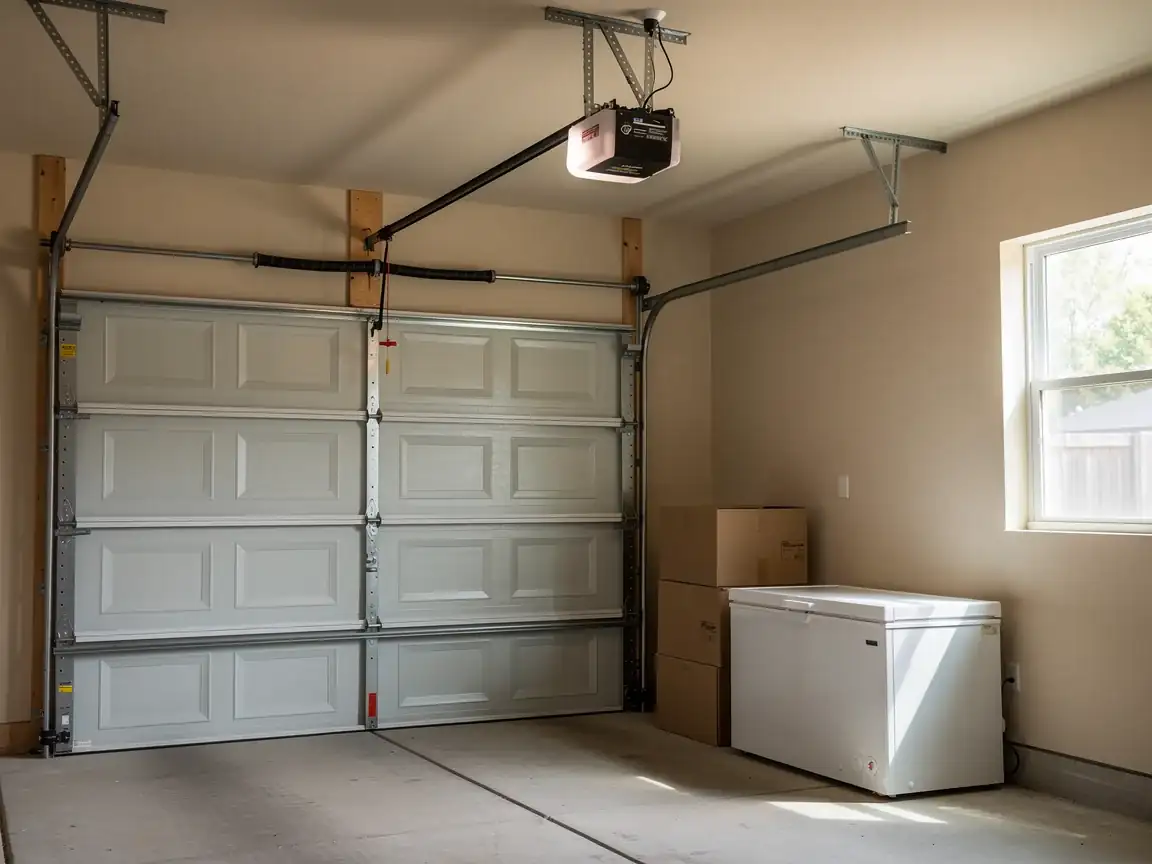
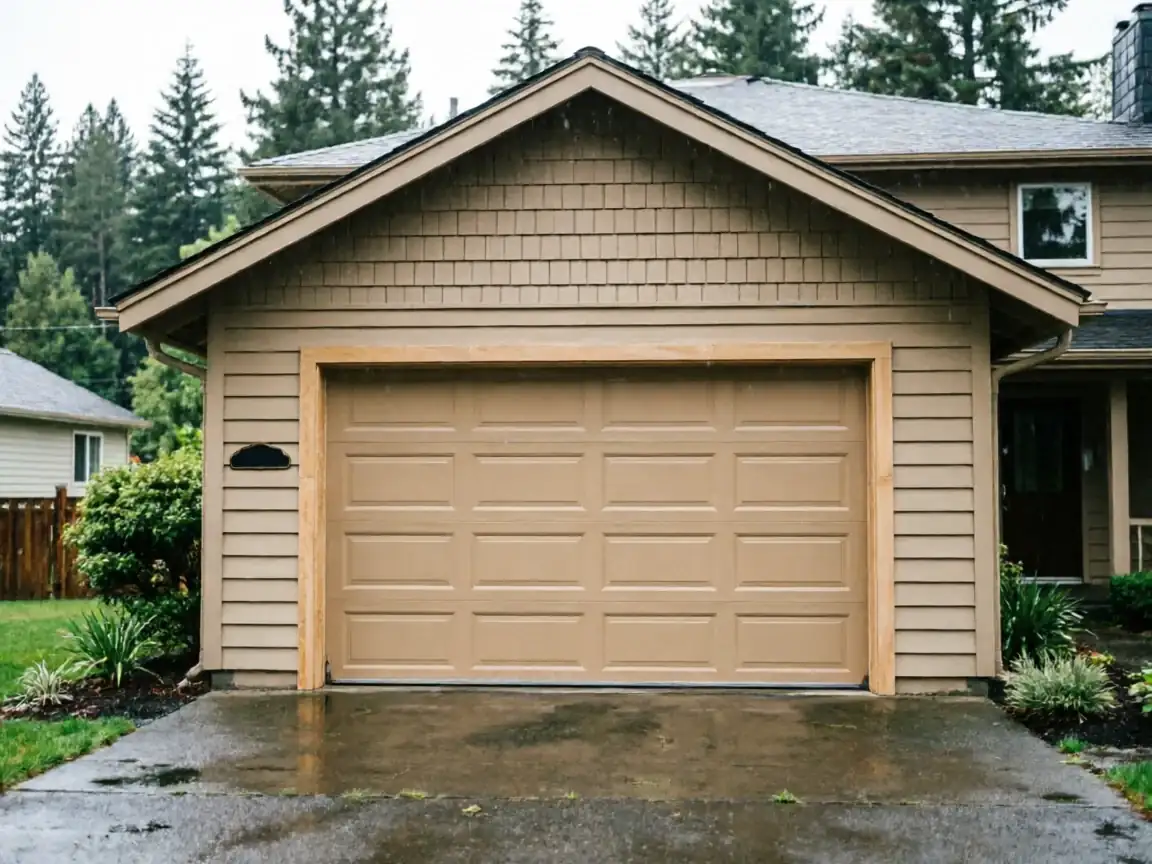
Swapping a single roller is within reach for someone comfortable with a ratchet and a winding bar - if it's a nylon roller on a short stem and the door is off a torsion spring you aren't touching. But most 1988-era doors in West Linn have steel rollers riding in tracks that have seen 35+ years of settling, and often the whole run of rollers is worn unevenly, not just the one that's grinding. Replace one and leave the rest, and you're back to the same noise in six months, just from a different spot on the track. We'll tell you straight if your situation is a one-roller fix or a full-set job - we're not interested in selling you more than the door needs.
The Complications
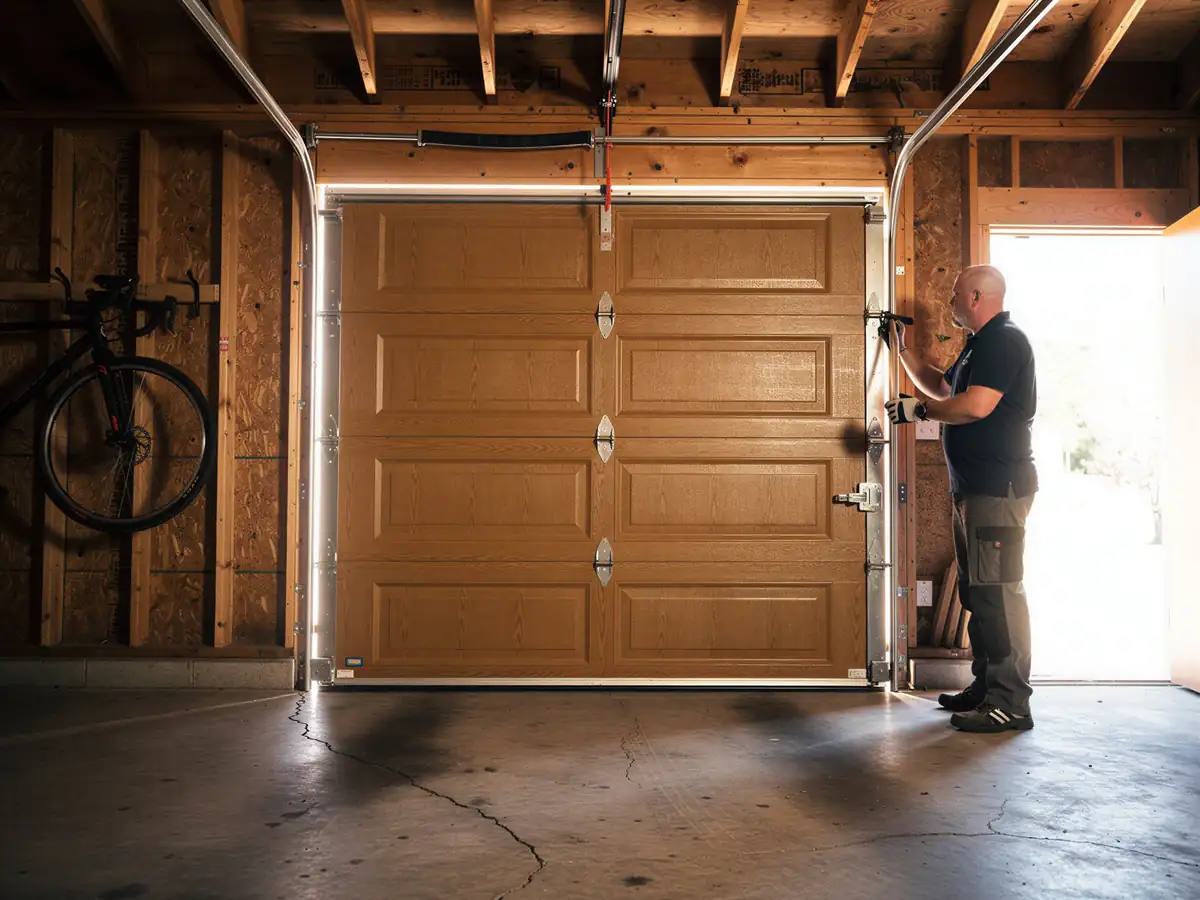
A household in this part of the service area typically has more invested in the house than the regional average - median income here runs $138,526, well above the broader area - and that often means owners want the repair done once, correctly, rather than patched twice. The complication with original 1988 hardware is that the track itself has usually shifted slightly over three decades of door openings, so a straight roller swap can reveal that the track needs re-aligning too. We won't quote a roller job and then surprise you with a track bill - if the track's out, we tell you on the first visit, not after the rollers are already in.
The Symptom
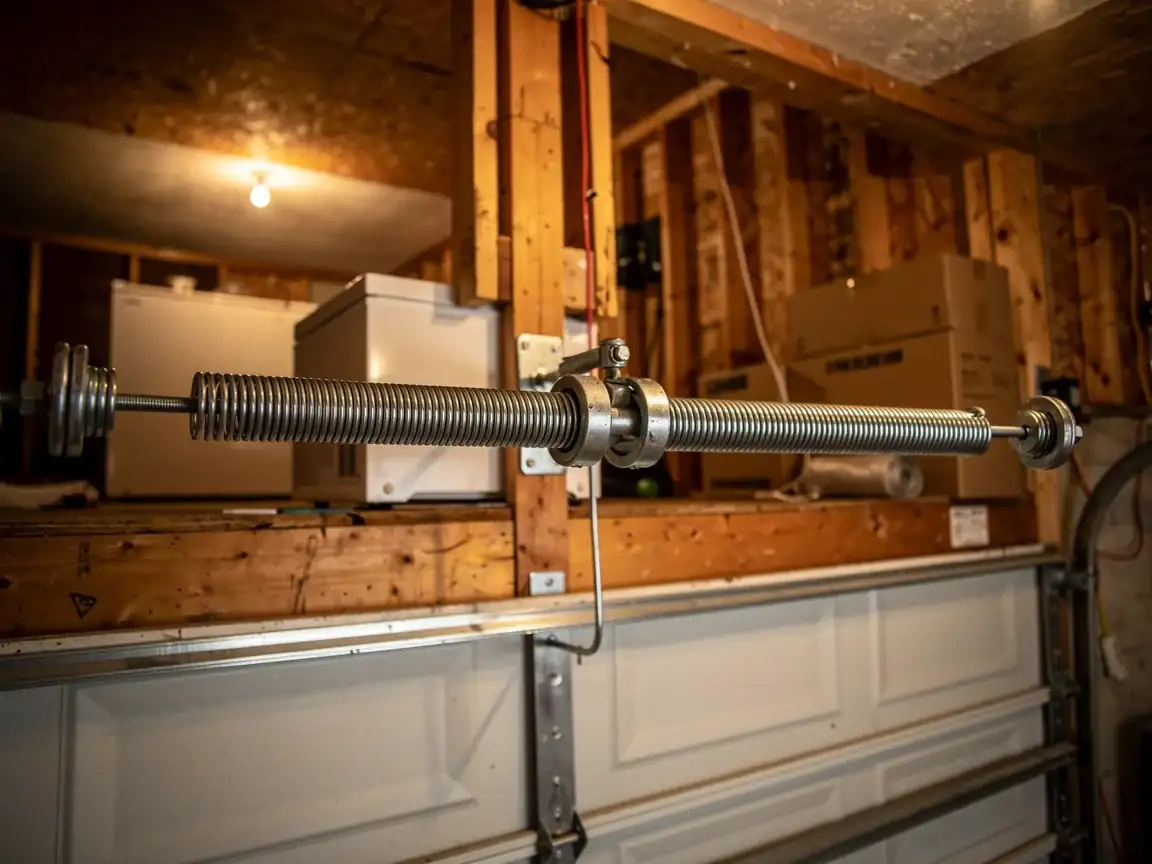
The giveaway on original hardware is a grinding or clunking sound that gets worse as the door travels, not a sound that happens once and stops. That's steel rollers with flat spots or dry bearings, dragging against the track instead of rolling through it. In this climate band - cold enough for the grease in old roller bearings to stiffen up in winter - that grinding often gets noticeably worse on the first cold mornings of the season, which is usually when we get the call. If your door is also harder to lift by hand than it used to be, that's a separate issue - worn rollers don't usually affect spring tension, so that points toward the springs instead.
What the Repair Takes
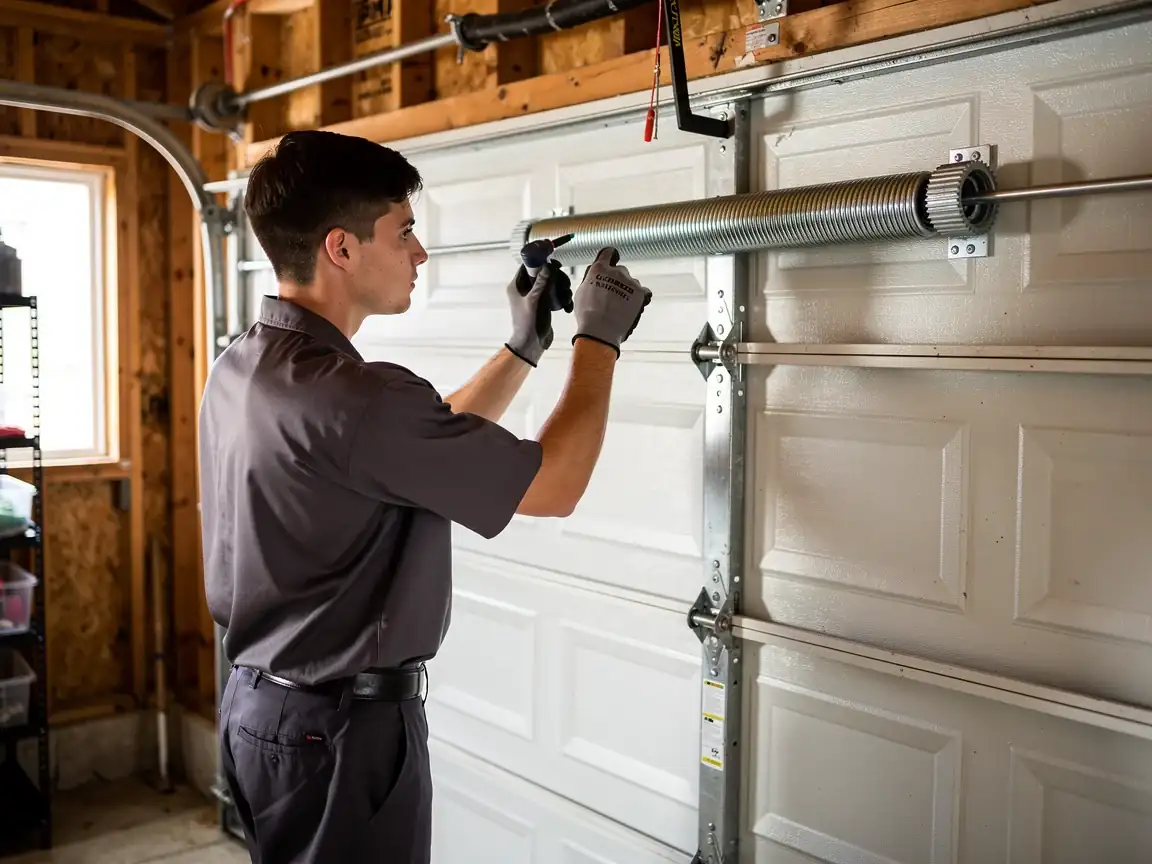
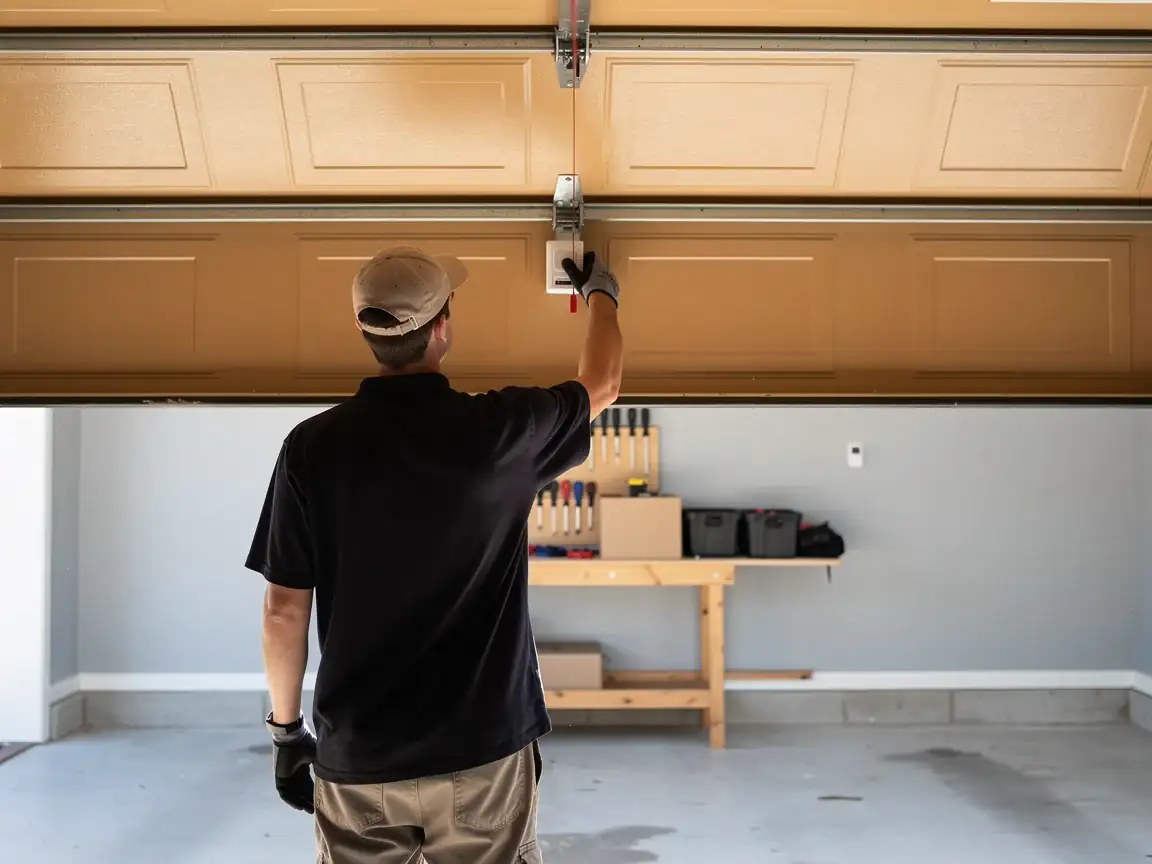
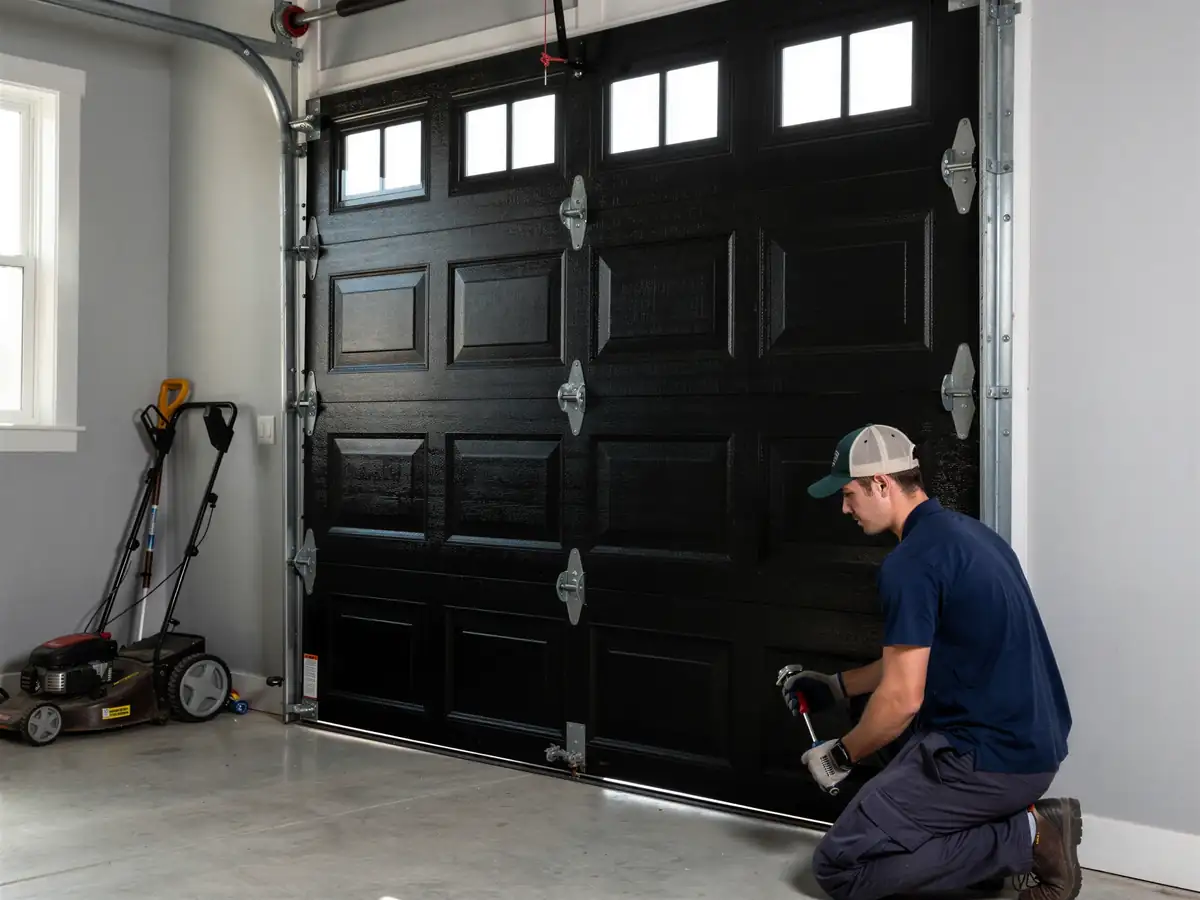
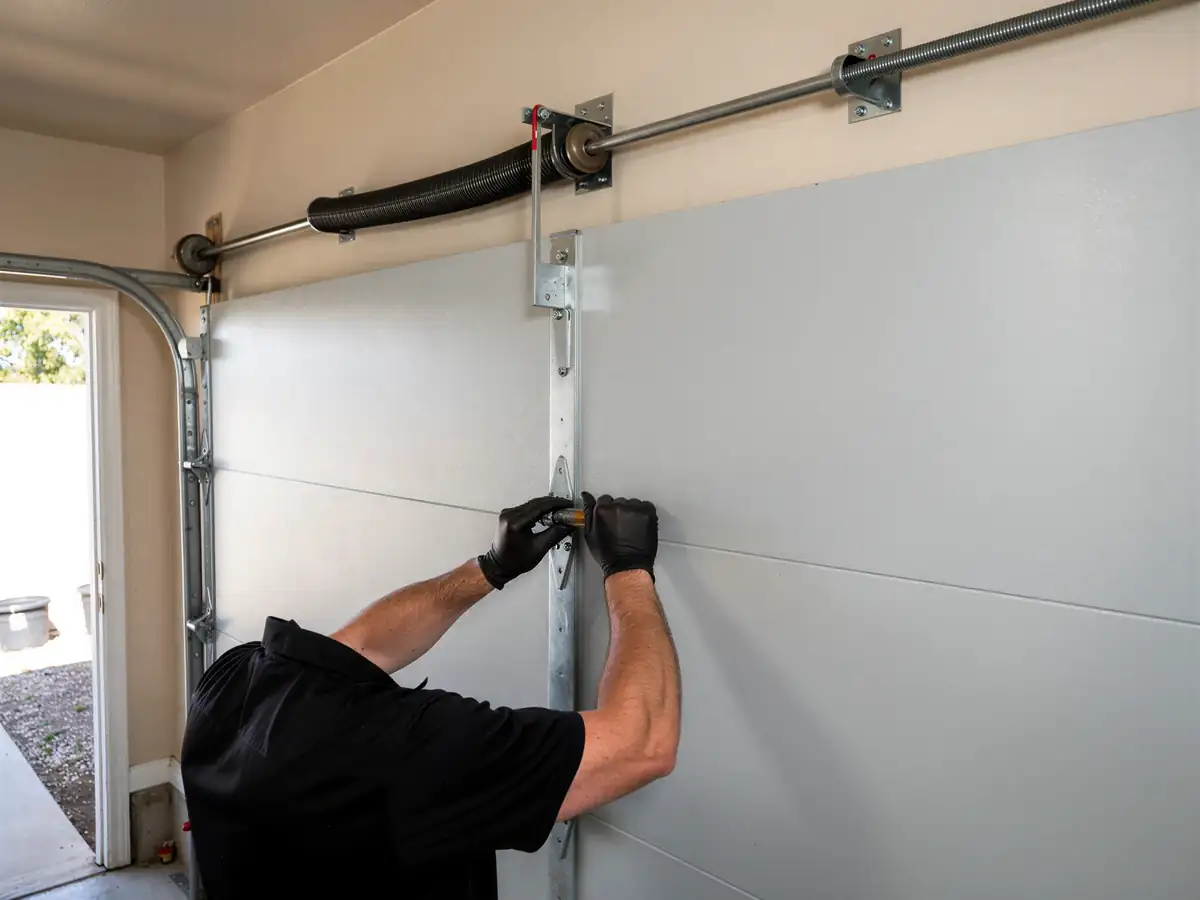
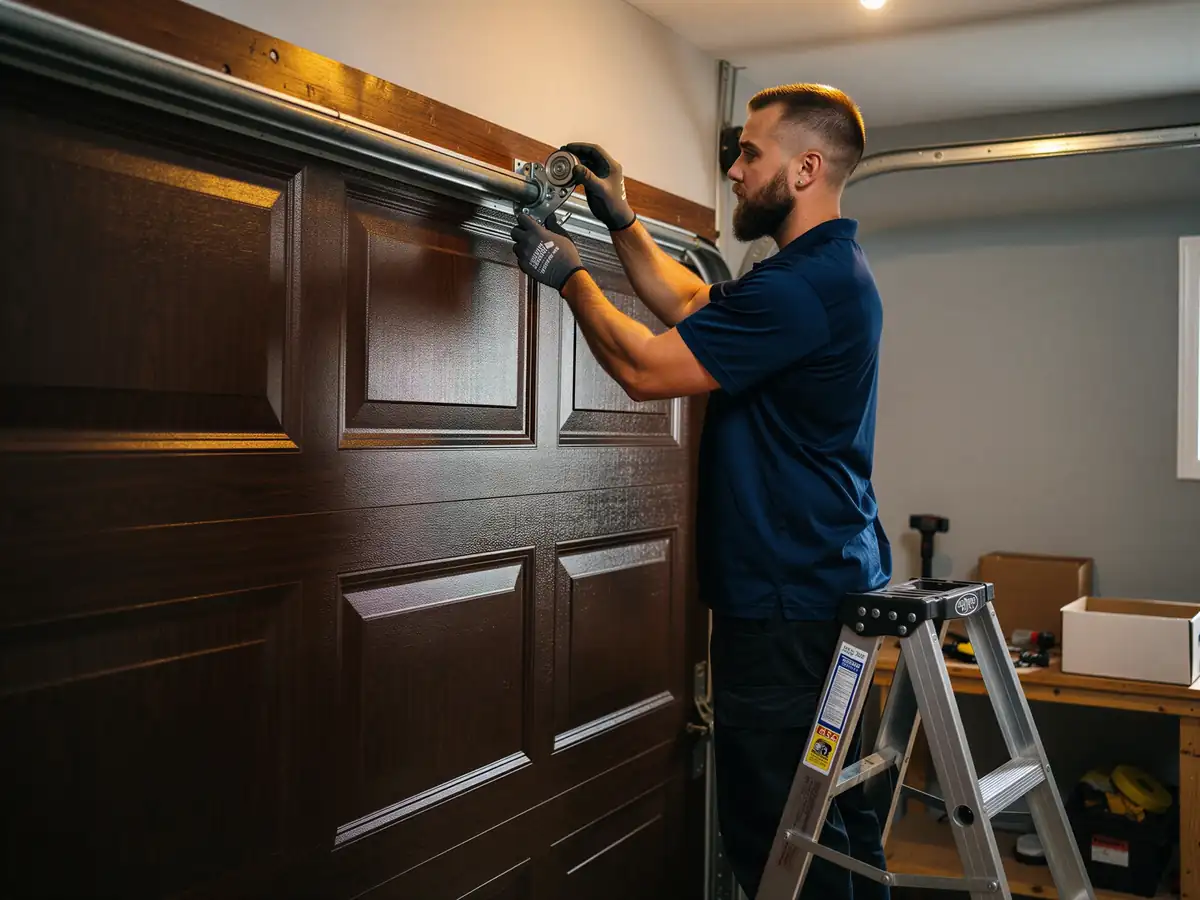
For a straight swap, it's pulling the old rollers off the hinges, fitting new ones - usually nylon, which runs quieter and doesn't wear the track the way steel does - and running the door a few times to check it travels straight. If the track's worn from decades of steel rollers grinding against it, that gets addressed at the same time rather than left to fail again in a year. One thing we won't do is recommend replacing rollers on a door where the panels themselves are failing - if the door's at the end of its life, roller work is money spent on a door you're replacing anyway, and we'll say so rather than take the job.