The DIY Question
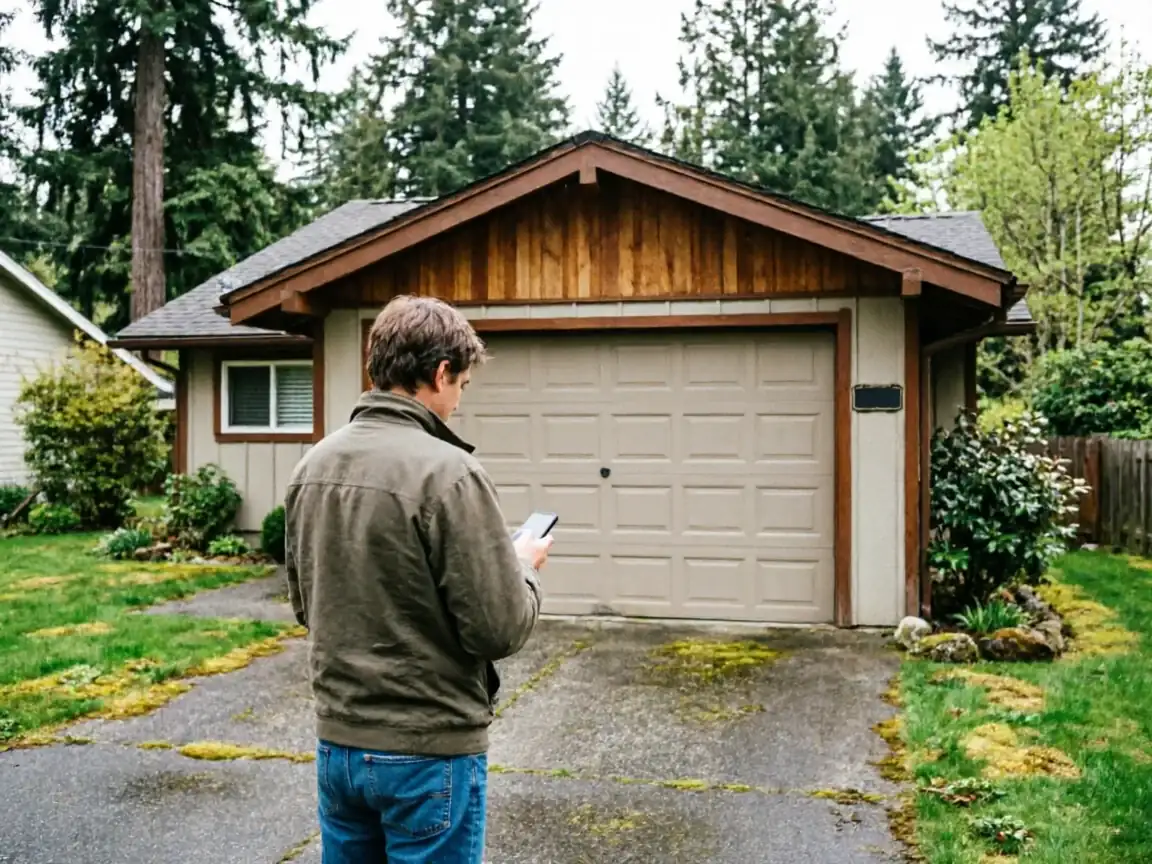
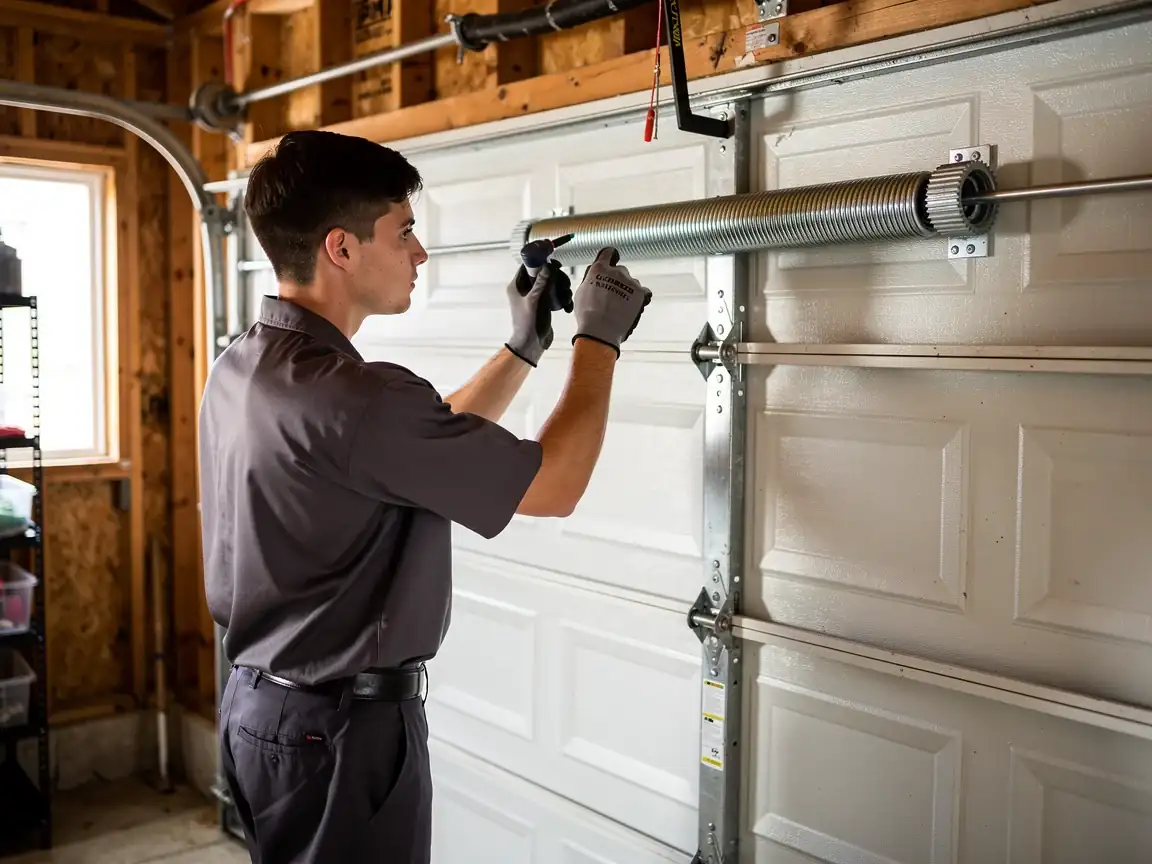
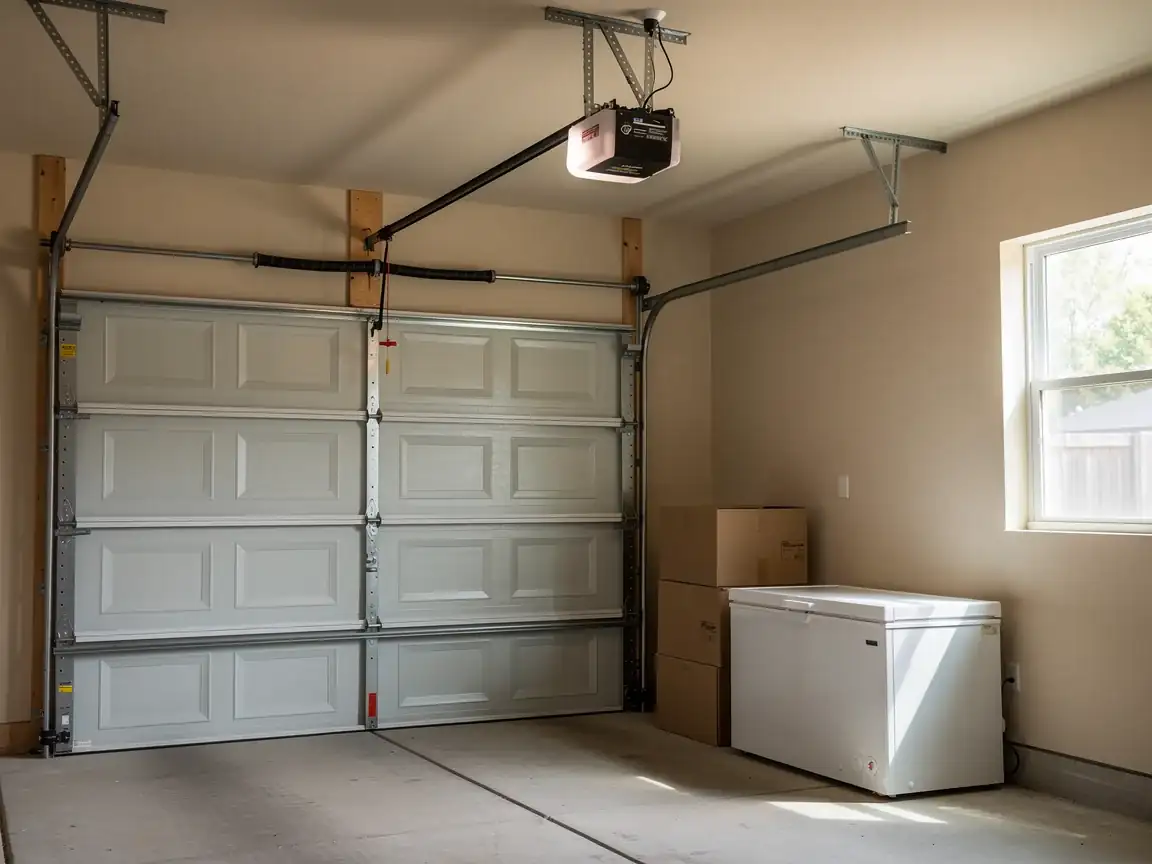
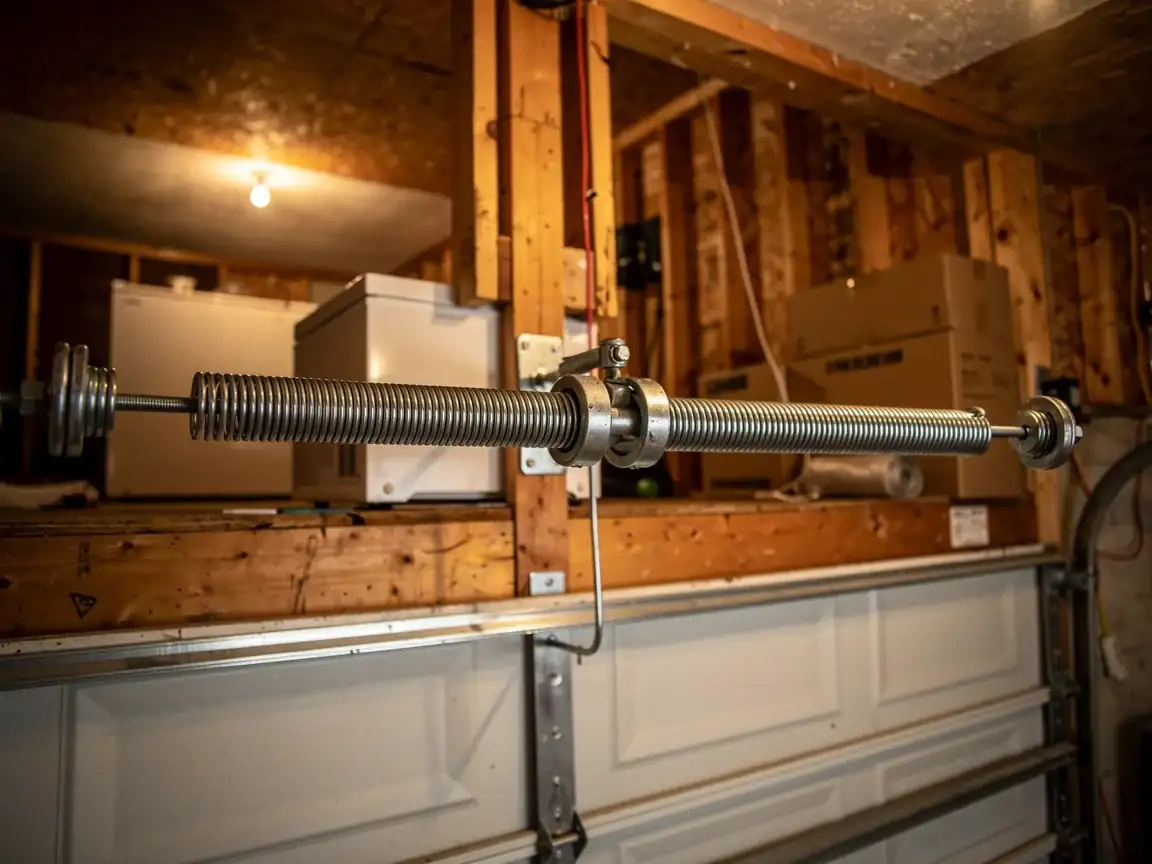
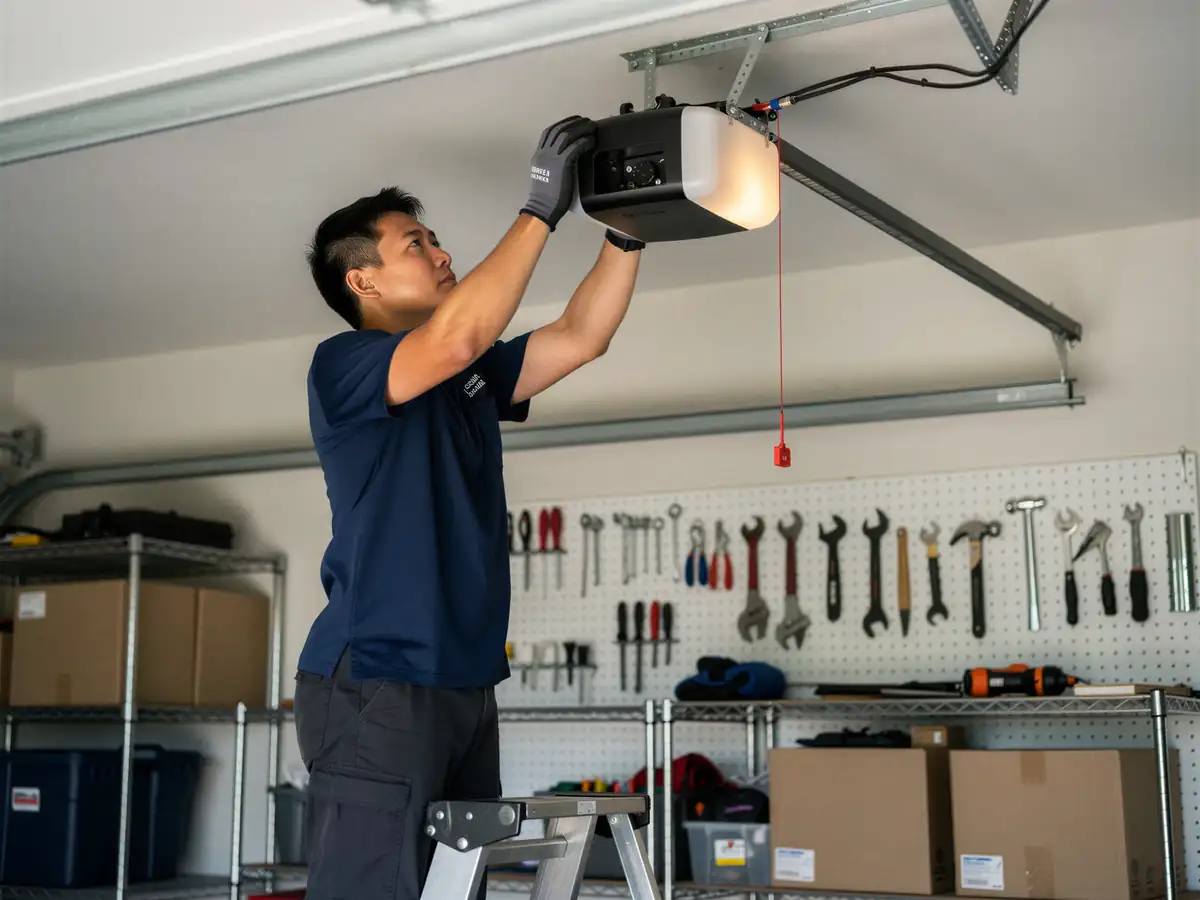
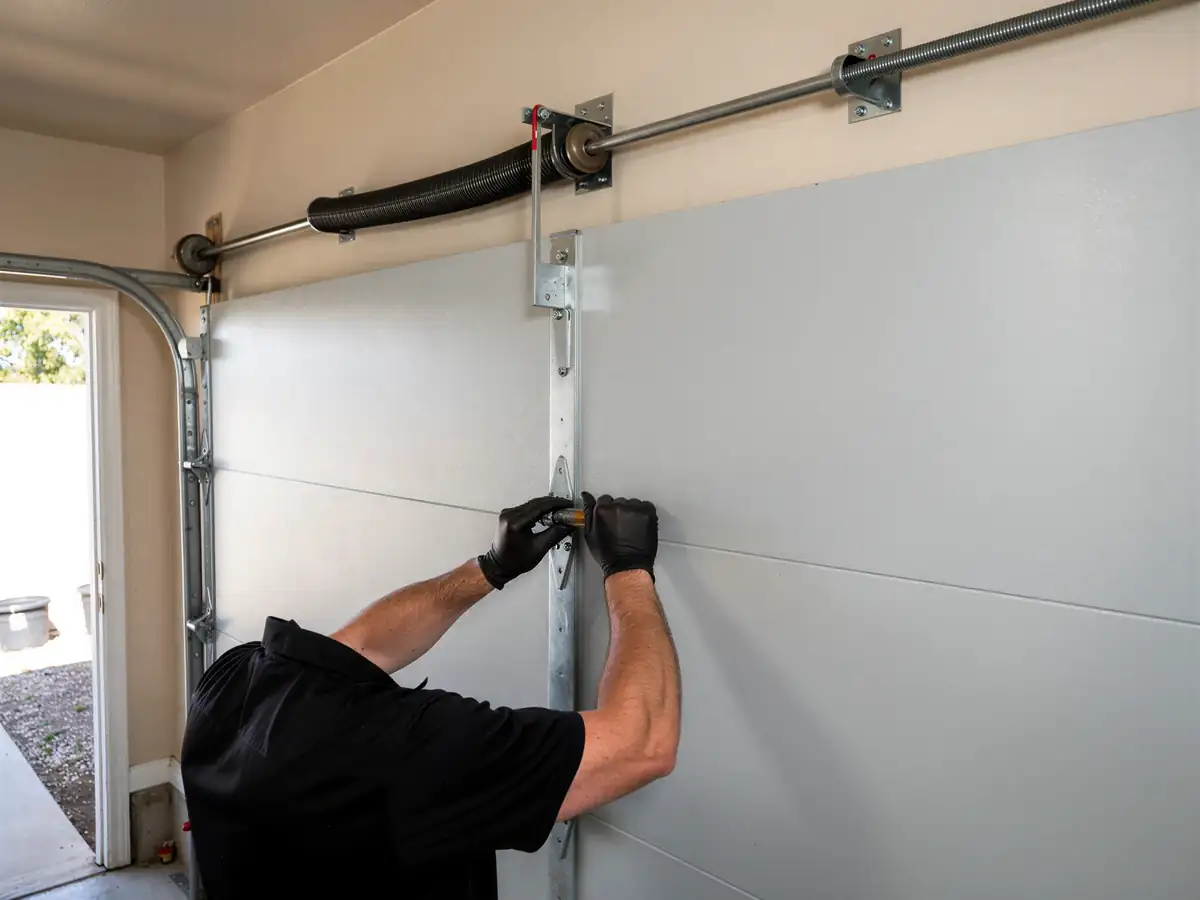
A garage door built in the late 1980s is simple compared to what's sold today - no integrated sensors wired into the frame, no composite overlay panels, usually a torsion spring on a single shaft above the opening. That simplicity tempts people into fixing it themselves. Some of that is fine: lubricating hinges, tightening loose bolts, replacing a worn weatherstrip along the bottom. What isn't fine is the torsion spring itself. It's wound under enough tension to break a hand or worse, and a 1988-era spring has usually been through close to 35 years of temperature swings in our wet, cold winters, which makes the metal more likely to let go without warning. If the door won't open, or opens crooked, or the spring itself looks stretched or gapped, that's a call, not a weekend project.
The Complications
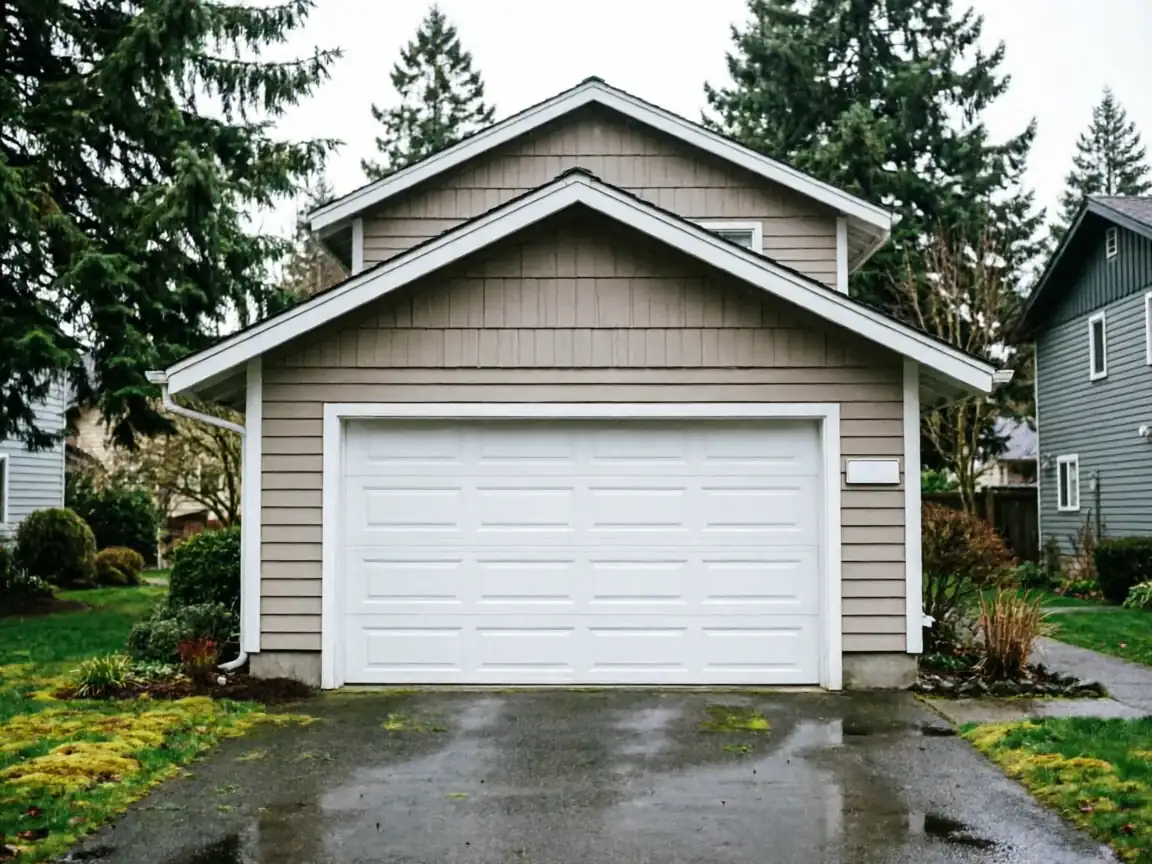
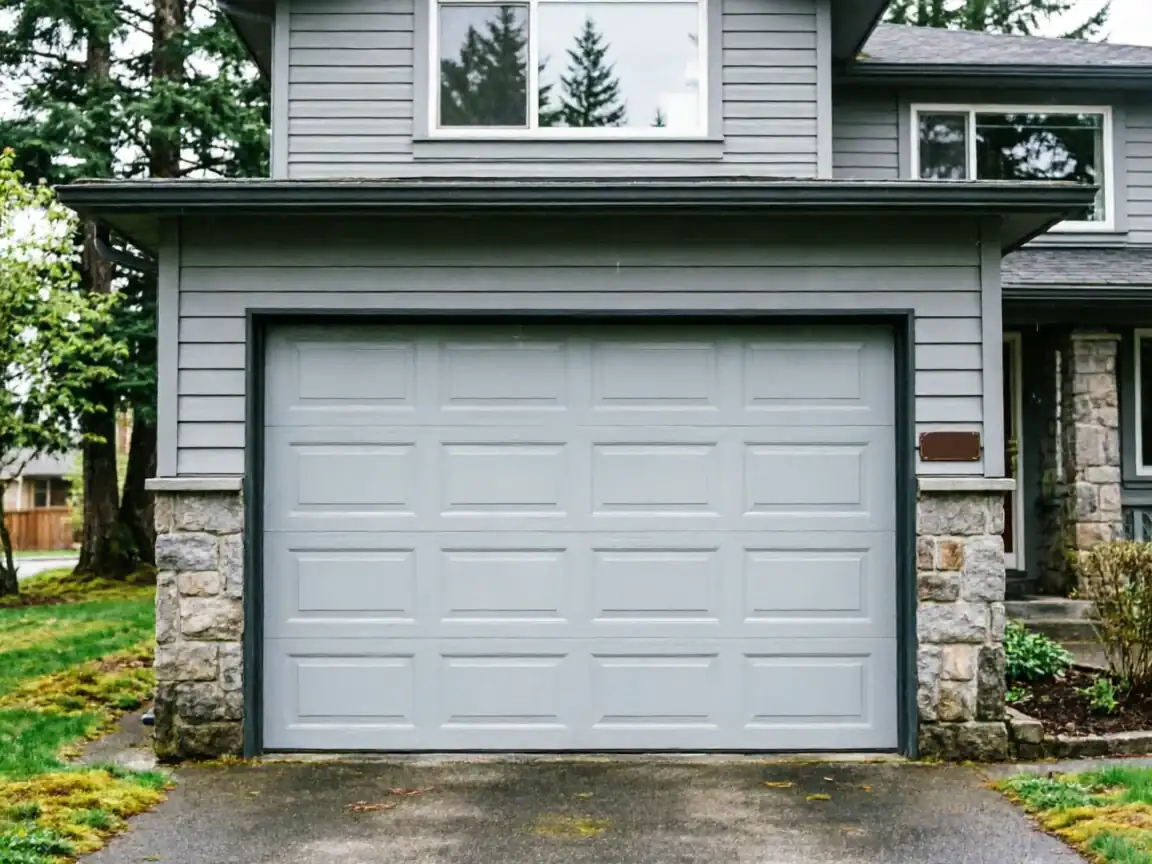
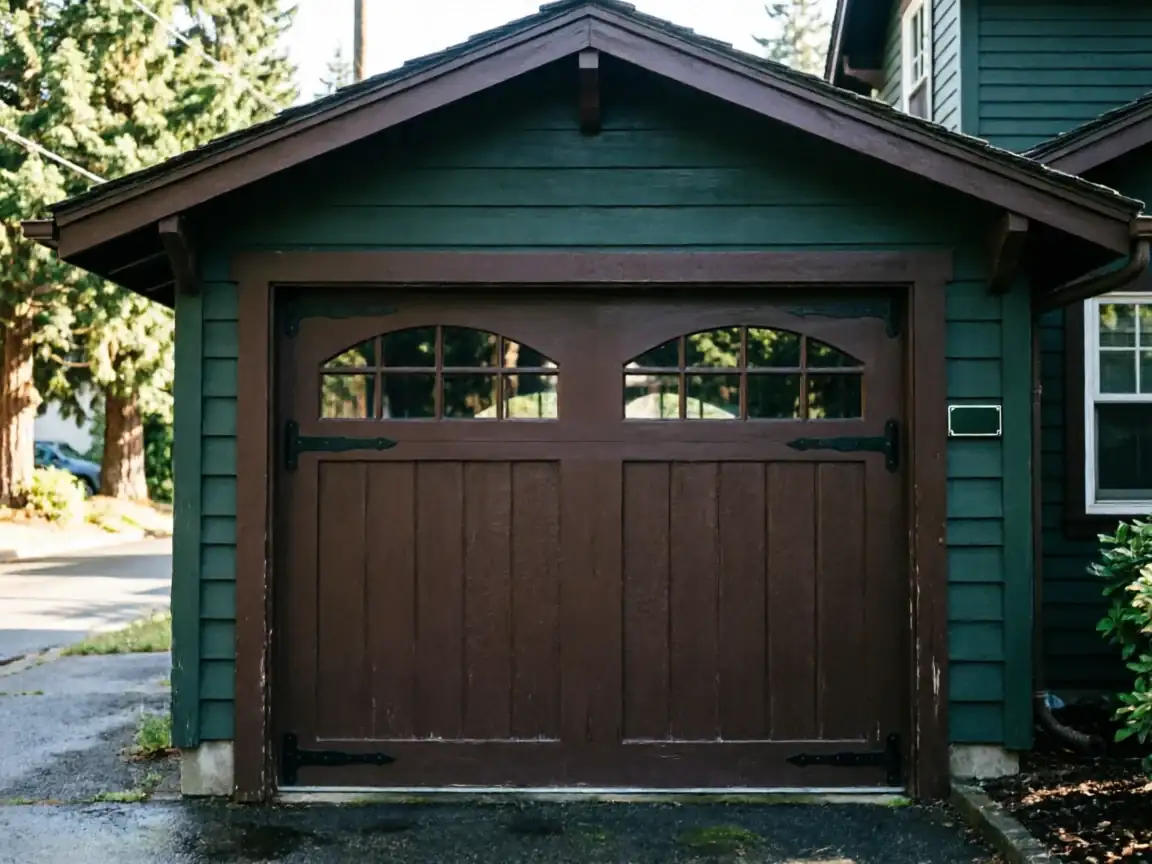
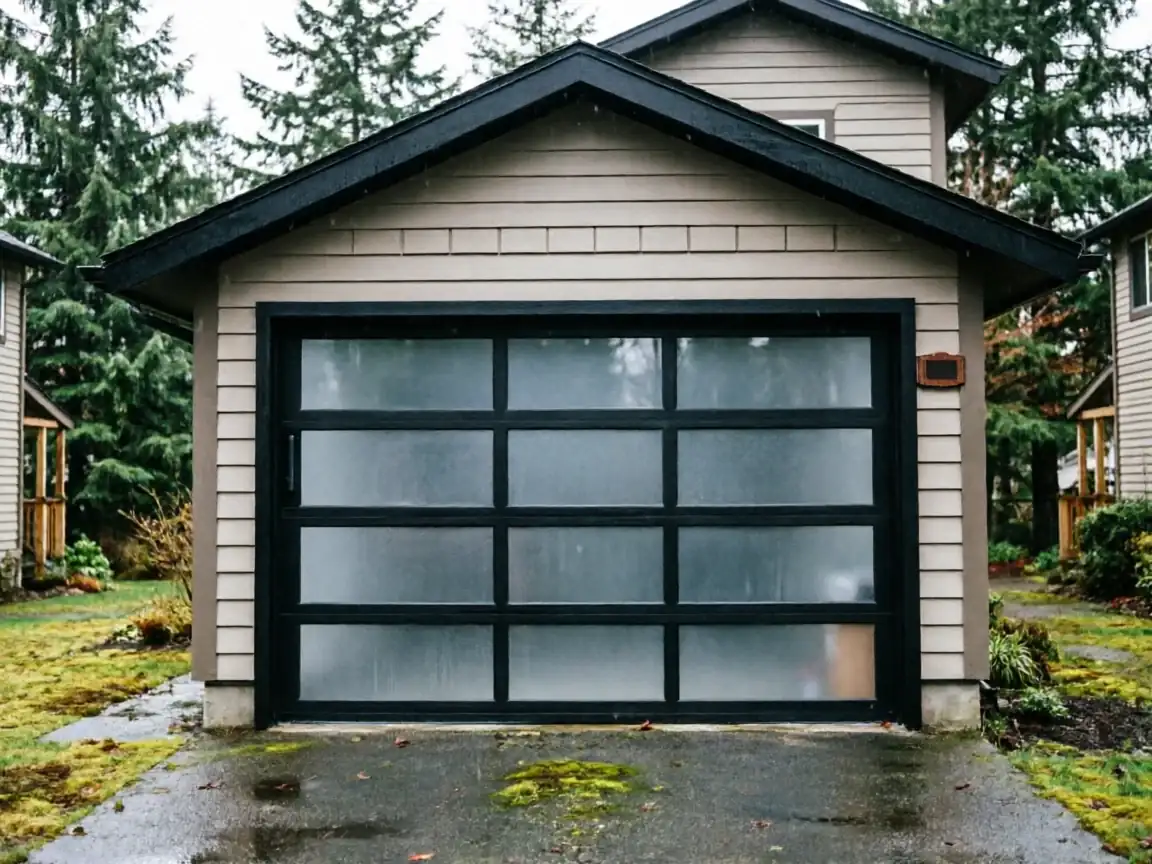
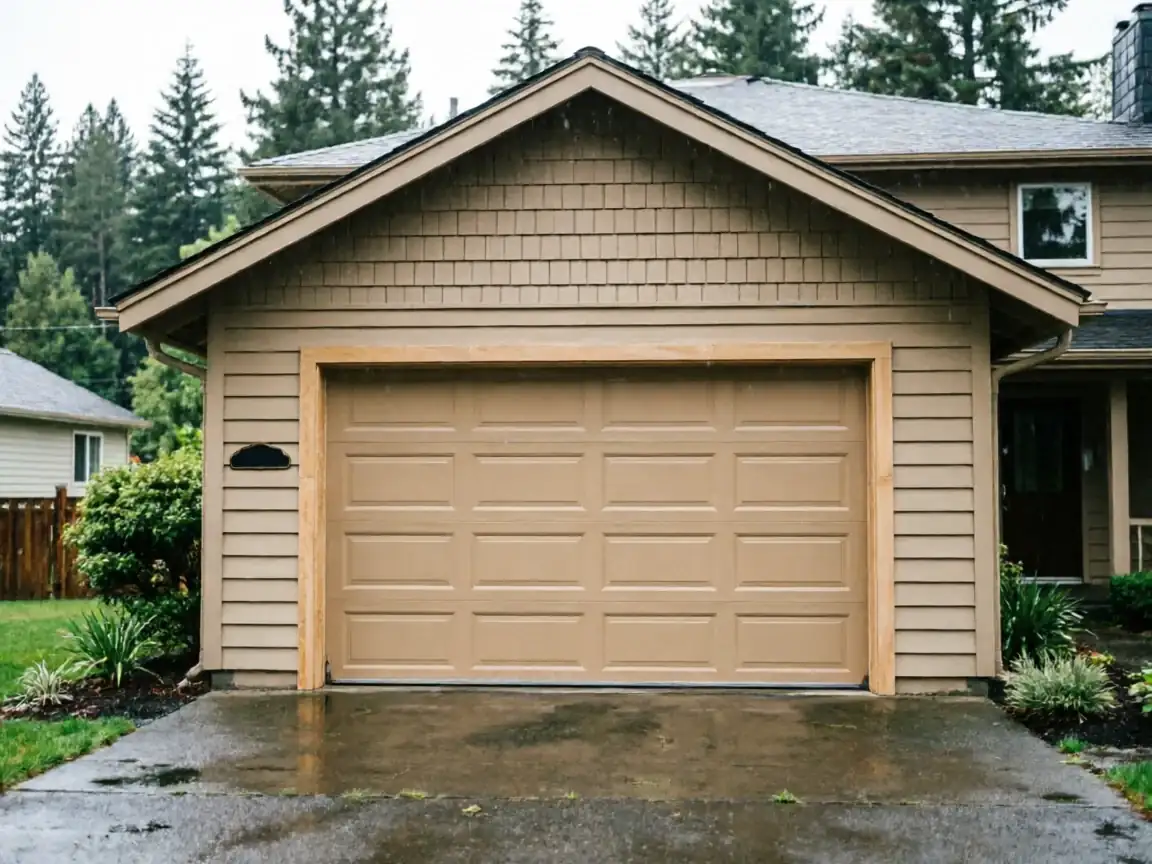
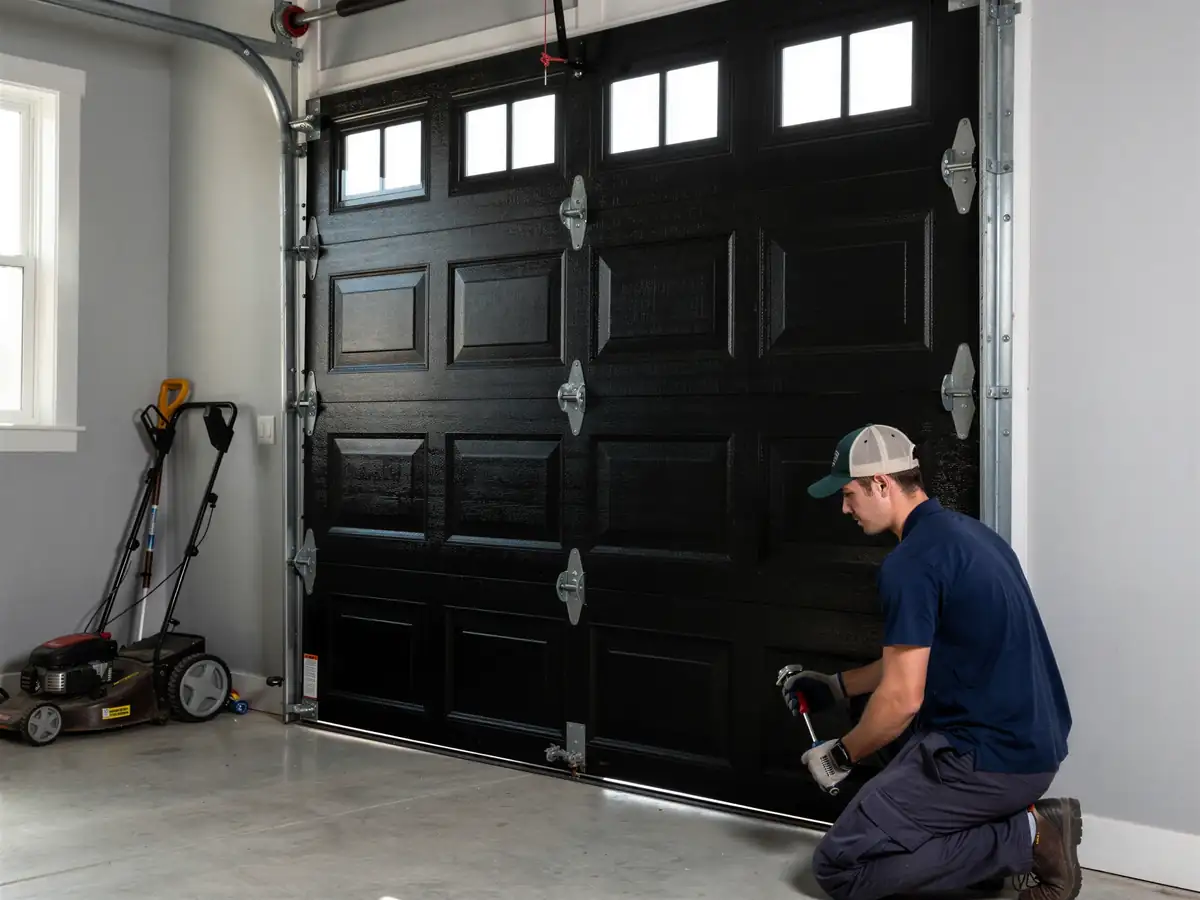
Houses from this era in West Linn tend to have single-layer steel doors, sometimes with a thin foam backing added later, hung on tracks that were never adjusted for today's heavier insulated panels if an upgrade happened somewhere along the way. The complication shows up when a previous repair used a part that doesn't match the original spec - a replacement roller a size off, a cable rated for a lighter door. We see mismatched hardware often enough in houses this age that we check the whole system, not just the broken piece, before we quote a fix. The other complication is moisture. Oregon's cold, damp winters rust bottom brackets and hinges faster than a dry climate would, and a bracket that looks fine from a few feet away can be thin enough to fail under load.
The Symptom
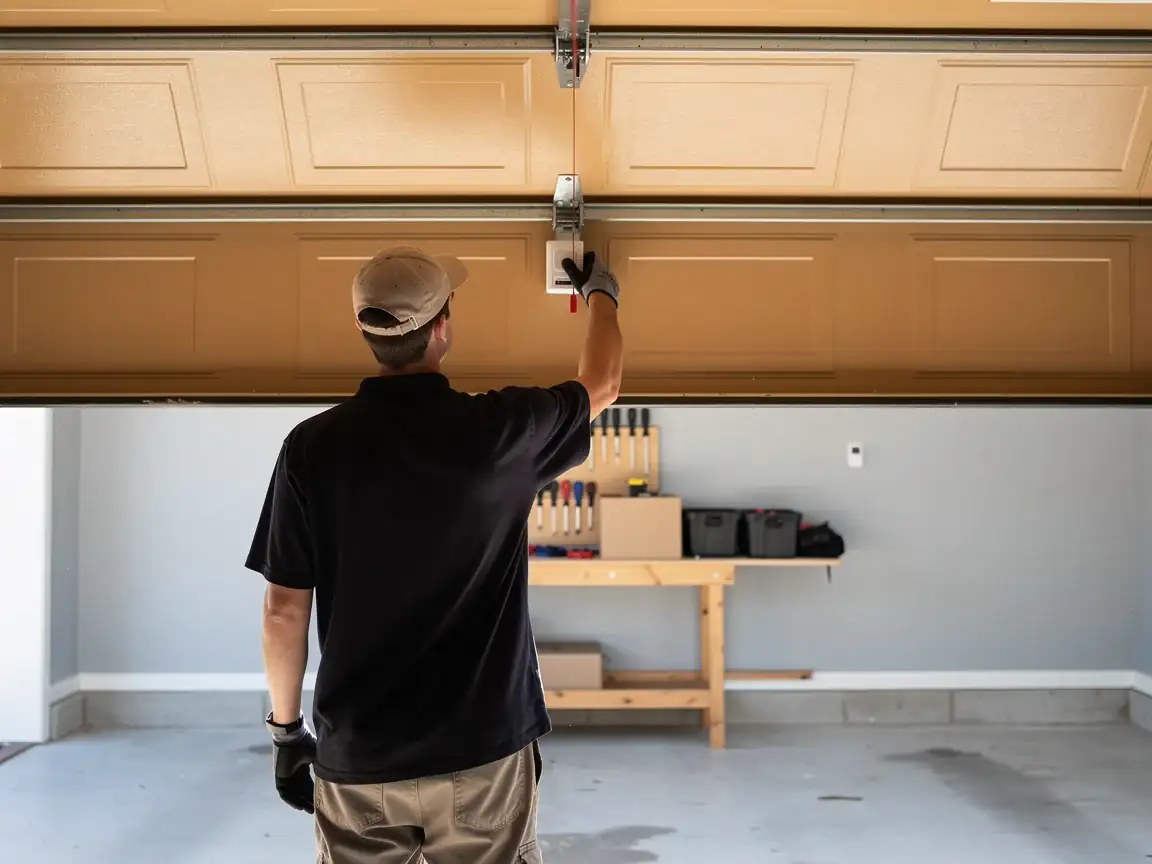
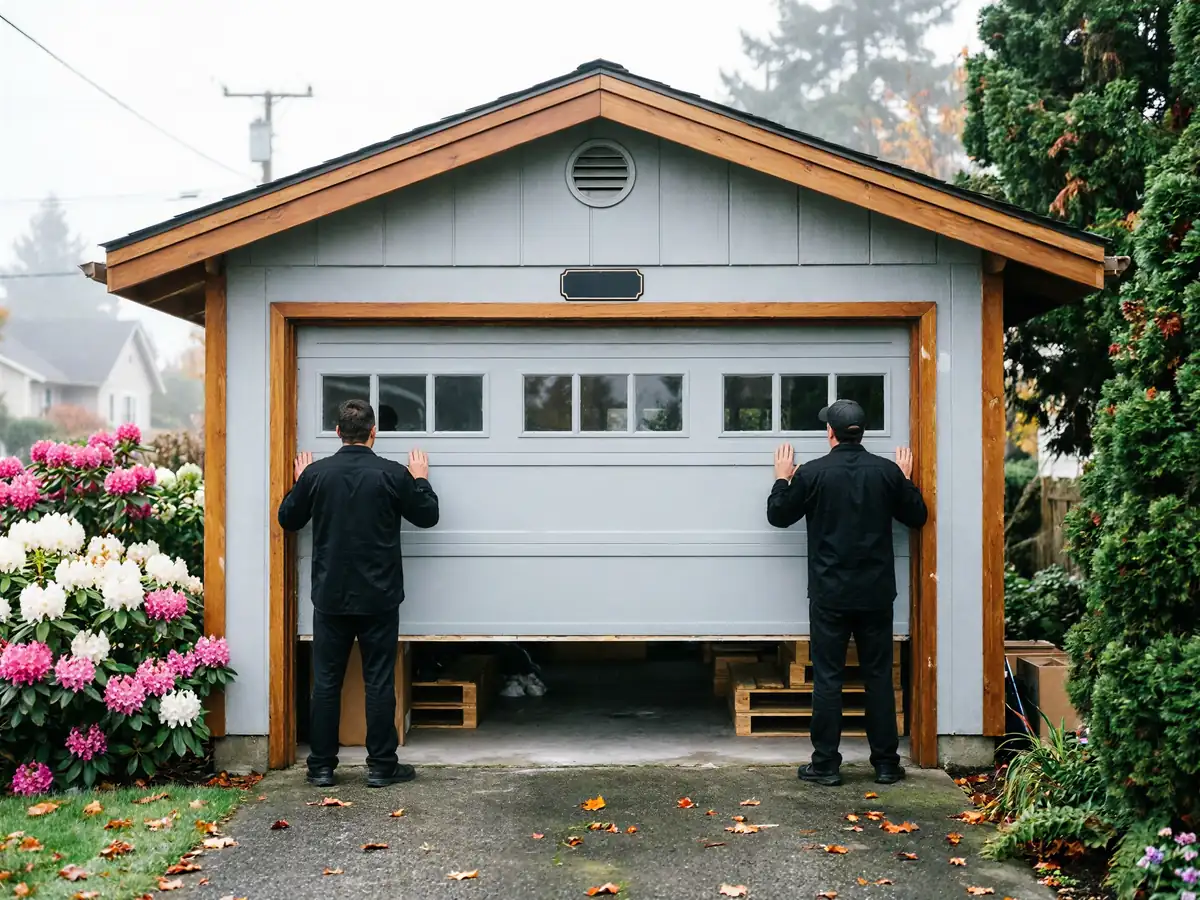
The most common call from West Linn is a door that's suddenly heavy to lift by hand or won't respond to the opener at all - the classic sign of a broken torsion spring. Second most common: a door that reverses right after it starts closing, which on a house this age is often a misaligned safety sensor or a track that's shifted slightly out of plumb over three and a half decades of settling. Less common but not rare is a cable that's frayed and jumped its drum, usually from rust buildup we mentioned above. None of these are dramatic failures - they're wear patterns that show up on schedule for houses built around 1988, and knowing which one you've got before we arrive makes the visit faster.
What the Repair Takes
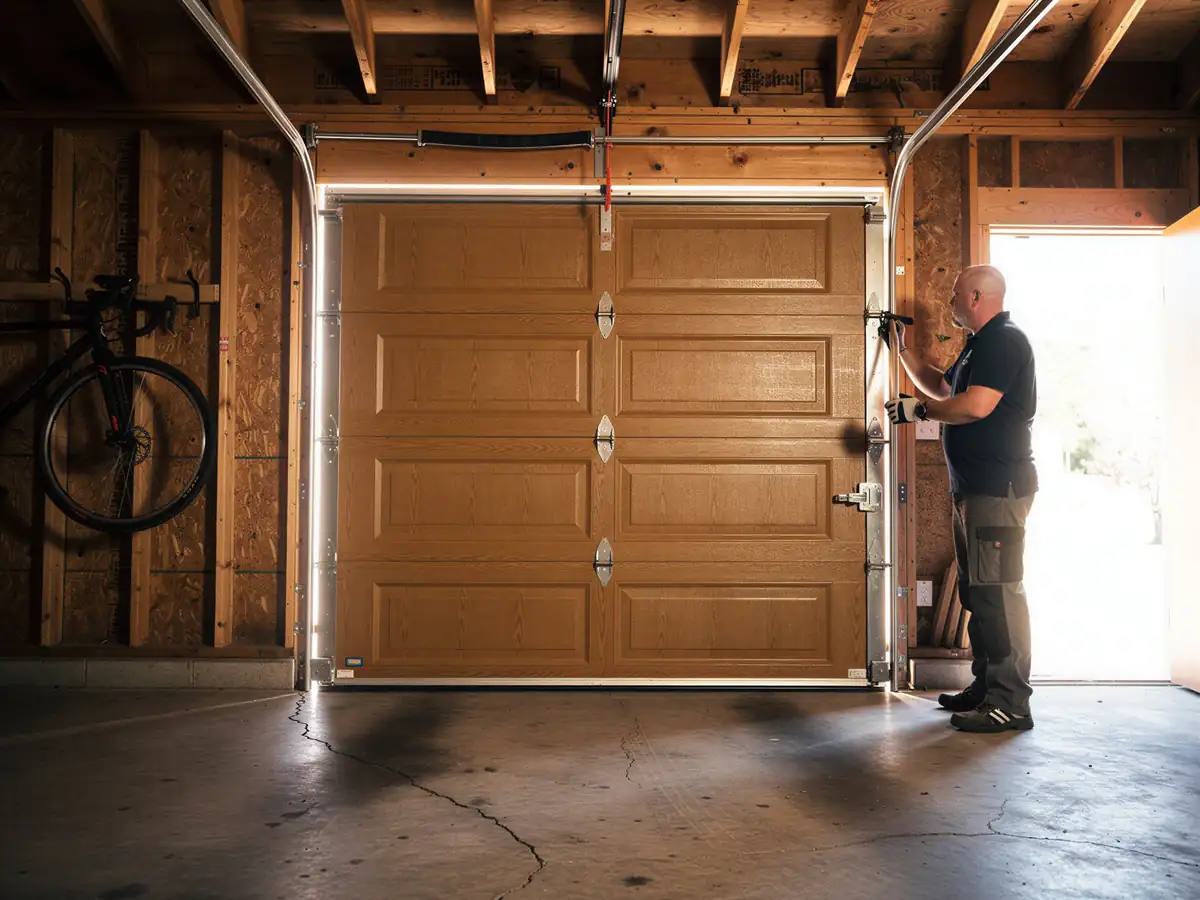
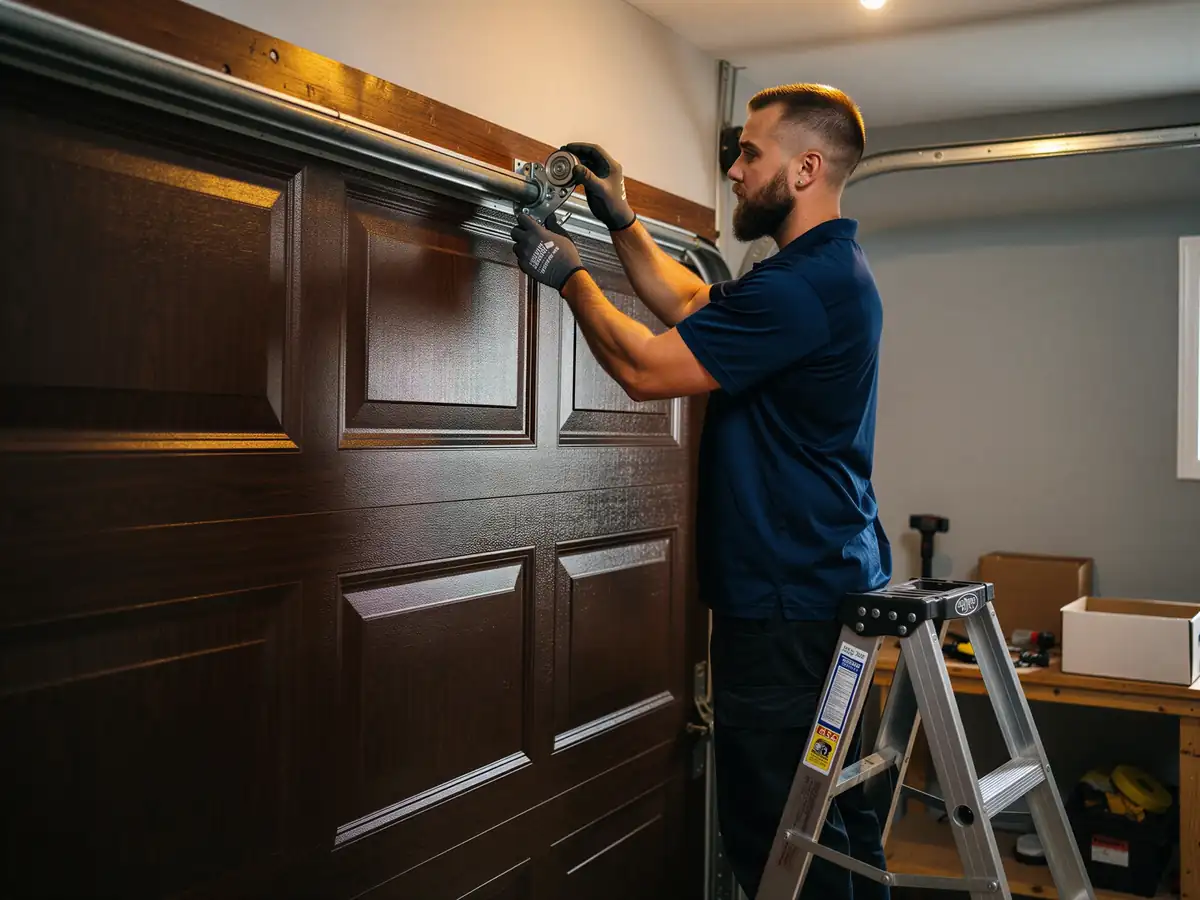
For a spring replacement, we match the wire size and wind to the door's weight rather than grab a generic size - get that wrong on a door this age and you're back to a second failure within a year. For track and roller work, we true up the whole run rather than just replace the bent section, because a door this old usually has more than one spot out of alignment. We're straight about when repair stops making sense: if the door itself is rusted through at the bottom panel or the track is warped along its full length, patching it costs nearly what a new door would, and we'll say so instead of running up a bill on a door that's past the point of being worth saving.