Getting It Booked In
West Linn sits about 3 miles from our shop in Oregon City
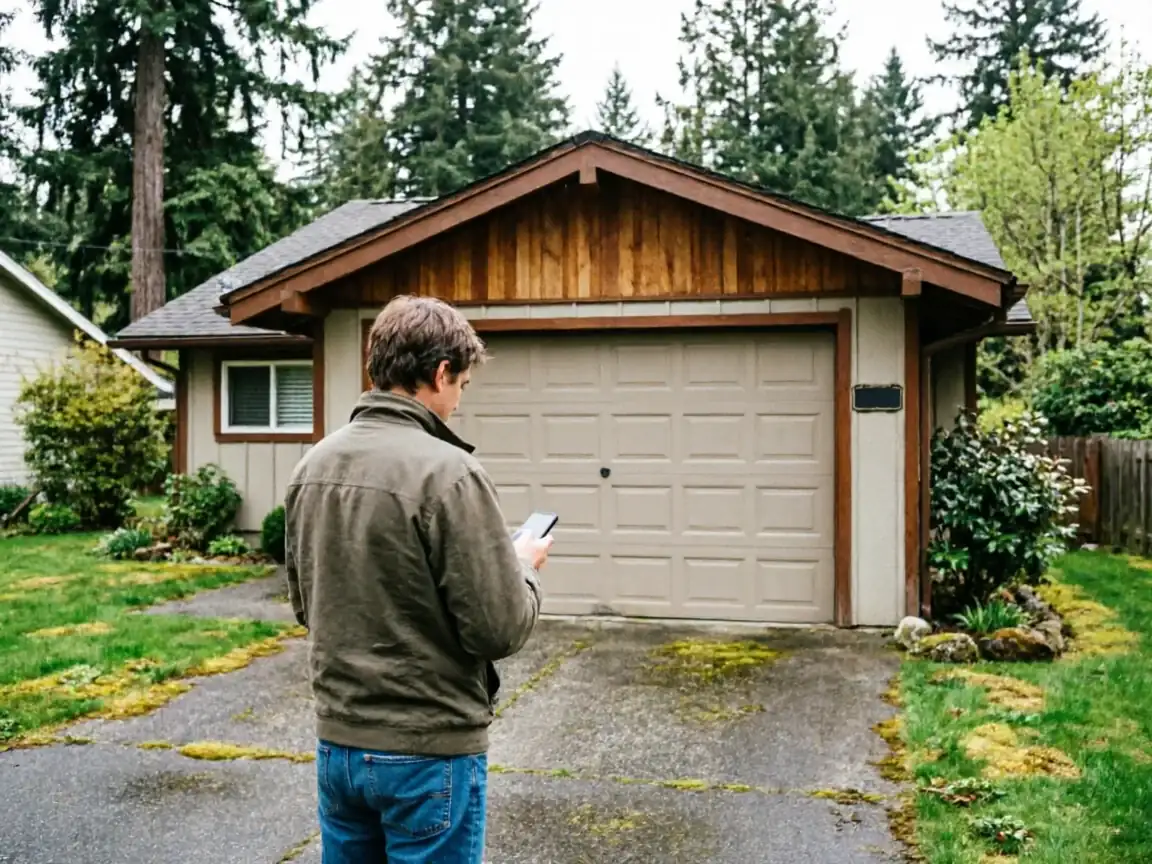
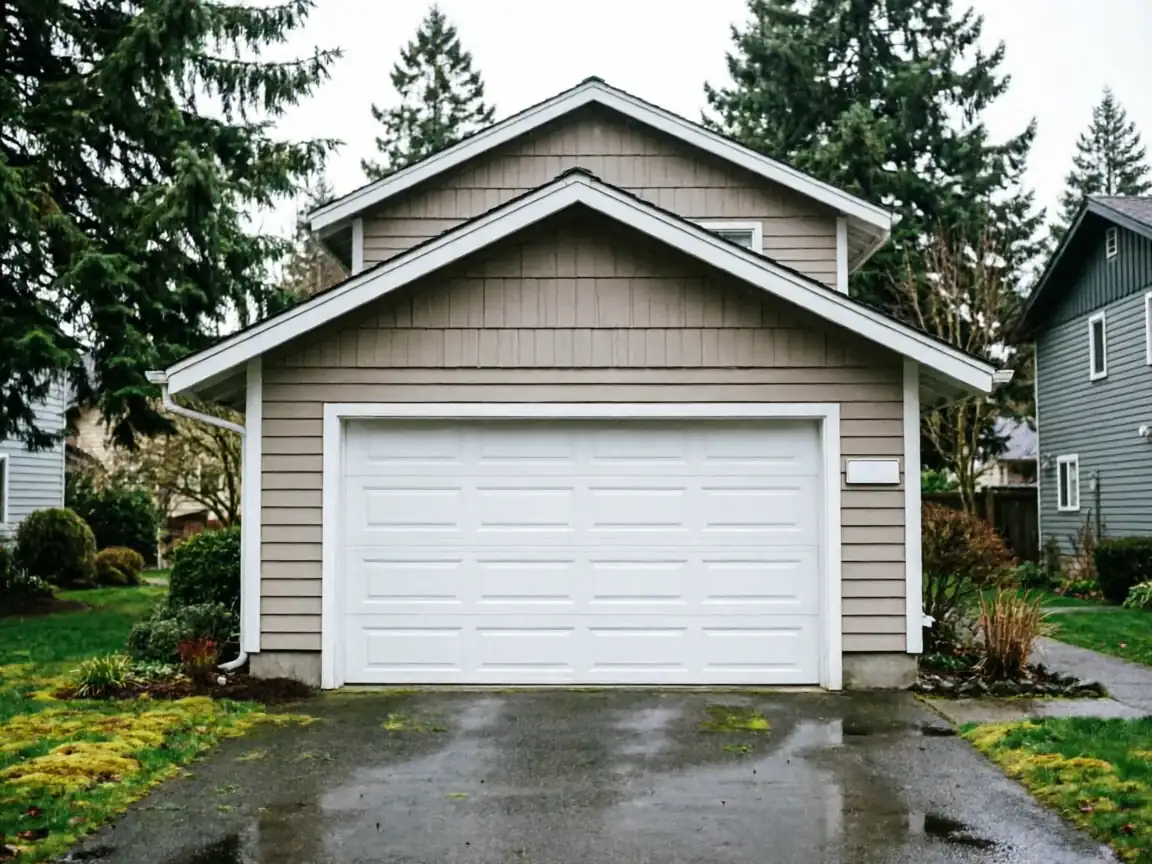
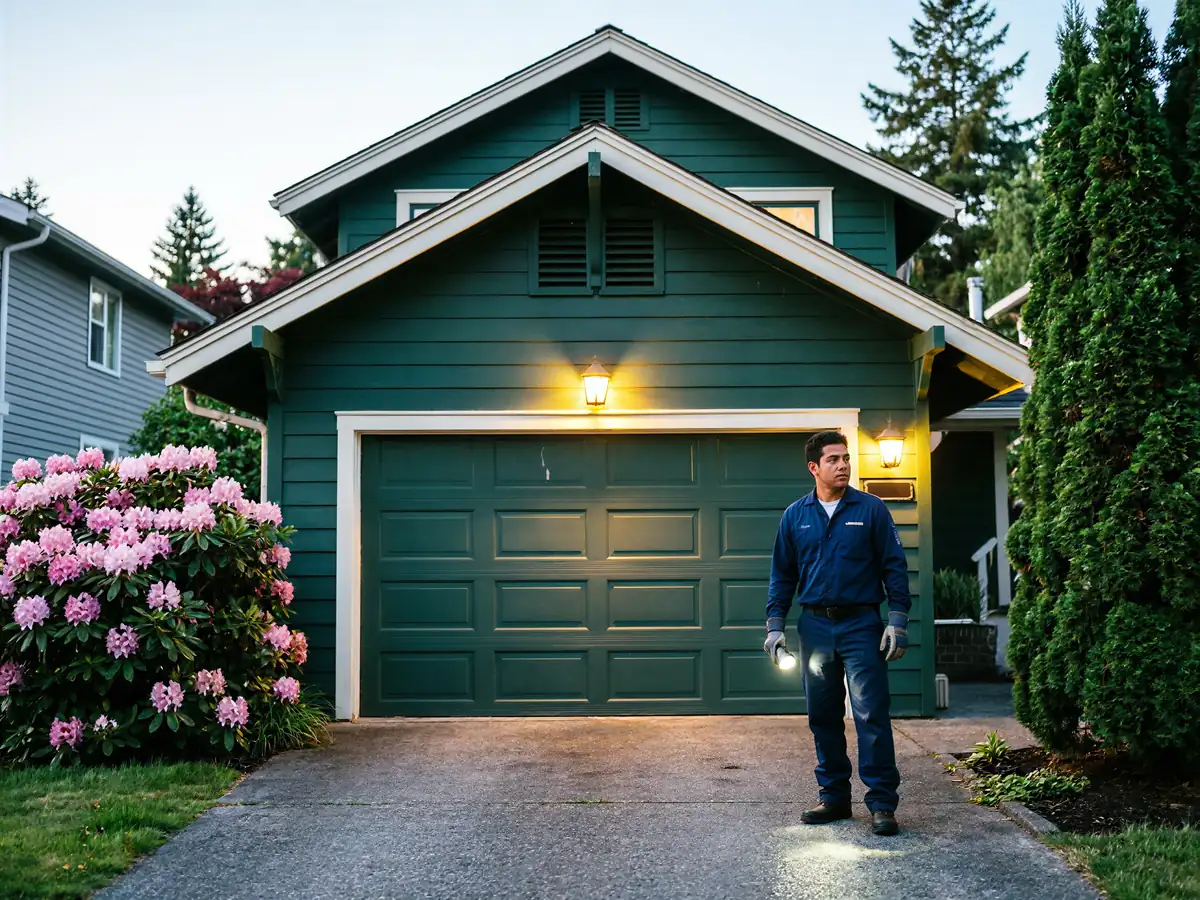
Close enough that we don't treat it any differently on scheduling than jobs across town. What does change is what we expect to find when we pull into the driveway. Oregon City as a whole has housing running from 1964 up through 2003, with a lot of older stock pulling the median back to 1982. West Linn's homes trend newer, with a median build year closer to 1988. That six-year gap matters more than it sounds: it's usually the difference between a door built for a chain-drive opener on a basic steel rail and a door already set up for the heavier bracket and reinforced strut that later opener models expect. We book the visit the same way either way, but we ask a few more questions up front about door weight and header clearance before we quote the install, because a 1988 door and a 1964 door do not take the same opener bolt pattern.
- 3 miles
If you already know your garage was built or remodeled in a specific decade
Tell us when you call. It saves a trip back to the truck for the right mounting plate.
The DIY Question
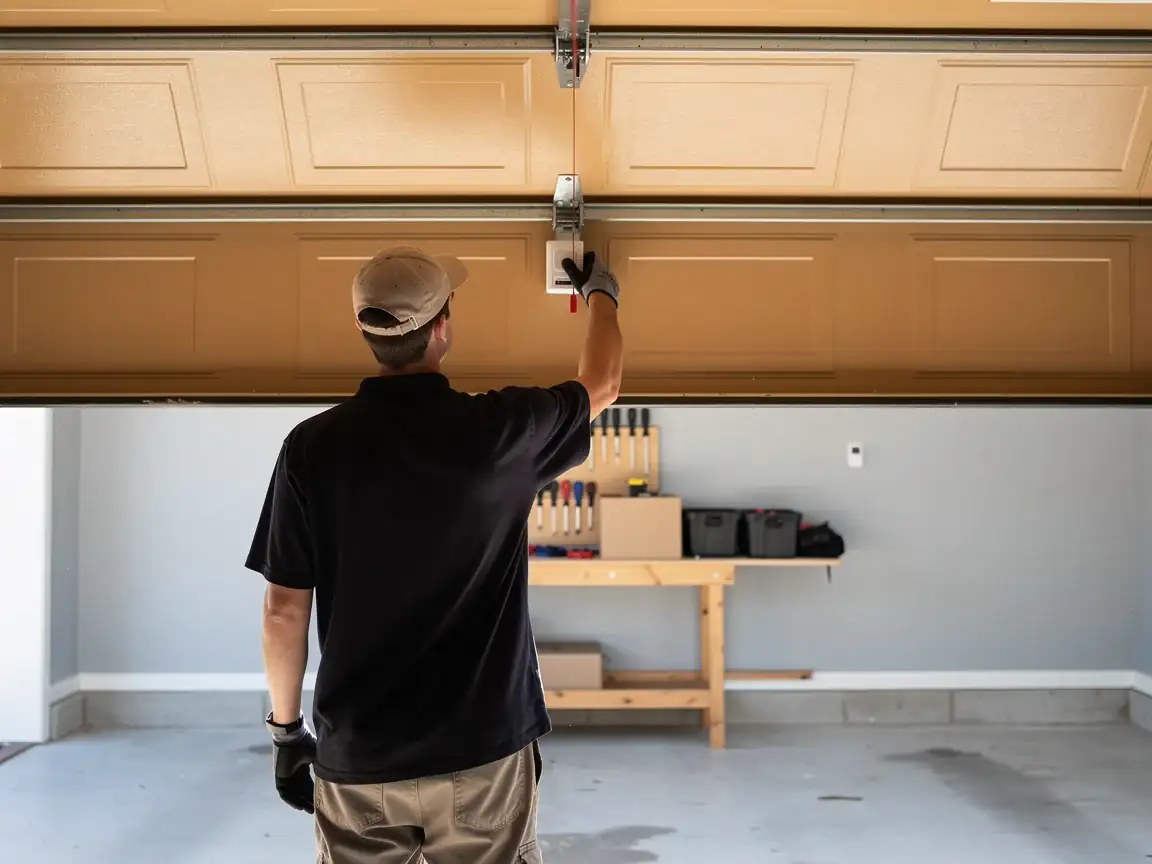
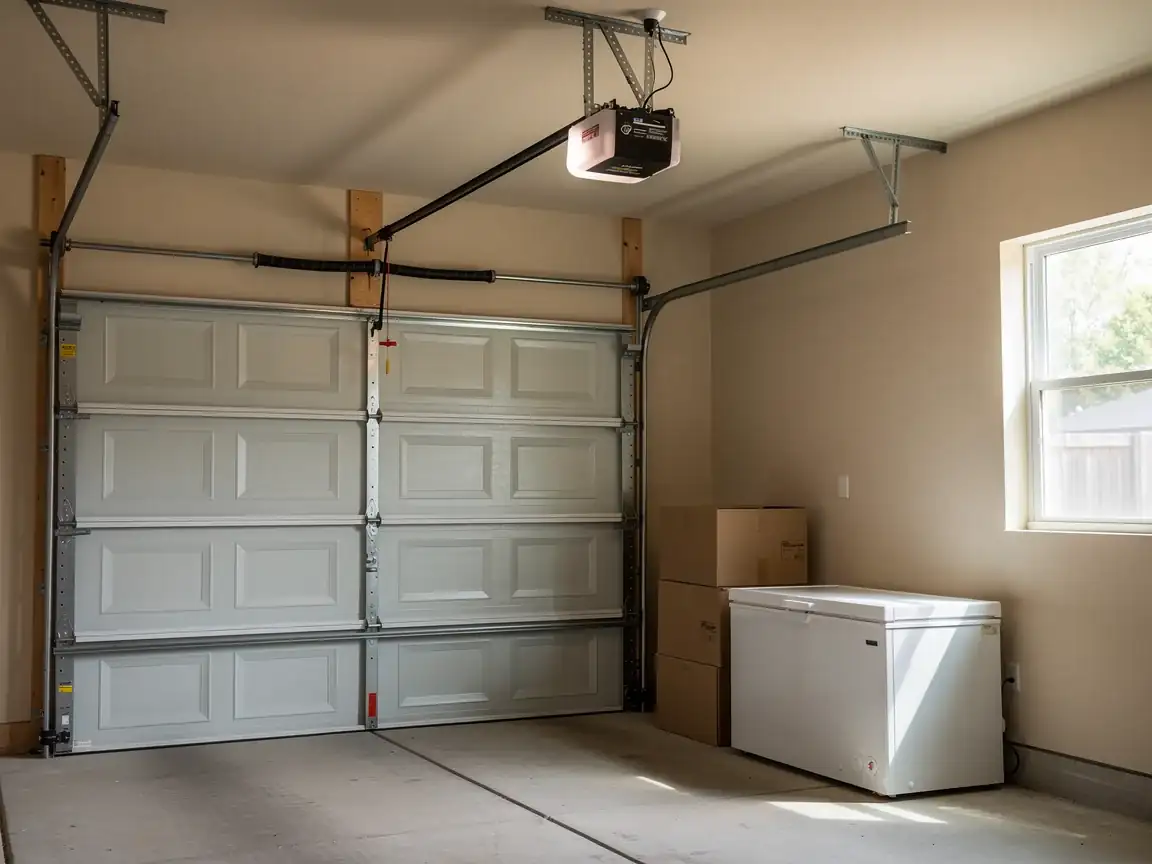
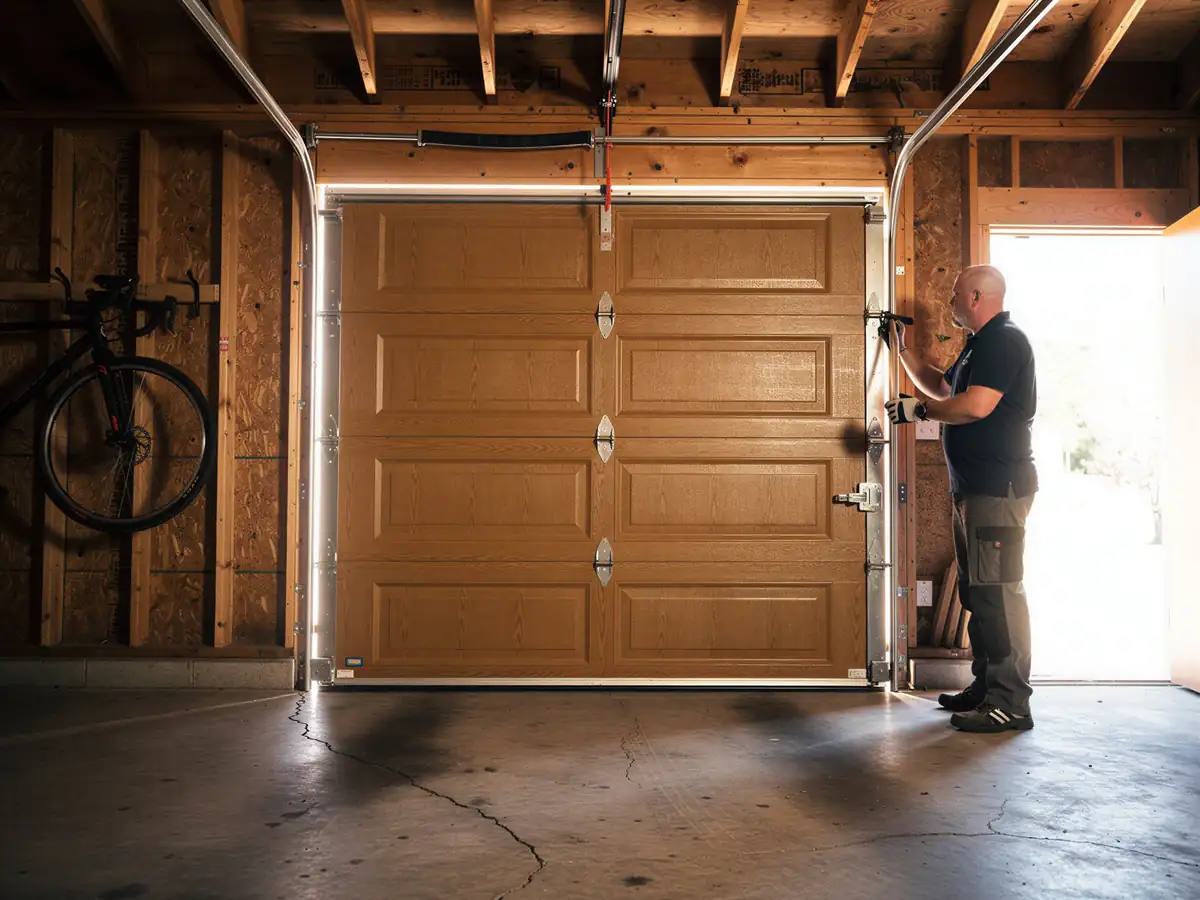
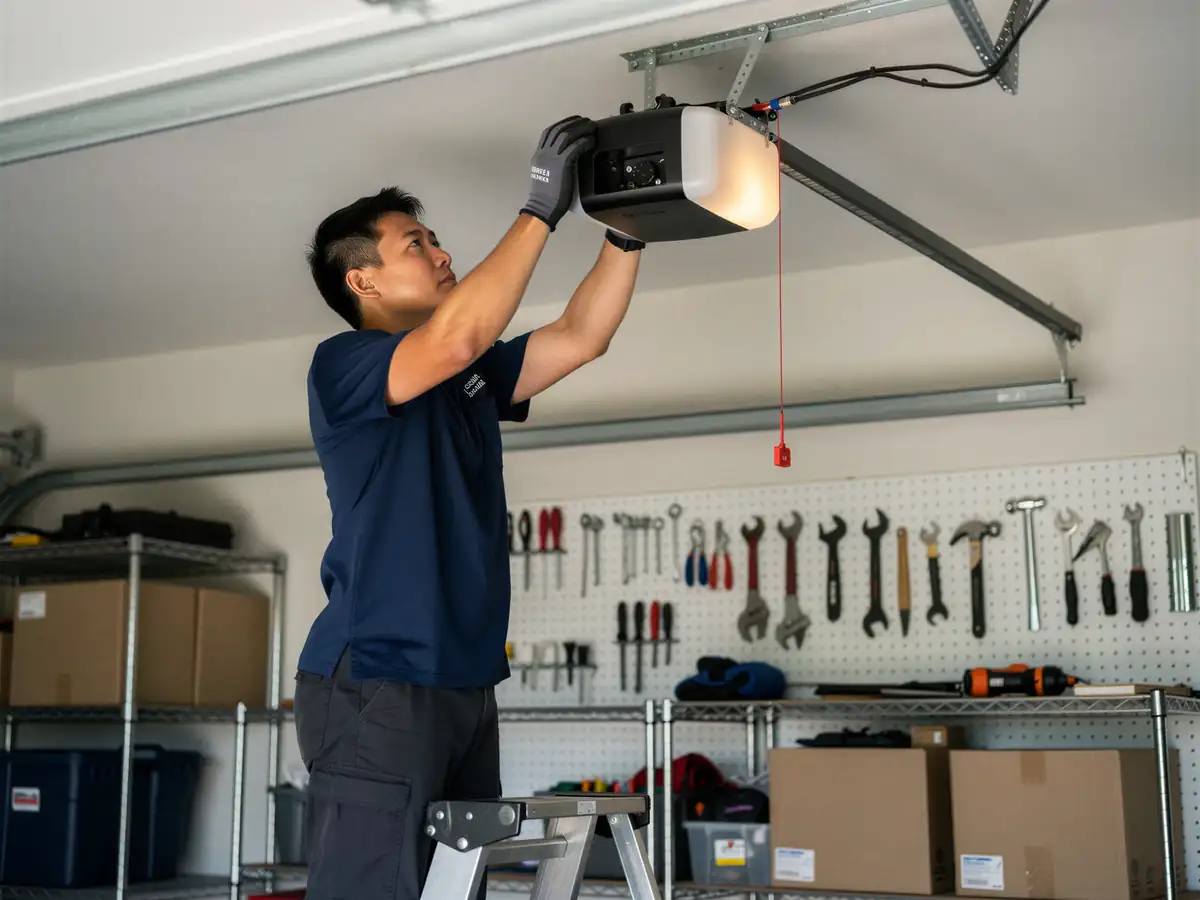
A lot of homeowners look at an opener box and figure it's a weekend project, and for some doors it is. Where it gets risky is the header bracket - the piece that takes the full pull of the opener motor every time the door closes. On homes from West Linn's era, around 1988, that bracket is usually original and usually fine, but we've found it loose or cracked often enough that we check it before we hang anything new on it. If you're set on doing it yourself, at minimum have someone check that bracket and the ceiling framing it's lagged into. A new opener mounted to a tired bracket doesn't fail gracefully - it tends to fail all at once, usually with the door open.
We're not going to tell you every opener swap needs a pro. A straightforward chain-drive swap on a single door, same mounting points, same door weight, is within reach for someone comfortable on a ladder. Where we'd stop you is anything involving the springs or converting from chain to belt drive, since that often means new brackets entirely.
The Complications
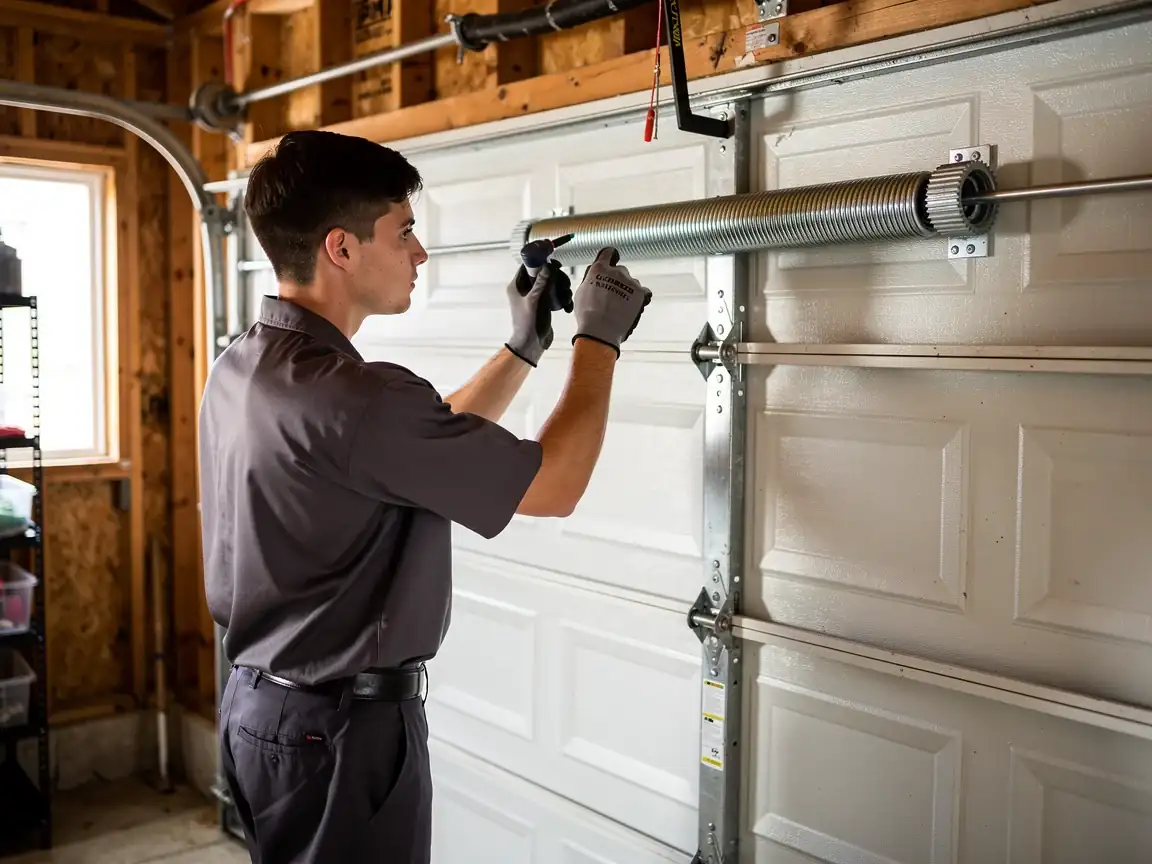
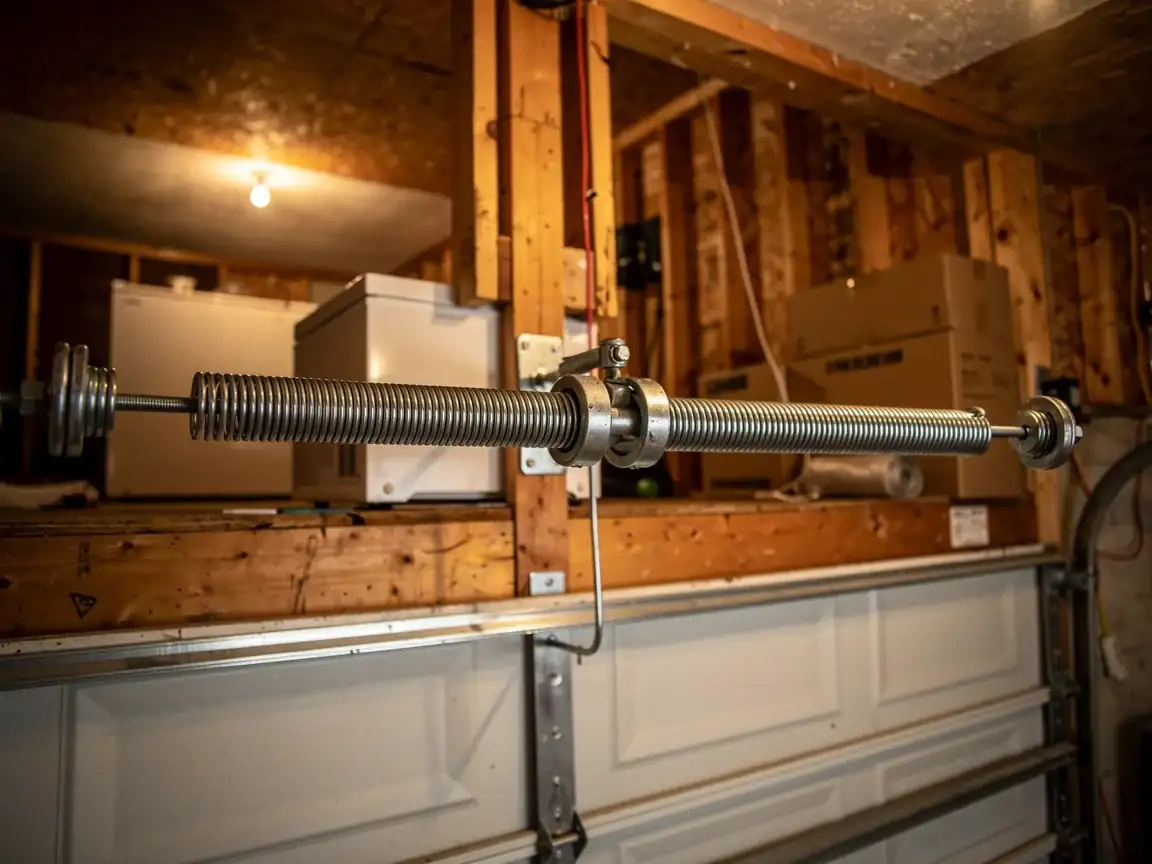
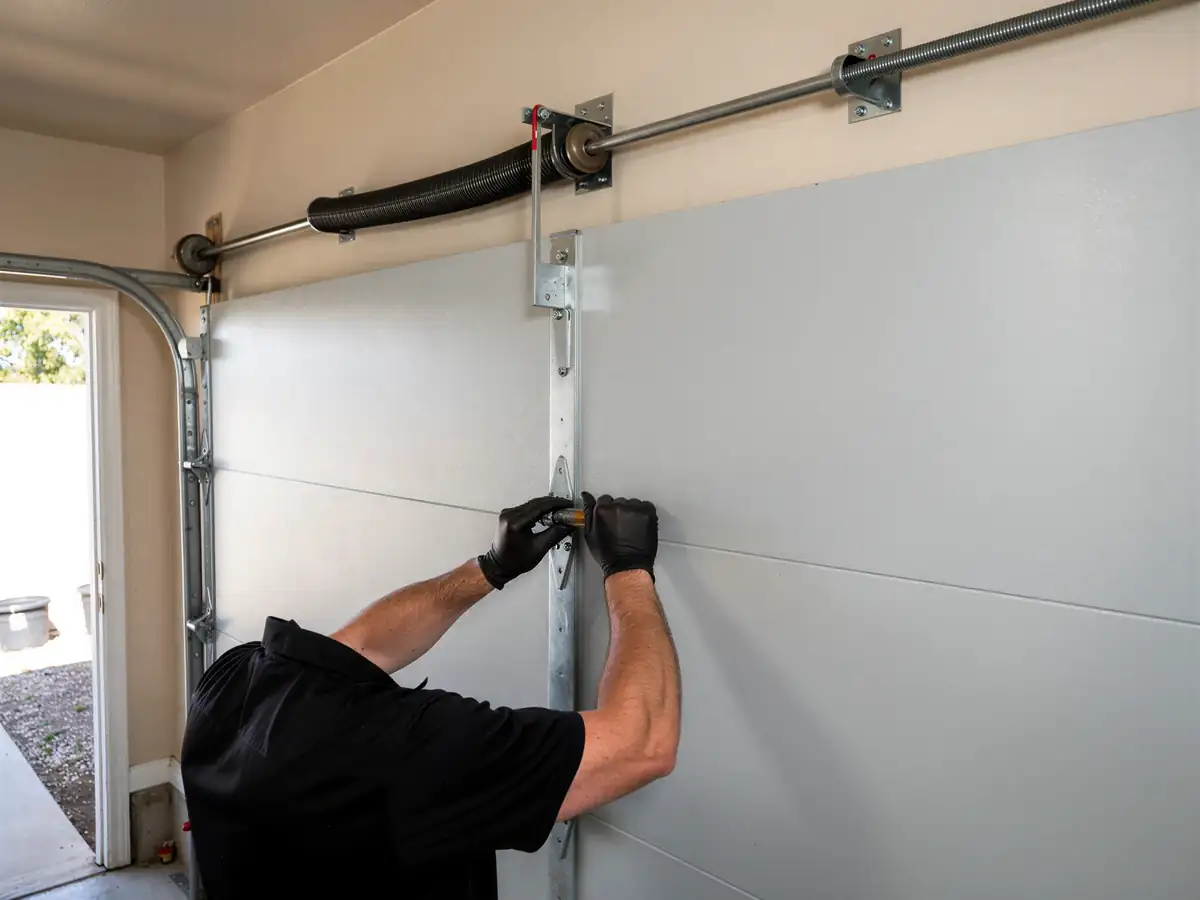
The complication we run into most in West Linn isn't the door - it's the opener trying to talk to a door that was never matched to it. A home built around 1988 often still has its original torsion spring setup, sized for the original door weight, and if a previous owner swapped in a heavier insulated door at some point without re-tensioning the spring, the new opener inherits that mismatch. The opener motor can lift the door, technically, but it strains doing it, and the gears wear out faster than they should.
The other complication is simpler: safety sensor placement on older framing. Codes around sensor height and force limits have tightened since the late 1980s, so an opener installed fresh today has to meet a standard the original 1988 door and track never had to. That's not a West Linn problem specifically, but it shows up here because so much of the housing sits right in that window.
How Long You Are Without the Door
A straightforward opener swap
Same door, same weight, replacing a dead motor - doesn't leave you without a working door for long once we're on site, since the door itself still opens manually while we work. Where the timeline stretches is when we find that spring mismatch mentioned above, or when the bracket needs replacing before the new opener can go up safely. We're honest about this on the walkthrough: if the job is a straight swap we say so, and if it's not, we tell you before we start rather than after.
We don't carry every bracket and rail length on the truck for every build era
So if your home needs a part outside the common sizes, that can mean a short wait on parts rather than a same-visit finish. We'd rather tell you that up front than promise a timeline we can't hit.
The Symptom
The complaint we hear most from West Linn is an opener that runs louder than it used to, or one that strains and reverses partway up. On a home from this era, that's rarely the opener's fault outright - it's usually the spring tension drifting as the house has settled over three and a half decades, putting more load on the motor than it was built to carry. A new opener dropped onto that same imbalance will show the same symptom within a year or two.
The other common one is a door that opens fine but won't close all the way, stopping a few inches up and reversing. That's almost always the safety sensor alignment, not the opener itself, and it's worth checking before you assume you need a new motor.
What the Repair Takes
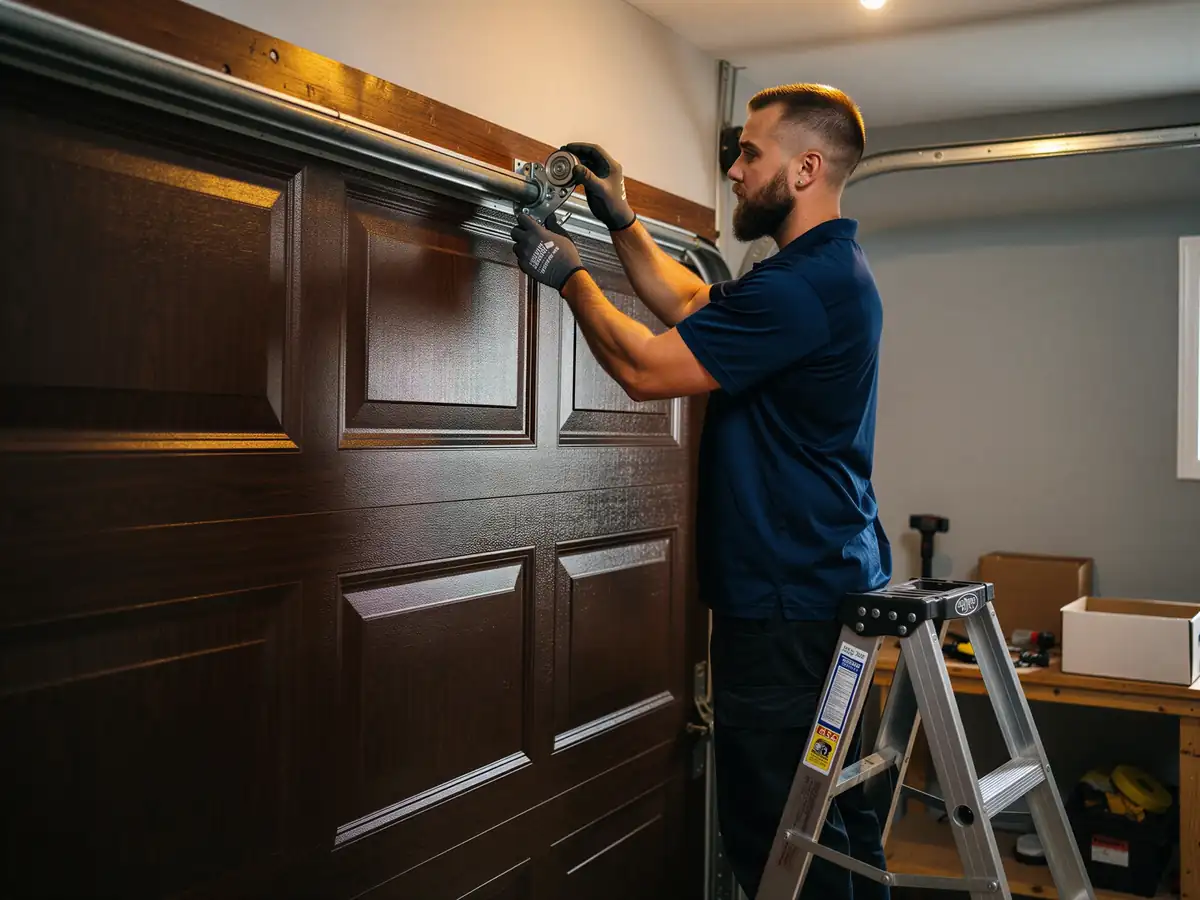
For a typical opener installation on a West Linn home, we're looking at the existing bracket and rail condition first, since houses here built around 1988 usually still have original hardware that's either fine or needs replacing outright - there's not much middle ground after that many years. If the spring tension matches the door weight, the opener swap itself is a contained job. If it doesn't, we adjust that before the new motor goes in, because installing a new opener on a mismatched spring just moves the strain problem forward a year instead of fixing it.
We size the opener to the door you have rather than selling you the biggest unit on the shelf. A heavier-duty motor doesn't fix a spring problem, and it costs more to run.