Getting It Booked In
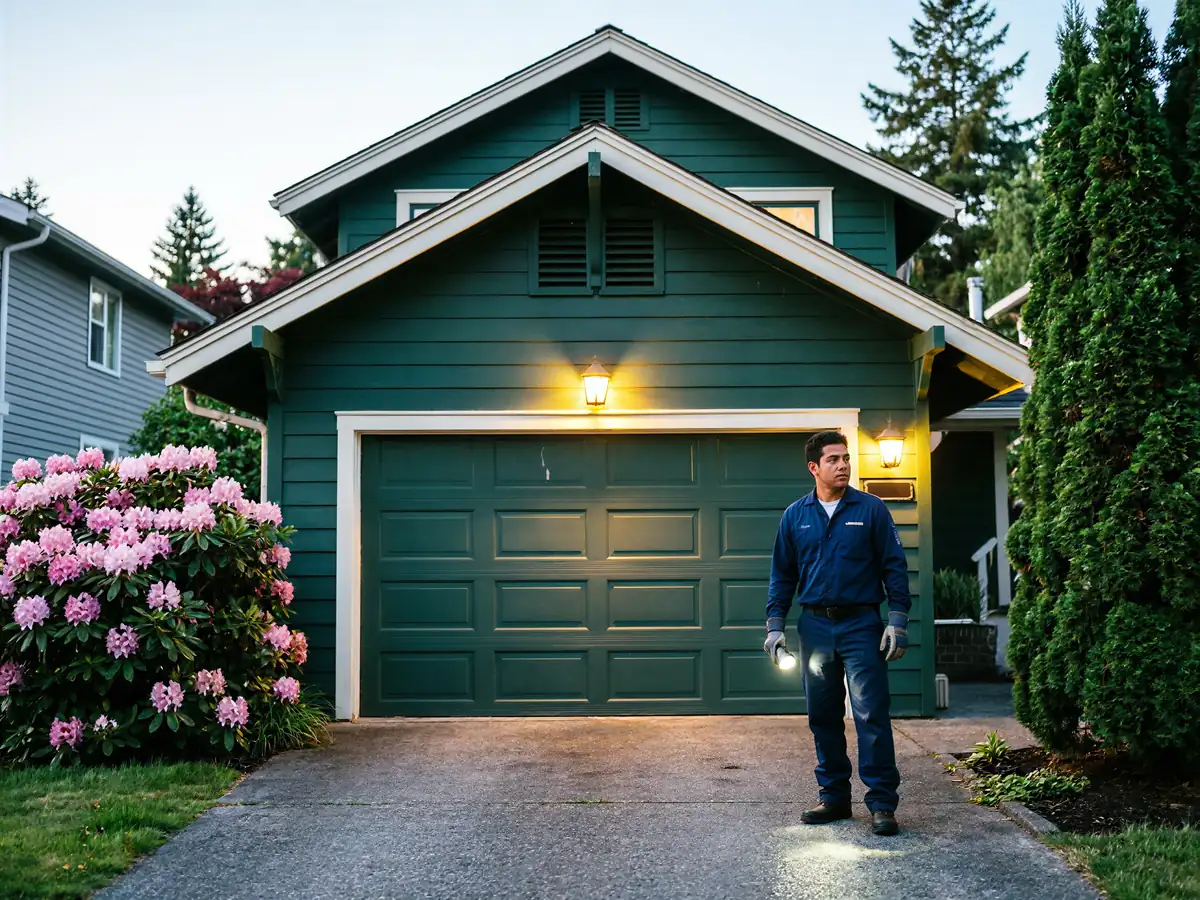
Most houses in West Linn went up around 1988
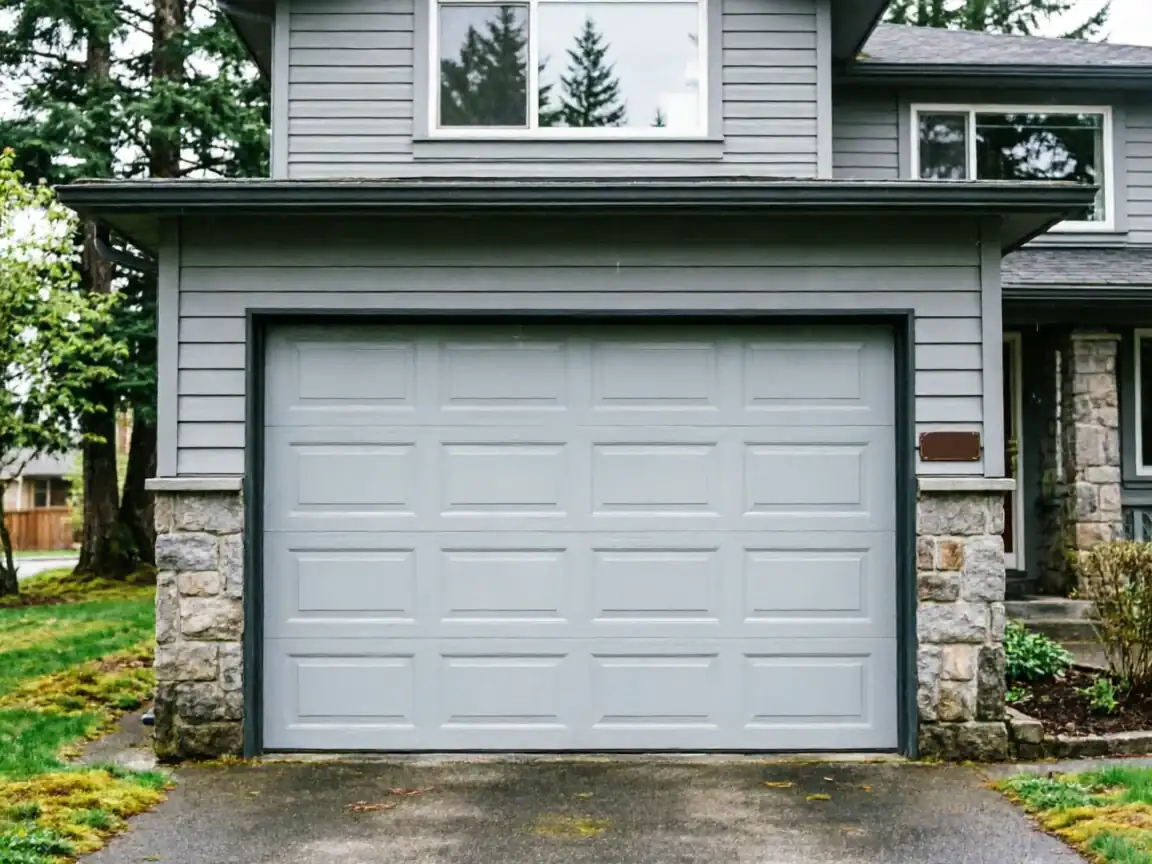
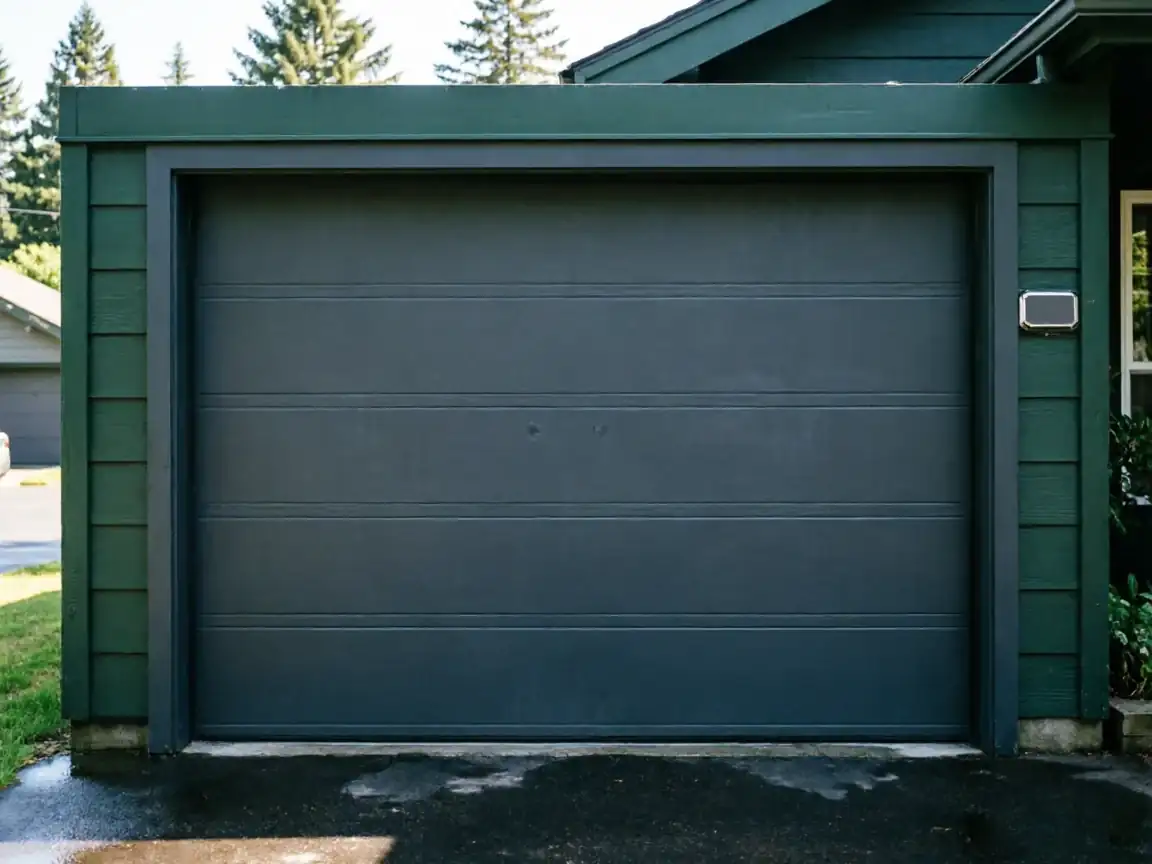
Which means the sectional steel doors on them are pushing 35 years old and built to a panel design most manufacturers stopped stocking two decades ago. That's the fault we see most on this side of town: a bottom panel dented, bowed, or rusted through while the rest of the door still runs fine on its track.
- 35 years
We run the job from Oregon City, three miles up the road
So there's no local yard holding replacement panels for West Linn homes. Booking starts the same way it would anywhere in the area we cover: we get the door's width, the panel design if you can read it off the label inside the bottom section, and a photo if you've got one. That tells us before the truck leaves whether we're hunting a matching panel or talking about swapping the whole door.
We don't keep a West Linn branch or a dedicated response window for the town
It's a stop on the route out of Oregon City like the rest of the service area, not a separate operation.
The DIY Question
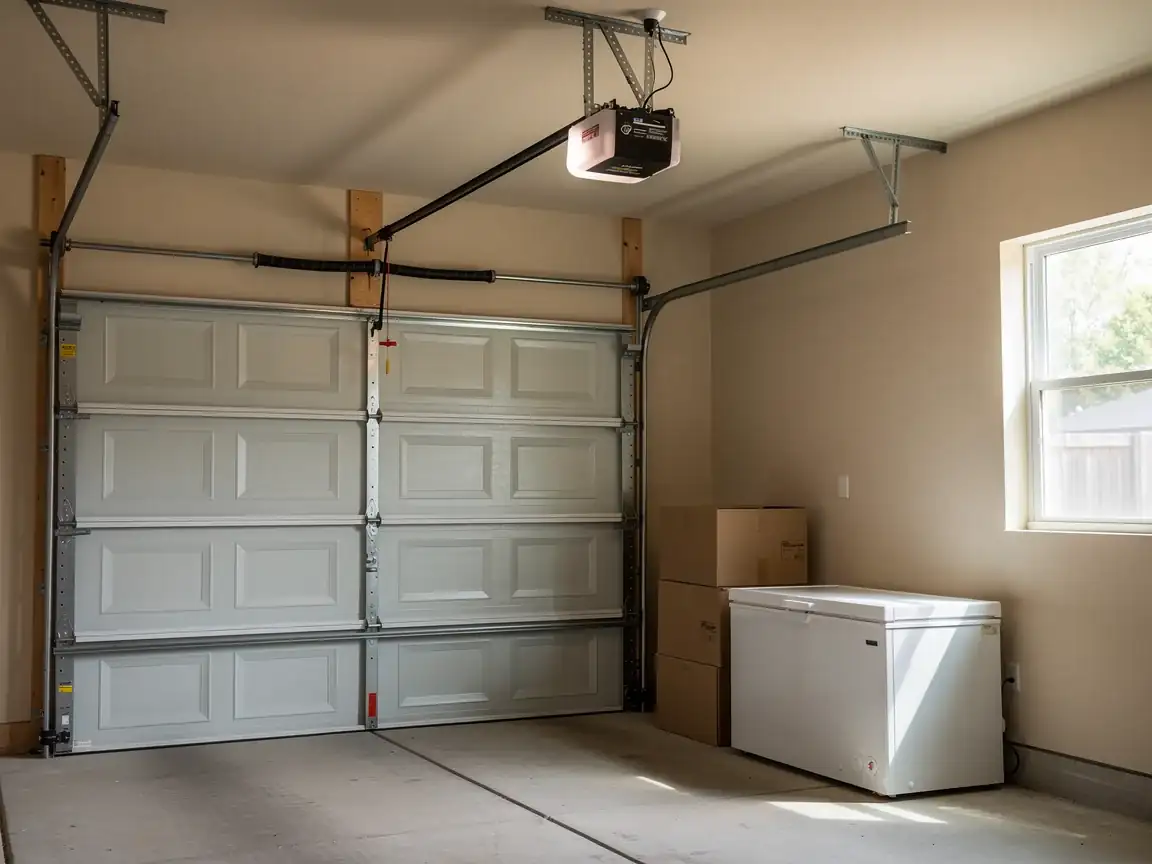
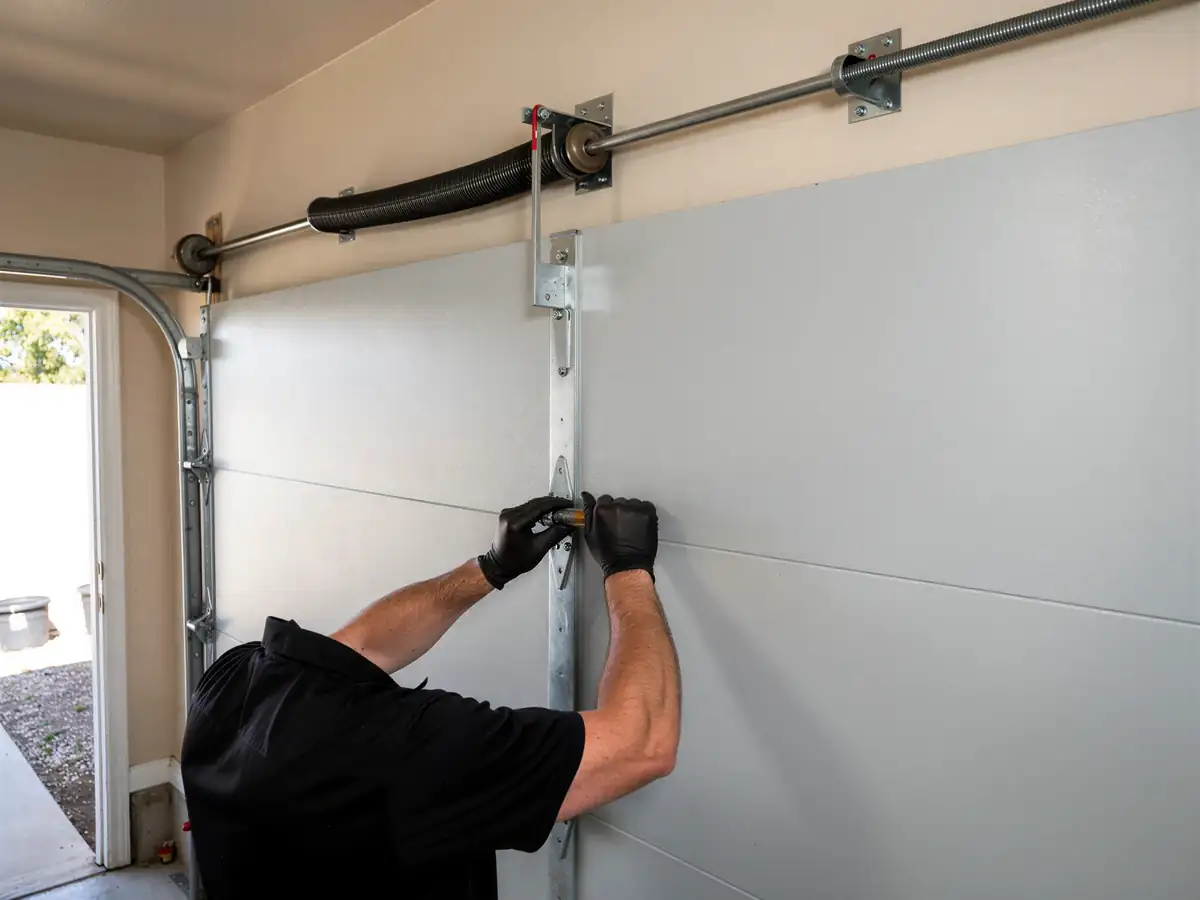
A single panel looks like a bolt-on job until you're under the door with a ratchet. The panel is pinned to its neighbors with hinges carrying spring tension through the whole section, and on a door from the late 1980s those hinges are often a gauge or a spacing that current hardware doesn't match without an adapter plate.
There's also the color and texture problem. Doors from that era came in embossed steel finishes - woodgrain stamped panels, raised rectangles - that have been through two or three manufacturer redesigns since. Order the wrong panel and you've got a visible seam of mismatched texture on the front of the house, which is a worse look than the dent you started with.
We'll say plainly: if you're comfortable with a ratchet and you've got the exact panel in hand, a single-section swap isn't beyond a handy homeowner. Where people get stuck is sourcing that exact panel for a door this old, and that's the part worth a call before you start pulling hardware.
The Complications
With 9,919 households in West Linn built mostly around that same 1988 mark, a lot of doors here are hitting panel failure within a few years of each other, and the complication is almost always the same one: the original panel design is discontinued. The manufacturer may still exist, but the specific raised-panel pattern or the exact steel gauge from a 1988 run usually isn't in current catalogs.
West Linn's median household income, at $138,526, is well above the wider service area's $102,201, and that's part of why more owners here choose a full door swap over patching a single discontinued panel - it's often cheaper in time and hassle than a custom-matched one-off panel, even if the material cost is higher.
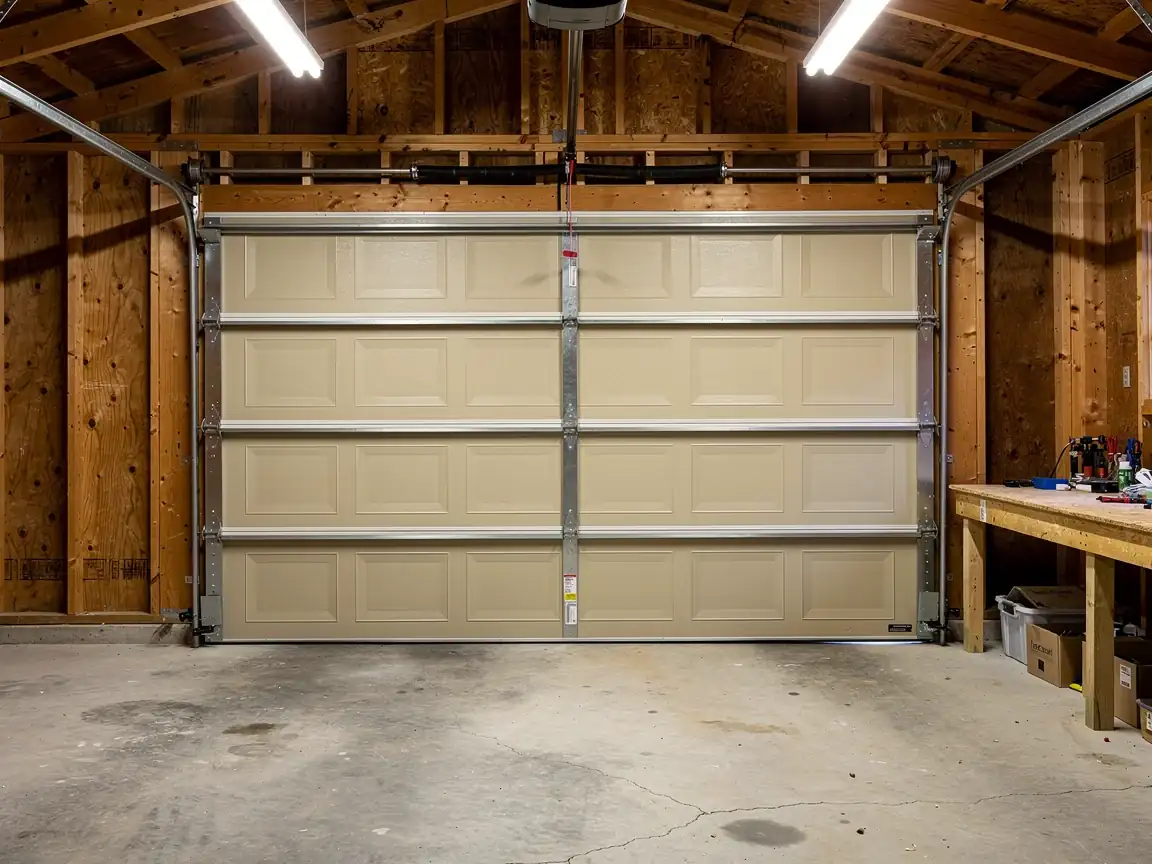
Track alignment is the other issue. On a 35-plus-year-old door, the track itself has usually shifted slightly from the house settling. Bolt in a new panel without checking that, and the door binds on the first cold morning.
How Long You Are Without the Door
If a matching panel exists and is in stock somewhere, that's the fast path
If it isn't - which is common on a door this old - we're ordering from whatever supplier still carries a compatible profile, and that lead time is outside our control. We won't quote you a number here because it depends entirely on what's left in the supply chain for your door's specific design, and that's the honest limitation of this job: we can tell you fast once the part is confirmed, not before.
In the meantime the door is usually still operable
A dented or rusted bottom panel rarely stops the door from running, it just looks bad and may let air and water through the gap. We'll tell you straight if the damage has gone past cosmetic and into something that affects the seal or the track, because that changes the urgency.
We don't carry a West Linn-specific stock of panels
Since the work is dispatched from Oregon City rather than staged locally.
The Symptom
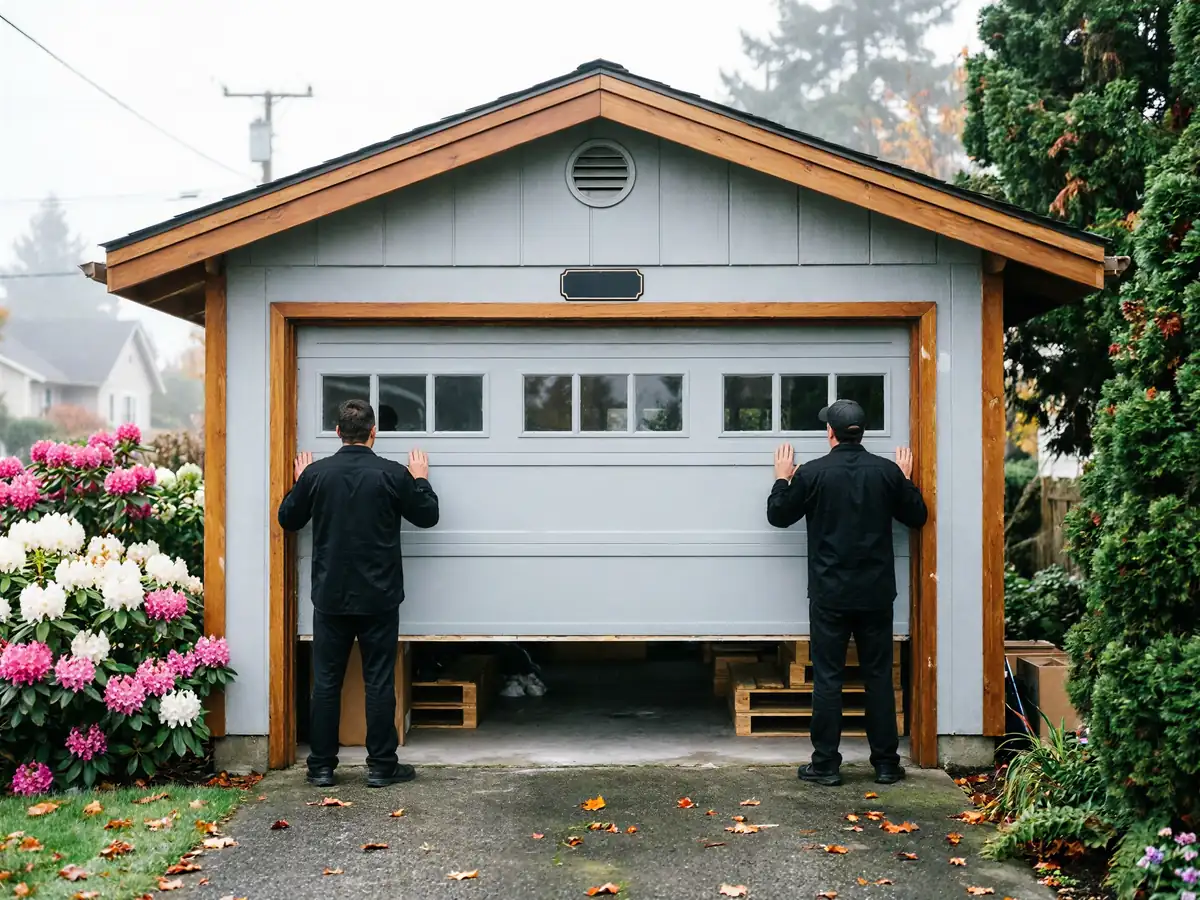
The pattern we see on West Linn doors built around 1988 is a dented or bowed bottom panel, usually from a bumper tap or a kid's bike, paired with rust working in along the bottom seam where water sits after rain. The cold, damp stretch here each winter works rust into the bottom panel seam before most owners notice the gap, and by the time it's visible as a paint bubble, the steel underneath is already thinning.
Less often, we see a panel that's cracked rather than dented - usually a middle section on a door that's been forced closed with the opener against an obstruction. That kind of damage tends to come with a bent track section too, which changes the job from a panel swap to a panel-plus-track repair.
Either way, the giveaway on a door this old isn't just the damage itself - it's that the rest of the door is original hardware from the same build year, which means once you're in there, other parts are worth a look while the door's apart.
What the Repair Takes
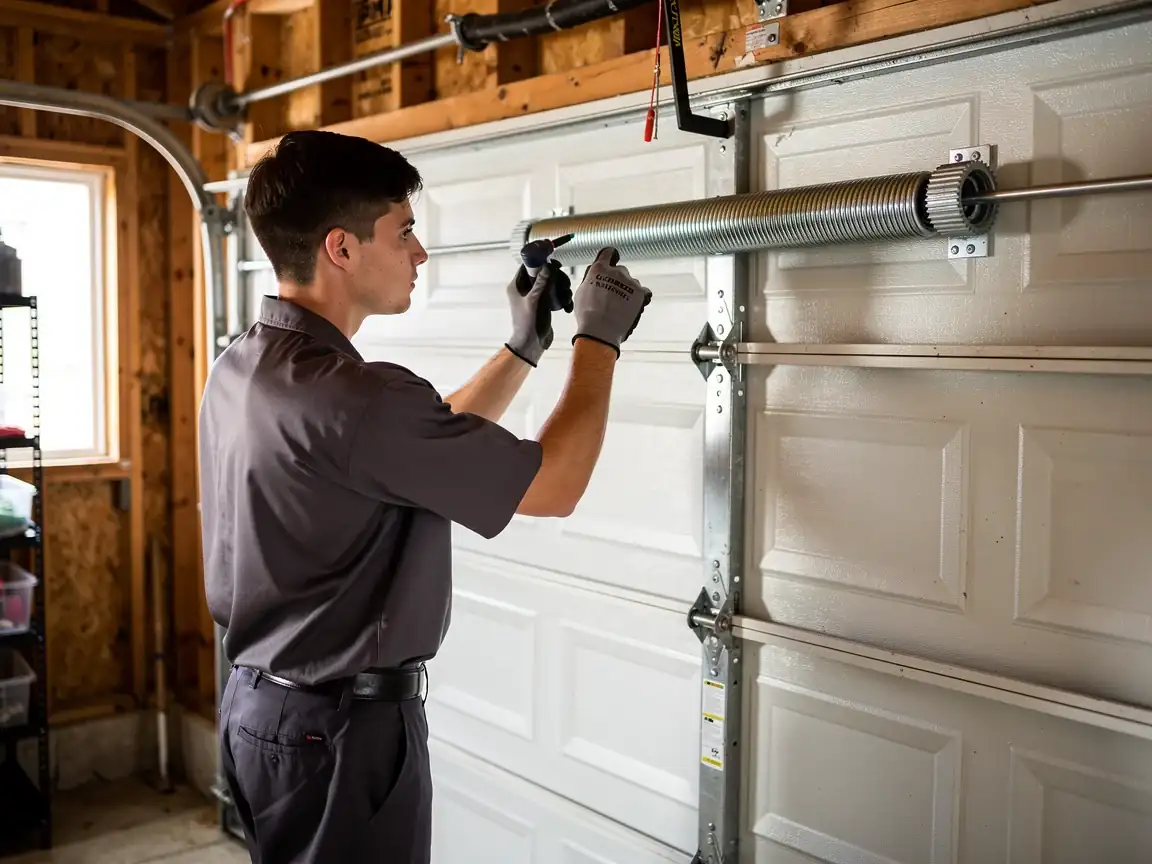
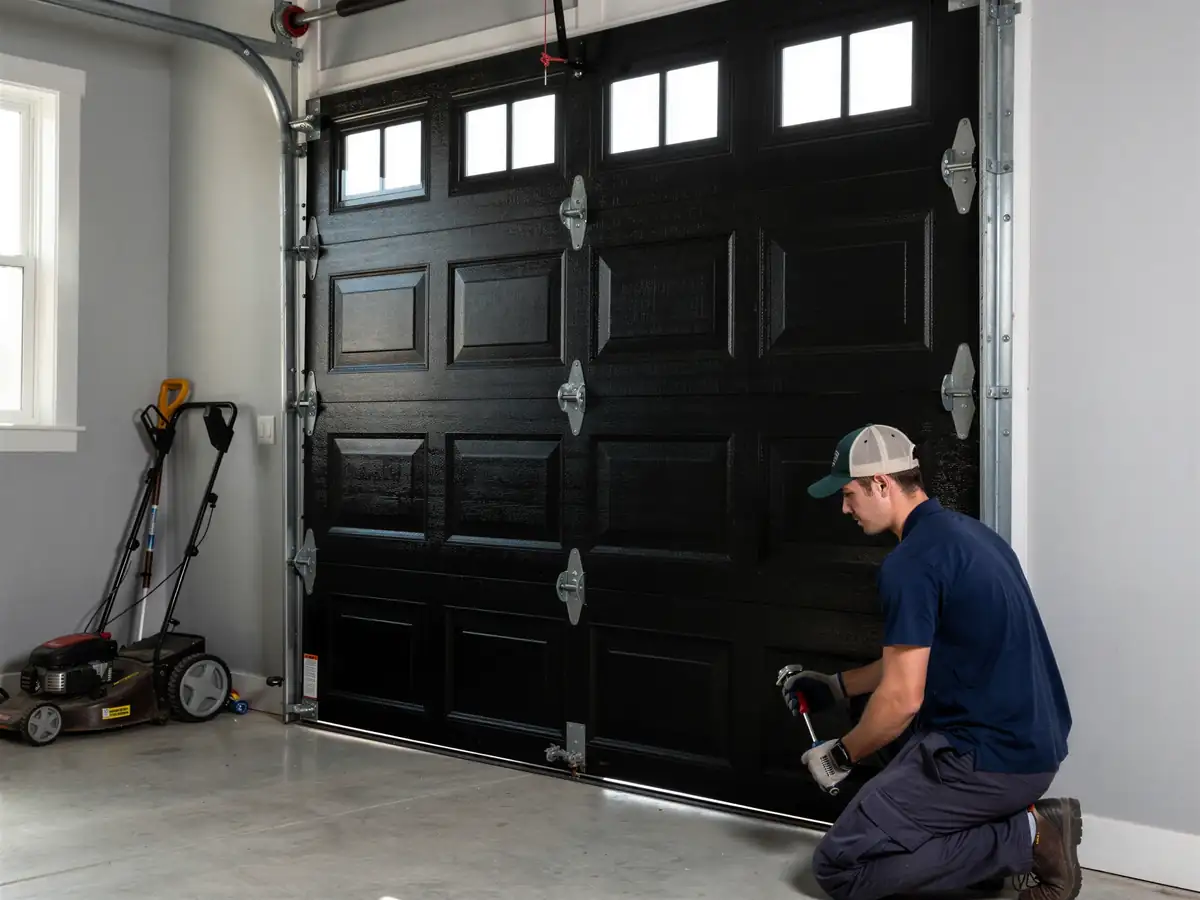
We start by pulling the damaged panel's hinges and checking the adjoining sections for play - on a door from 1988, the hinges two panels over are often as worn as the ones failing outright. If a matching panel is sourced, it goes in with the original hinge spacing where the hardware allows, or with an adapter where it doesn't.
If no match exists and the homeowner's going the full-door route instead, we take the old door down to the track and header bracket, confirm the opening width, and set a new sectional door suited to West Linn's winters - the colder, wetter stretch means we steer toward a door and weatherseal that handle moisture at the bottom seal rather than the lightest option on the shelf.
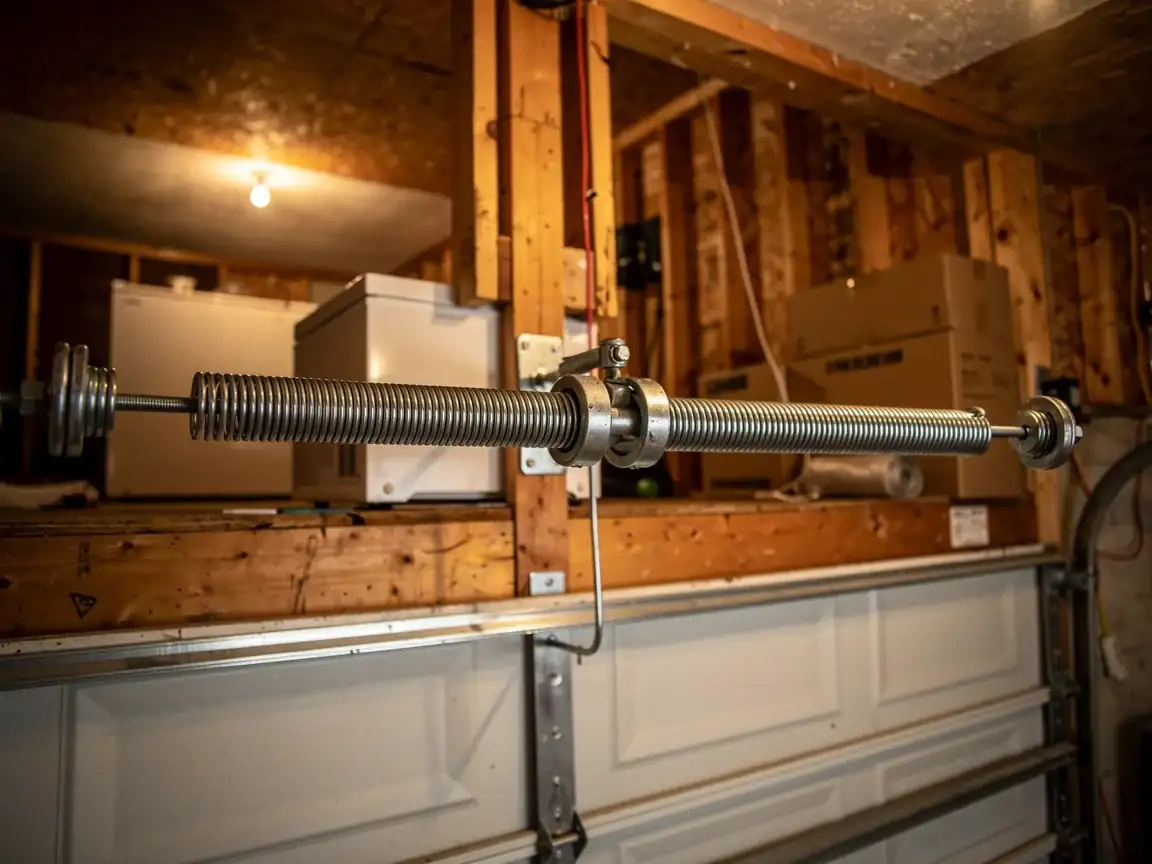
Either path ends with a track and spring tension check, since a panel swap on an old door is the moment to catch a spring that's close to its cycle limit before it lets go on its own.