The DIY Question
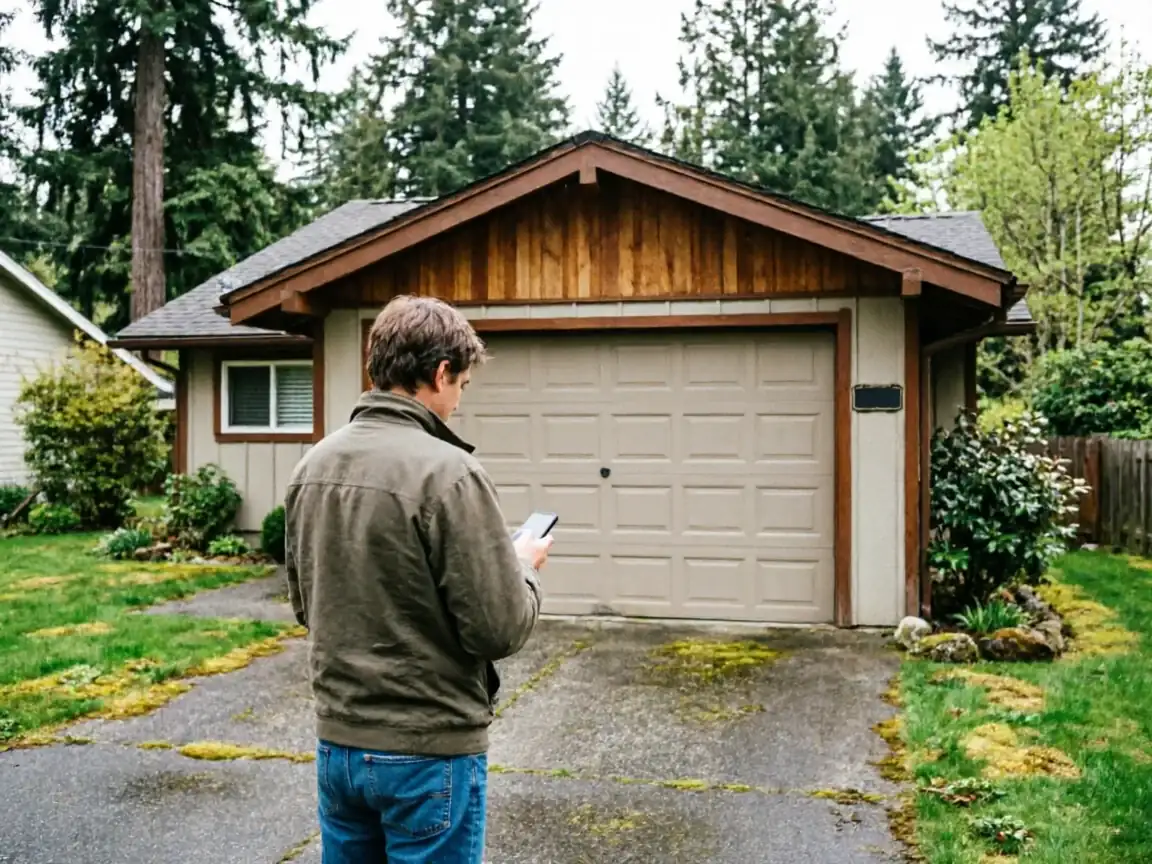
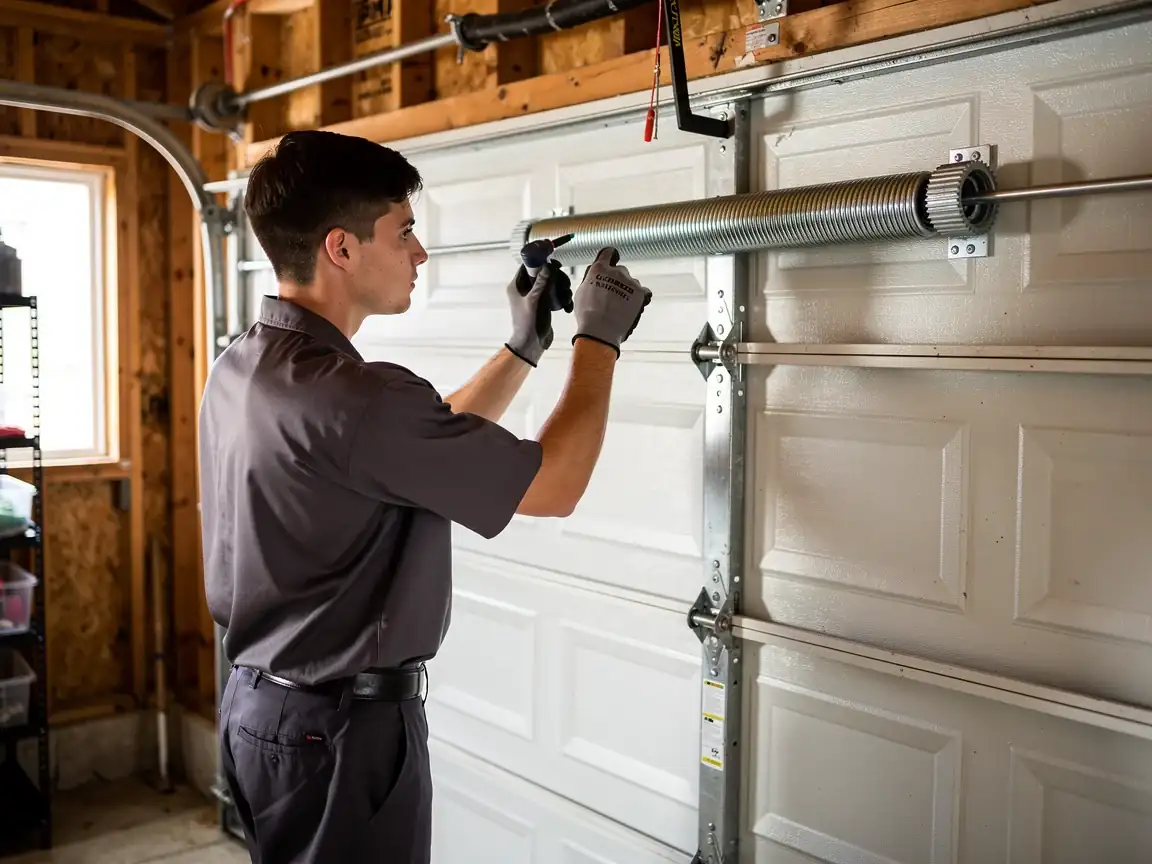
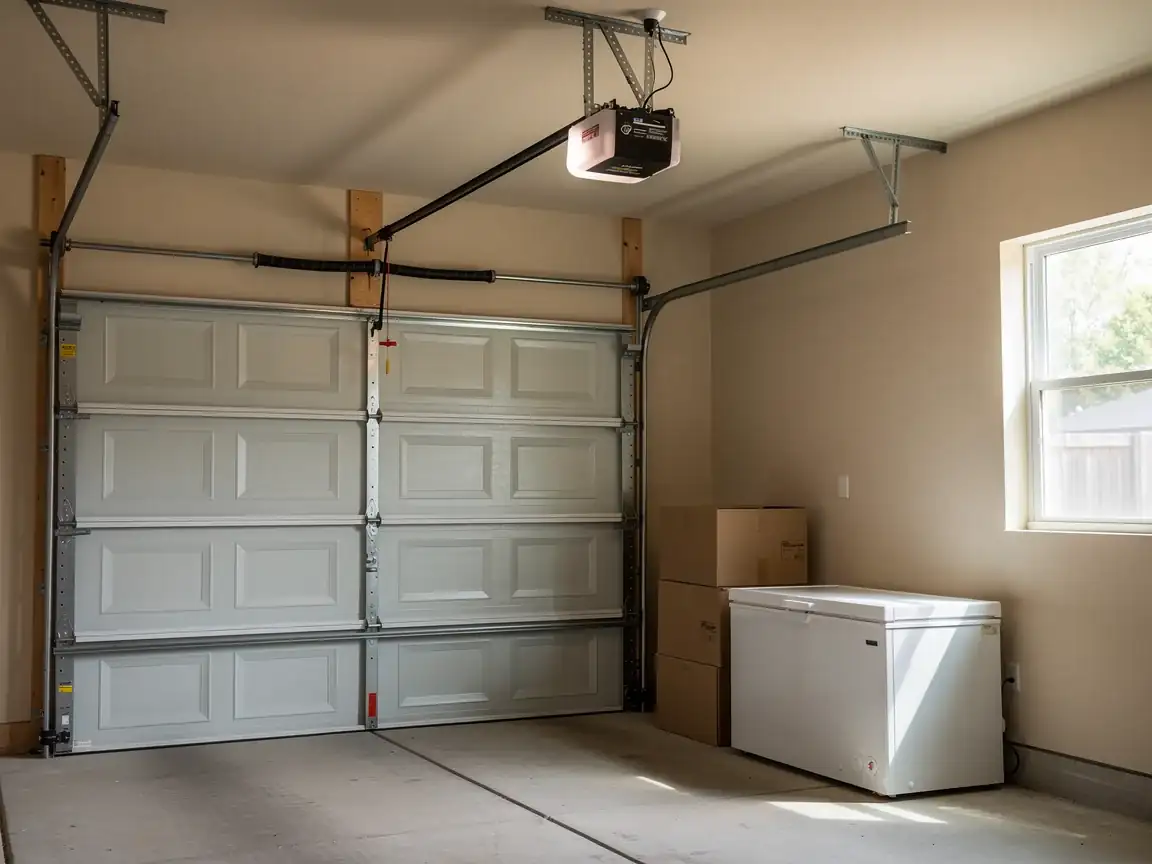
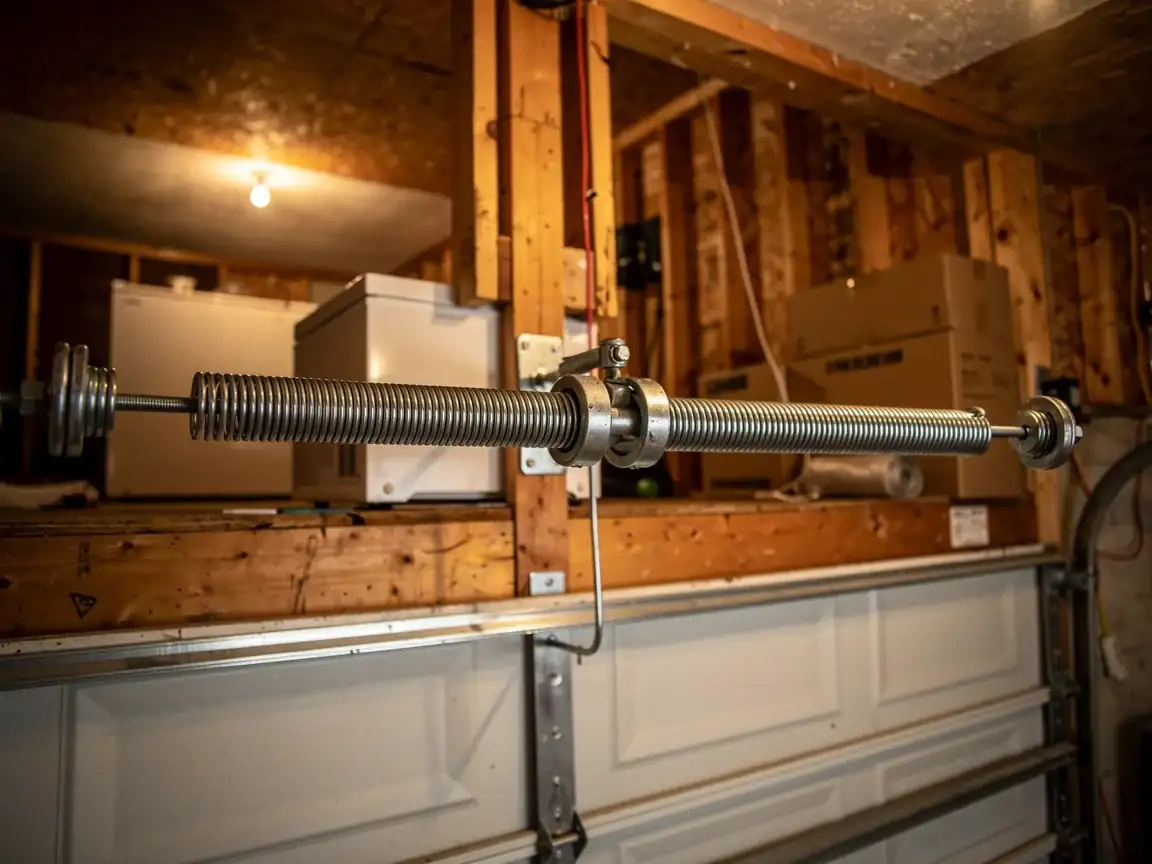
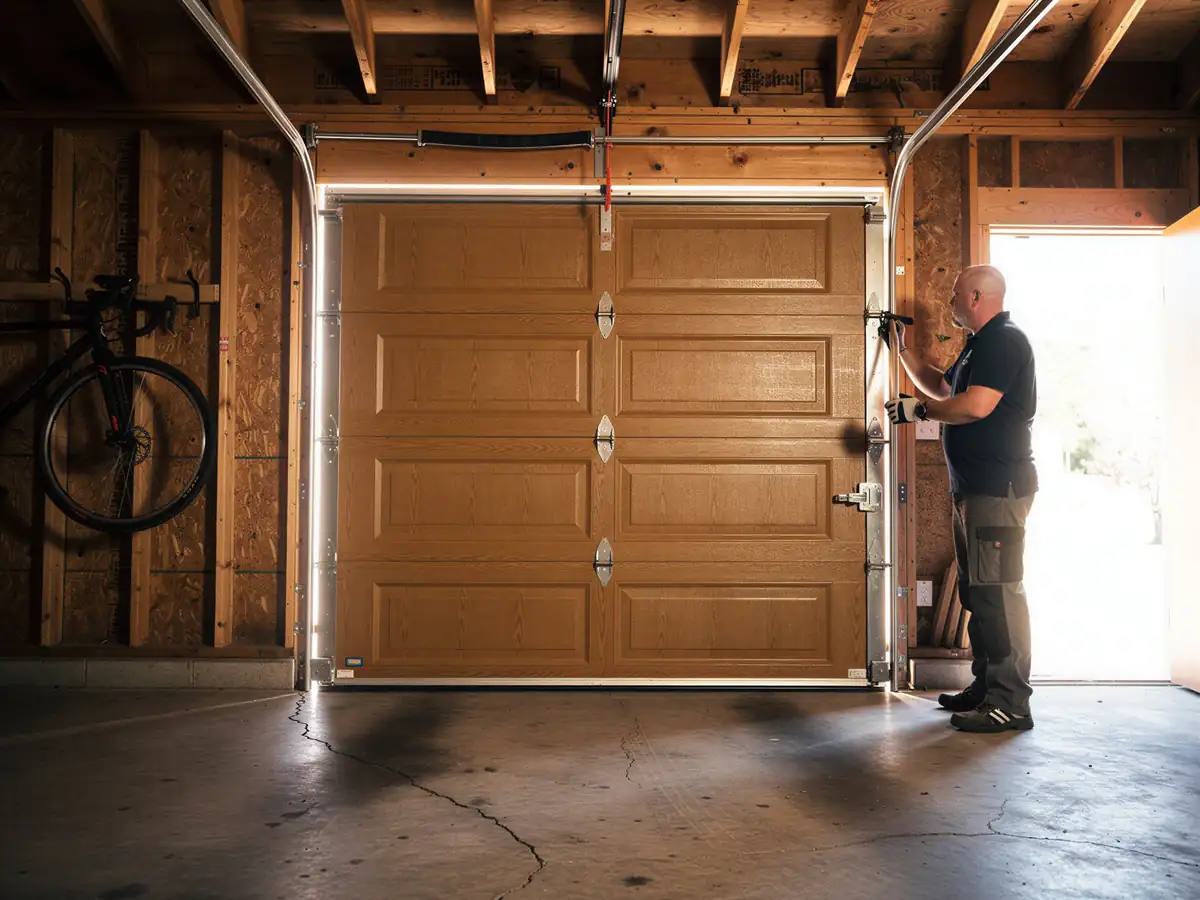
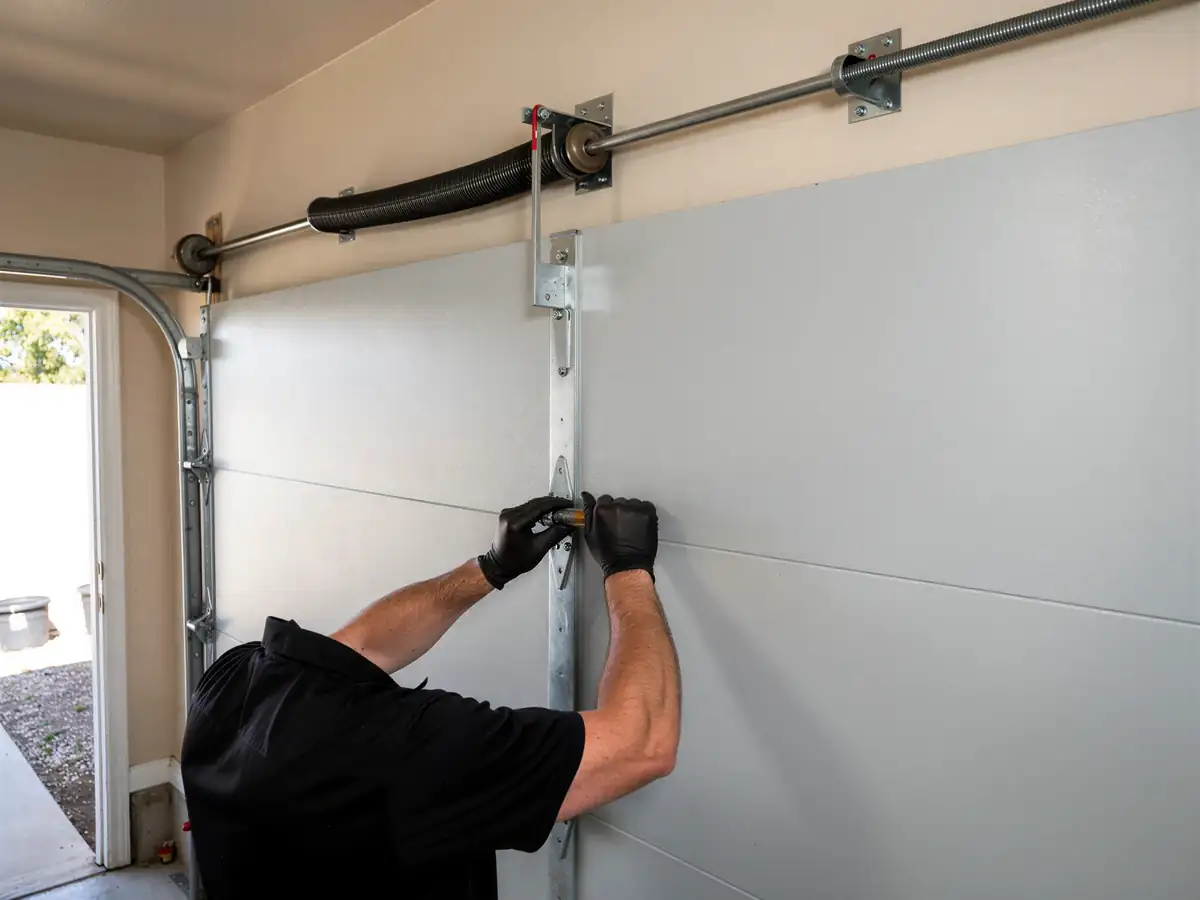
A door from the late 1980s is usually straightforward to work on - parts for that era are still widely stocked, unlike some of the older stock elsewhere in the area. That makes certain small jobs reasonable for a homeowner to try: tightening loose hardware, lubricating rollers and hinges, clearing debris from the track. What you should not touch is the torsion spring itself. Those springs hold enough stored tension to break a hand or worse, and a 1988-era door with its original spring has had over three decades to fatigue. If the door feels heavier than it used to, or one side drops faster than the other when you release it manually, that's a spring losing tension - not a DIY fix, no matter how many videos say otherwise. We'd rather tell you straight that this one's not worth the risk than show up after.
The Complications
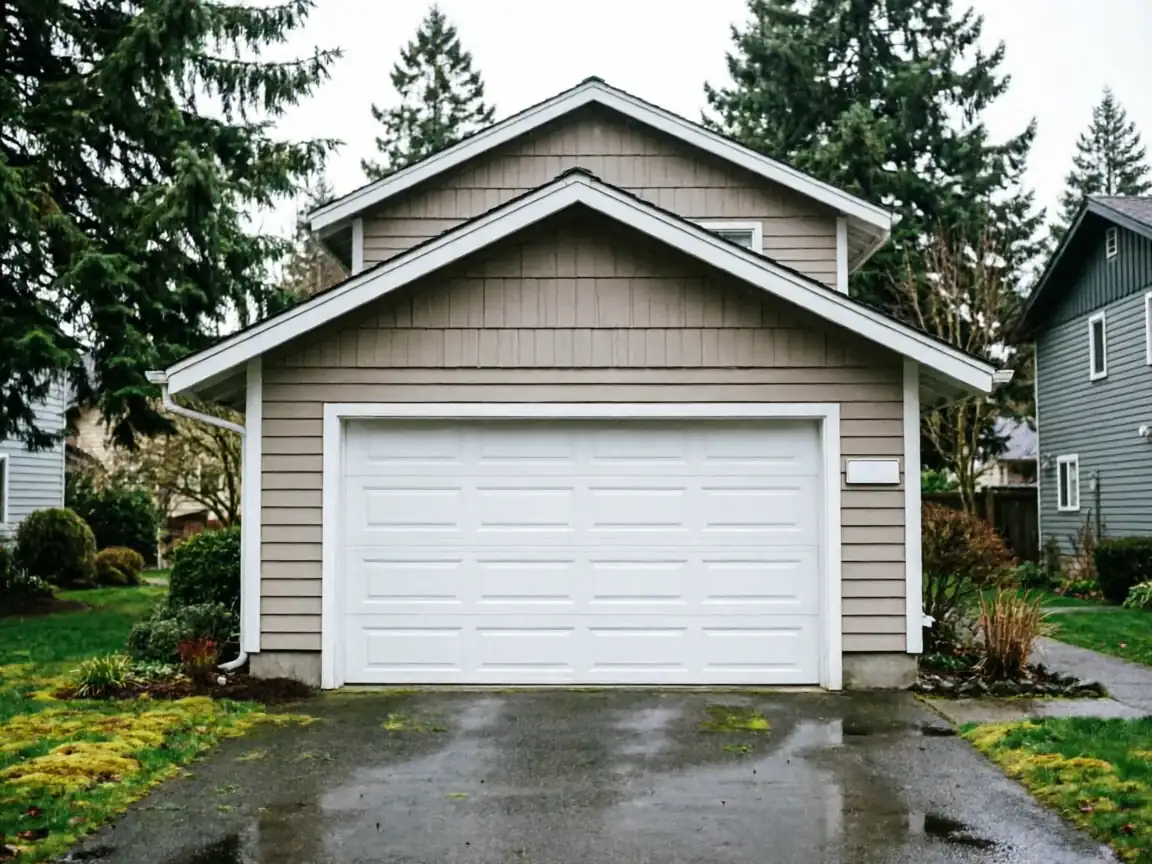
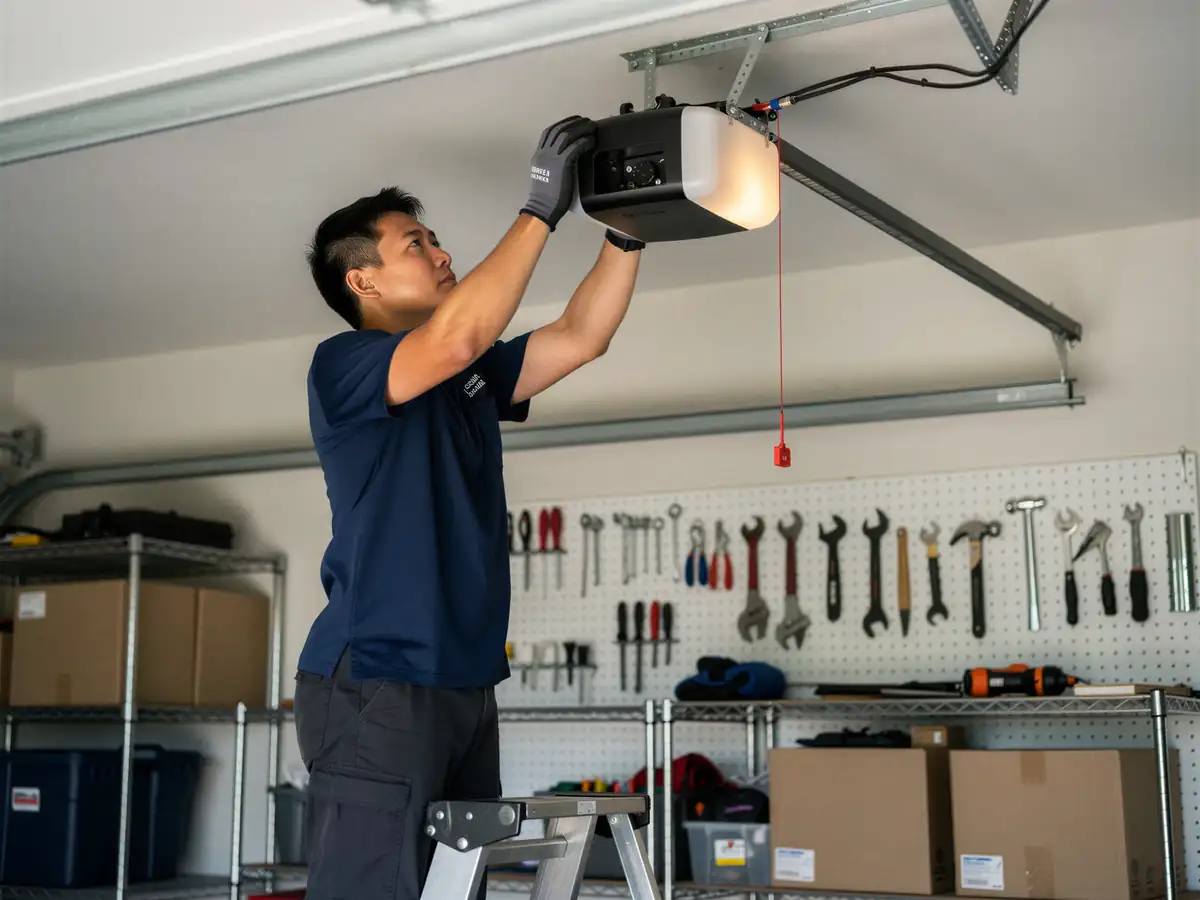
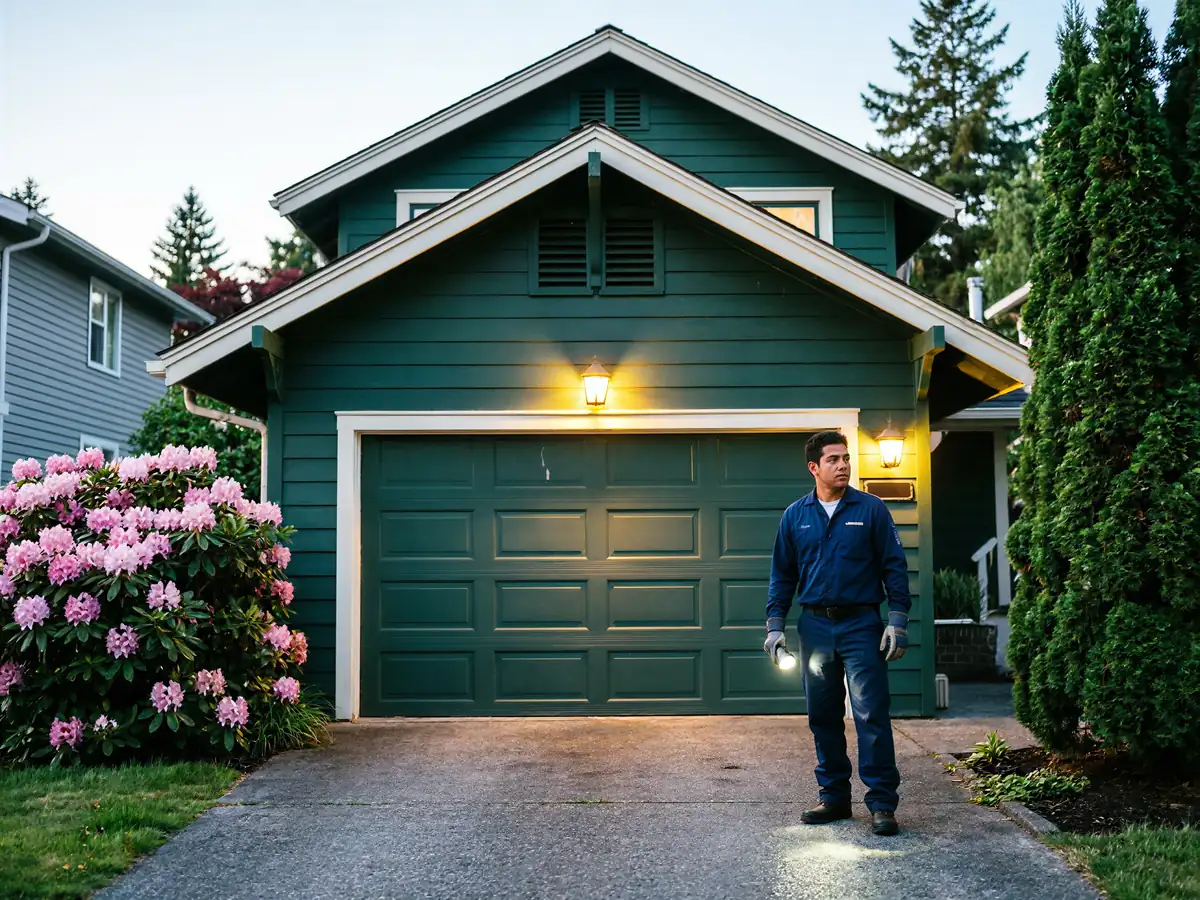
West Linn's housing stock being newer than much of the rest of the service area cuts both ways. The good news: original parts and standard hardware sizes are usually still available, so a repair here doesn't usually turn into a hunt for a discontinued bracket. The complication is more about what thirty-plus years of Oregon winters do to galvanized cable and nylon rollers - it's steady wear, not the kind of hardware mismatch you get on a much older door. With median household income in West Linn at $138,526, well above the $102,201 median across the rest of the service area, we also see more homeowners opting to replace an aging opener or insulated panel rather than patch it repeatedly. Neither choice is wrong. We'll tell you which one actually makes sense for the specific door in front of us, not which one sells better.
The Symptom
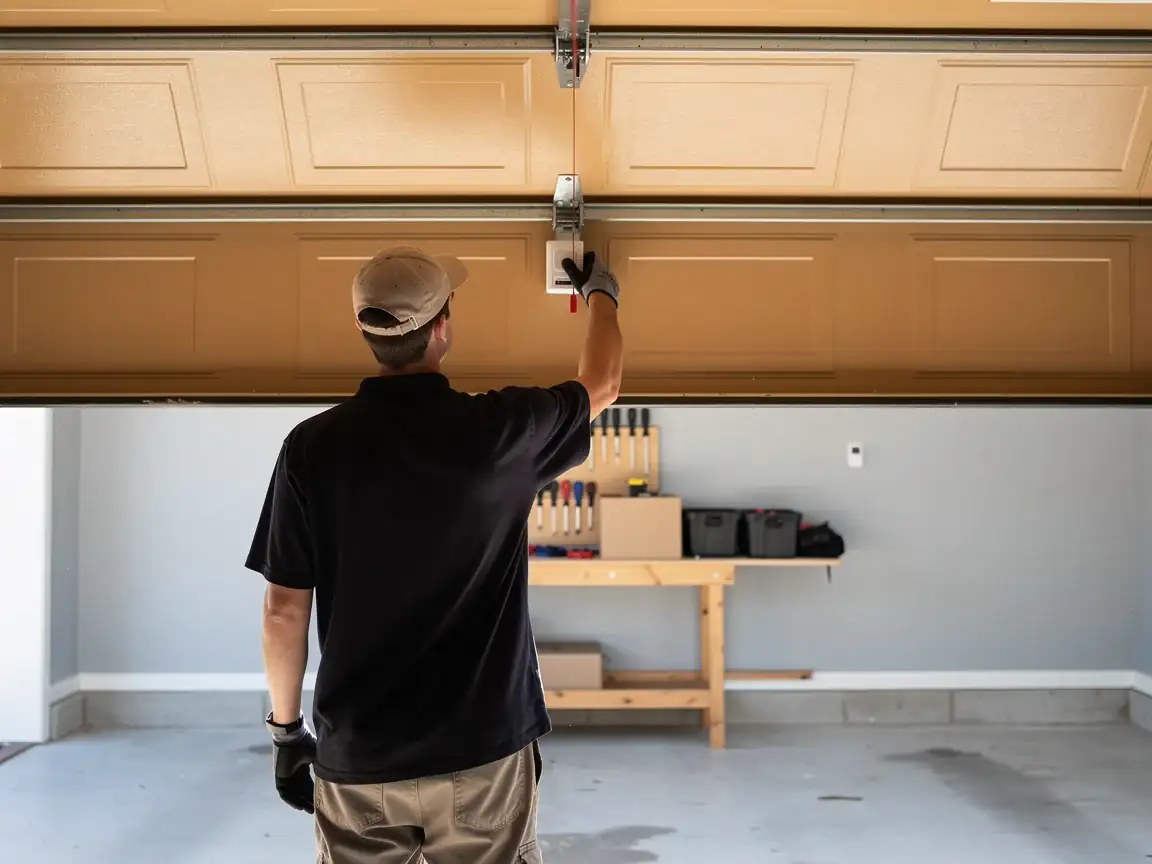
The complaint we hear most from this stretch of the service area is a door that opens partway, then stalls or reverses. On a house from the late 1980s, that's very often a spring that's lost tension unevenly - one side still pulling its share of the weight, the other not - rather than the opener itself failing. The opener's motor is just doing what it's told; it's straining because the springs aren't carrying the load they were sized for anymore. A close second symptom is a loud bang followed by the door refusing to move at all - that's usually the spring letting go completely, and at that point the opener is irrelevant until the spring's replaced.
What the Repair Takes
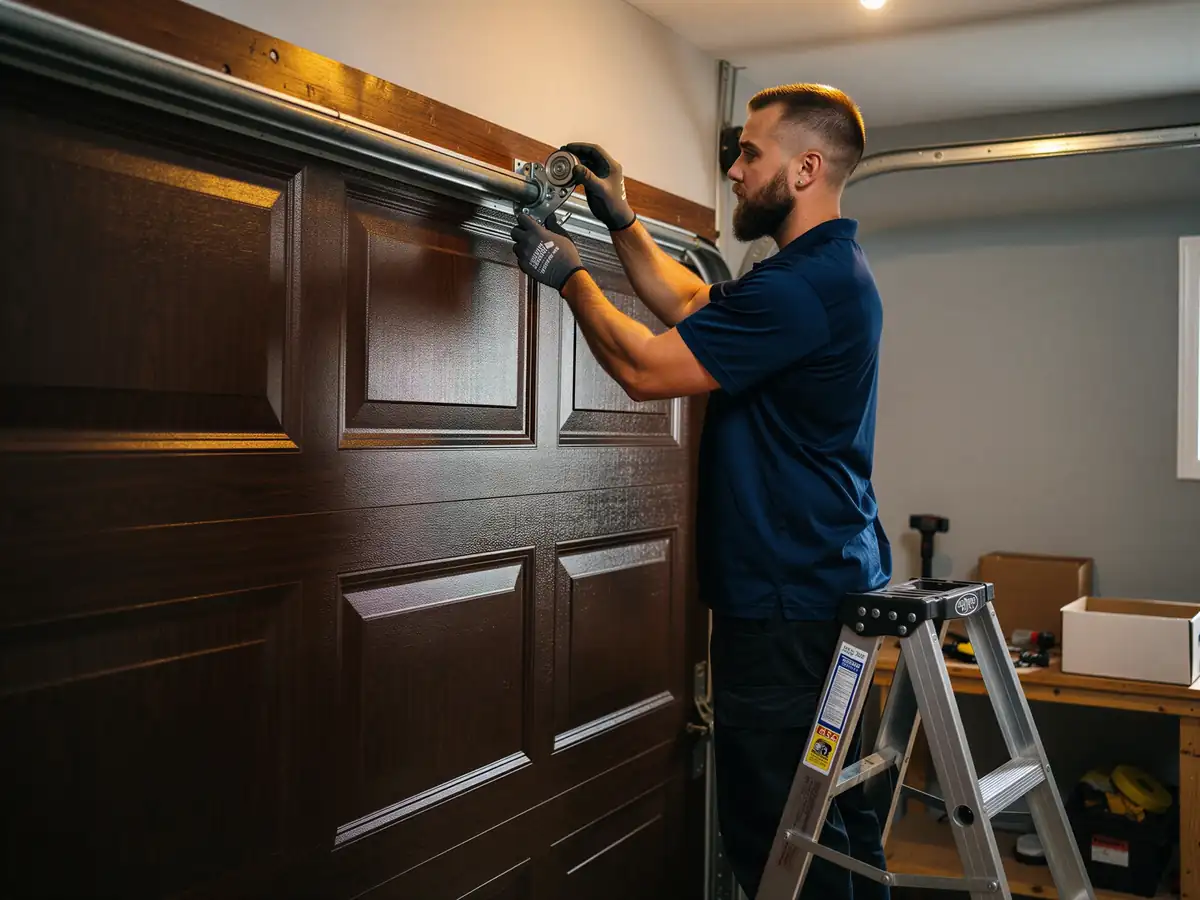
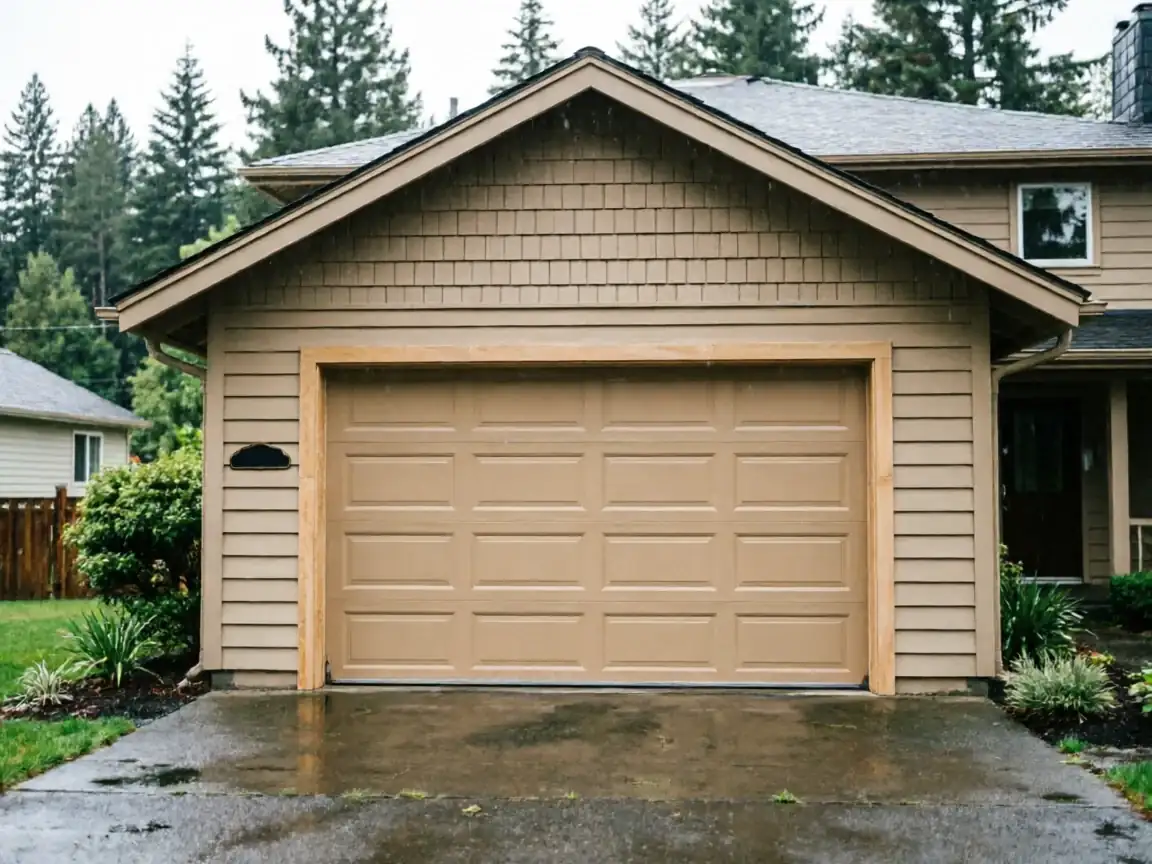
For a standard torsion spring replacement on a double door of this era, the job itself is mechanical and fairly contained: matching the spring to the door's weight and wind, swapping it under controlled tension, then checking balance and travel limits on the opener afterward. We don't guess the spring size from the door's age alone - we measure the wire gauge and coil length on site, because two houses built the same year can still have different door weights depending on whether the panels are insulated. If the cables or rollers show the same wear as the spring, we'll flag it rather than send you into another service call in a year over a part that was already failing when we had the door open.