The Symptom
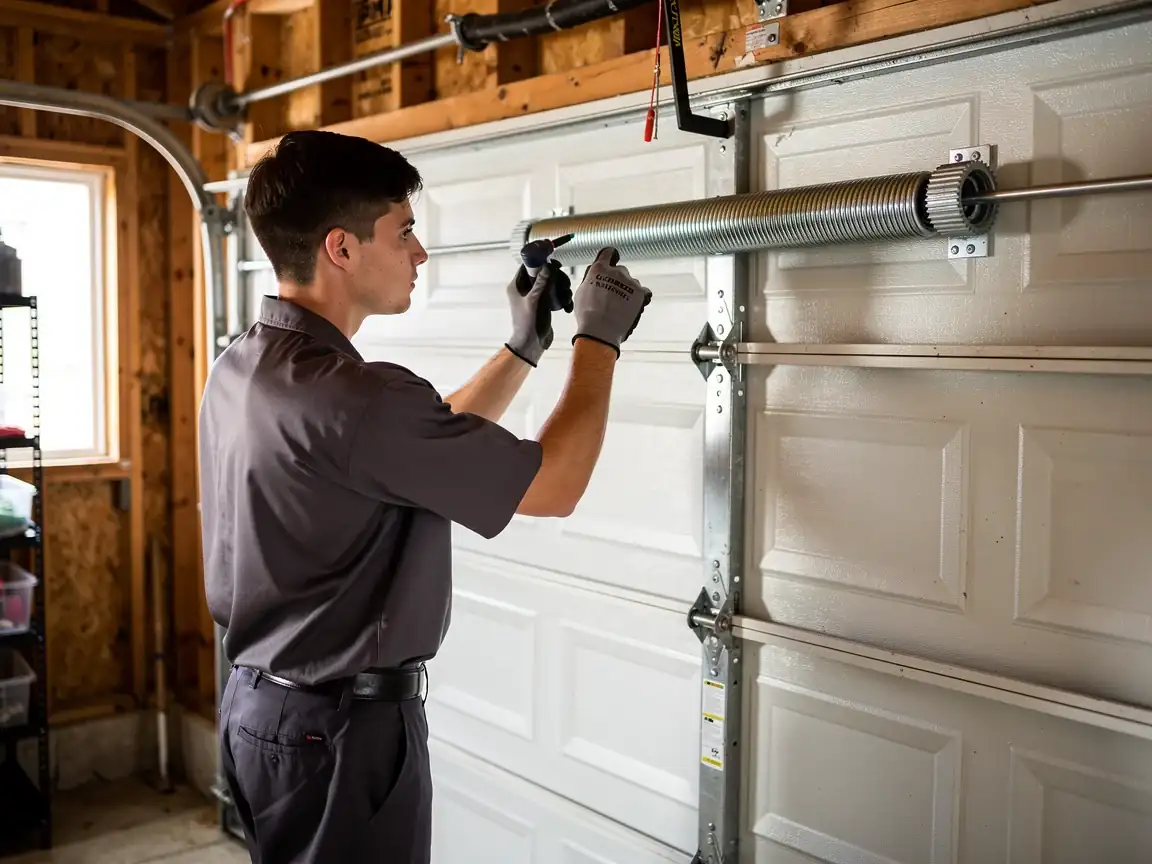
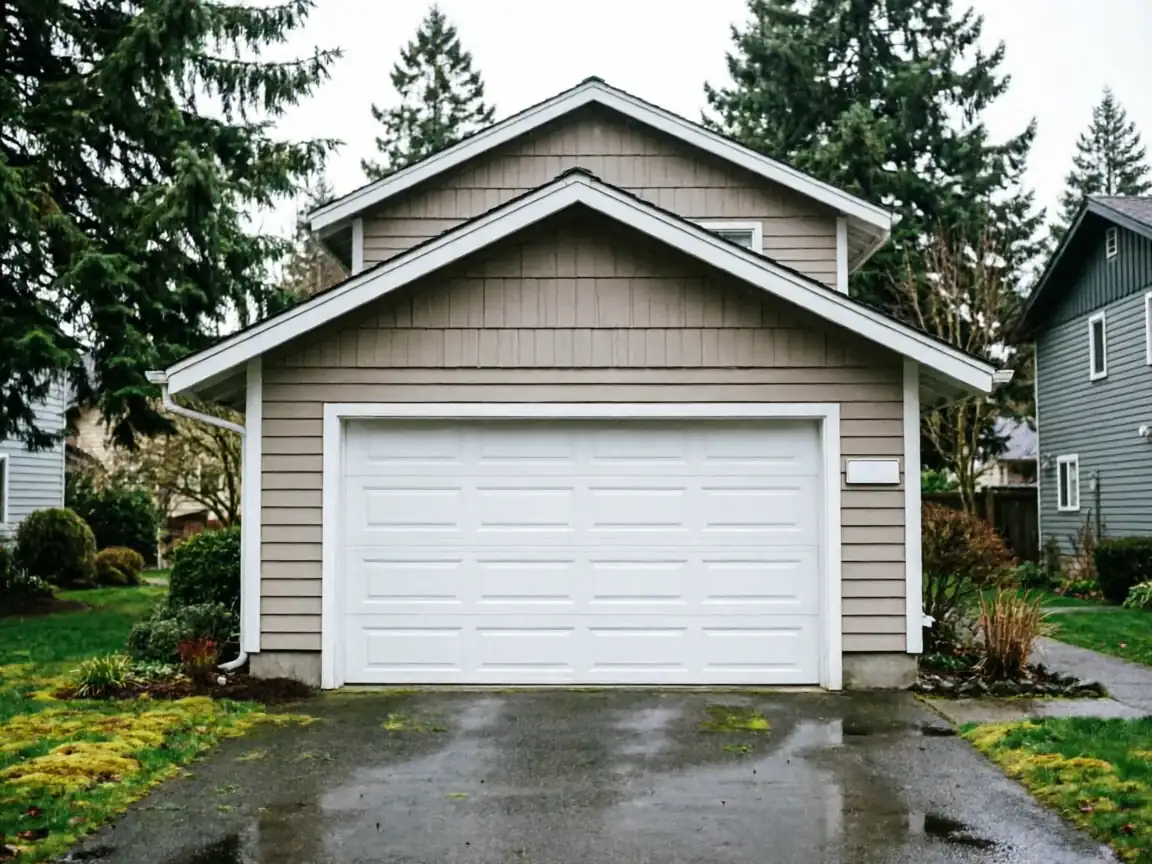
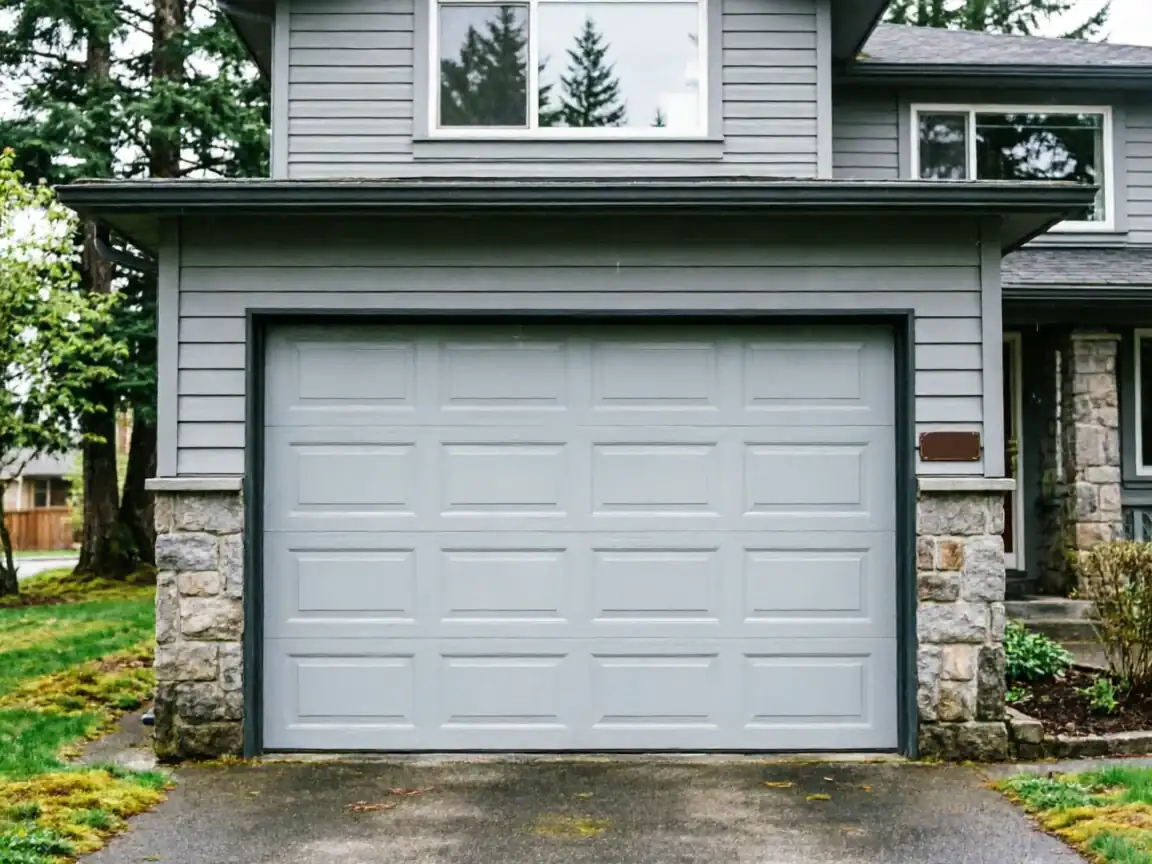
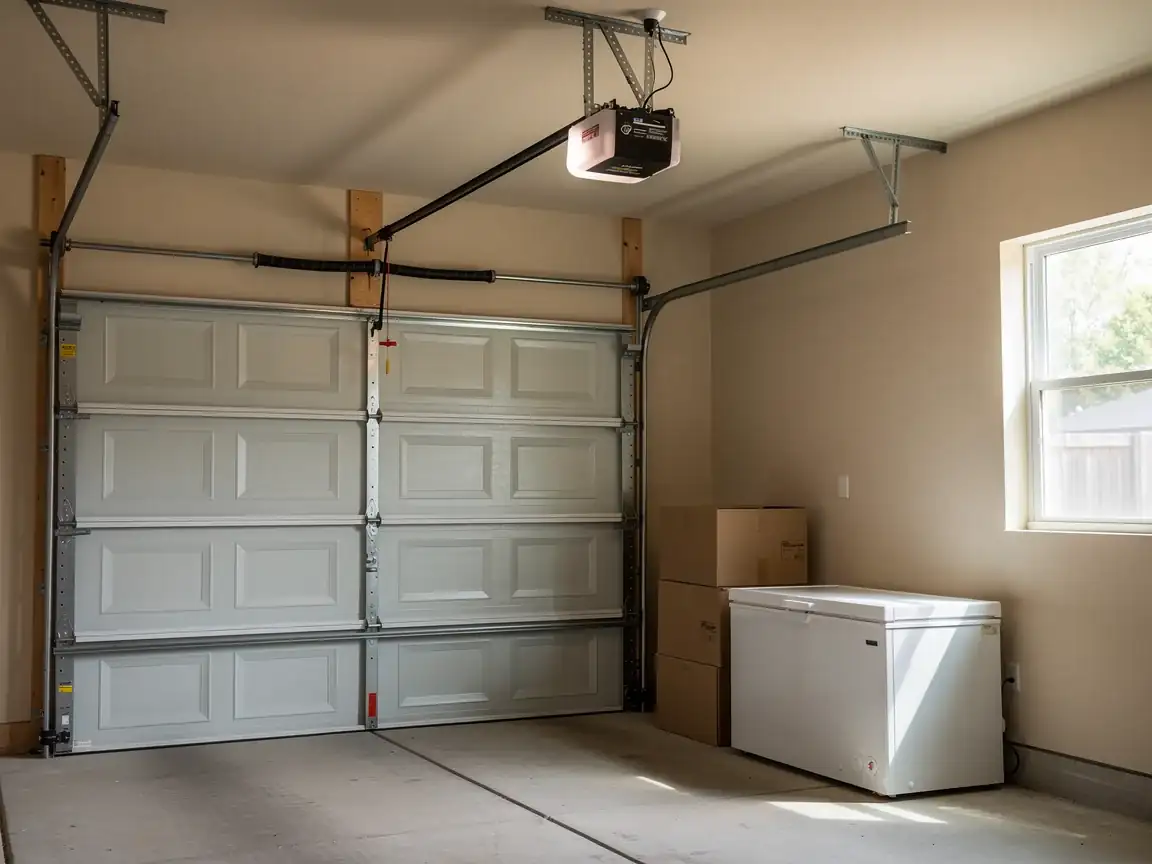
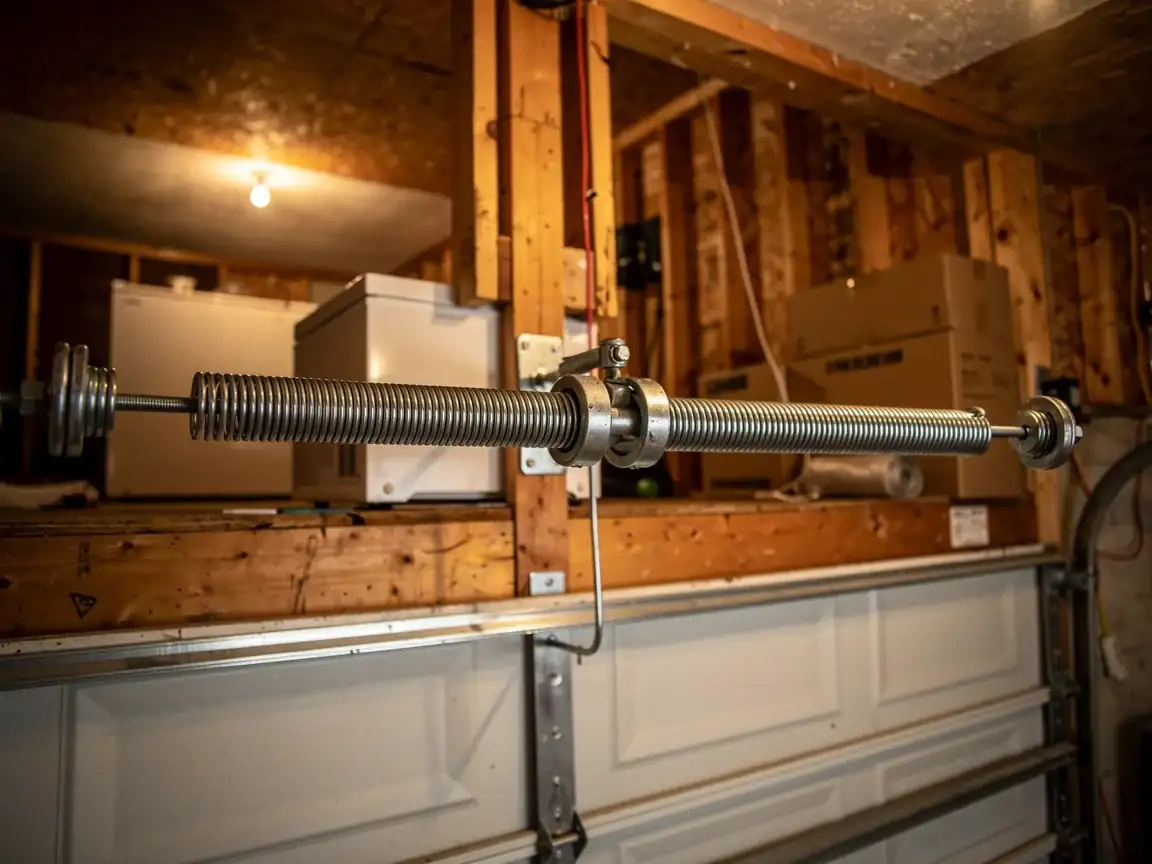
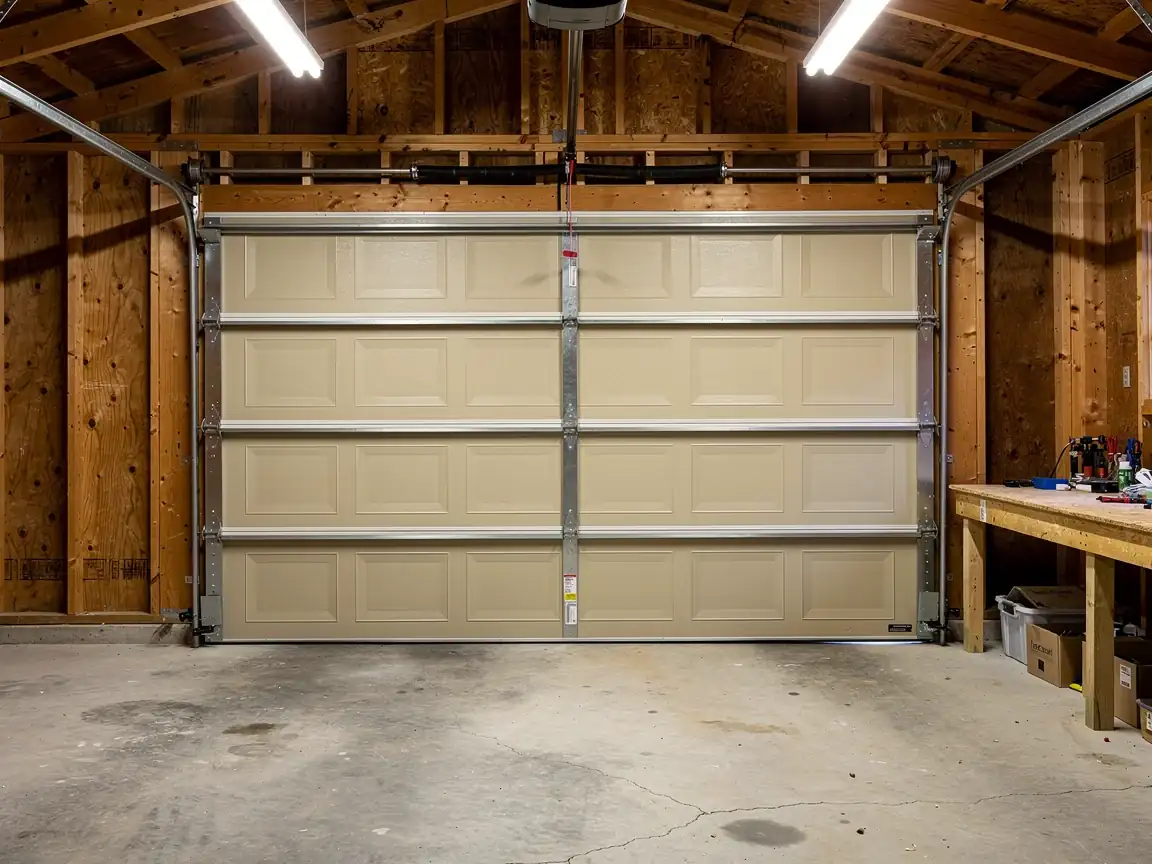
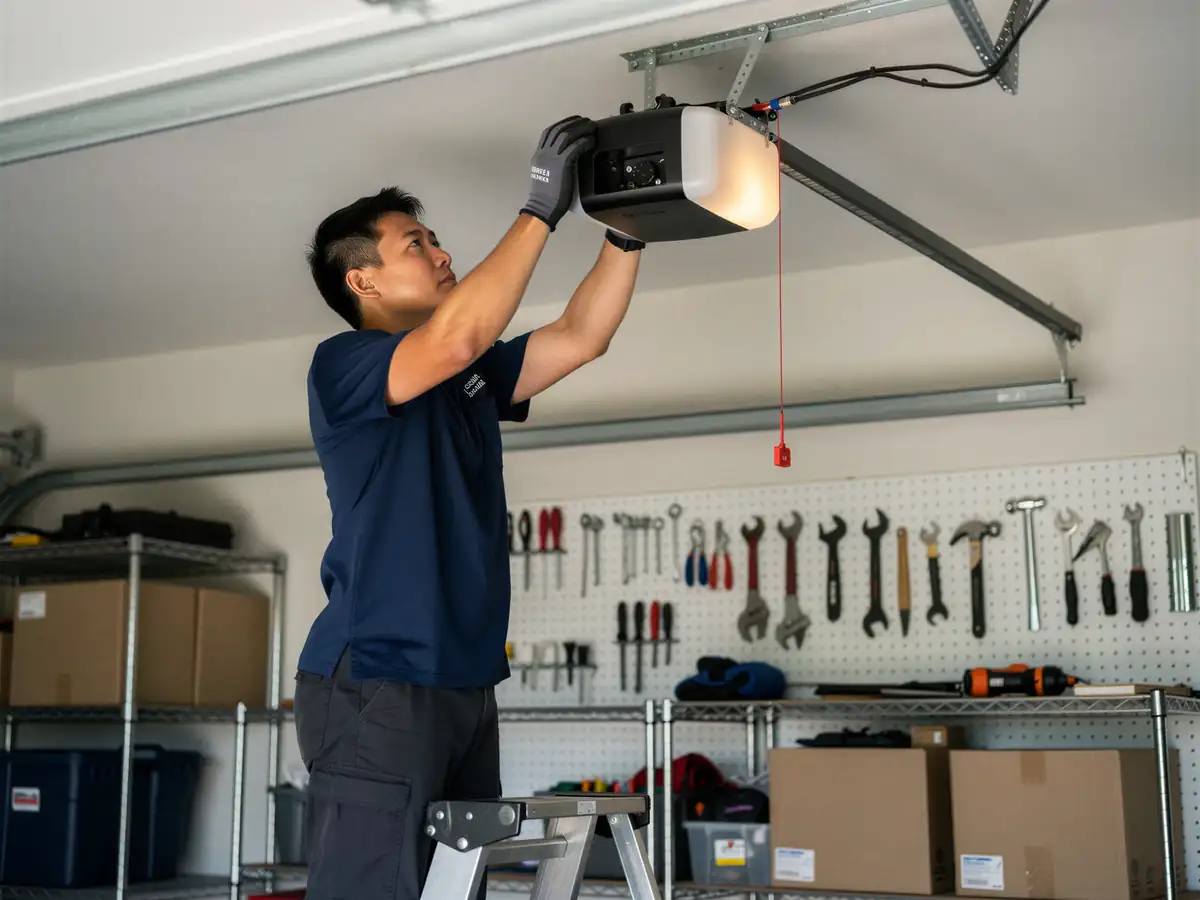
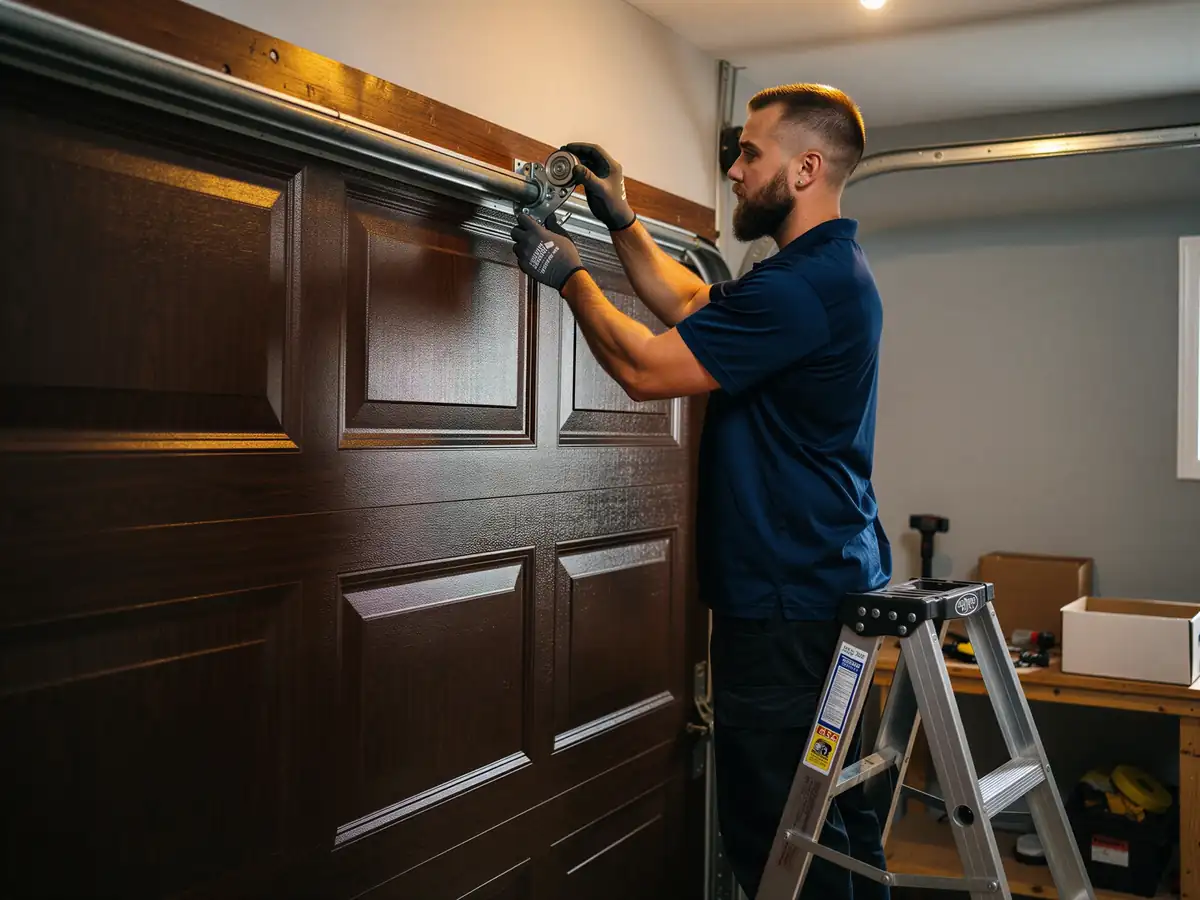
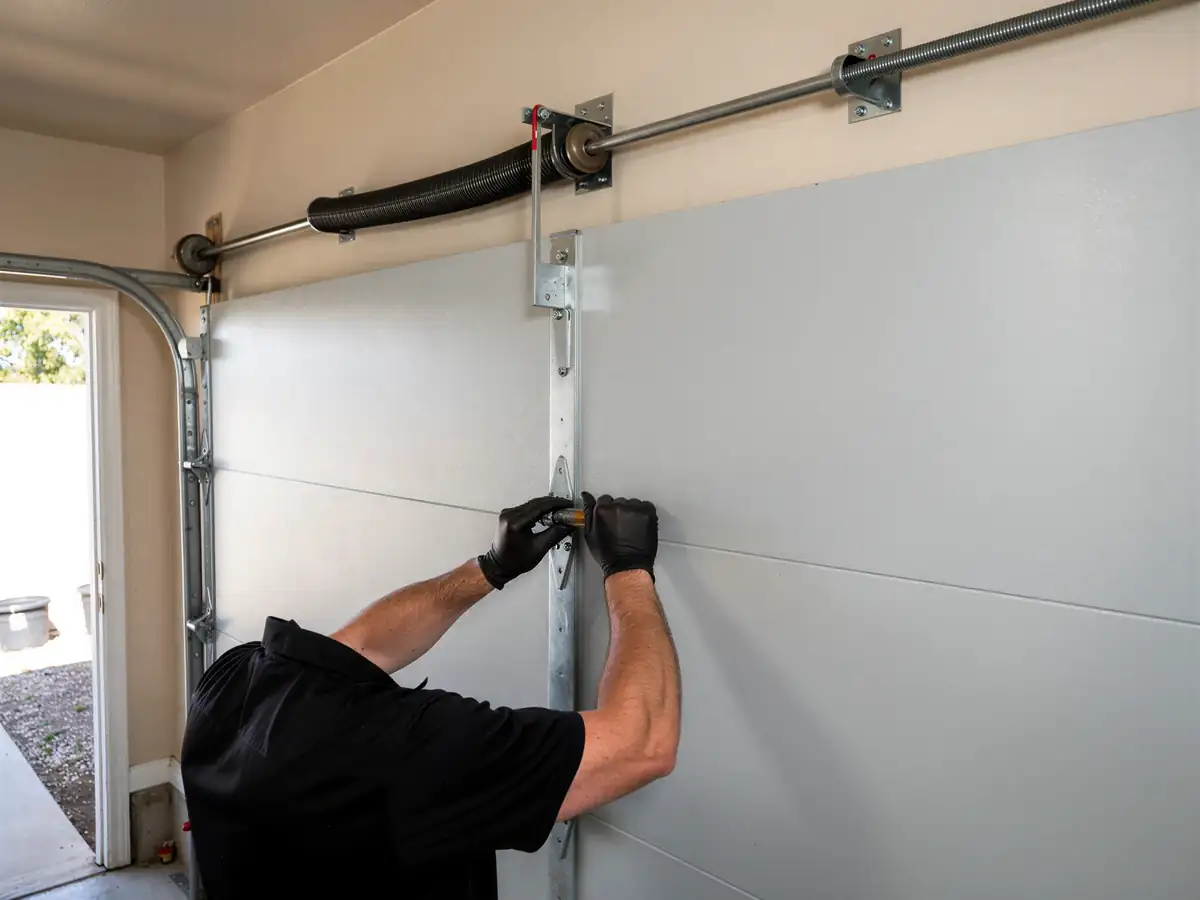
The complaint we hear most from this stretch of the area is the door that slams the last foot of travel, or won't lift past waist height without help. On a 1992-era double door, that's almost always an extension spring that's lost tension or snapped a coil - the springs from that build period are rated for a service life measured in cycles, and three decades of daily use runs most of them out well before anyone notices a problem until the day it breaks. The second common call is the opener that runs but the door doesn't move, which on chain-drive units this age usually means a stripped drive gear inside the housing, not the motor itself. Less often, it's a cable that's frayed off the drum on one side, which will cock the door visibly in the track and should stop you from running the opener again until it's looked at.
How Long You Are Without the Door
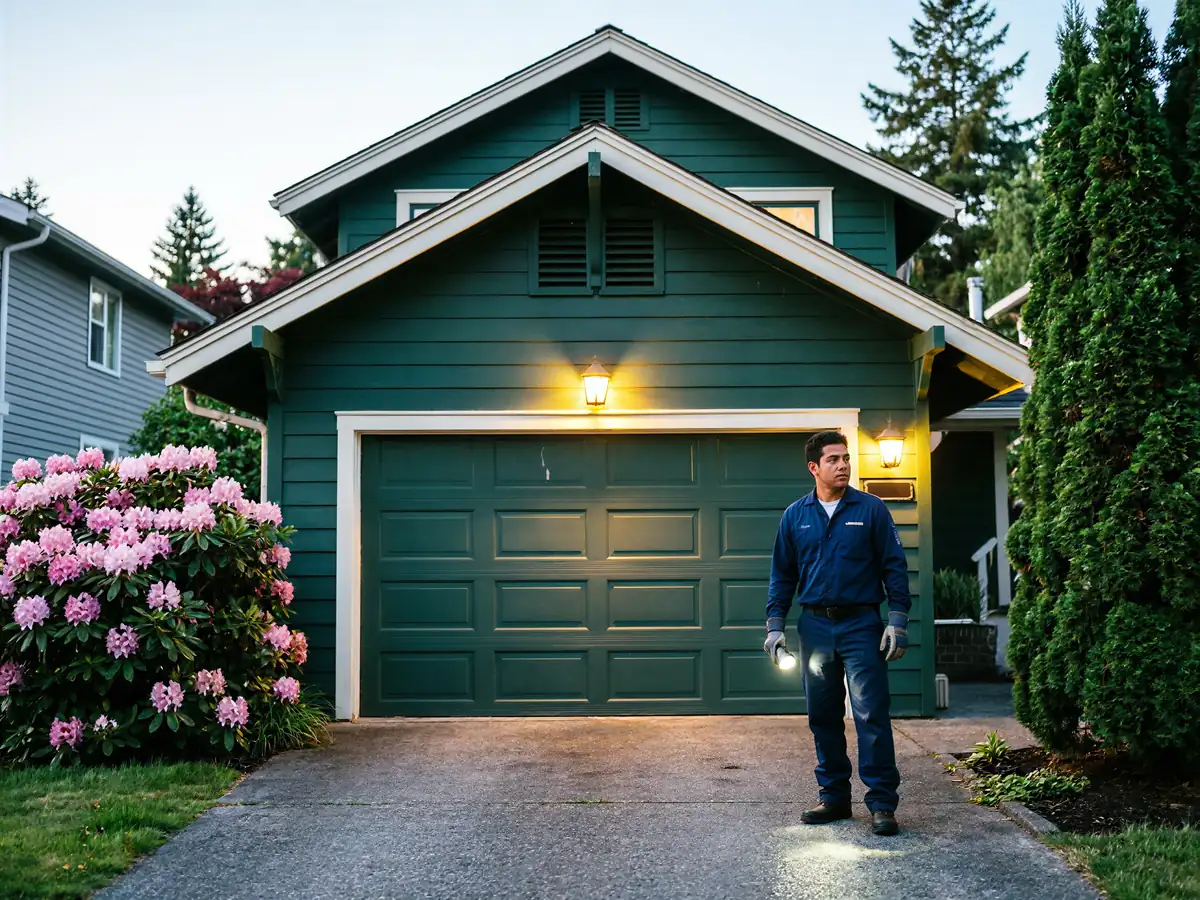
We run this call from Oregon City, 17 miles out, so Cedar Mill isn't a five-minute hop for us the way it might be for a company with a yard closer in. That distance is built into how we schedule the day - we batch calls on this side of the service area when we can, rather than making a single round trip for one job. A broken spring or a jammed opener doesn't usually leave the door unusable in a way that's unsafe to leave overnight; it's inconvenient, not an emergency, in most cases. We'll give you a real window when you call rather than guess at it here, since traffic on the drive out varies more than the repair itself does.
Why It Happens Here
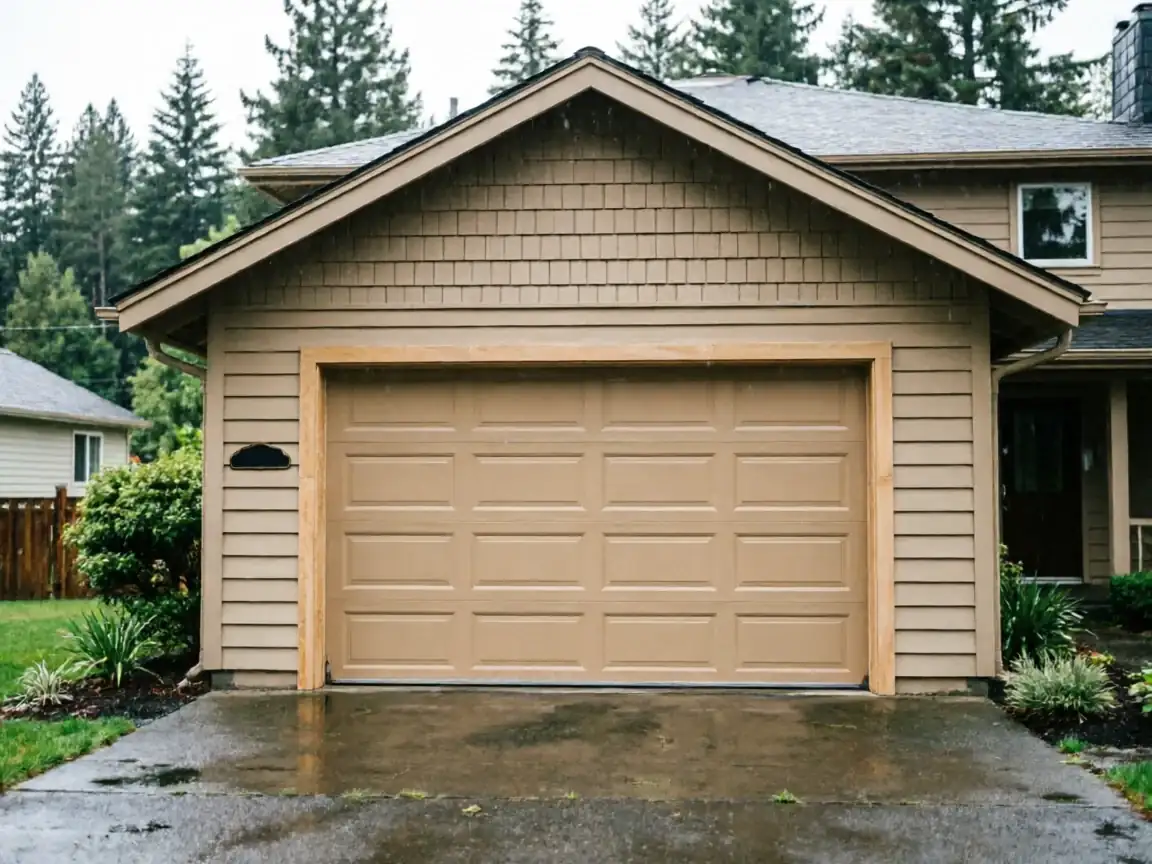
This area sits in a cold-moderate climate band, which matters more to a 1992 door than a newer one. Insulation specs for garage doors tightened up after this housing stock went in, so a lot of these original panels are running thinner foam than what's standard now, and the vinyl backing on steel doors from that period tends to crack and let moisture behind it over enough winters. That moisture is what corrodes cable drums and seizes hinges faster than you'd expect from the door's age alone. Household incomes on this side of the service area run higher than the broader area average, and we see more of these owners opt for full insulated-panel replacement rather than patching an aging door once the spring and the panel finish are both going at once - it's a reasonable call on a house this age, not an upsell we push.