Parts We Carry
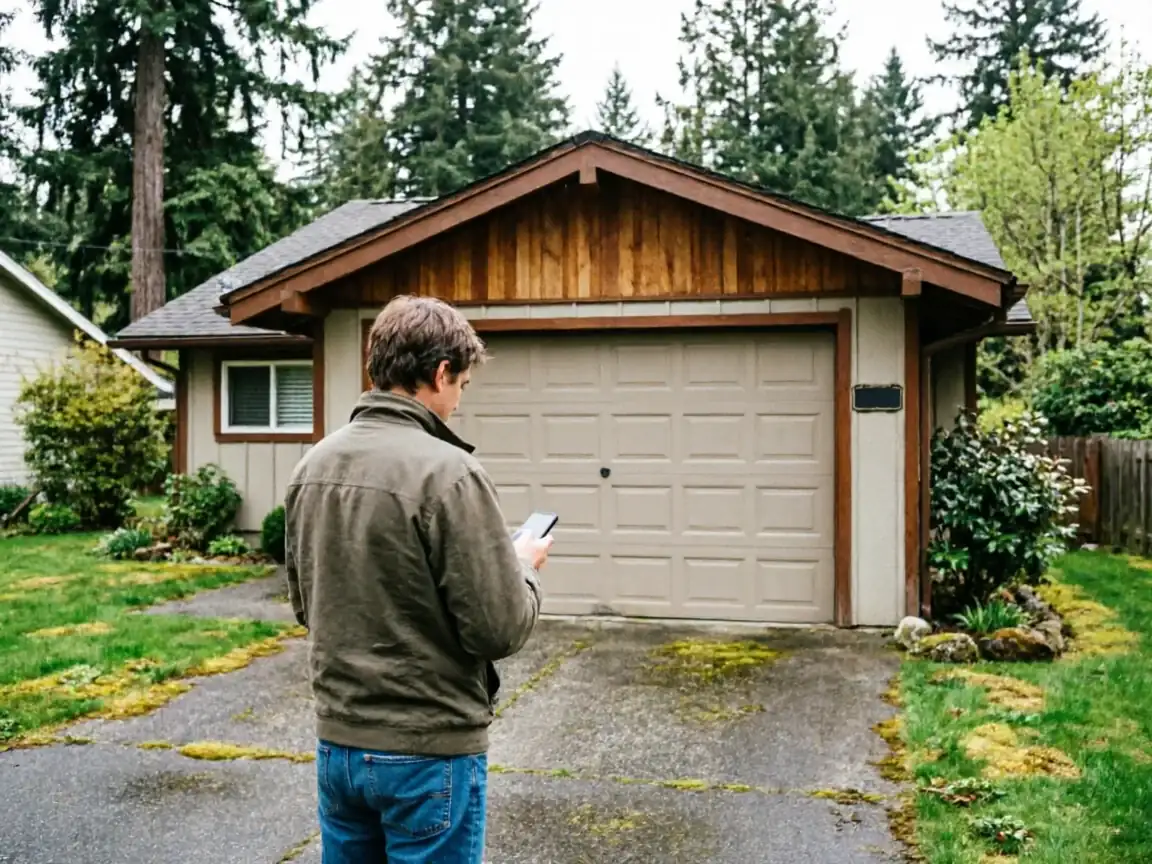
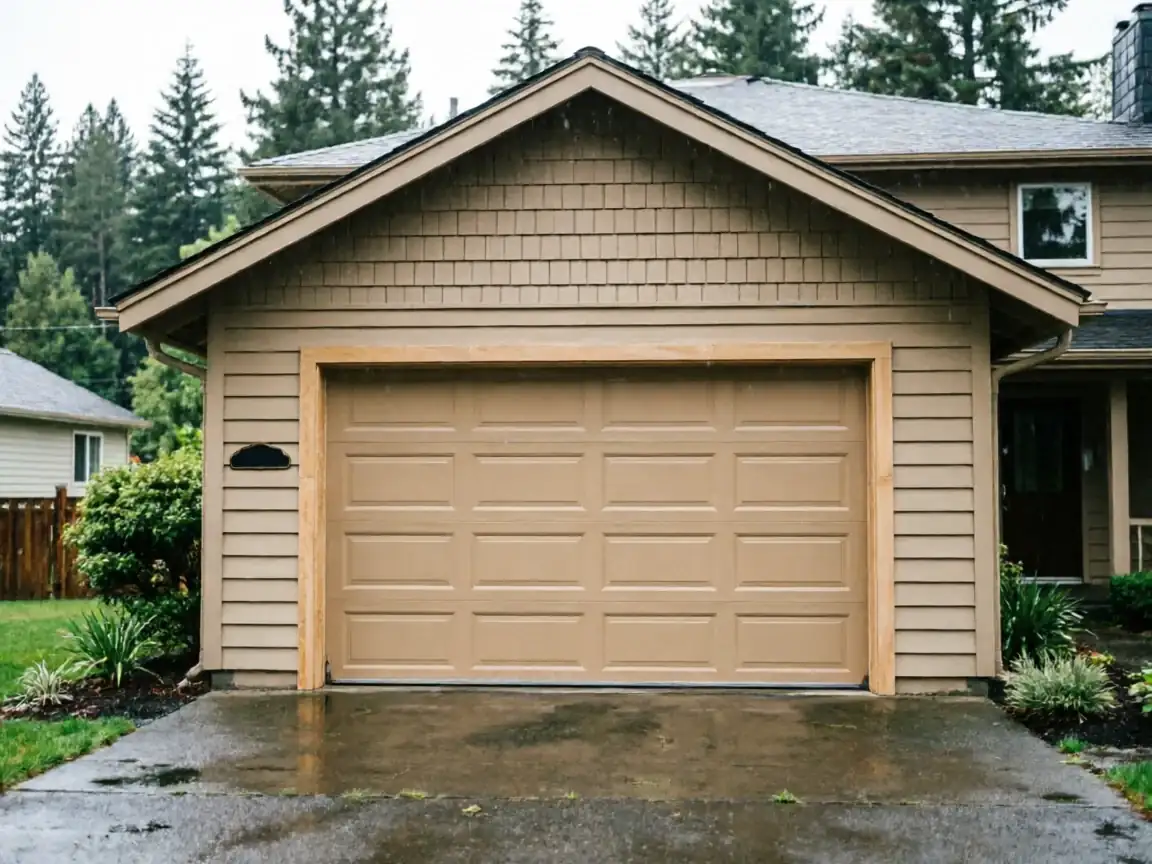
Most of Cedar Mill went up around 1992
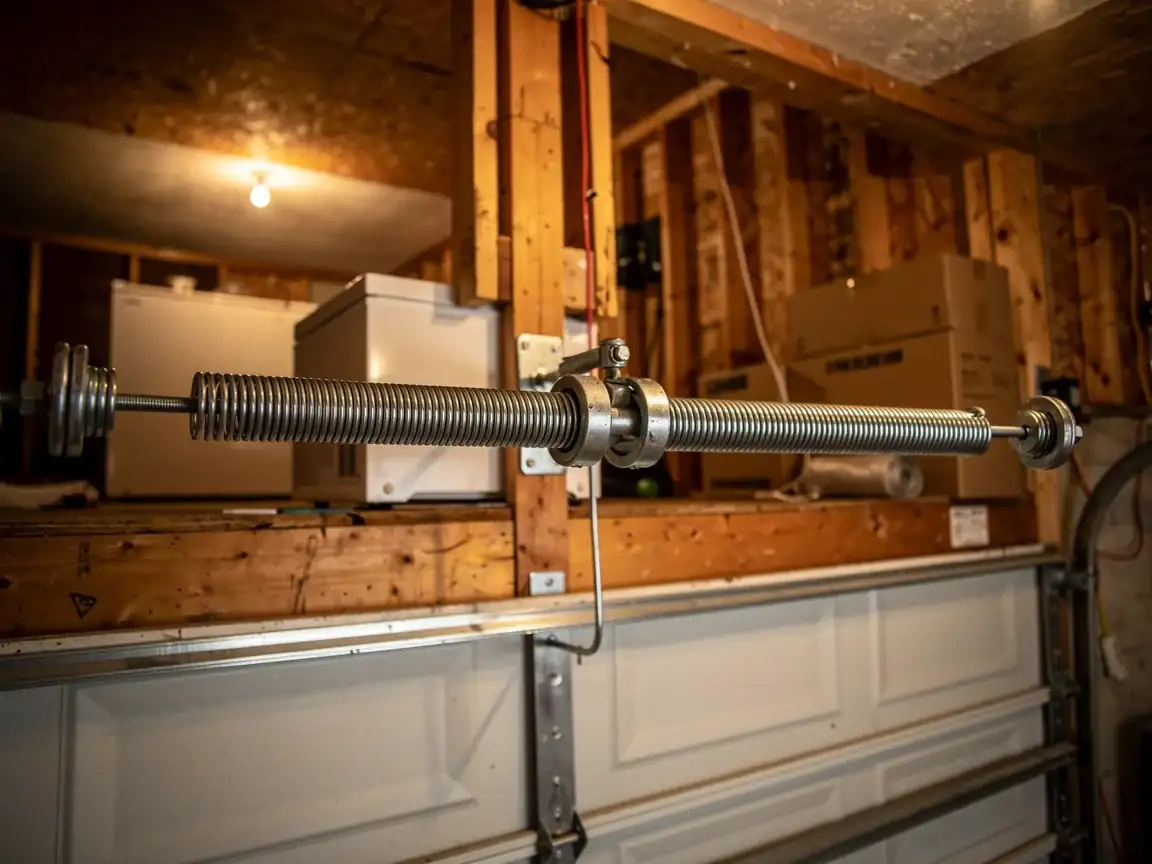
Which puts it squarely in the era of steel sectional doors on extension or torsion springs, chain-drive openers, and galvanized track that was standard before belt drives and rolling-code safety sensors became common. If your door hasn't had a spring replacement since the house was built, the spring on it now is original - and a torsion spring rated for 10,000 cycles has usually burned through that count long before year 30.
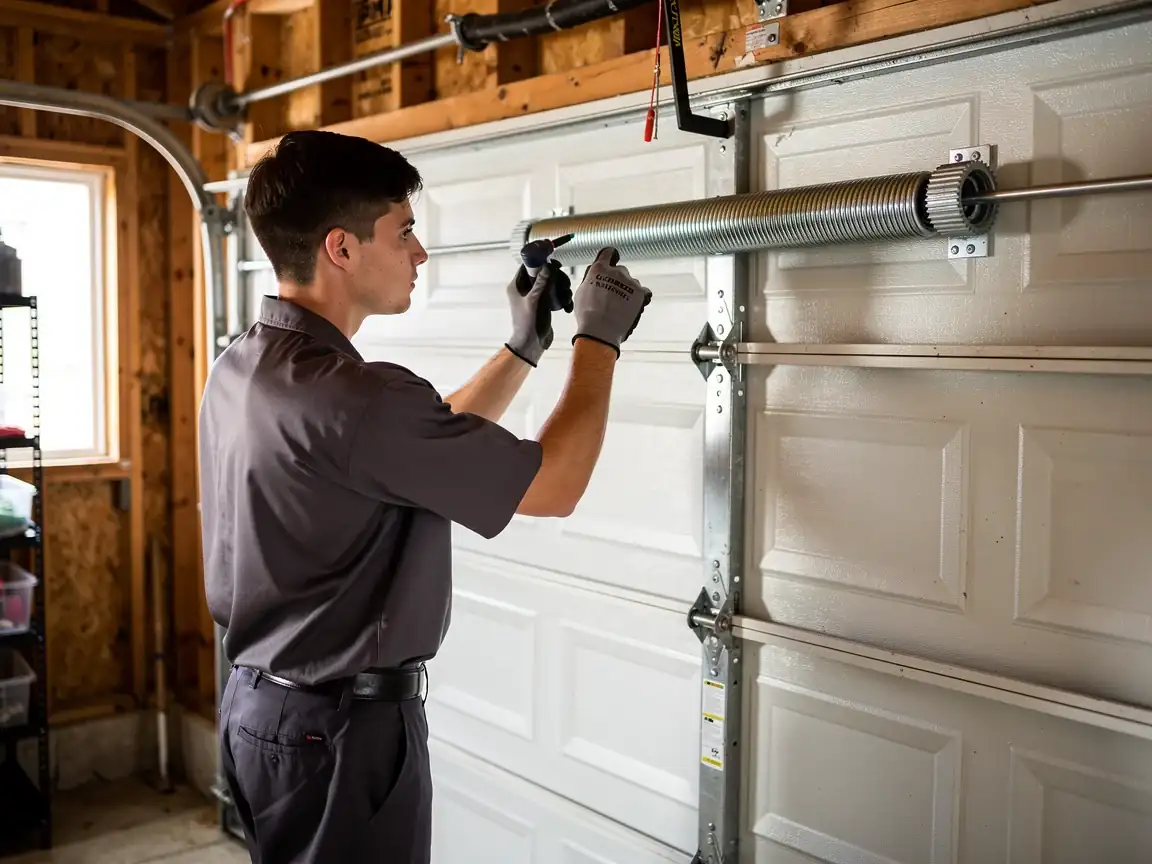
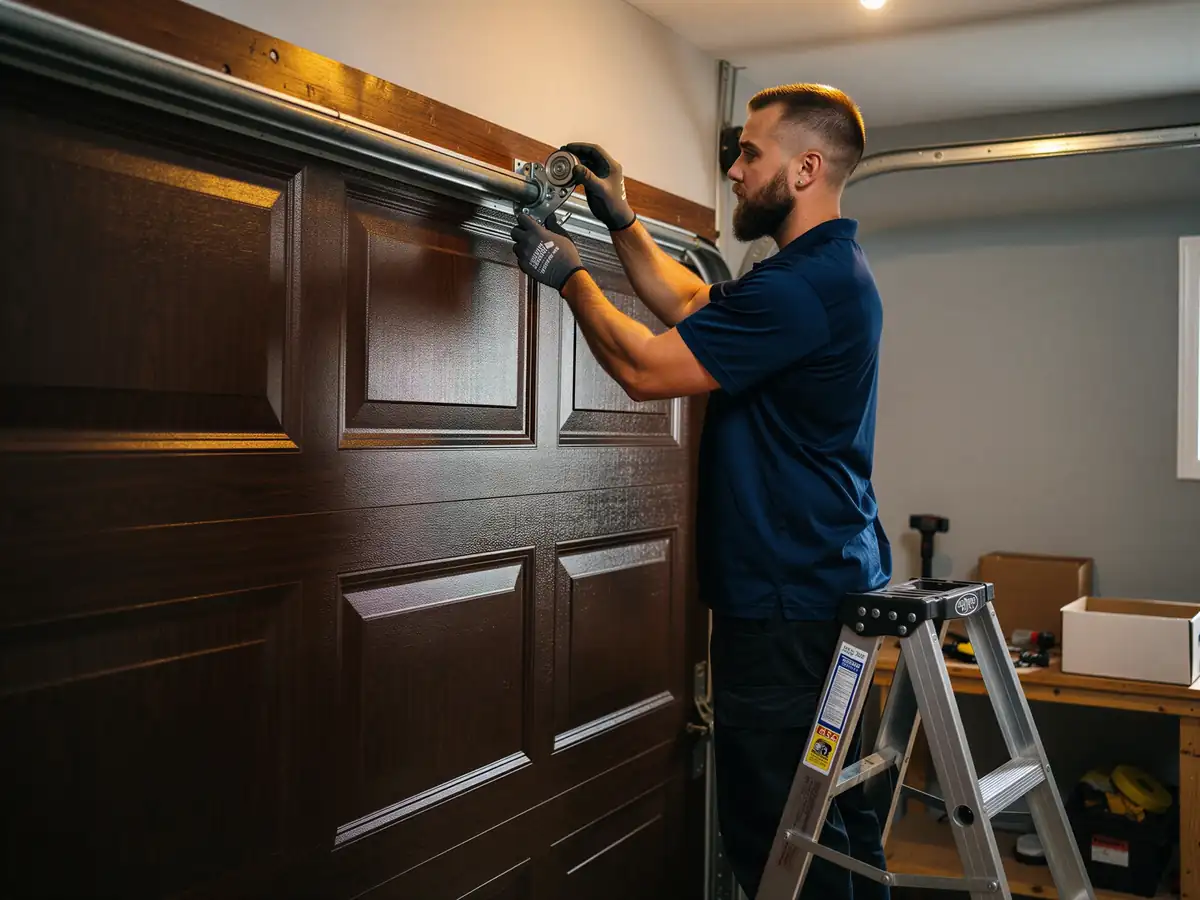
We carry torsion springs sized for the 7-foot and 8-foot sectional doors common to that build era, along with the rollers, hinges, and cable that wear out on the same schedule
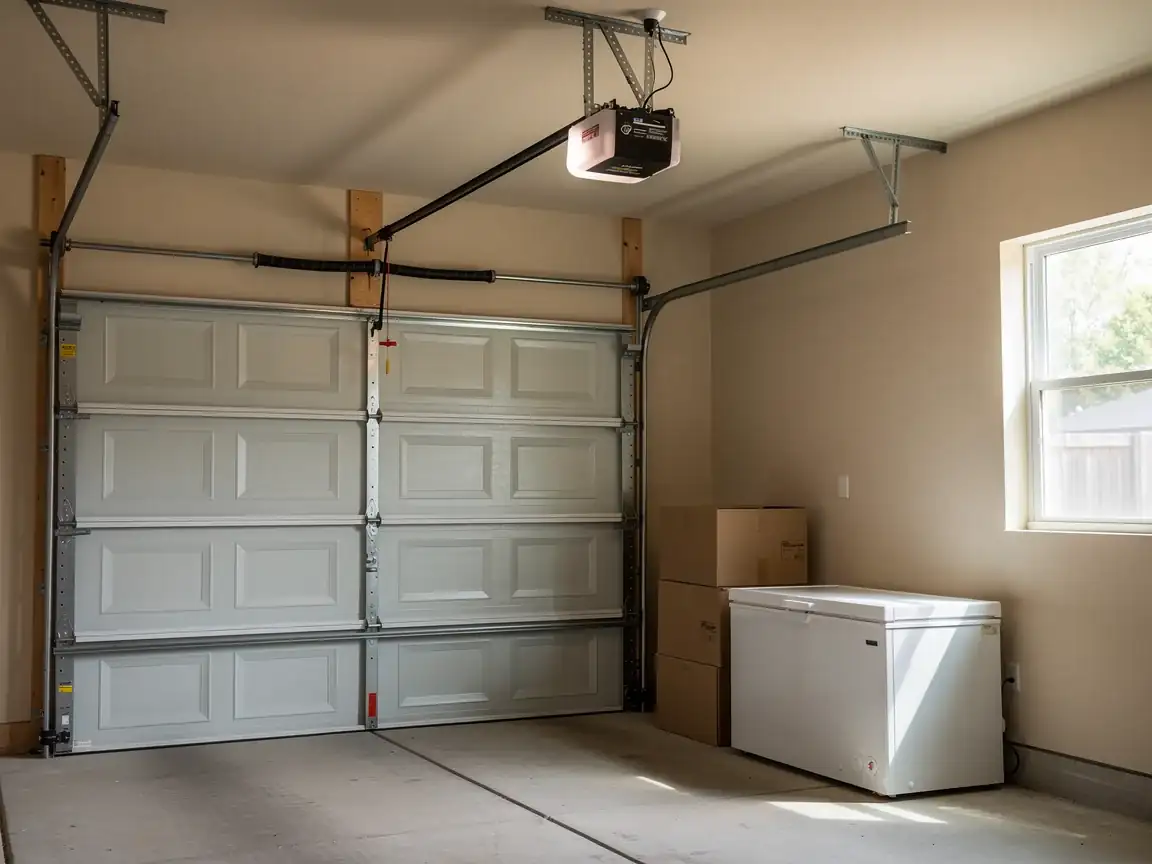
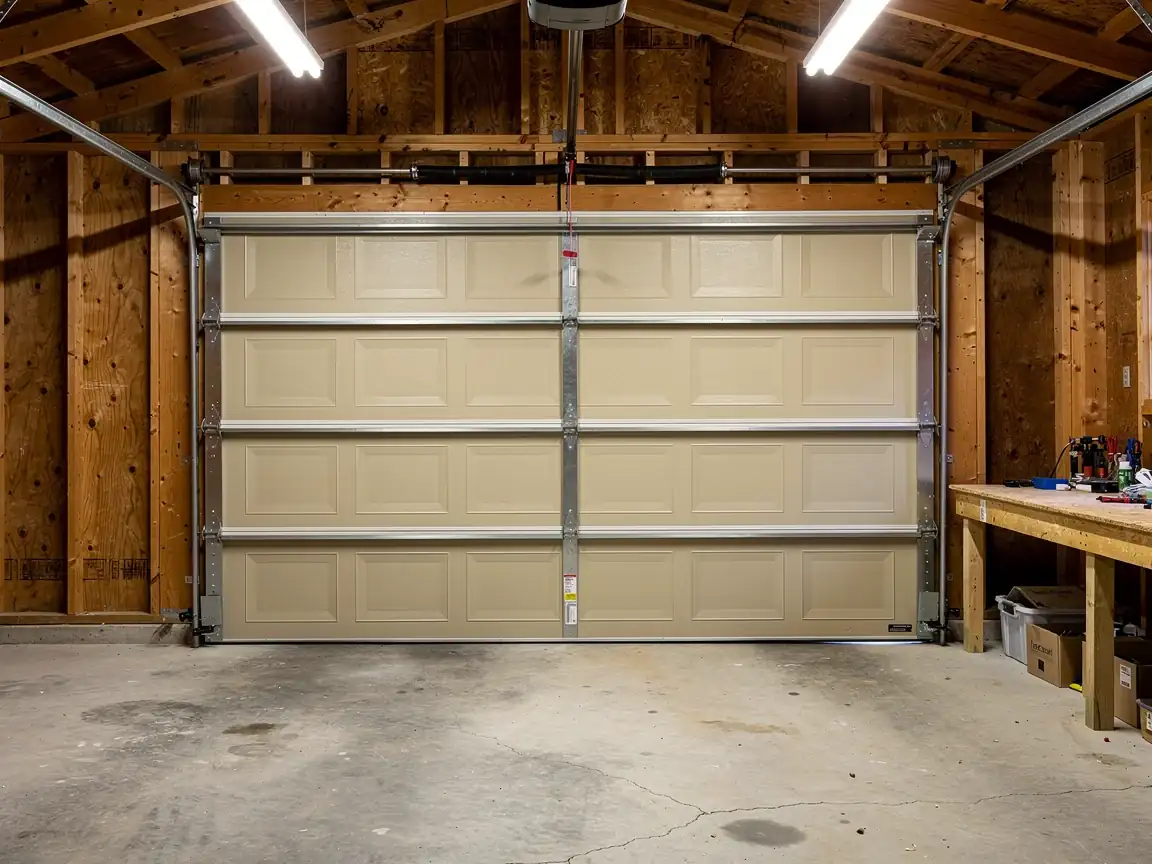
Openers from 1992 construction are almost never the originals anymore - chain-drive units from that period rarely made it past 15 years - but the track and drum hardware bolted to the header often is. We stock what fits that combination rather than guessing at a part number over the phone.
- 15 years
One honest limit: if a part is a discontinued size specific to a builder-grade door from that period
We may need to order it rather than carry it on the truck. We'll tell you that up front instead of promising a same-visit fix we can't back up.
The Symptom
The complaint we hear most from houses built around 1992 is a door that slams the last six inches on the way down, or one that reverses itself partway up. Both point to a spring that's lost tension gradually over three decades rather than snapping all at once. A loud bang followed by a door that won't lift at all is the spring finally giving out - usually a torsion spring, since that's what most doors from that build year carry.
A second common one: the opener runs but the door doesn't move, or moves an inch and stops. That's often the drive gear inside a chain-drive unit, a part that wears out well before the motor does. If your opener is making a grinding noise before it quits, that's usually the tell.
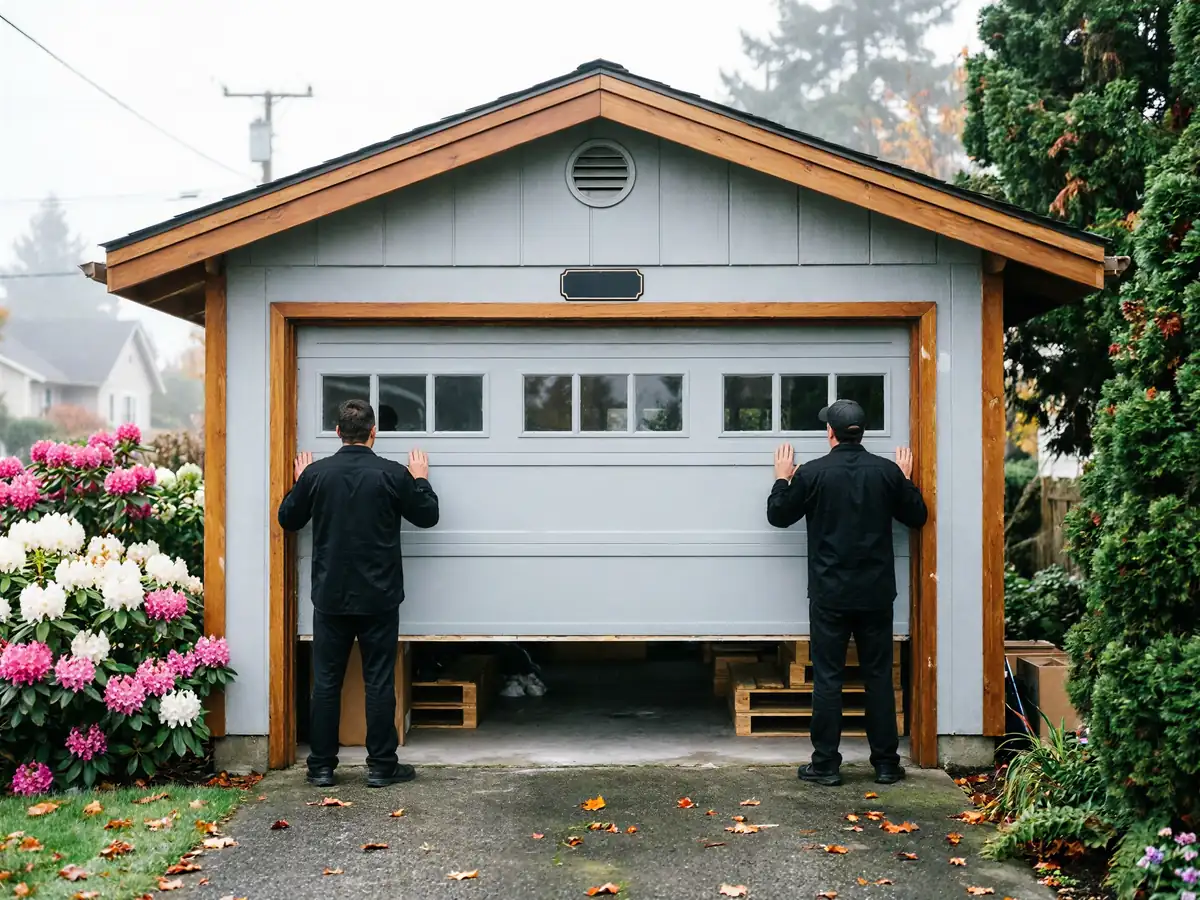
We don't guess at this over the phone past a certain point. If the symptom could be the spring, the opener, or a bent track, we need to see it. But a door that drops suddenly and won't budge is almost always spring-related in a house this age, and that one we can usually confirm before we even open the panel.
How Long You Are Without the Door
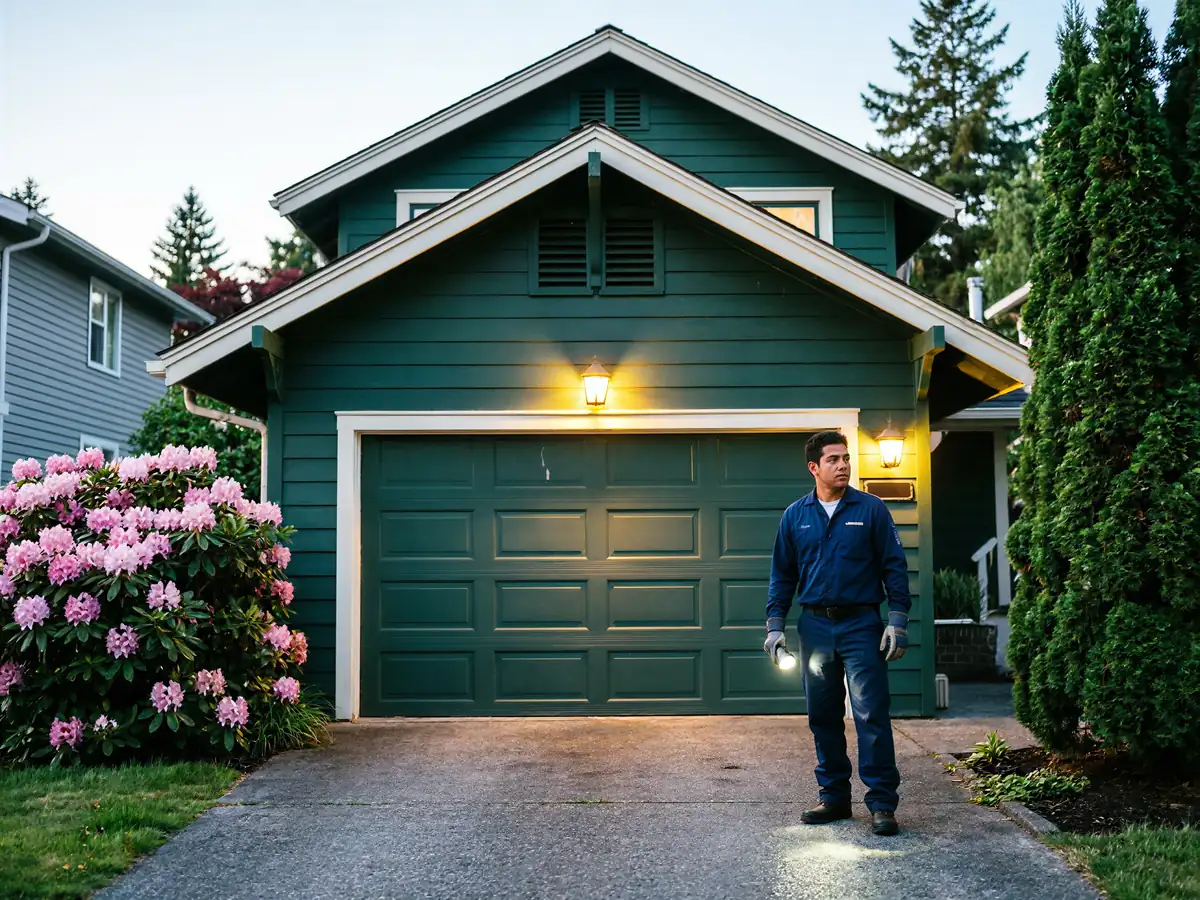
We run out of Oregon City, about 17 miles from Cedar Mill, so the drive is part of the timeline - we're not a branch sitting around the corner. Once we're on site, a torsion spring replacement on a standard double door is usually done inside two to three hours, including resetting the cable drums and balancing the door afterward.
An opener swap on a chain-drive unit from the early 90s runs faster if the header bracket and rail are still good, slower if the mounting hardware has to be adapted to a newer unit. A bent track from an impact - a car bumper, a stuck snowblower - is the wildcard; sometimes it's a one-hour fix, sometimes the track needs replacing outright.
We don't load you into a same-day slot we can't make good on just because the drive is long. If we tell you a window, that's the window, including the trip from Oregon City.
What the Repair Takes
For a spring job, we bring the door to a dead stop
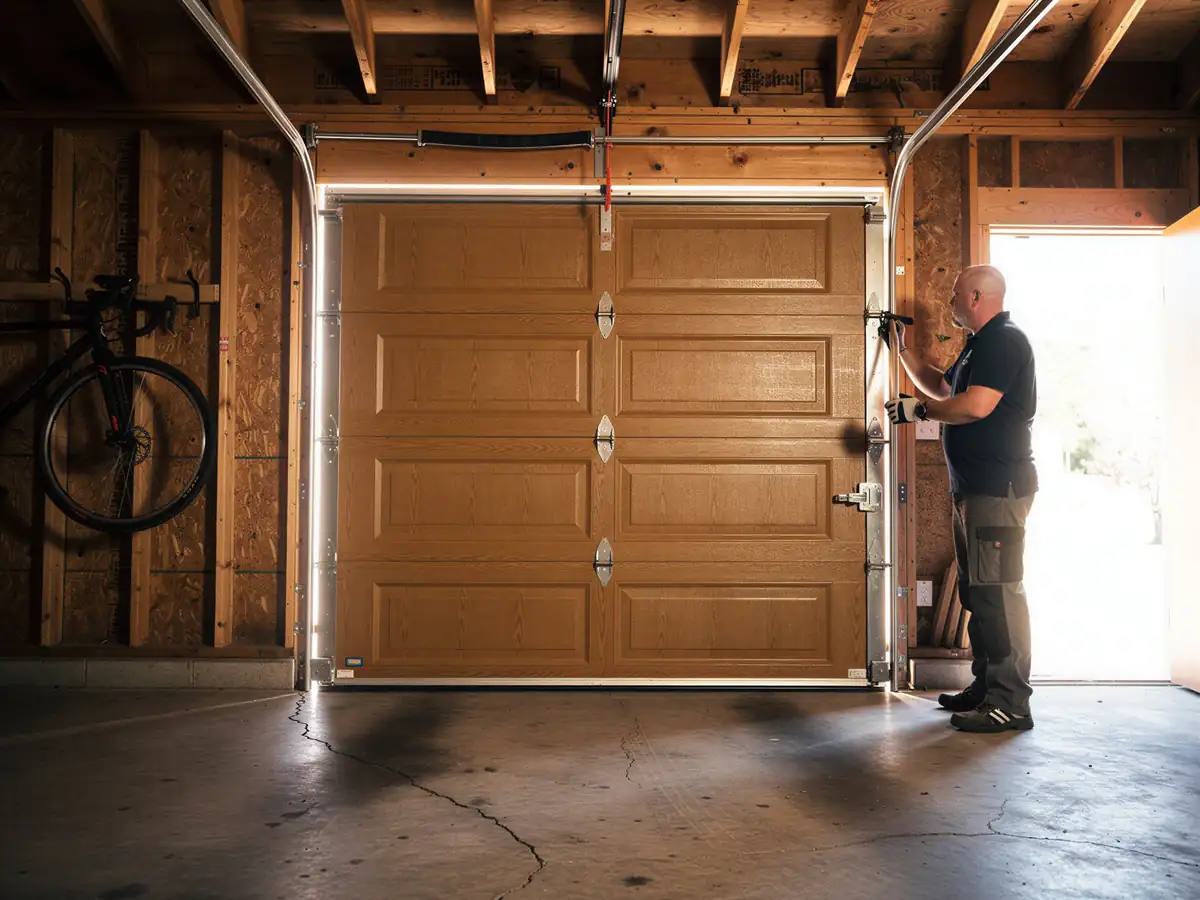
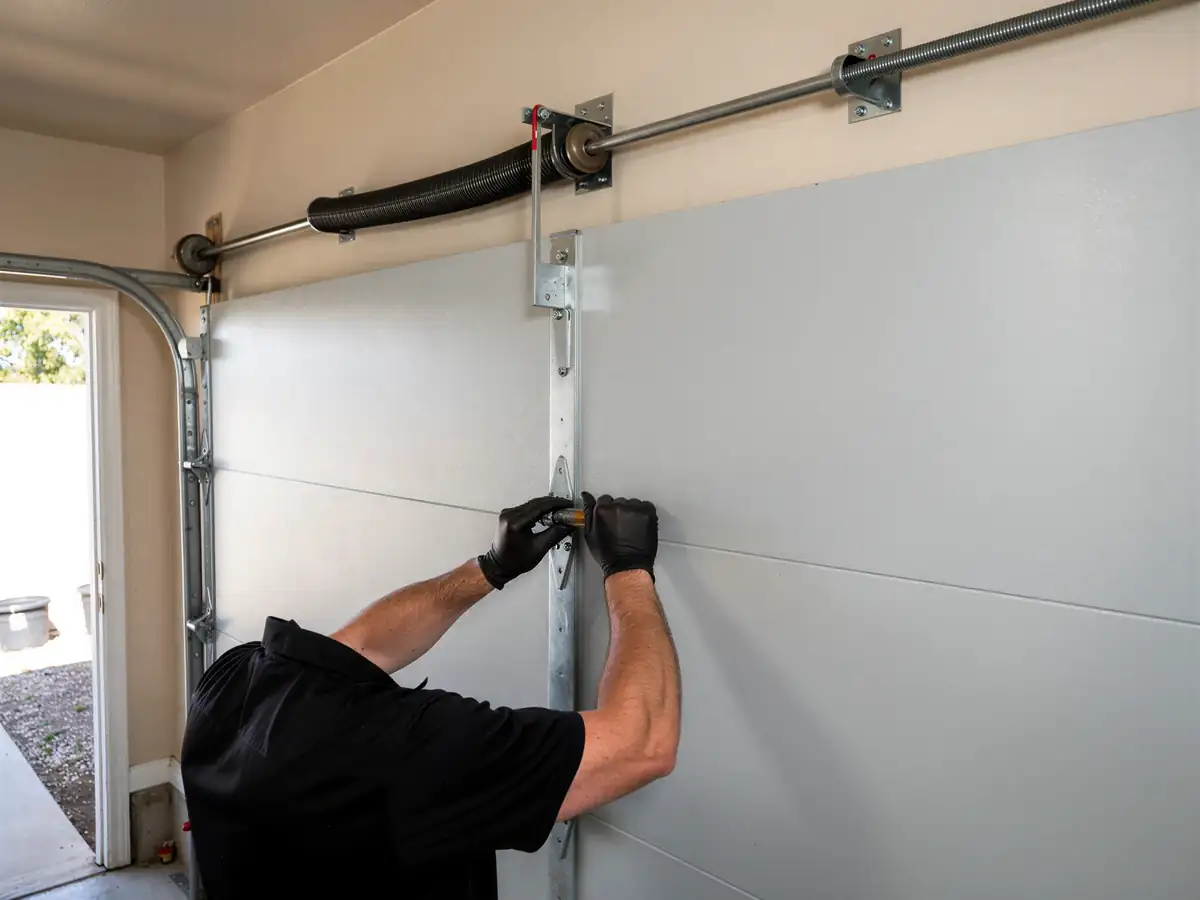
Unwind what's left of the old torsion spring under control, pull the old one off the shaft, and set a new spring matched to the door's weight and the shaft size common to 1990s sectional doors. Then we balance it - the door should hold at waist height with the opener disconnected, not drift up or slam down.
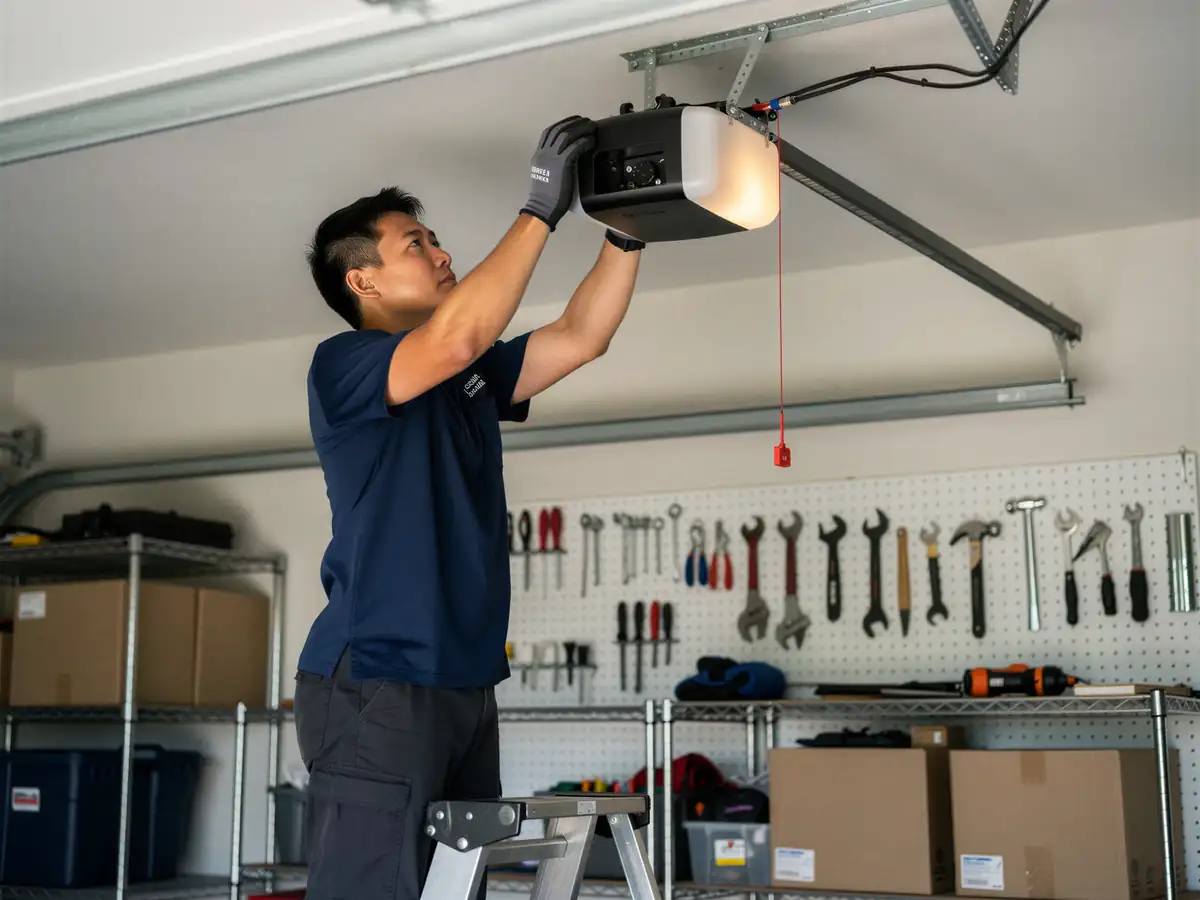
For an opener replacement on a house this age, the header bracket is usually still solid
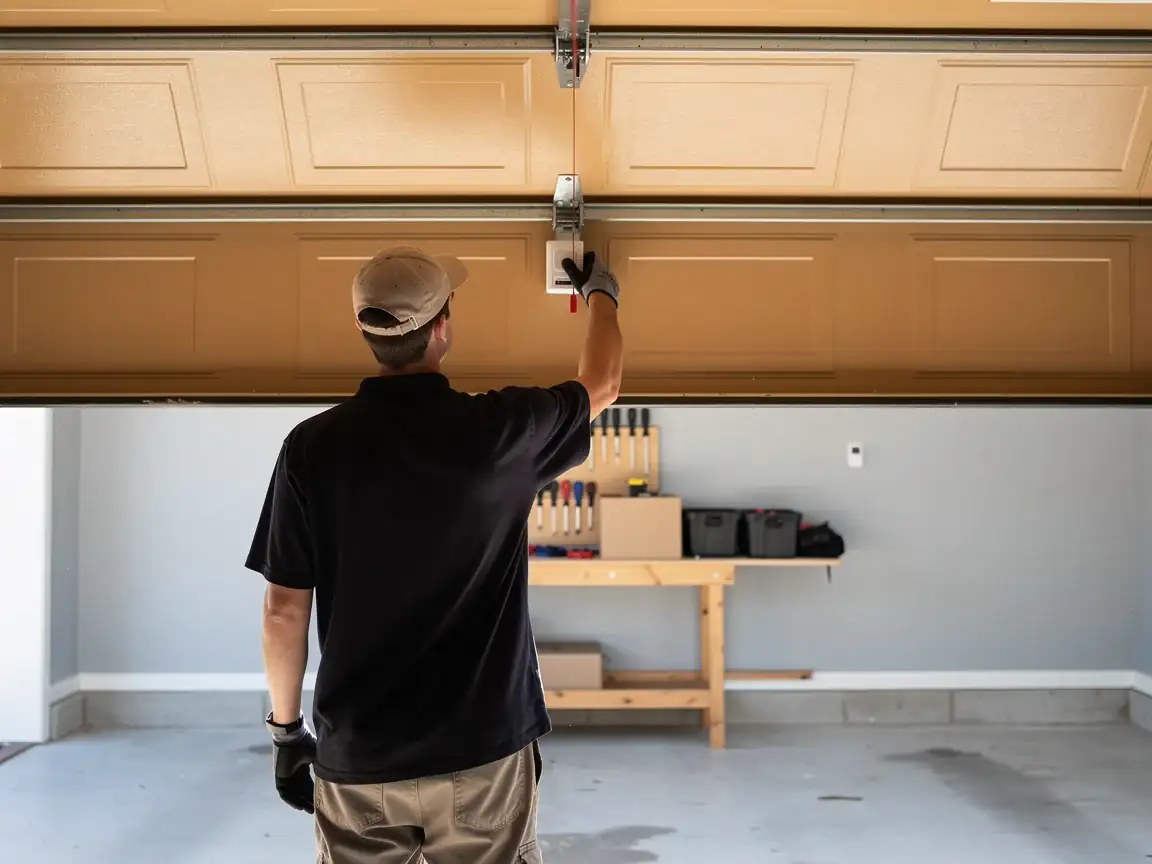
Which saves time; the rail and motor unit bolt to existing mounting points more often than not. Where it gets slower is if the original wiring or wall control doesn't match current safety-sensor wiring - we won't skip the sensor hookup to save ten minutes, since that's the part that stops a door from closing on a car or a kid.
We test the door through a full open-close cycle before we leave
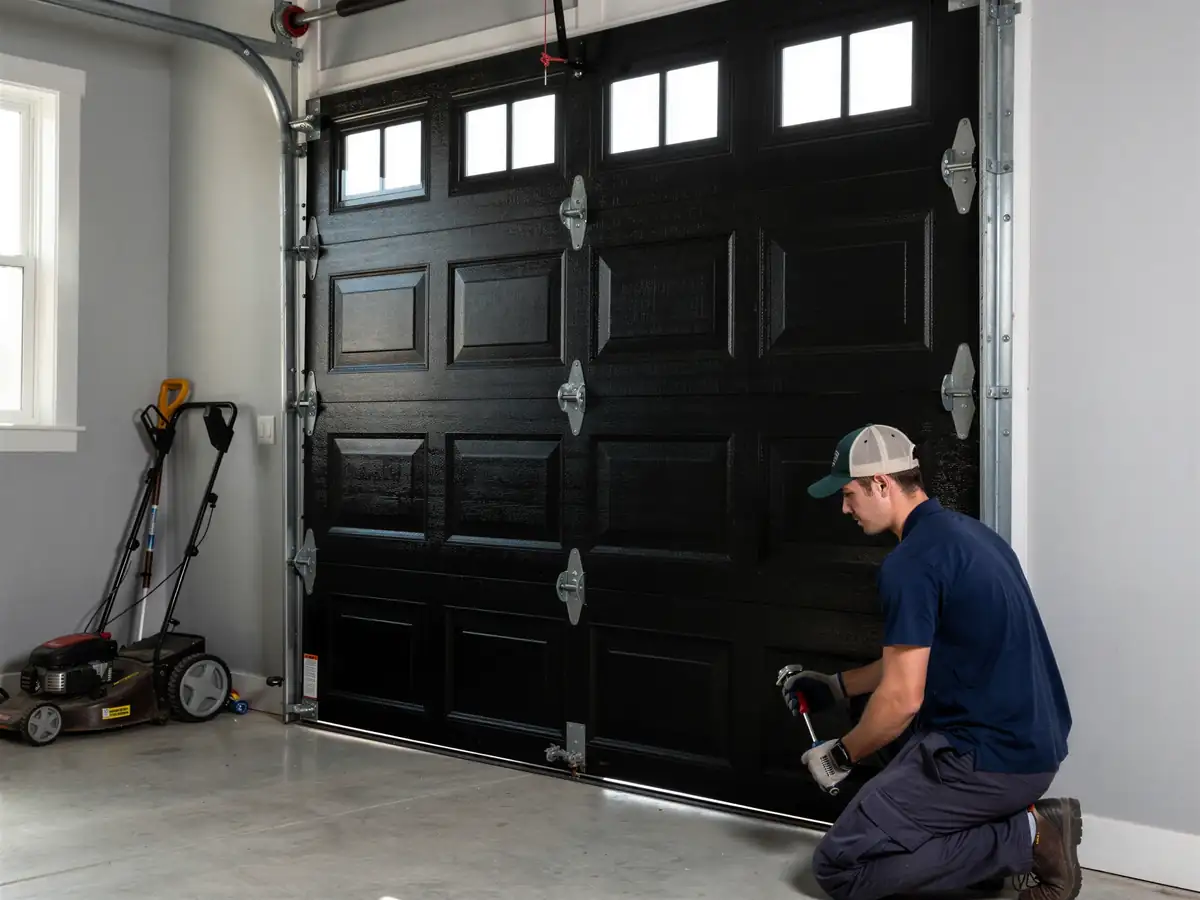
Listening for the grinding or shuddering that means something's still off. If a repair would cost more than about half of a new door given the age of the hardware, we'll say so instead of running up the bill on parts that are on their way out anyway.
Why It Happens Here
Cedar Mill's housing mostly dates to around 1992, which sits late in the broader 1964-2003 build window across this part of the service area but still puts a lot of original hardware well past its service life. A torsion spring installed when the house was framed has typically seen 25-30 winters of use - and the region sits in a cold-moderate climate band, which means steel hardware goes through regular contraction and expansion cycles that fatigue a spring faster than a mild, stable climate would.
We don't see wild heat-driven failures here the way a hotter market might. What we see instead is slow fatigue: springs that have simply worked long enough to wear out, openers from the same era that are on their second or third capacitor, and tracks that have gone slightly out of alignment over three decades of settling. None of that is dramatic. It's just time, plus a cold-moderate climate doing its slow work on steel that was never swapped out.