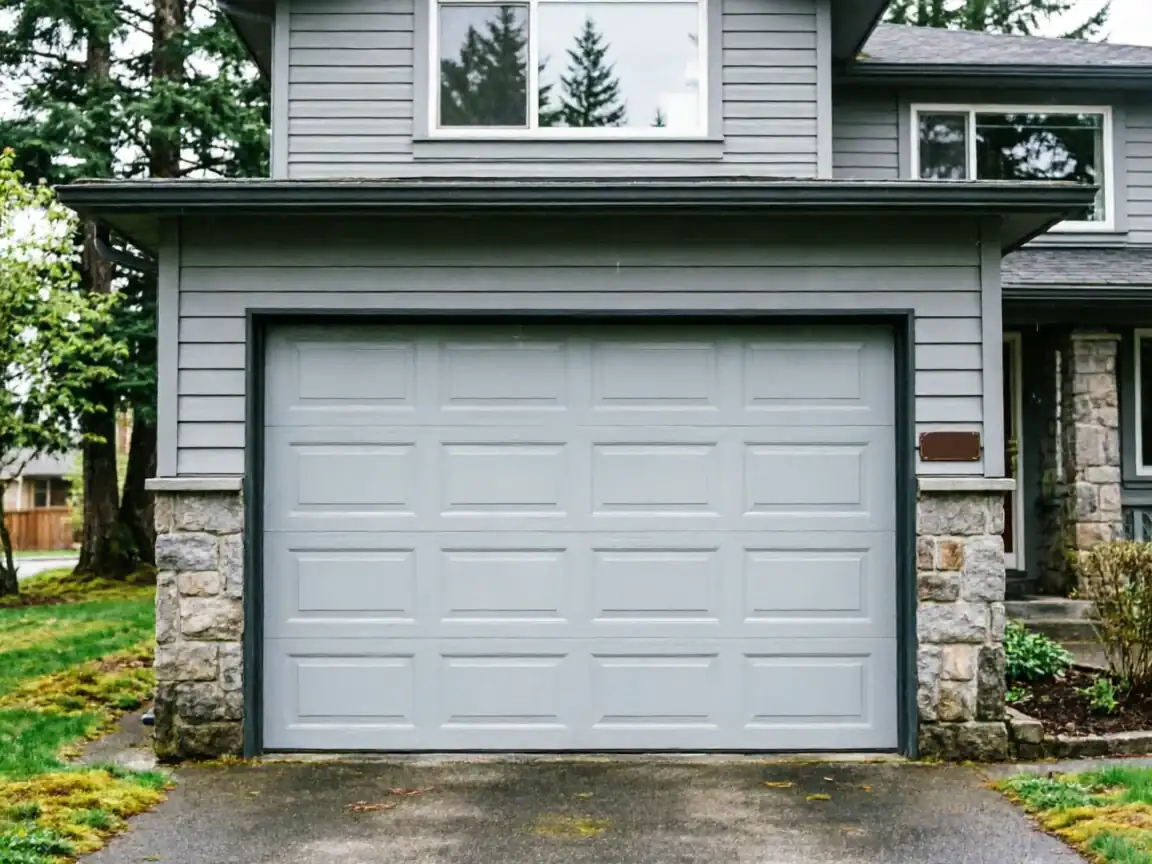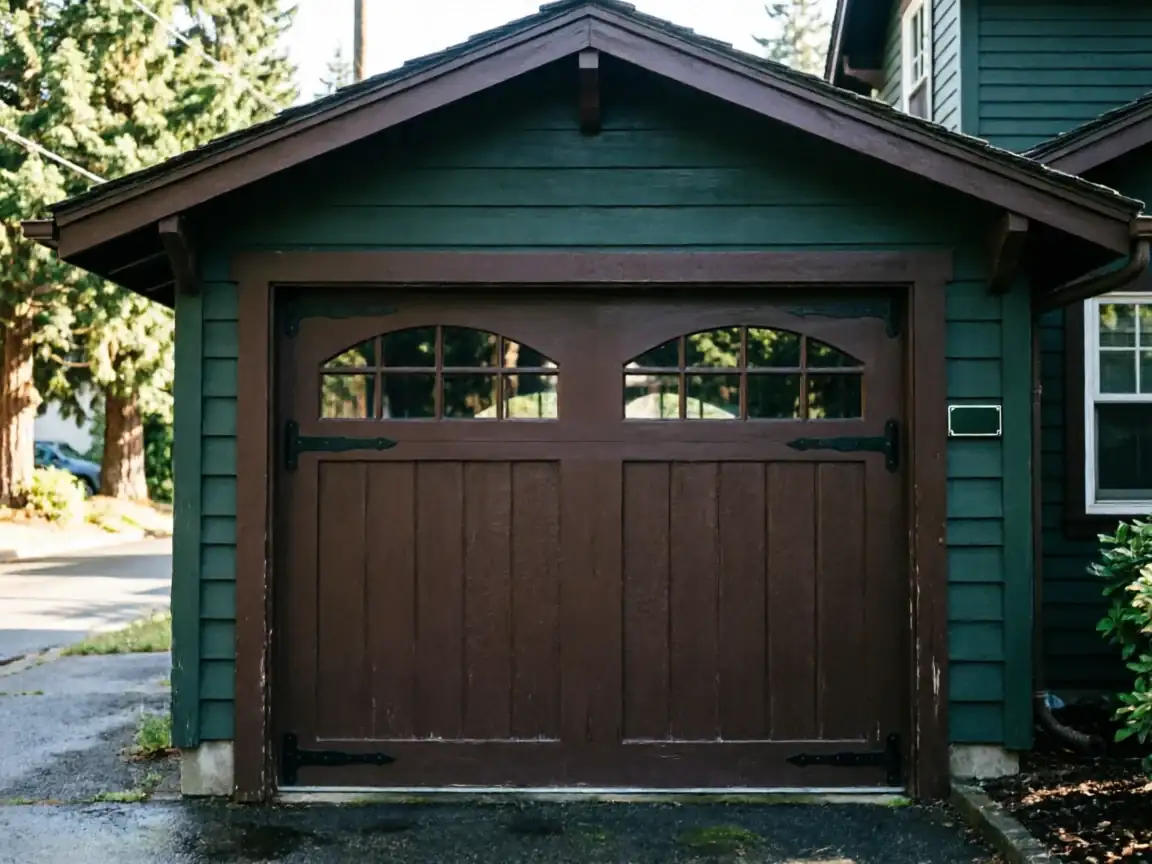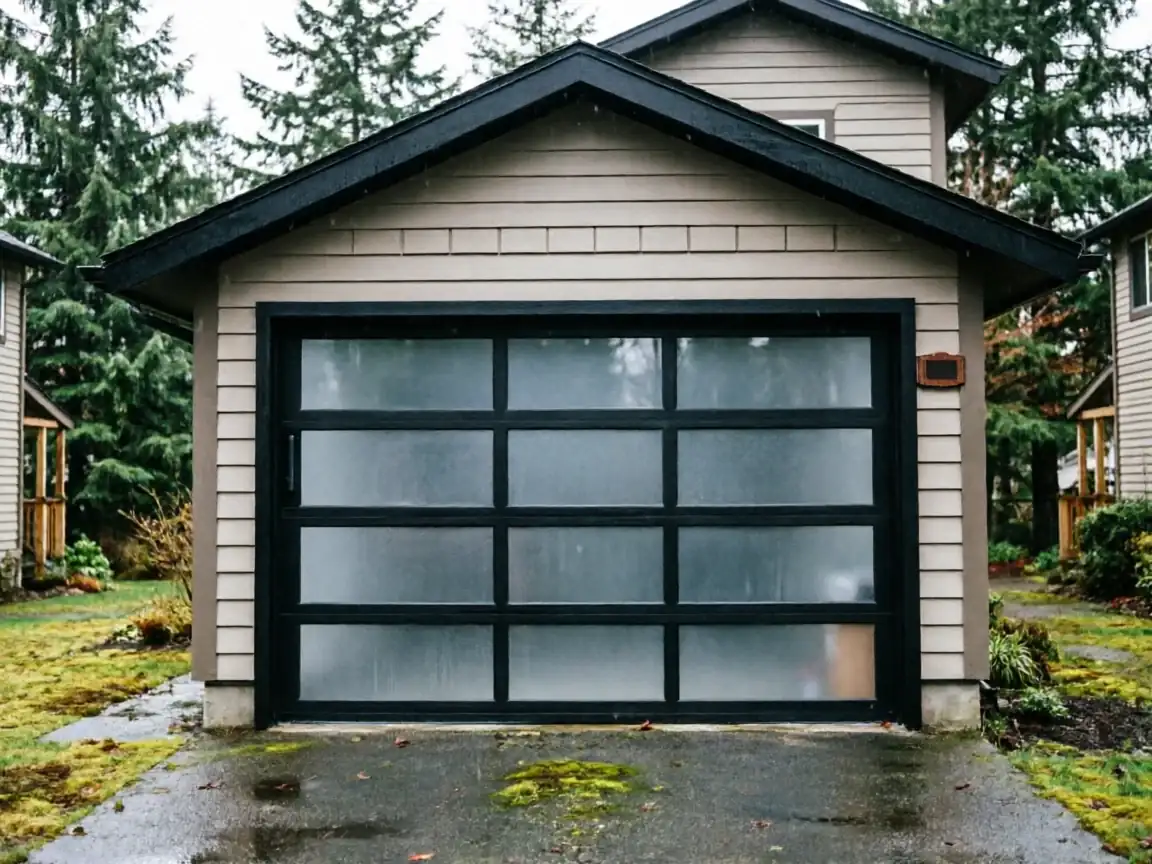
Parts We Carry
Sherwood's median household income runs $110,616
Well above the $102,201 median across the rest of our service area, and that number matters here more than most places. At that income level, a single damaged panel on a steel sectional door is almost always worth fixing rather than replacing the whole unit - the math only flips to full replacement when three or more sections are bent, the track is racked, or the door is old enough that no one stocks the matching profile anymore.
Most houses in Sherwood went up around 1997
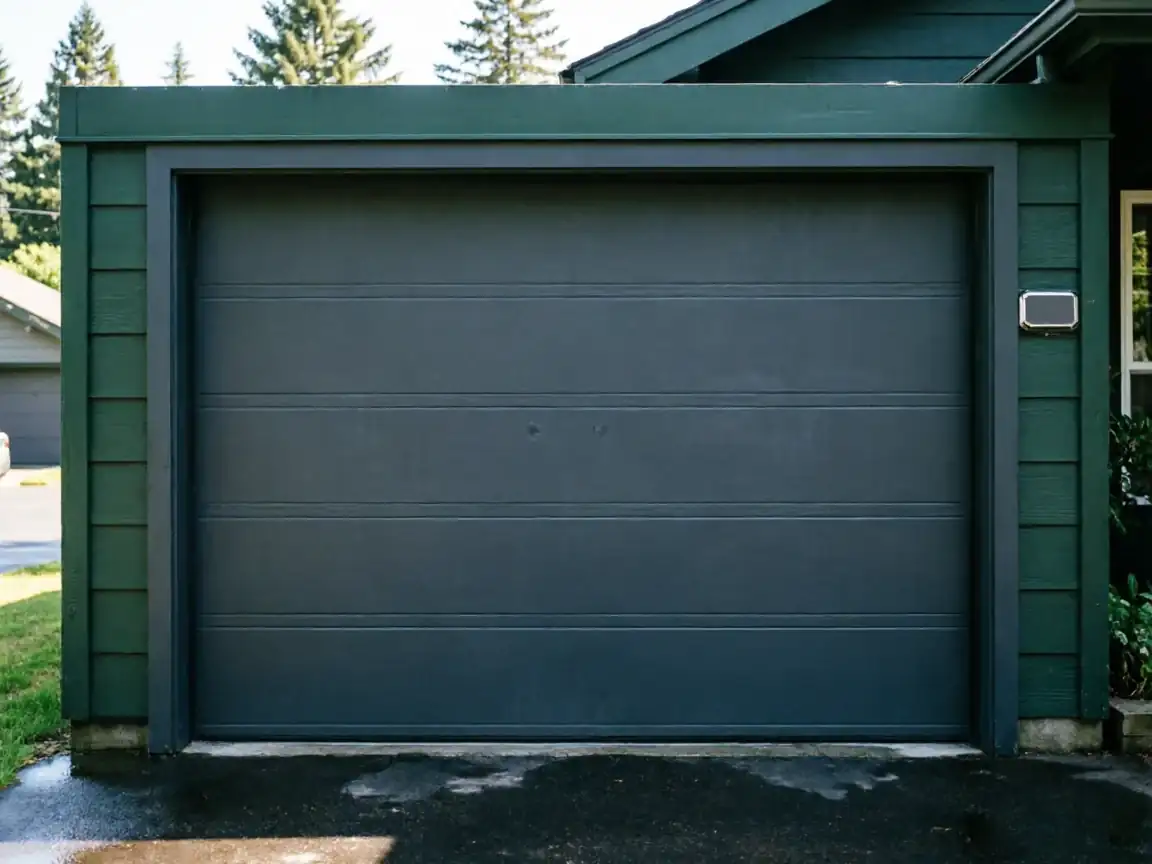
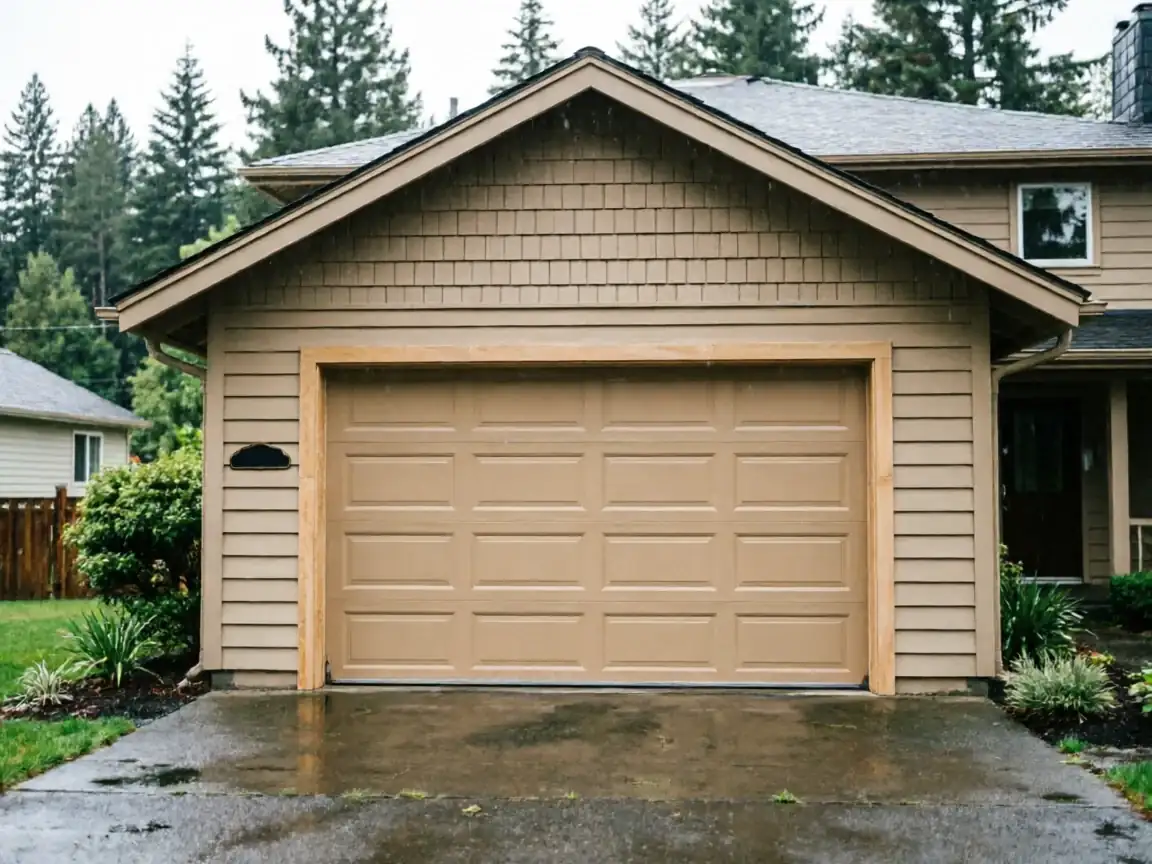
Which means steel sectional doors with factory-standard panel widths and either polystyrene or polyurethane cores. That's good news for a panel job: these sections are common enough that we can usually match color and ribbing without repainting the whole door. What we can't always match on the spot is texture on an older, sun-faded panel - a replacement section may look slightly cleaner than its fifteen-year-old neighbors until it weathers in.
One honest limit: if your door is a less common size or a discontinued color run
The matching panel can be a special order, and that adds days, not hours.
Getting It Booked In
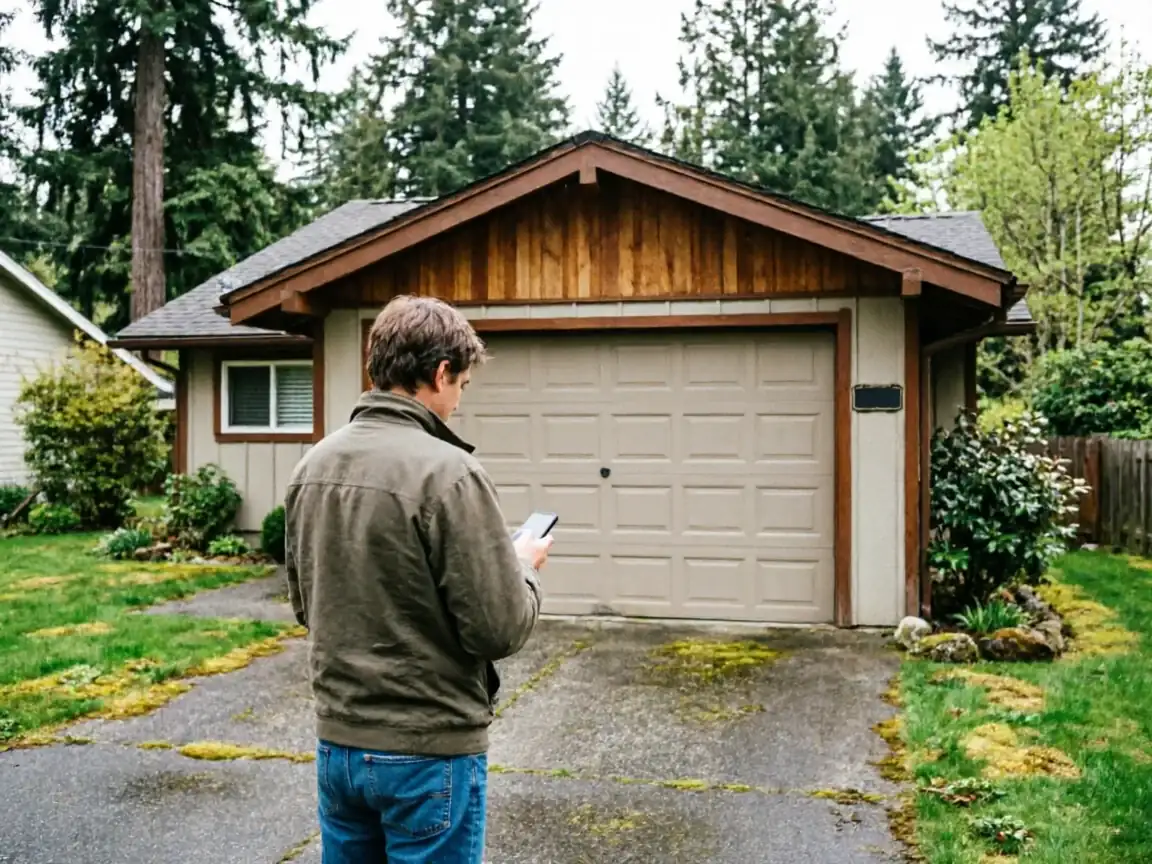
We run this job out of Oregon City, about 12 miles from Sherwood, so a panel replacement here gets scheduled as a dedicated trip rather than squeezed between stops. That's not a complaint - it just means we ask for the door's brand, panel height, and a photo of the damage before we drive out, so the right section is on the truck the first time instead of a second trip to go find it.
If you know the door's model number - it's usually stamped on the inside of the top or bottom section - send it along. It saves a measuring visit and gets a panel ordered sooner. Without it, the first visit is partly a measuring job, which is fine, but it pushes the actual swap to a second date.
Because the trip from Oregon City is factored into scheduling, we try to batch Sherwood calls together where we can, but we won't promise a same-day fix we can't back up. If the door is unsafe to operate - off the track, a cable hanging loose - say so when you call; that changes the order we work the list in.
Why It Happens Here
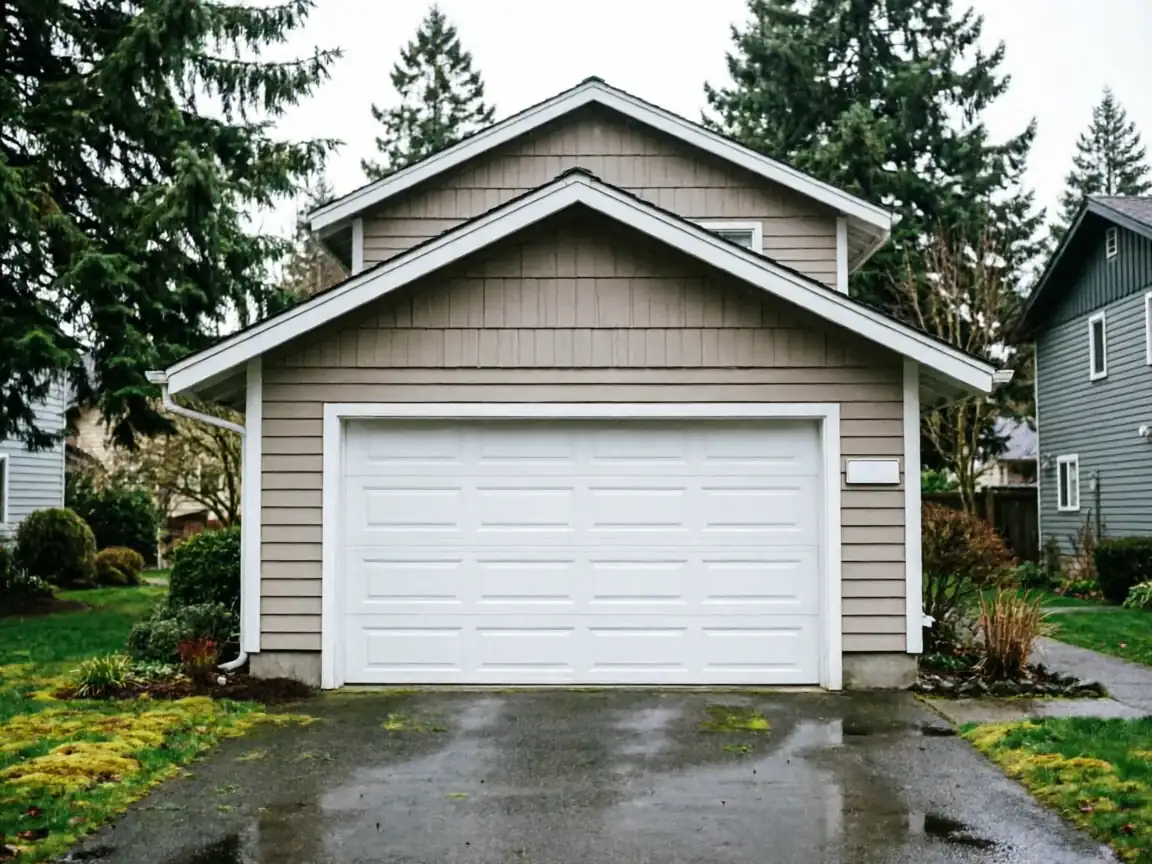
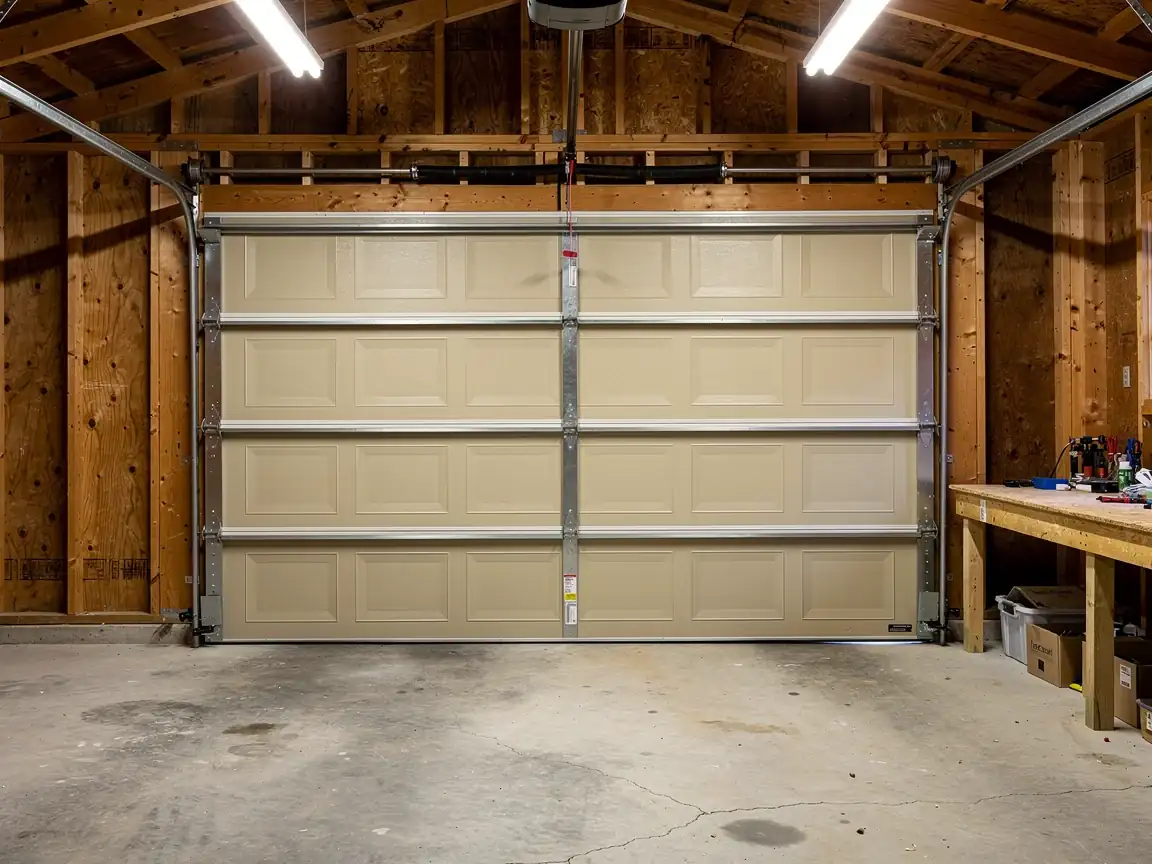
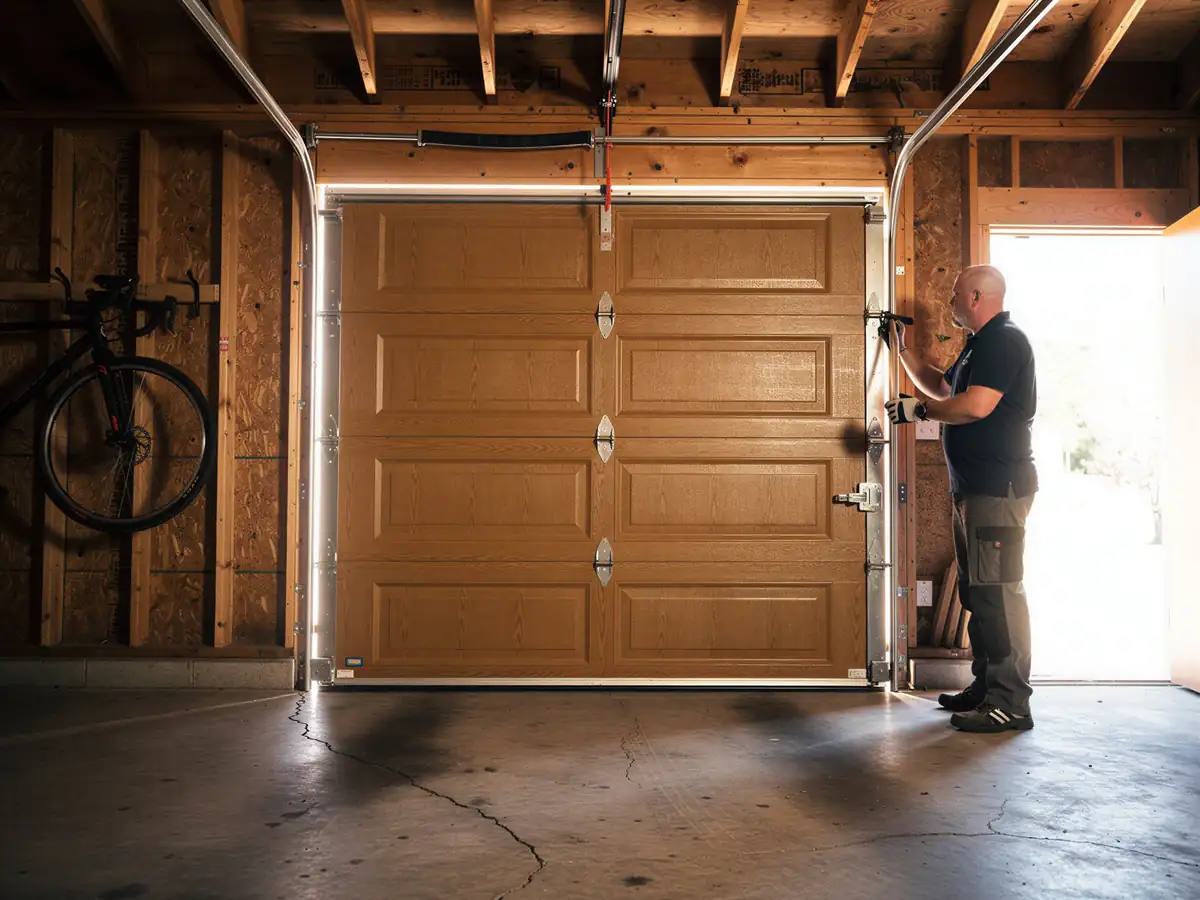
With a median build year around 1997, Sherwood's garage doors are mostly steel sectional units on standard torsion or extension spring setups - not the older wood or masonite panel doors you still find on houses built before 1980 elsewhere in the area. That's actually the easier door to repair: the panels are interchangeable within a model line, and the hardware is the kind every supplier stocks.
What actually dents these doors is ordinary: a car bumper that catches the bottom section, a basketball or errant baseball against a lower panel, or a kid's bike leaned against the door that gets backed into. On steel sectional doors from this era, a dent in one panel rarely stays contained - the stress at the hinge points can bow the section next to it, which is why what looks like a one-panel job sometimes turns into two.
The climate here falls in the cold-moderate band, which isn't severe enough to crack steel panels on its own, but repeated freeze-thaw cycling does work dents into stress cracks faster than it would in a milder climate. A dent ignored for a winter is a worse repair by spring.
The DIY Question
A single bent panel on a steel sectional door looks like a straightforward swap
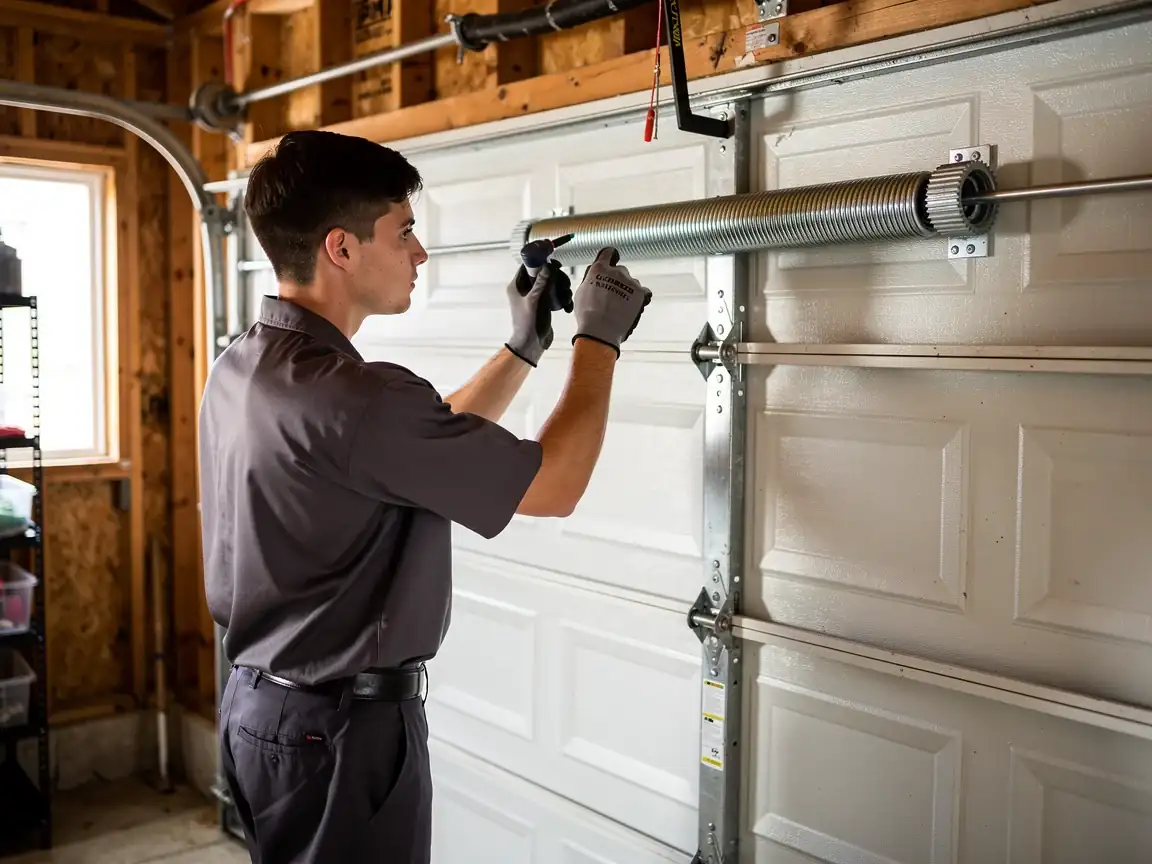
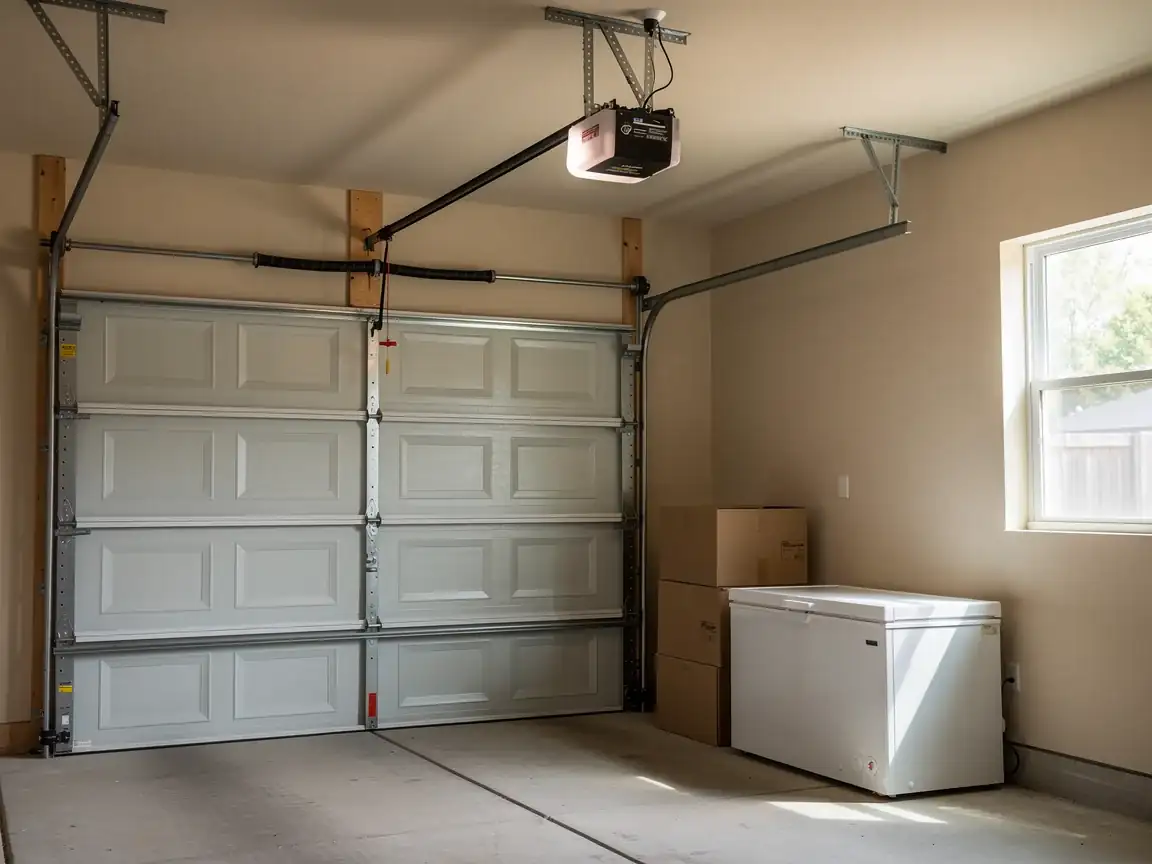
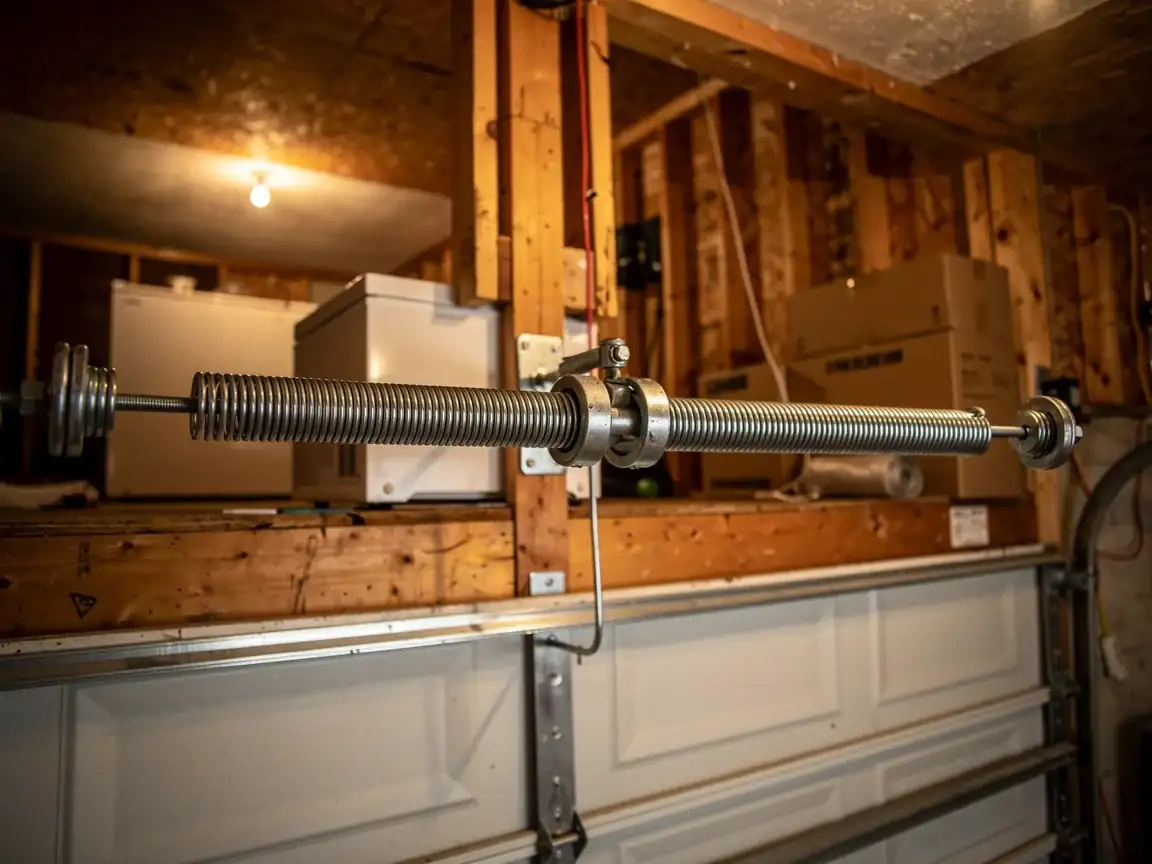
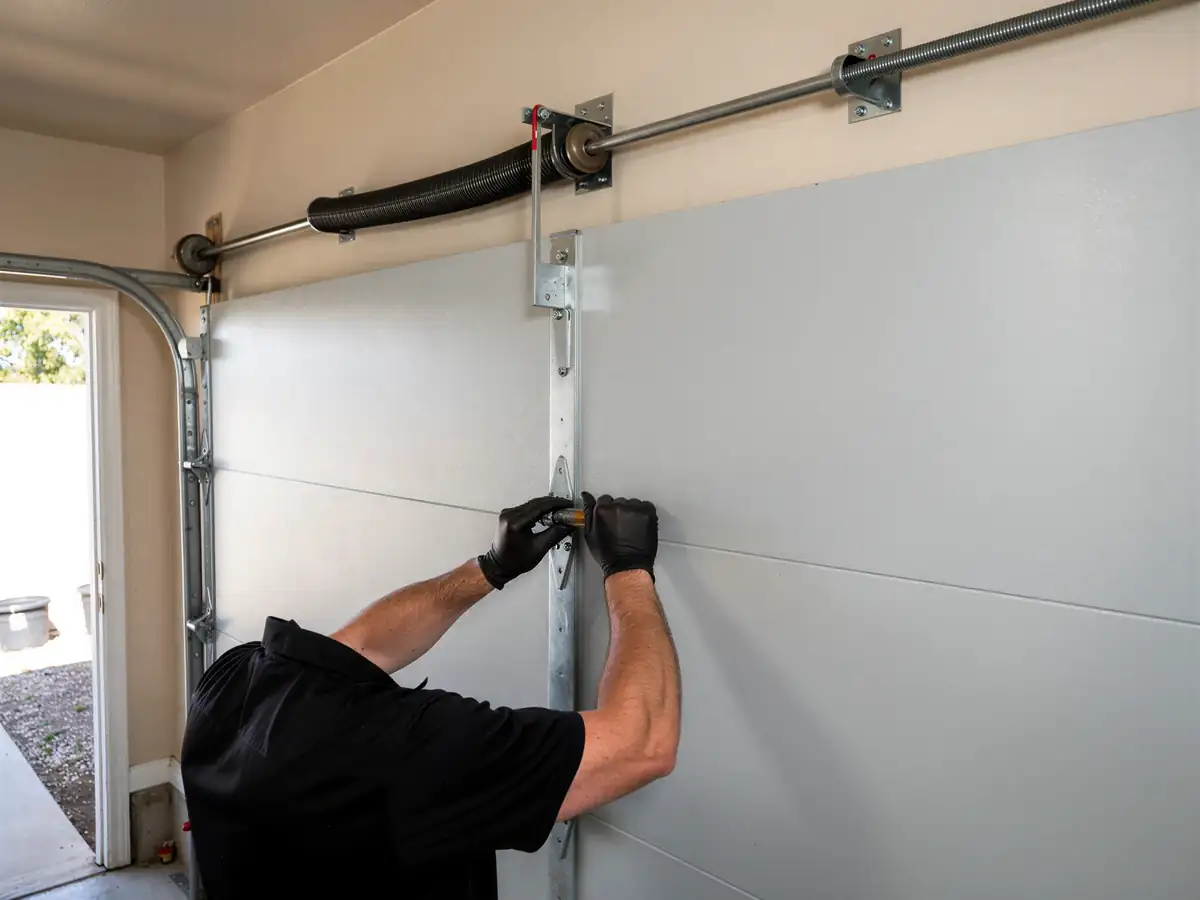
And sometimes it is - if you can source the exact panel, match the hinge spacing, and keep the door balanced while you pull the old section and set the new one. Where this goes wrong is torsion spring tension: popping a panel loose without first locking out the spring load is how fingers and door frames both get hurt.
If your door is still under a run of matching panels
Common on 1997-era Sherwood stock - and you're comfortable working with C-clamps and winding bars, replacing a bottom panel yourself is a reasonable weekend job. Replacing a mid-height panel on a double door, where the opener arm and the center support bracket are in the way, is not a first-timer job.
Our honest limit: we won't walk you through spring work over the phone
If you want to do the panel swap yourself, we're glad to help you pick the right part number - but the spring and track side of it is where we draw the line on DIY advice.
How Long You Are Without the Door
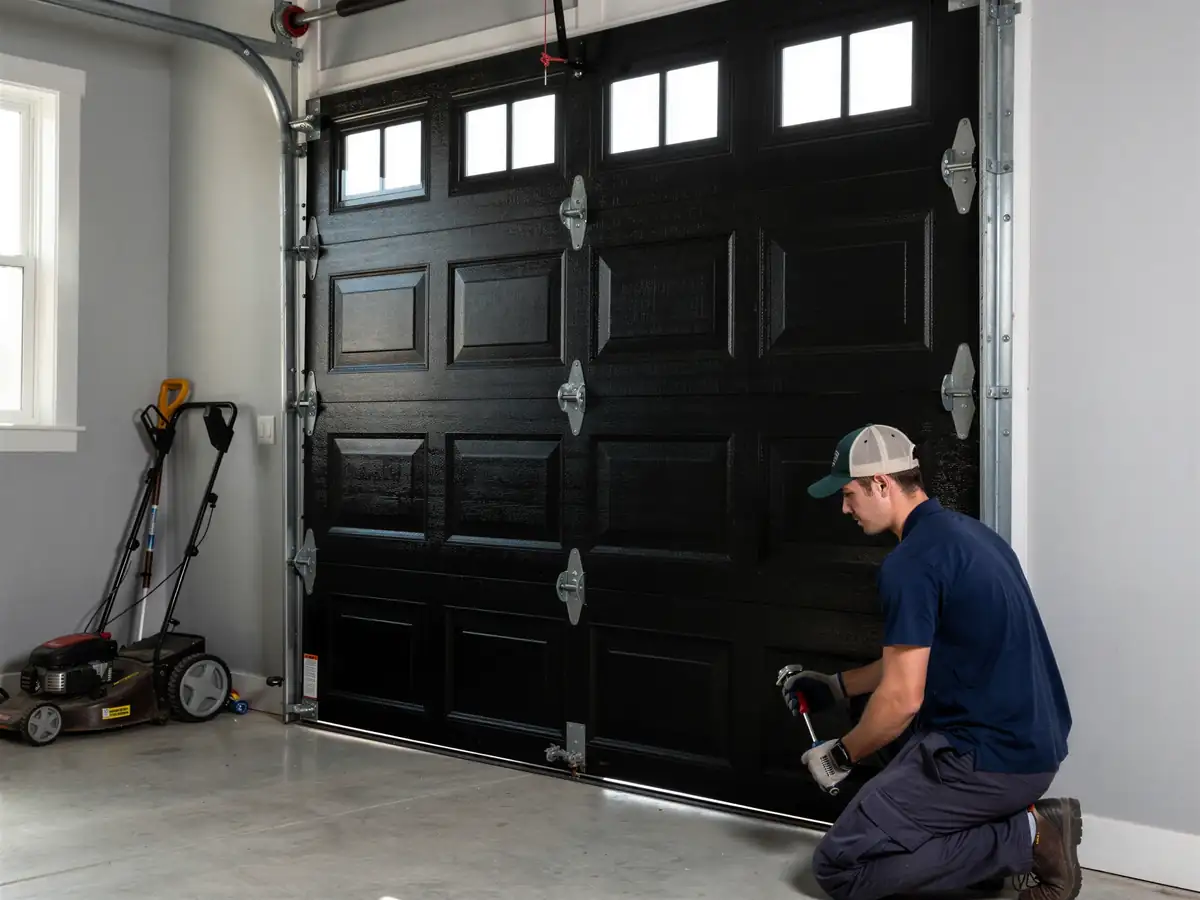
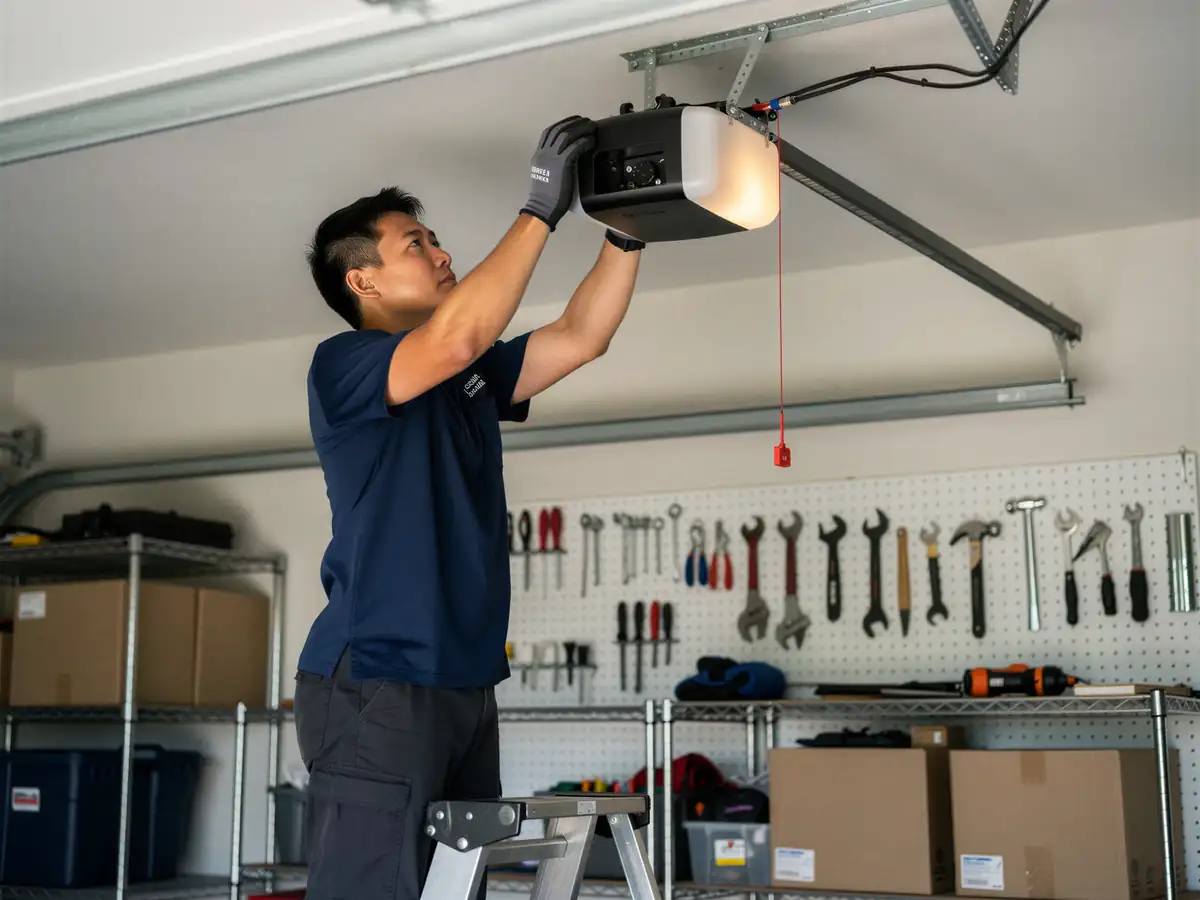
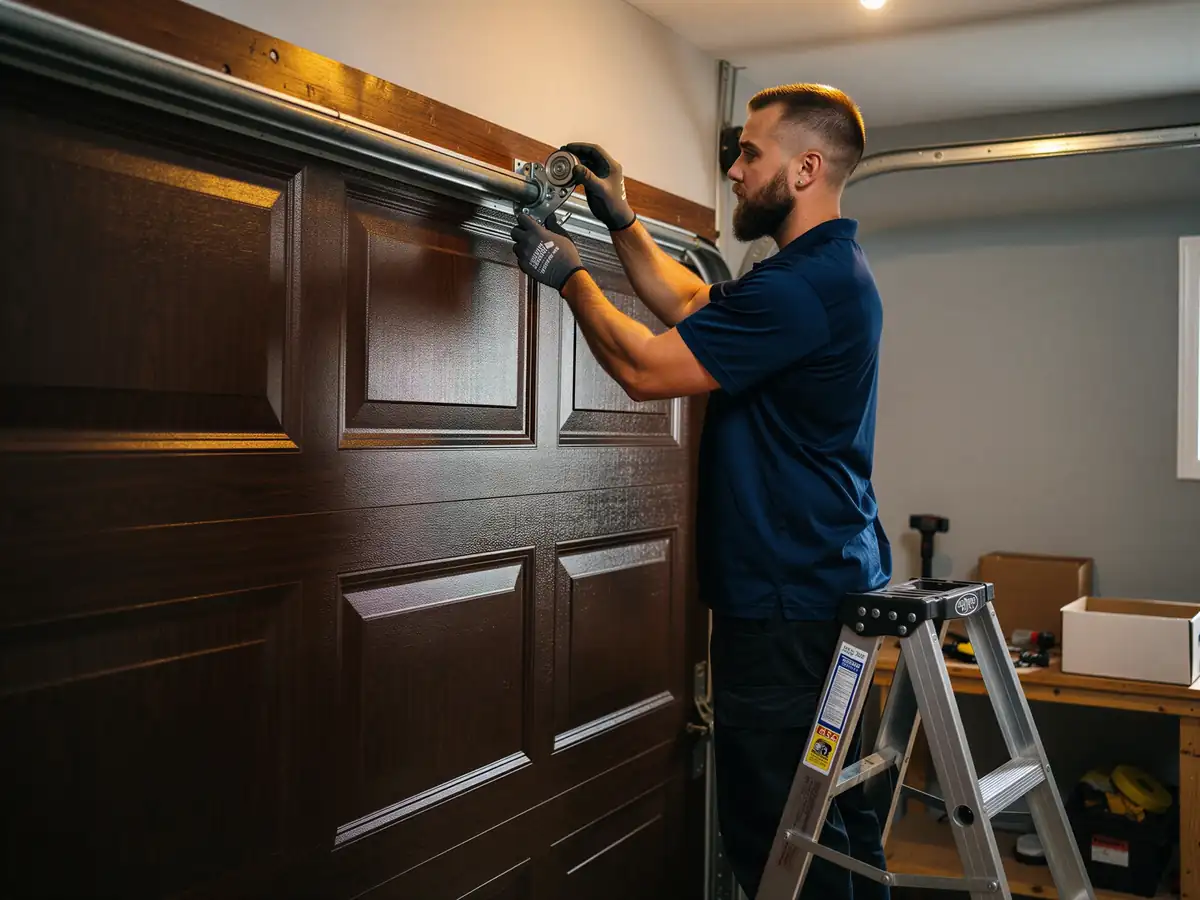
For a Sherwood job where the matching panel is in stock, the swap itself usually runs under half a day once the crew is on site - pull the damaged section, set the new one, rebalance the door, and test the opener's travel limits. The time you actually wait is mostly on the front end: confirming the model, ordering the correct panel, and fitting the Oregon City-to-Sherwood drive into the schedule.
If the panel has to be special-ordered - an unusual color, a discontinued size, or a door old enough that the manufacturer has moved on to a new panel profile - the door is usually still operable in the meantime, just cosmetically off. We'll tell you straight if that's your situation rather than letting you assume a same-week fix.
The one case where you're actually without a working door for any stretch is if the damage has taken the track or a spring with it. That's not a panel job anymore, and we'll say so on the first visit rather than mid-repair.