Getting It Booked In
We're based in Oregon City, about 12 miles out, so a Sherwood call isn't a same-block job - it's a drive, and we plan the route accordingly rather than promising a window we can't hold to. When you call, tell us the door's age if you know it, whether it's stuck open or stuck closed, and whether you hear the opener trying. That's usually enough for us to guess at the fault before we're on site, which saves a second trip for parts. We don't have a branch or drop box in Sherwood, so anything we need gets loaded on the truck before we leave Oregon City. If the fix turns out to need a part we don't carry - an obsolete opener board, for instance - we'll say so on site rather than string the job out over a return visit that doesn't fix anything.
Why It Happens Here
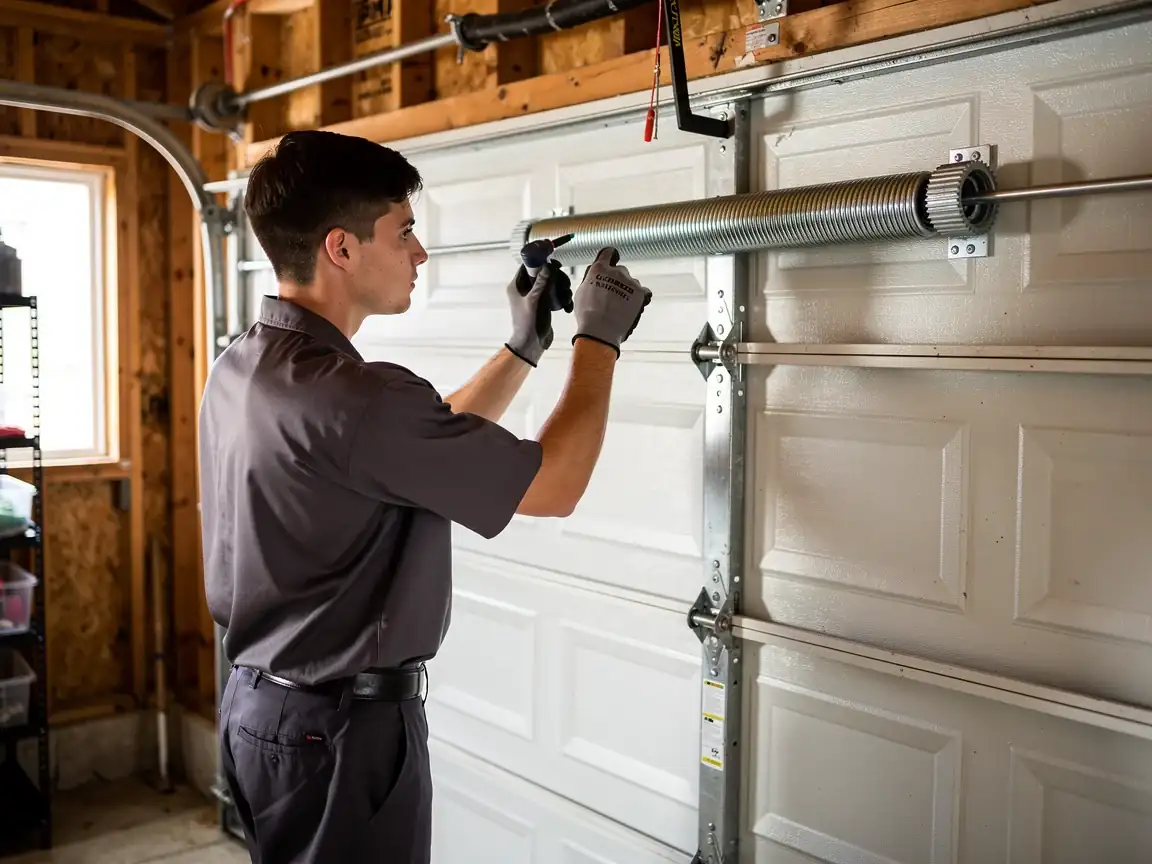
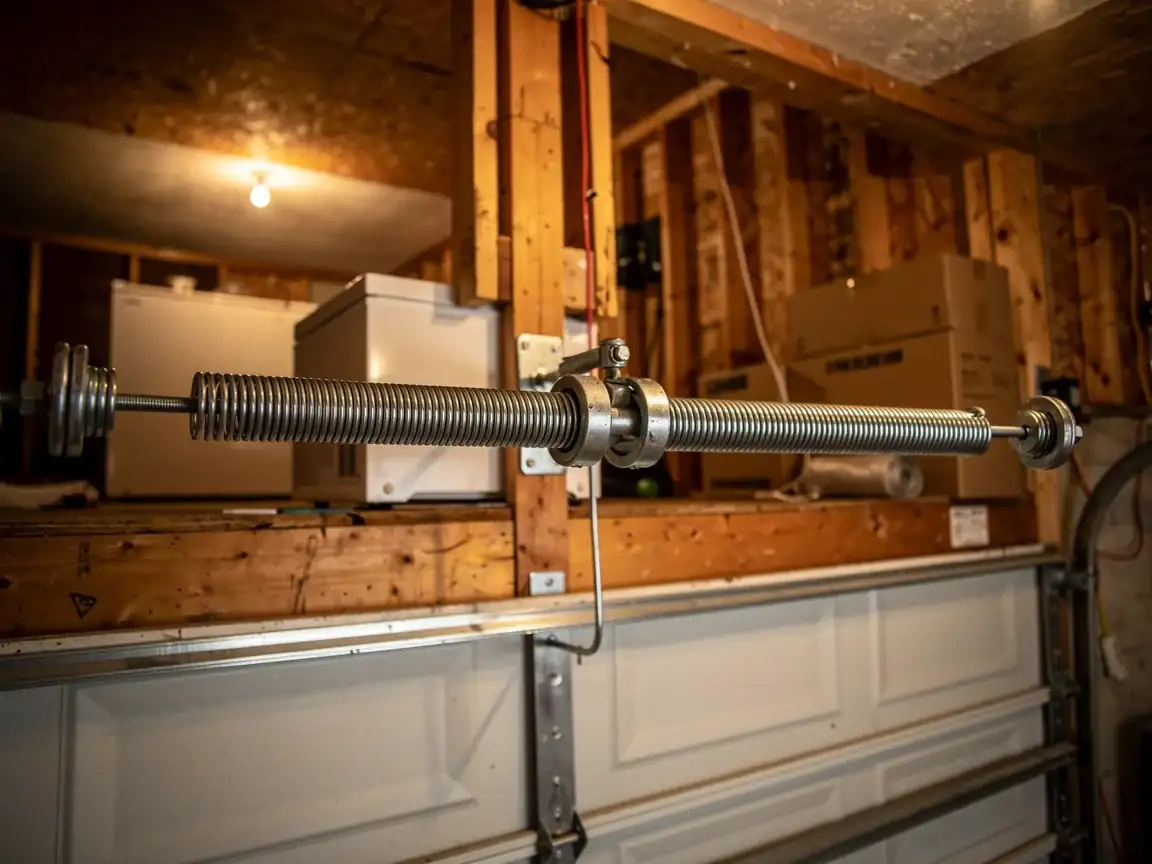
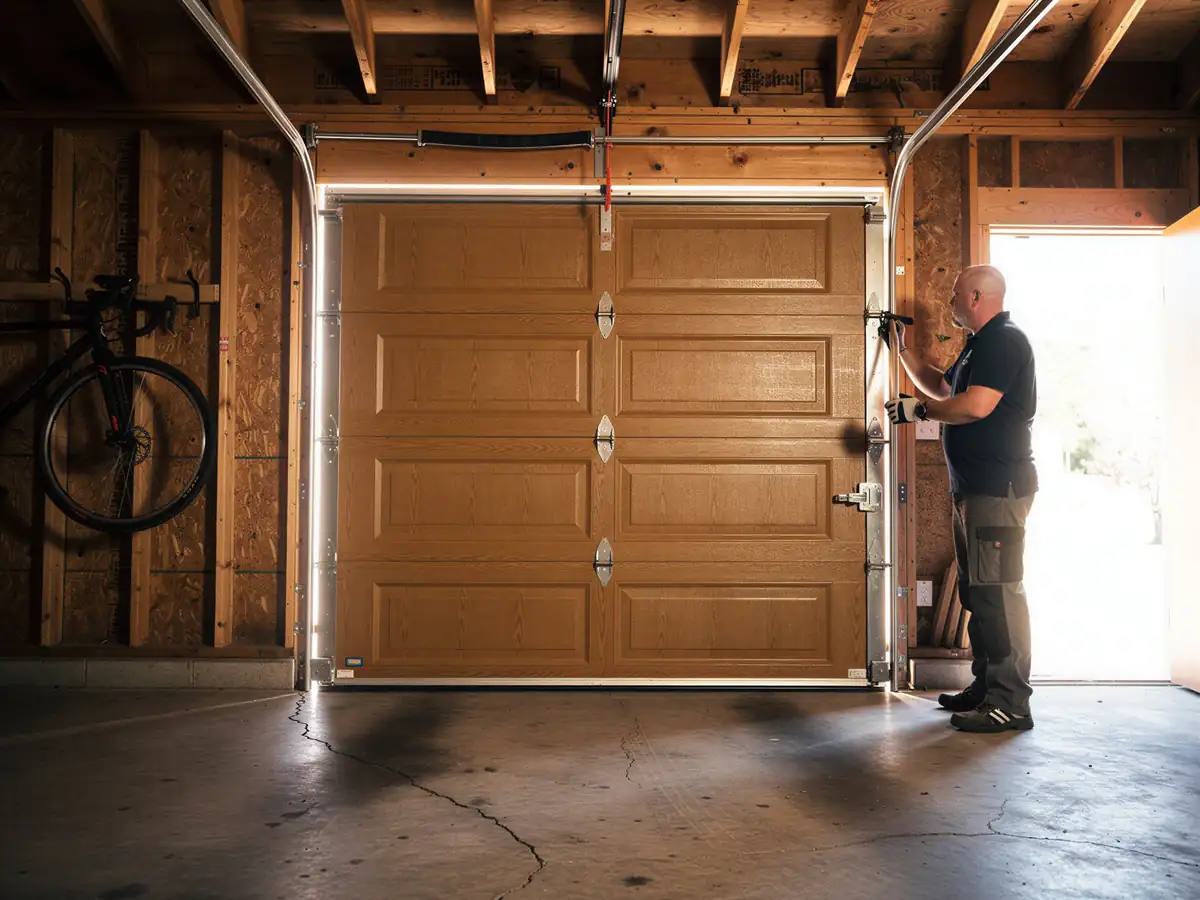
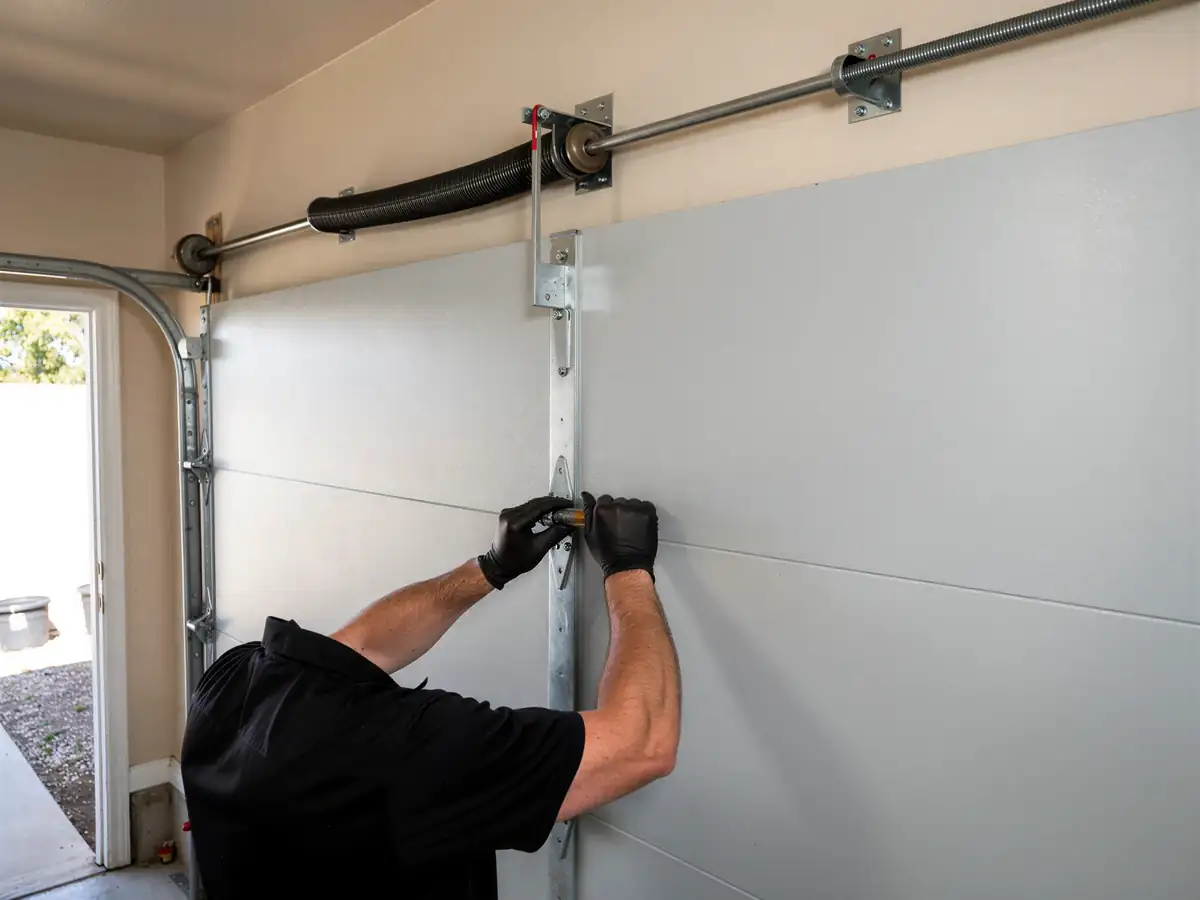
Sherwood's housing mostly went up in the 1980s and 90s, with a median build year around 1997 - newer than a lot of the Oregon City service area, where the median sits back in 1982. That gap matters for garage doors specifically. Houses from this window came with steel sectional doors on torsion springs rather than the older extension-spring setups you'd find on an 80s build, and those torsion springs are rated for a cycle count that a 25-plus-year-old door has usually already hit. The symptom is almost always the same: the door gets heavy to lift by hand, or the opener strains and reverses partway up. It's not storm damage or a one-off accident - it's a part reaching the end of a lifespan it was built for, on a schedule set by when the house was framed. The region sits in a cold-moderate climate band, which isn't brutal on doors the way a true freeze-thaw zone is, but it does mean galvanized hardware left unlubricated for years picks up enough resistance to load up the spring further and shorten what's left of its life.
How Long You Are Without the Door
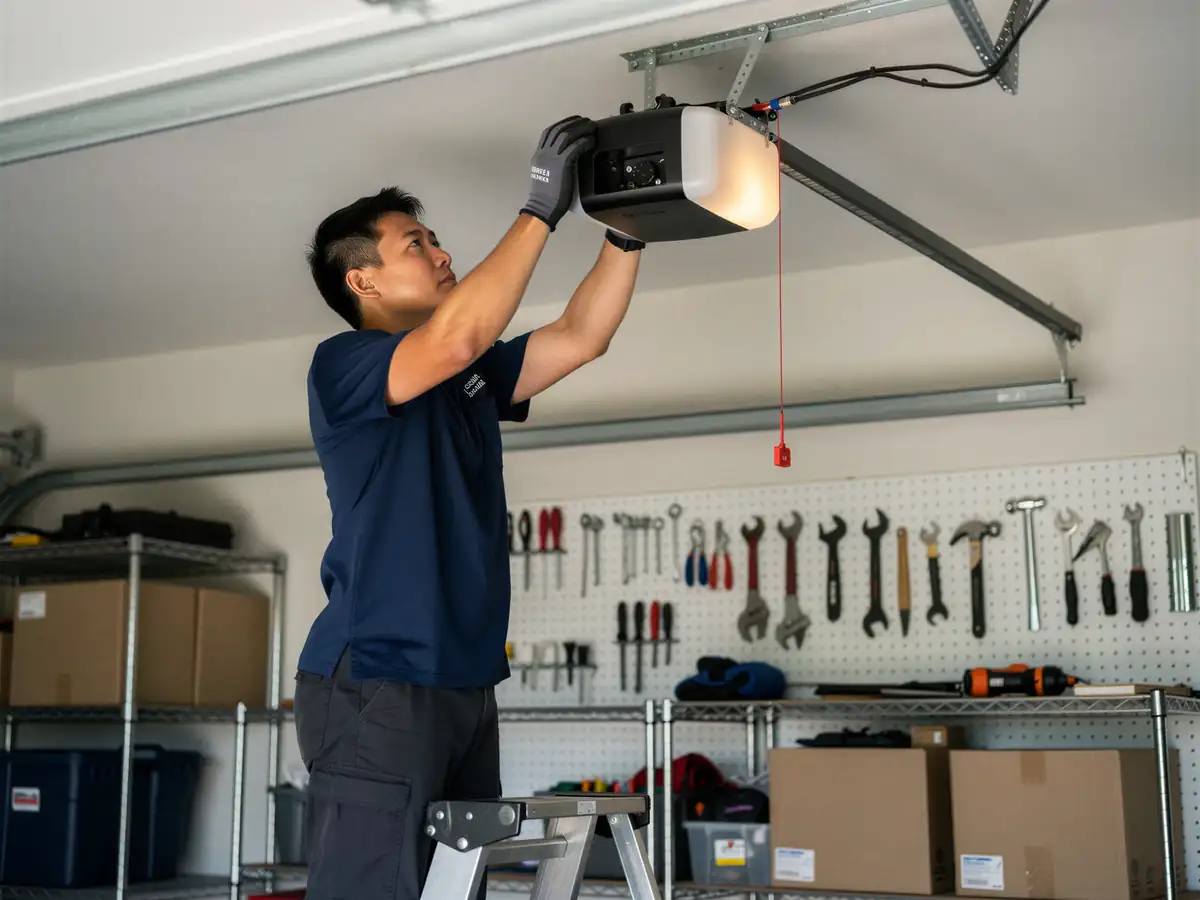
We don't have a stocked response-time figure to quote you for Sherwood specifically, and we'd rather not invent one. What we can tell you is what drives the timeline: a snapped torsion spring with standard sizing is usually a same-visit fix once we're on site, because that's stock hardware on the truck. An opener with a dead board from a 90s-era build is the slower case - if the part isn't something we carry, we're ordering it or moving straight to a replacement unit, and that conversation happens before we leave, not after. The honest version is that most jobs on a door this age resolve in one visit; the ones that don't are usually the opener, not the door itself.