Why It Happens Here
Most of the garage door work we see across this service area comes out of homes built in the 1960s through the 1980s
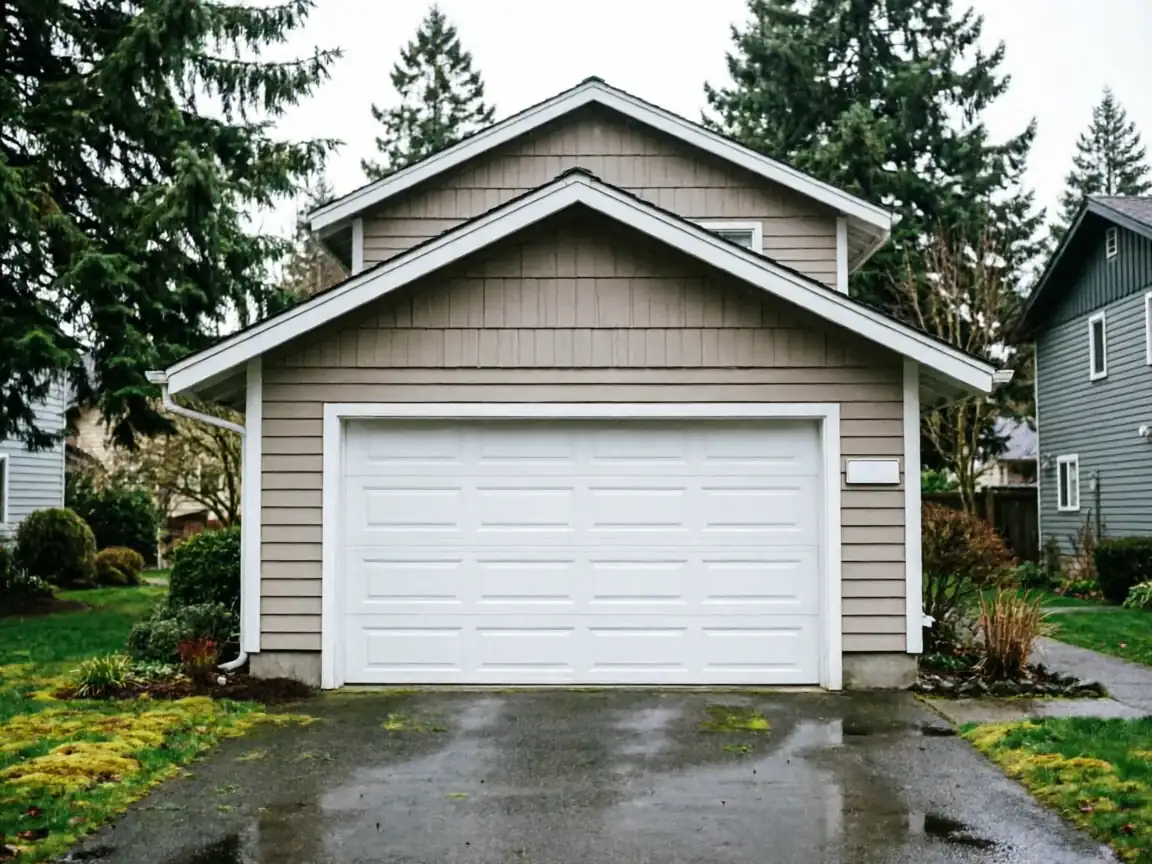
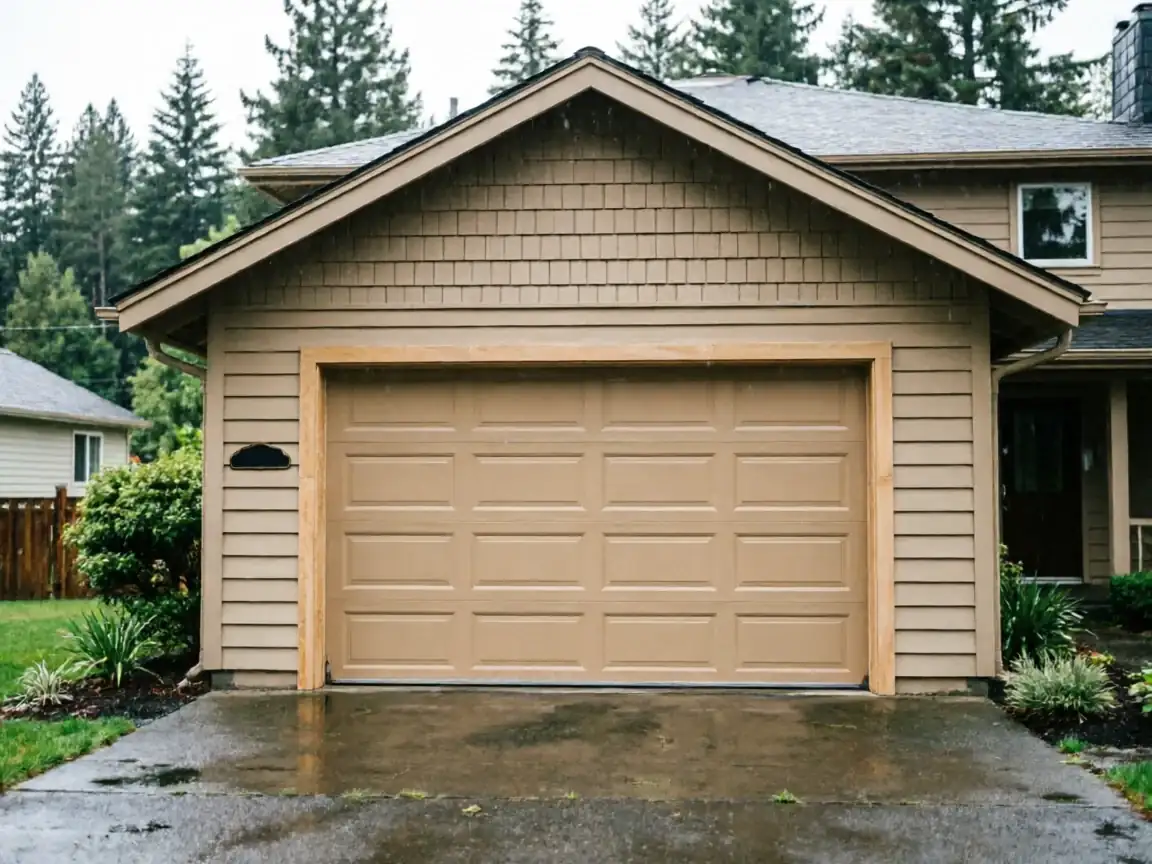
With a median around 1982. Bethany is different. The median build year here lands around 2003, two decades newer than the typical house we work on elsewhere in the coverage area. That gap matters more than people think.
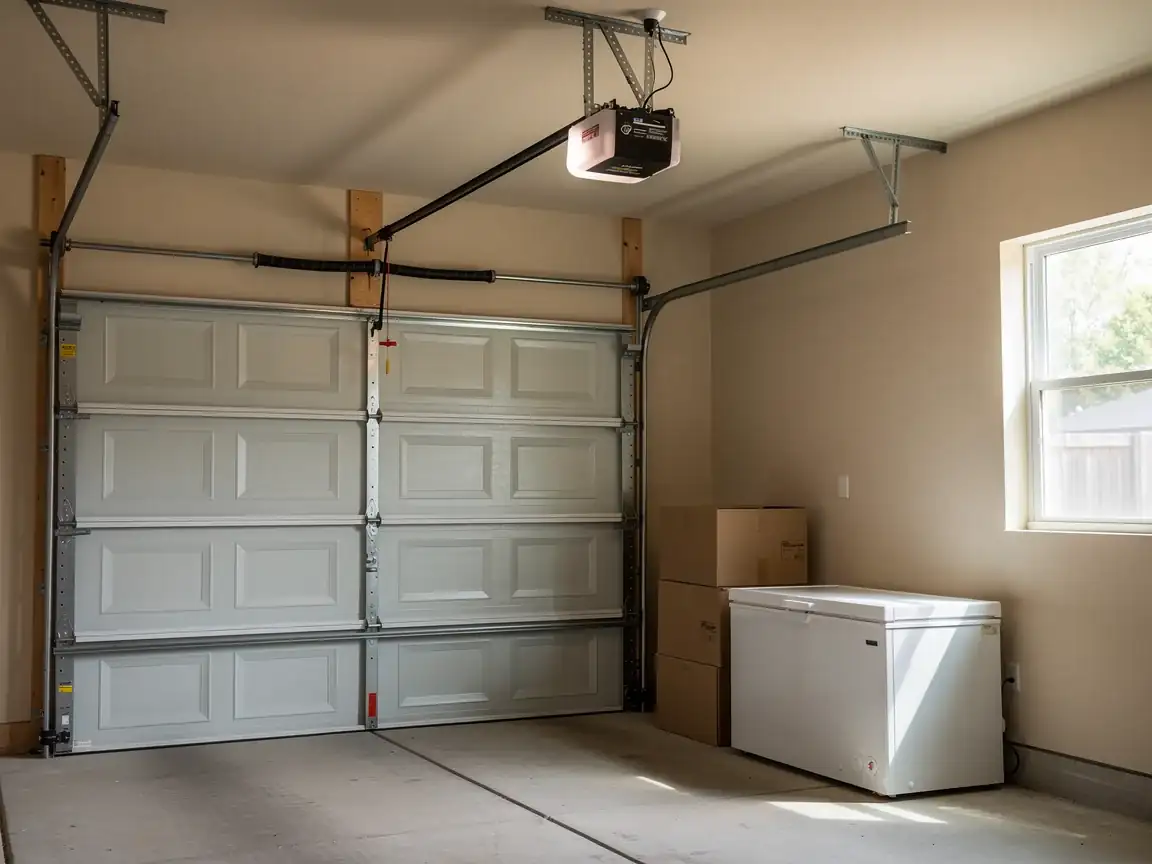
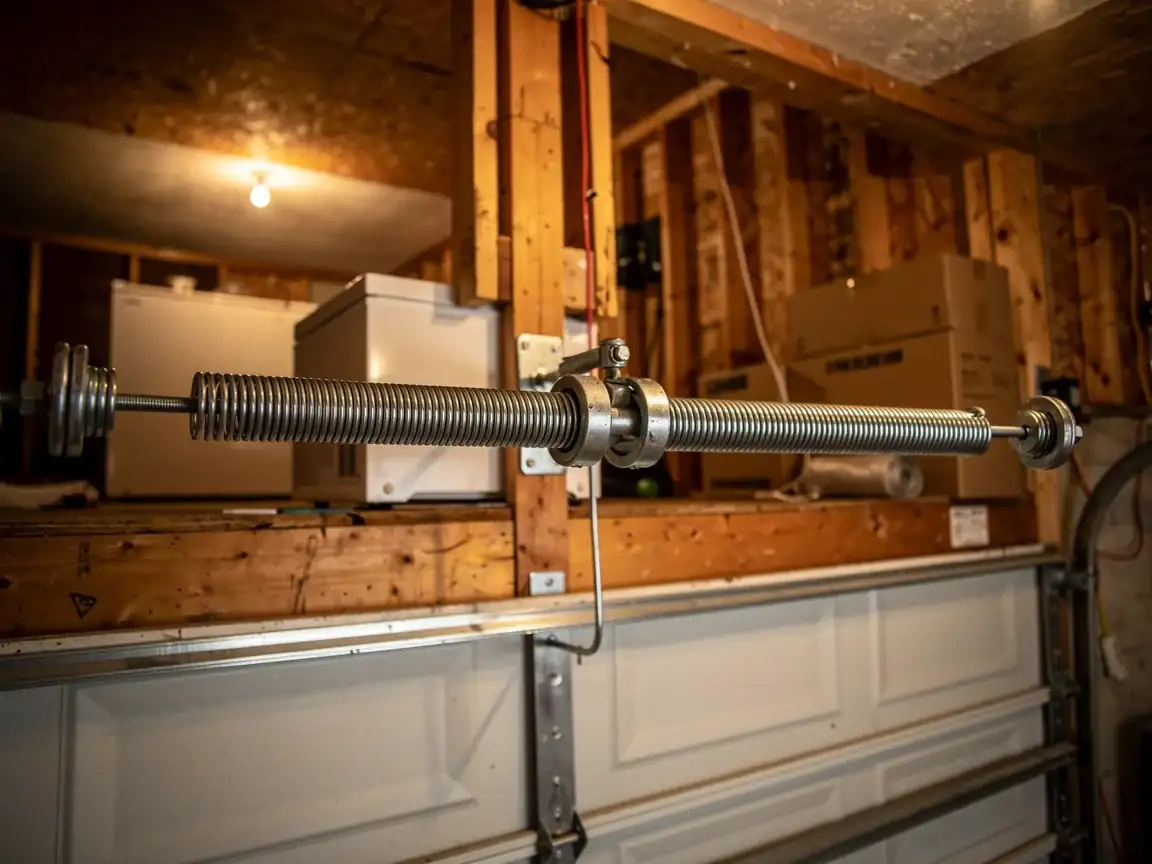
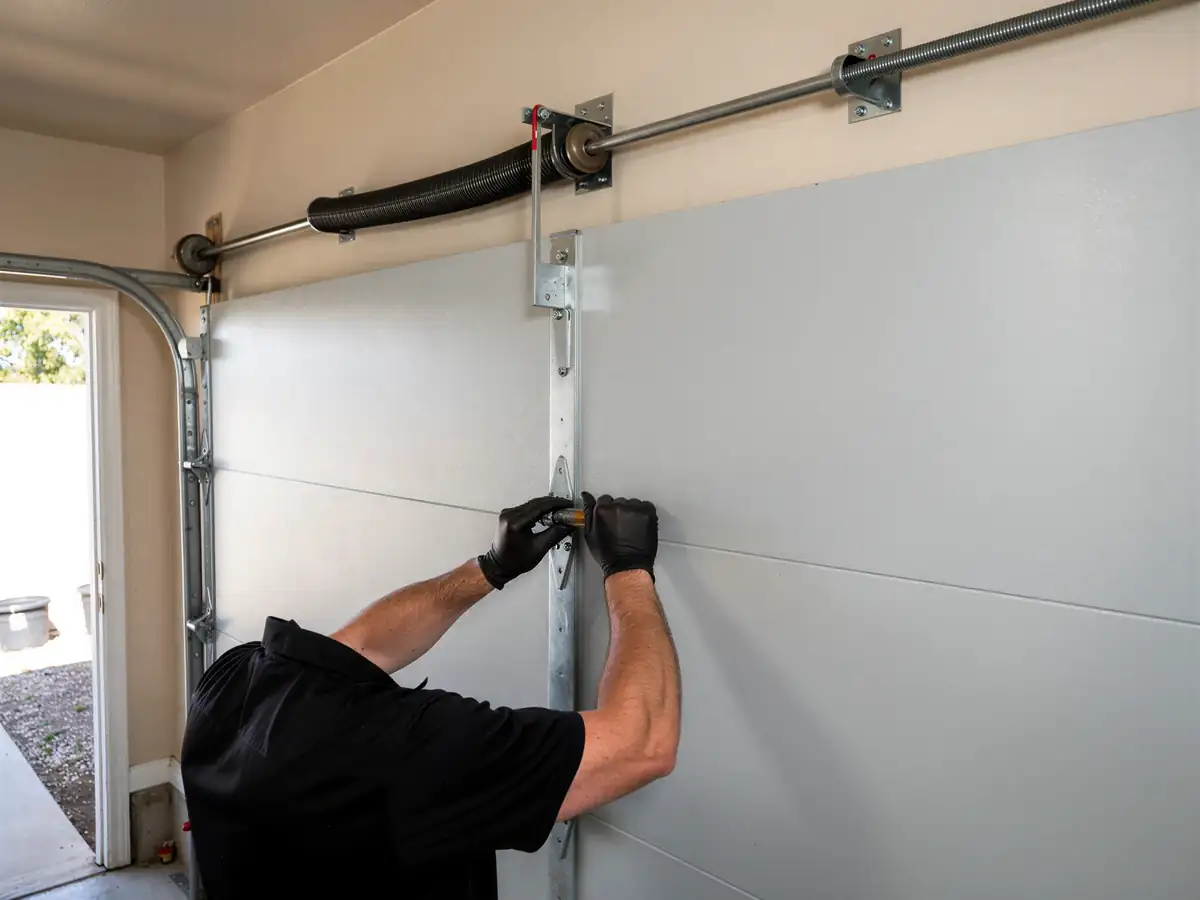
A door going up in 2003 came with a factory torsion spring system
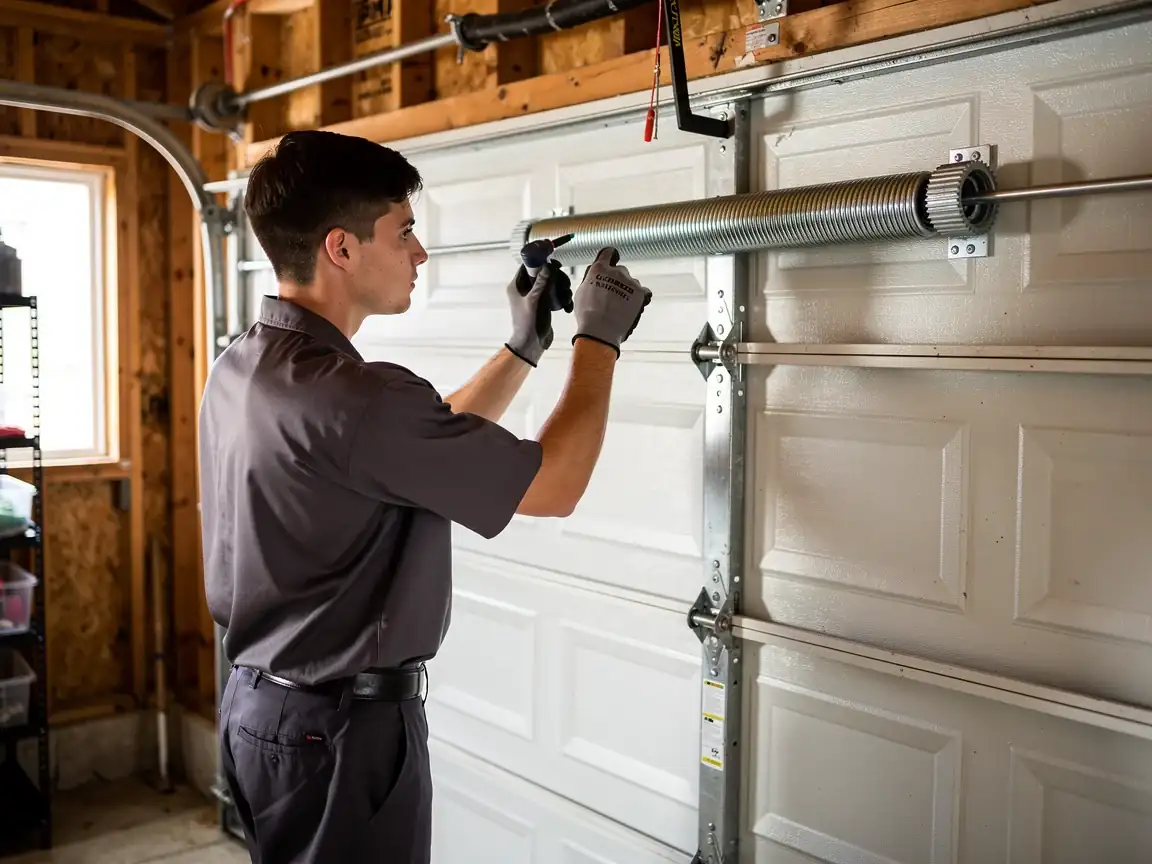
A chain or belt-drive opener with photo-eye safety sensors already required by code, and galvanized track instead of the bare steel you'd find on an older build. The failure points are different too. On a 2003-era door, we're rarely chasing a stripped original gear-drive opener or a one-piece door on obsolete side-mount hardware. We're more often looking at a worn extension or torsion spring that's simply hit its cycle count, a opener logic board going out, or a photo-eye sensor knocked out of alignment.
The cold, damp winters that affect this whole area still apply here the same as anywhere else in the service territory
Moisture works on steel regardless of when the house was framed. But the baseline hardware you're starting from in Bethany is newer, which changes what we expect to find when we open the panel.
Parts We Carry
Because Bethany's housing stock skews to the early 2000s, the parts call here looks different than it does on a 1980s street elsewhere in the service area. We carry standard torsion springs sized for the common residential door weights, extension spring sets, galvanized rollers, and the photo-eye sensor pairs that became mandatory on openers around that build era.
We stock belt and chain drive opener parts that match the mid-2000s opener generation - drive gears, logic boards for the common brands, and remote receivers. What we don't keep on hand are parts for doors with original one-piece panels or the older side-mounted torsion hardware you'd find on a 1960s build, because that's simply not what's installed on most Bethany garages.
One honest limit: if a part turns out to be a proprietary piece from a builder-grade opener model that's been discontinued, we may need to order it rather than carry it on the truck. We'll tell you that at the door, not after we've opened things up.
The Symptom
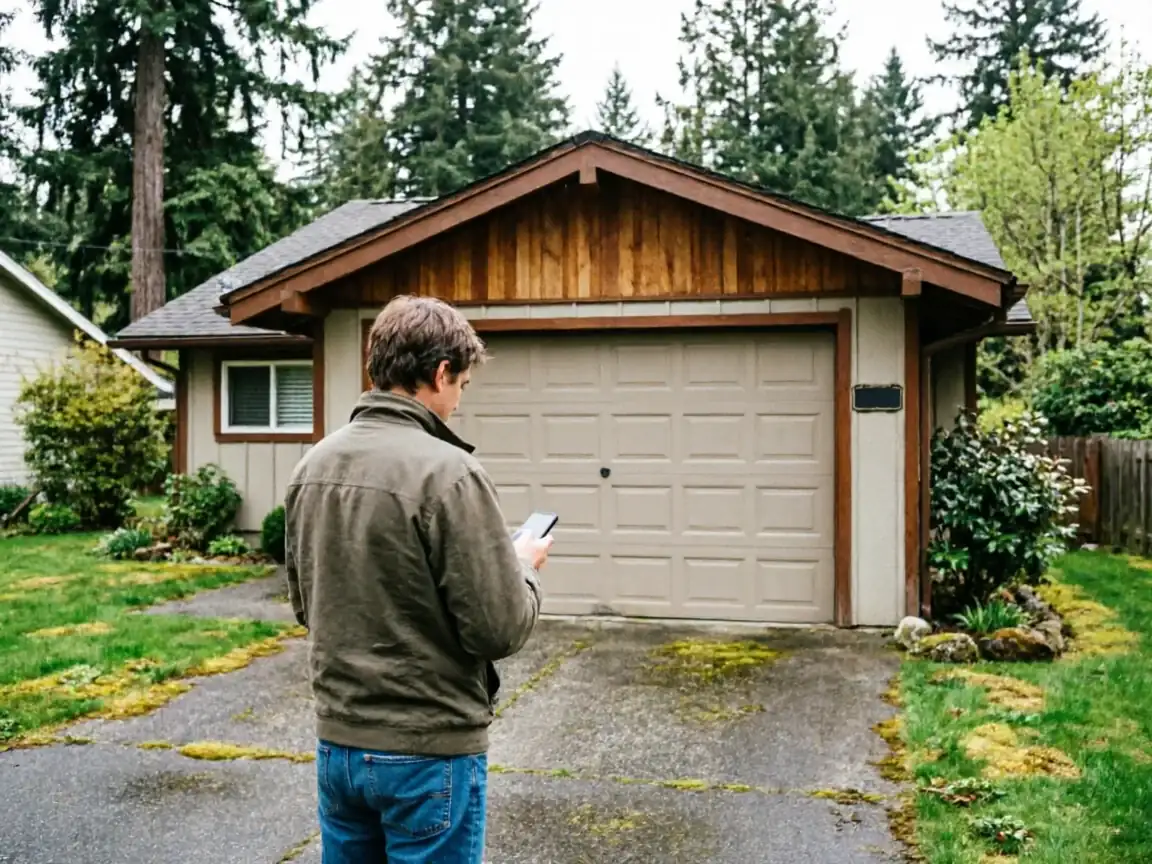
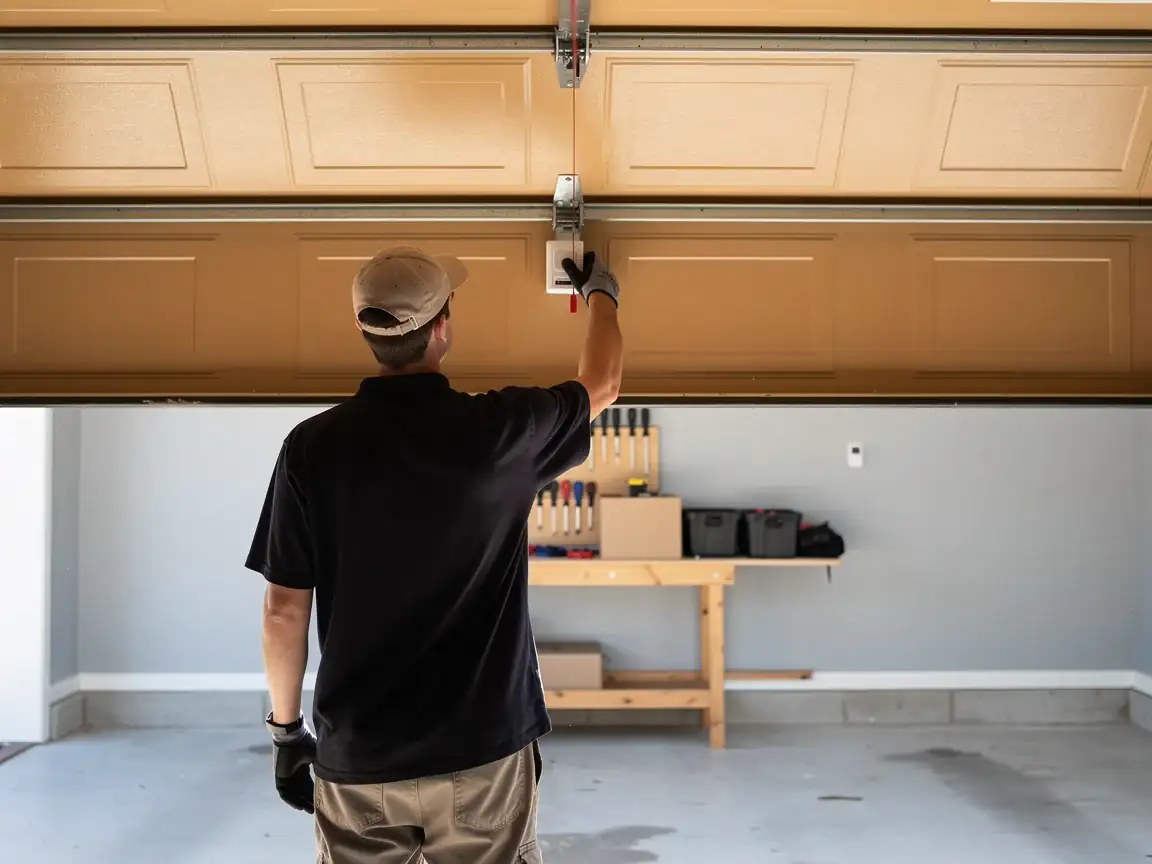
The most common call we get out of Bethany is a door that won't open smoothly, or an opener that runs but the door doesn't move the way it should. Given the build era, this usually traces to a torsion spring that's worn out its cycle life rather than a structural issue with the door itself. The next most common symptom is a door that reverses right before it closes, which almost always points to a photo-eye sensor that's drifted out of alignment or picked up grime.
We also see opener logic boards failing in mid-2000s units - the door stops responding to the remote or wall button, but the motor still hums when you try it. That's a different repair than a spring job, and it's worth knowing the difference before you call, since it changes what we bring on the truck.
The Complications
A door built in 2003 is old enough now that some of the original opener electronics are at or past their expected service life
Even though the door panel and track are often still sound. That means a homeowner calling about a noisy door might actually have two separate issues - a spring that needs replacing and an opener board that's on its way out - that show up around the same time just because the house has hit the same age milestone across the board.
The other complication is less about the hardware and more about access
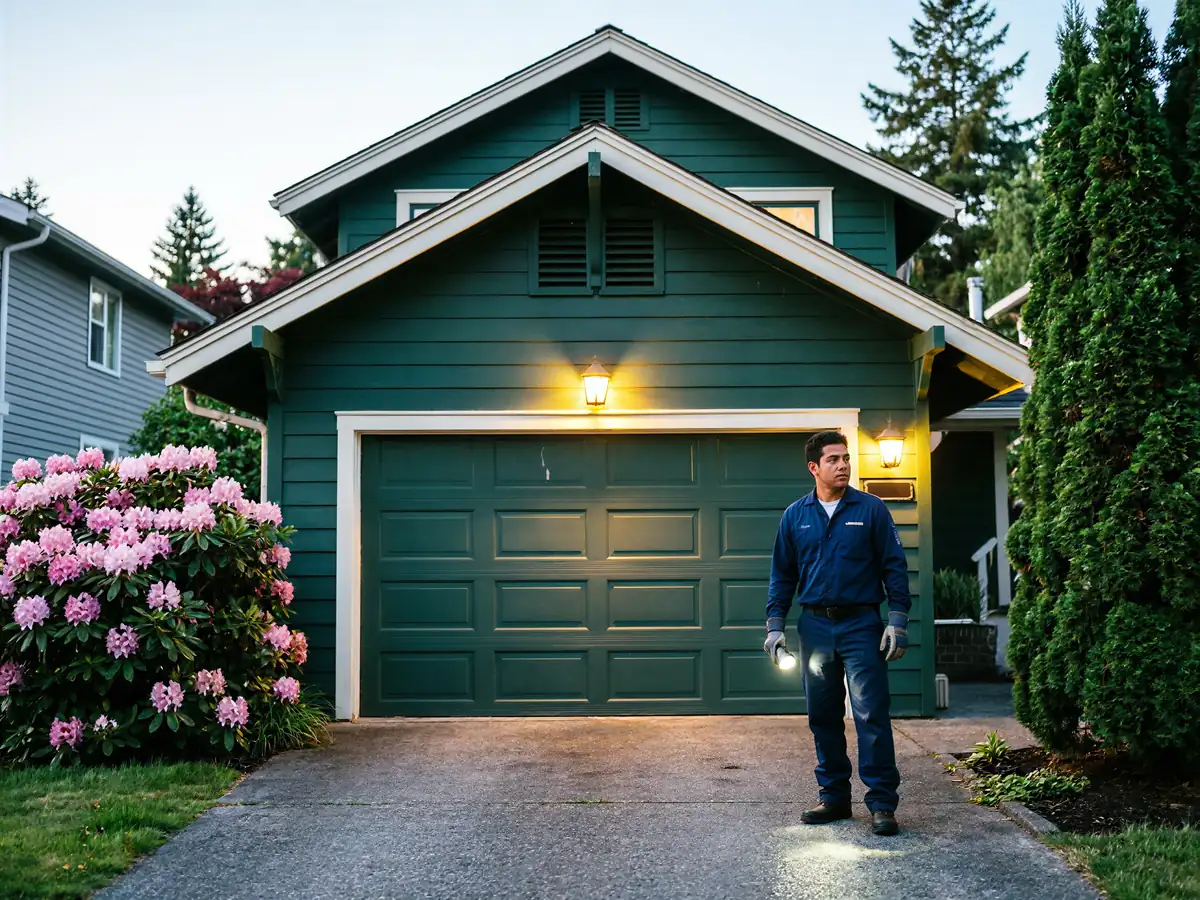
We're not staged in Bethany; we run this job from Oregon City, which puts us at roughly 19 miles from Bethany addresses. That doesn't change the repair itself, but it's part of why we ask for a clear description of the symptom up front - torsion spring, opener, or sensor - so the truck rolls out with the right parts the first time instead of a second trip.
- 19 miles
How Long You Are Without the Door
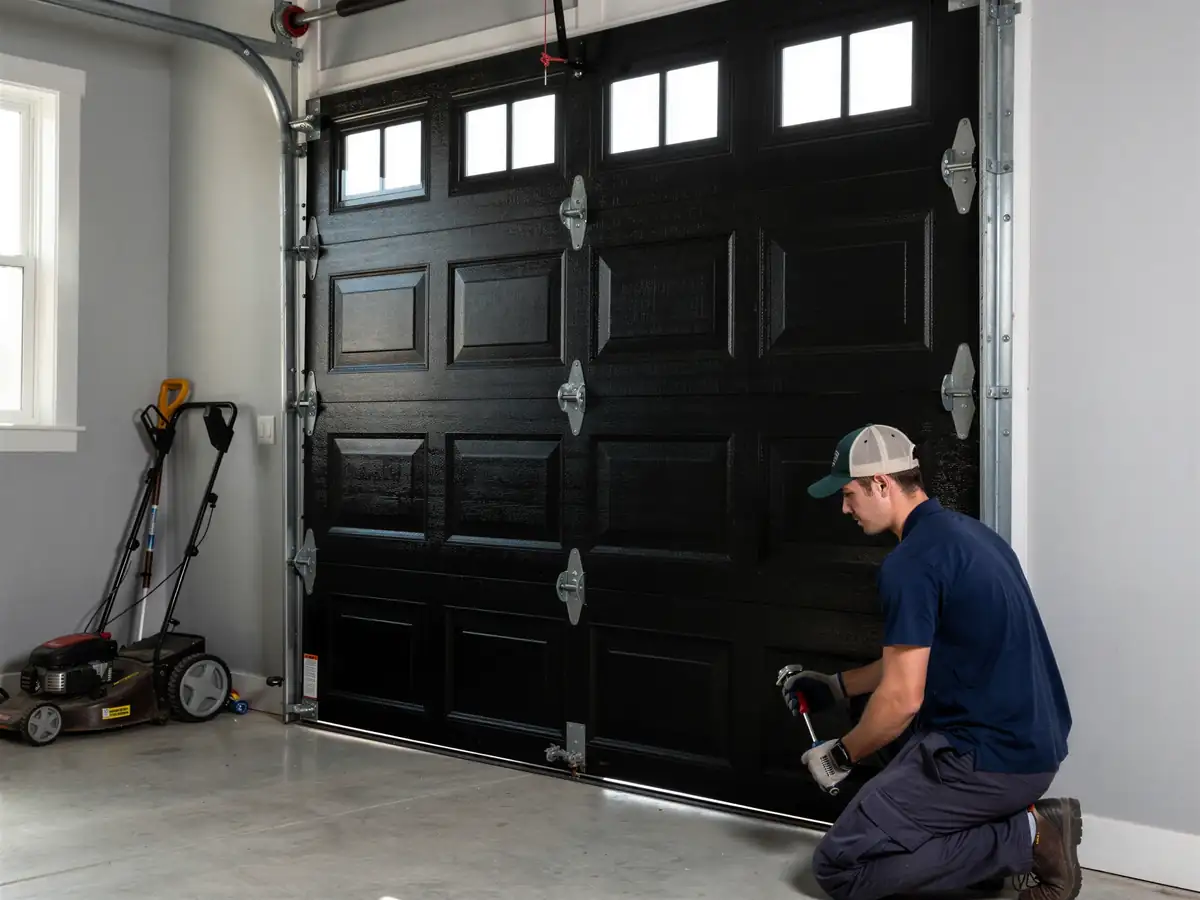
A straightforward torsion spring swap or photo-eye realignment on a Bethany-era door is usually a same-visit fix once we're on site - an hour or two of actual work, not a day. The variable is almost always the opener electronics, not the door itself. If a logic board needs replacing and it's not a stock part, that can mean the door is usable by hand in the meantime but the opener stays down until the part arrives.
Because we're running the roughly 19-mile trip from Oregon City rather than working out of a local branch, scheduling the visit itself is the bigger time factor than the repair. We don't carry every opener board for every brand on the truck at all times, so a clear description of the symptom when you call helps us bring the right part and close the job in one trip instead of two.
The Cost of This Job
We don't have a published price list for this page, so we won't put a number here that isn't backed by a real quote. What we can say is that a torsion spring replacement on a door this age is typically a more contained job than it would be on an older, heavier one-piece door, since the hardware is standard and parts aren't obsolete. An opener board replacement runs as a separate line item from a spring job, and if both fail around the same time, expect to be quoted for both rather than a bundled estimate.
The honest limitation here: we price the job after we've seen the door and the opener, not before. A quote given over the phone without seeing the sensor alignment or hearing the motor run is a guess, and we'd rather give you a number we can stand behind on site.