Parts We Carry
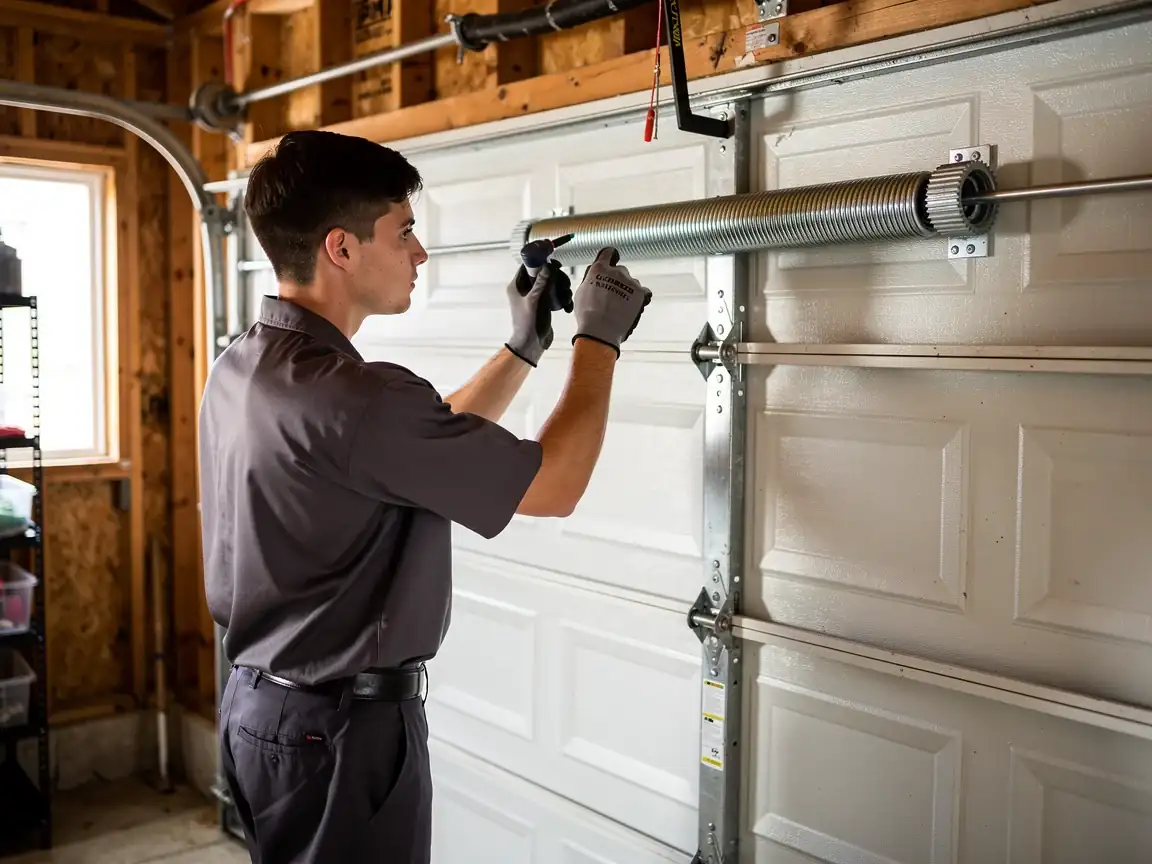
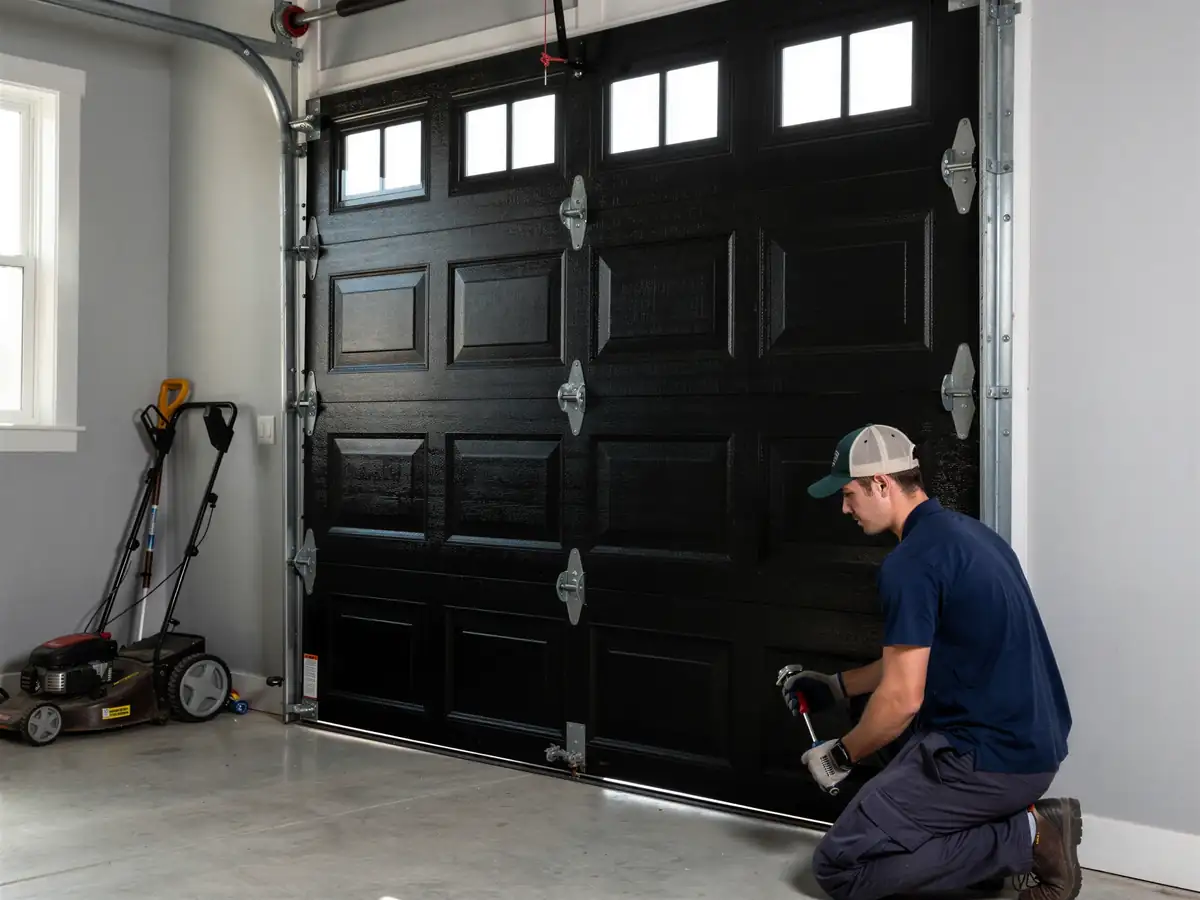
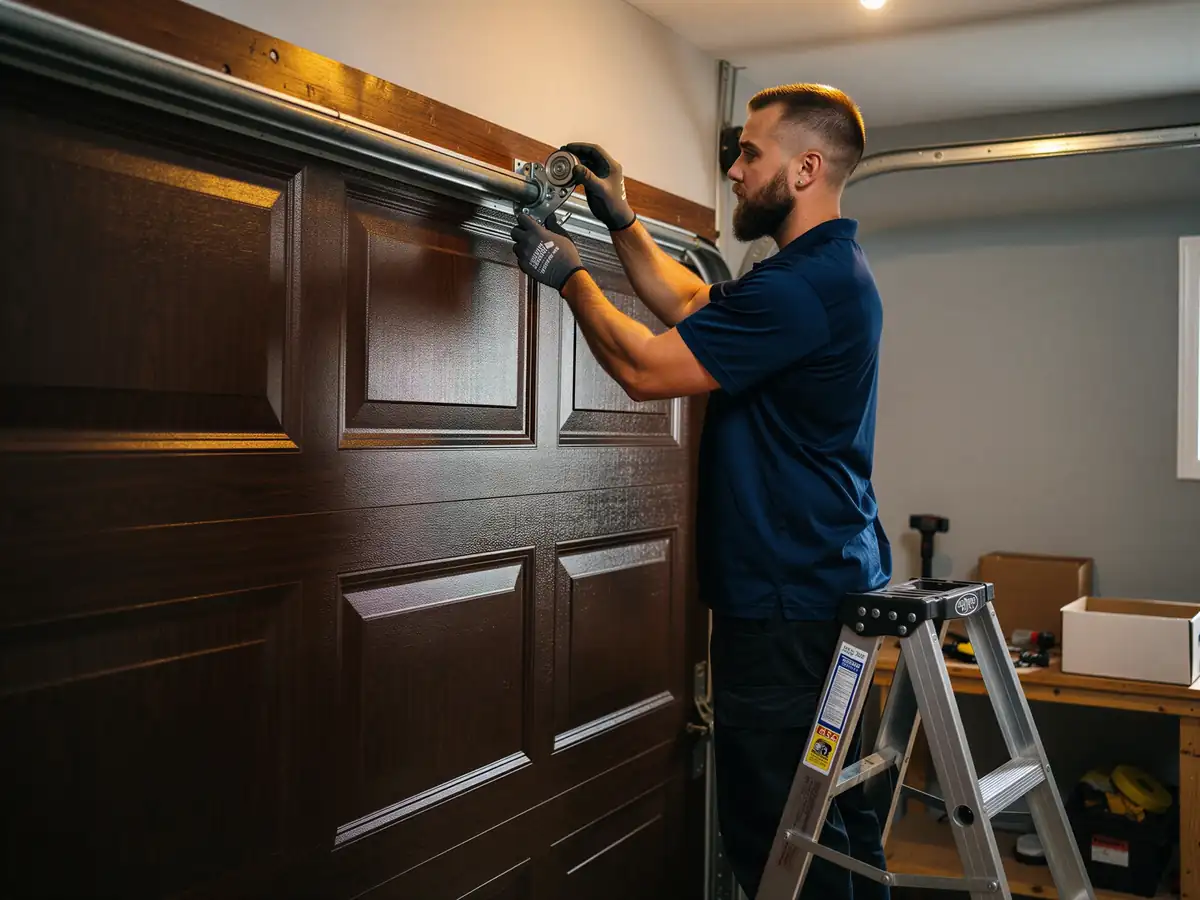
We carry sealed nylon rollers in a couple of stem lengths and ball-bearing counts, which is what we put in on almost every swap out here. Nylon runs quieter than steel and doesn't need the same lubrication schedule, which matters given the cold, damp winters this part of Oregon gets - grease on a steel roller stiffens and gets noisy when the temperature drops, nylon doesn't react the same way. We also carry standard 2-inch and 3-inch radius rollers to match older steel-roller setups without swapping the whole track, since most Bethany tracks from the build era are still that dimension. What we don't stock on the truck: oversized commercial rollers or anything for a door wider than a standard residential double. That's a special-order part, and if your door needs one, we'll tell you upfront rather than make you wait on-site.
The Symptom
A worn roller doesn't announce itself all at once. It starts as a rhythmic thunk every time the door passes a certain spot in the track - that's a flat spot on the roller wheel hitting the rail. Then it turns into a grinding or squealing sound that gets worse in cold weather, because stiff old grease on a steel roller doesn't flow the way it did when it was new. If you let it run long enough, the door starts to hang up or jerk at that same spot every cycle, and the track itself starts showing a shiny groove where the roller edge has been riding. Catch it at the thunk stage and it's a roller swap. Catch it at the hang-up stage and you're probably also looking at some track straightening or replacement, which is a bigger job.
How Long You Are Without the Door
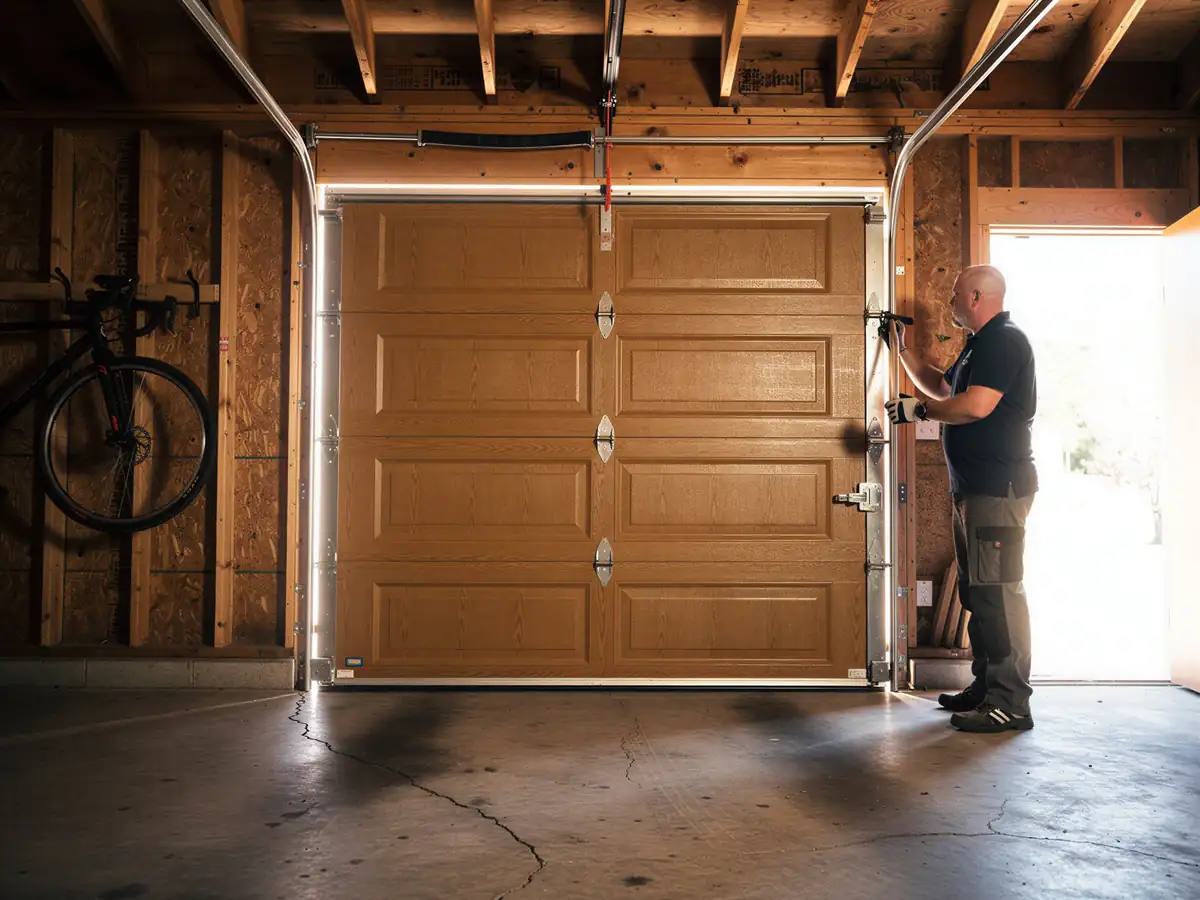
Because this job is routed out of Oregon City, roughly 19 miles away, the time you're without a working door is mostly the drive plus the job itself, not a long wait for parts - nylon rollers in standard sizes are stock items we carry, not special orders. A full set of rollers on one door, with no track or bracket complications, usually wraps up within a single visit. If the job turns into a track section replacement because of grooving, plan on it taking longer, since that means straightening or swapping rail, not just lifting rollers out of a channel. We don't keep the door propped open mid-job longer than we have to - once the old rollers are out, the new ones go in before we move to the next one, so the door isn't left hanging on three rollers while we take a break.
The Cost of This Job
We don't have a posted price for this job to give you here, and quoting one without seeing the door and track condition would be a guess, not a number you could rely on. What we can tell you is what drives the cost: whether it's a full set of rollers or a partial swap, whether the track has groove damage that needs addressing at the same time, and whether the bottom brackets are sound or need replacing. A clean roller-only job on a door with no track wear costs less than one where we're also straightening or replacing rail. Ask for a number when we're there looking at the actual door - that's the only estimate worth trusting.