The Cost of This Job
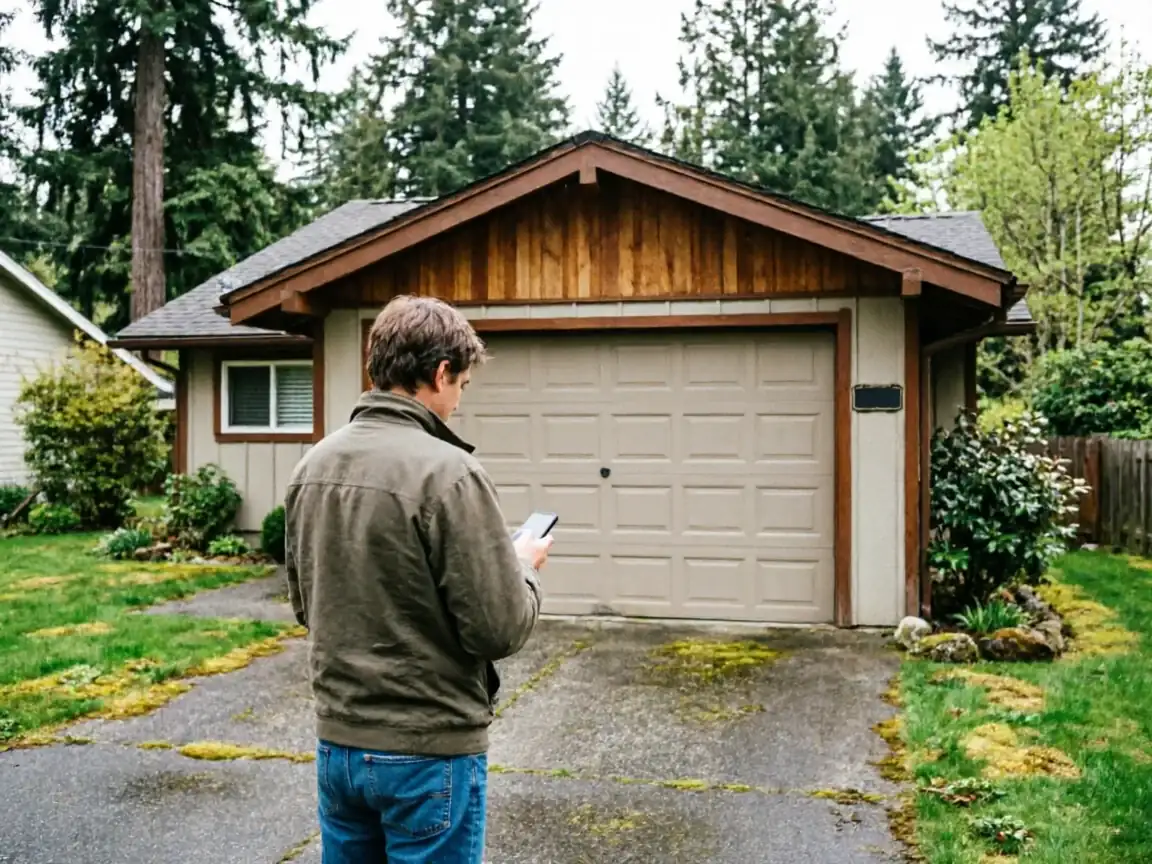
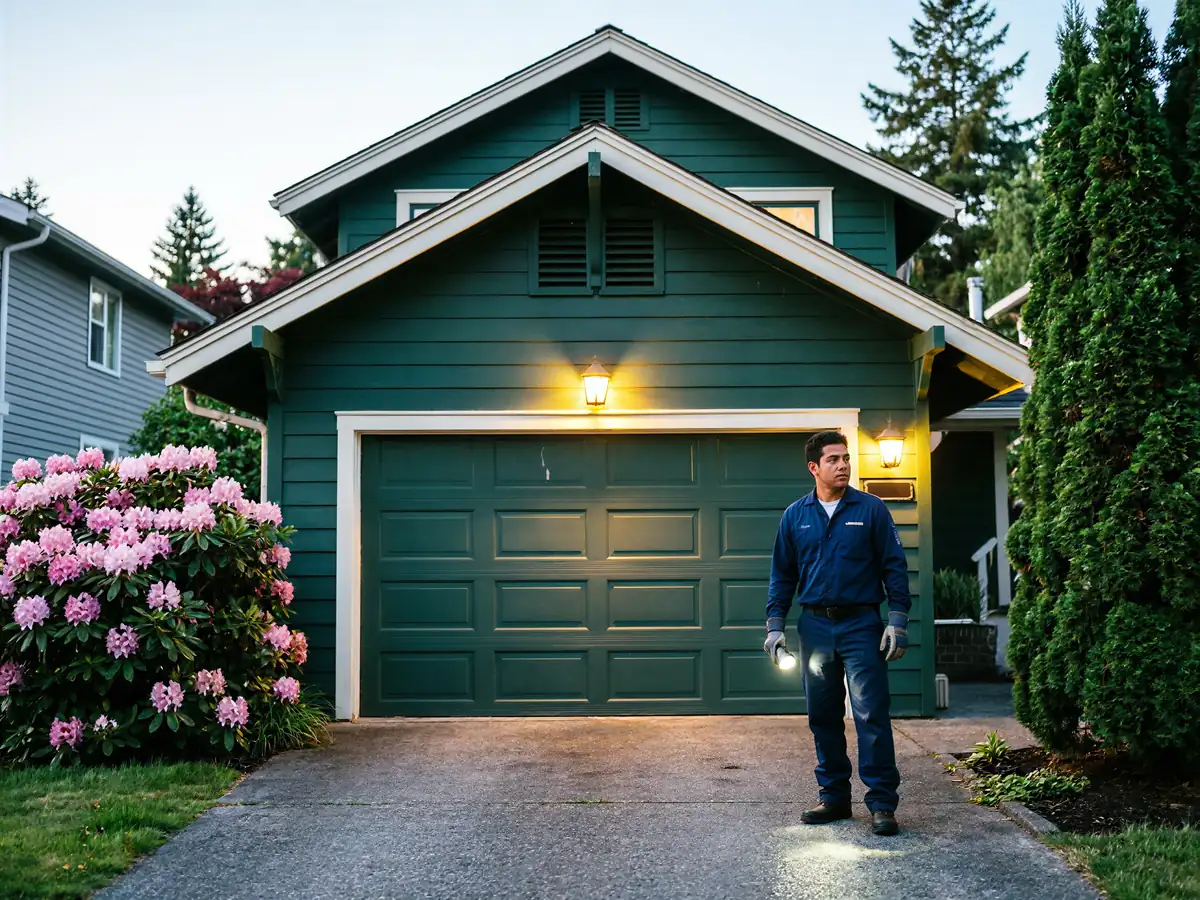
Gladstone sits three miles from our shop in Oregon City
Which matters more for this job than it sounds. A roller job is light work - no crane, no big spring unload - so the truck comes loaded with the roller stock for the trip, not a return visit to grab parts. That short run keeps the job itself the focus of the visit rather than the logistics around it.
What drives the final number isn't the drive, though
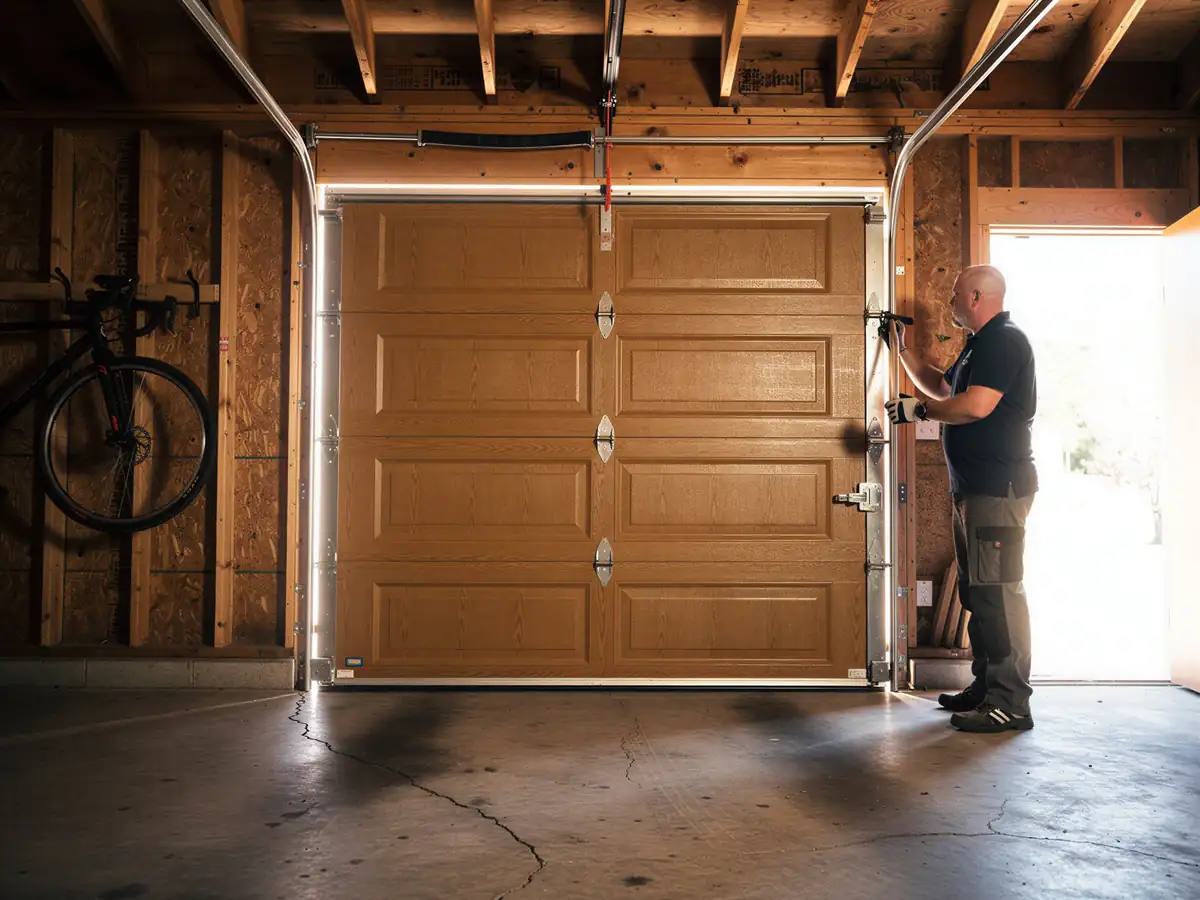
It's what's on the door. Most houses in this part of Gladstone were built around 1975, and a door from that era usually still runs on its original steel rollers and the stamped track that came with them. Steel rollers on old track wear differently than the nylon rollers on a door installed in the last decade - more noise, more stress on the stems, sometimes a track lip worn enough that it needs truing along with the roller swap. We can't quote a number without seeing the door, but we can tell you the roller count (10 or 12, single or double) and whether the stems are sealed or open-bearing changes what the job runs.
Parts We Carry
For a neighborhood built mostly around the mid-1970s, you see a narrower band of hardware than you'd find across the wider Oregon City service area, where houses range from 1964 up through 2003. Gladstone's stock skews older and more uniform - steel ball-bearing rollers on 2-inch stems, usually 10 per double door, sometimes 12 if the track run was lengthened at some point.
We stock both steel and nylon rollers on the truck. Nylon is quieter and doesn't need lubrication as often, which matters here - the climate is cold and damp enough for most of the year that dry steel rollers squeal and start showing surface rust inside the track within a season or two if they're not kept oiled. Swapping to sealed nylon rollers is often the single change that does the most for noise on an older Gladstone door, more than a new opener or a quieter belt drive would.
How Long You Are Without the Door
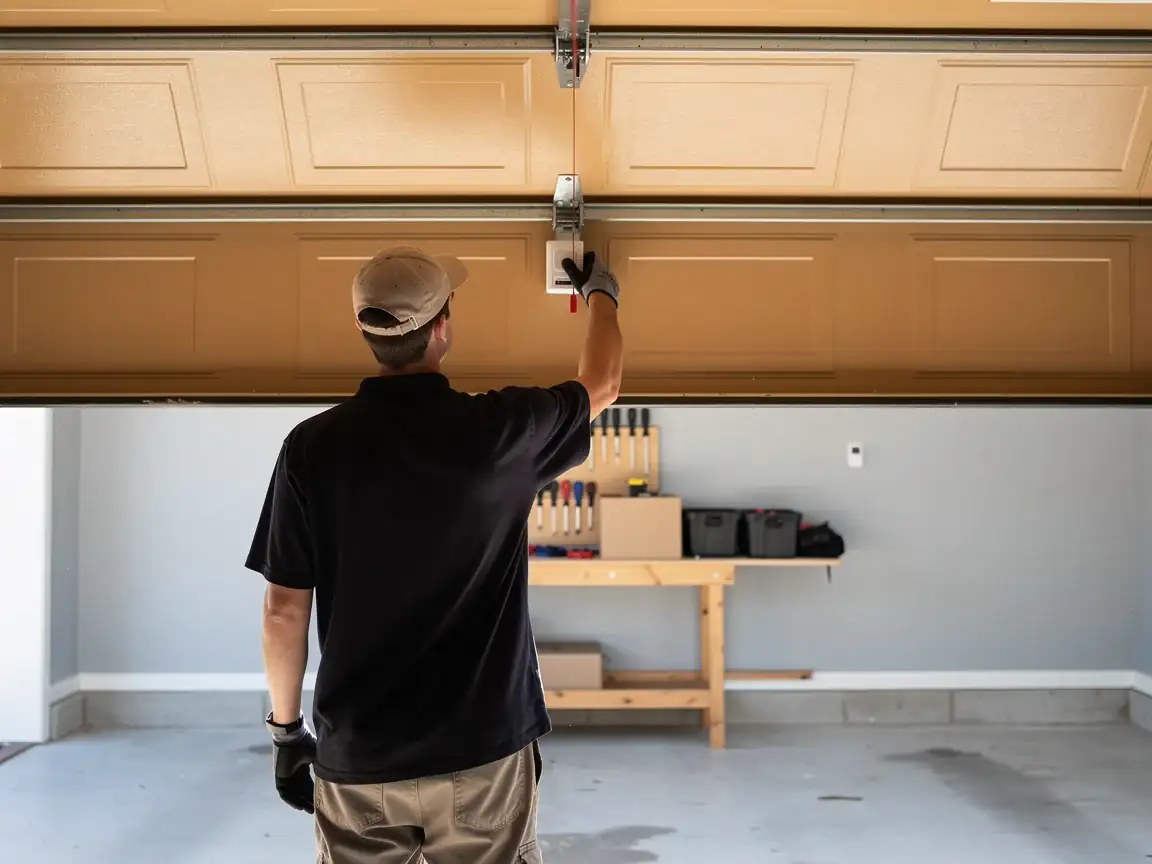
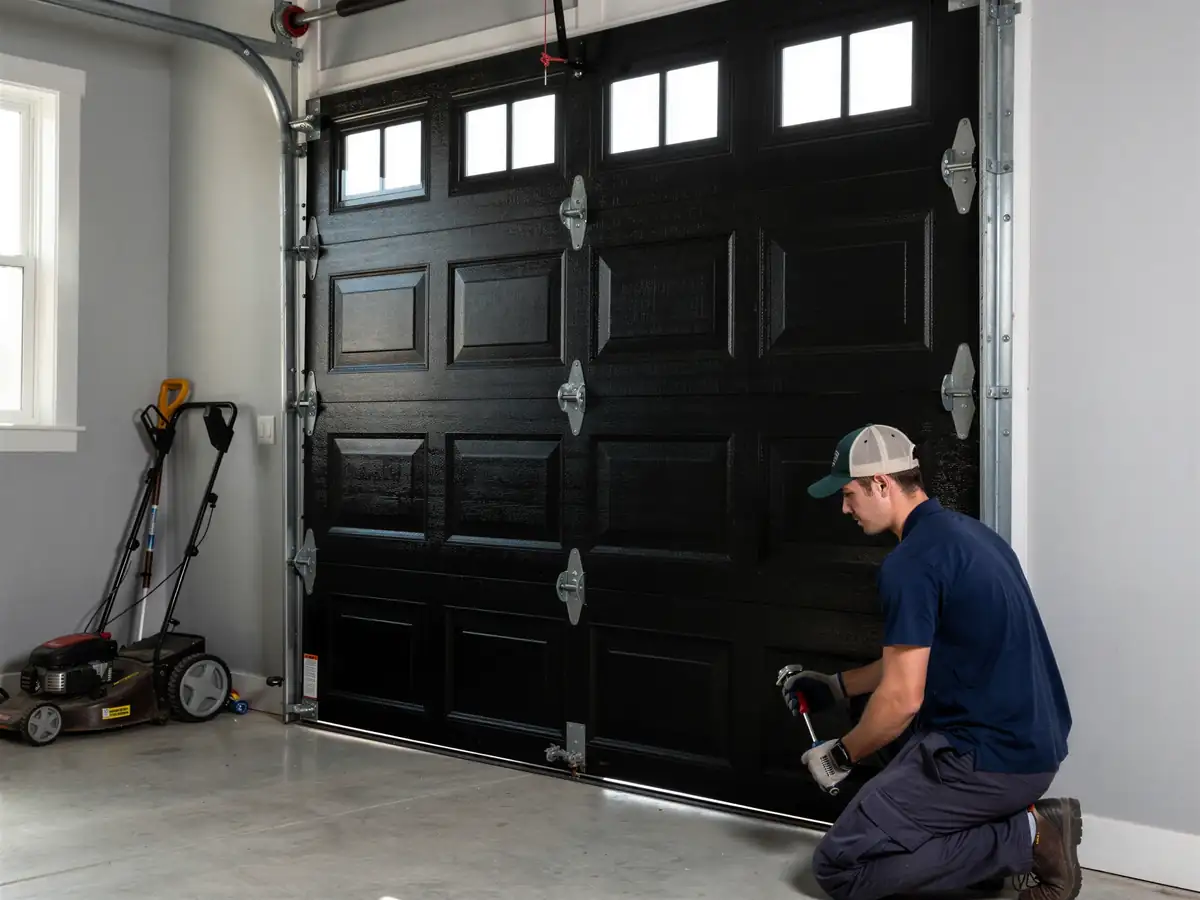
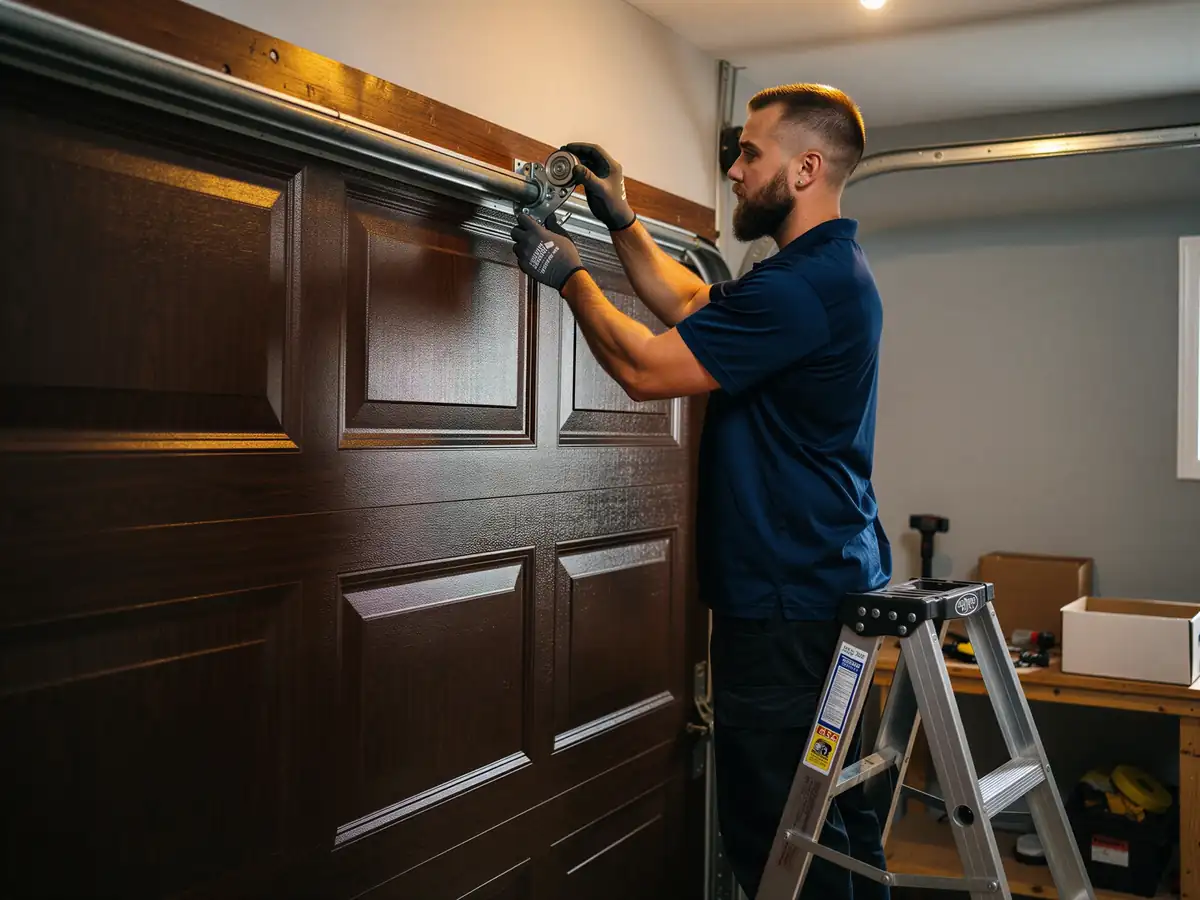
Because the trip in from Oregon City is short, we're not planning the visit around a long window where your door sits open or stuck. A straight roller swap on one door, without track replacement, is a same-visit job once we're on site - it's pulling worn rollers out of the track one at a time, which doesn't require taking the door off its hinges or disconnecting the opener for long.
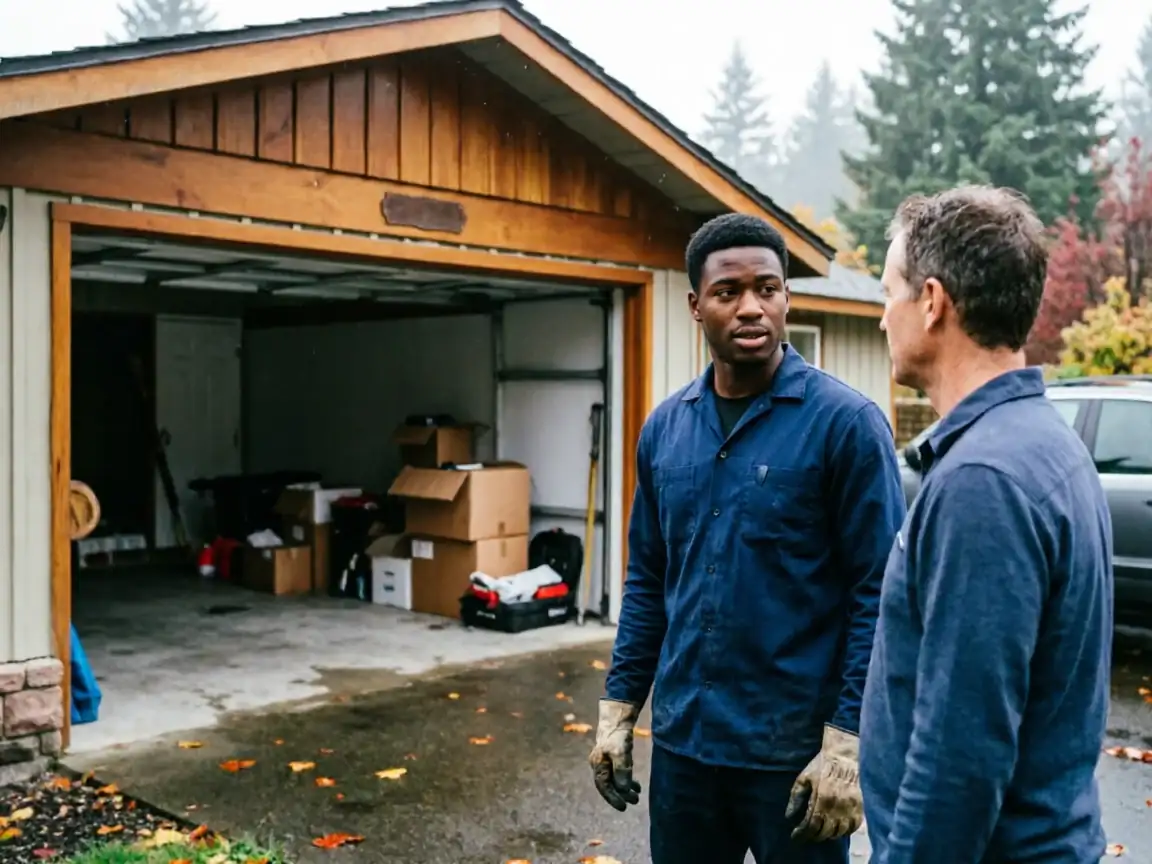
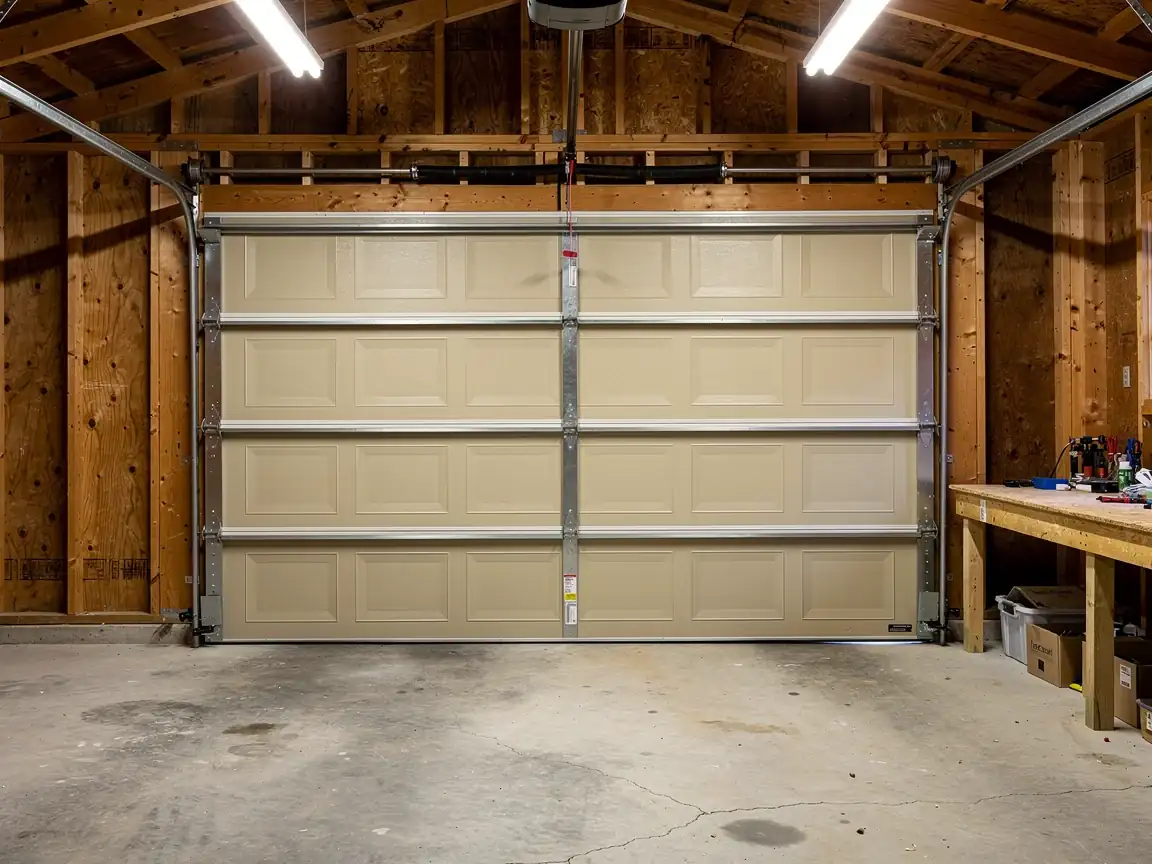
Where it runs longer is if the track itself needs replacing alongside the rollers, which shows up more in homes with the original 1975-era track still in place. Track replacement means loosening the door off the jamb brackets, and that adds real time to the visit. We'll tell you on site whether we're looking at a roller-only job or a track-and-roller job, and the difference is usually obvious once we've got the door off its stops.
The Complications
The most common complication on an older Gladstone door isn't the roller itself
It's the track it rides in. Track that's been in place since the mid-1970s has usually taken decades of minor impacts: a bumped car, a kid's bike, a door that's been slammed shut in a hurry. Bent track doesn't always show on a quick look, but a new roller running through a track with even a slight kink will wear out again fast.
The other complication is rust at the track seams
Which we see more often on houses that have sat through enough wet Oregon winters without the rollers ever being lubricated. Rust in the track roughens the surface the roller rides against, and a brand-new roller on a rusted track will still sound and feel rough even though the part itself is fine. In that case the fix is cleaning and sometimes replacing a section of track, not just swapping rollers again.
The DIY Question
Roller replacement looks like one of the more approachable garage door jobs, and on a newer door with nylon rollers and straight track, it mostly is - pull the old roller, slide in the new one, move to the next. The trouble on an older Gladstone door is less about the rollers and more about what you find once you're in the track: a bent section, a rusted seam, a bracket that's loosened over the decades since 1975.
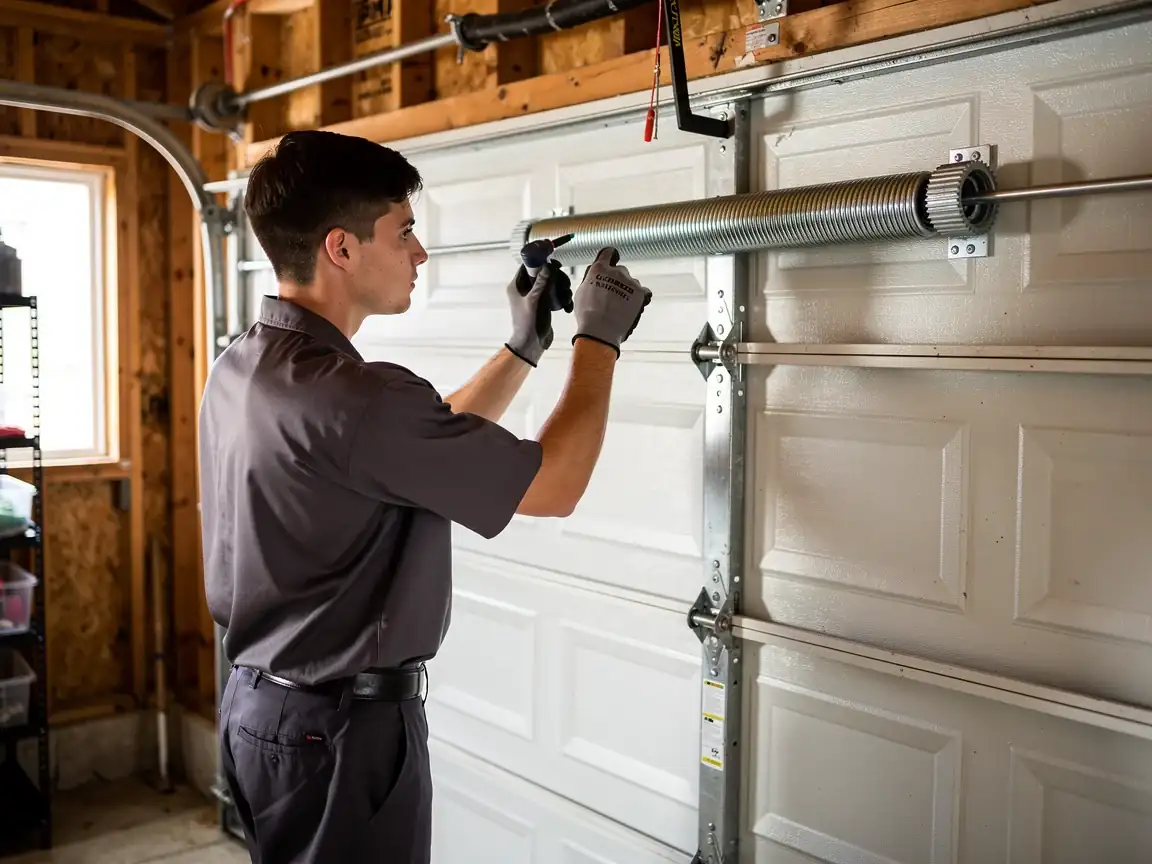
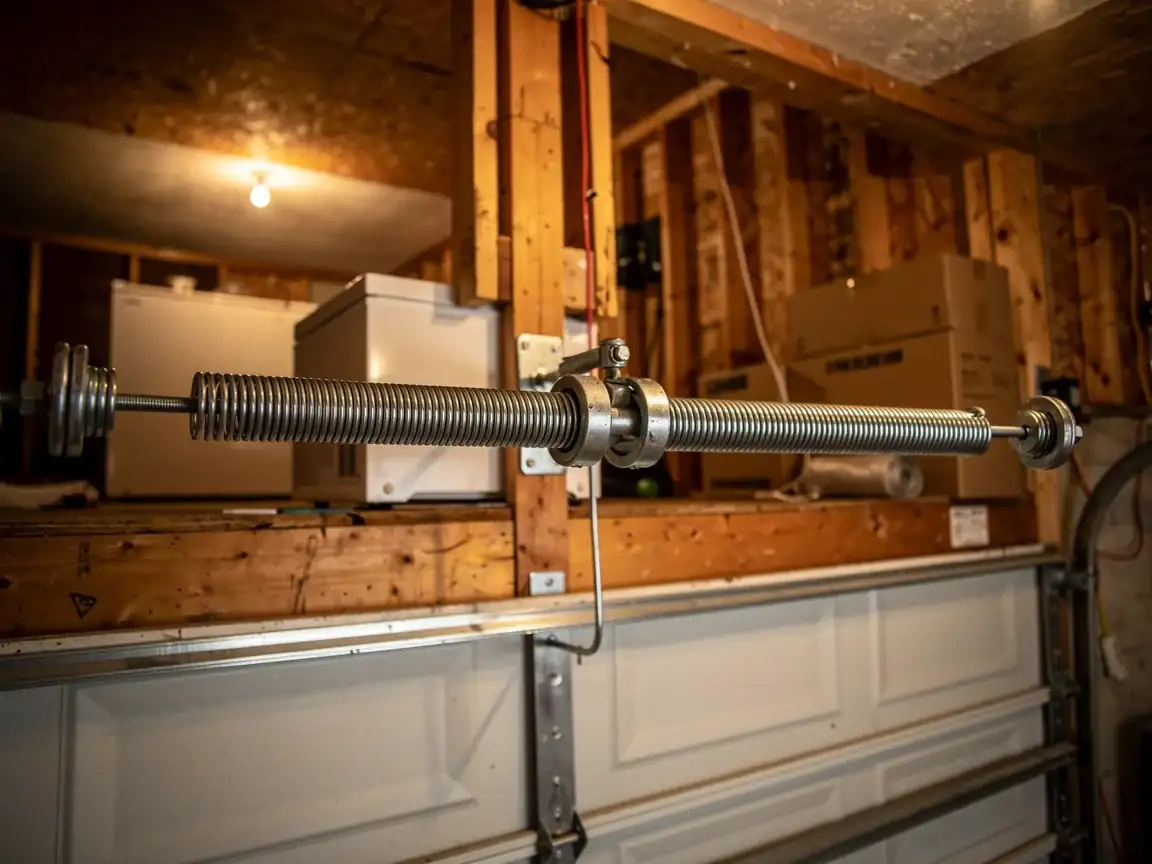
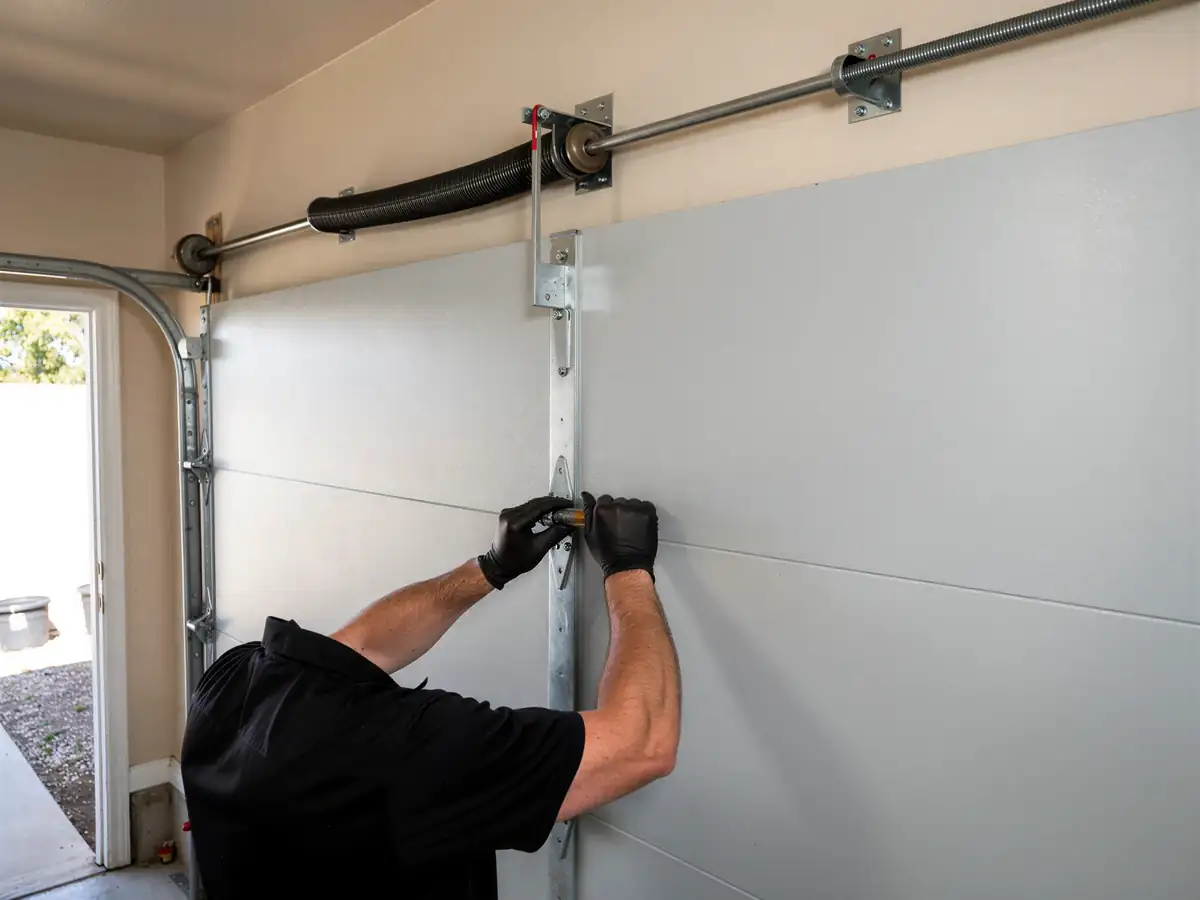
Our honest limit here: we don't recommend DIY on the two bottom rollers next to the cables and bottom brackets on a torsion-spring door. Those are under tension, and loosening the wrong bracket while a spring is wound can put a cable or bracket into motion you don't want near your hands. Rollers in the middle of the track are low-risk to handle yourself if you're comfortable with a ladder and a socket wrench. The ones near the bottom brackets are where we'd rather you call.