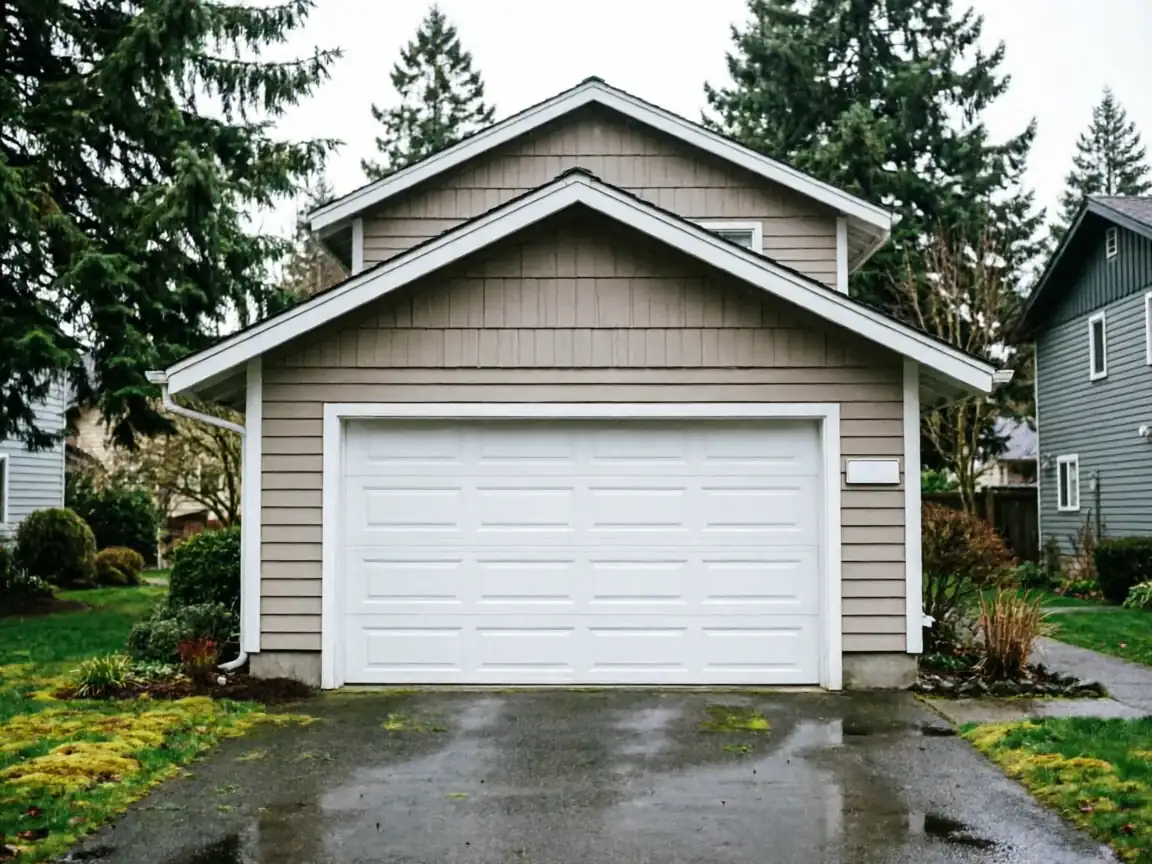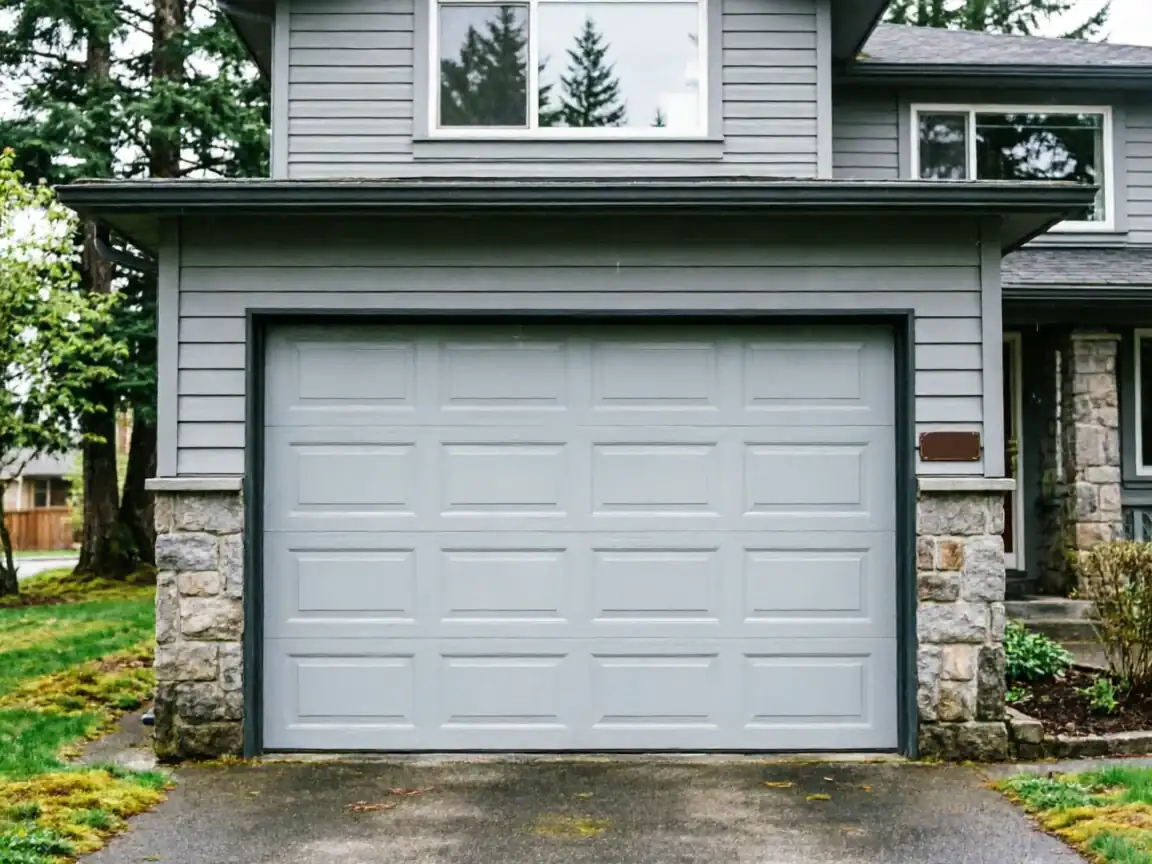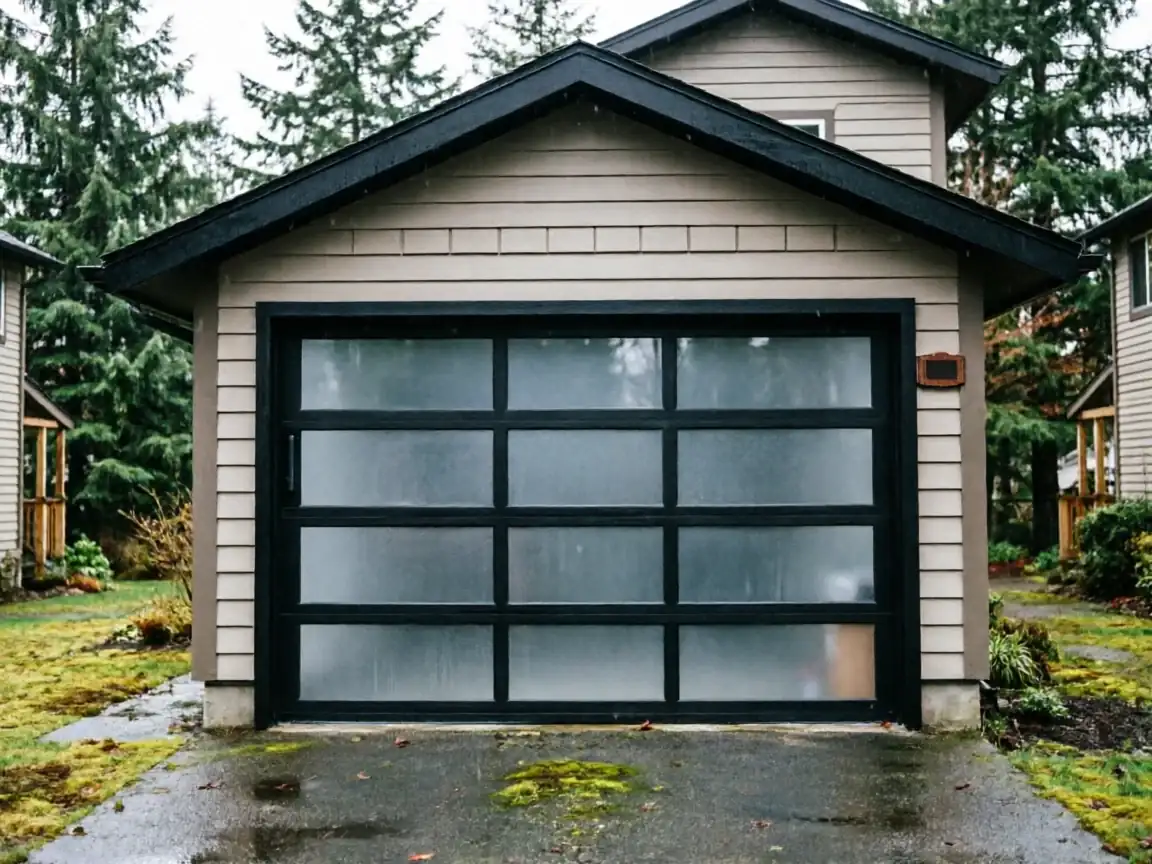
The DIY Question
The fault we see most out here is a snapped extension spring on a door that's never been touched since it went in
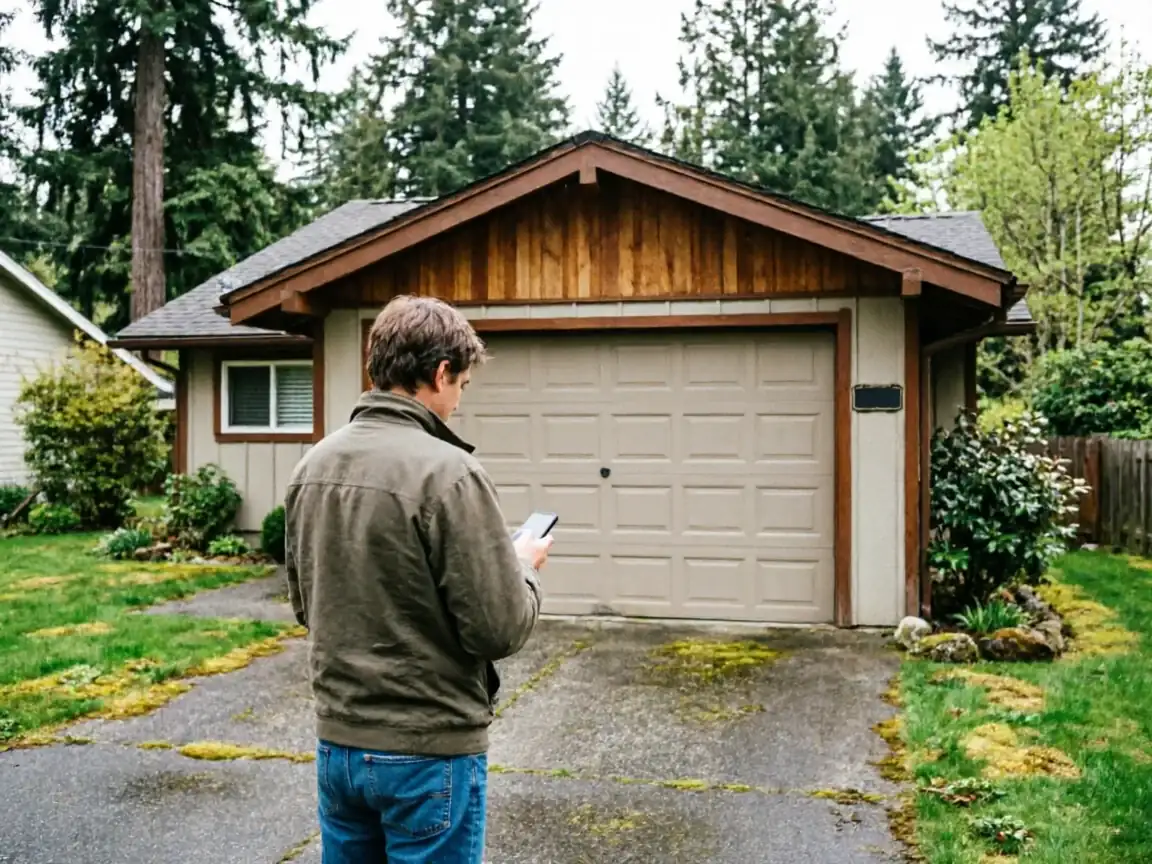
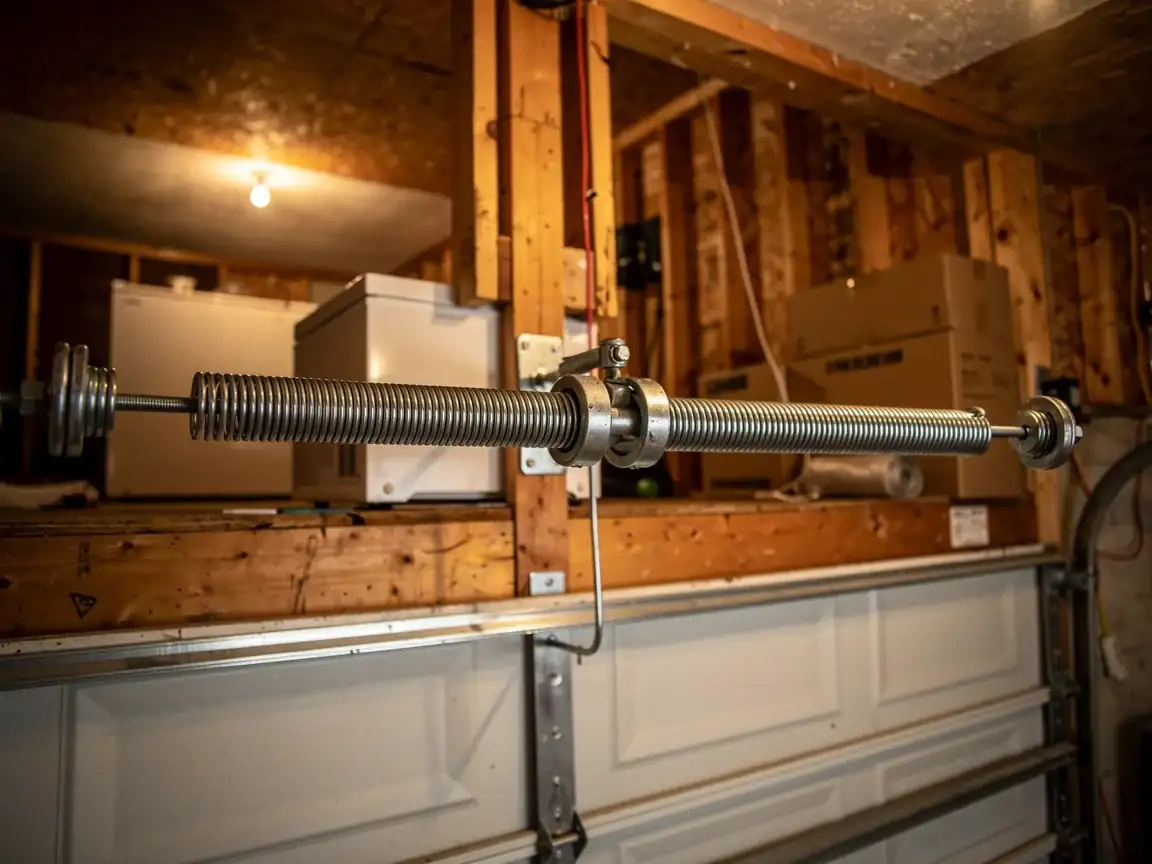
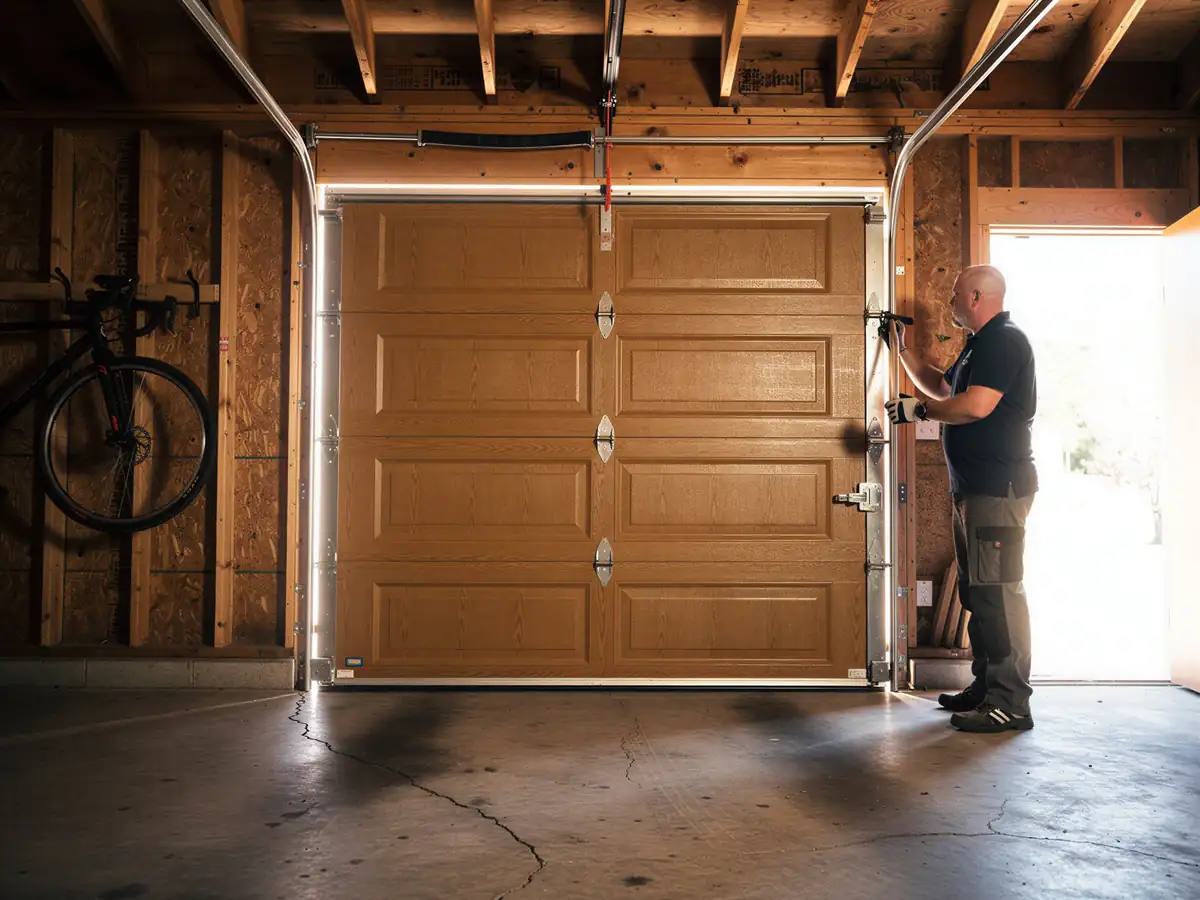
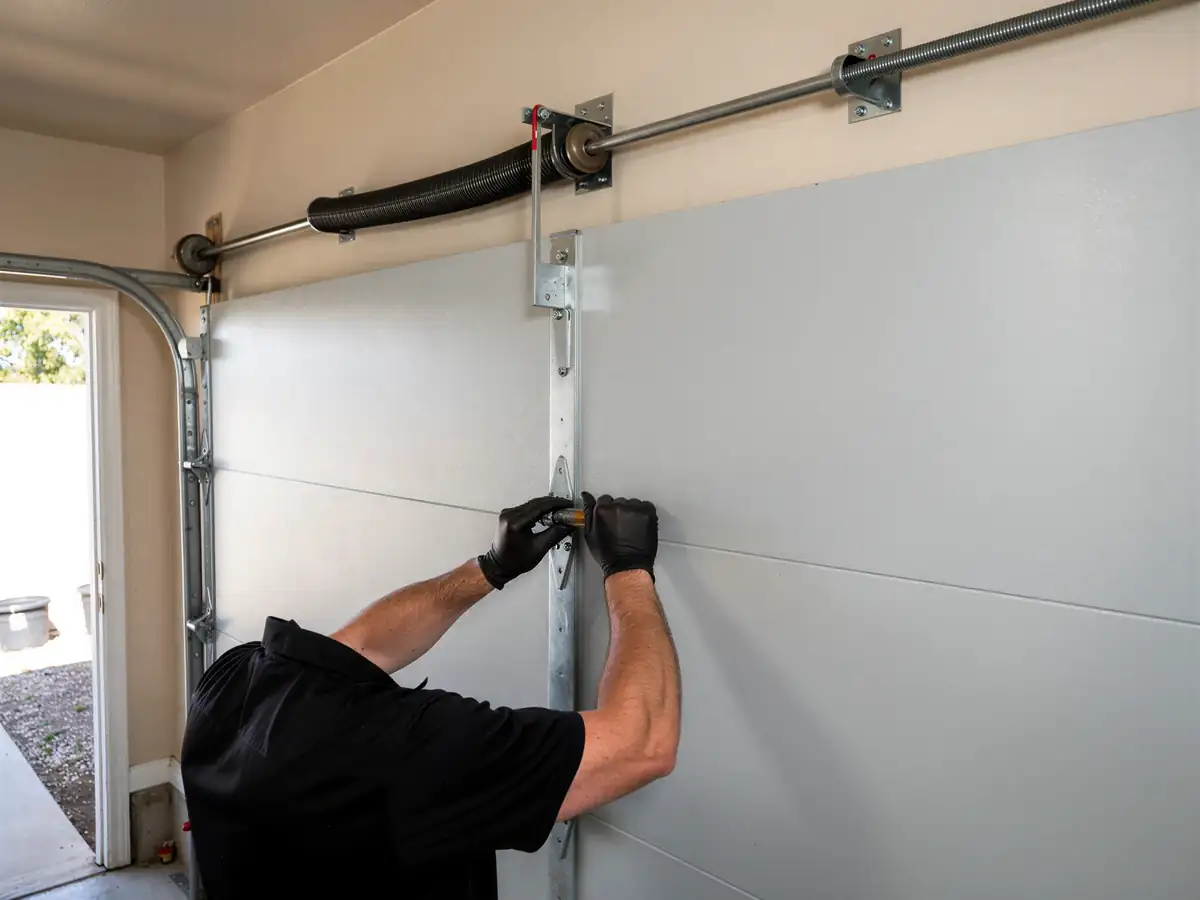
Beavercreek's housing stock centers on a 1979 median build year, which puts a lot of these garages squarely in the extension-spring era, before torsion setups became the standard on new construction. Extension springs don't fail quietly. One side lets go, the door racks sideways in the track, and now you've got a 150-pound panel hanging on one cable.
That's not a YouTube fix
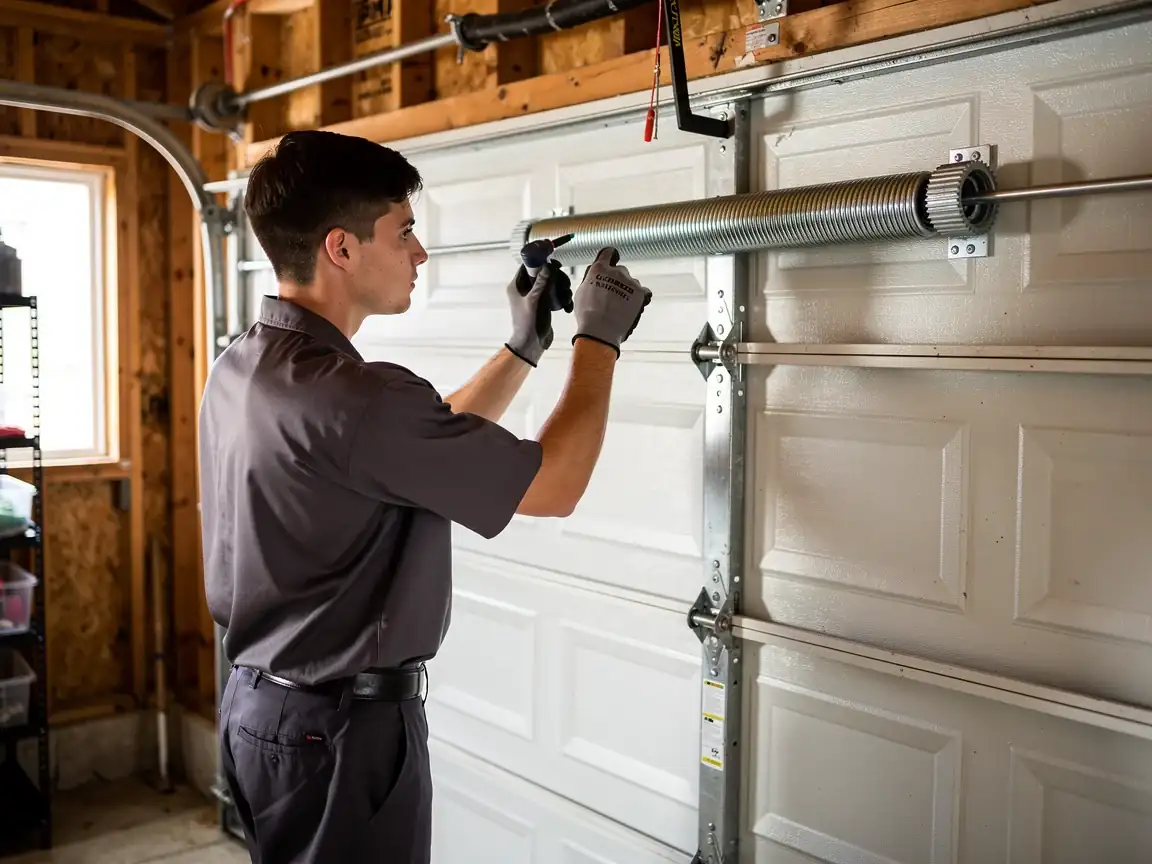
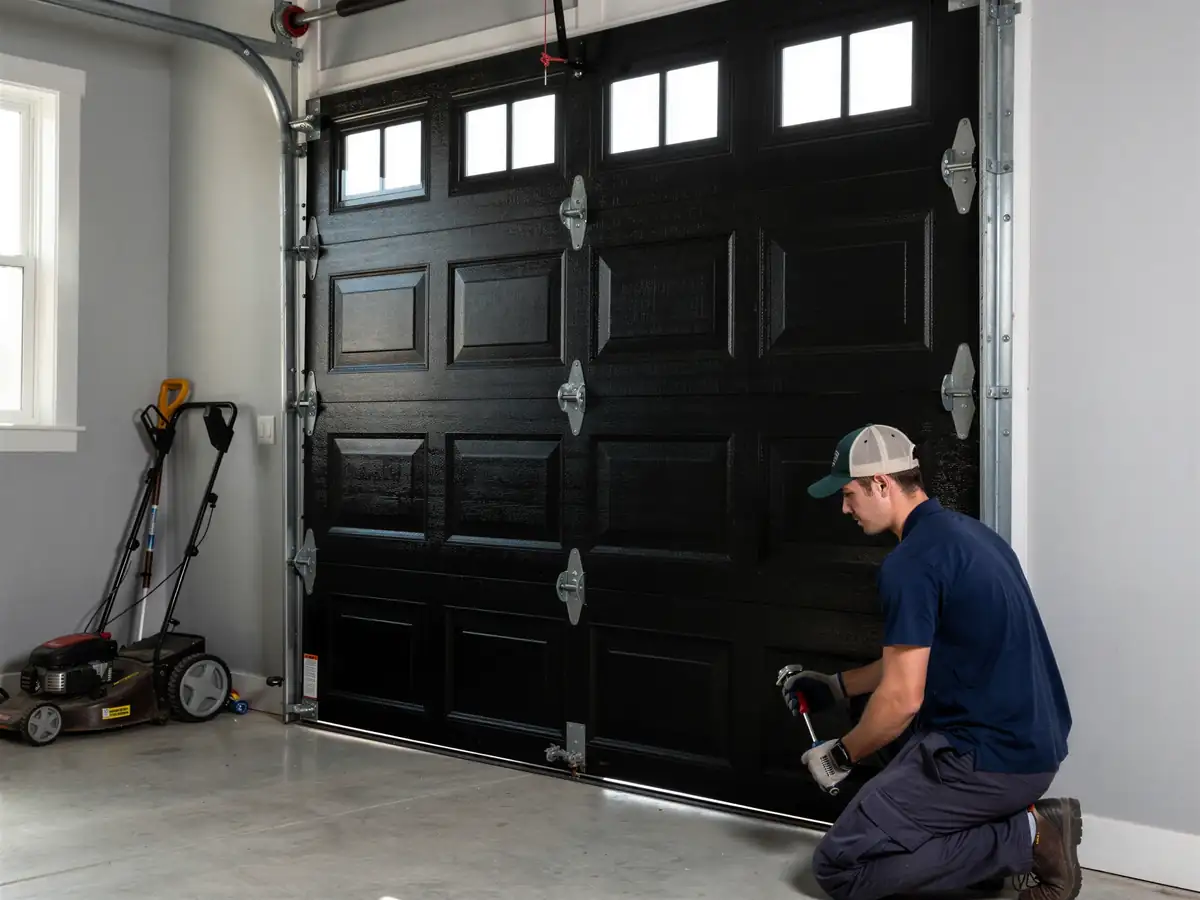
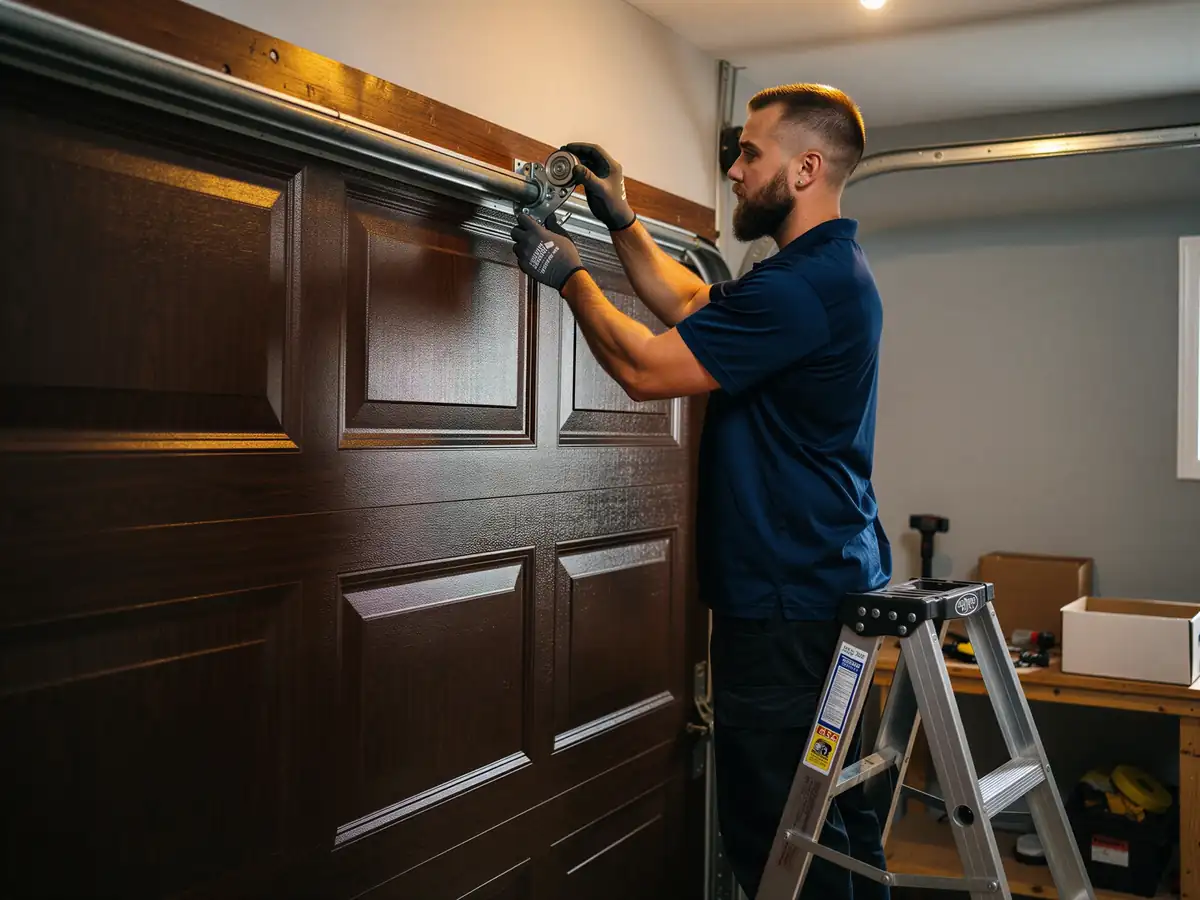
Extension springs store enough energy to put someone in the ER, and on a door this old the cable pulleys and safety cables are usually just as tired as the springs. If the door won't move, or it moves but drops crooked, stop pulling on it. Call it in. We're honest that some of these jobs are a twenty-minute cable swap and some need the whole spring-and-pulley assembly replaced because one worn part took the rest down with it. You won't know which until someone looks at it.
Parts We Carry
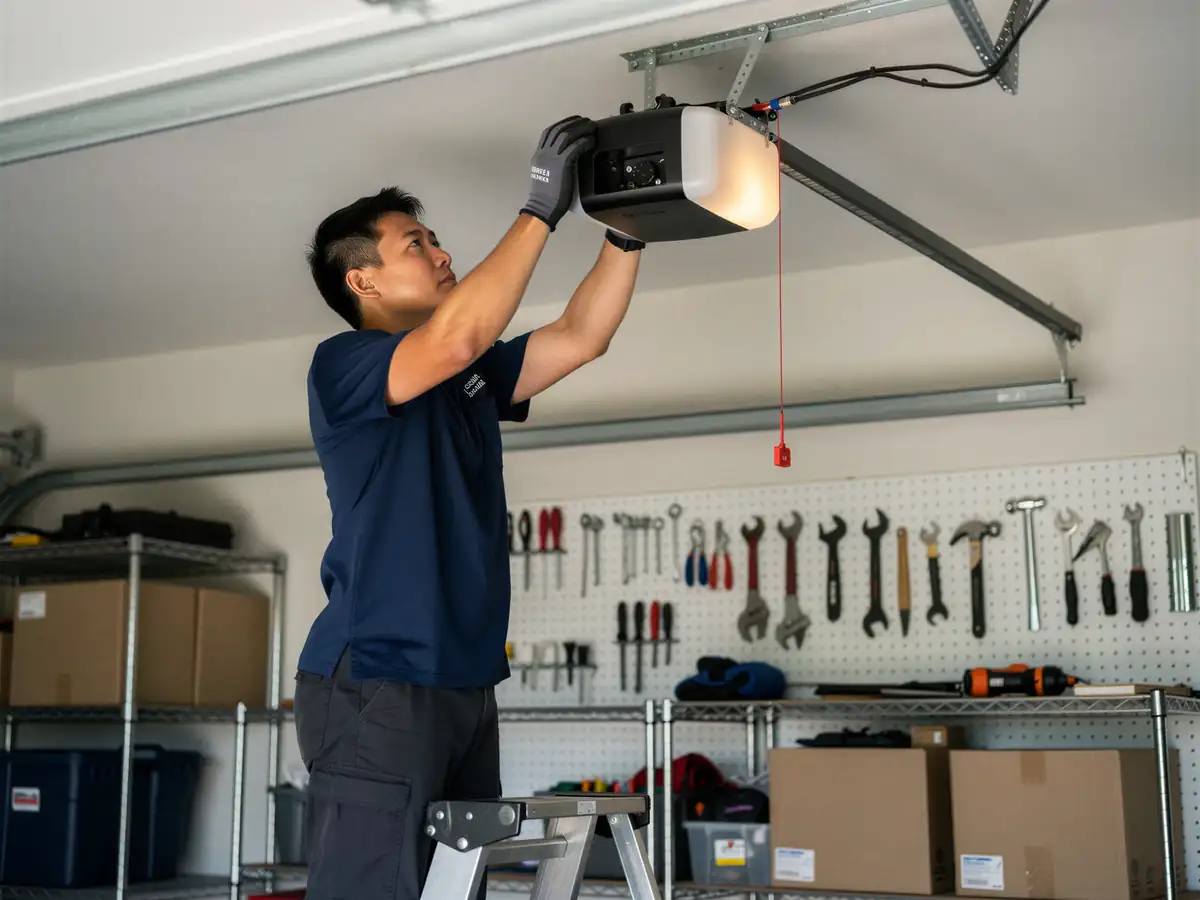
We stock the parts that actually match what's on the road out here: extension springs in the common cycle ratings, standard torsion springs for the newer conversions, galvanized lift cables, and steel rollers to replace the nylon ones that have gone brittle after four decades in an unheated garage. Openers from the late 70s through the 90s show up a lot too - chain-drive units with worn sprockets or dead logic boards.
What we don't carry on the truck is anything proprietary to a specific smart-opener brand released in the last couple of years. If your door has a newer opener with a part that needs ordering, we'll tell you that up front instead of pretending we can finish it same-visit. That's the one honest gap: parts for 1960s-1990s hardware, we've got. Brand-new electronics sometimes mean a short wait.
How Long You Are Without the Door
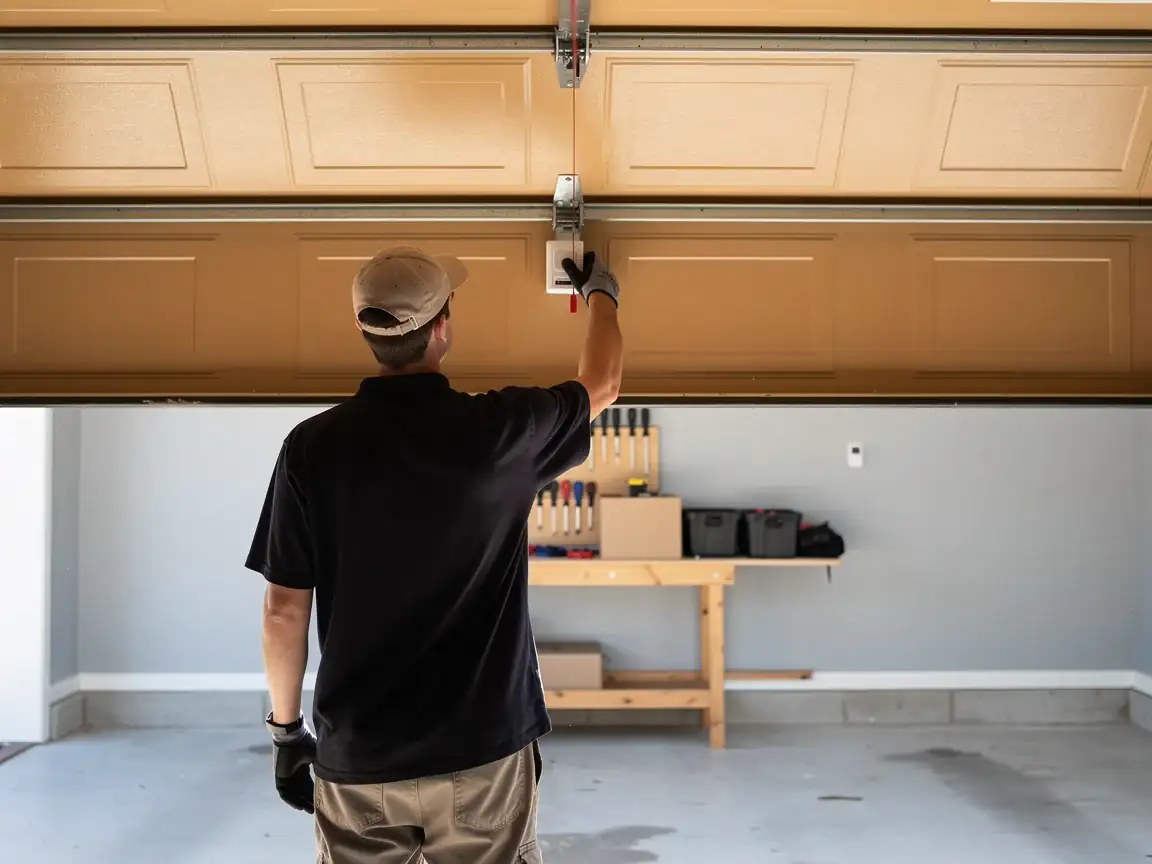
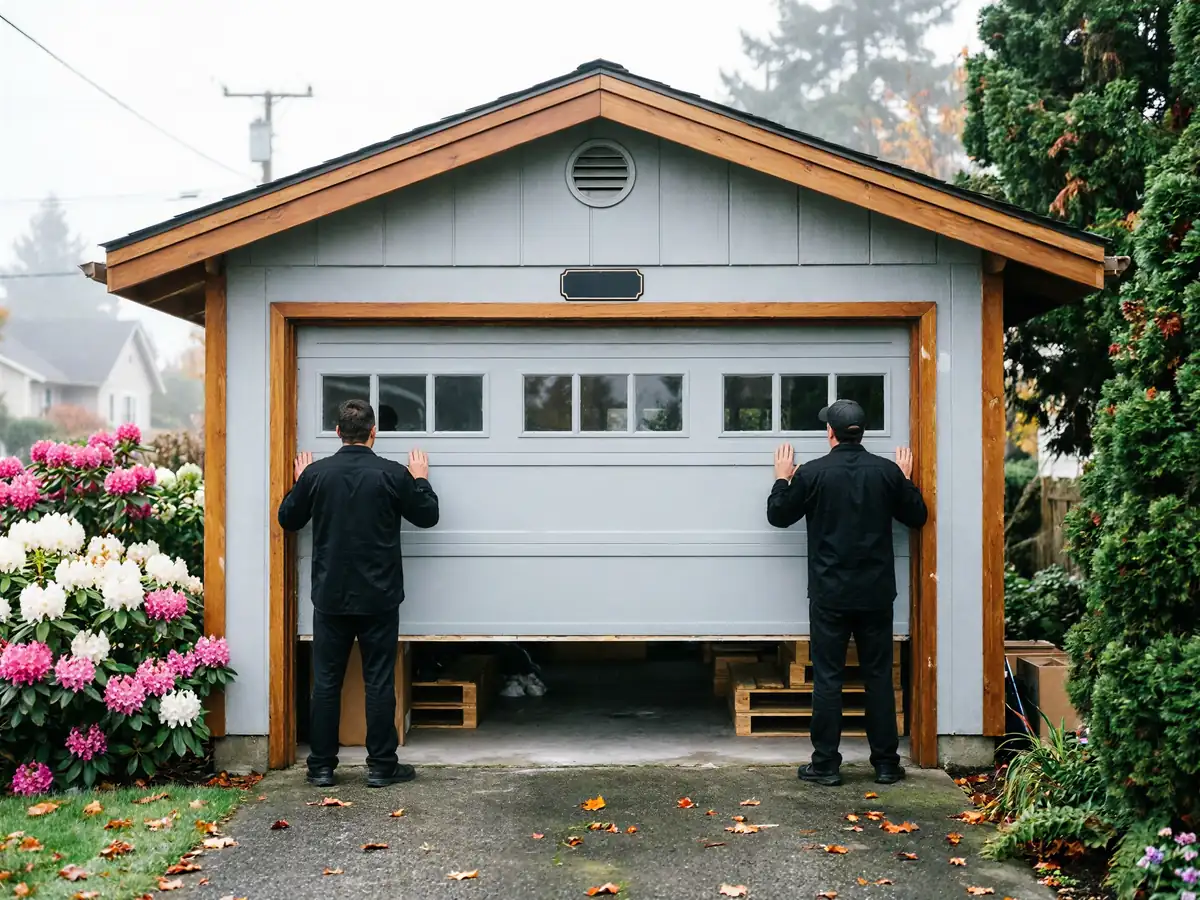
Beavercreek sits about six miles out from our Oregon City base, so the drive itself isn't the bottleneck - it's whether the fix is a part-swap or a teardown. A broken spring or snapped cable on a standard door is usually a same-visit repair once we're there, because those are the parts we're already carrying. A bent track from a car backing into a closed door, or a panel that's cracked clean through, takes longer because the door has to come off the opener and sometimes off the hinges entirely to assess what's underneath.
We won't quote a fixed number of hours here, because we don't have a timed guarantee to point to - only an honest read of what the job in front of us actually needs.
The Complications
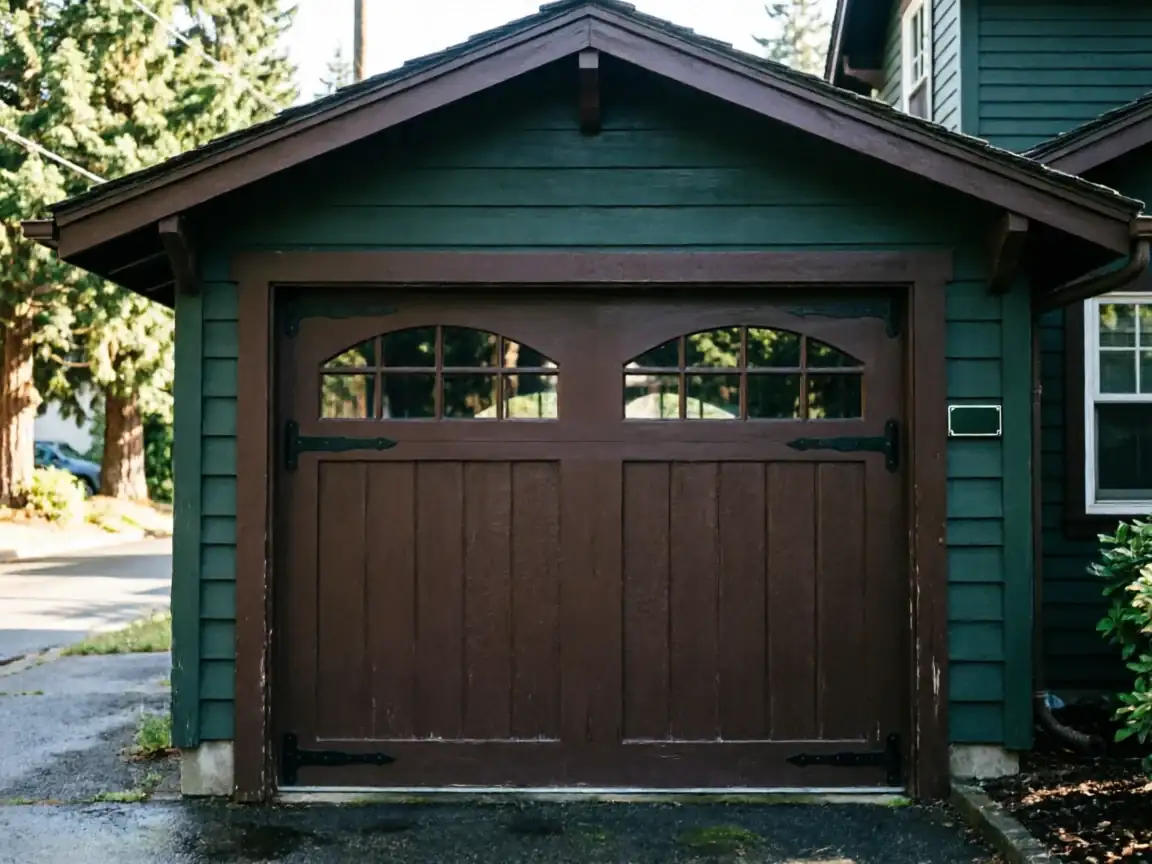
A 1979 build means original wood-composite panels on some of these doors
And wood doesn't age the way steel does. It swells, the seams separate, and screws that held fine for thirty years start pulling out of soft wood around the hinges. We see that more in Beavercreek than in newer construction nearby, simply because of when the neighborhood went up.
The other complication is the climate band this area sits in
Cold and moderate, not the Portland-metro mild strip. Garages here see real temperature swings season to season, and metal contracts. A torsion spring that was already stretched thin from age breaks faster on a cold morning than it would in August. If your door's acting up right before or during a cold snap, don't wait on it - that's usually the point where a weak spring finally lets go.
The Cost of This Job
We don't publish a flat price for emergency calls because spring jobs, cable jobs, and track jobs don't cost the same, and a door with original 1979 hardware sometimes needs more than the one part that failed. What we can tell you is that Beavercreek households have a median income noticeably higher than the broader service area average, and we've found that doesn't change what the job costs - it changes whether people replace an aging door outright instead of patching it a third time. If your springs are original to the house, replacing the full set is usually the better call financially over patching one side.