The DIY Question
Beavercreek's houses carry a median build year of 1979
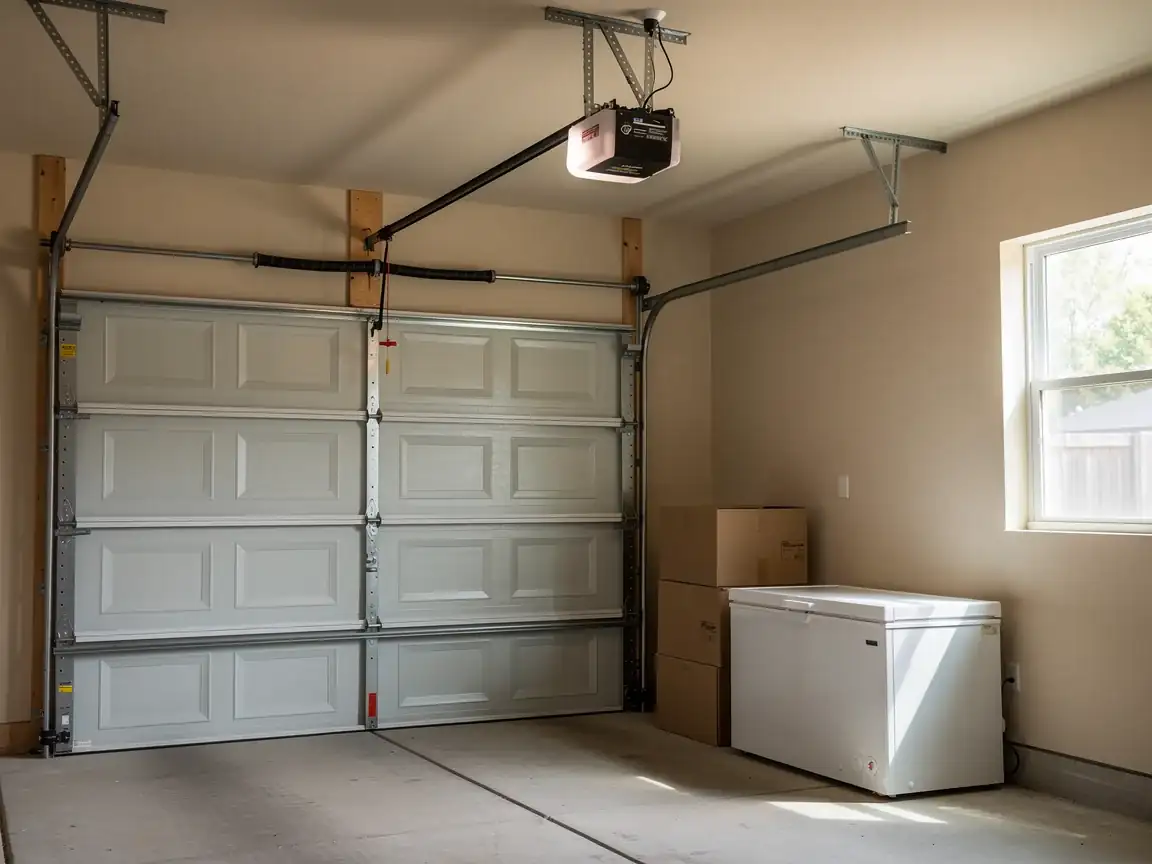
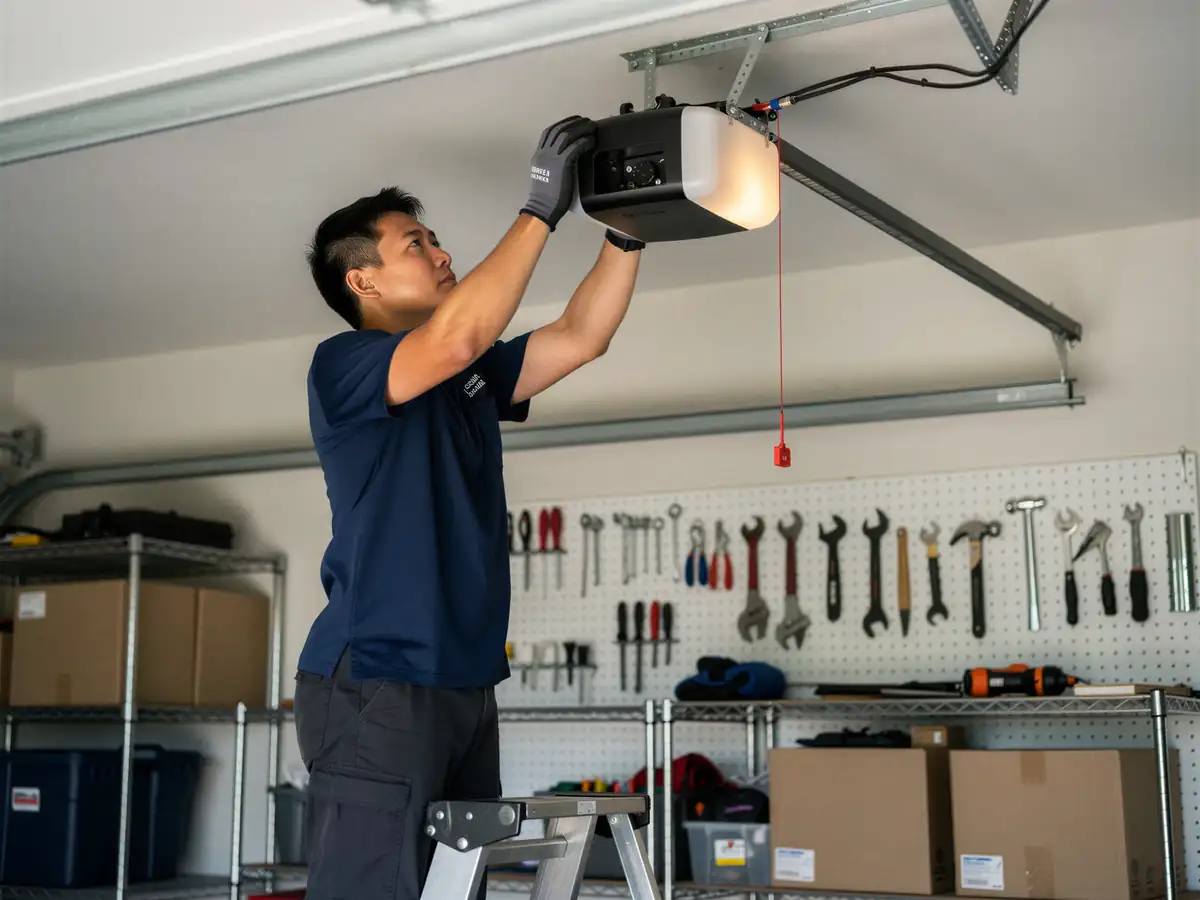
Which puts a lot of this area's garage doors and openers right at the point where the original hardware is still doing the job nobody ever replaced. That's not a knock on the owners - it's just what happens when a door works well enough that nobody thinks about it until it doesn't. The spring, the rollers, even the opener motor in a fair number of these 1,630 households are older than the warranty sticker suggests.
- 1,630 households
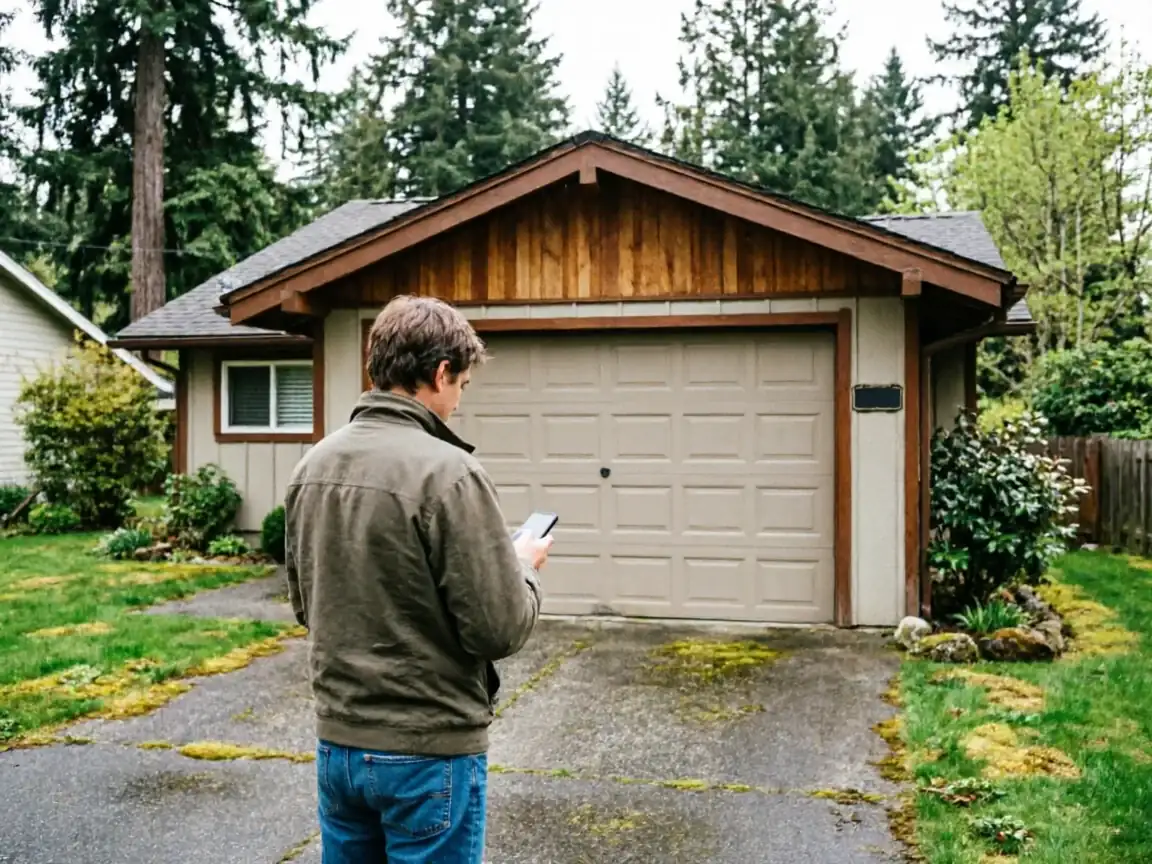
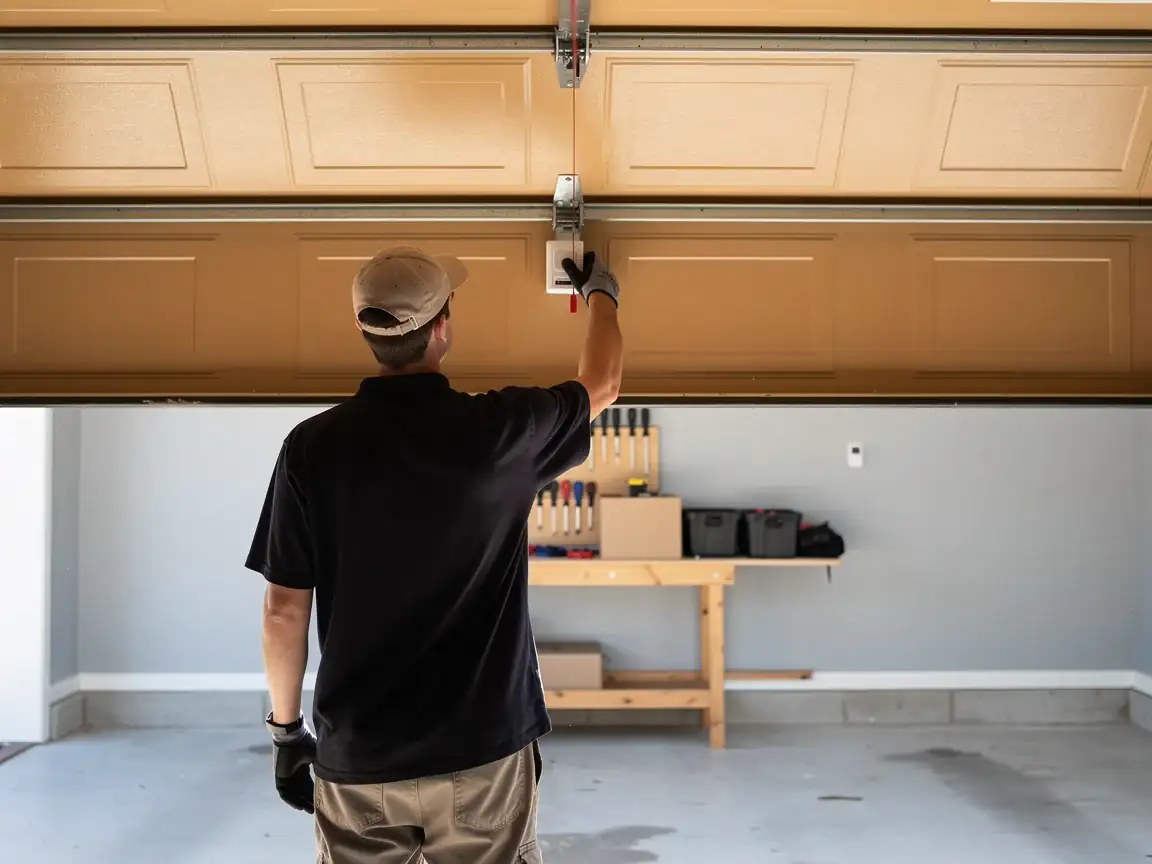
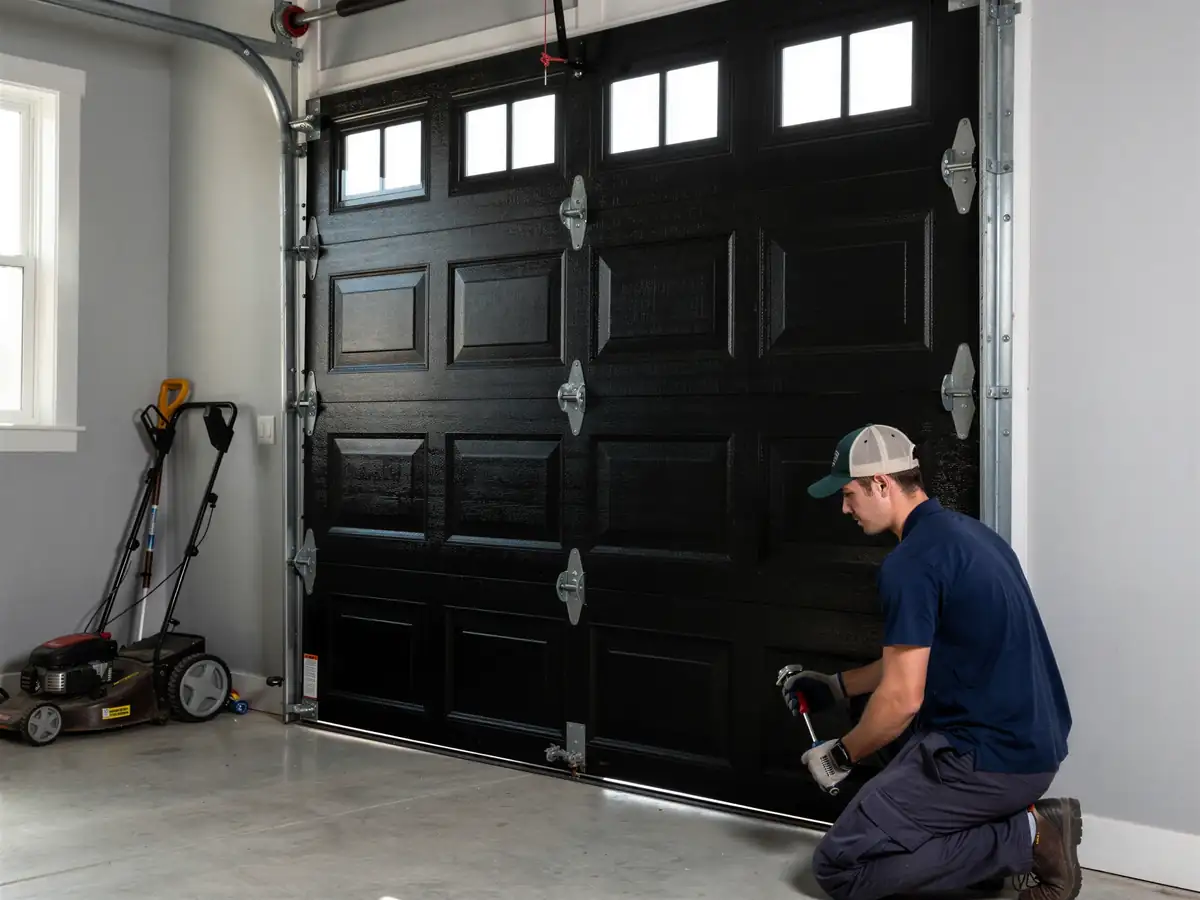
You can do some of this yourself: wipe the tracks, check the weatherstrip, listen for grinding
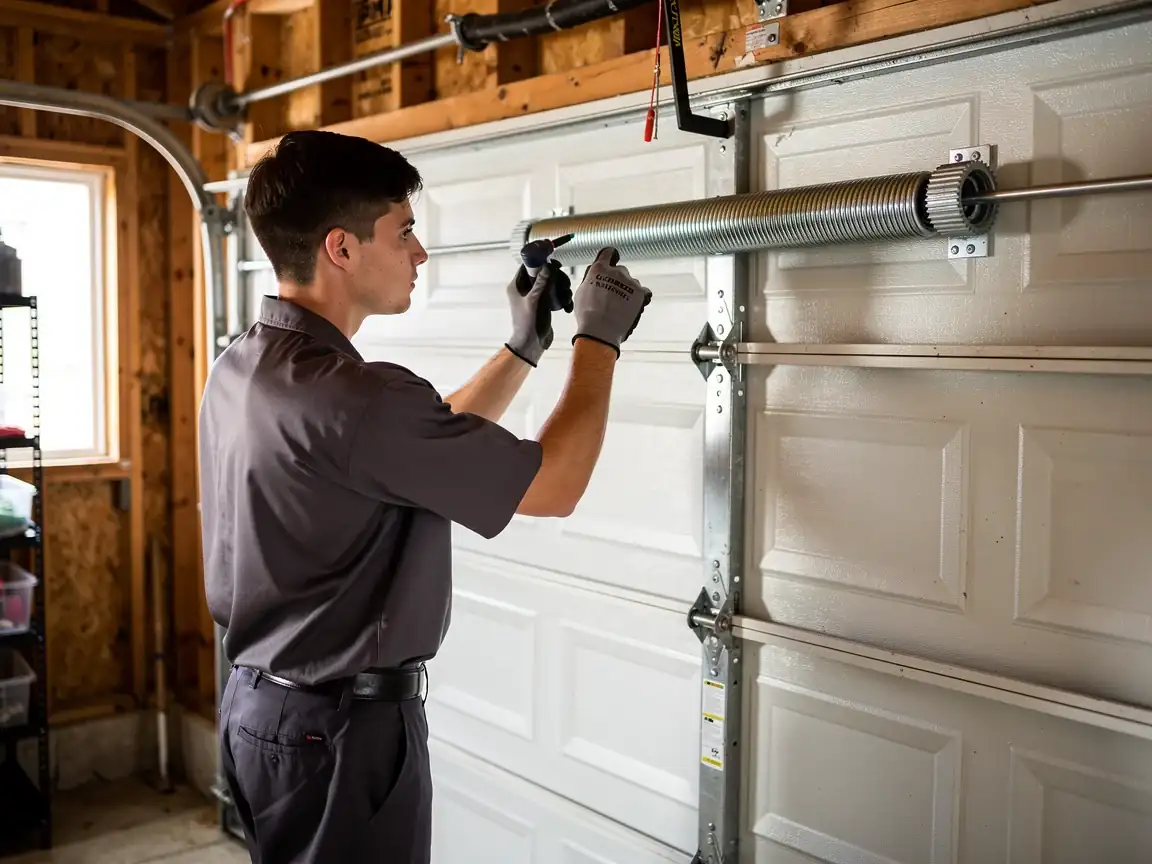
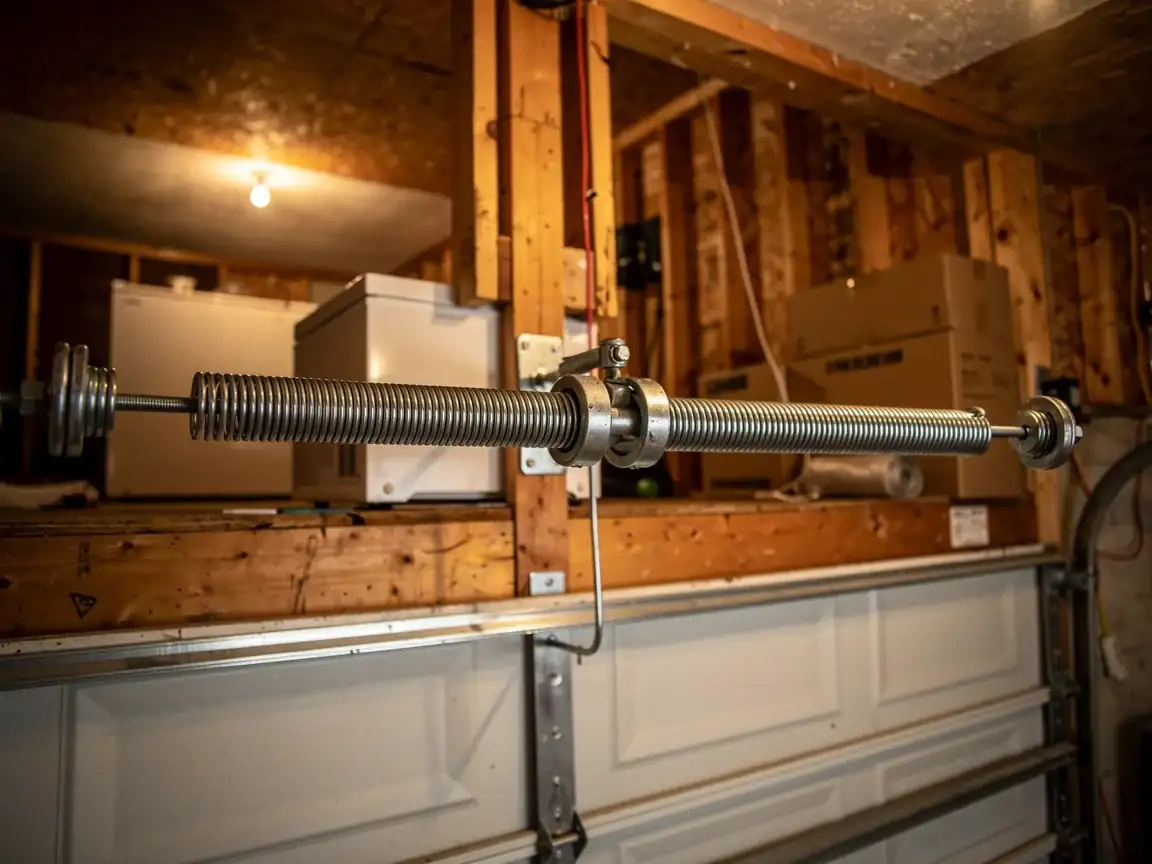
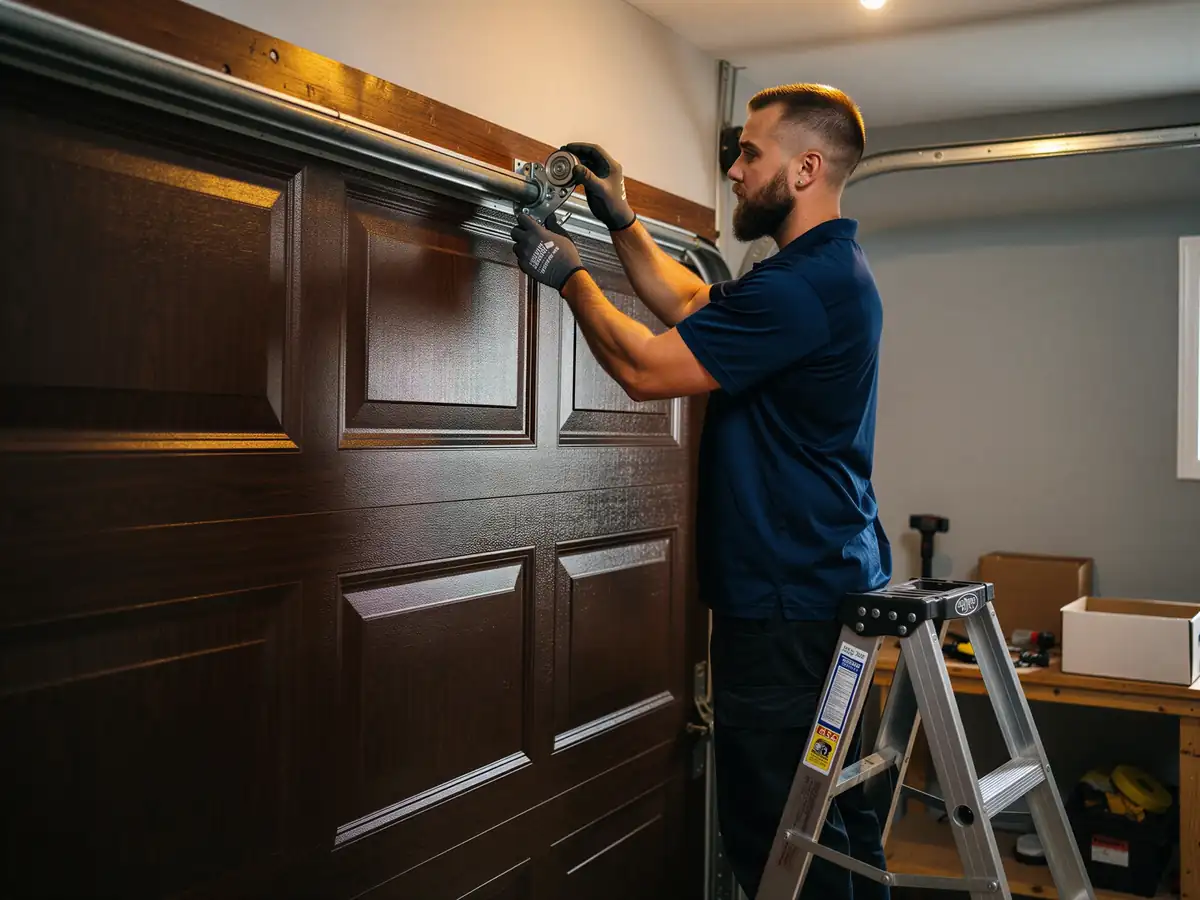
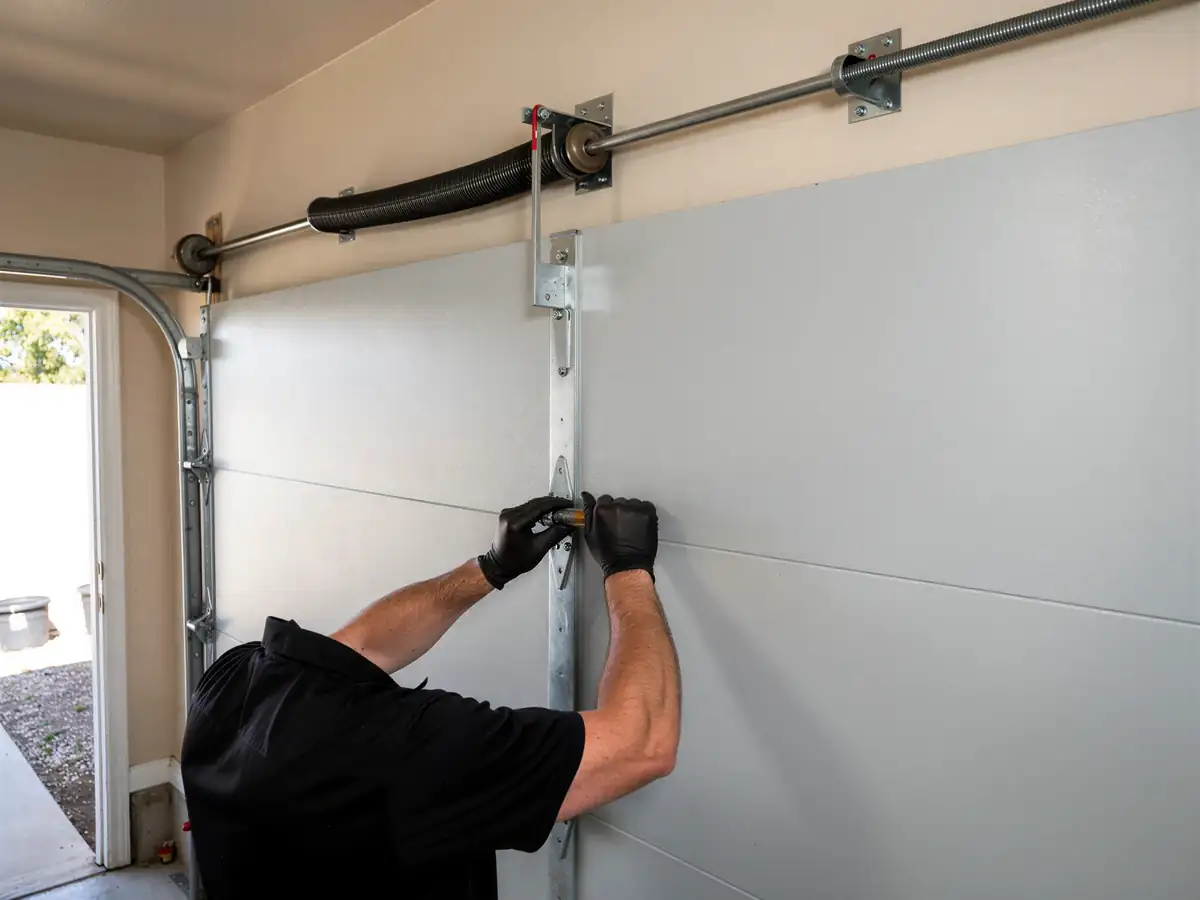
What you shouldn't touch is the torsion spring itself. It's wound under enough tension to do real damage, and on a door this age, the spring is often sized for hardware that's no longer stocked the way it used to be. Lubricating hinges and rollers is a fine weekend job. Balancing or replacing a spring on a 40-plus-year-old door is not a first-timer's project, and it's not where the savings are worth the risk.
Parts We Carry
We stock what a house built around 1979 is most likely to need: standard torsion springs in the common residential sizes, steel rollers, and cable for both sectional and older one-piece setups. Beavercreek sits in the cold-moderate climate band this region shares, which means hardware here deals with seasonal temperature swings that stiffen lubricant and shrink cable over the years - not dramatic weather, just steady wear.
What we don't carry on the truck is anything proprietary to a specific manufacturer's discontinued opener line. If your opener is old enough that the company that made it no longer makes parts for it, we'll tell you that straight instead of promising a fix we can't deliver. Sometimes the honest answer is a new opener, not a patched-up old one.
How Long You Are Without the Door
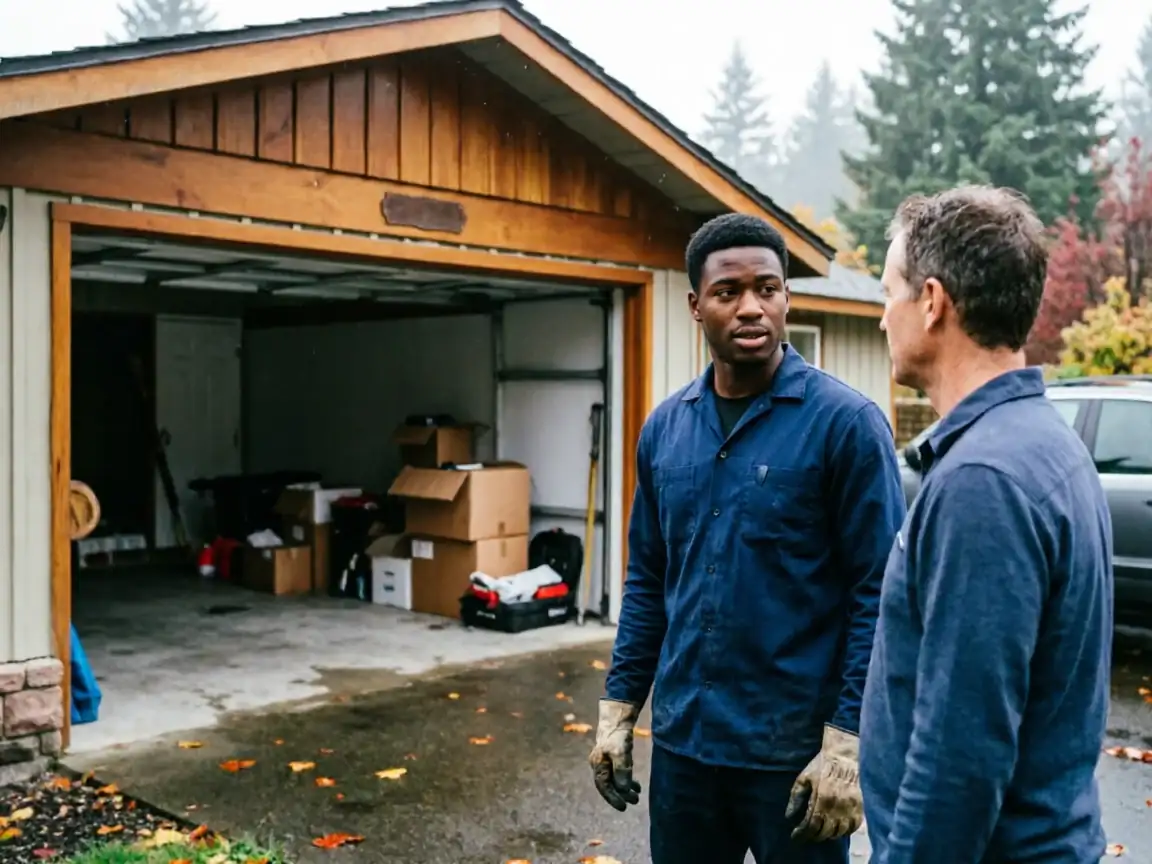
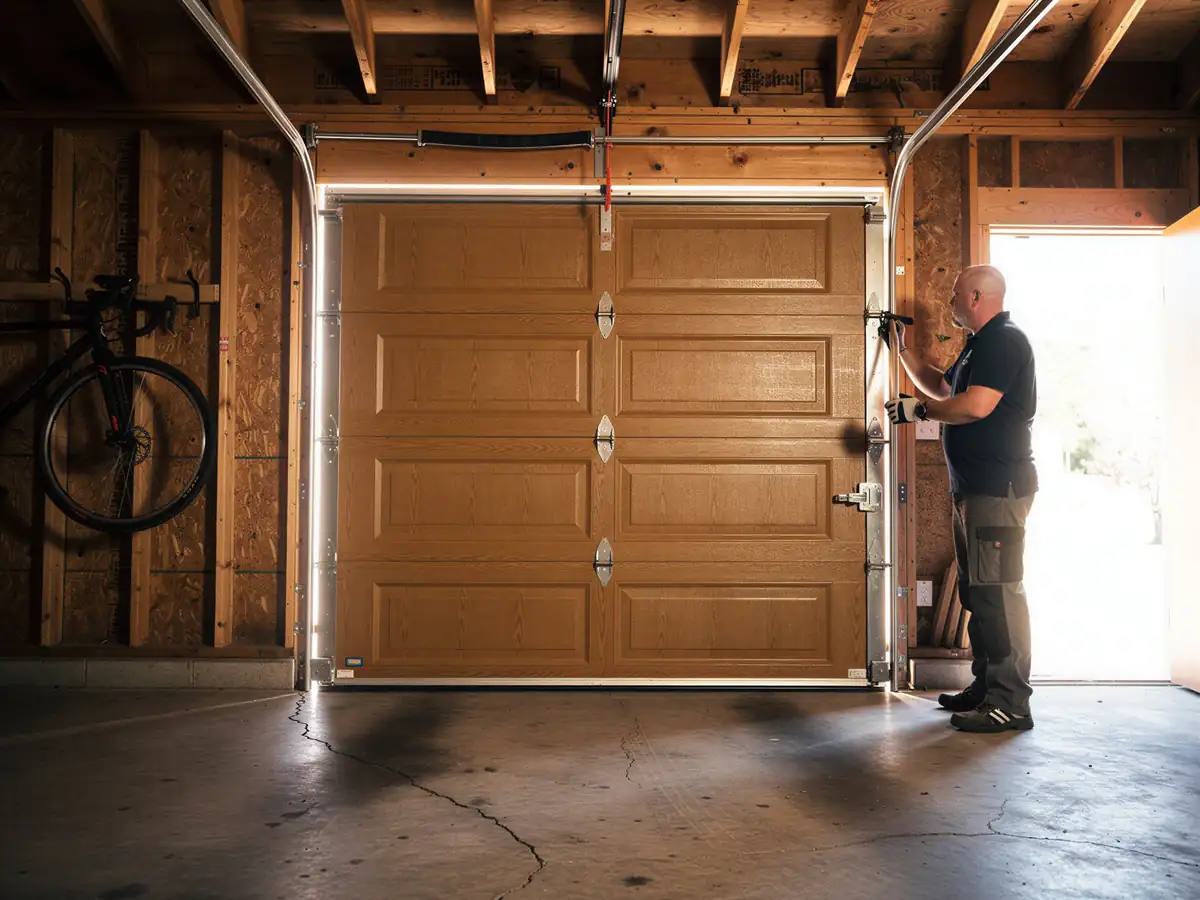
We work out of Oregon City, about 6 miles from Beavercreek, so the drive is short but it's still a drive - we're not based in town, and we won't pretend otherwise. A standard maintenance visit, once we're on site, usually wraps in under two hours for a single door: inspection, lubrication, hardware check, balance test.
If we find a part that needs replacing and it's something we carry - a roller, a cable, a common spring size - we'll do it the same visit. If it's a part tied to an older or discontinued opener, that may mean a second trip once the part's in hand. We'd rather tell you that up front than leave you guessing.
The Complications
The main complication with Beavercreek's housing stock is mismatch
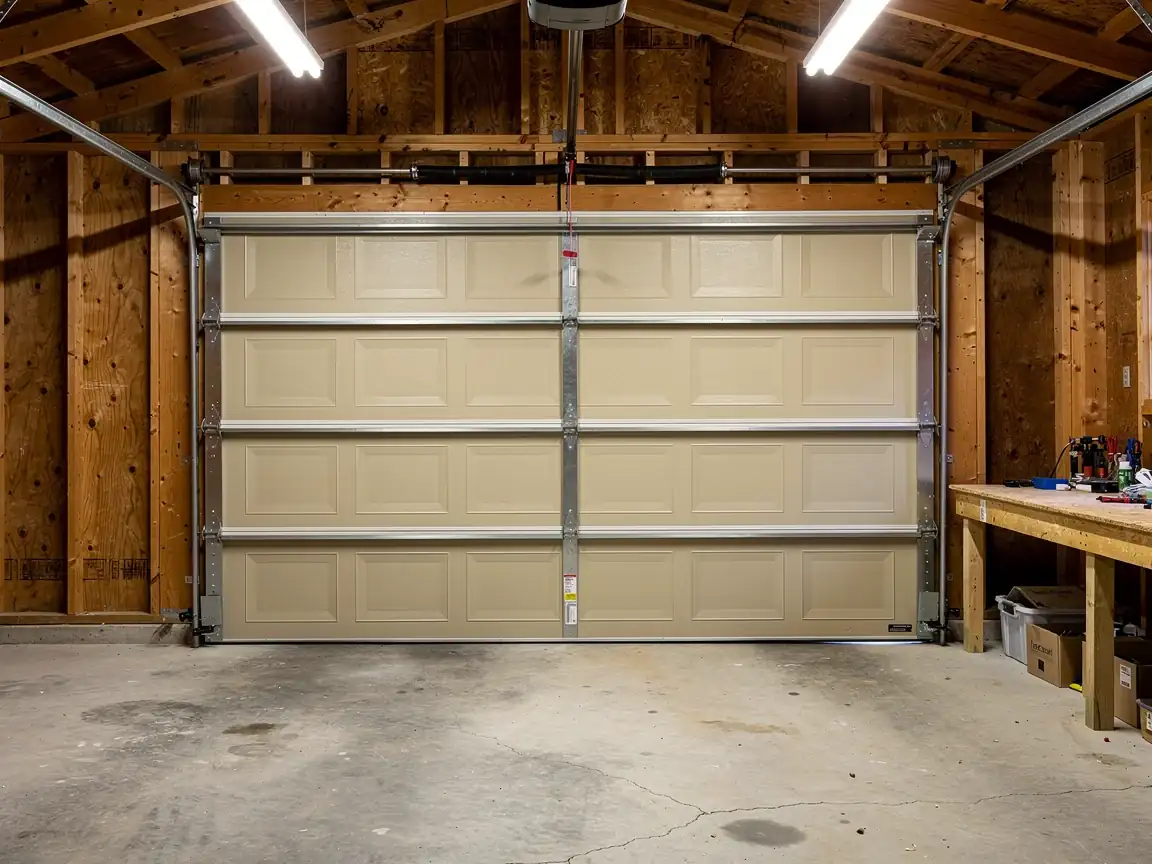
A door panel from one decade paired with an opener installed later, or hardware that's been partially upgraded and partially left alone. On a house built near 1979, it's common to find a spring that's been replaced once but rollers and cable that never have. That unevenness is exactly what makes a full inspection worth more than a spot fix - you catch the part that's about to go before it takes the opener motor down with it.
The other complication is access
Older garages weren't always built with a service door width or headroom that matches what's sold today, so a straight swap isn't always possible. We measure before we quote, not after.
The Cost of This Job
We don't publish a flat number for maintenance here because what a given door needs depends on what's original and what's been touched already - and in a neighborhood where houses run a median build year of 1979, that varies house to house more than it would in a newer subdivision. What we can tell you is that a maintenance visit is priced as labor plus whatever parts we install that day, and we quote before we start work, not after.
Beavercreek households also run a higher median income than the wider service area, which sometimes means owners want the fuller fix - opener included - rather than a patch. That's a homeowner's call either way, and we'll lay out both options plainly.