Parts We Carry
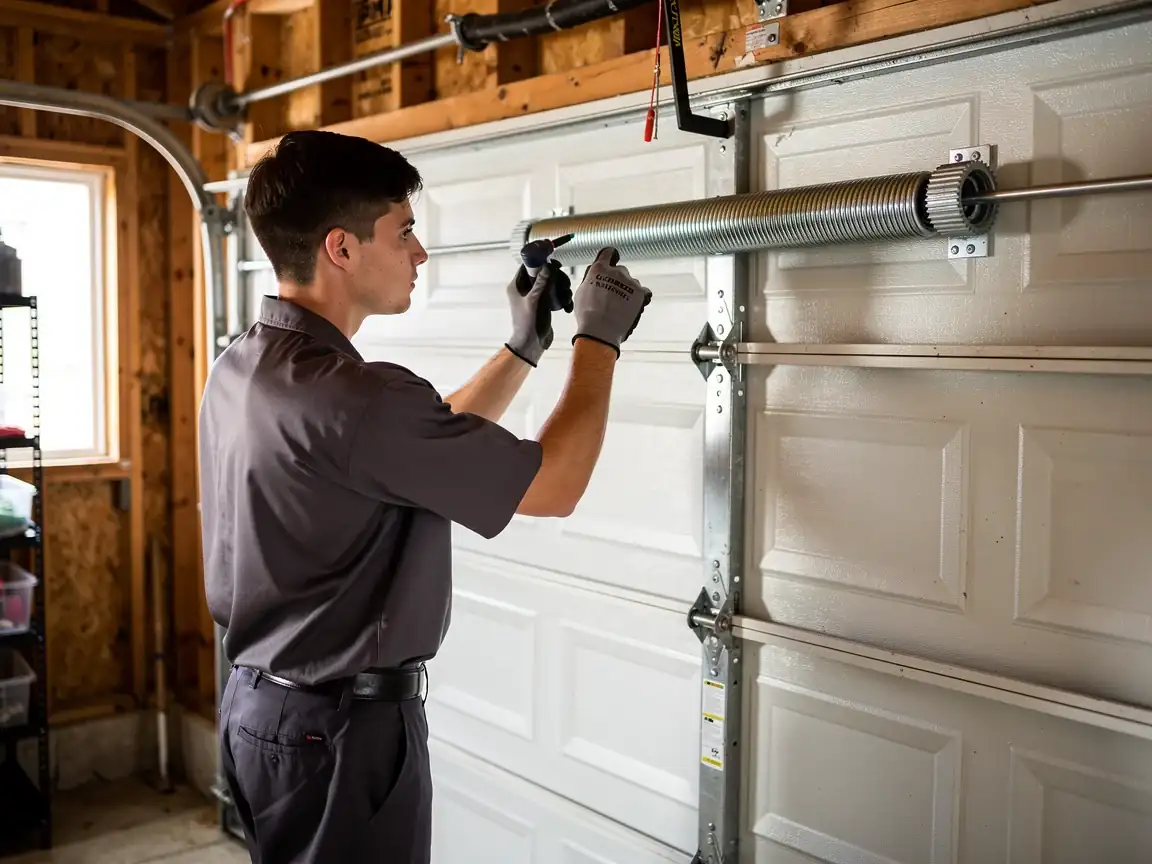
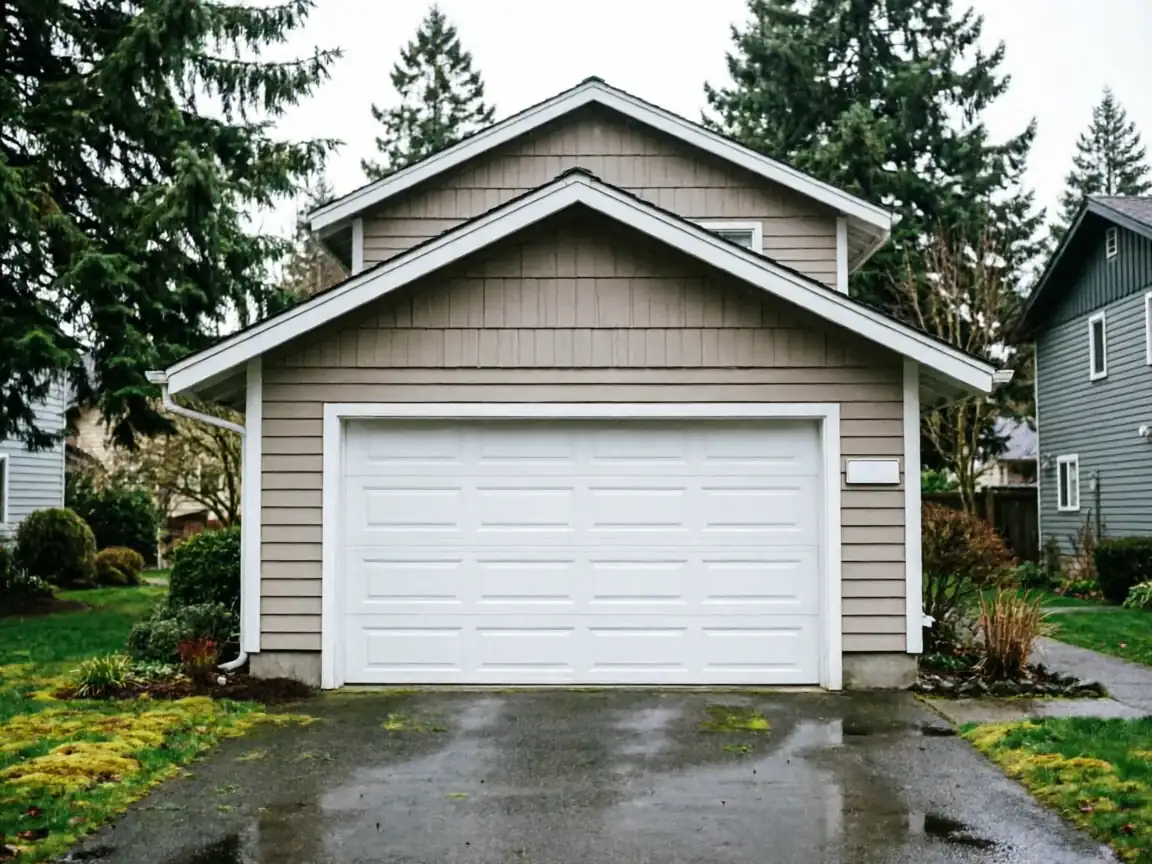
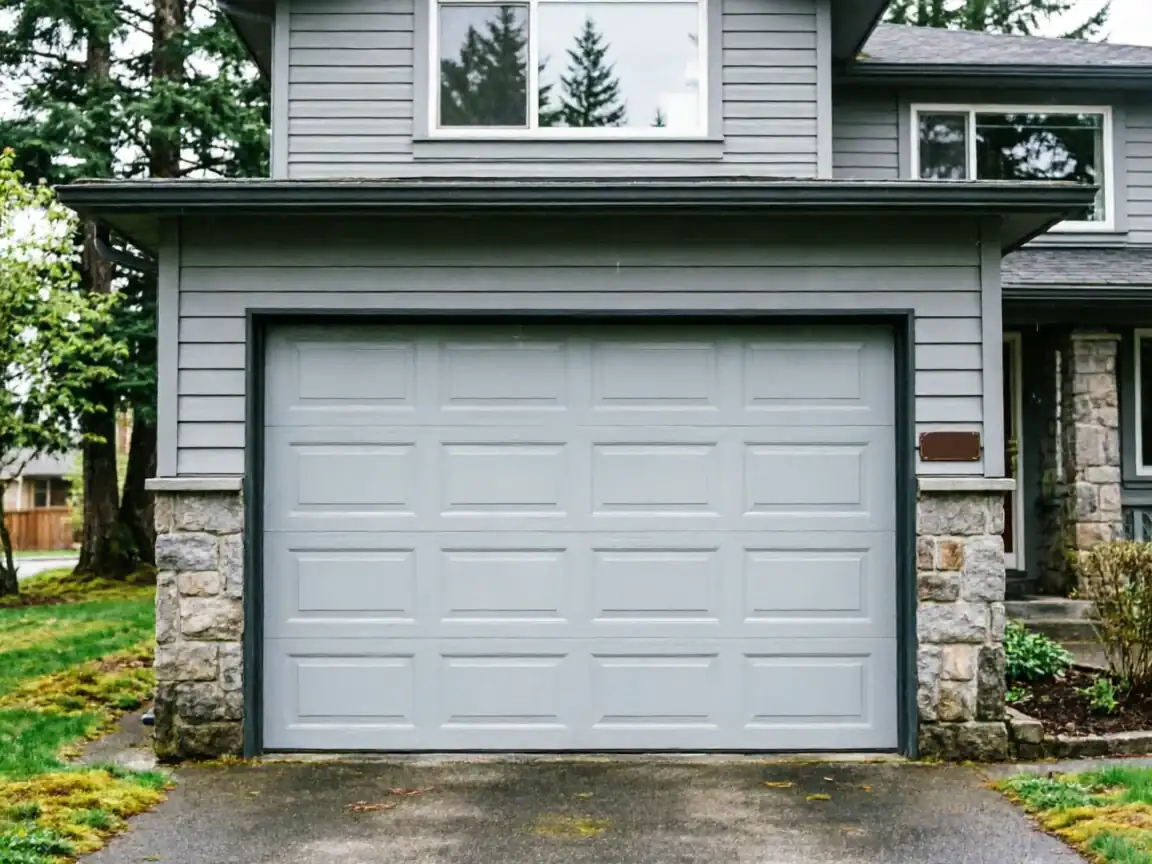
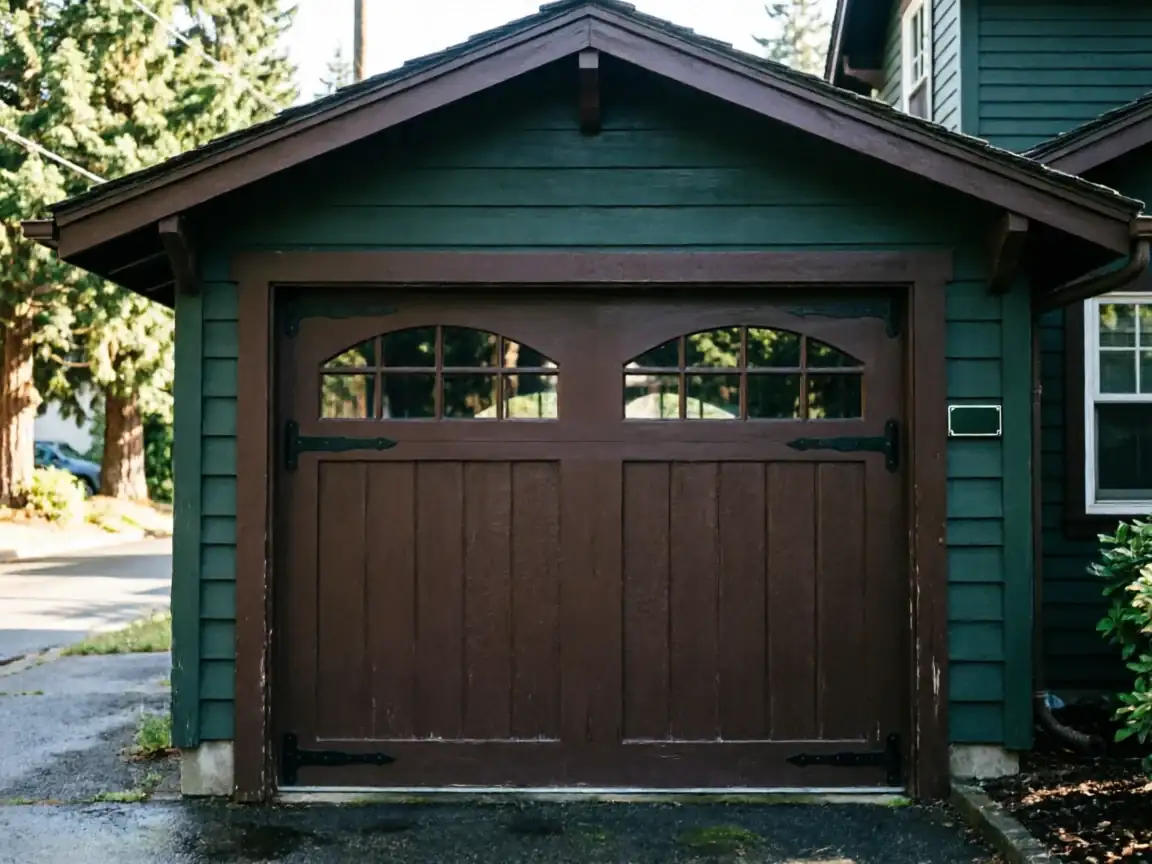
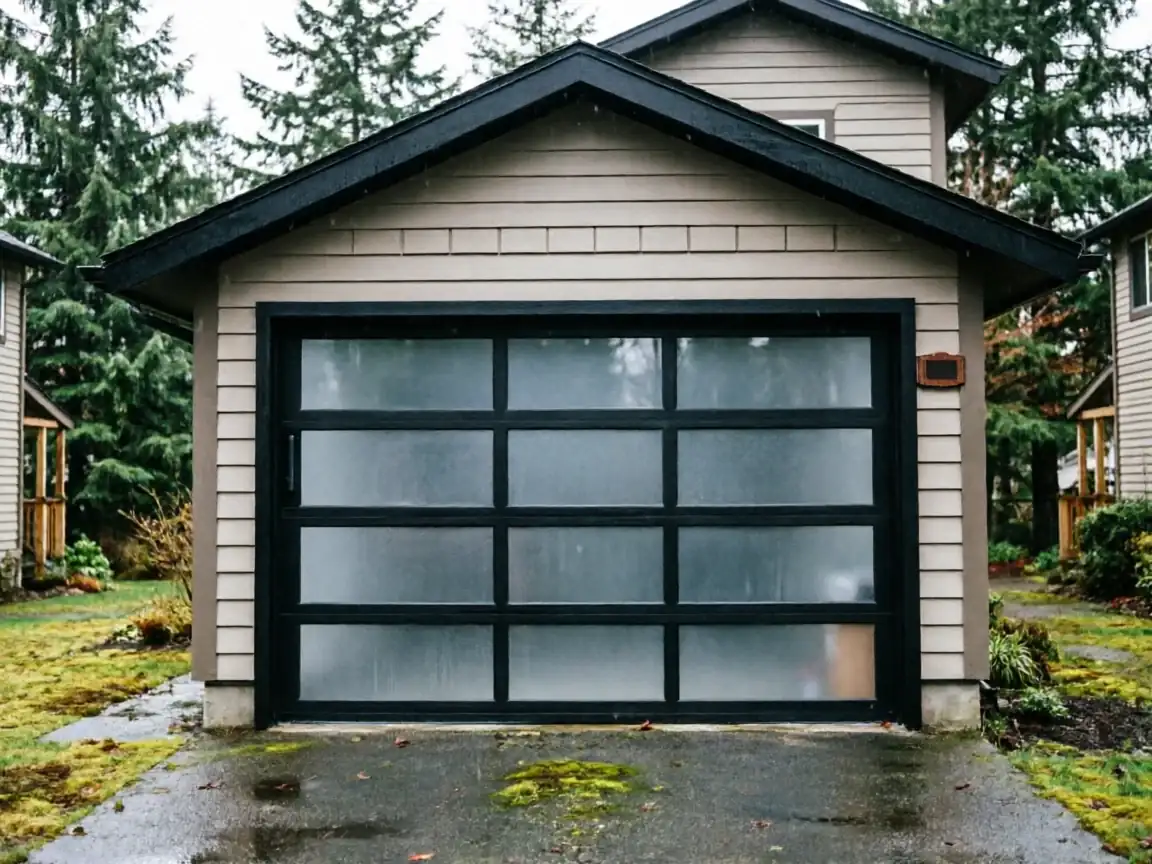
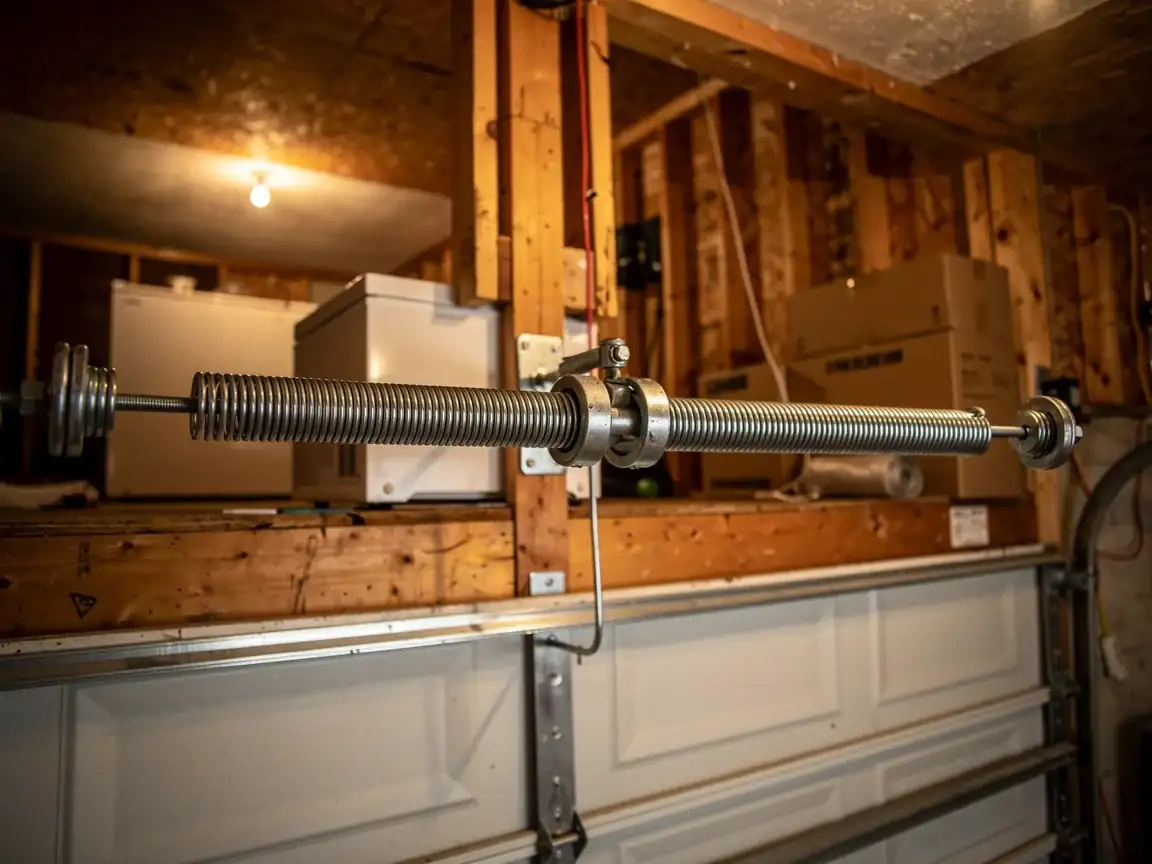
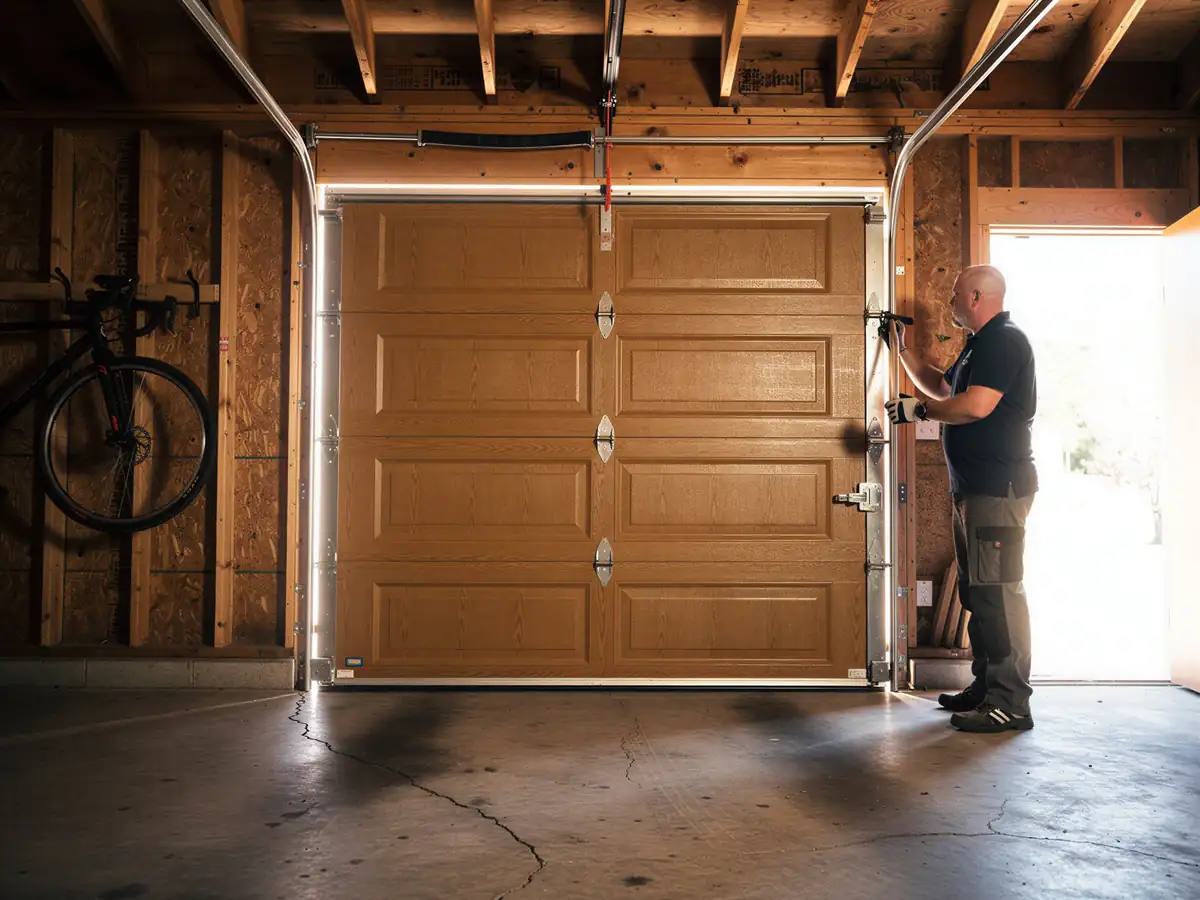
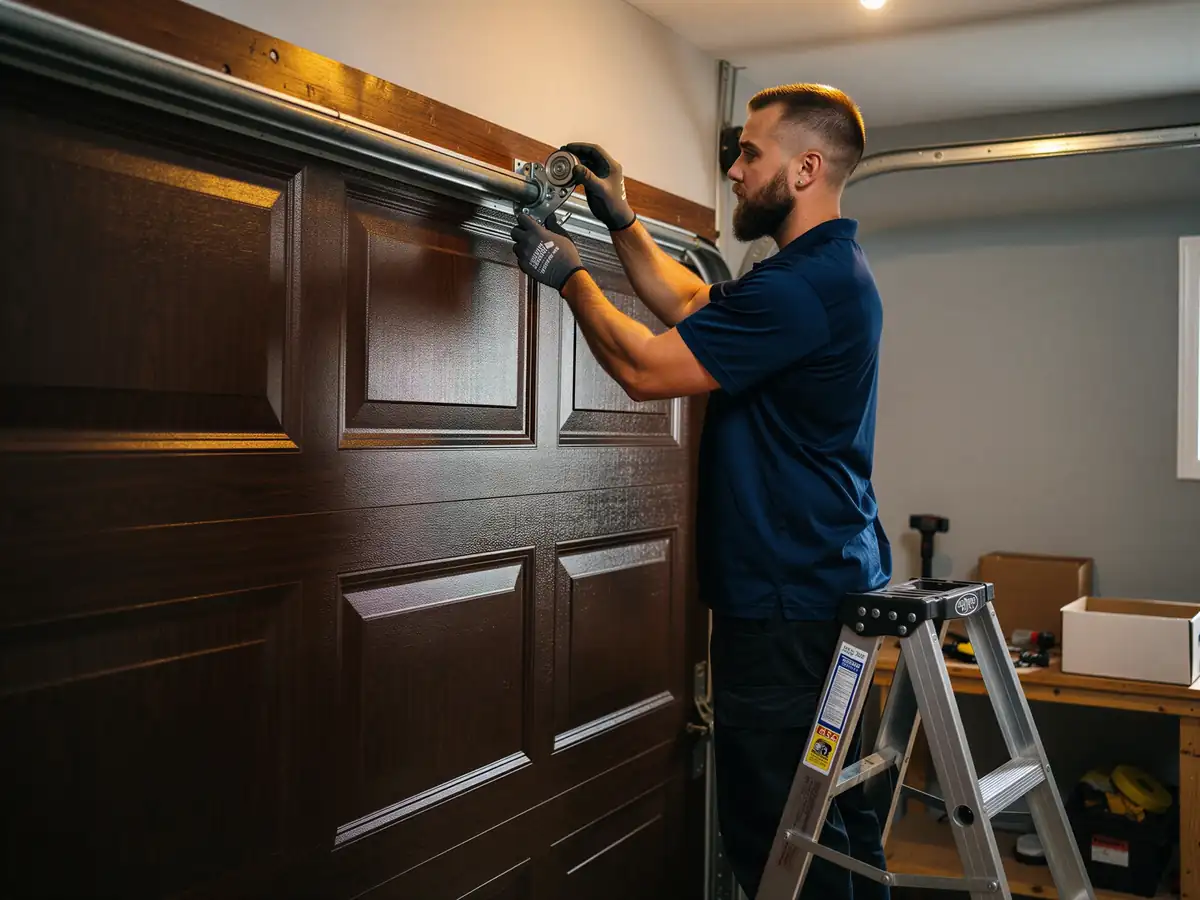
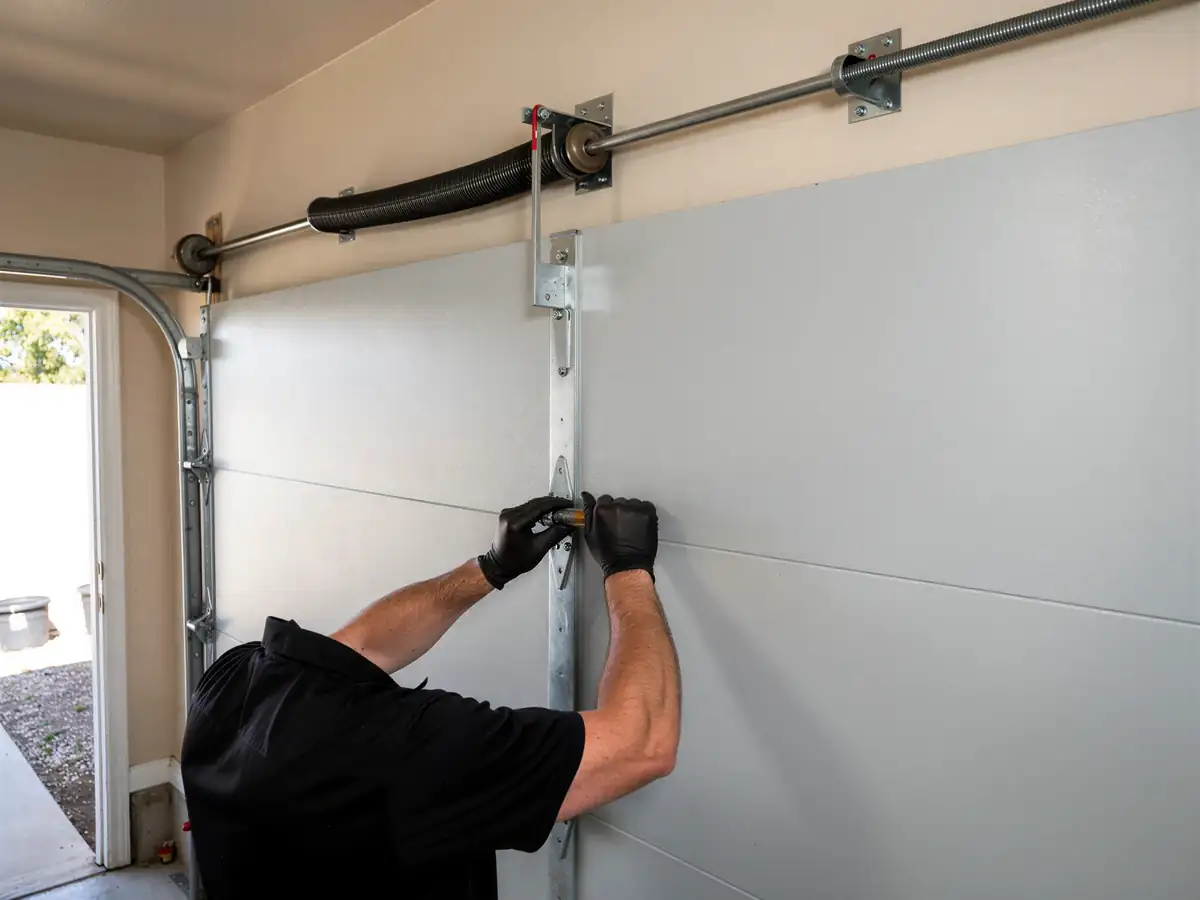
For a neighborhood built out around 1975, the parts call is usually extension springs, old-style roller brackets, and the steel hinges that came standard on doors from that era - not the torsion components you'd expect on something built after the mid-80s. We stock both spring types because Jennings Lodge has a mix: original extension setups next to doors that got torsion conversions somewhere along the way. Rollers are the other recurring item - the plain nylon rollers from that build period don't hold up the way sealed-bearing rollers do, and in a cold, moderate climate the plastic gets brittle faster than people expect. One limitation worth saying plainly: we don't stock every obsolete track profile from the mid-70s on the truck. If your garage still has the original track and it's bent rather than just worn, that part sometimes has to be special-ordered, which adds a day or two to the job. We'll tell you that up front rather than make a return trip.
The DIY Question
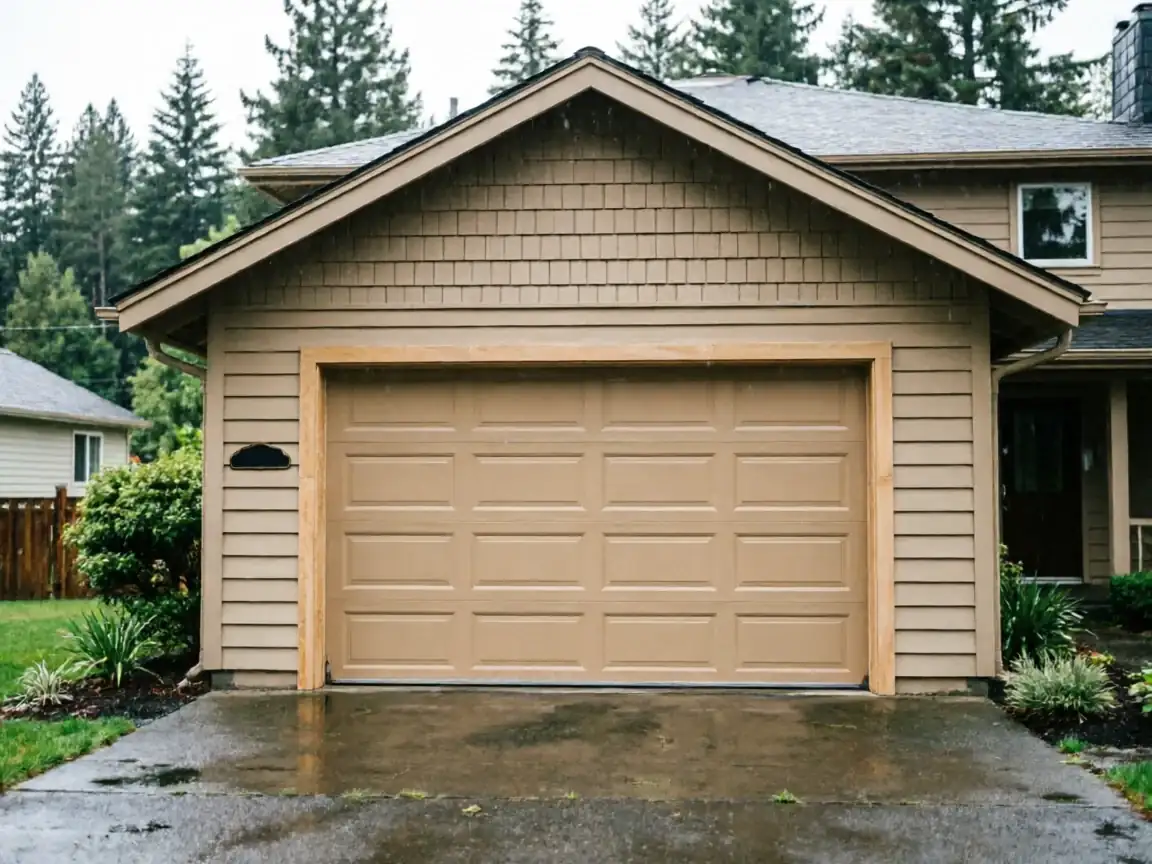
A door from a 1975 build with the original extension springs is not a safe DIY project - those springs don't have the containment cable that became standard later, and a snapped one can send the spring itself across the garage. Swapping a roller or lubricating hinges is reasonable for a homeowner to handle. Replacing a spring, realigning track, or touching anything under tension on a door this age is where we'd tell you to call instead of reaching for a wrench. The honest answer is that age of hardware changes the risk, not just the symptom - a sticking 1975 door and a sticking 2015 door are not the same repair, even if they look identical from the driveway.
What the Repair Takes
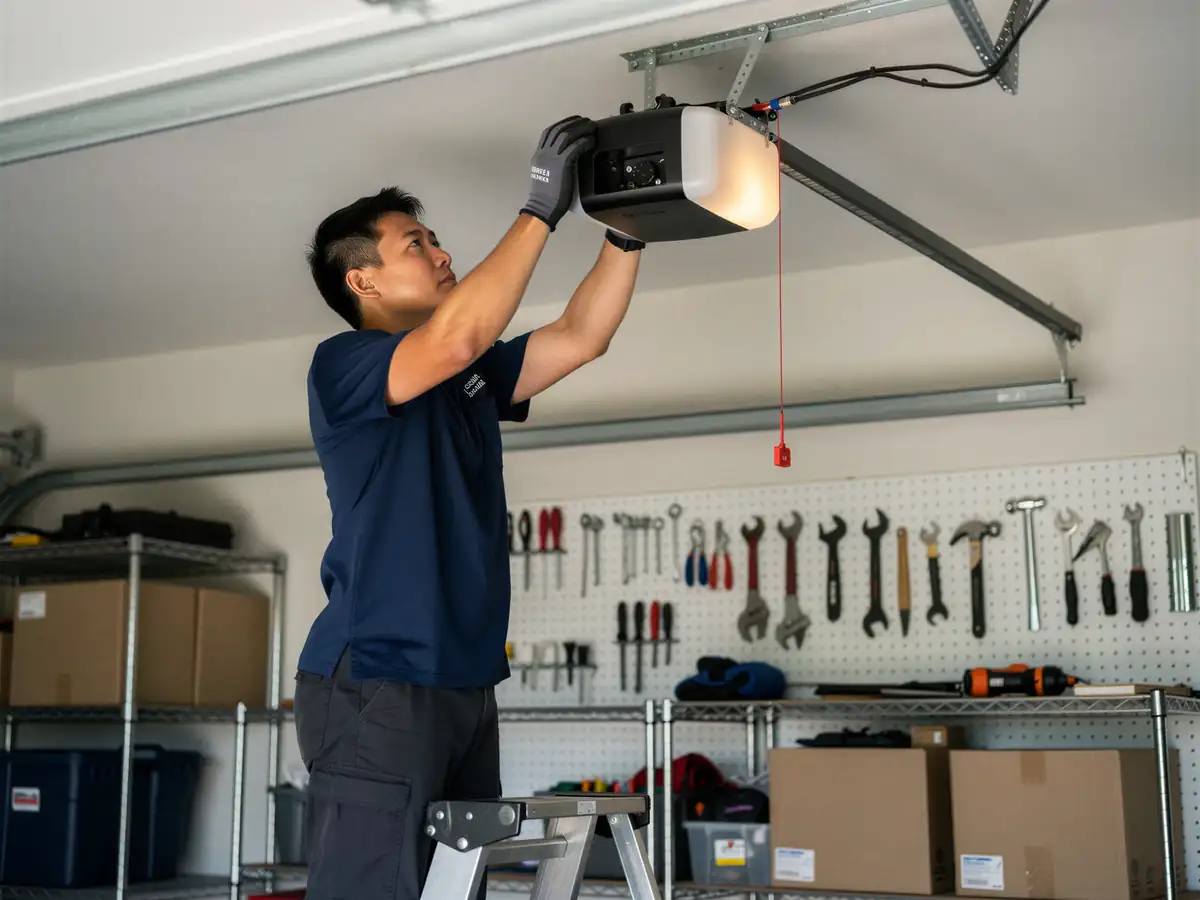
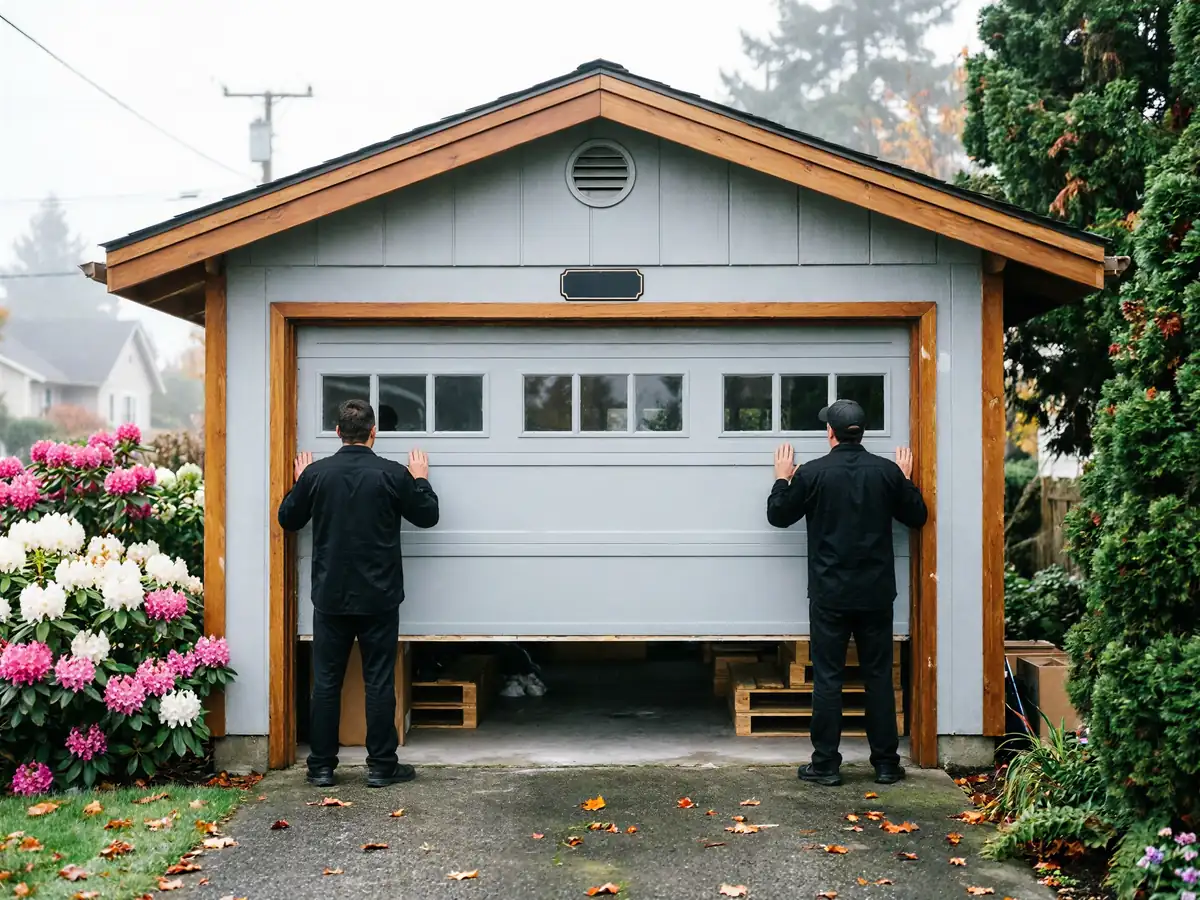
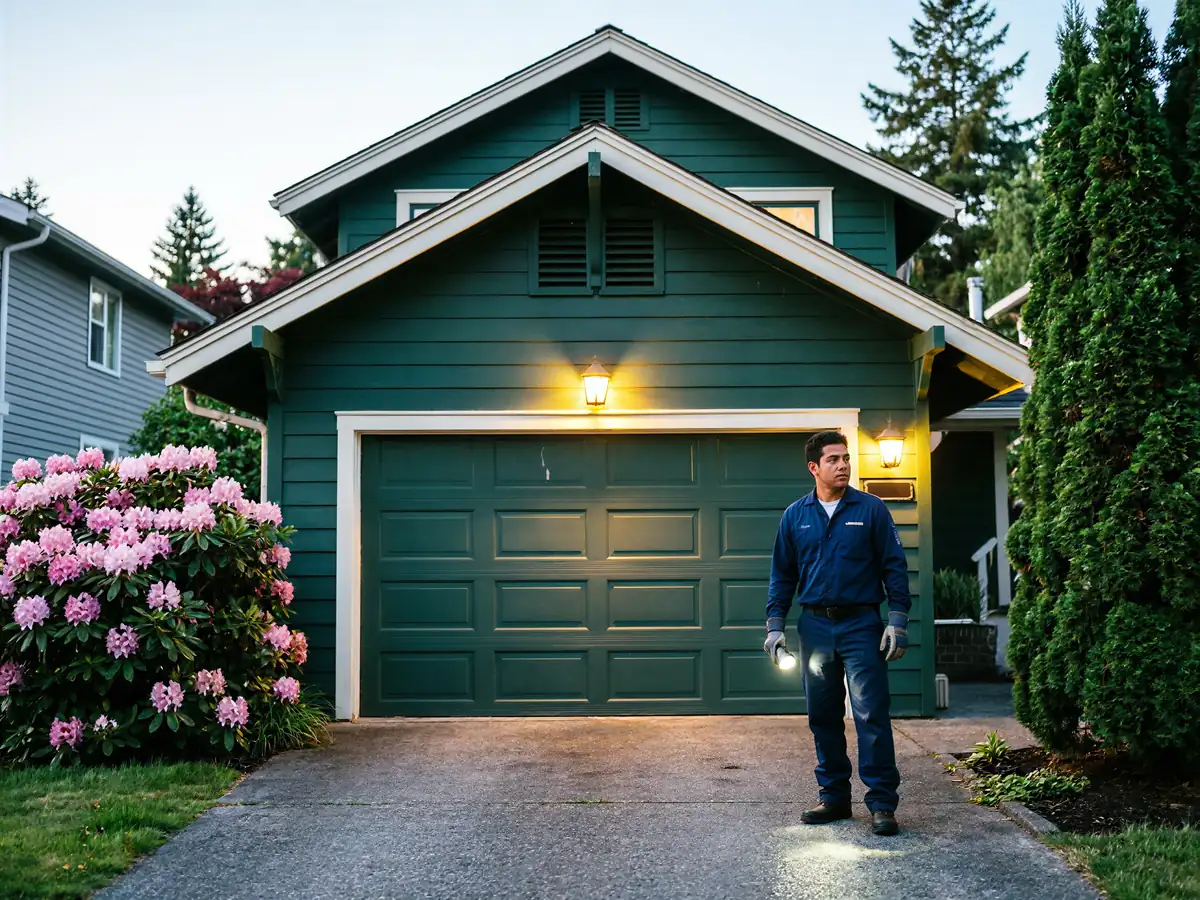
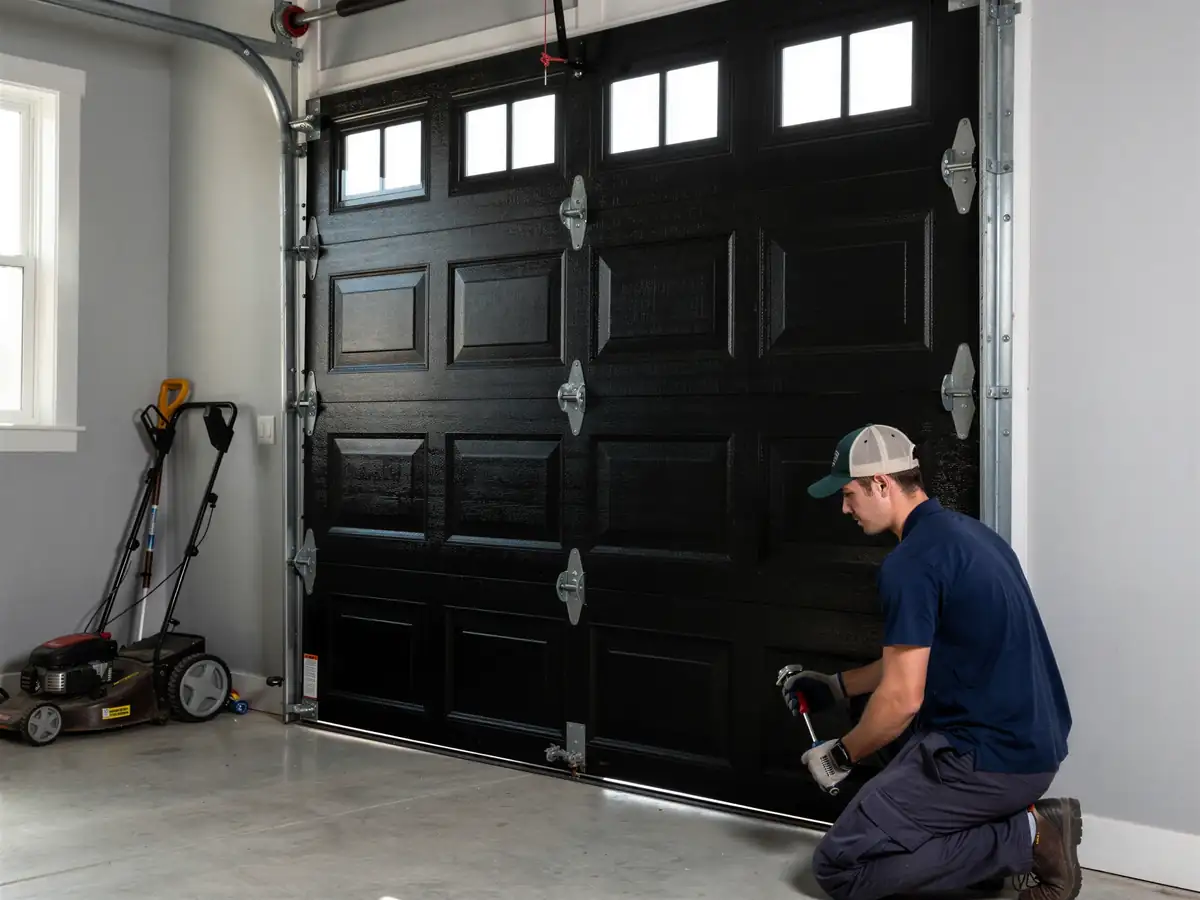
We come from Oregon City, about 4 miles up the road, so there's no local branch or drop-in counter in Jennings Lodge - just the truck making that short drive. Most jobs on a door this age are a same-visit fix: spring swap, roller replacement, track realignment, done in one stop once we've seen what's actually failed. The exception is a bent or badly rusted original track section, which sometimes needs ordering in before we can finish the job properly. We'd rather tell you that at the first visit than patch something that's going to fail again in a cold winter. For a neighborhood built out in a single decade, most of the garages have the same bones - once we've worked on a few doors from this build year, we know pretty quickly which part is carrying the fault.