Why It Happens Here
Jennings Lodge has about 3,482 households
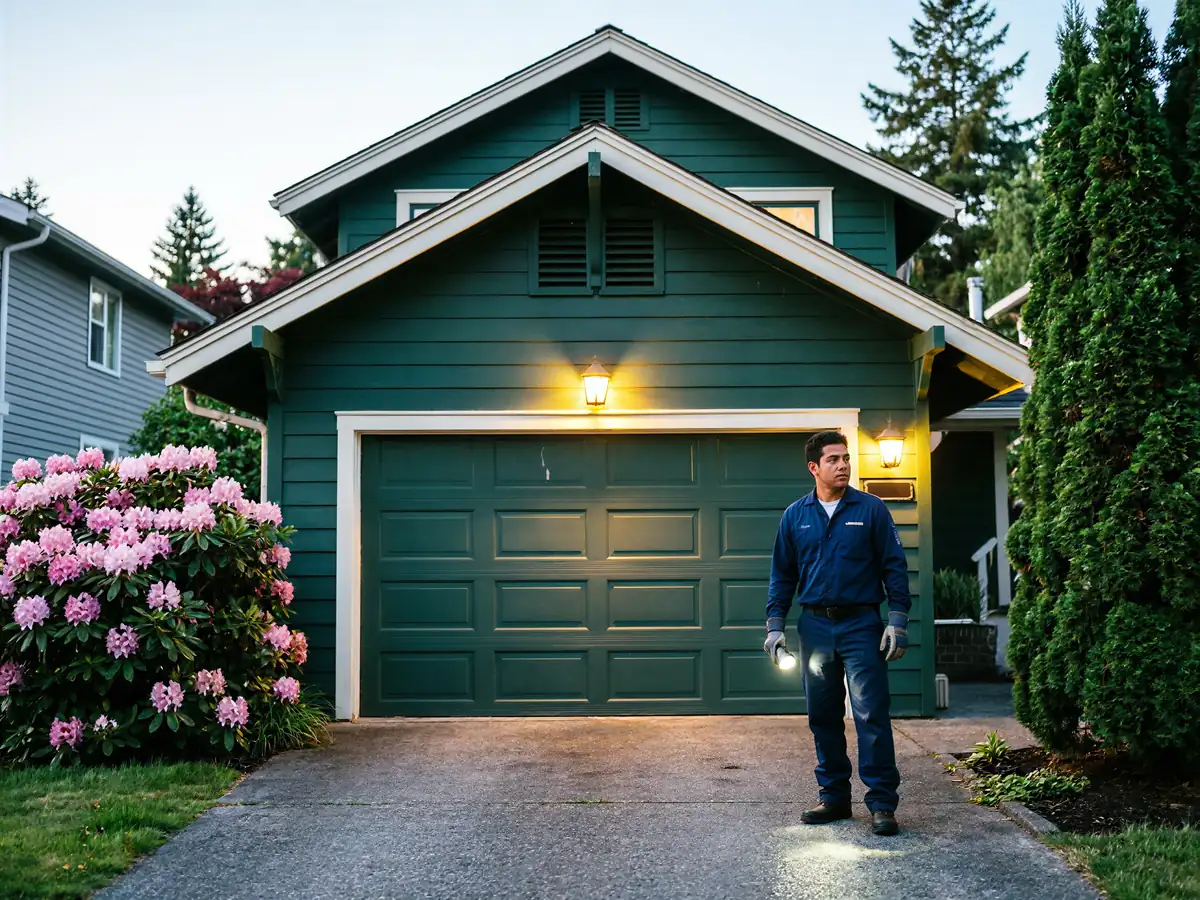
Which tells you most of what you need to know about this job. It's not a town big enough to need its own crew, so the work here comes out of Oregon City, four miles up the road, and it tends to be one door at a time rather than a subdivision full of them at once.
- 3,482 households
What drives the call is the age of the stock
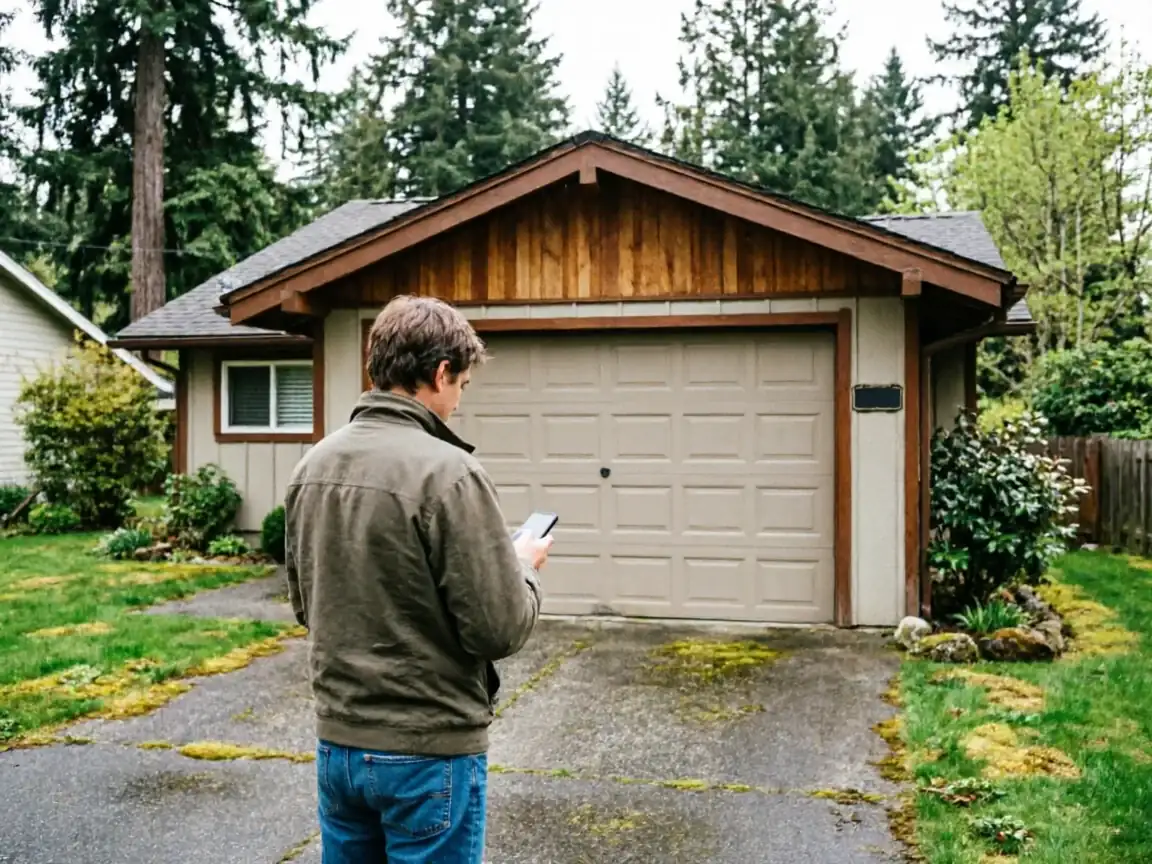
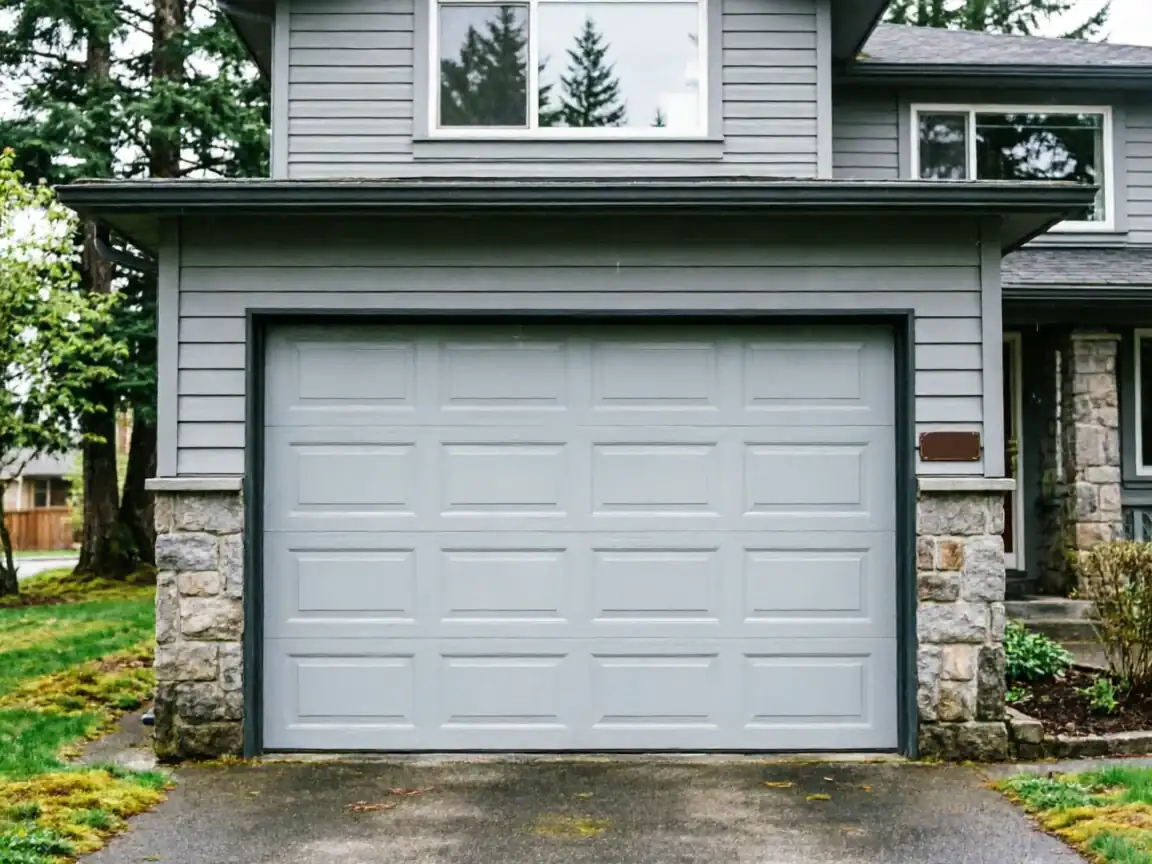
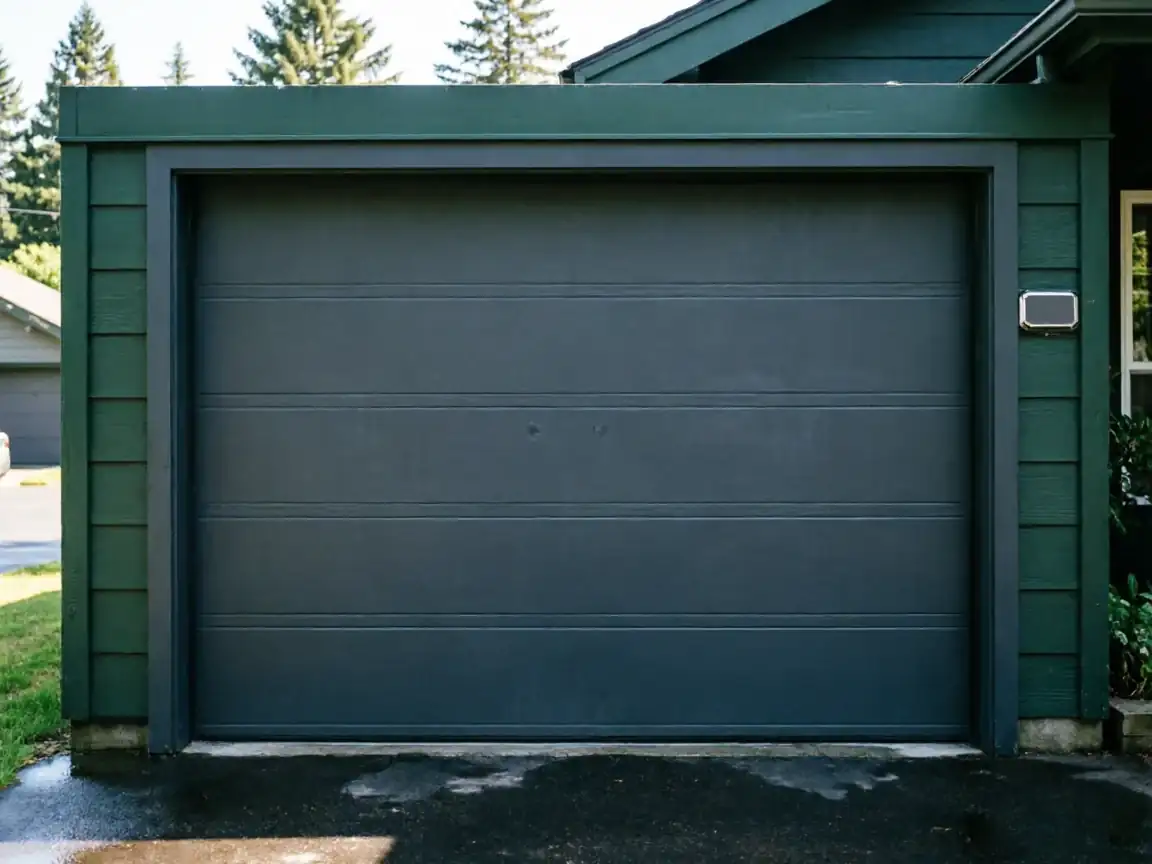
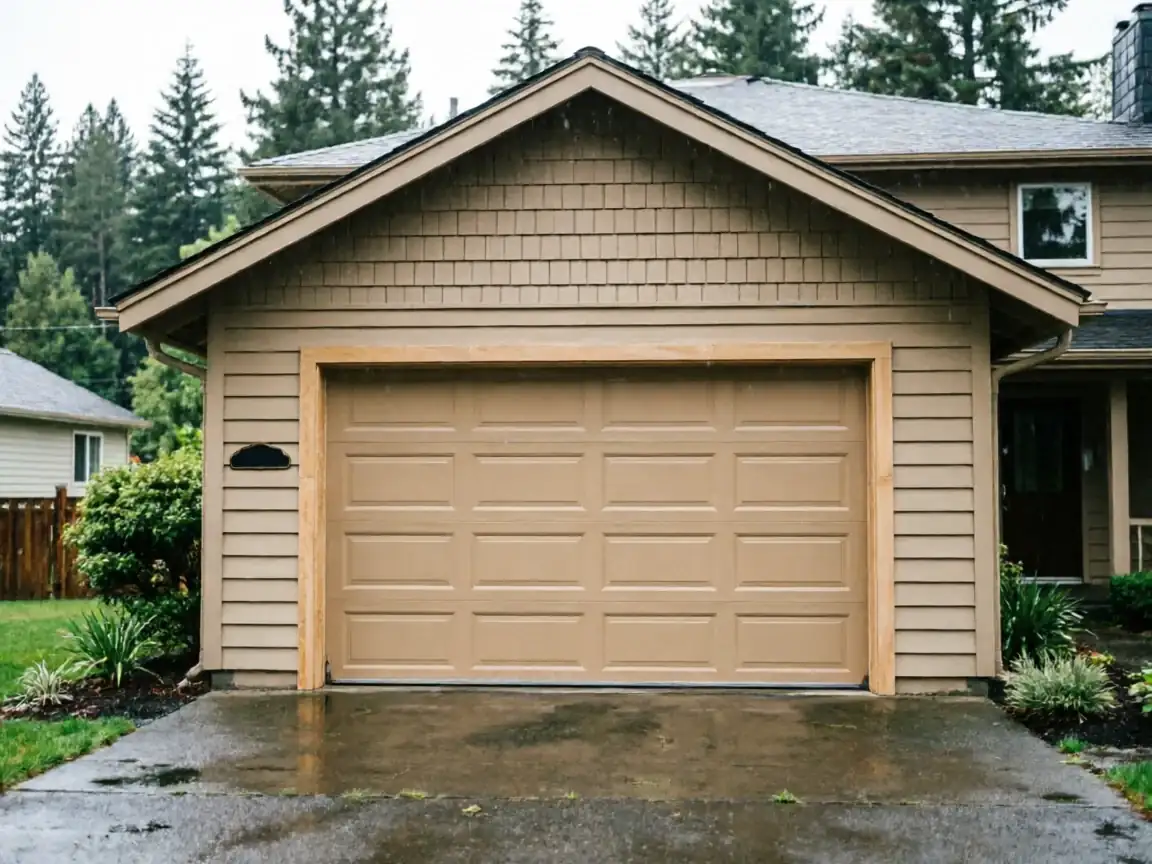
Most houses in this stretch went up around 1975, right in the middle of the service area's 1964-2003 build window. That means a lot of garages still have the original opening sized for a single steel door on a short track, hung before insulated panels were standard and before torsion springs replaced the older extension setups in a lot of these builds. When a homeowner calls about a new door, it's usually because the old one has outlived its hardware, not because they're remodeling.
The area also sits in a cold-moderate climate band
That doesn't mean brutal winters, but it means enough temperature swing that an uninsulated door sweats on the inside face and the steel stiffens on cold mornings. A 1975-built garage was never sealed with that in mind, so it shows up as rust at the bottom panel edge or a door that drags on frosty days.
Parts We Carry
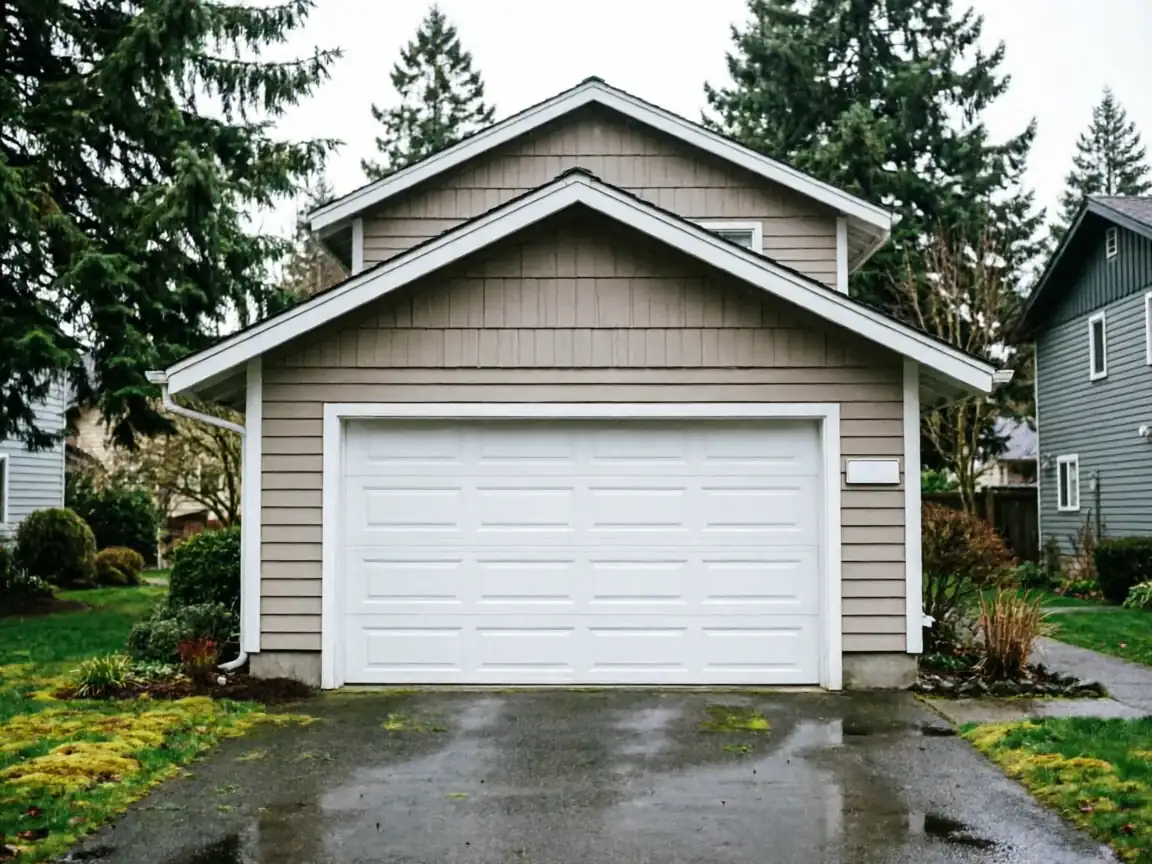
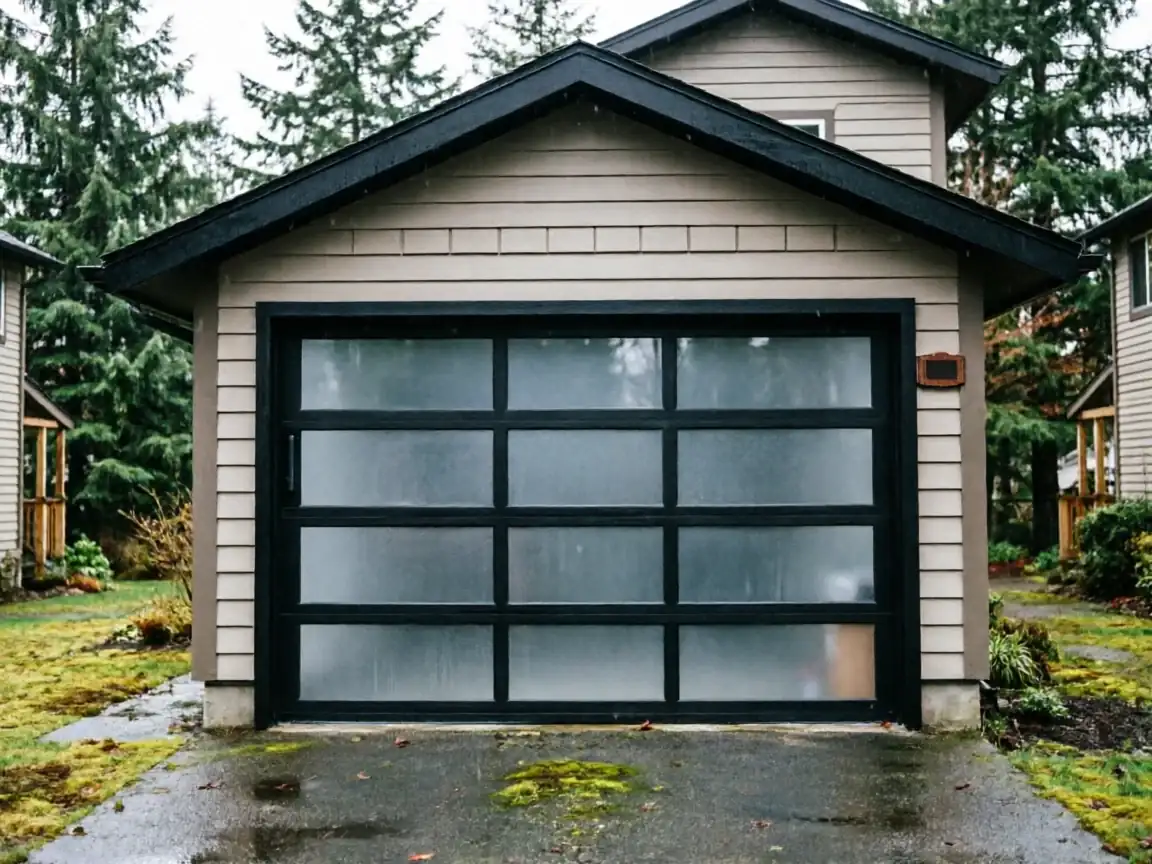
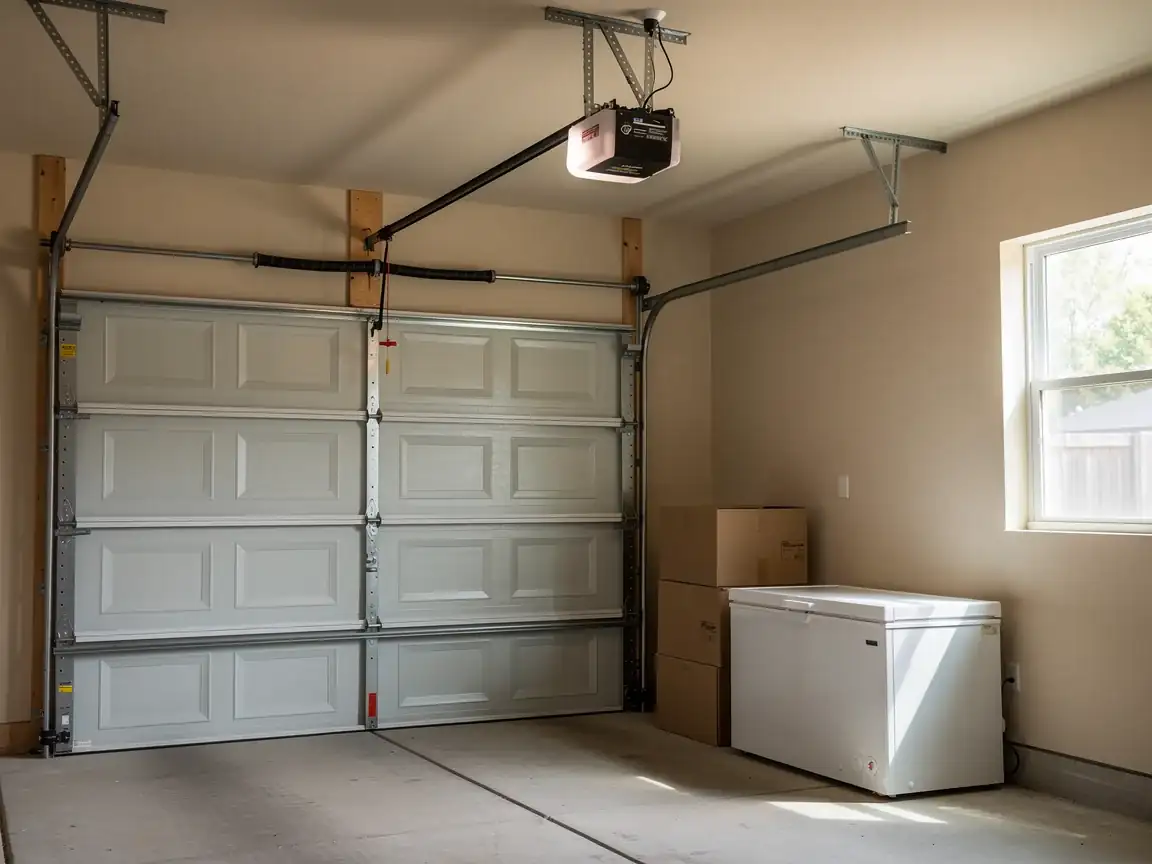
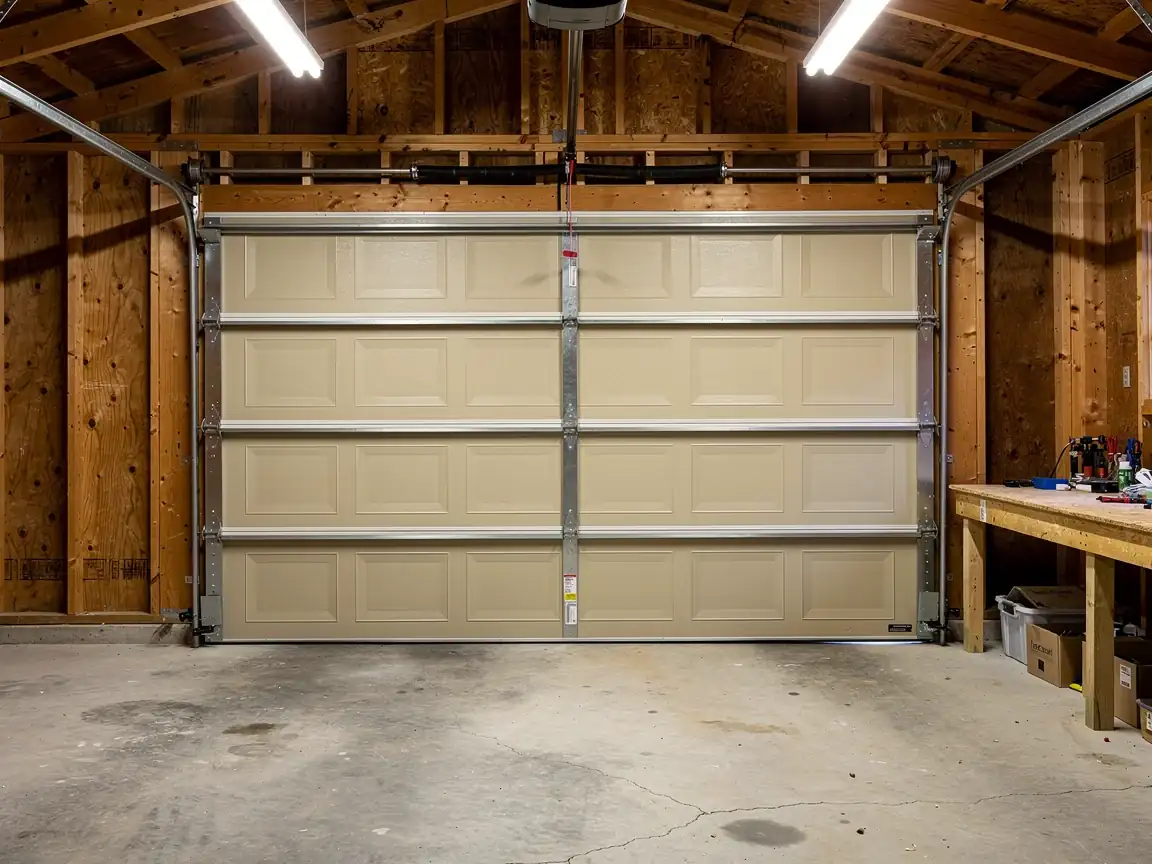
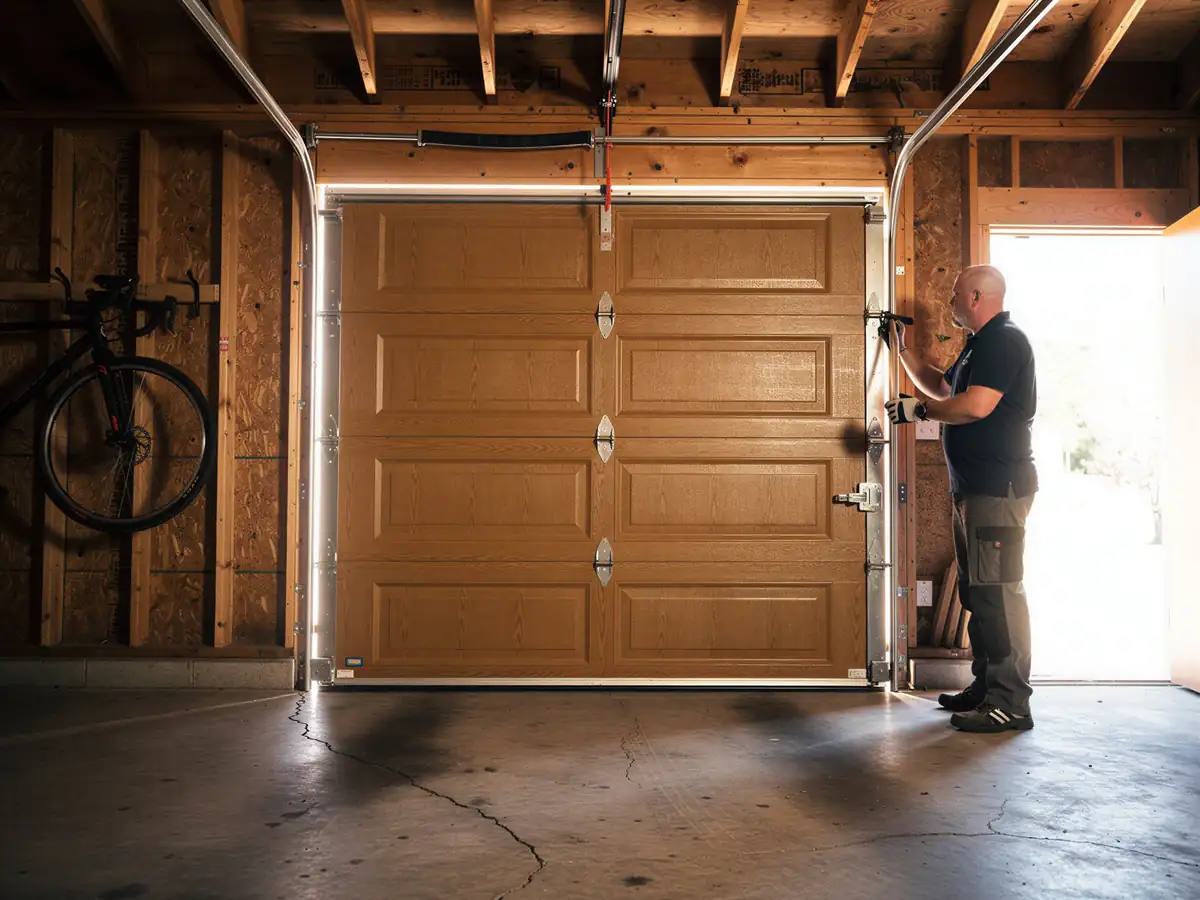
We stock the sizes and track lengths that match what's actually on the ground here: standard single and double steel doors, torsion spring sets sized to the openings common in 1970s construction, and the low-headroom track hardware that a lot of these garages need because the header clearance is tighter than what newer homes get. We also carry polystyrene and polyurethane-core panels, since a solid-core door does better against the swings this climate band throws at a door face.
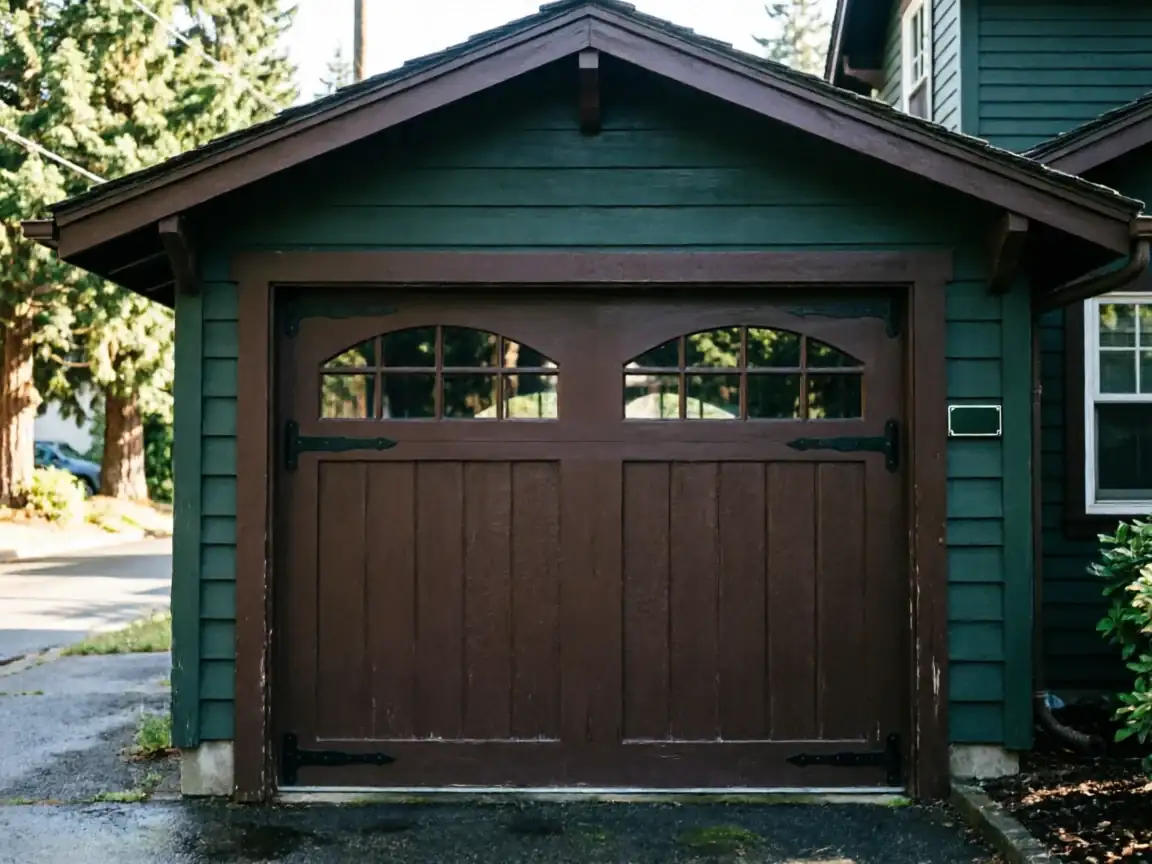
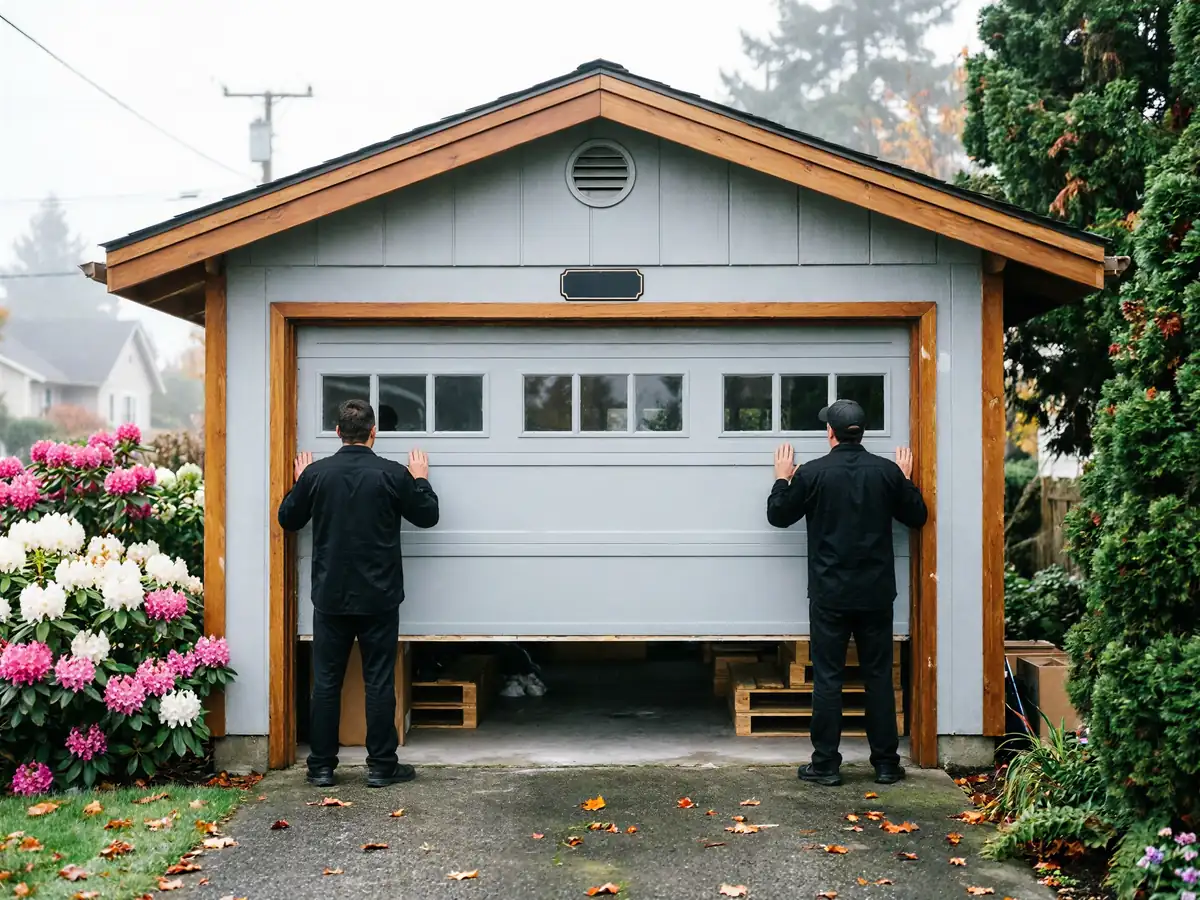
What we don't keep on the truck is anything custom - carriage-style doors, oversized RV openings, or odd widths outside the standard range. Those get ordered, and the lead time runs longer than a stock swap. If your opening is non-standard, we'll tell you that on the first visit, not after the order is placed.
The DIY Question
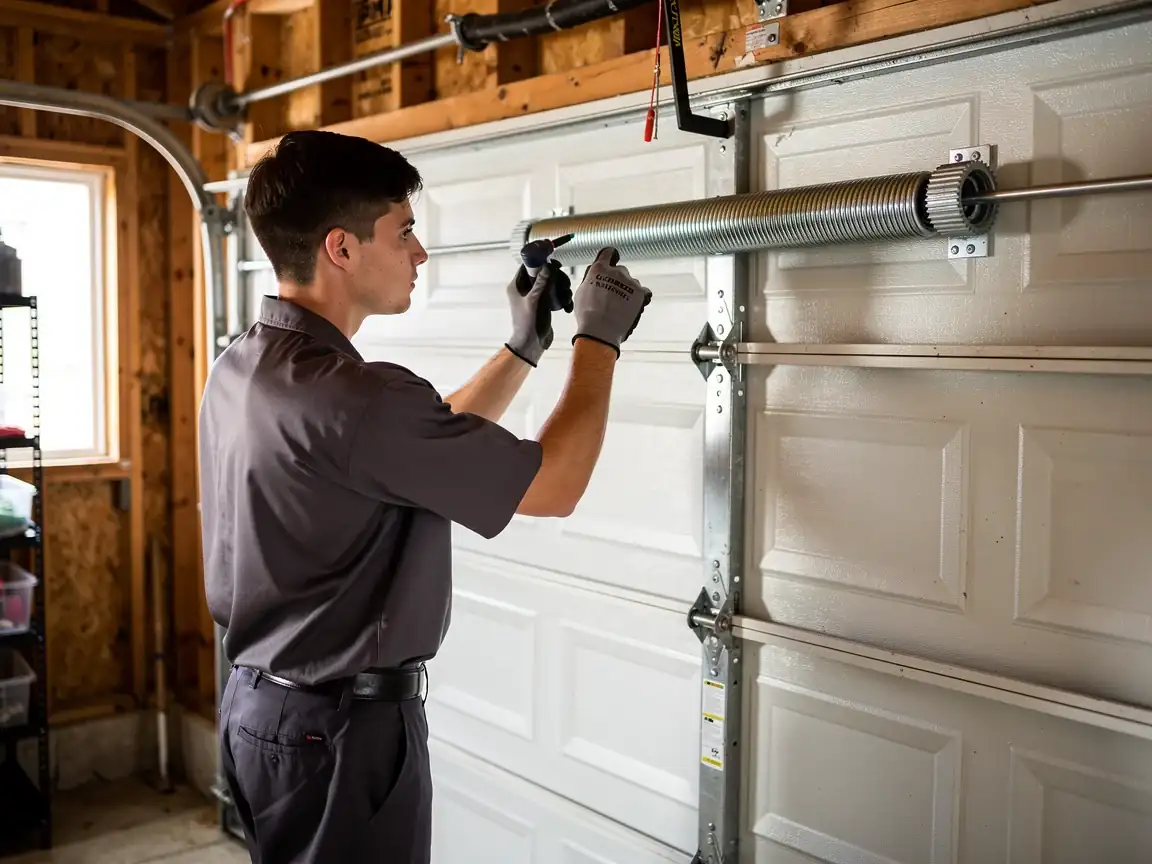
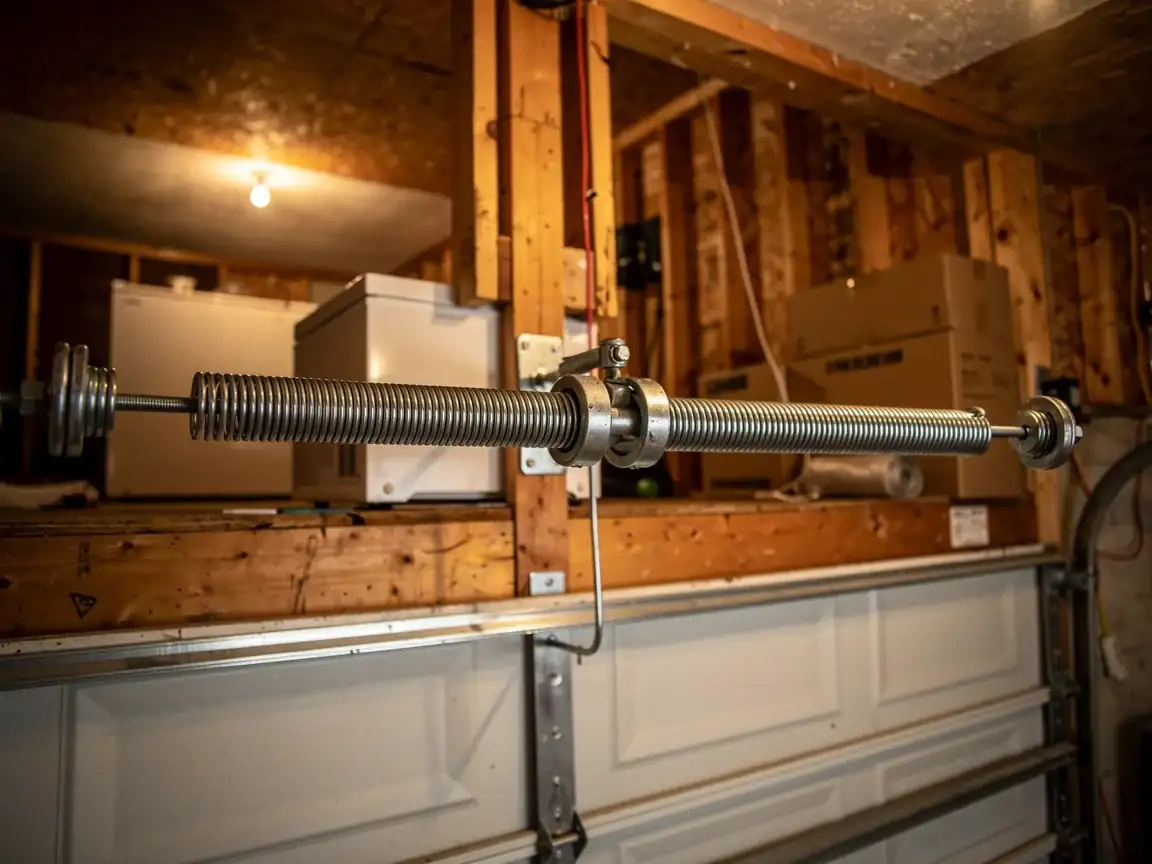
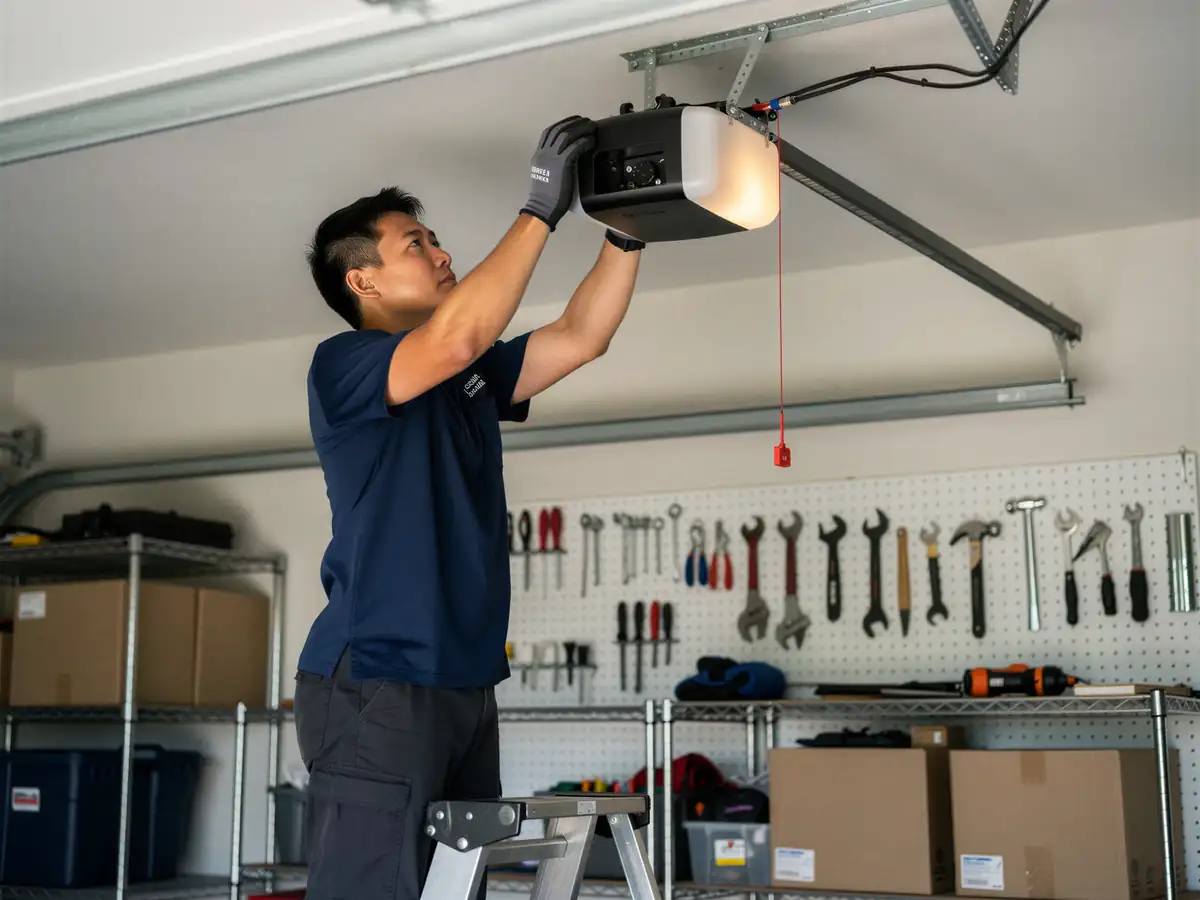
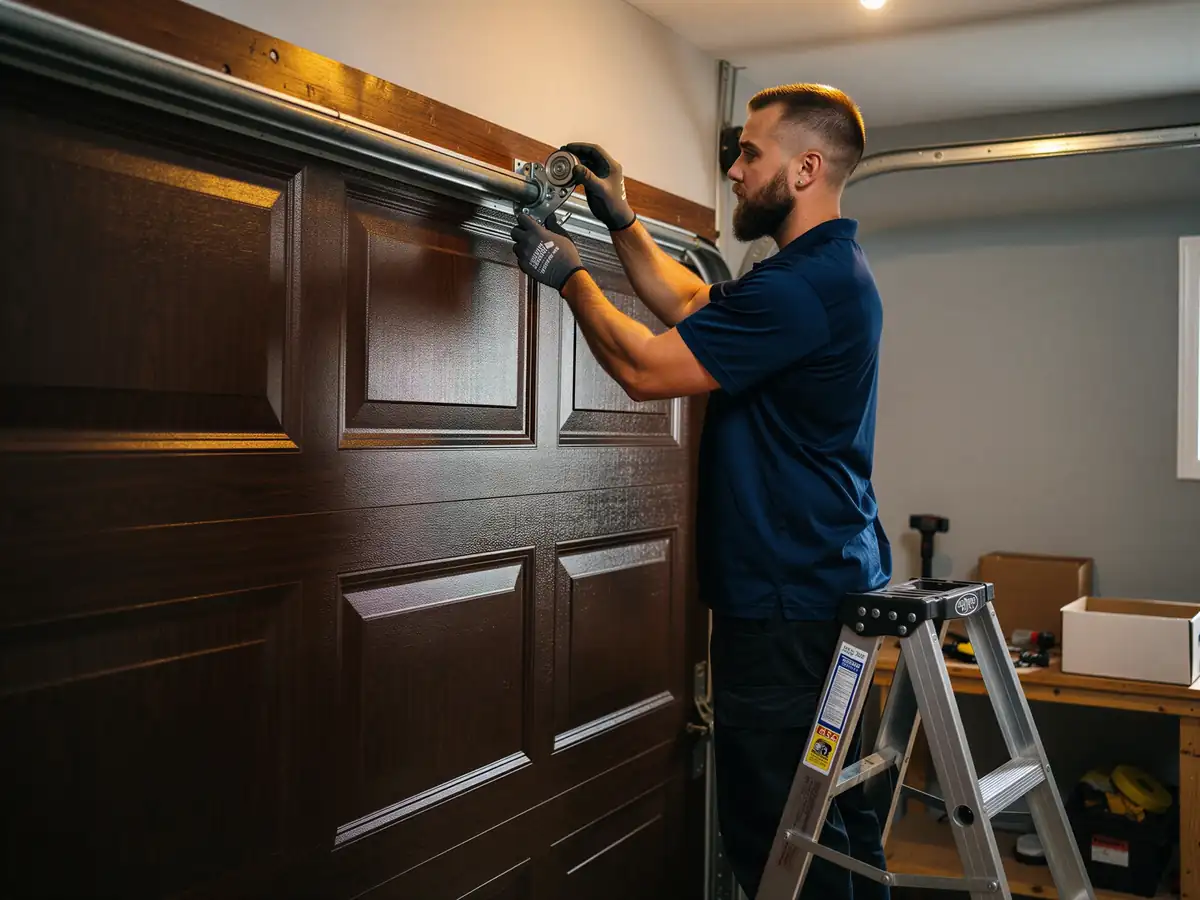
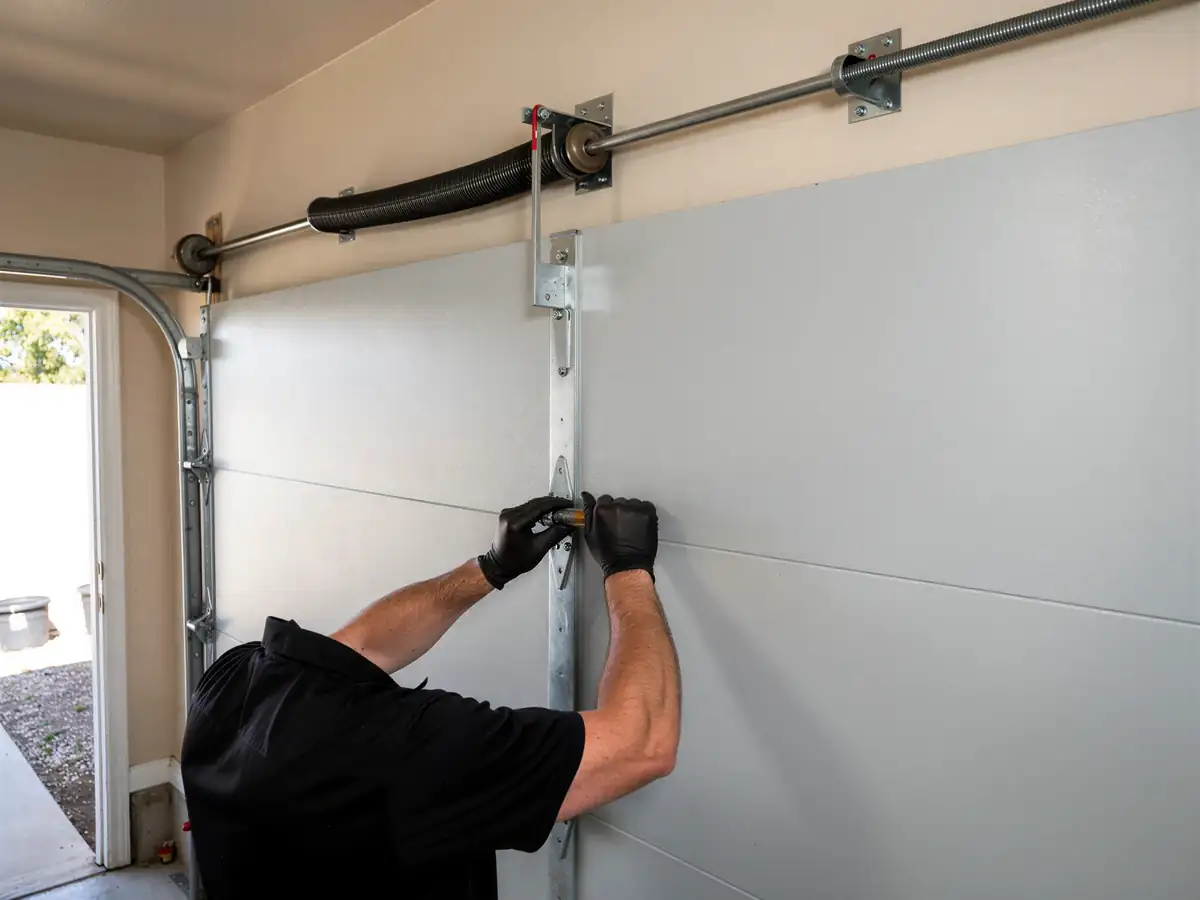
A new garage door install is not a weekend project, and the reason has nothing to do with skill - it's the spring. A wound torsion spring under tension can put someone in the hospital if the winding bars slip, and extension springs on older setups carry their own version of that risk. Swapping panels or adjusting track alignment without the right bars and clamps is how most DIY injuries happen.
What a homeowner can reasonably do themselves: clear the opening, pull the old door's remote codes, and decide ahead of time whether they want an insulated core given the cold-moderate swings this area sees. The install itself - spring sizing, cable tension, track plumb - is not a place to save the labor cost. We've seen enough jobs where a mis-tensioned spring on a 1970s-width door cost more to fix than the install would have in the first place.
The Cost of This Job
We don't have a posted price for this service
And we're not going to guess one here - door width, insulation choice, and whether the old track and header need work all move the number. What we can say is how income here shapes the jobs we actually run. Jennings Lodge's median household income is $67,164, noticeably below the $102,201 median across the wider service area. In practice that means most of the calls here are for a single standard door replacement, not the double-door insulated upgrades we quote more often closer to West Linn or Beavercreek.
If your opening matches the standard width common to 1970s construction
The job is more predictable to price than a custom width or a double door with a non-standard header. We'll give you a number after we've measured, not before.
What the Repair Takes
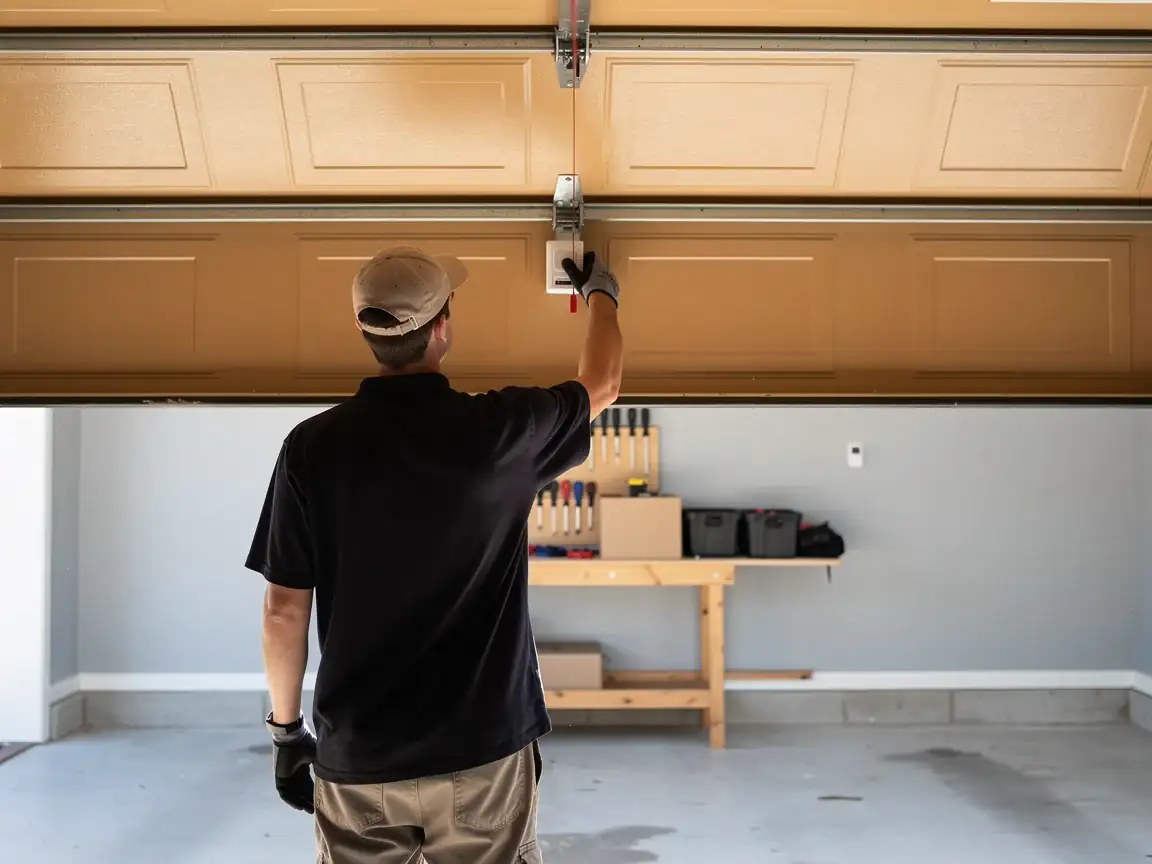
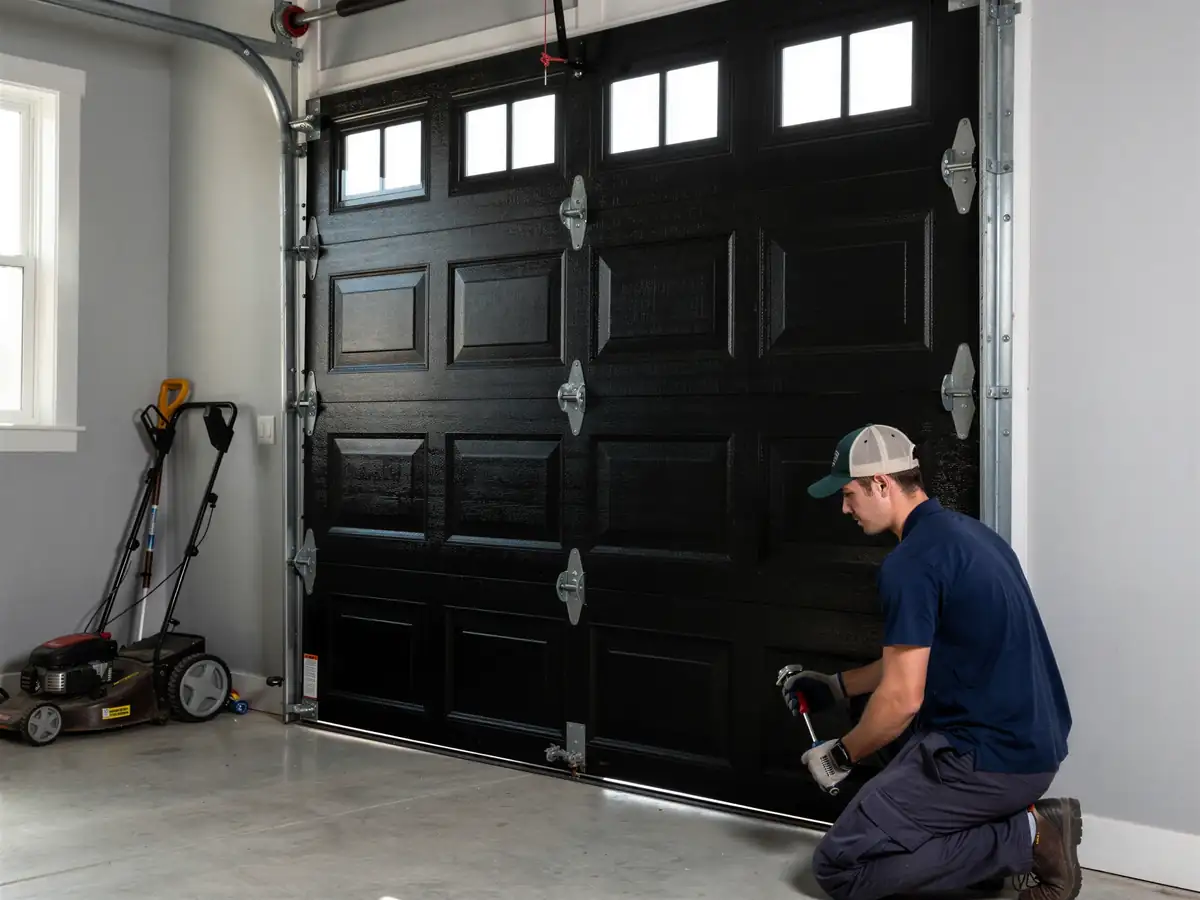
A straight swap on a standard single door - same width, same track position - usually runs as a single visit out of Oregon City. Where it runs longer is when the opening itself needs work: a header that's sagged slightly over fifty years, track brackets mounted for an extension spring setup that need to be redone for torsion hardware, or a non-standard width that has to be special-ordered.
Because this is a 1975-built area, we check the header and jamb before we quote the swap, not after we've shown up with a door that doesn't fit the opening. That's the one extra step that a newer-build town up the road might not need, and it's the honest reason a job here can take a return visit instead of one.