Why It Happens Here
Jennings Lodge sits about 4 miles from our shop in Oregon City
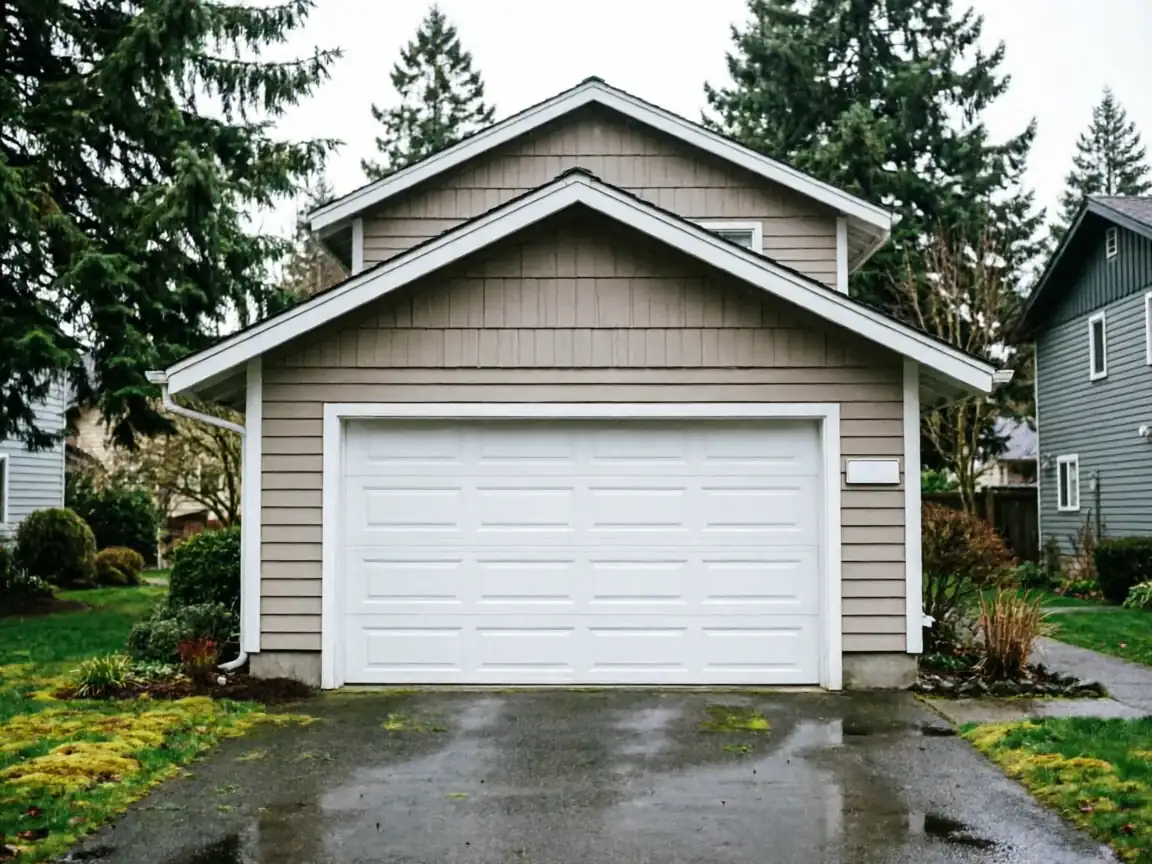
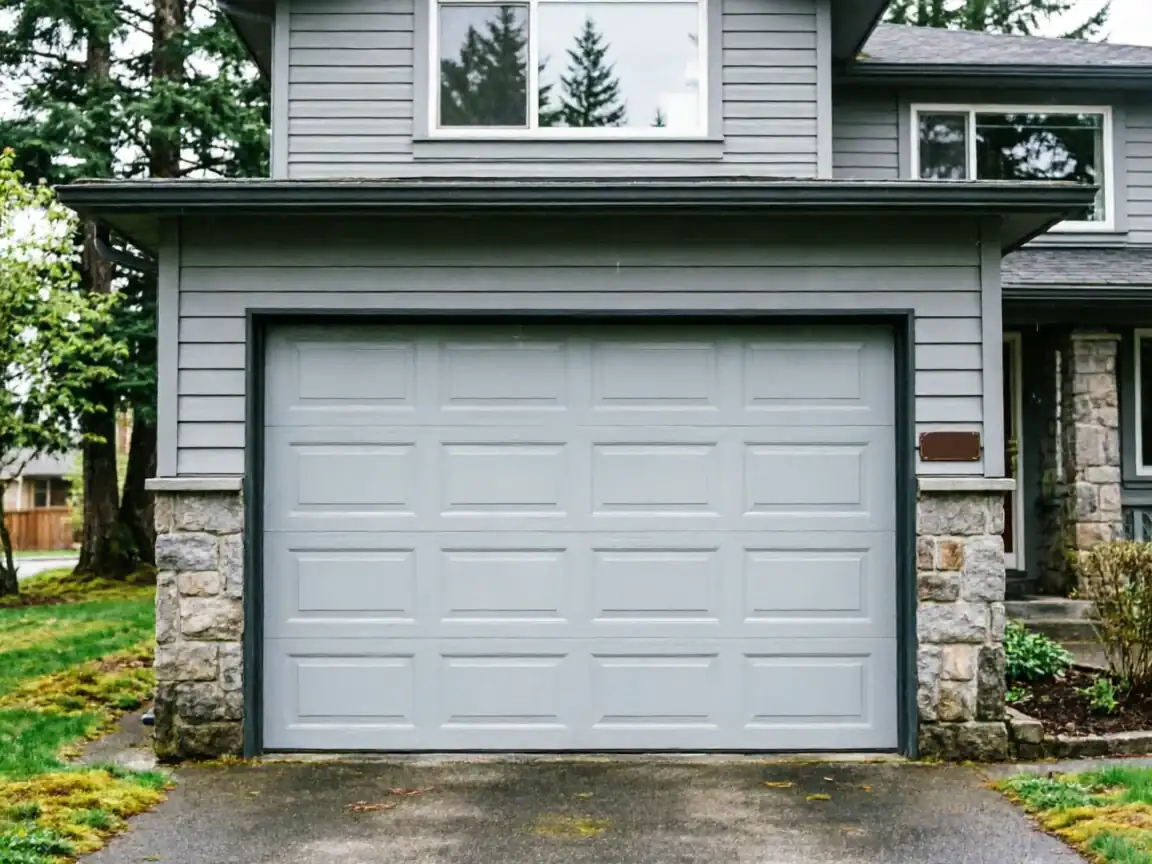
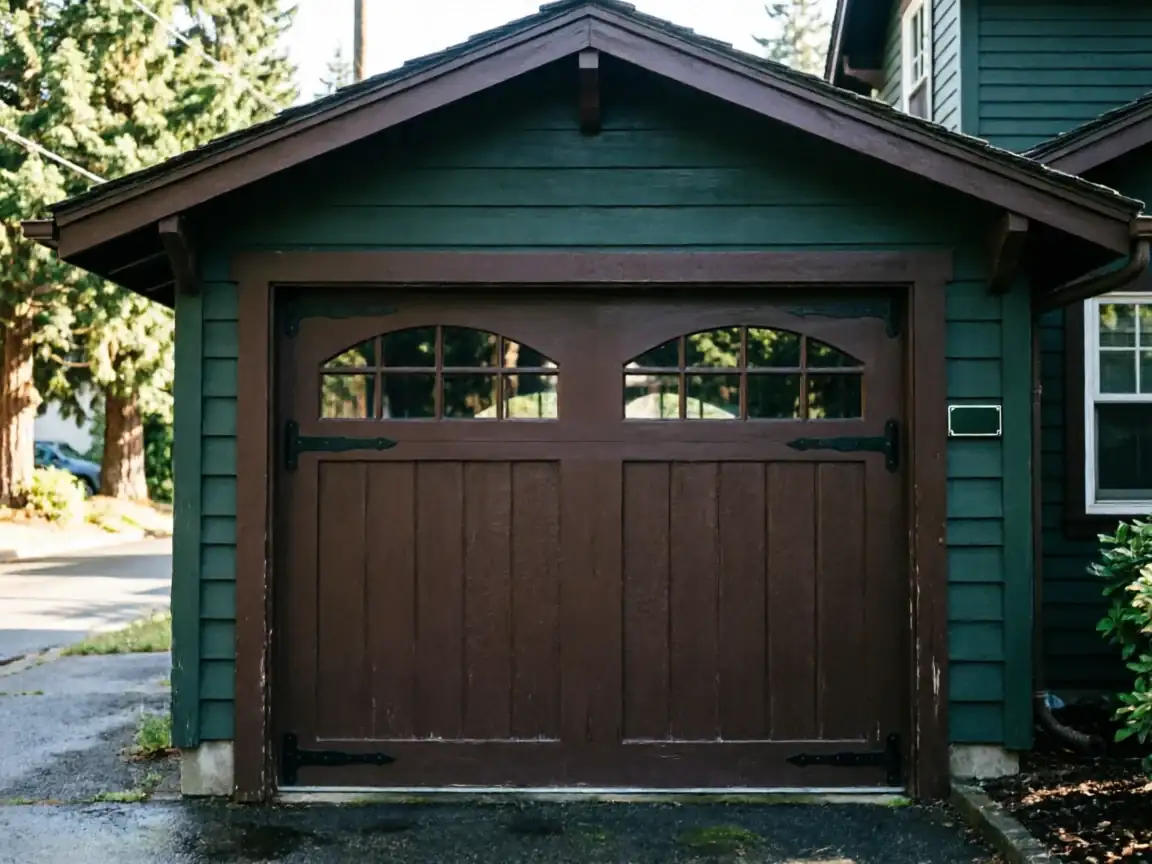
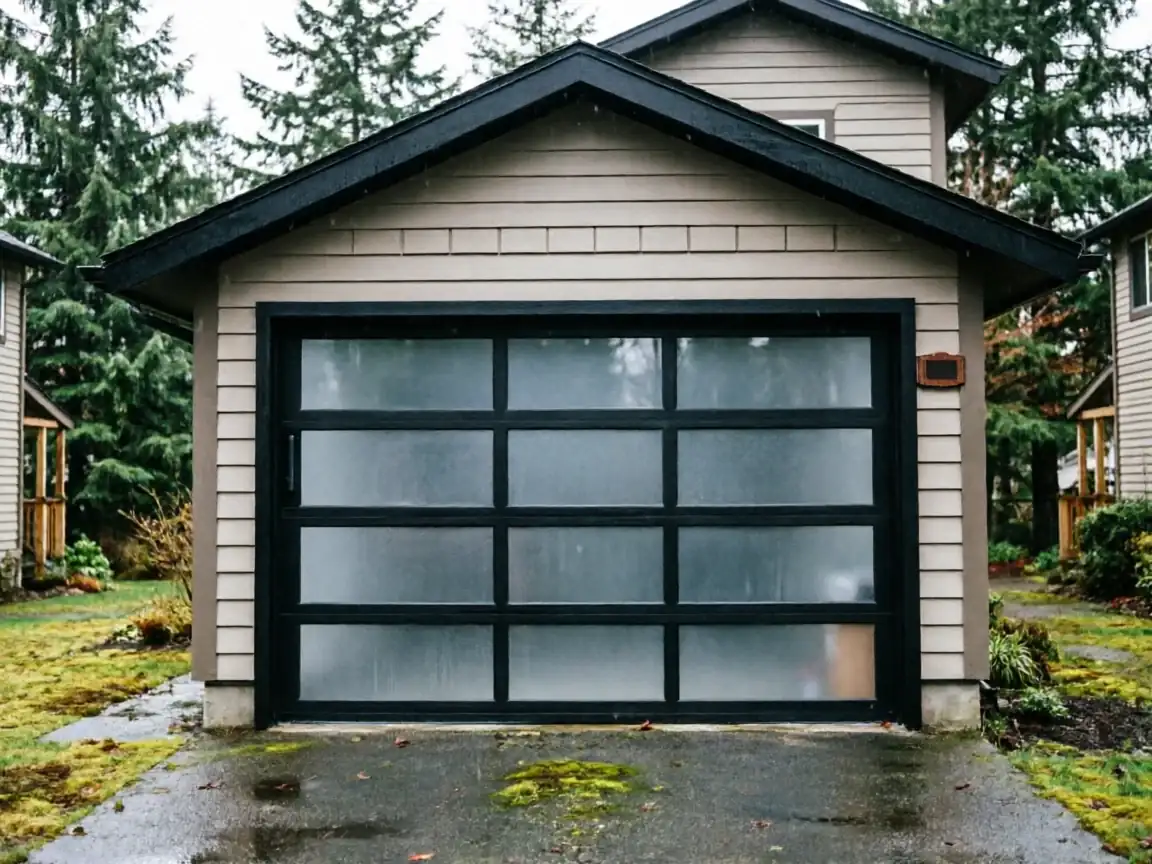
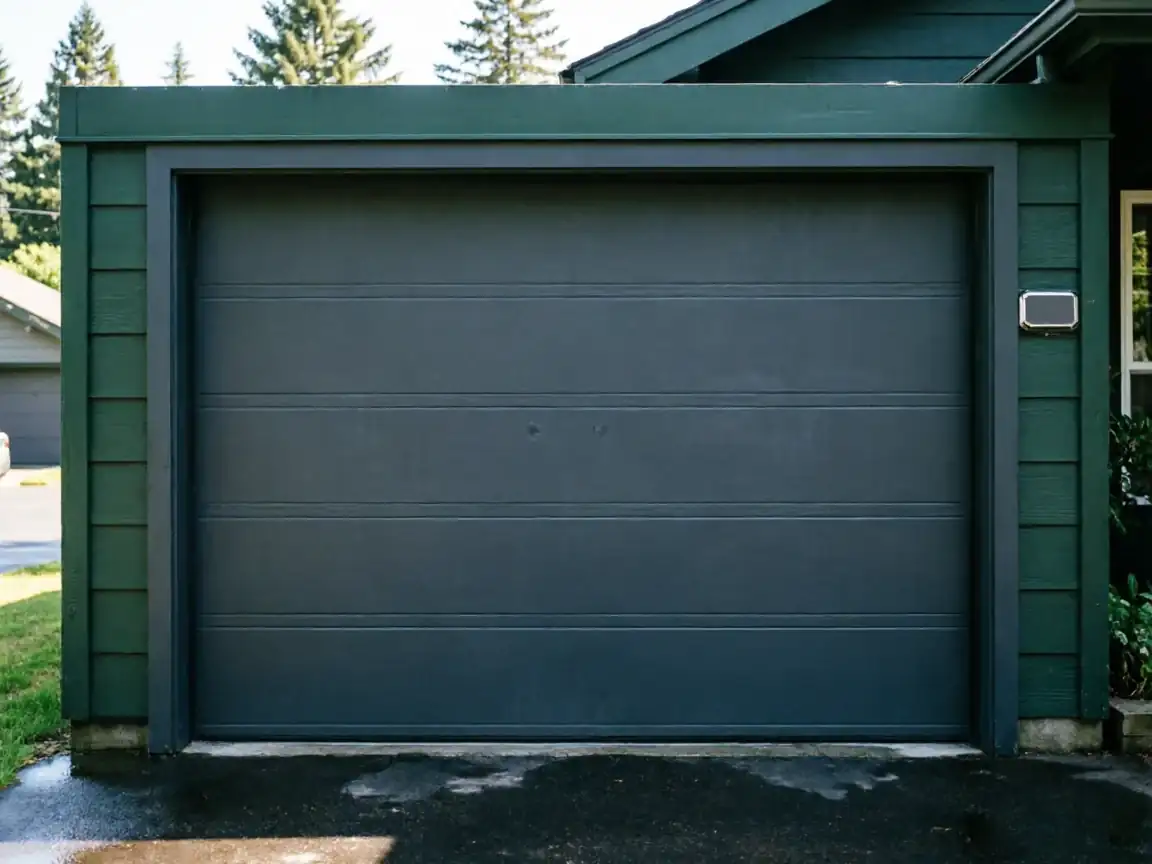
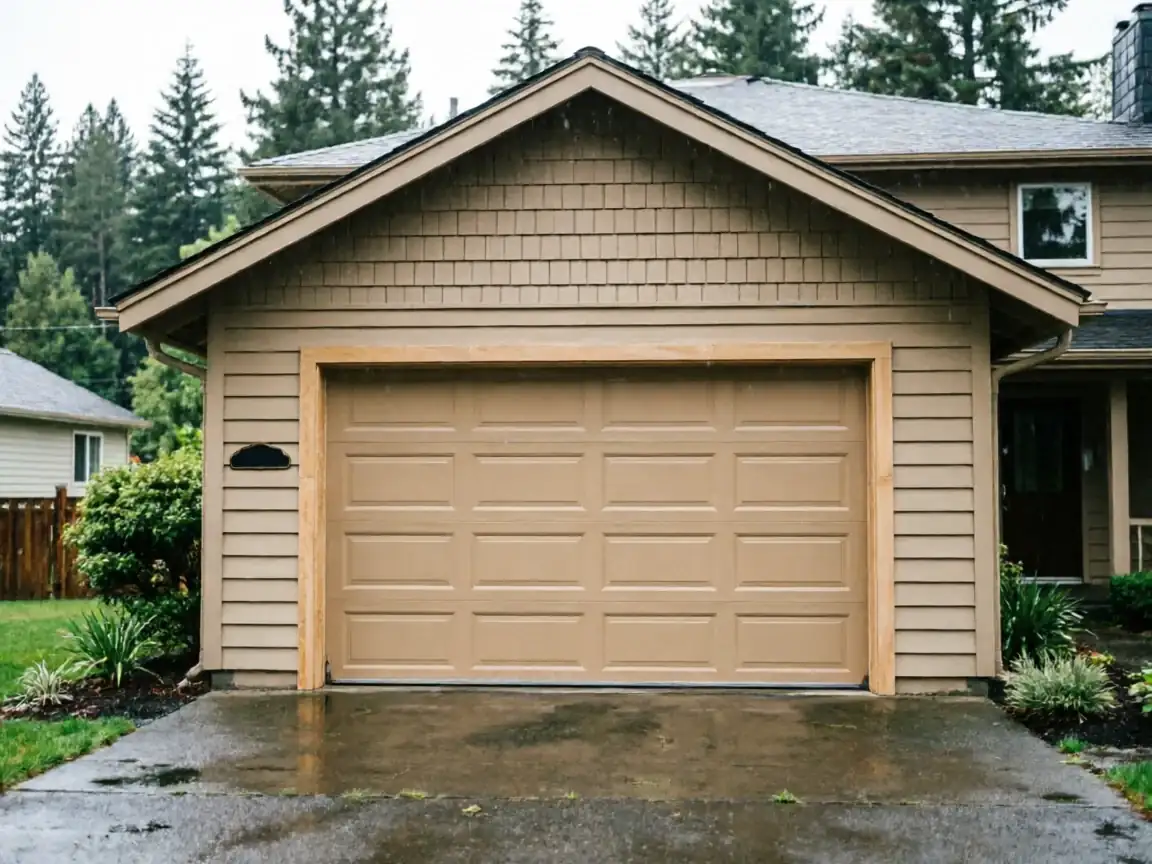
And the houses here skew older than what you'll find across the rest of the service area. The median build year here is 1975, while the broader Oregon City stock runs 1964 to 2003 with a median closer to 1982. That seven-year gap matters more than it sounds like. A door and opener installed in the mid-1970s has usually been through at least one full hardware replacement already, sometimes two, and what's on the track now is a mix of eras - an original frame with a newer opener bolted on, or original springs paired with a replacement panel that doesn't quite match the counterbalance it was built for.
- 4 miles
That mismatch is the thing we see most in this pocket of the service area
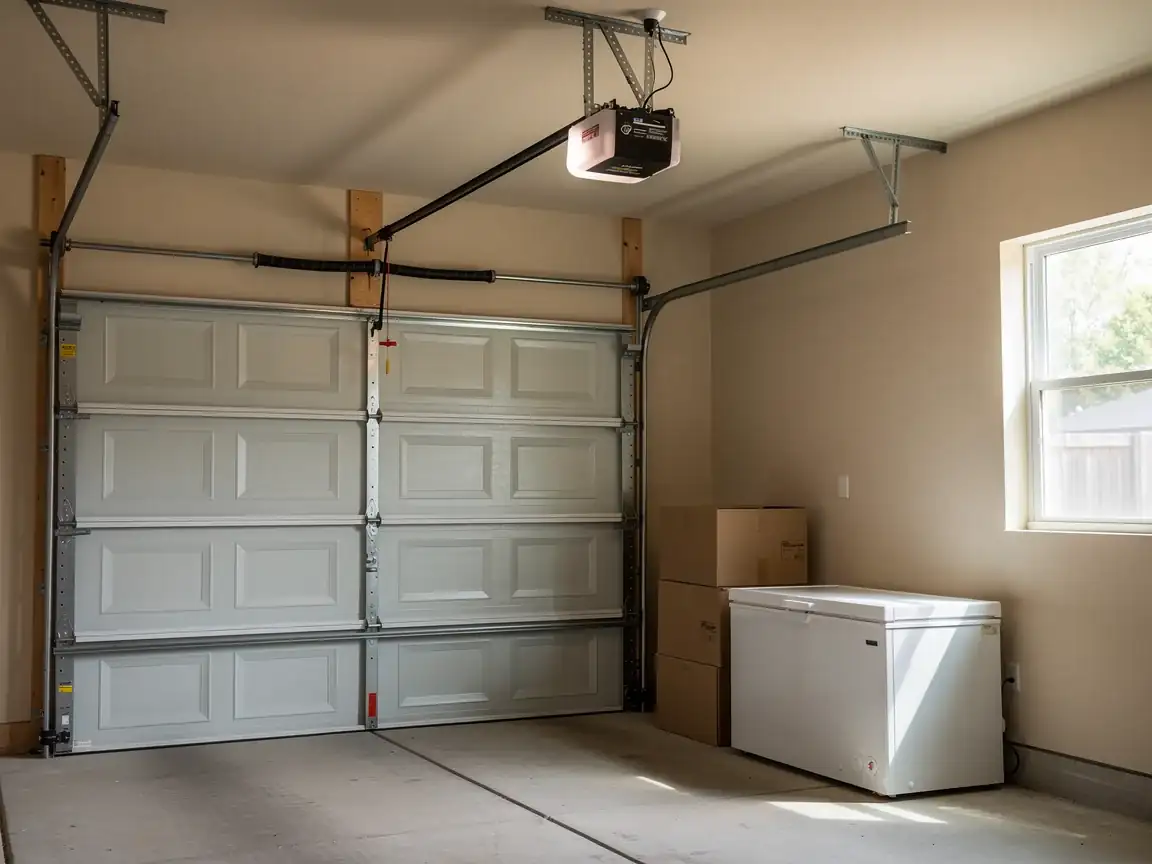
Rollers wear unevenly because the track was never squared to the newer hardware. Cables fray faster because the drum size doesn't match the spring rate it's paired with. None of this shows up as a dramatic failure - it shows up as noise, drag, and a door that closes a half-inch off level. Maintenance here is less about replacing parts and more about catching the mismatch before it becomes a stuck door on a cold morning. Oregon City's cold-moderate winters put extra load on hardware that's already fighting itself.
Parts We Carry
On a truck headed to Jennings Lodge, we carry rollers, cables, and torsion springs sized for the hardware eras most common on 1970s-built homes, plus the newer-gauge replacements that show up on houses where an opener or panel got swapped out somewhere along the way. We don't stock every obsolete bracket or drum size that's ever existed - on a house this old, there's sometimes a part that doesn't match anything current, and that's a straight call: we tell you if it needs a special order rather than force a fit that'll fail in a year.
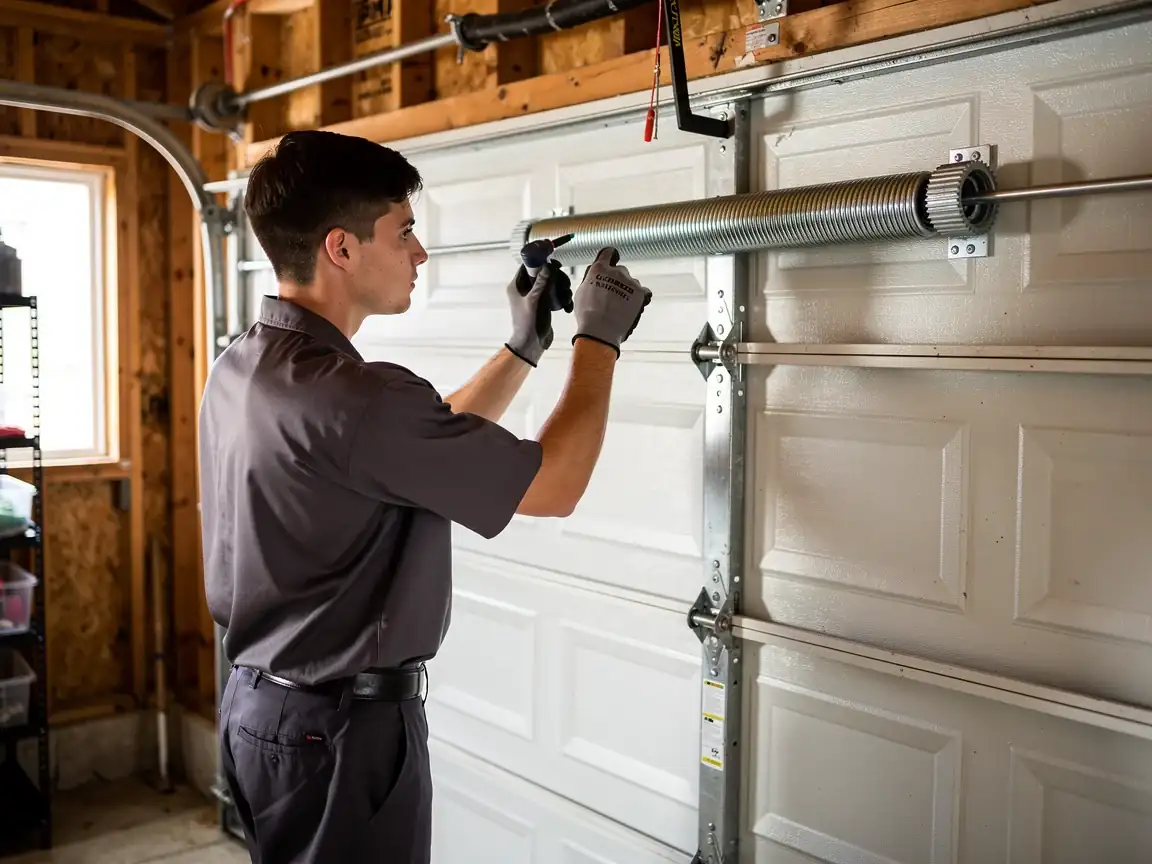
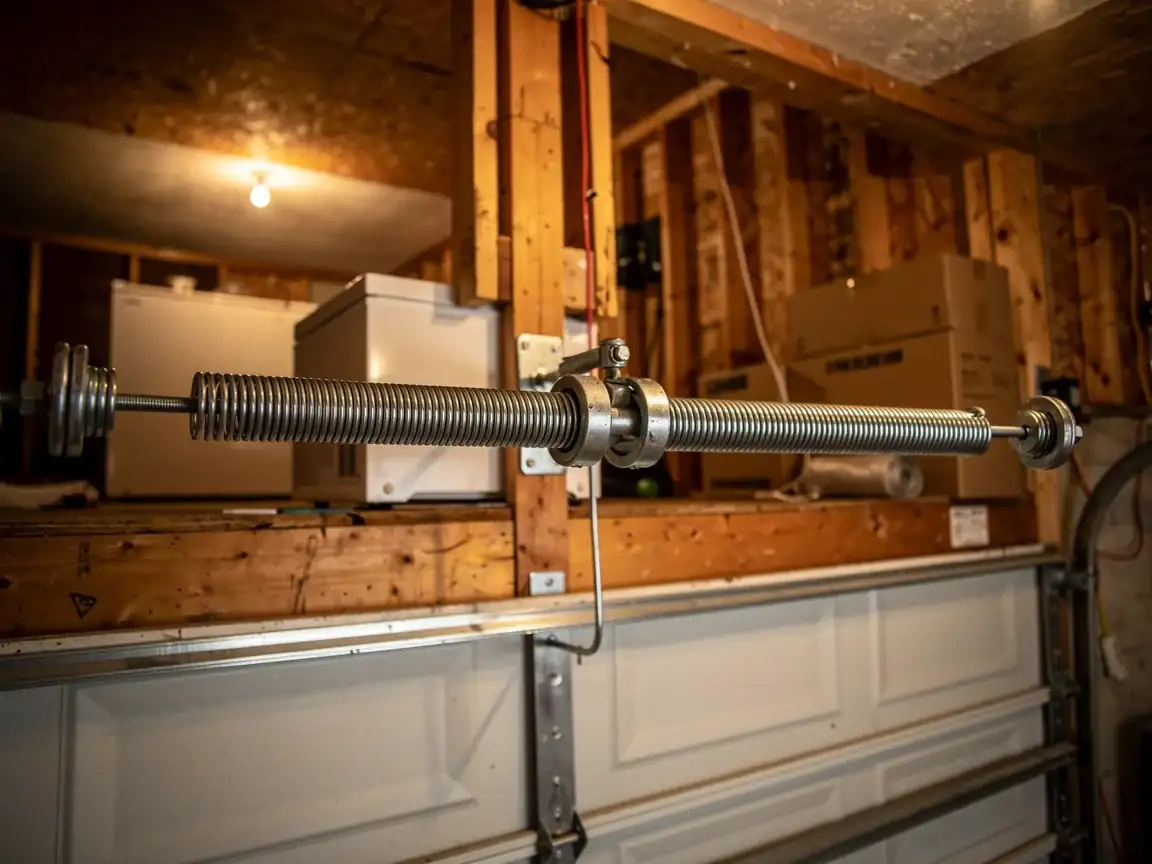
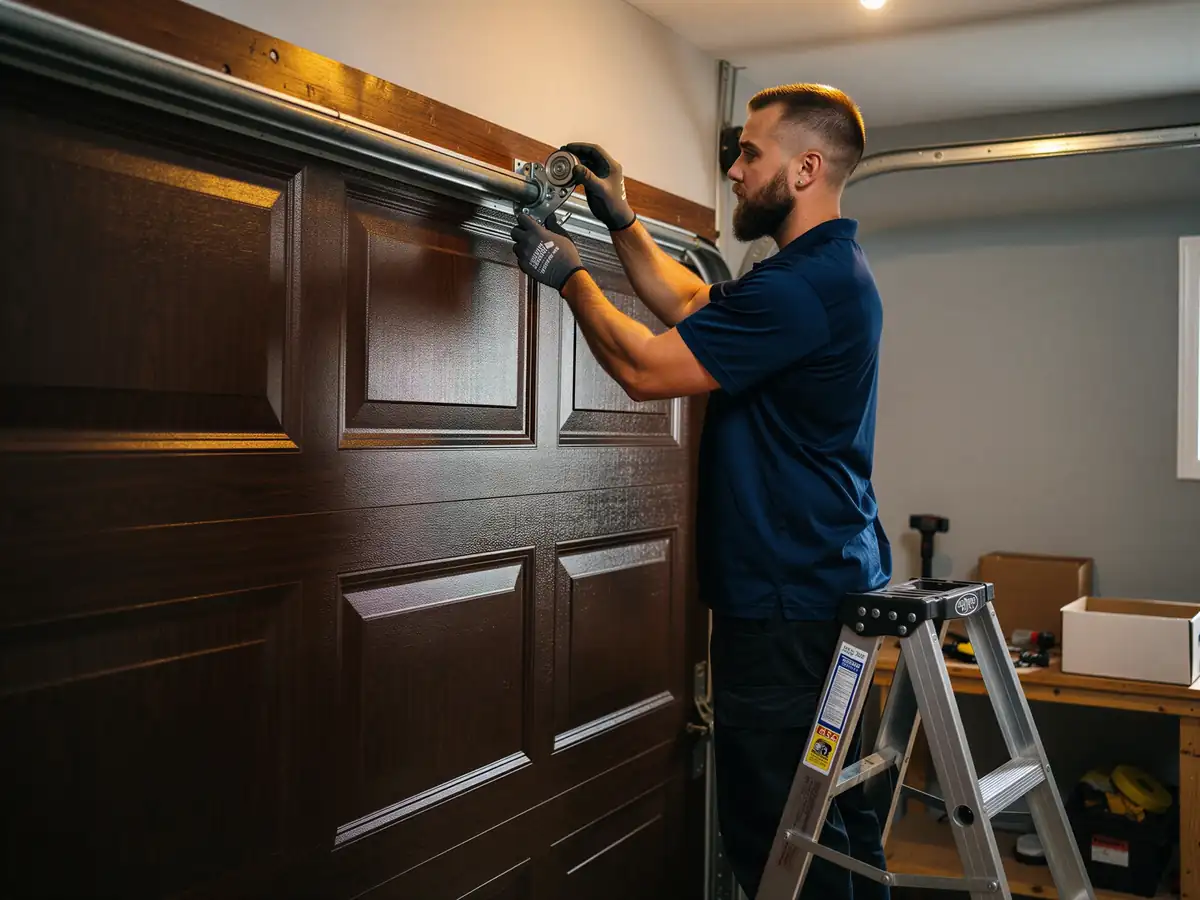
Most visits here are rollers and cable, not springs. The springs on a well-maintained door from this era still have life in them if they were sized right to begin with. What fails first is usually the stuff that moves constantly - nylon rollers gone brittle, lift cable starting to fray at the drum. We check both on every maintenance call, along with the track alignment issue described above, because on a mixed-hardware door, alignment drift is the root cause more often than any single worn part.
The DIY Question
Lubricating hinges and rollers is fine to do yourself, and if your door's been quiet, there's no reason to call anyone. Where we draw the line is anything involving the torsion spring or the cable under tension - on a door with mismatched hardware like a lot of what we see in Jennings Lodge, that tension isn't always what the spring size suggests it should be, and that's exactly the situation that hurts people.
The other DIY trap here is tightening lag bolts or bracket hardware on an older frame without checking what's behind it. On a house from this build era, wood around the jamb can be original, and over-torquing a bolt into it does more damage than the loose bolt was doing. If a door is dragging or off-level, that's a sign the fix is bigger than a tube of grease, even if it still opens fine for now.
What the Repair Takes
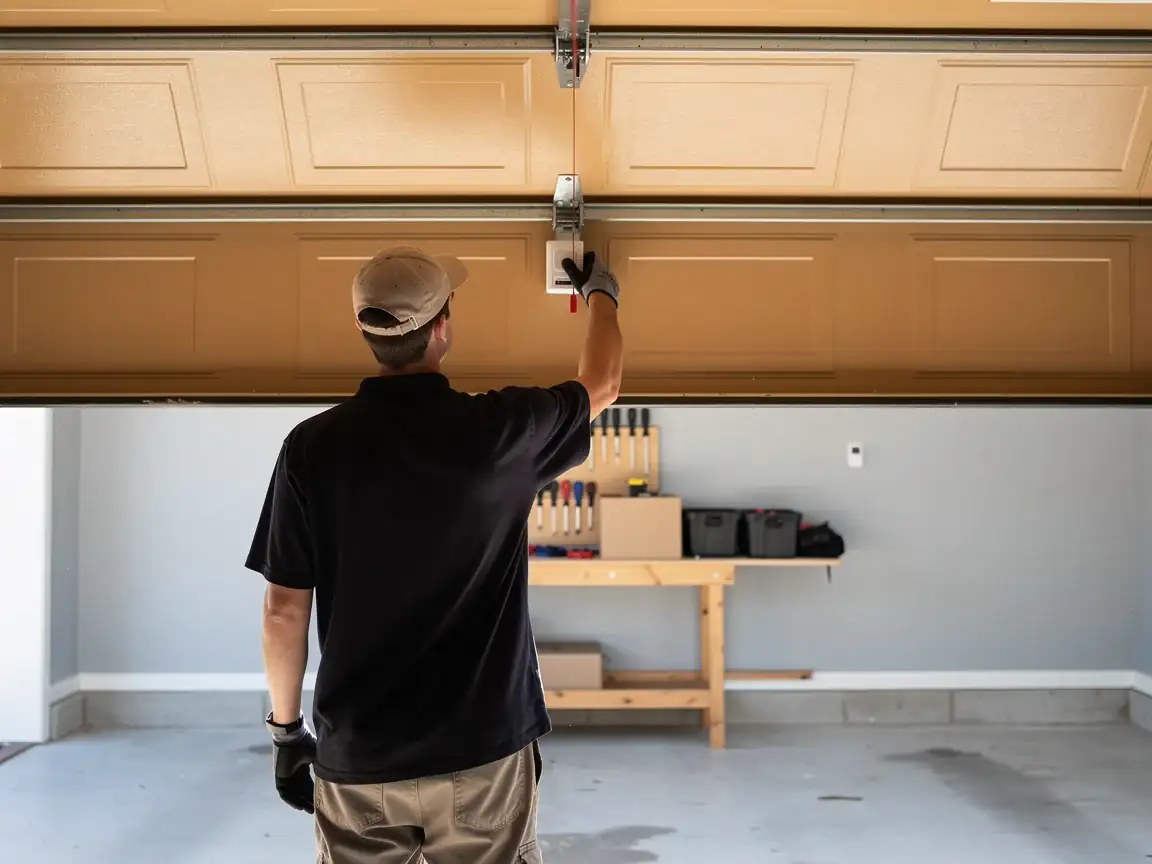
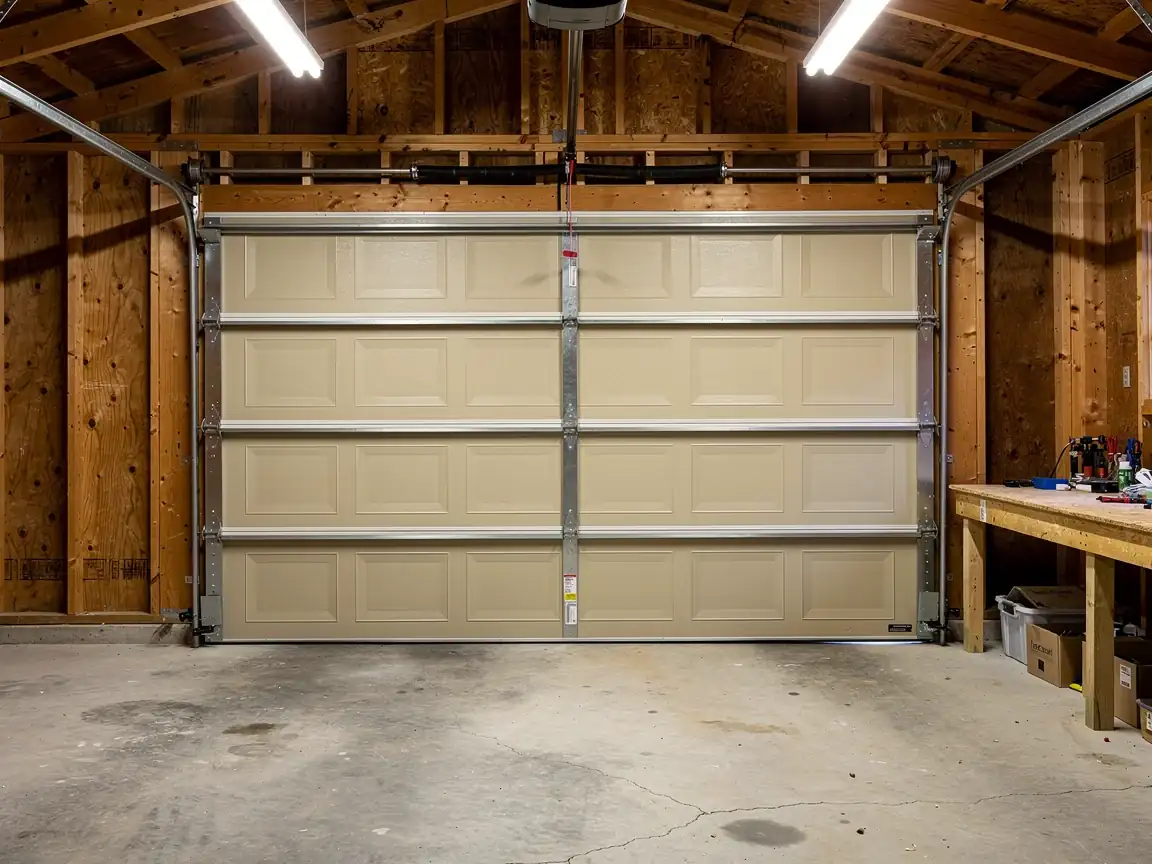
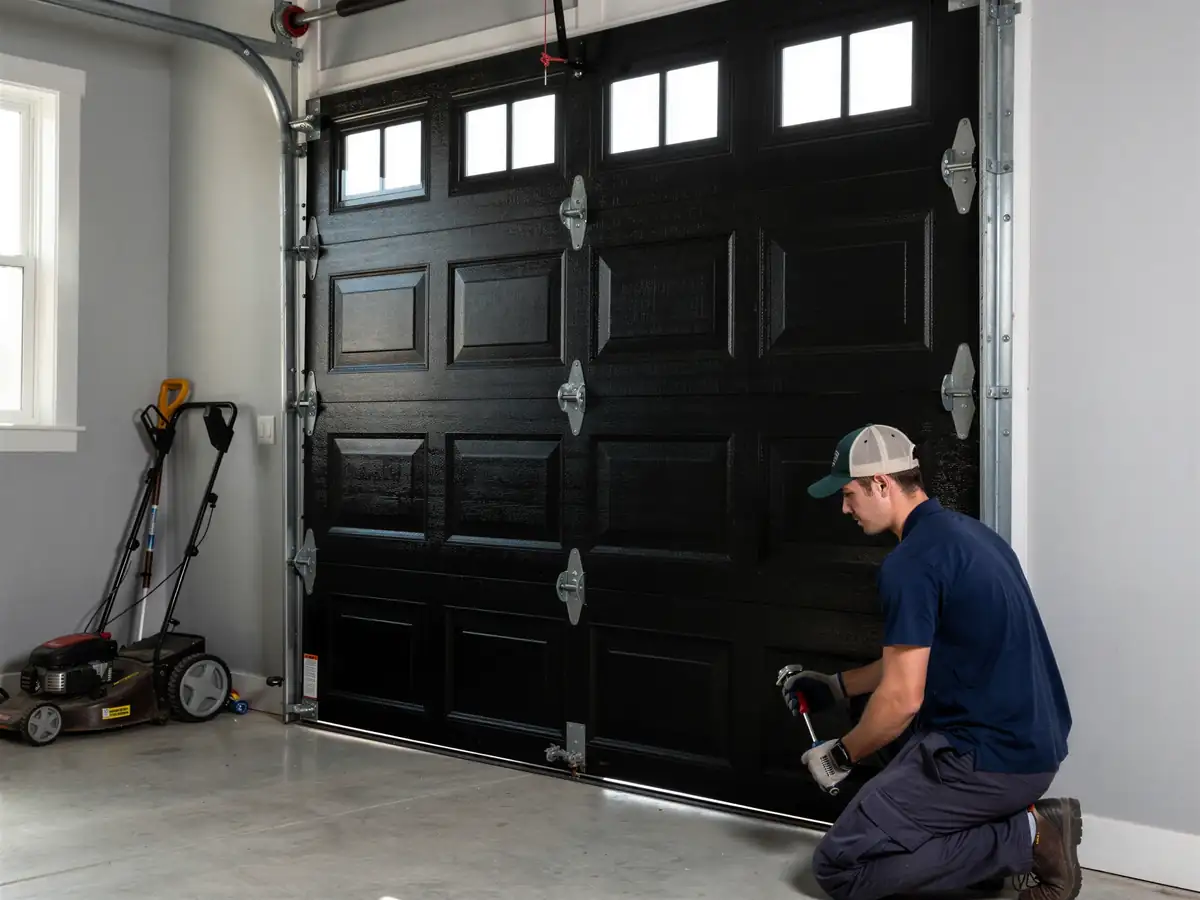
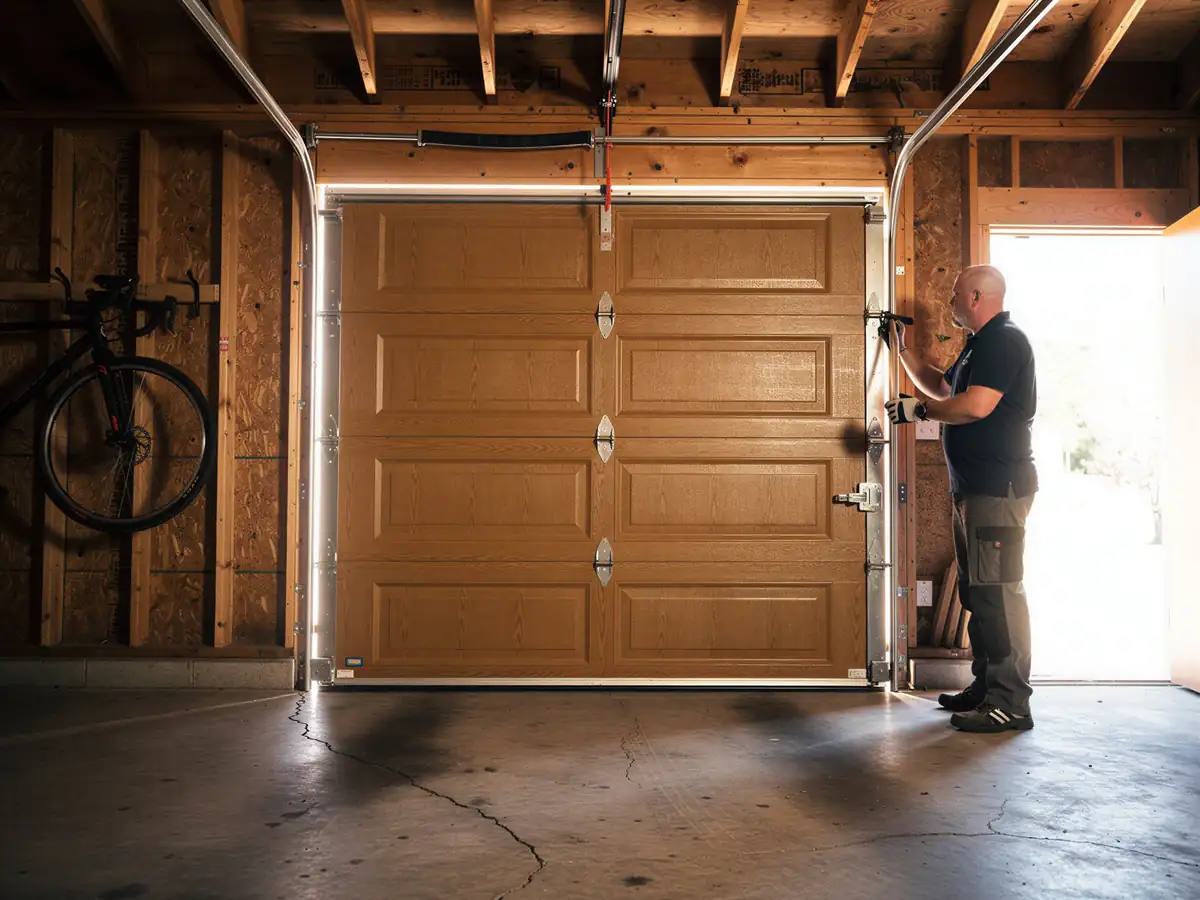
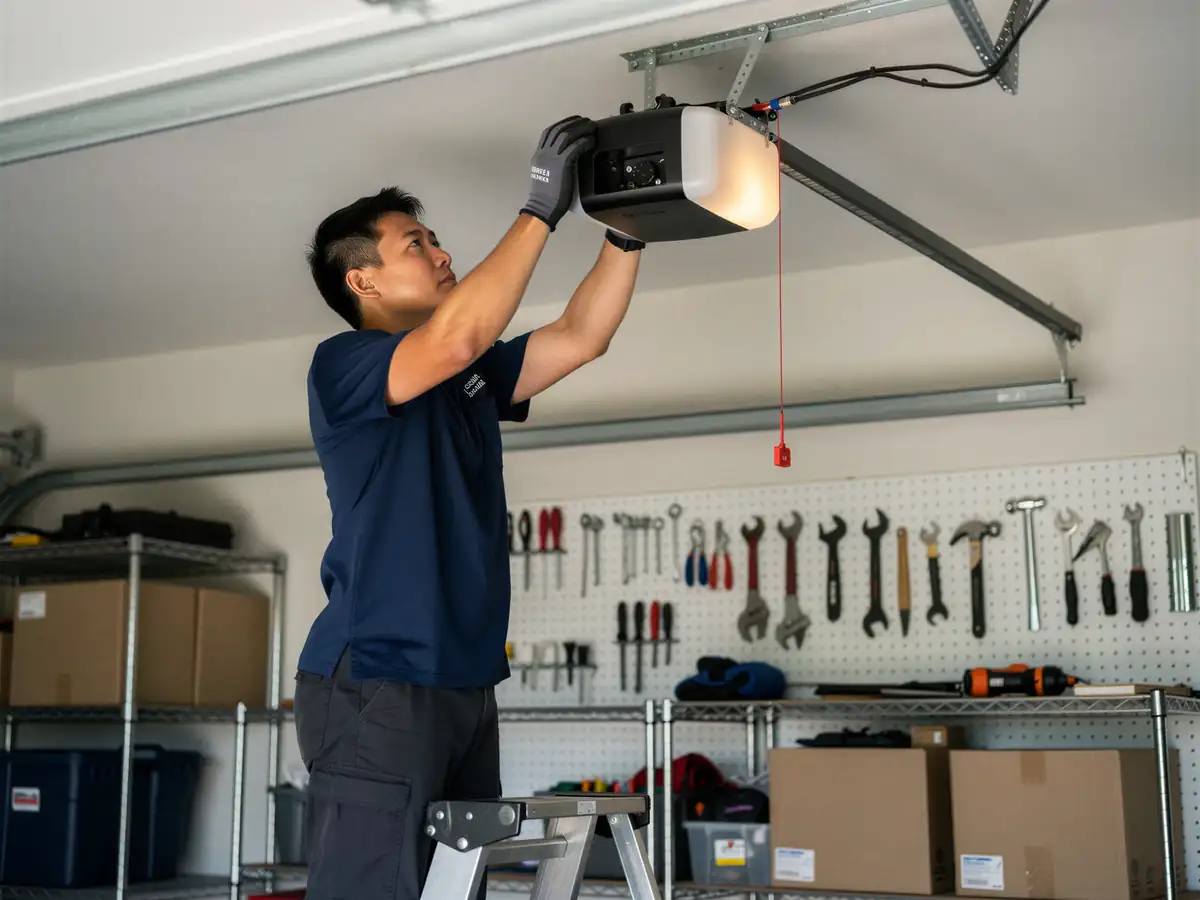
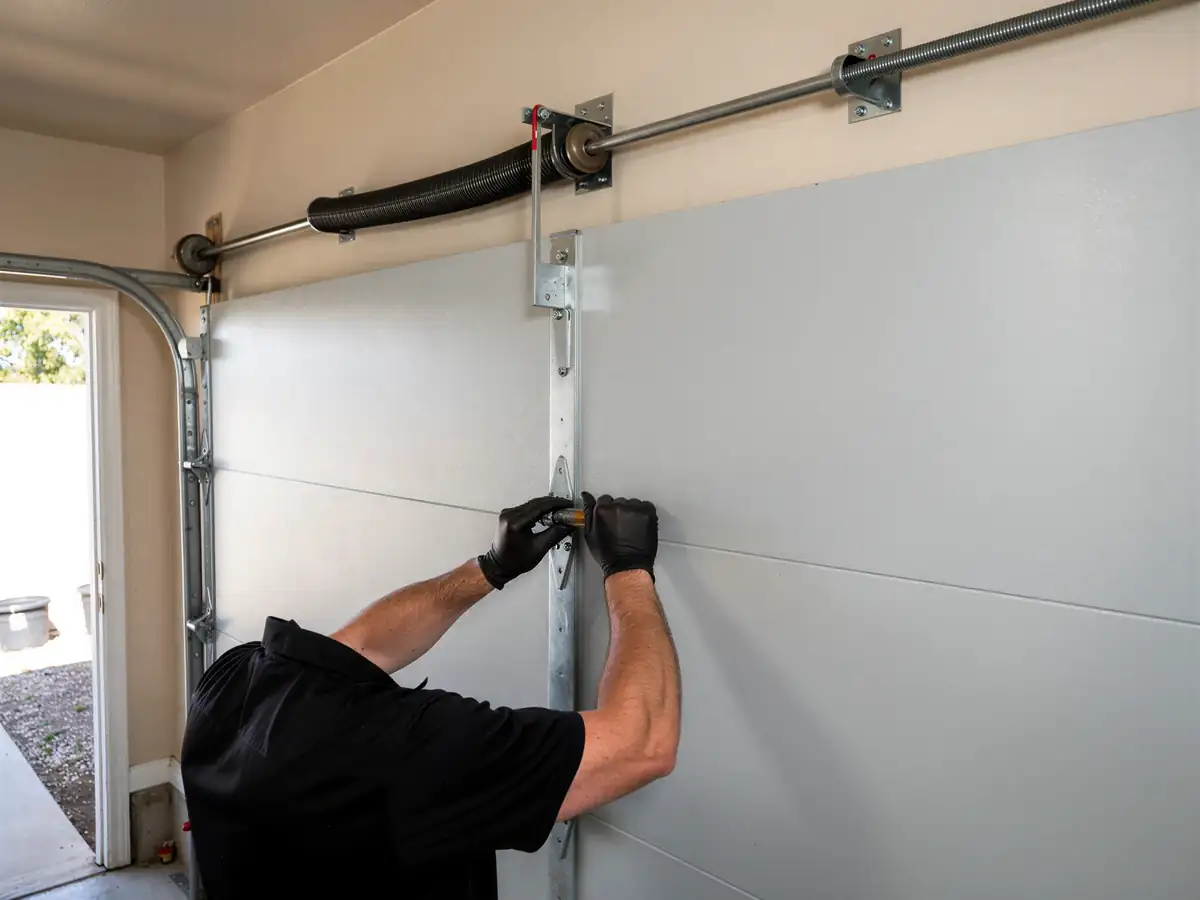
A standard maintenance visit - lubrication, roller and cable inspection, track alignment check, balance test - runs through the same checklist whether the house is from 1975 or 1995, but on a Jennings Lodge door we spend more time on the alignment check specifically, because that's where the mixed-era hardware shows its wear first. If rollers or cable need swapping, that's usually done the same visit, off the truck stock described above.
If we find a part that doesn't match anything we carry - which happens more on houses this age than on newer builds - that's a return trip once it's ordered in. We'll tell you on-site if that's likely, rather than let you find out when the truck leaves without finishing the job.