Why It Happens Here
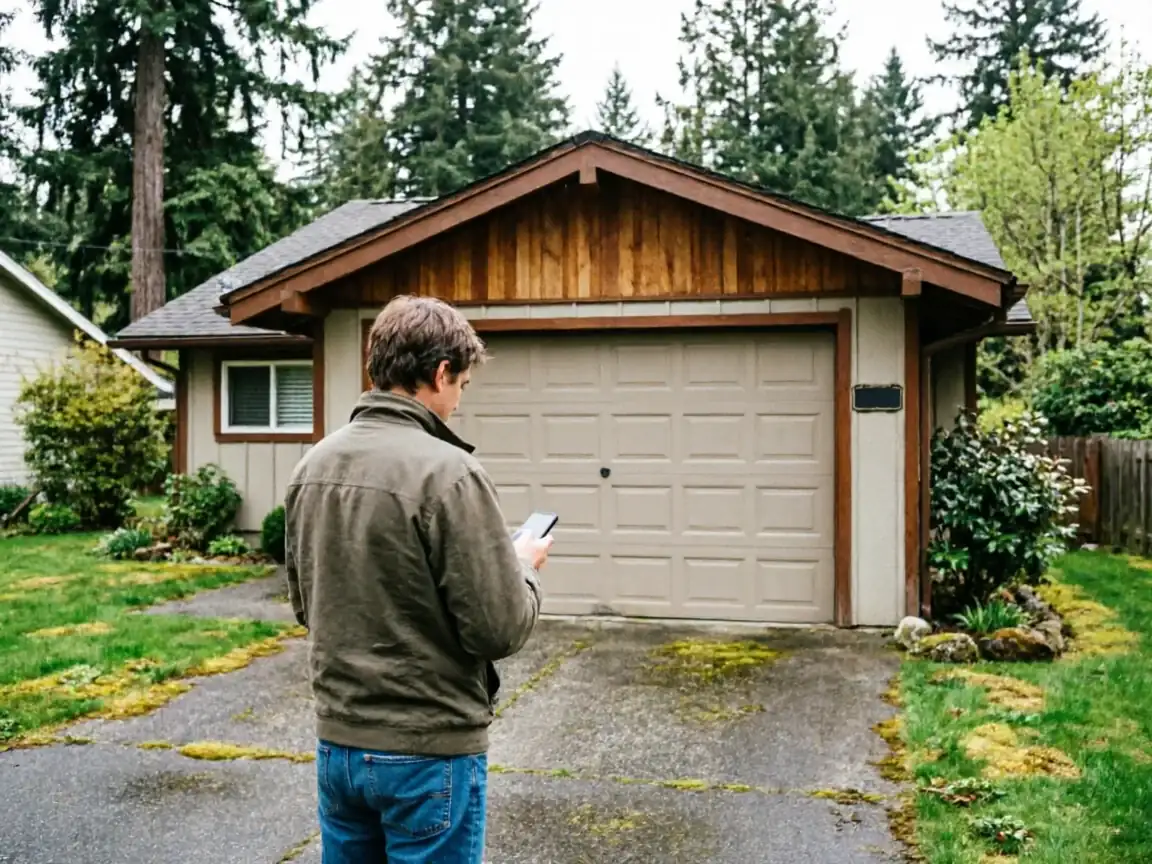
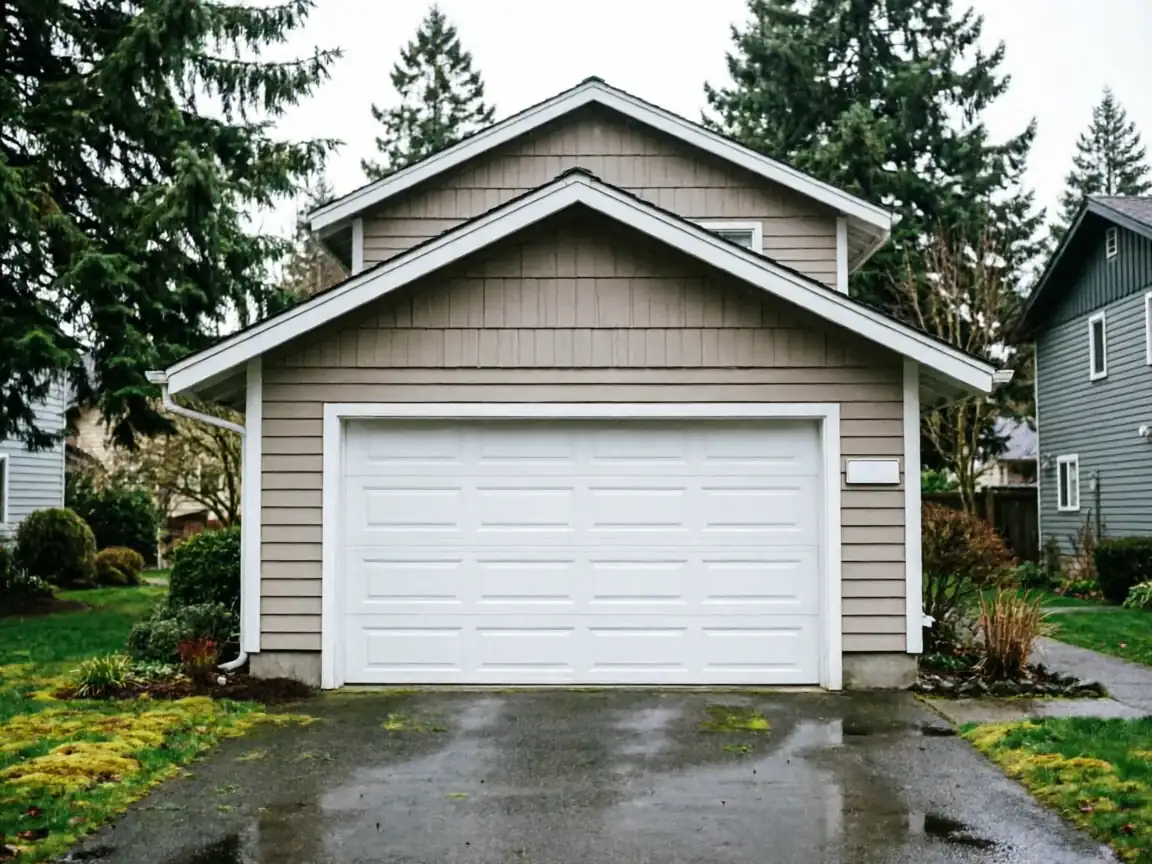
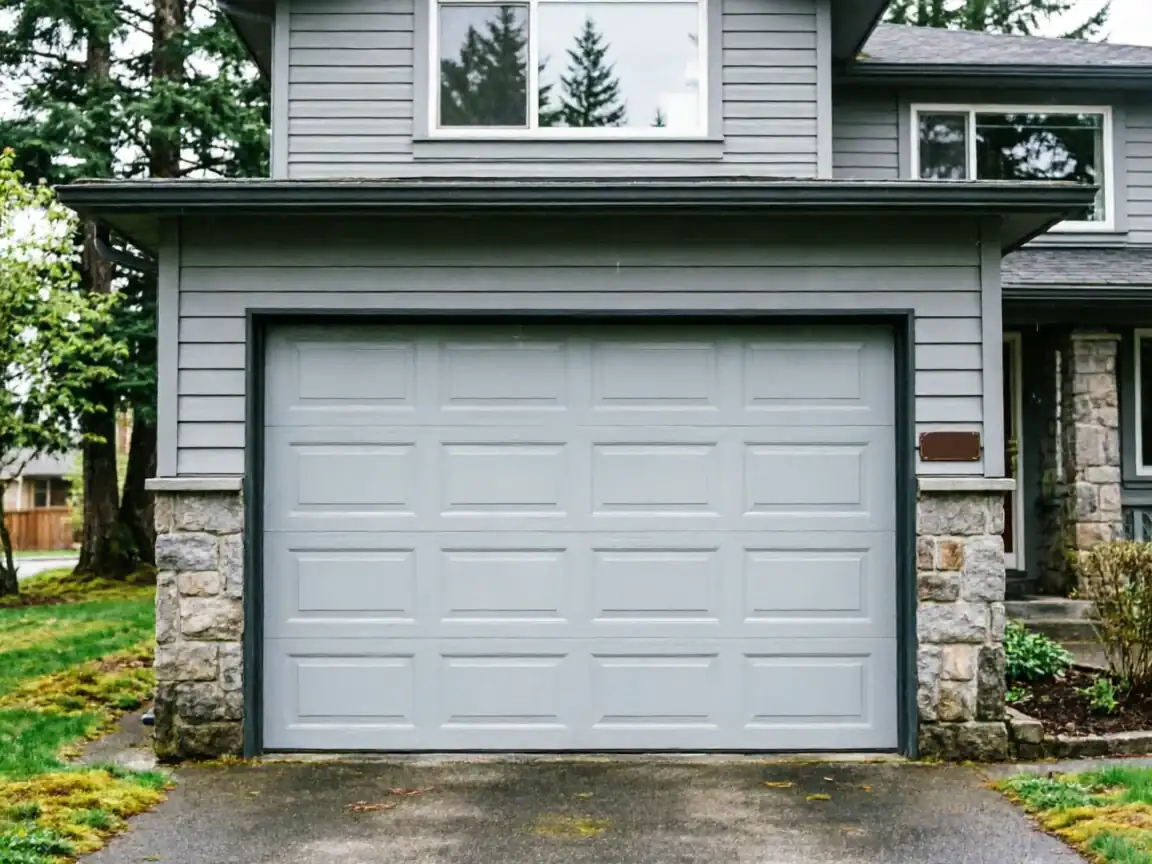
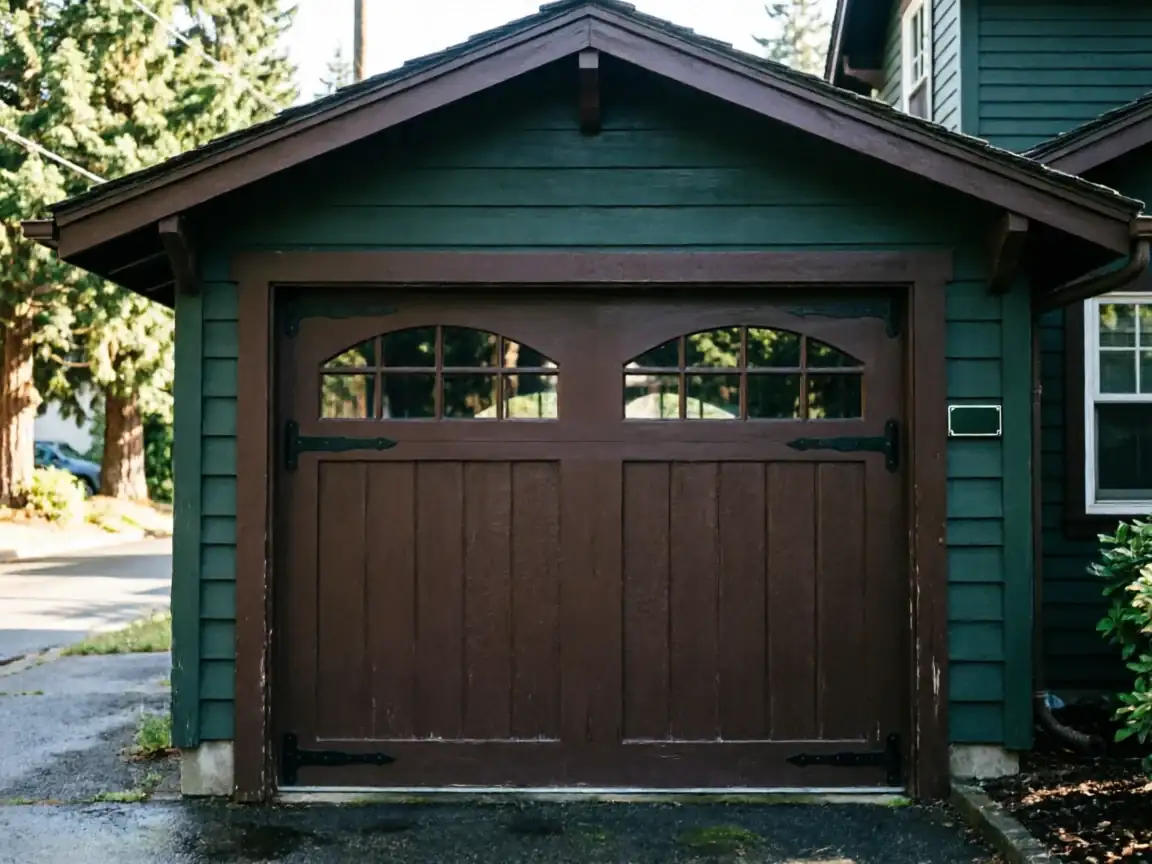
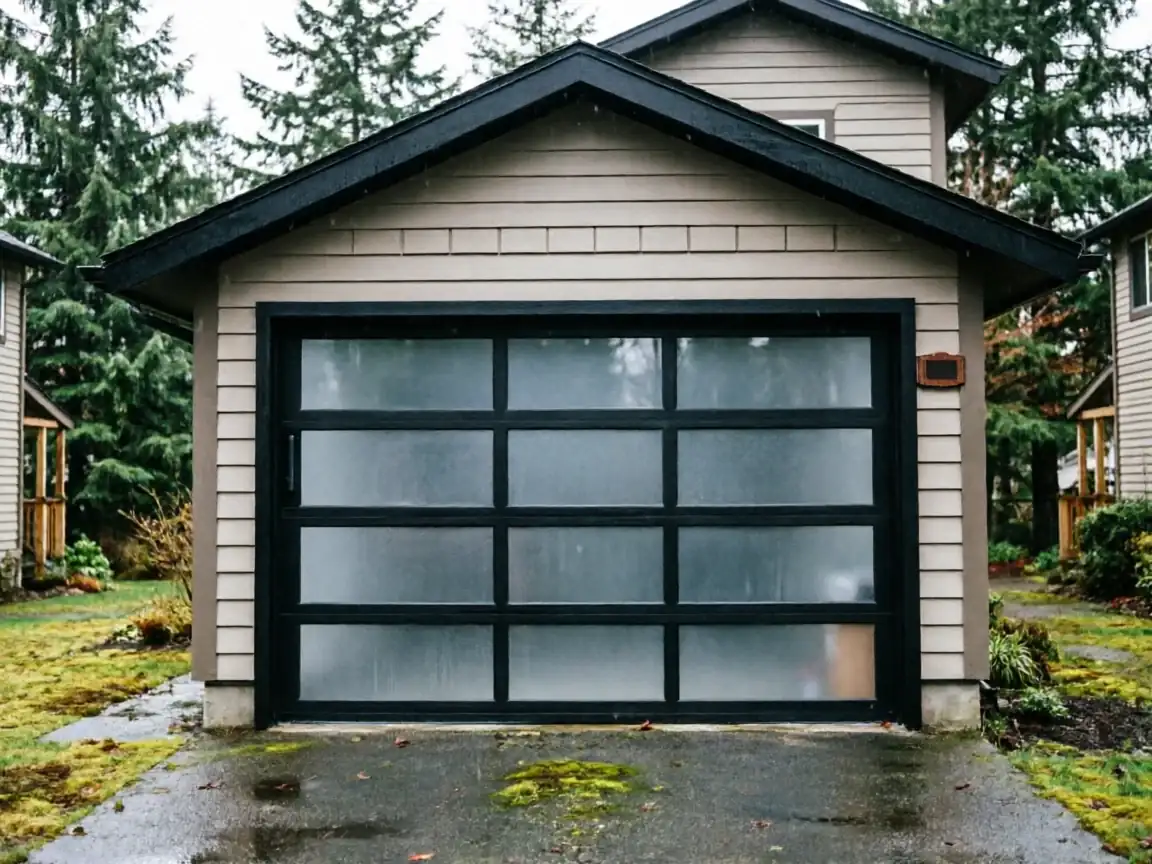
Most houses on this stretch near Jennings Lodge went up around 1975
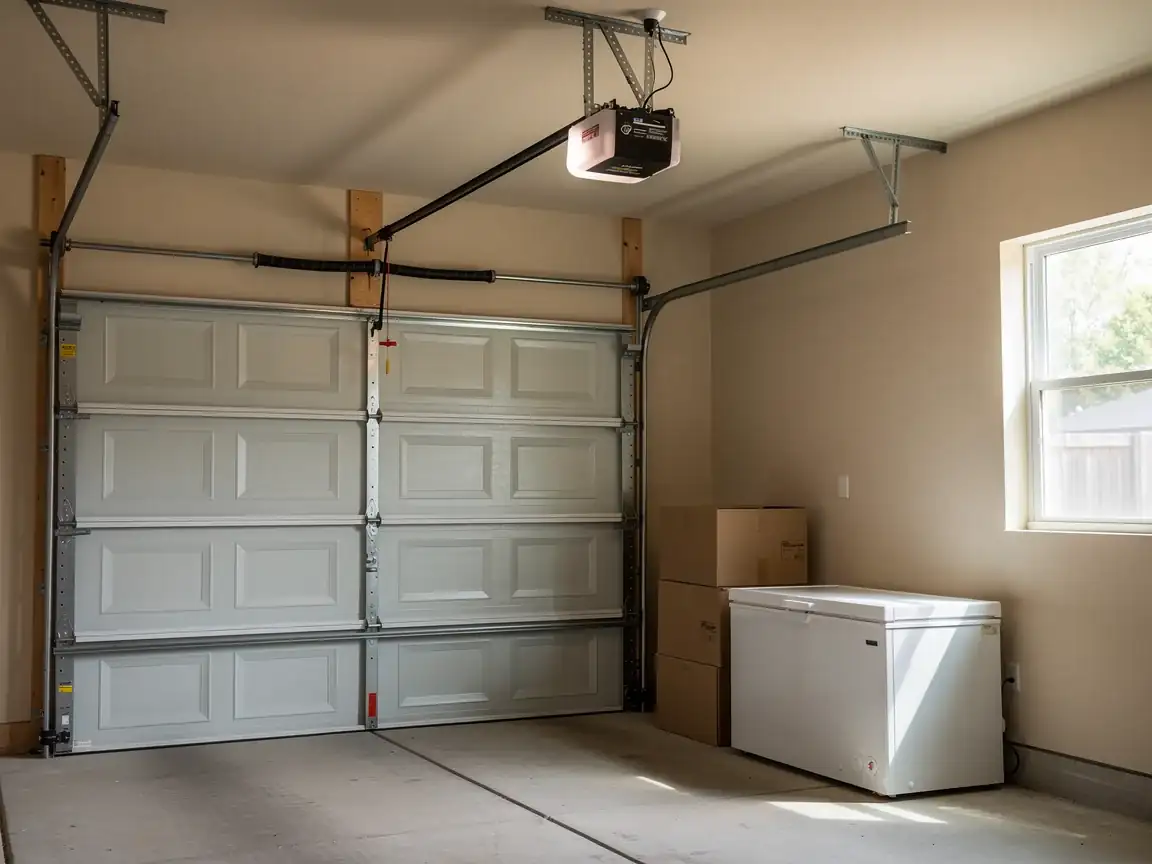
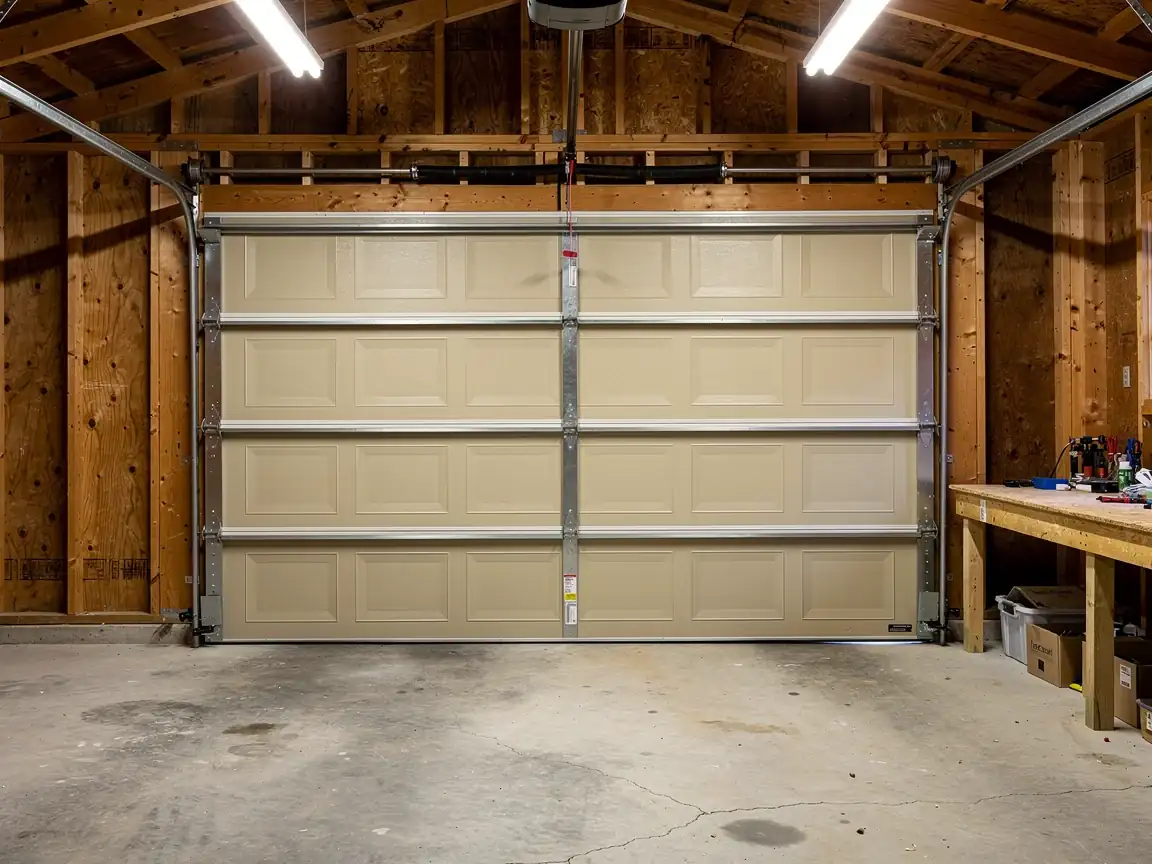
Give or take a few years either side. That means a lot of single-car and narrow double-car steel sectional doors, hung on steel tracks with the rollers the builder put in and nobody's touched since. Those original rollers are almost always plain steel, no nylon sleeve, no sealed bearing - just a steel wheel on a steel stem riding in a steel track. That setup is loud by design and it wears fast once the factory grease dries out.
Our service area sits in a cold-moderate climate band
And that matters more for rollers than people think. Steel rollers don't flex. When the stem's bearing surface gets gritty or dry in a cold snap, the roller doesn't roll anymore, it skids, and that's what chews a flat spot into the wheel or cracks the stem. You'll hear it before you see it: a grinding or popping sound every time the door passes a certain spot on the track, usually right near the bottom panel where the door takes the most load.
Across the wider area we cover, homes range from the 1960s up into the early 2000s
But Jennings Lodge sits on the older end of that range, which is exactly why these original steel-roller doors are still common here instead of having been swapped out for newer hardware already.
Parts We Carry
For a door from this era we stock nylon rollers with sealed ball bearings in the stem sizes that fit the track gauge these older steel doors use. Nylon doesn't grind the way steel on steel does, and the sealed bearing means no more yearly oiling just to keep the noise down. We also carry steel ball-bearing rollers for owners who want something closer to commercial-duty, heavier doors or doors that get opened and closed a lot in a day.
We don't stock every stem length or wheel diameter off the truck for every job - some of the oddball short-stem rollers used on a few 1970s track designs take a special order. If your door's hardware turns out to be one of those less common setups, we'll tell you upfront rather than force a part that doesn't fit the track radius.
The DIY Question
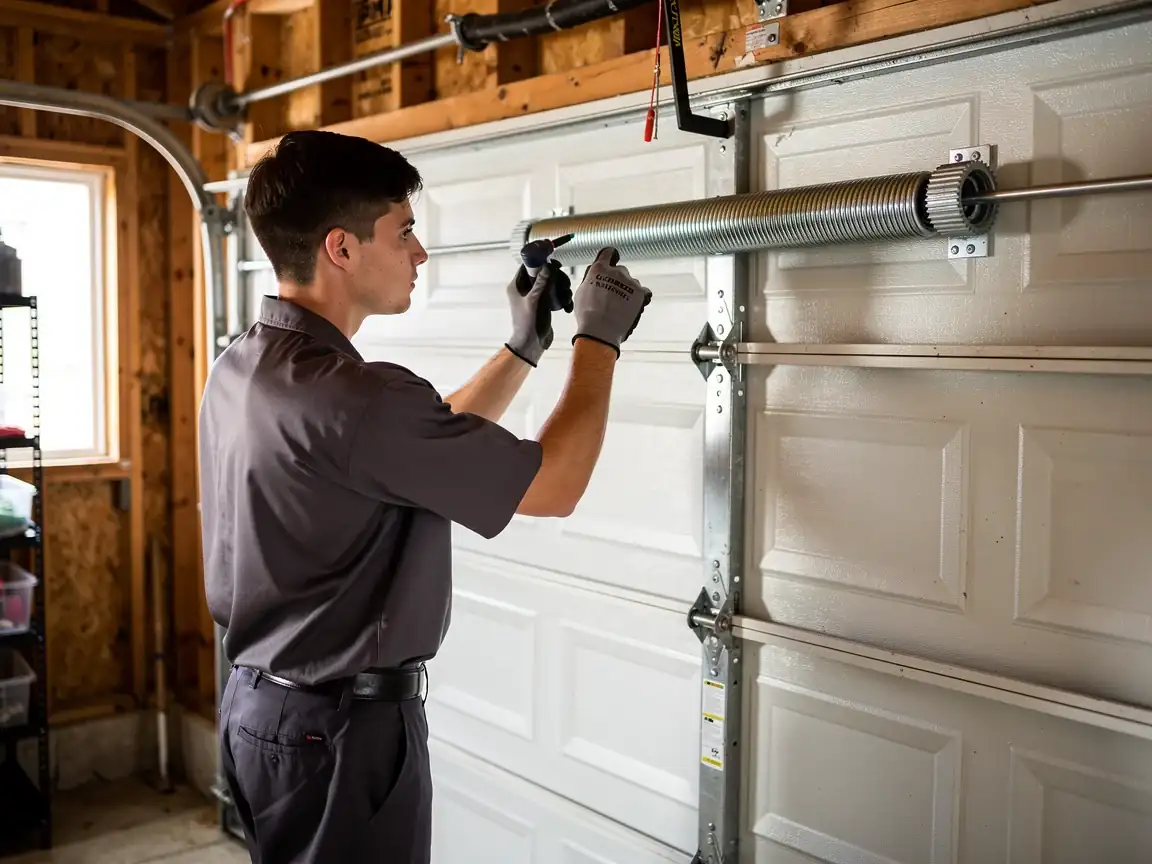
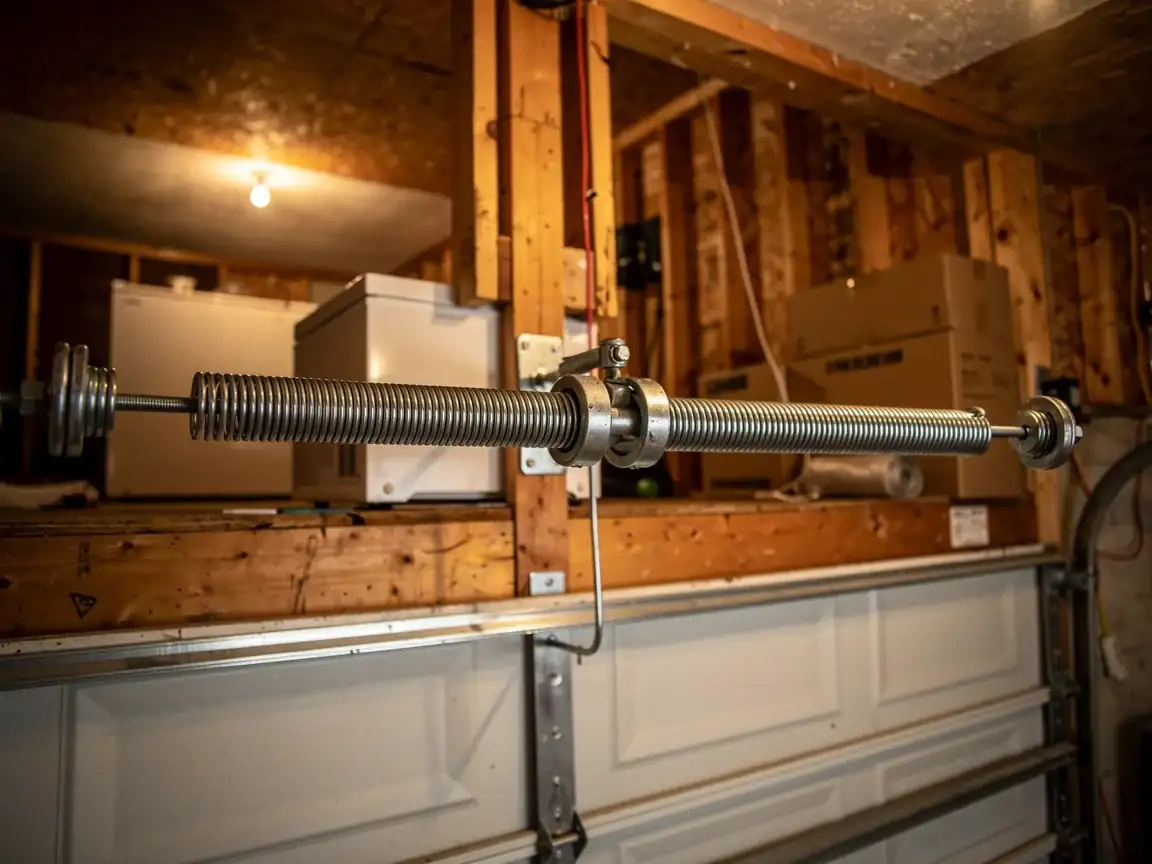
Swapping a roller or two is within reach for a homeowner who's comfortable with a ladder and some hand tools, as long as the door isn't under spring tension at that panel and you know which rollers are load-bearing versus just guides. The rollers nearest the bottom corners carry the most weight and see the most wear - those are also the ones closest to the spring and cable system, which is where DIY jobs go wrong.
Here's the honest limit: if more than two or three rollers on one side are shot, or if the track itself is bent or the roller has already come out of the track, that's not a one-roller fix anymore. At that point you're looking at track alignment work too, and doing that solo on a ladder with a heavy steel door is how people get hurt. We'd rather you call for that part of it than find out the hard way.
The Cost of This Job
We don't post a flat price here because roller count, roller type, and whether the track needs adjusting at the same time all change the number
A full set of nylon sealed-bearing rollers costs more upfront than steel ones but needs far less attention afterward, which matters if you're trying to get years out of a door instead of redoing this job twice.
Median household income in Jennings Lodge runs lower than some of the areas we cover closer to Oregon City
And we know that affects how people weigh a roller swap against a full door replacement. If your door is otherwise sound - panels straight, no rust-through, torsion spring still good - rollers are one of the cheaper fixes in this trade. It's when the track, springs, and rollers all need work at once that the math starts favoring a new door instead.
What the Repair Takes
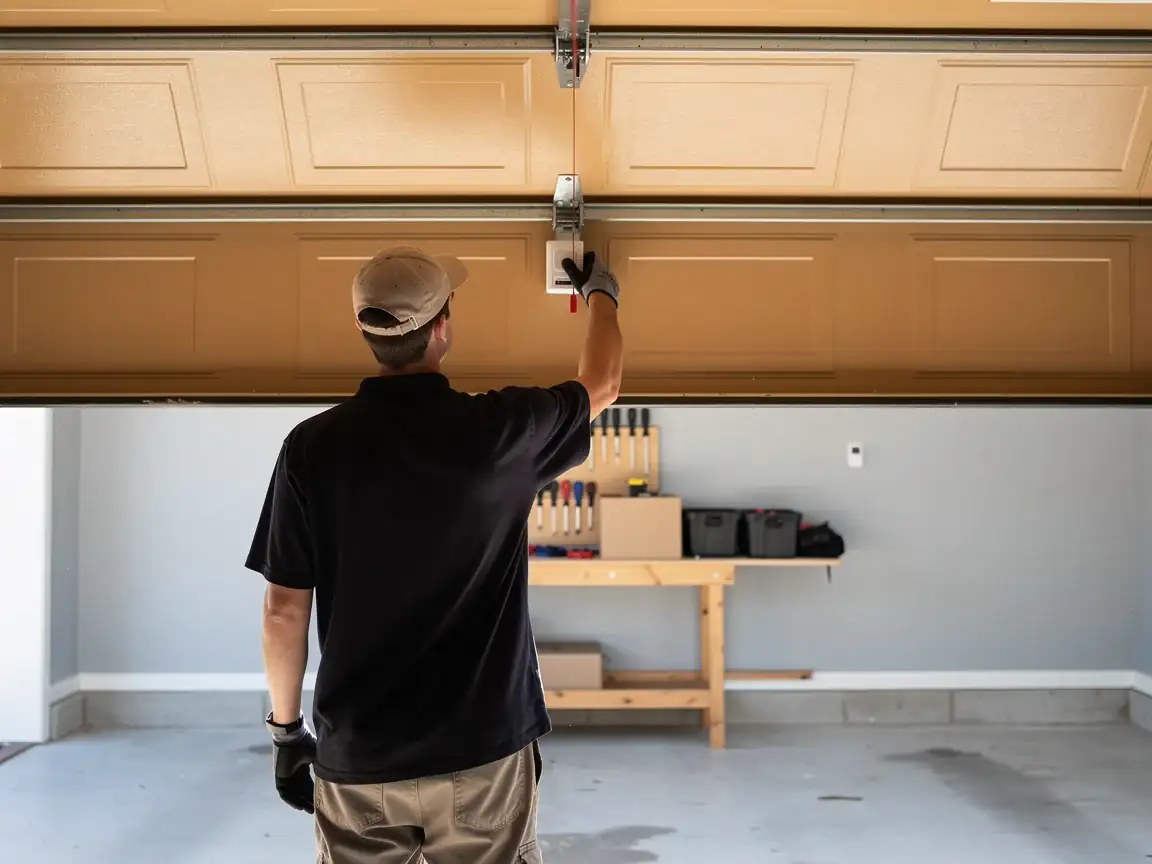
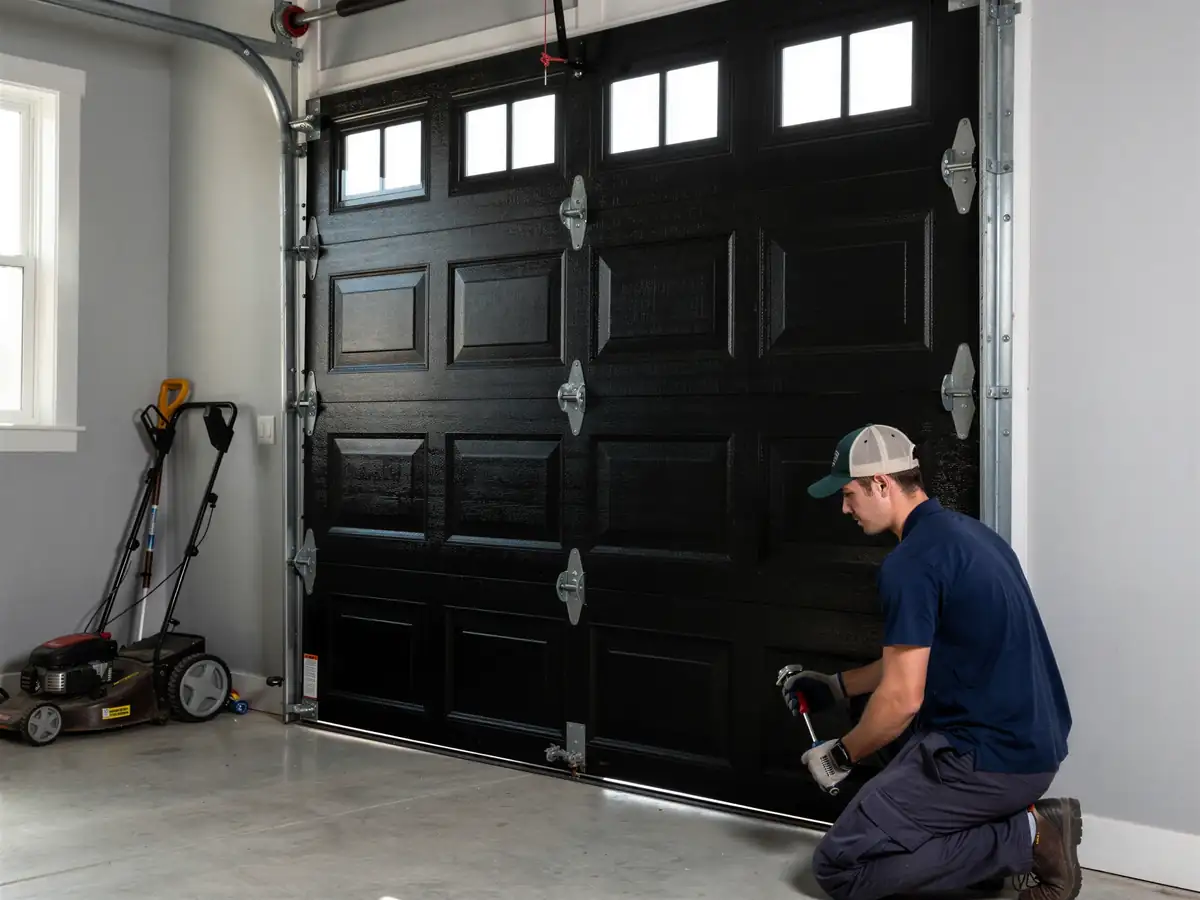
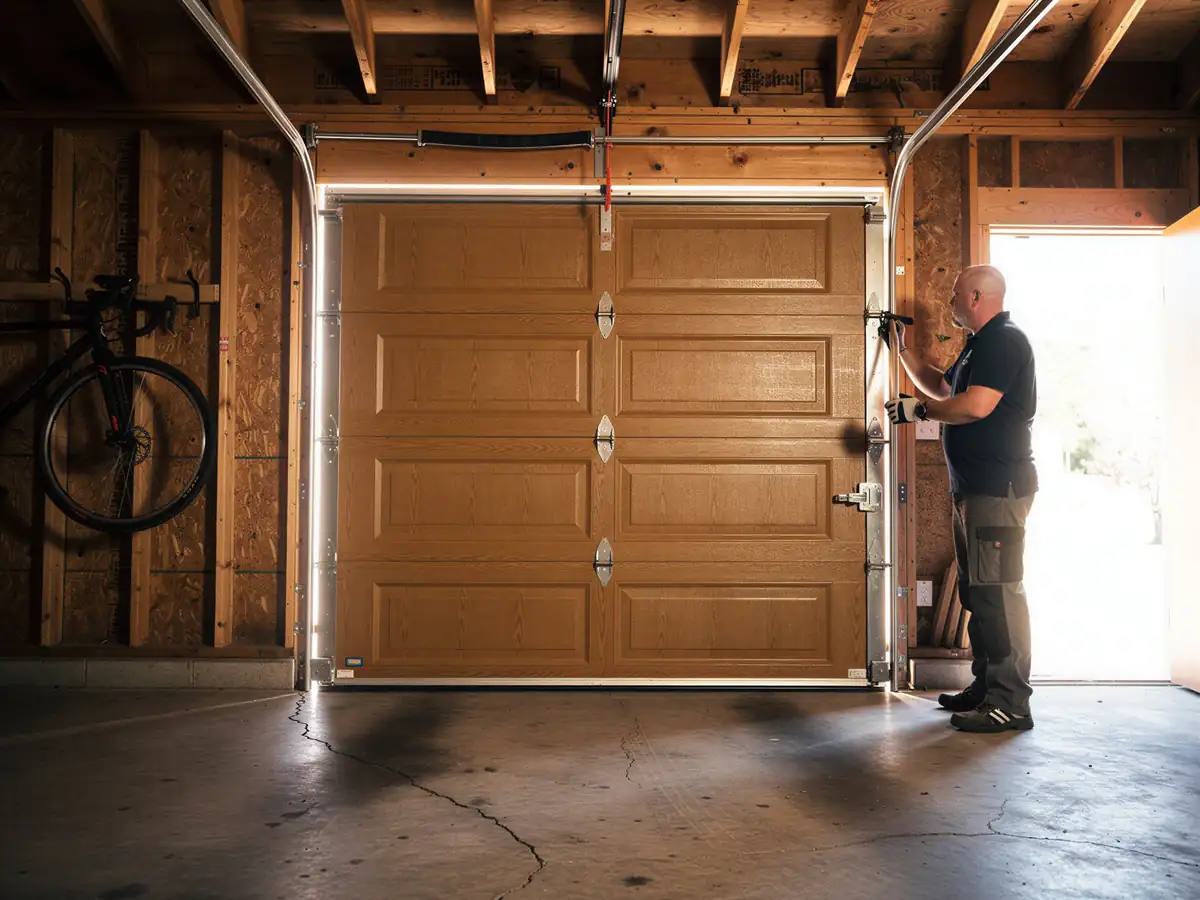
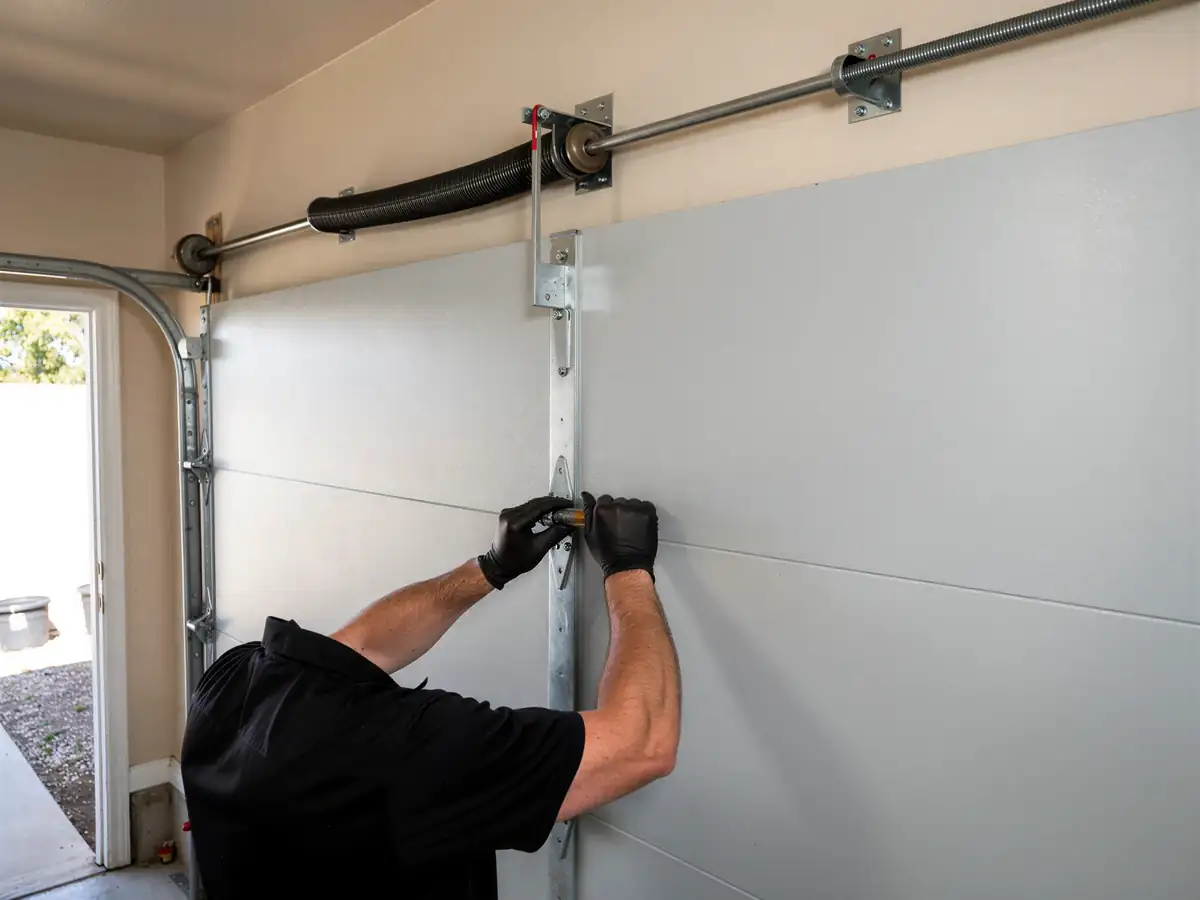
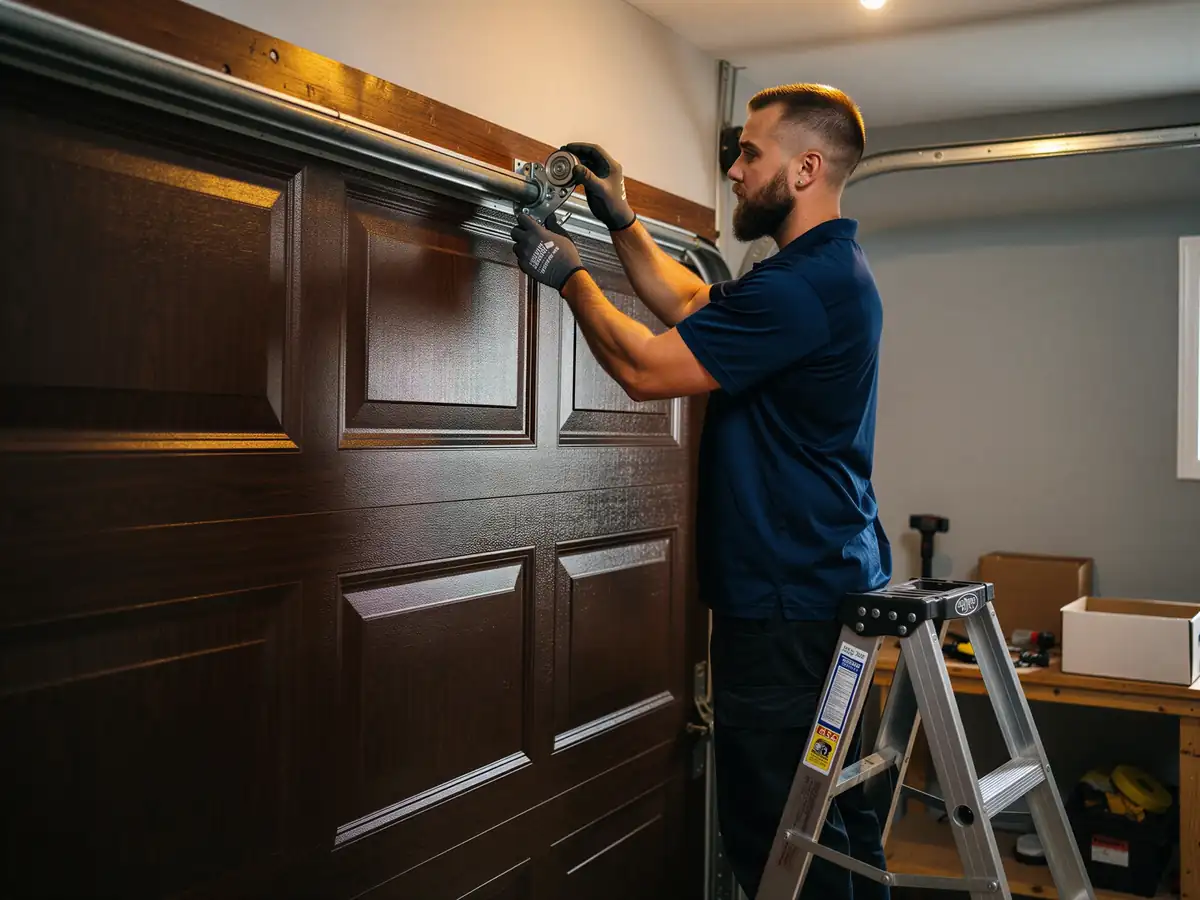
For a straightforward roller swap, we release tension on the door, pull the old rollers out of the track one at a time starting from the bottom, and set the new ones in without pulling the whole door off its hinges. If the track's still true, this is a same-visit job. If we find the track bent or out of plumb from years of a dragging roller, that gets straightened or replaced as part of the same trip rather than leaving you with new rollers in a bad track, which just wears them out again fast.
We travel to Jennings Lodge from our shop in Oregon City, about 4 miles out, so the truck comes to you rather than the other way around. We'll check all the rollers on both sides while we're there, not just the ones that are already making noise, since on a door this age the rest usually aren't far behind.