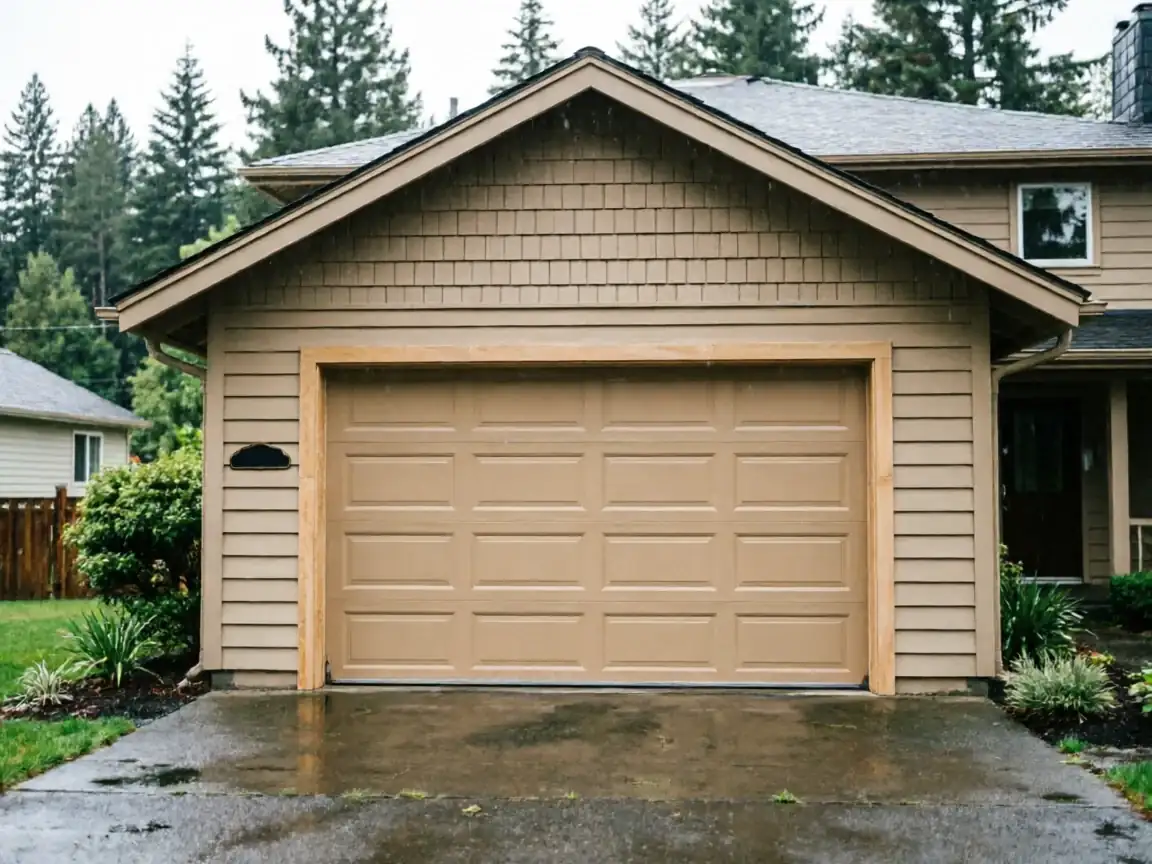
Parts We Carry
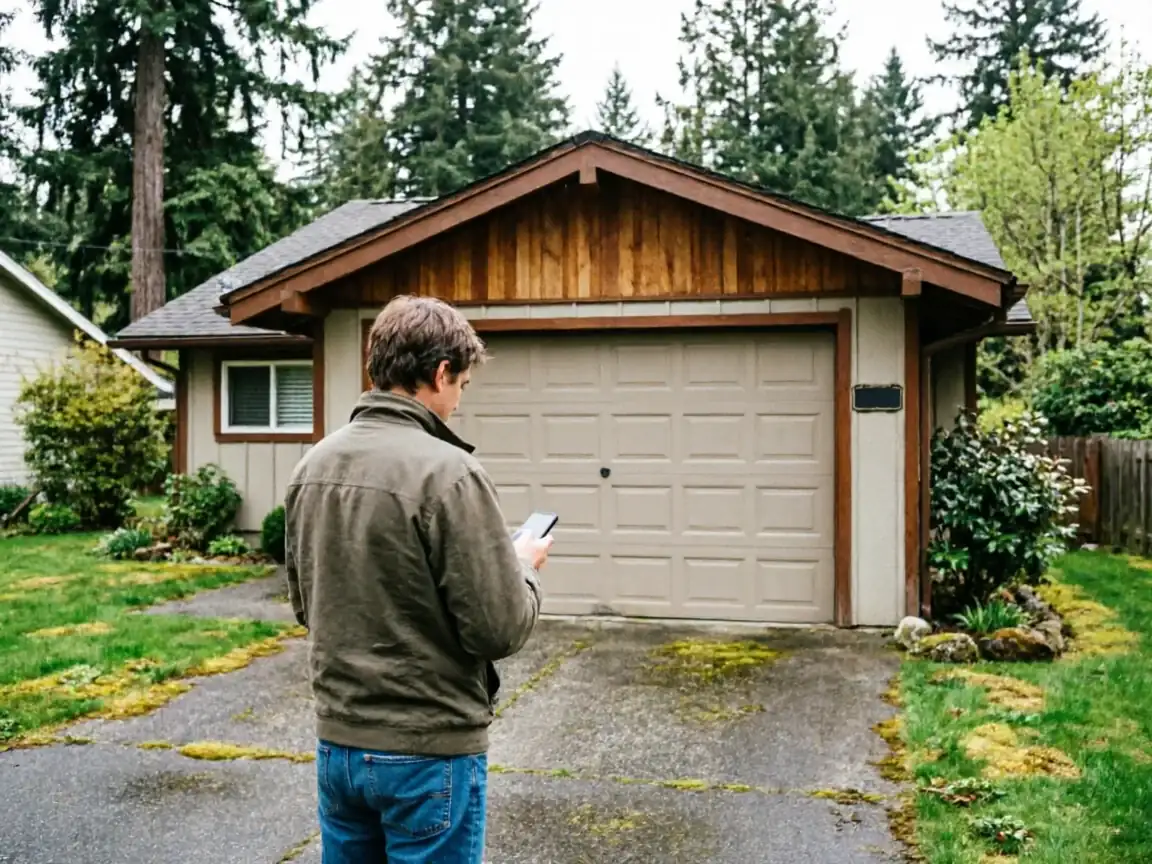
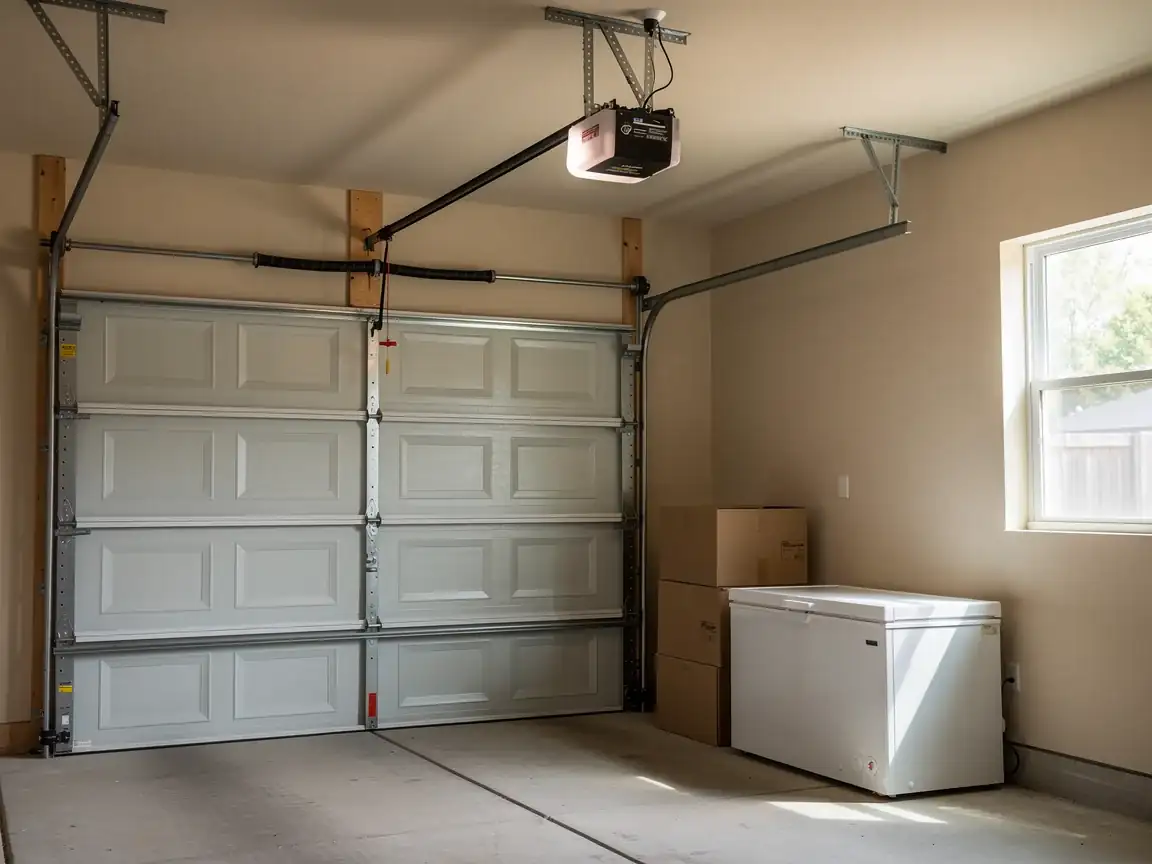
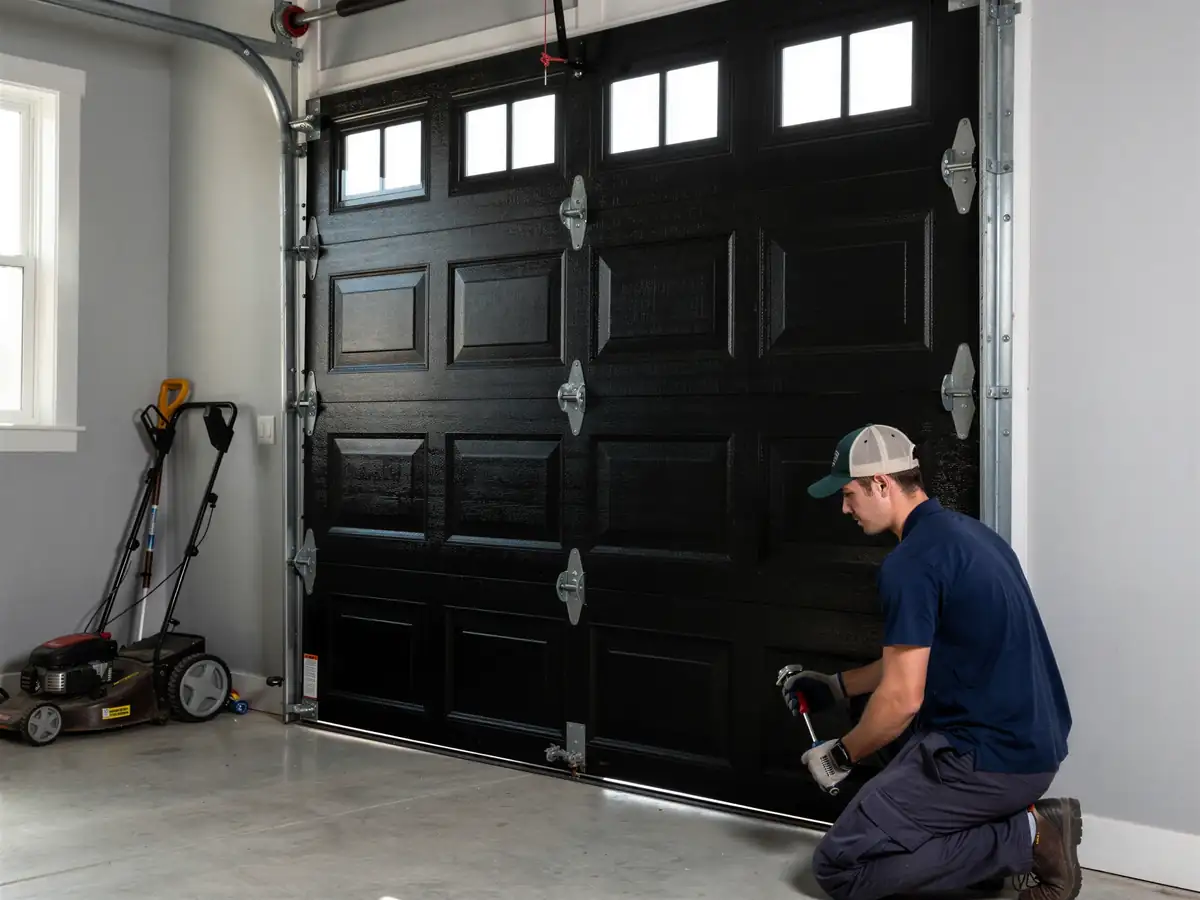
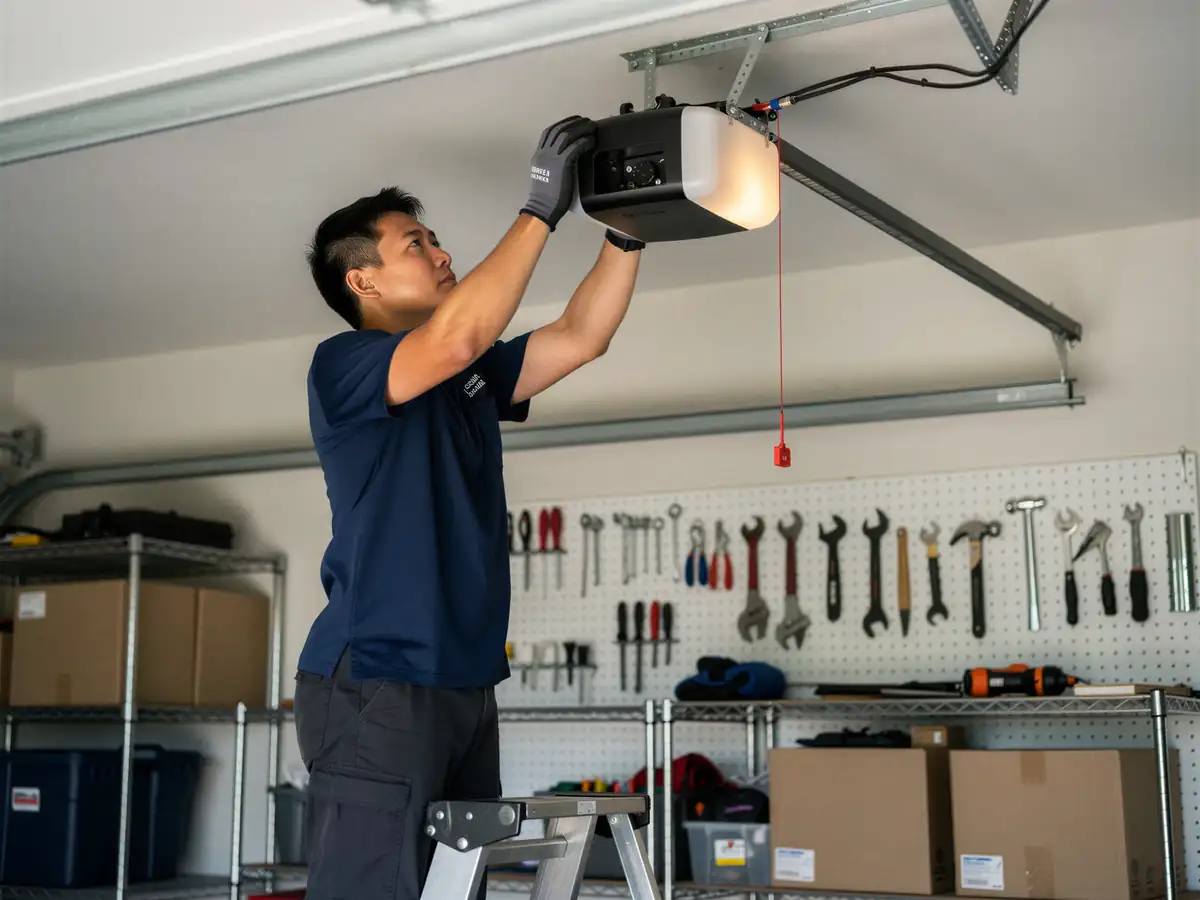
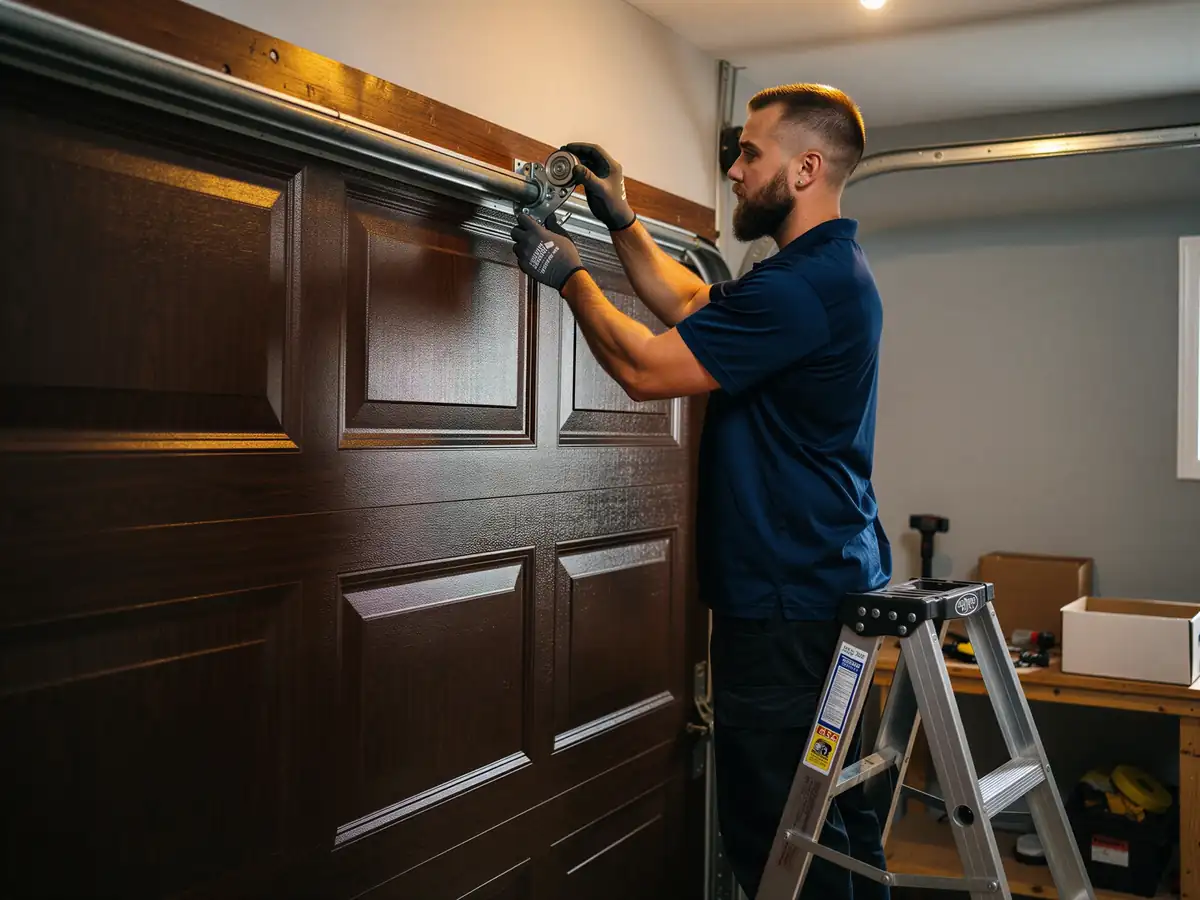
Because the run out here is predictable, we stock what a 1975-built door usually needs: standard-width torsion and extension springs, galvanized rollers, and the common bracket sizes for steel sectional doors from that era. Openers are more of a mixed bag - a house this old has likely had at least one replacement unit installed since it was built, so we carry universal circuit boards and drive belts rather than betting on one brand. What we don't keep on the truck is anything custom - oversized doors, specialty insulated panels, or obsolete opener parts from a brand that stopped making them twenty years ago. If your door needs one of those, we'll tell you straight and order it, which usually adds a few days.
The DIY Question
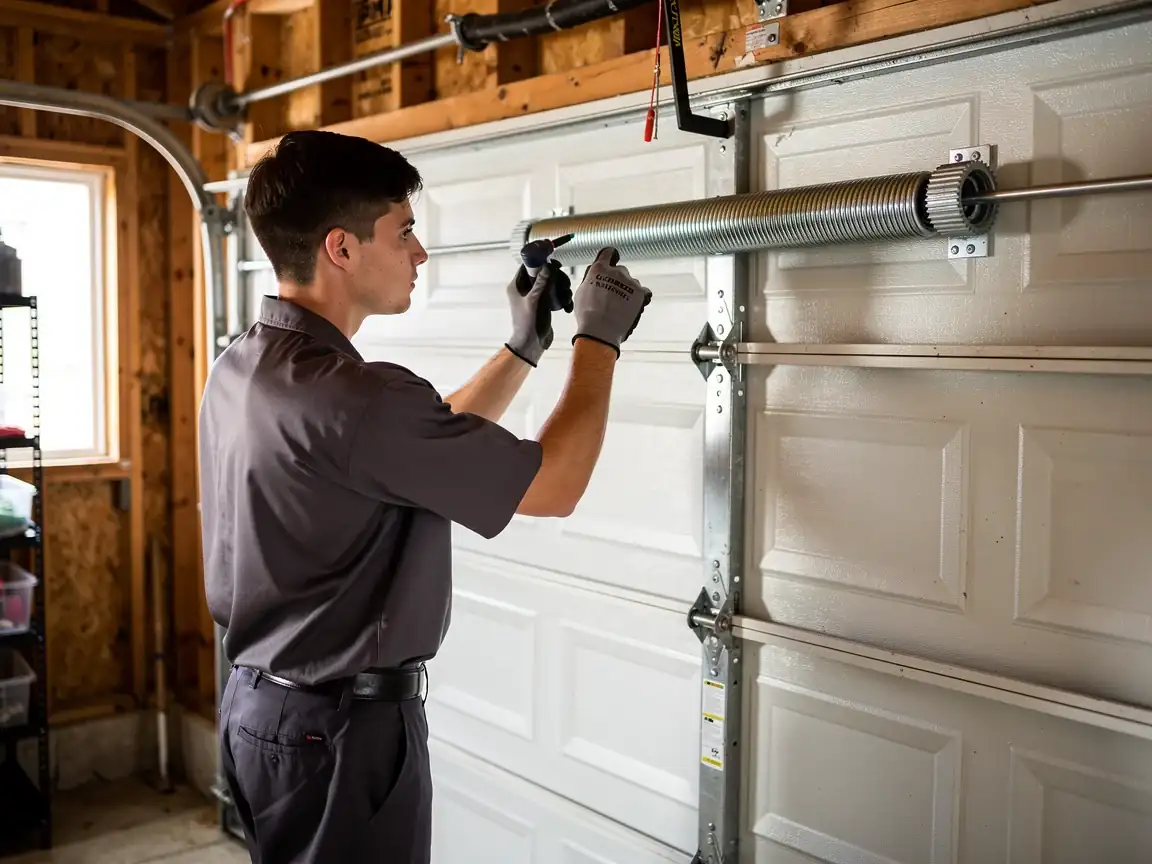
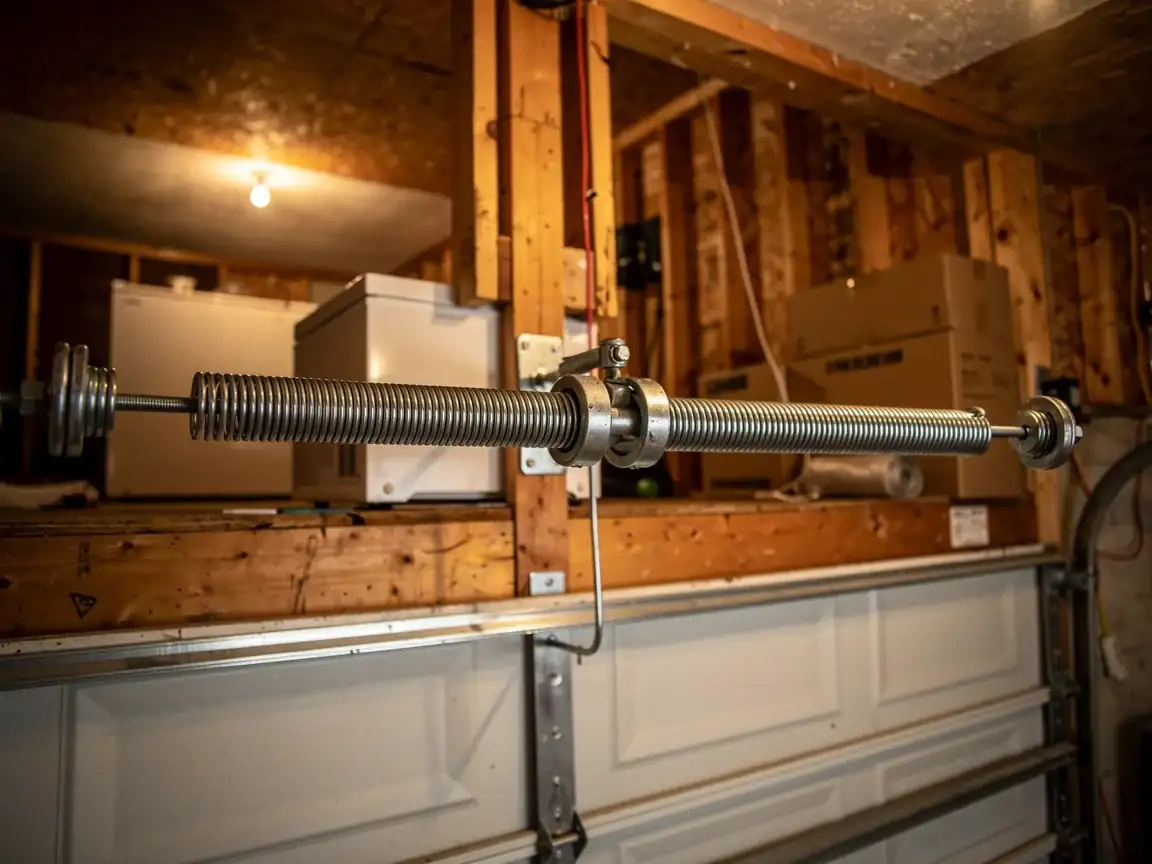
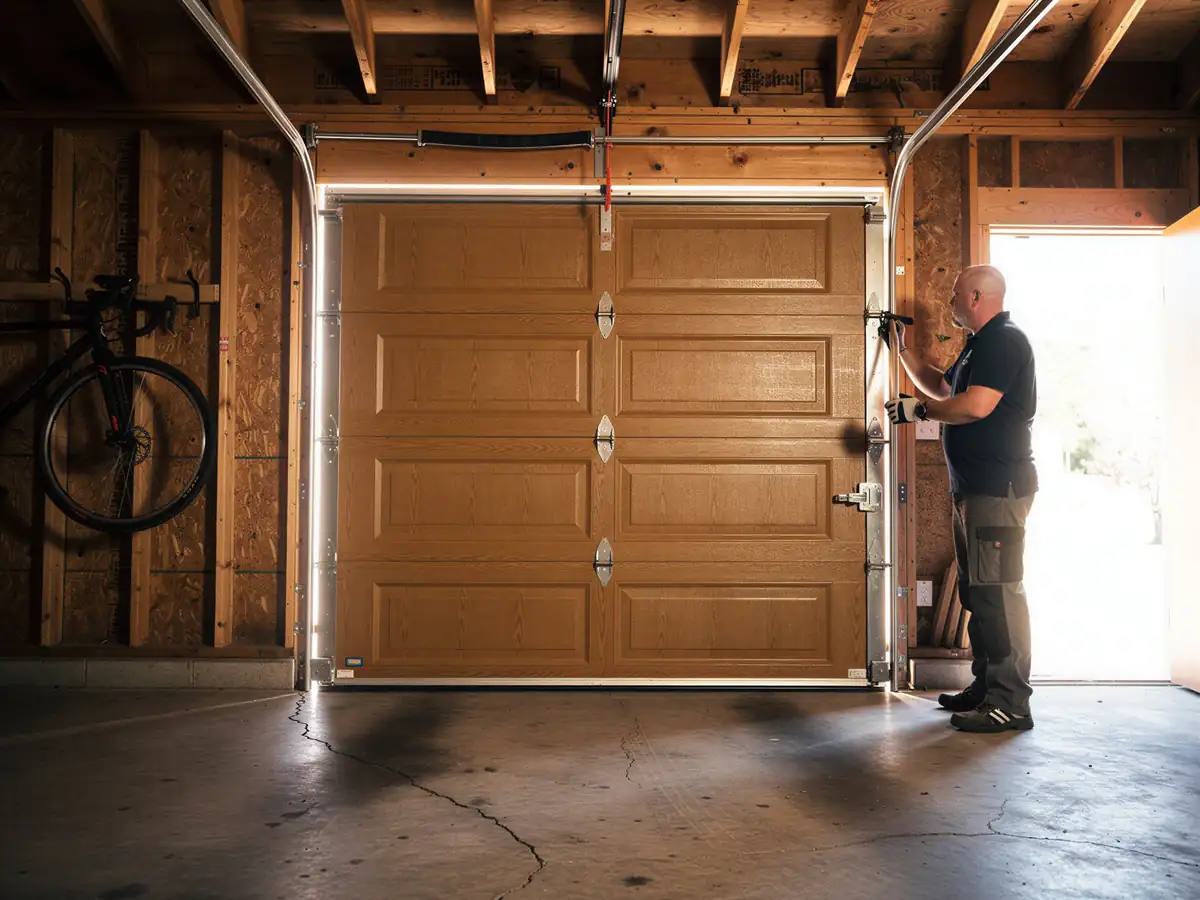
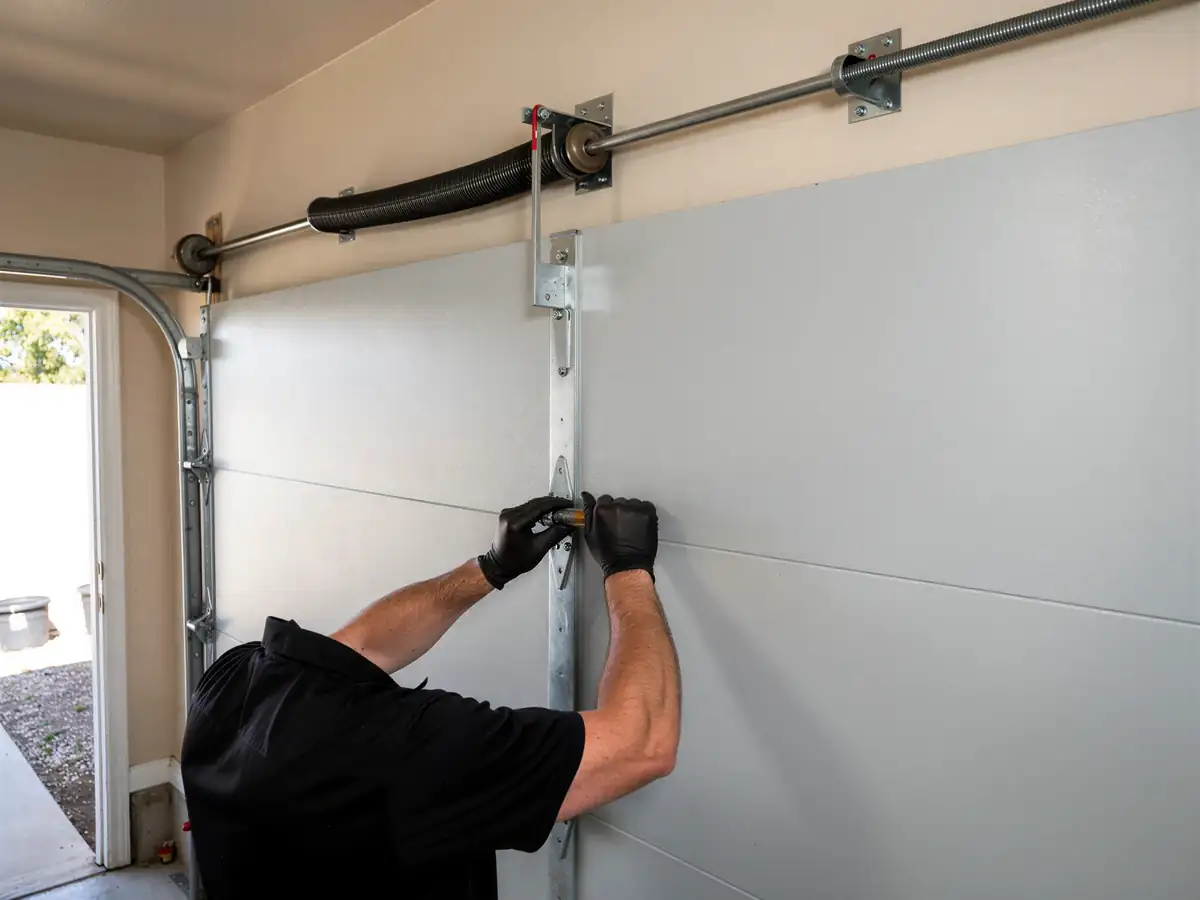
A lot of what goes wrong on a 1970s door is simple enough to look at yourself: a roller that's seized, a track bolt that's worked loose, weatherstripping gone brittle. Check those before you call anyone. What you should not touch is the spring system. Extension springs on an older door like this store a lot of energy and don't have the safety cables that newer code requires - if one lets go while you're working near it, it can put a hole in drywall or worse. If the door won't open, won't stay open, or makes a bang when it moves, that's a spring call, not a weekend project.
What the Repair Takes
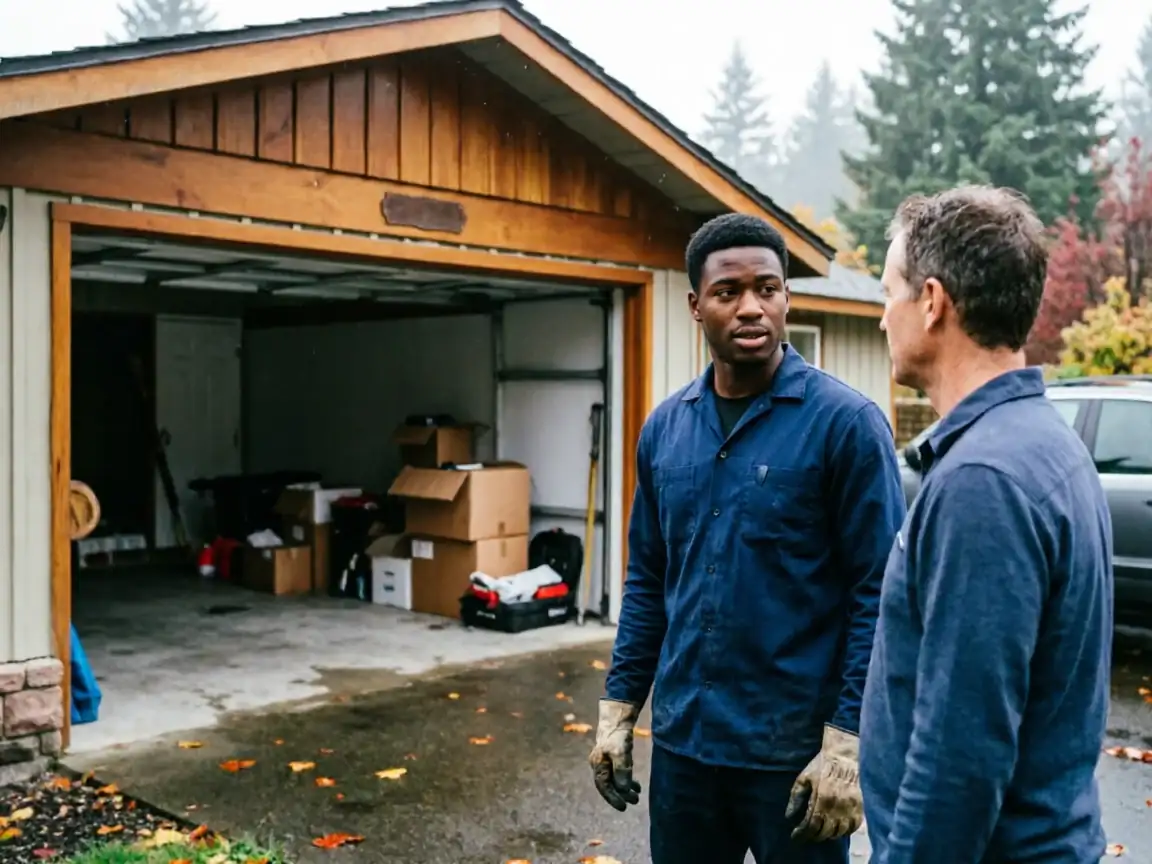
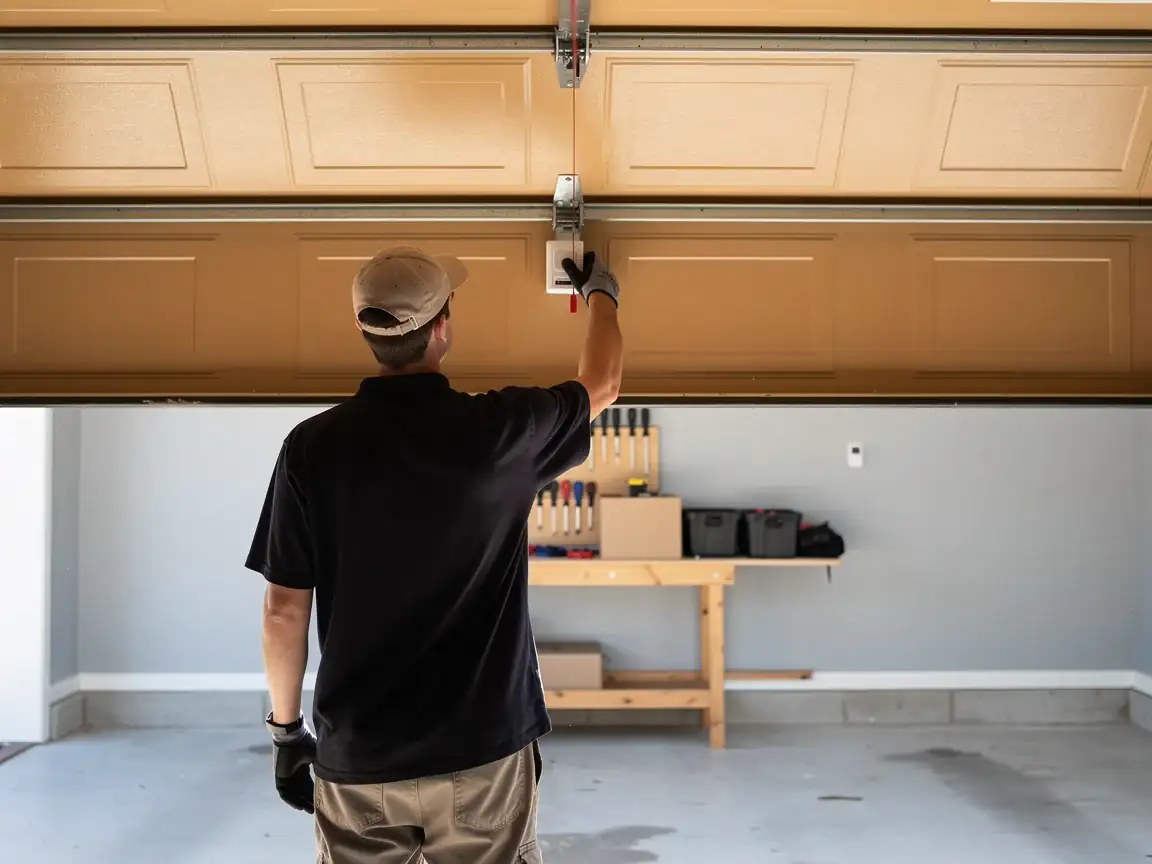
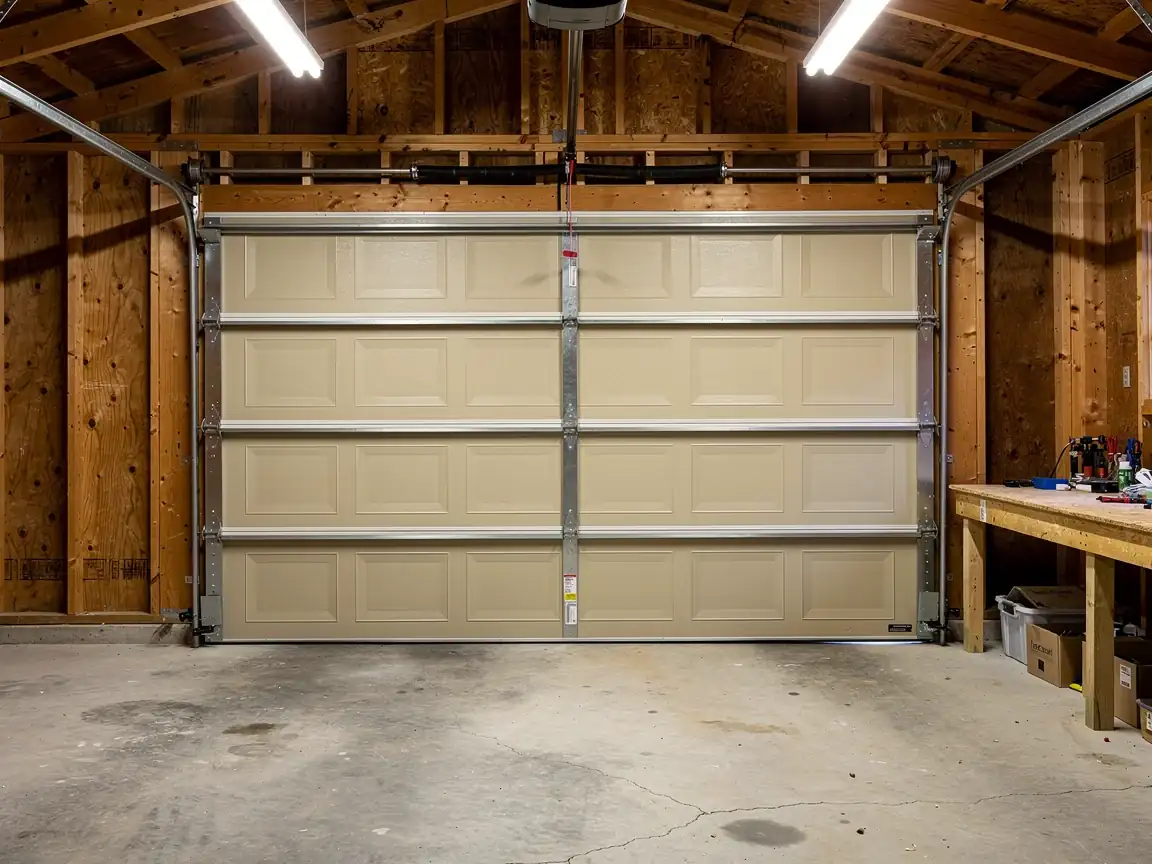
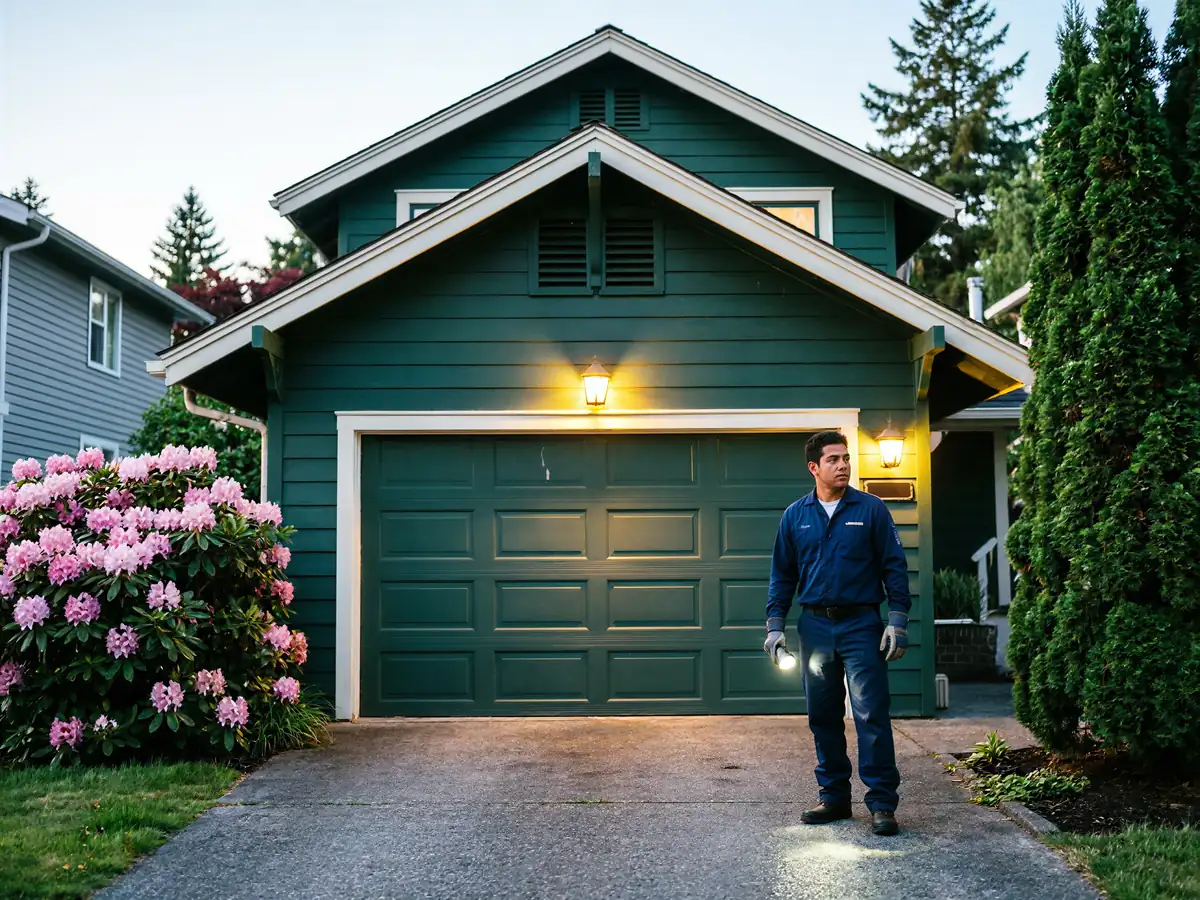
Most jobs on a house this age are a spring, a set of rollers, or a cable - work that takes an hour or two once the truck is on-site, parts in hand. The 4-mile trip from Oregon City means we're not losing half the appointment window to travel, which keeps scheduling straightforward even on a day with several calls stacked up around the area's 70,535 owner-occupied houses. What can slow things down is a part we don't carry for an older or previously-modified opener - in that case we'll tell you upfront rather than leave you guessing, and get it ordered.